Somewhere beneath the red dust of Utah, under the cracked badlands of Montana, and even below a parking lot in Denver, the answers to some of humanity’s biggest prehistoric questions are still waiting to be found. You might think we’ve figured out most of what there is to know about dinosaurs. But honestly, that couldn’t be further from the truth. Every shovel thrust into ancient rock, every accidental drilling project, every volunteer helping at a salvage dig has proven one thing over and over: the United States is sitting on a treasure chest of dinosaur secrets that science has barely cracked open.
Dinosaurs may be long extinct, but recent years have made it abundantly clear that they’re anything but settled science. New fossils, reanalyses of famous specimens, and increasingly sophisticated tools have continued to upend what we thought we knew about how these animals lived, moved, fed, and evolved. If you think paleontology is just about finding old bones and labeling them, you’re in for a serious surprise. Let’s dig in.
The Morrison Formation: America’s Most Fertile Fossil Ground
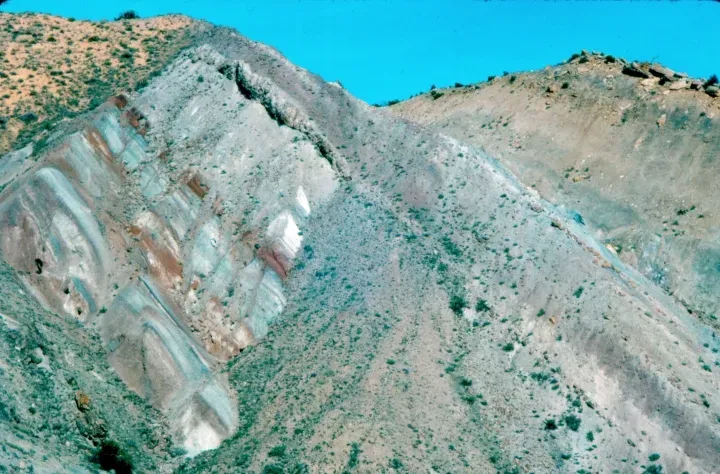
The Morrison Formation is a distinctive sequence of Upper Jurassic sedimentary rock found in the western United States and has been the most fertile source of dinosaur fossils in North America. It is composed of mudstone, sandstone, siltstone, and limestone. Most of the fossils occur in the green siltstone beds and lower sandstones, relics of the rivers and floodplains of the Jurassic period. Think of it like nature’s own filing cabinet, tucked neatly into the American West, storing prehistoric records that go back over 150 million years.
The Morrison Formation was deposited during the Late Jurassic, between approximately 157 and 150 million years ago, across rivers, floodplains, lakes, and other environments. At that time, North America was farther south and the Rocky Mountains did not yet exist. Flowering plants had not yet evolved; instead, the land was covered by ferns, cycads, and horsetails, with stands of conifer trees, ginkgoes, and tree ferns. You could walk its outcrops today and essentially be standing on the surface of another world. It covers an area of roughly 1.5 million square kilometers, yet only a tiny fraction is exposed and accessible to geologists and paleontologists, with well over three quarters still buried under the prairie to the east.
Dinosaur National Monument: A Century-Old Site Still Giving Up Secrets
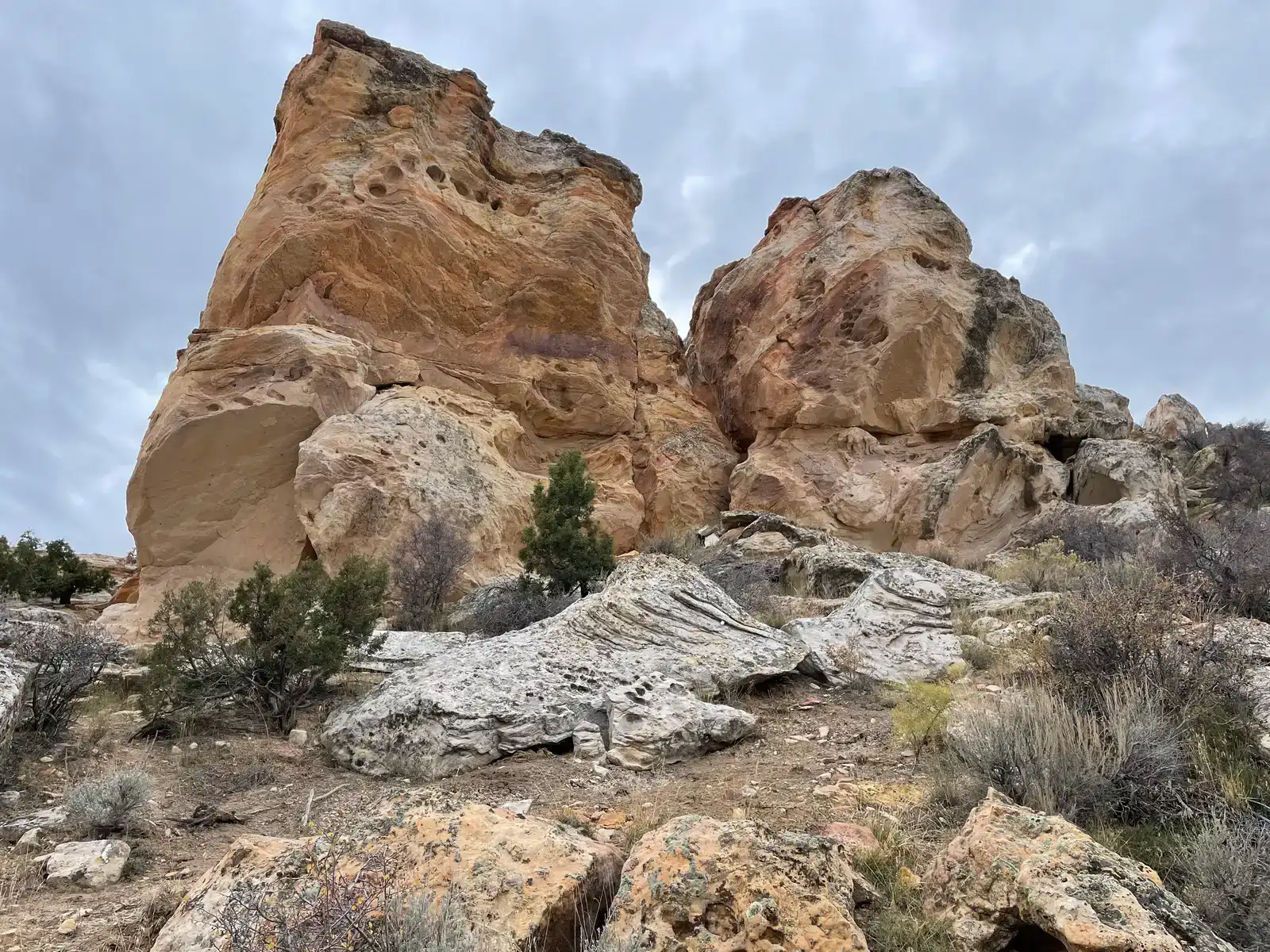
You might think a place literally named Dinosaur National Monument would have been picked clean by now. Think again. A parking lot construction project at Dinosaur National Monument turned into an unexpected fossil discovery – the first at the site in more than a century. That happened as recently as January 2026, and the scientific world couldn’t believe it.
Workers uncovered the fossils near the Quarry Exhibit Hall after removing asphalt in mid-September, exposing dinosaur-bearing sandstone. Park staff identified the remains on September 16 and immediately halted construction to allow paleontologists to assess the find. The fossils are believed to belong to a large, long-necked dinosaur called the Diplodocus. The species is commonly found in the area’s historic bonebed. Between mid-September and mid-October, crews worked to remove around 3,000 pounds of fossils and rock during the excavation. That’s a staggering amount of prehistoric material, hiding in plain sight beneath everyday asphalt.
Denver’s Underground Surprise: Dinosaurs Beneath the City
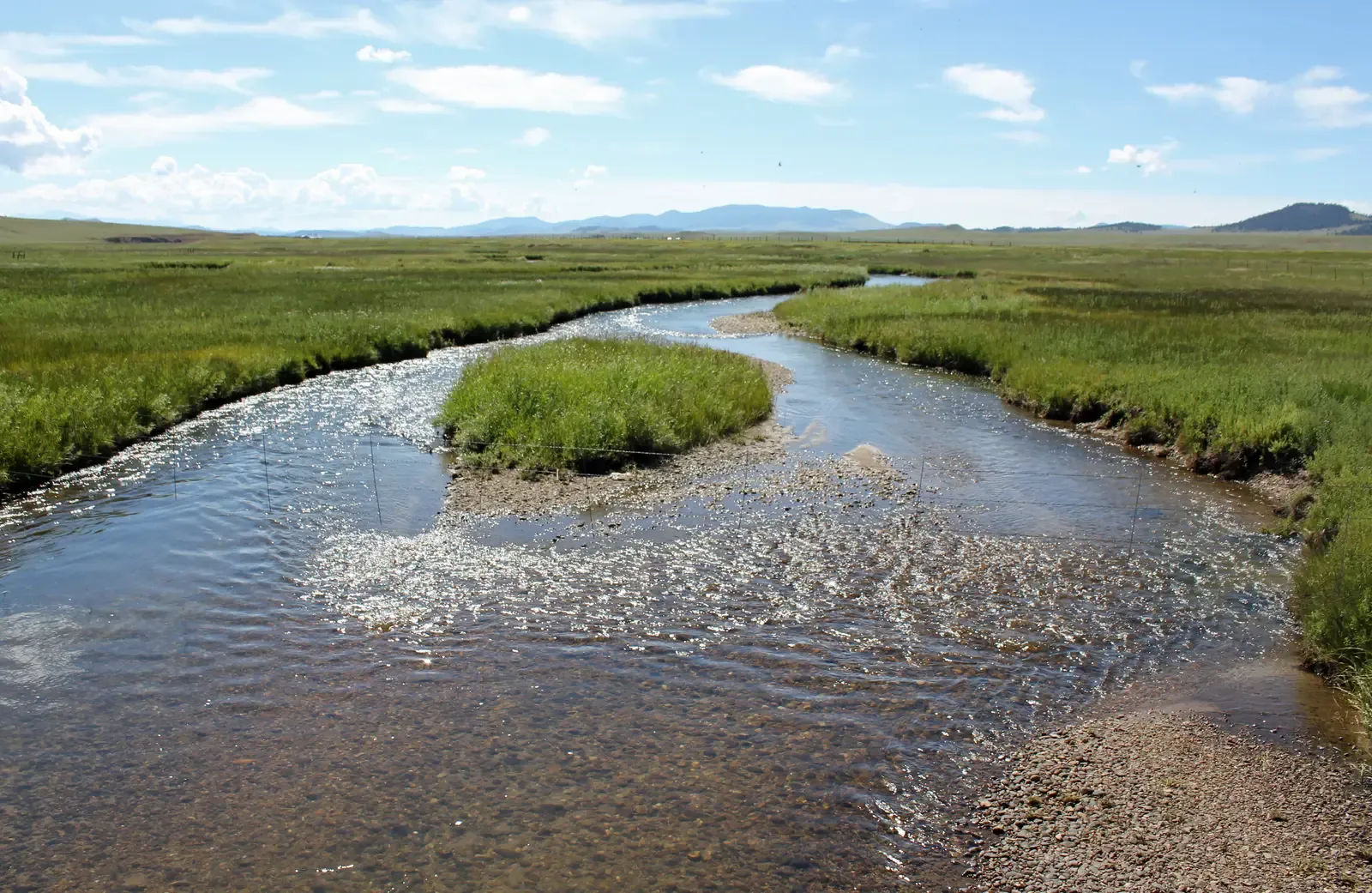
Here’s one that genuinely stunned scientists. The scientific core at the Denver Museum of Nature and Science was drilled nearly 1,000 feet below the surface, passing through layers of gravel and sand deposited by the South Platte River before reaching ancient bedrock from the Late Cretaceous Period. What scientists uncovered while drilling surpassed everyone’s expectations. It’s the kind of discovery that makes you realize the prehistoric world isn’t just locked away in remote badlands – it’s literally right under your feet.
Not only is it exceedingly rare to find a dinosaur fossil in a narrow drill core, but this fossil turned out to be the deepest and oldest dinosaur bone ever discovered within the Denver city limits. Around 67 million years ago, during the late Cretaceous Period, the land that is now Denver looked vastly different. Instead of a bustling city, the area was covered in warm, rainy, tropical forests and swampy lowlands. Towering palm trees, thick vines, and lush undergrowth created a dense jungle-like environment in the flat floodplains nestled between rivers. I honestly find it a little mind-bending that millions of commuters drive over that every single day without realizing what’s down there.
The Hell Creek Formation and the Nanotyrannus Revelation
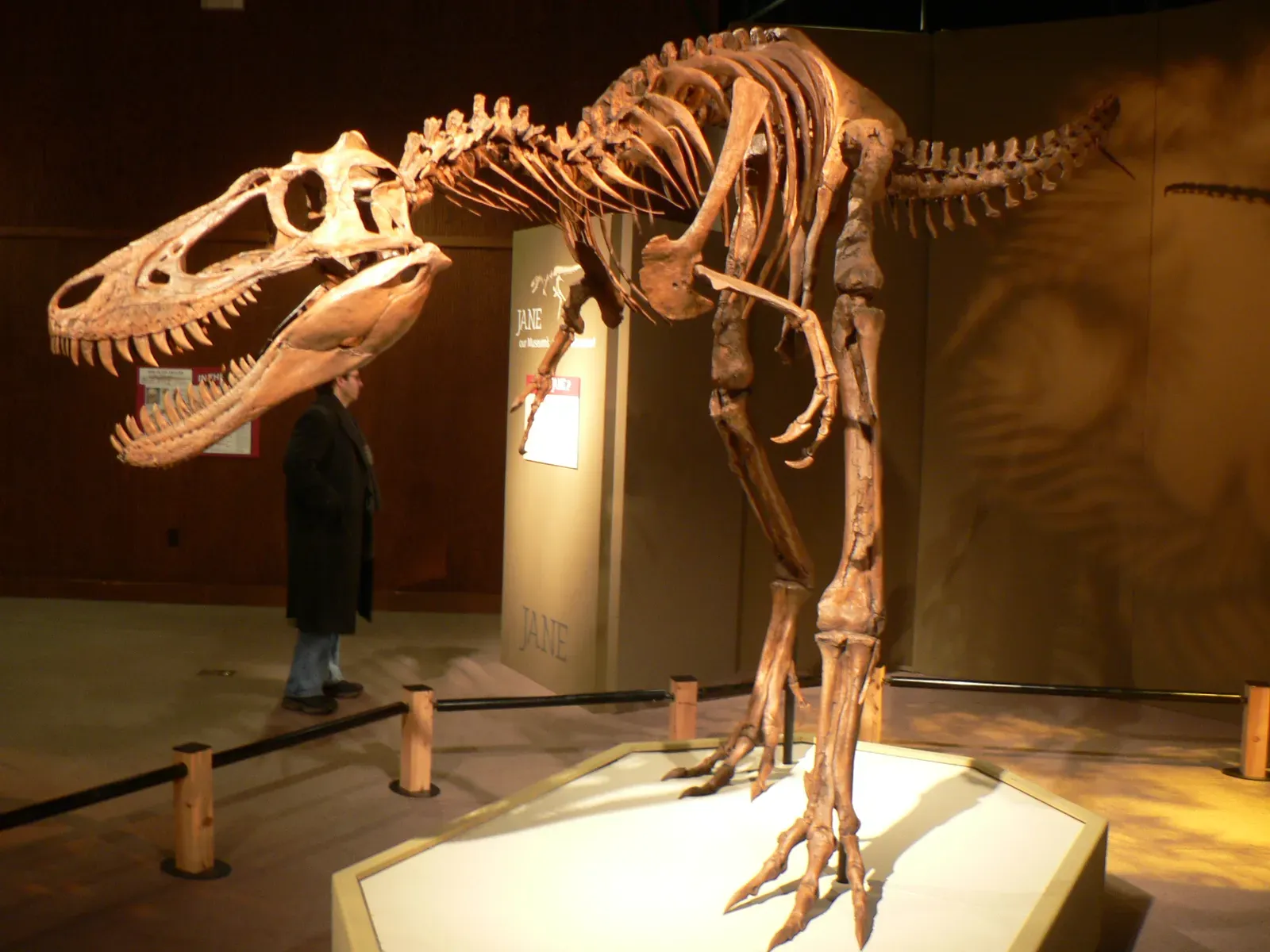
The Hell Creek Formation contains some of the most iconic dinosaurs in the world, including Tyrannosaurus rex, Triceratops, and the tank-like Ankylosaurus. It stretches across Montana, North Dakota, and South Dakota, and it has been the source of some of paleontology’s most electrifying debates. One of the biggest: did Nanotyrannus actually exist as its own species, or was it just a teenage T. rex?
Nanotyrannus is nothing short of a notorious dinosaur. Since the predatory creature was first named in 1988, paleontologists have argued over whether medium-sized tyrannosaur fossils found in the same rocks as the iconic Tyrannosaurus rex were juvenile T. rex or a unique and distinct predator. In recent years, the bulk of the evidence appeared to favor the juvenile T. rex hypothesis. Then in October 2025, an analysis in Nature of a specimen nicknamed “Bloody Mary” found enough anatomical evidence to support the case that Nanotyrannus is different from T. rex, including fewer tail vertebrae, more teeth, and longer, stronger forearms. These new discoveries indicate a significantly greater diversity of carnivorous dinosaurs in western North America than previously expected.
St. George’s Race Against Time: A Salvage Dig Like No Other
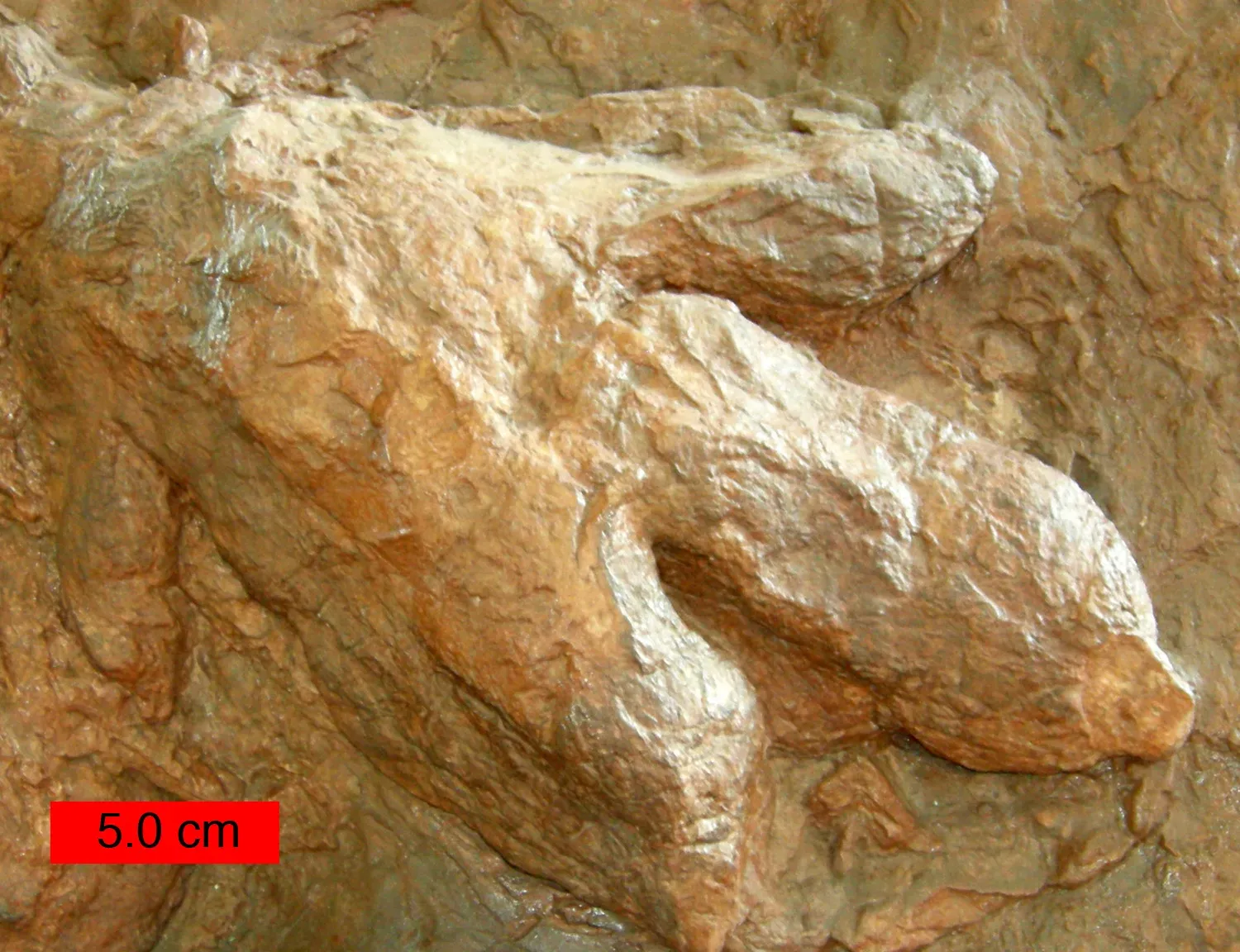
Not every amazing discovery happens in remote wilderness. Sometimes, you race against a bulldozer. In January of 2025, paleontologists at the St. George Dinosaur Discovery Site received urgent news that the City of St. George planned to build an electrical substation on land across the street from the museum. Previous work on and near the site had documented numerous fossils in multiple strata of the Early Jurassic-age Moenave Formation. With the land slated for development, they knew a rapid salvage excavation was imperative.
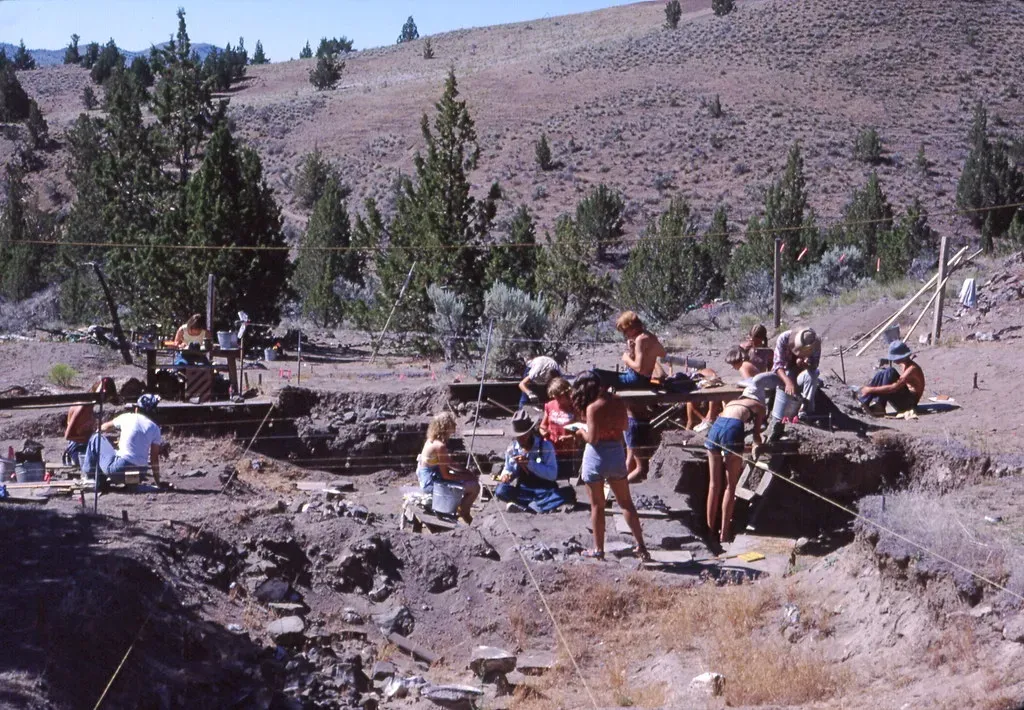
What followed was a remarkable story of community science in action. An astounding 750 individuals responded to the call for volunteers, with over 500 people ultimately dedicating their time and effort to the excavation. The Utah Geological Survey paleontology team spent a week in March 2025 working to collect fossils and help supervise the many volunteers. Let’s be real: that kind of public passion for preserving prehistoric history is genuinely inspiring. It proves that the urgency of what lies beneath American soil isn’t lost on everyday people.
What Dinosaur Skin and Soft Tissue Are Finally Telling You
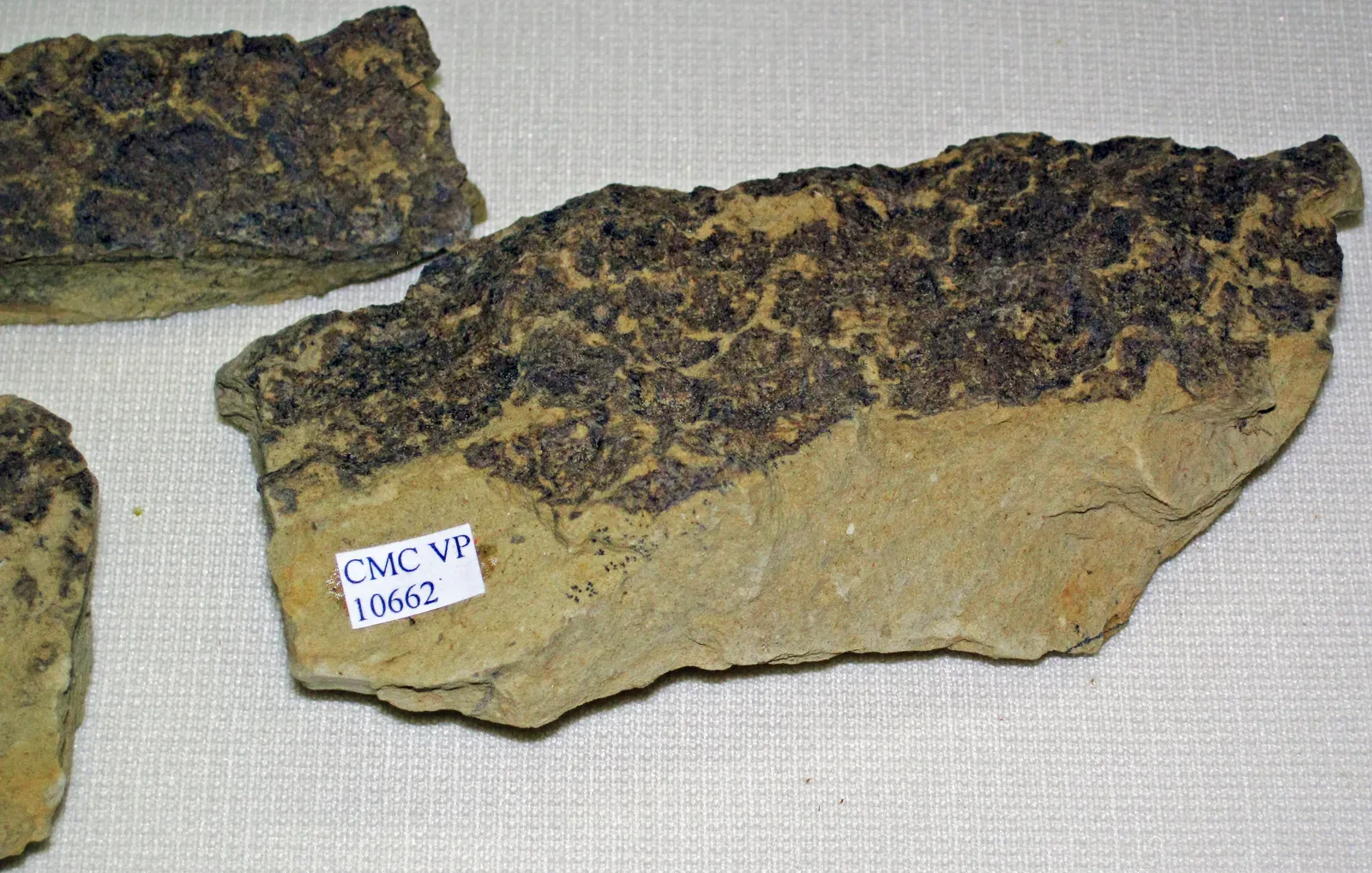
For decades, we assumed we’d never know what dinosaurs really looked like beyond the skeleton. That assumption is crumbling fast. Beyond familiar skeletons, the external appearance of dinosaurs is not well-known – sauropod skin impressions and soft tissue fossils are very rare. From the Jurassic rocks of Montana’s Mother’s Day Quarry, however, paleontologists uncovered fossils of sauropod skin so delicately preserved that they include impressions of pigment-carrying structures called melanosomes.
While researchers were reluctant to fully reconstruct the color of the juvenile Diplodocus the skin came from, they detected that the dinosaur would have had conspicuous patterns across its scales. The finding suggests sauropod dinosaurs were not uniformly gray or brown, but had complex color patterns like other dinosaurs, birds, and reptiles. On top of that, using a spectroscopy technique on dinosaur fossils has revealed the presence of hemoglobin in blood vessel-like structures. The discovery, in Tyrannosaurus rex and Brachylophosaurus canadensis fossils, may advance a debate on whether soft tissue can be preserved over time. Scientists believe these tissues could provide crucial details on dinosaur physiology, appearance, and genetic relatedness.
Dinosaur Diet Decoded: New Clues from US Archaeological Sites
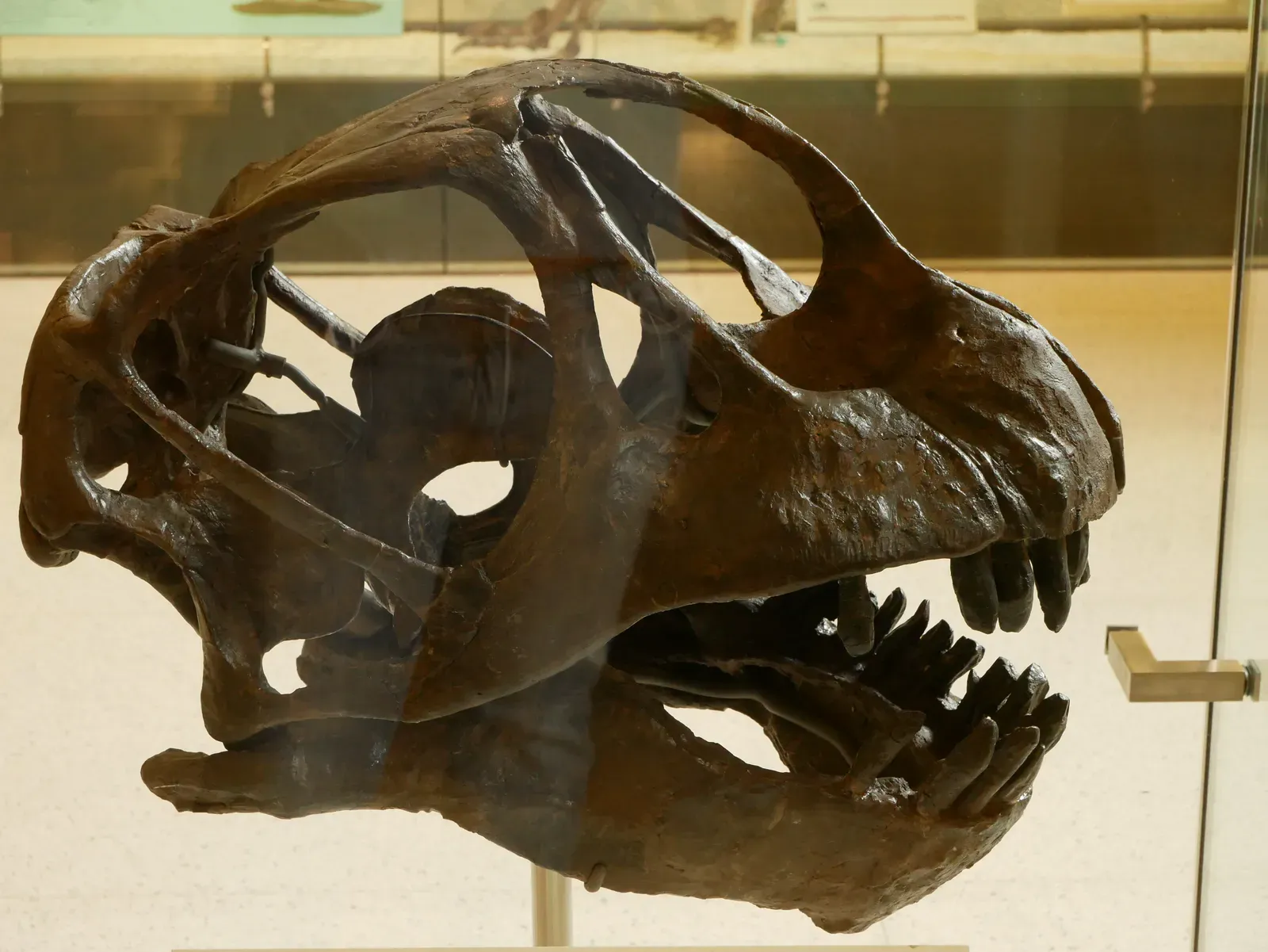
What did these giant creatures actually eat? For a long time, the teeth told the story and not much else. That’s changing. Evidence from the study of stable calcium isotope data from tooth enamel of dinosaurs from the Carnegie Quarry at Dinosaur National Monument (Morrison Formation, Utah) indicates that Allosaurus did not consume significant amounts of bone, as well as being indicative of niche partitioning between Camarasaurus and Camptosaurus. In other words, different species sharing the same territory were carefully dividing up the food supply in ways we’re only beginning to understand.
Rare fossils can preserve more than bones. In exceptional cases, stomach contents survive when soft tissue decays slowly and minerals replace it fast enough to hold their shape. That kind of dietary evidence can redraw food webs, because a single confirmed meal links species that may never appear together elsewhere in the fossil record. Think about that like finding an ancient receipt in someone’s pocket – it tells you exactly what they were doing when their world ended. Fossil evidence also suggests that sauropod babies were frequently eaten by multiple predators, meaning even the animals that grew into the largest creatures ever to walk the Earth began life in constant danger.
Technology Is Unlocking What the Ground Has Hidden for Millions of Years
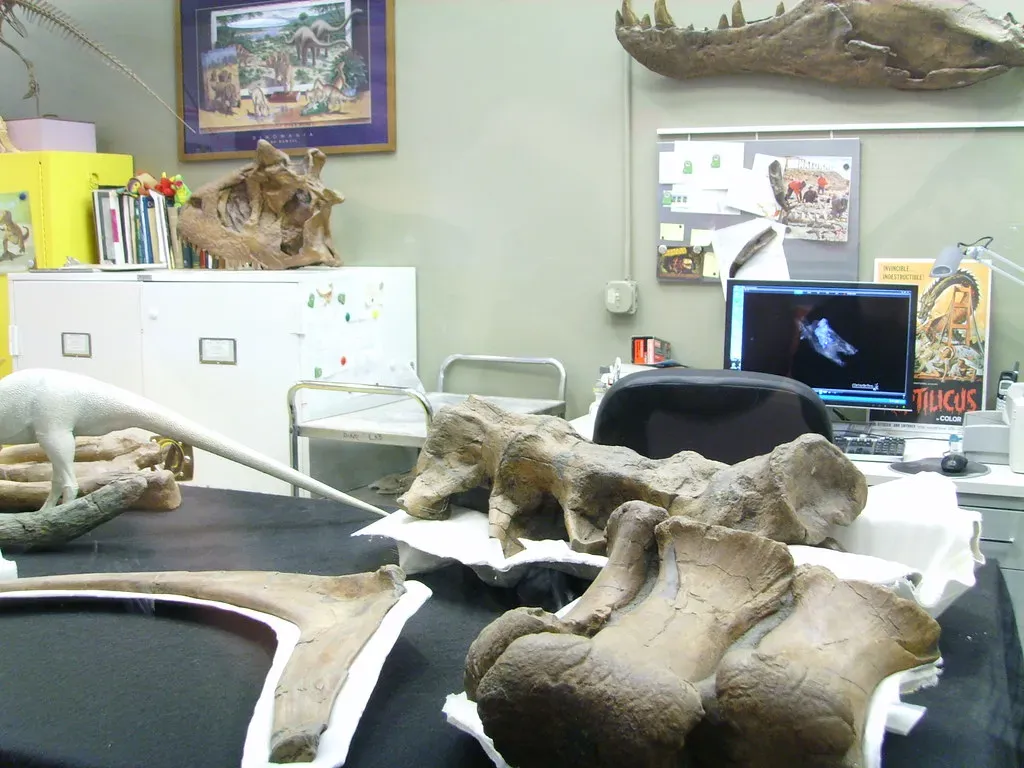
Here’s the thing: you don’t always need a new site to make a new discovery. Sometimes you just need better tools pointed at something that’s been sitting in a museum drawer for decades. At first, dinosaur hunters used only such tools as a keen eye, shovels, and compasses. Today, scientists also rely on everything from satellite technology to scanning electron microscopes. The leap between those two eras is almost incomprehensible.
Researchers have uncovered thousands of preserved metabolic molecules inside fossilized bones millions of years old, offering a surprising new window into prehistoric life. Separately, dinosaur footprints have always been mysterious, but a new AI app called DinoTracker is cracking their secrets, analyzing photos of fossil tracks and predicting which dinosaur made them, with accuracy rivaling human experts. From reinterpretations of iconic predators to ancient trackways that capture fleeting moments of Jurassic life, recent research has shown how much information is still locked inside bones, teeth, and footprints that have been studied for decades. It’s hard to say for sure where the next big breakthrough will come from, but one thing is certain – the tools we have in 2026 are making the impossible possible.
Conclusion: The Ground Beneath You Is Still Keeping Secrets
The United States is, without exaggeration, one of the greatest natural archives of dinosaur life on the planet. The United States is home to some of the world’s most famous dinosaur digs, with a rich history of paleontological discoveries. From the Badlands of South Dakota to the deserts of Utah, there’s no shortage of places to explore. Yet the most stunning truth is that sites we’ve studied for over a century are still turning up surprises – under parking lots, beneath city streets, and in formations that cover hundreds of thousands of square miles.
You don’t have to be a scientist to appreciate what this means. Every new discovery rewrites something we thought we already understood. Every volunteer who picks up a brush at a dig site might be holding a clue to how the ancient world really worked. A golden era in dinosaur science is driving this fascination, and we are truly in a golden era for dinosaur science. The ground is still speaking. The only question is – are we listening carefully enough?
What do you think is still hiding beneath US soil, waiting to be discovered? Tell us in the comments.