
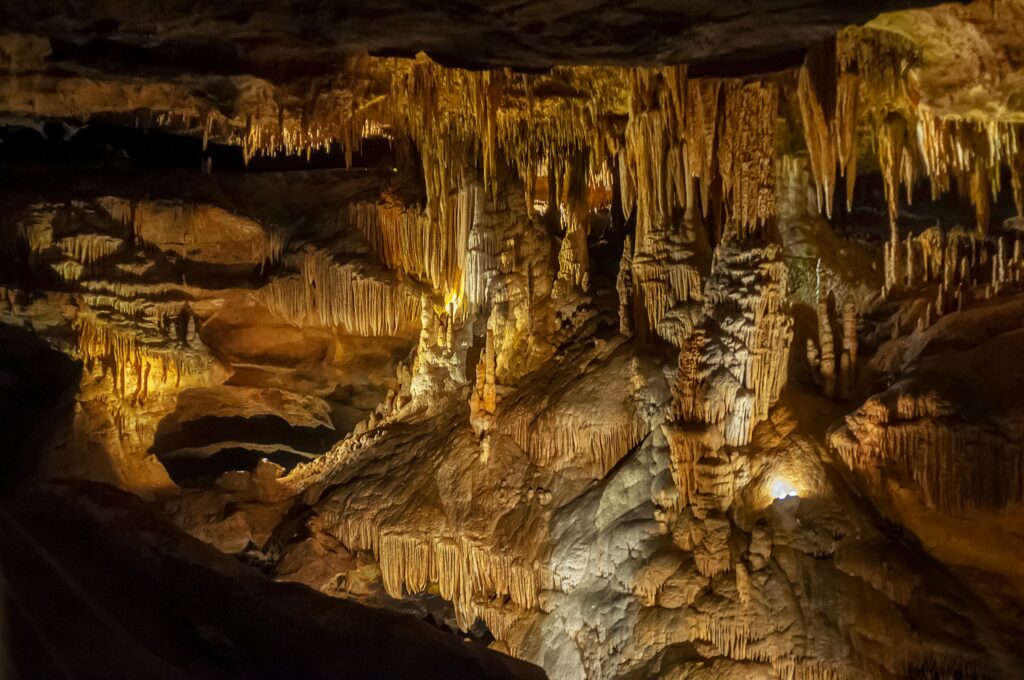
Imagine standing at the lip of a black shaft in the rock, knowing that the air drifting up toward your face last touched the outside world when mammoths were still walking across frozen plains. That is the kind of discovery that makes even seasoned scientists go quiet. A perfectly sealed, incredibly deep cave system, its atmosphere trapped since the Pleistocene, would be as close as we can get to time travel without leaving Earth.
We do not yet have a confirmed, fully documented site that matches every detail of this dramatic headline, and that’s important to say up front. But we do have real caves that come close: systems with air chemistry, mineral formations, waters, and micro‑ecosystems that have been cut off from the surface for astonishing spans of time. By looking at what archaeologists, speleologists, and microbiologists have actually found in such places, we can sketch a realistic, grounded picture of what a Pleistocene‑sealed cave might hold – and why the truth is already more extraordinary than most science fiction.
A cave sealed since the ice age: what would that even mean?
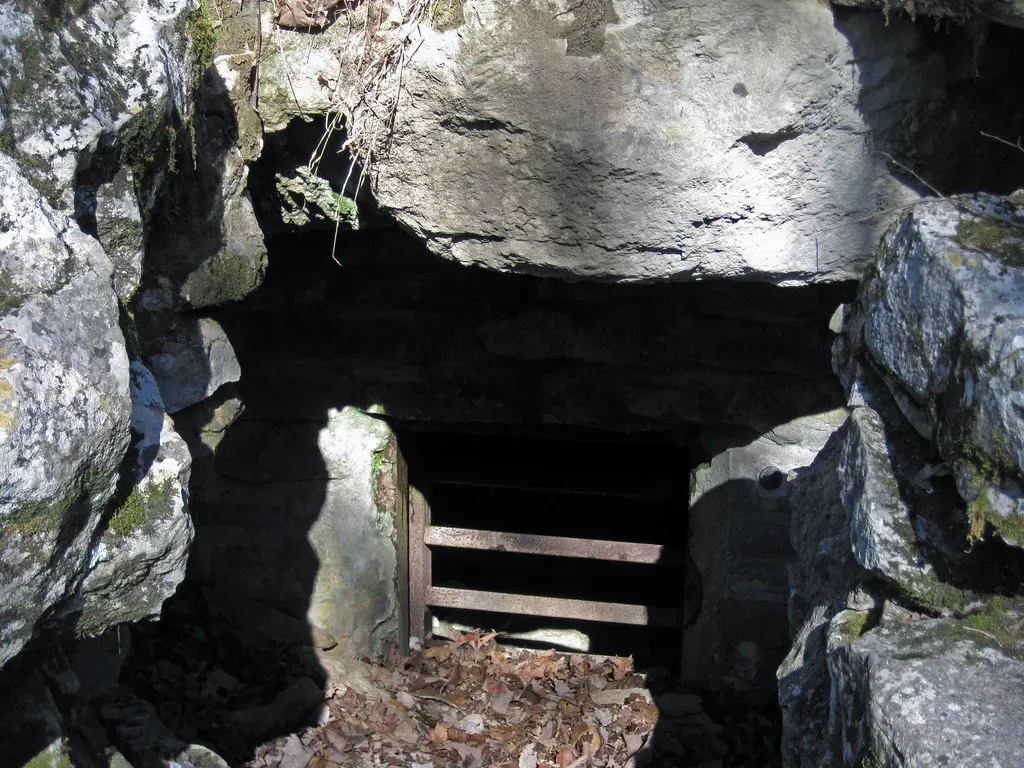
Here’s the wild part: “sealed since the Pleistocene” does not have to mean a cave is filled like a jar with perfectly preserved air, forever unchanged. In reality, rock breathes in very slow motion. Micro‑fractures, mineral pores, and tiny water films all allow gases to seep, react, and stabilize over thousands of years, even if no open tunnel connects to the surface. So when scientists talk about ancient or isolated cave atmospheres, they’re usually describing environments with extremely limited exchange, not absolute isolation like a glass bottle.
Now imagine a cave system whose main chambers were closed off by a rockfall or slow mineral growth around the end of the last ice age, over ten thousand years ago. Any air trapped at that moment would have started to evolve on its own timetable. Oxygen would be slowly consumed by geological reactions and microbes; carbon dioxide, methane, hydrogen sulfide, or other gases could increase. Over time, you’d get a chemical “accent” entirely shaped by the rock, water, and living things inside. When modern explorers finally cracked their way in, the first breath of that air would be like opening a history book written in gas chemistry and dust.
Reading the air: a chemical time capsule from deep time
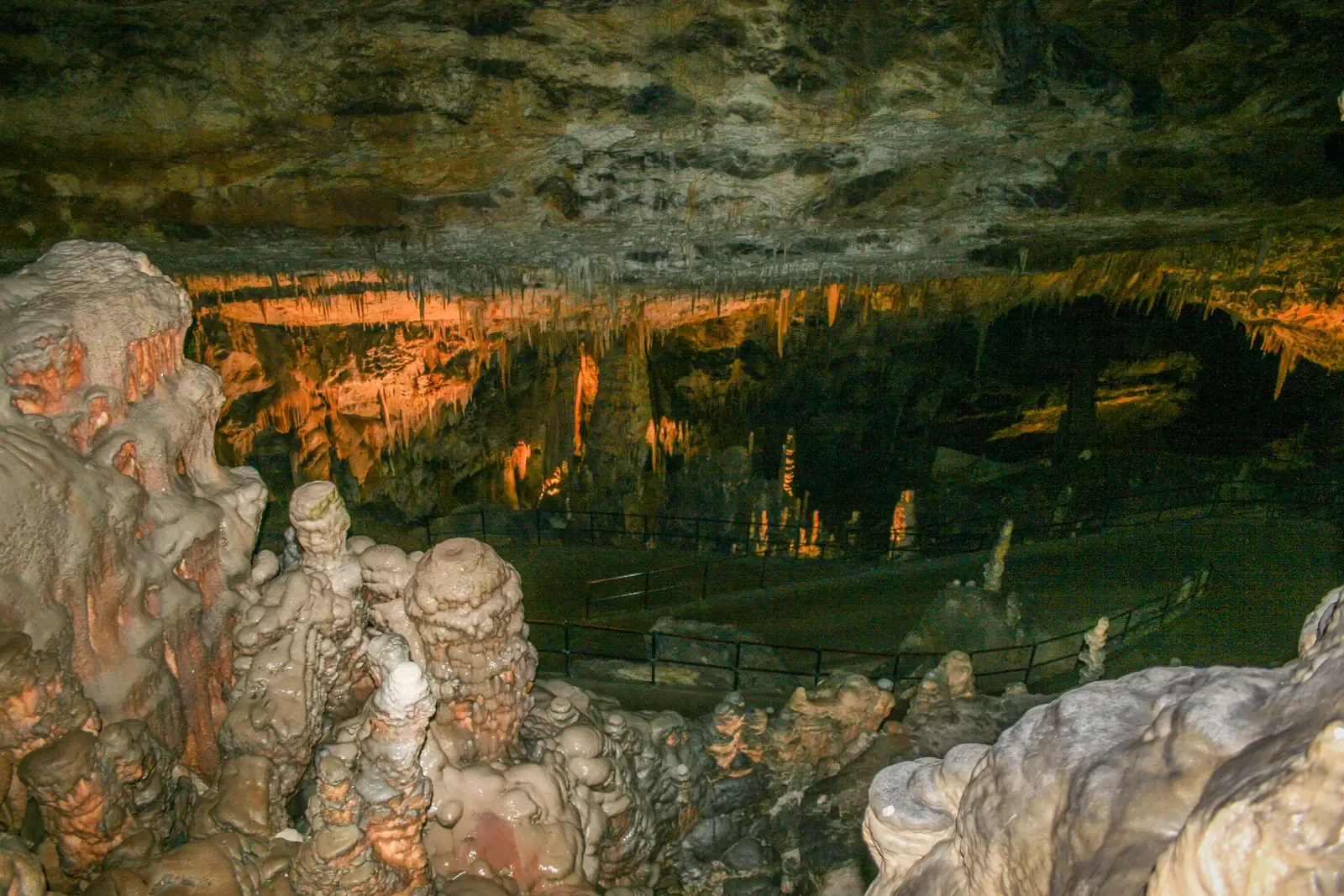
Scientists are already obsessed with cave air because it quietly records what is happening both outside and inside the rock. In a hypothetical Pleistocene‑sealed system, instruments would go in before people: tiny tubes, gas samplers, and filters slipped through drilled pinholes so researchers could study the air without disturbing it. They’d look at oxygen and carbon dioxide levels, trace gases like radon or helium, and even the ratios of carbon and oxygen isotopes that whisper about ancient climates and long‑term rock reactions.
The dust and aerosols hanging in that air would be just as revealing. Every speck could carry pollen grains from vanished ecosystems, fragments of fungal spores, or dehydrated cell walls from ancient microbes. By sequencing whatever DNA still clings to those particles, scientists could reconstruct ghost communities that may have thrived when glaciers dominated the landscape. It would not be like opening a room frozen in time; it would be more like reading a palimpsest, a text written, erased, and overwritten by chemistry and biology across thousands of years.
Life in the dark: microbes that never saw the sun
The most extraordinary finds in real-world deep caves have almost always been microbial. In places like Movile Cave in Romania and the deep systems under Mexico and Italy, researchers have discovered ecosystems that run on chemicals from rock and groundwater instead of sunlight. Bacteria and archaea “eat” hydrogen sulfide, methane, or iron, forming the base of food webs that support worms, crustaceans, and other tiny creatures. A Pleistocene‑sealed cave would likely be dominated by this kind of rock‑powered life, not by big, obvious fossils.
These microbes can be shockingly patient. Some populations in subsurface rock appear to turn over so slowly that individual cells might persist on geological timescales, barely dividing, just repairing themselves and waiting out eternity. In a sealed cave, the community would adapt to every tiny shift in available chemicals, growing, shrinking, and mutating in exquisite slow motion. When we finally sampled them, we might find enzymes that work in near‑zero oxygen, bizarre cell membranes tuned to unusual gases, or metabolic pathways that hint at how life could survive in the subsurface of Mars or on icy moons. The extraordinary part is not that such life would be alien; it’s that it would be us – Earth life – rewritten by darkness and stone.
Creatures of perpetual night: how animals might evolve in isolation
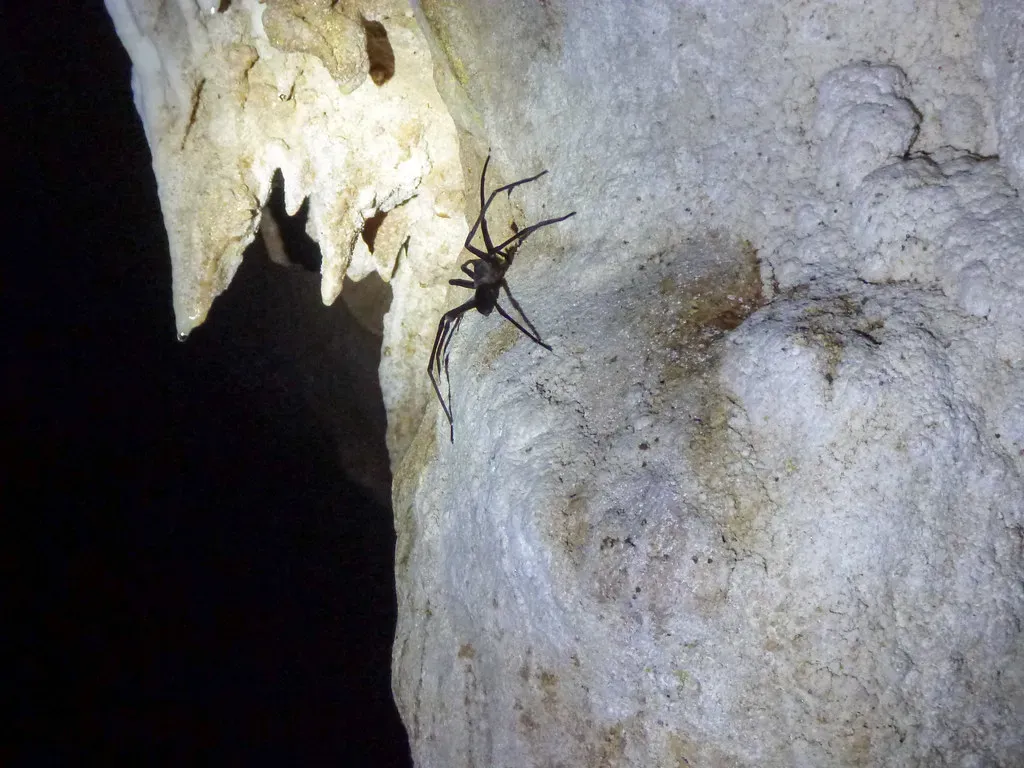
We know from genuinely isolated caves that animals can change dramatically when cut off from the surface. Sight becomes useless; eyes shrink or vanish. Pigments fade, leaving creatures ghost‑white or translucent. Antennae grow longer, legs stretch out, and senses like touch and smell become supercharged. A Pleistocene‑sealed labyrinth would give these evolutionary trends a canvas that lasts for many thousands of years, even if that is still relatively short compared to deeper geological timescales.
If larger animals somehow persisted inside such a system – think tiny shrimp‑like crustaceans, beetles, spiders, or millipedes – we’d expect to find lineages that split from their surface relatives around or before the sealing event. Genetic analyses could trace that divergence and show how fast cave adaptations arise. The extraordinary discovery would not be some fantasy of frozen mammoths hiding underground, but the realization that a pale, half‑millimeter‑long insect has been following its own evolutionary path in the dark since humans were painting bison on cavern walls. It would be a harsh reminder that the most radical transformations on Earth often happen in bodies so small we don’t notice them.
Archaeologists in a biologist’s playground: what human history adds to the picture
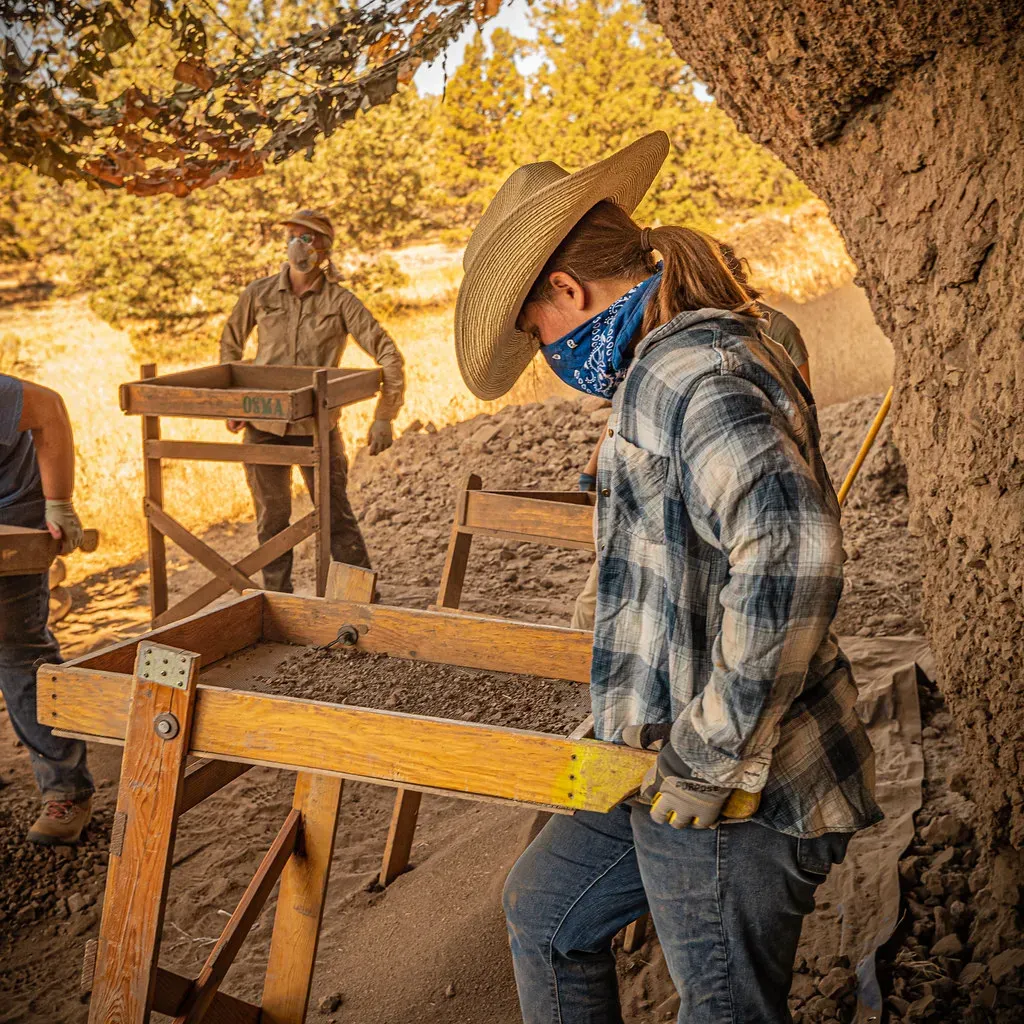
At first glance, a cave sealed since the Pleistocene sounds like an archaeologist’s dream: untouched artifacts, ancient hearths, perhaps even human remains perfectly preserved. In practice, though, a truly airtight seal for thousands of years usually means there was very limited human activity inside shortly before closure, if any at all. Many of our best Pleistocene sites – the painted caves of France and Spain, or shelters with stone tools and bones – remained at least somewhat open, which is why people could use them repeatedly.
Where archaeologists get excited in a scenario like this is at the edges and interfaces. The entrance zones of a once‑open cave might hold layers of sediment packed with tools, charcoal, and animal bones that tell us who came and went before the collapse or sealing event. Combined with the deep, isolated chambers further in, the whole system would offer a double time lens: a record of human activity at the front and a record of long‑term natural evolution in the back. In that sense, the cave becomes a shared stage where human history and microbial history overlap, even if the main actors never actually met.
Why this matters far beyond one cave: climate, other worlds, and our own future
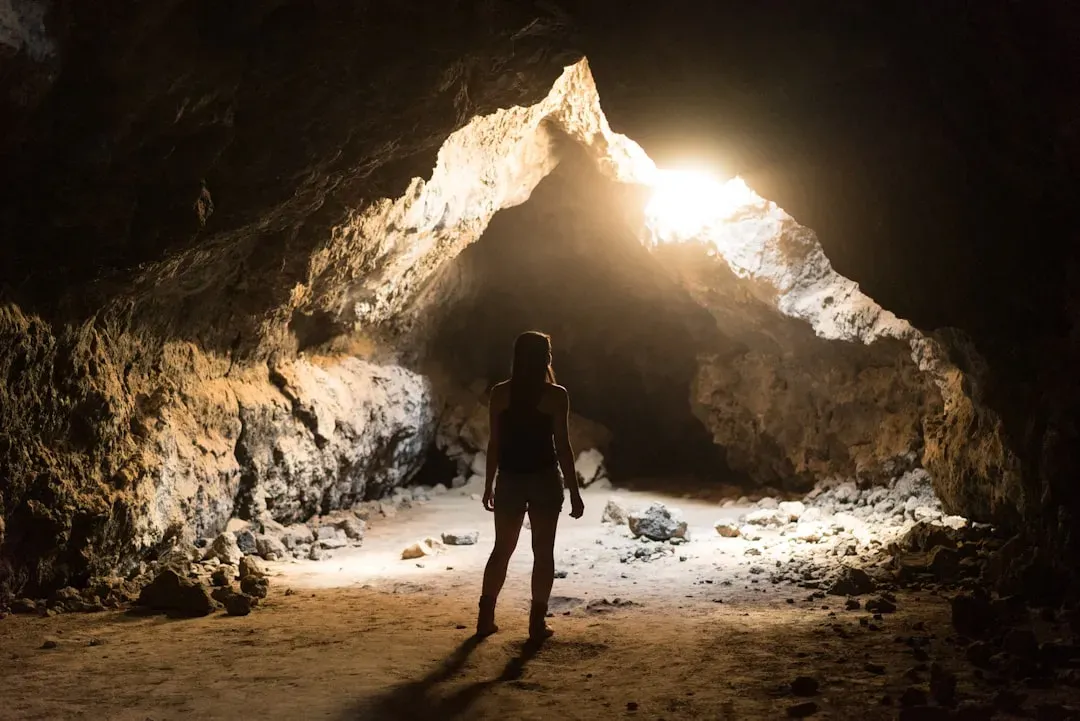
It’s tempting to treat a Pleistocene‑sealed cave as just an exotic scientific curiosity, the kind of thing that pops up in headlines and then vanishes. But environments like this are quietly rewriting how we think about climate, habitability, and resilience. The gases in such a cave can help refine models of how carbon moves through rock, oceans, and air over long spans of time, which feeds directly into our understanding of modern climate change. If we can trace how sealed cave atmospheres respond to slow shifts outside, we gain one more line of evidence for how sensitive – or stubborn – Earth’s systems really are.
On top of that, these caves are stand‑ins for worlds we have not yet walked on. When mission planners think about life under the surface of Mars or beneath the icy shells of Europa or Enceladus, they lean on what we’ve learned from Earth’s deepest, darkest pockets. If life can adapt so completely to a sealed underground atmosphere here, then it becomes harder to argue that lifelessness is the default everywhere else. The extraordinary thing might not be a single cave’s discovery, but the way it pushes us to admit that life is more inventive, more persistent, and more difficult to stamp out than we once believed.
Conclusion: the real extraordinary story hiding in the rock
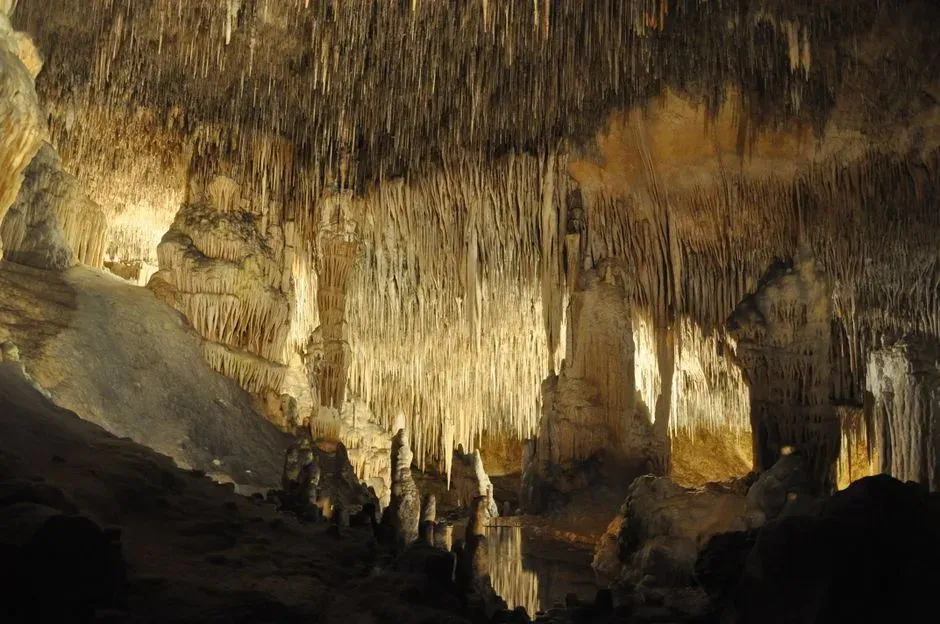
There’s a certain disappointment baked into our expectations for discoveries like this. We secretly want a sealed Pleistocene cave to give us a lost world of giant beasts, glittering relics, or perfectly preserved scenes from deep time. The honest, slightly deflating truth is that what we are most likely to find are gases, microbes, and tiny, pale creatures that could sit comfortably on the head of a pin. My own view is that this supposed disappointment says more about us than it does about the caves; we are still learning to be impressed by what we cannot easily see.
If anything, a sealed cave system should shake our ego. It shows that even when humans were carving their first symbols into stone, whole universes of chemistry and biology were quietly ticking along beneath their feet, indifferent to their presence. The extraordinary part is not the headline image of an untouched air pocket from the ice age; it is the realization that, for most of Earth’s history, life has flourished in places we would write off as uninhabitable. That should make us more curious, more cautious, and frankly a bit more humble. When you think about it that way, which seems stranger: that such a cave might exist, or that we ever believed Earth had already shown us her best tricks?