Eastern United States – A powerful polar vortex has descended upon the region, plunging temperatures to dangerous lows and disrupting life for millions amid the early winter of 2025.
The Sudden Descent of Frigid Air
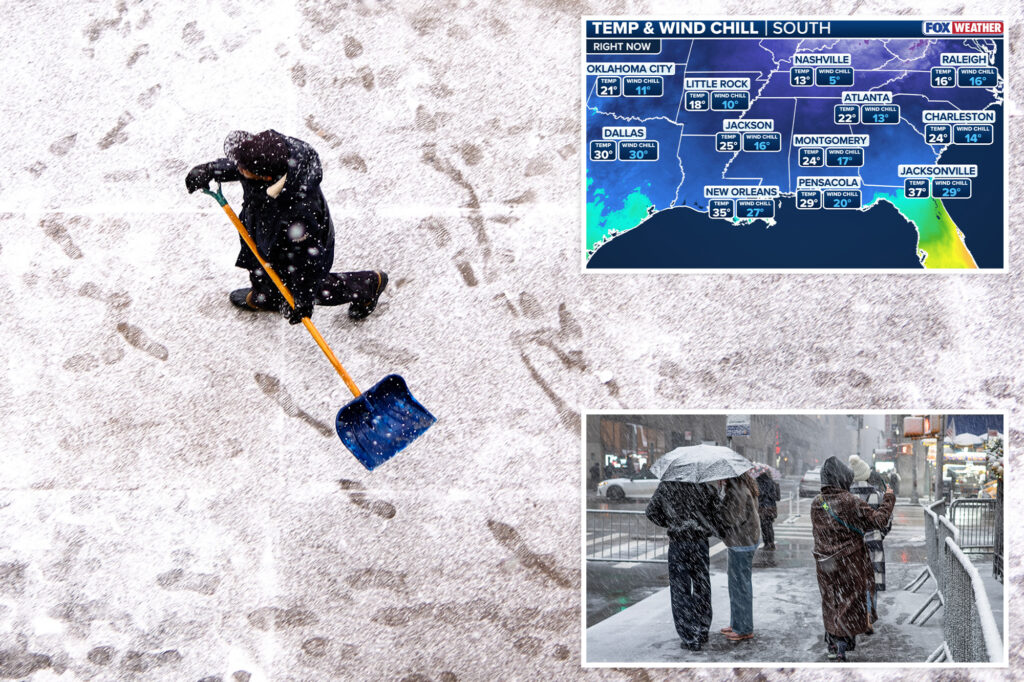
Residents from the Midwest to the Northeast woke to an unexpected chill as the polar vortex disrupted typical weather patterns. This atmospheric phenomenon, a large area of low pressure and cold air circling the Earth’s poles, weakened and shifted southward, allowing arctic air to spill into the continental U.S. Forecasters had warned of this event for weeks, but its intensity caught many off guard. By mid-December, single-digit temperatures dominated the landscape, with wind chills dropping even lower in exposed areas. The vortex’s movement marked one of the earliest significant cold outbreaks of the season.
Experts noted that a stratospheric warming event earlier in the fall contributed to the vortex’s instability. This warming pushed the cold core southward, creating a pathway for multiple waves of arctic air. Cities like Chicago and New York City reported their first sub-zero readings in months, a stark contrast to the milder autumn that preceded it. Travel disruptions followed quickly, with highways closing due to black ice and flights grounded by poor visibility. The event echoed past polar vortex episodes but arrived with unusual speed for this time of year.
Impacts Sweeping Through Key Regions
The cold wave stretched from the Great Lakes to the Gulf Coast, enveloping nearly two dozen states in its icy embrace. Over 70 million Americans faced the brunt of the freeze, with alerts issued for everything from frostbite risks to power grid strains. Snowfall accompanied the drop in temperatures, blanketing the Midwest with several inches and complicating commutes. Eastern seaboard cities dealt with a mix of sleet and freezing rain, turning sidewalks into hazardous zones. Rural areas, often more vulnerable, saw livestock losses and crop damage from the prolonged exposure.
Urban centers like Boston and Philadelphia implemented emergency measures to protect the homeless and elderly populations. Schools closed across multiple states, shifting education online once again. Economic ripple effects emerged as construction halted and retail foot traffic plummeted. The National Weather Service emphasized the vortex’s role in amplifying these conditions, predicting the coldest air mass of the season so far. Recovery efforts focused on clearing roads and restoring heat to affected buildings.
Health Risks and Safety Measures in Focus
Health officials issued urgent warnings as wind chills plummeted below minus 30 degrees Fahrenheit in some spots, heightening the danger of hypothermia and frostbite. Vulnerable groups, including outdoor workers and the unhoused, required immediate attention from community services. Hospitals prepared for an influx of cold-related illnesses, stocking up on treatments for respiratory issues exacerbated by the dry, frigid air. Public transportation systems extended hours to provide warm shelters during peak cold periods. Authorities recommended layering clothing and limiting outdoor time to essential activities only.
To combat the freeze, residents turned to proven strategies for staying safe. Here are some key preparations that proved effective:
- Seal windows and doors with weatherstripping to retain indoor heat.
- Check smoke detectors and carbon monoxide alarms before using space heaters.
- Keep emergency kits stocked with blankets, food, and water for potential power outages.
- Clear snow from driveways promptly to avoid slips and falls.
- Monitor weather updates via reliable apps from the National Weather Service.
These steps not only mitigated immediate dangers but also built resilience against future outbreaks. Community centers opened as warming stations, fostering a sense of solidarity amid the adversity.
Broader Weather Dynamics at Play
The polar vortex’s behavior this winter tied into larger climate patterns, including a transitioning La Niña that favored colder conditions in the northern latitudes. Scientists observed that the vortex split into lobes, with one dipping south to influence North American weather. This configuration led to a “wrecking ball” effect, as meteorologists described it, slamming cold air repeatedly into the eastern U.S. Satellite imagery captured the vortex’s dramatic repositioning, underscoring its unpredictability. While not unprecedented, the event highlighted ongoing shifts in jet stream behavior.
Comparisons to previous years revealed some differences; this outbreak arrived earlier than the 2024 event but carried similar intensity. Forecasters linked the rapid changes to stratospheric influences that propagated downward, altering surface temperatures. The interplay between the vortex and high-pressure systems over Greenland funneled the cold air efficiently. Researchers continued to study these dynamics to refine long-term predictions. For now, the focus remained on navigating the immediate challenges posed by the freeze.
Key Takeaways
- The polar vortex has brought the season’s coldest air to the eastern U.S., affecting daily life profoundly.
- Safety measures like emergency kits and community support are crucial during such events.
- Climate patterns suggest more variability in winter weather, urging better preparedness.
As the polar vortex lingers, it serves as a reminder of winter’s raw power and the need for vigilance in an era of changing weather norms. What steps are you taking to stay warm this season? Share your experiences in the comments below.