Southern Florida – Intense summer heat poses a severe threat to the state’s most endangered bat species. Researchers from the University of Illinois Urbana-Champaign tested innovative artificial roosts to combat this challenge. Their findings highlight designs that maintain safe temperatures and successfully attract bats, offering hope for conservation efforts.
A Rare Success in Sweltering Conditions
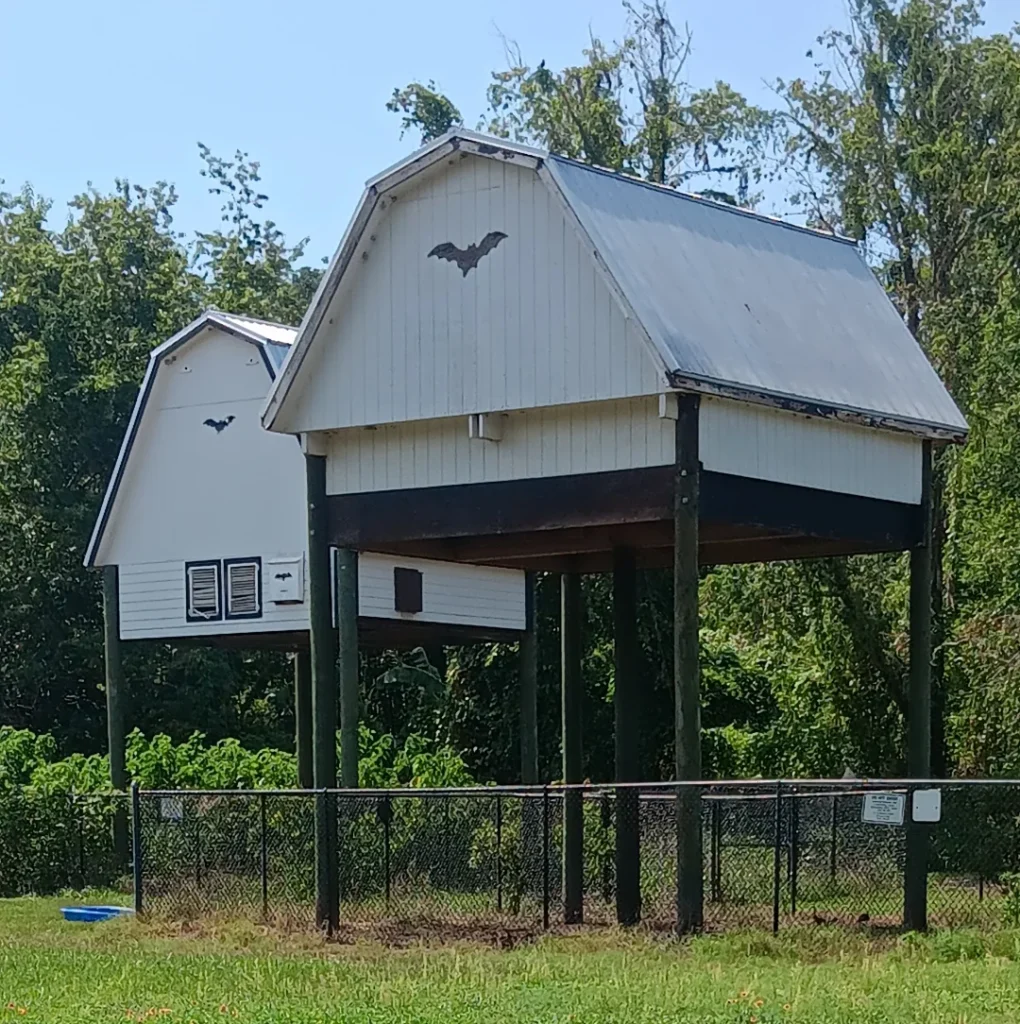
A Rare Success in Sweltering Conditions (Image Credits: Reddit)
One specialized bat box drew a colony of 17 Florida bonneted bats, representing a substantial share of the species’ dwindling population.
Scientists monitored three types of artificial roosts over 18 months in southern Florida. Occupancy remained elusive until the 16th month, when a single male Florida bonneted bat took up residence in a rocket-style box. More than a year after the study ended, that same box hosted a harem colony, including the original male and multiple females. This outcome surprised the team, given the bats’ rarity.
The Florida bonneted bat, known scientifically as Eumops floridanus, features large ears resembling a Victorian bonnet. Experts estimated its population in the low hundreds to low thousands as of 2022. Habitat loss and heat stress exacerbate its vulnerability.
Why Traditional Bat Boxes Fail
Standard bat boxes often overheat in direct sunlight, turning into potential death traps. Temperatures inside can exceed levels safe for roosting bats, leading to dehydration and mortality. Previous studies warned that poorly designed roosts amplify risks during heat waves.
Florida’s subtropical climate intensifies these dangers. Bats seek warm, stable environments for roosting, but extreme highs force them to abandon sites. Conservationists recognized the need for thermal regulation long before this project began.
The Rocket Box Advantage
The rocket box stands about a meter long and offers bats multiple temperature zones within a single structure. A key feature, the water jacket, uses vacuum-sealed water bags to moderate extremes. This simple technology prevents overheating during the day and overcooling at night.
Researchers compared it against two other models. Only the rocket box achieved colonization. Bats could select optimal spots inside, mimicking natural crevices.
- Length: Approximately one meter
- Temperature range: Varied zones for bat preference
- Cooling mechanism: Water jacket with sealed bags
- Proven occupancy: 17 bats post-study
- Suitability: Ideal for heat-prone regions like Florida
Insights from the Field
Reed Crawford, a postdoctoral researcher at the University of Illinois Urbana-Champaign, led the effort. His team published results in the Journal of Mammalogy. “That’s actually a pretty good chunk of those bats moving into our box,” Crawford noted, underscoring the colony’s significance.
The study provides a blueprint for future installations. Placement in partial shade further enhances performance. Additional research from the university confirmed rocket-style boxes as safer alternatives.
Conservation groups now advocate wider adoption. For details on the project, see coverage from The Wildlife Society.
Path Forward for Bat Conservation
These heat-resistant designs could expand roosting options amid climate pressures. Florida’s 13 year-round bat species stand to benefit, though the bonneted bat remains the priority. Ongoing monitoring will track colony growth.
Key Takeaways
- Rocket boxes with water jackets outperform standard models in hot climates.
- A single successful box housed 17 rare bats, a conservation win.
- Targeted designs address overheating, a leading roost failure cause.
Success stories like this reinforce targeted innovation in wildlife protection. Simple adaptations yield outsized results for imperiled species. What do you think about these heat-beating bat boxes? Tell us in the comments.