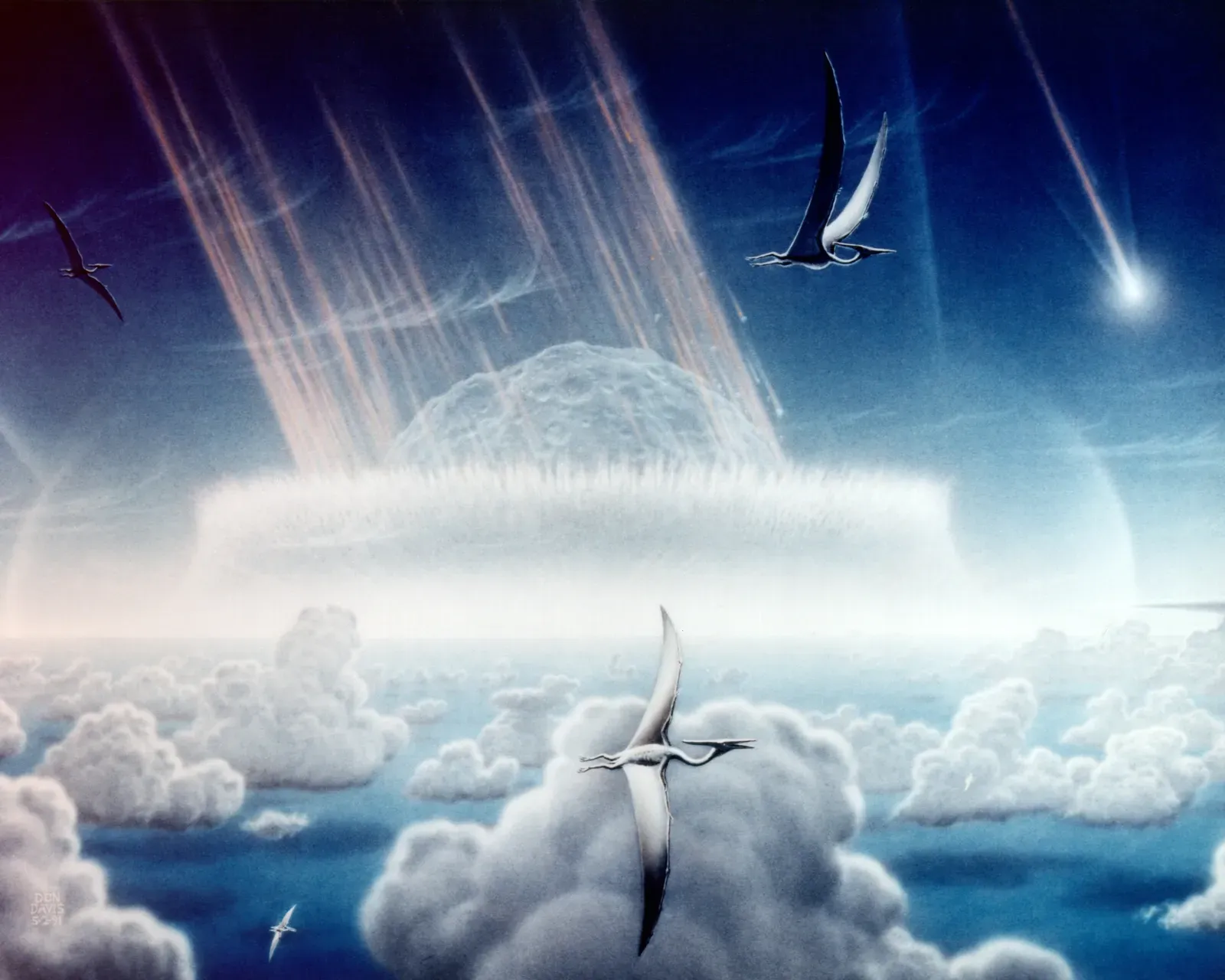
Everyone knows the story. A massive rock hurtles from space, slams into the Yucatan Peninsula, and suddenly the age of dinosaurs is over. It is one of those narratives so clean and dramatic that it has embedded itself into popular culture, school textbooks, and Hollywood blockbusters alike. But science is rarely that tidy.
Here is the thing – while the Chicxulub asteroid impact remains the most widely accepted explanation for the end of the non-avian dinosaurs 66 million years ago, researchers have spent decades exploring a host of other compelling, sometimes controversial, and occasionally jaw-dropping alternative theories. Some of them are backed by serious geological evidence. Some have been mostly discarded. Others refuse to quietly go away. What you are about to discover might completely change how you think about one of history’s greatest mysteries. Let’s dive in.
1. The Deccan Traps Volcanism Theory: Earth’s Own Fury
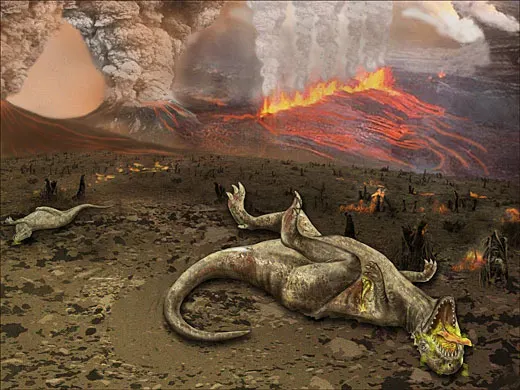
Imagine a volcanic eruption so colossal that it buries a subcontinent under lava more than two kilometers thick in some places. That is exactly what happened with the Deccan Traps in western India, right around the same time the dinosaurs disappeared. The Deccan Traps are an area of volcanic flood basalts in western India spanning roughly 1.3 million square kilometers, created by massive volcanic activity during the same time period in which the Chicxulub impact occurred.
According to Gerta Keller, professor of geosciences at Princeton University, the dinosaurs died gradually from climate change caused by a series of severe volcanic eruptions in India at the end of the Cretaceous period. Keller additionally determined that ocean temperatures rose significantly during the most significant period of the Deccan eruptions, and that along with ocean acidification, ozone reduction, acid rain, and a release of harmful gases, these conditions were sufficient to have initiated the mass extinction. You do not need a rock from space to end a dynasty, apparently. Sometimes the planet itself does the job.
2. The Global Climate Cooling Theory: A World Growing Cold
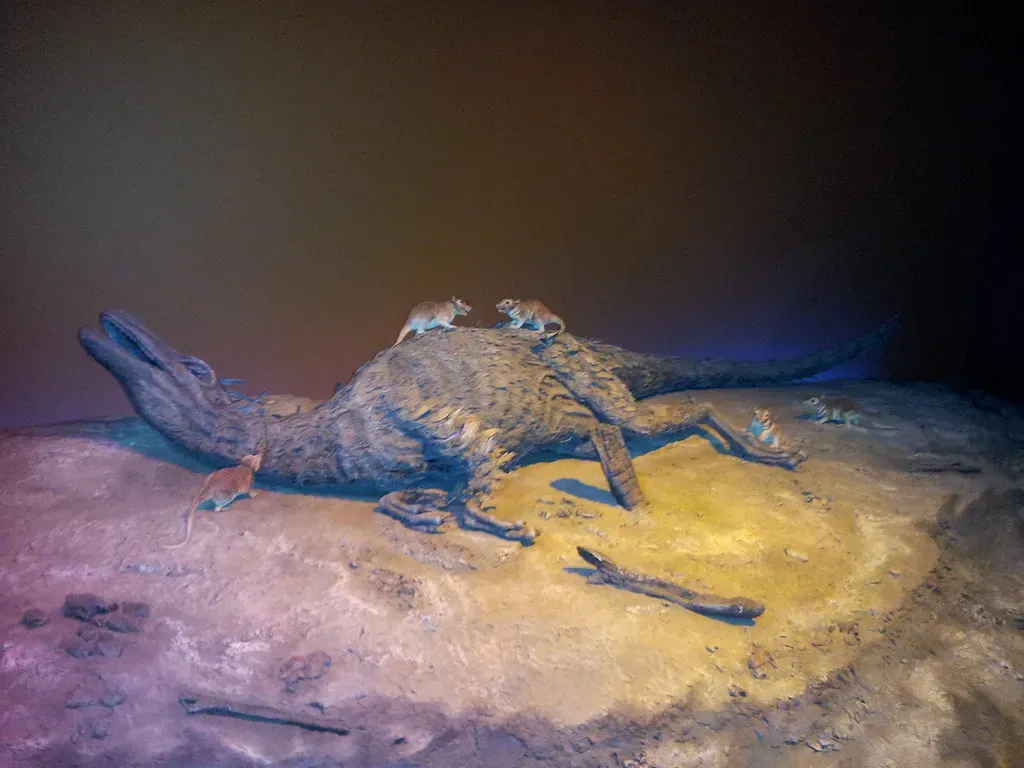
Long before any rock from space entered the picture, Earth was already cooling down. Research suggests that the decline of dinosaurs was likely driven by global climate cooling and a drop in herbivorous dinosaur diversity. Think of it less like a sudden catastrophe and more like a slow, creeping discomfort that left an entire ecosystem increasingly fragile.
Long-term environmental changes likely made dinosaurs particularly prone to extinction because of a combination of global climate cooling, a drop in diversity of herbivorous dinosaurs, and age-dependent extinction that impacted dinosaur extinction in the Maastrichtian. These results imply that warm periods favoured dinosaur diversification whereas cooler periods led to enhanced extinctions, as observed in the latest Late Cretaceous. It is a sobering thought – these giants of the Mesozoic may have already been struggling for millions of years before anything dramatic even happened.
3. The Sea Level Regression Theory: When the Oceans Pulled Back
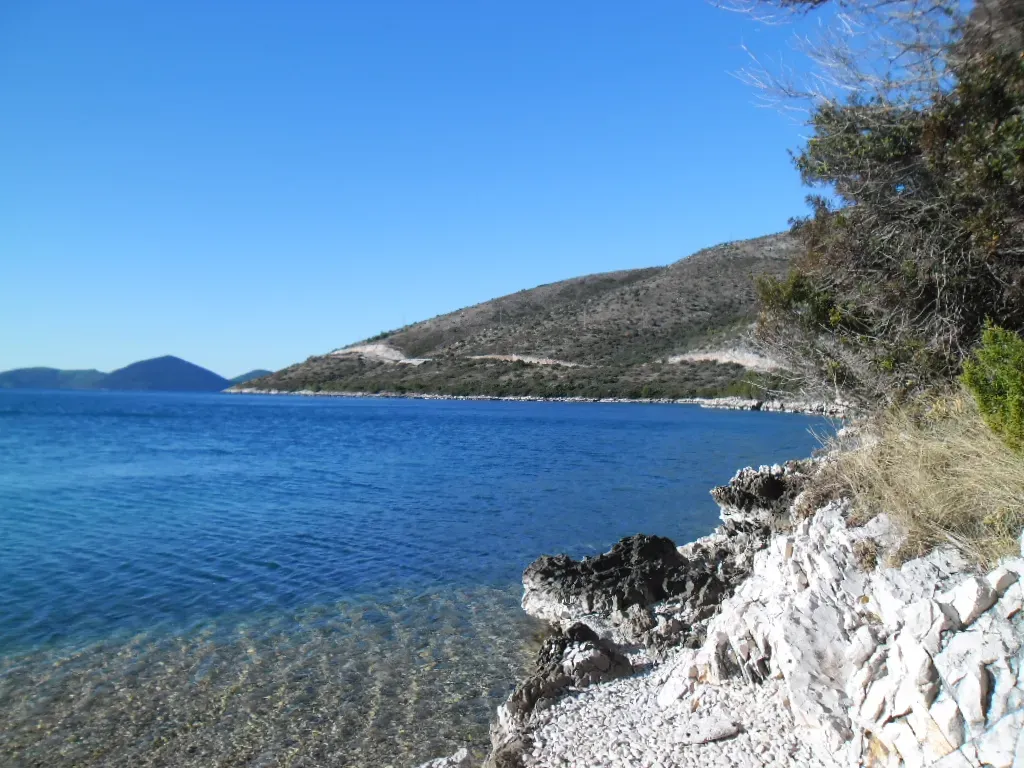
This one does not get enough attention. During the late Cretaceous, vast shallow seas covered large portions of the continents, including what is now central North America. Then, gradually, those seas began to drain away. A severe regression would have greatly reduced the continental shelf area, the most species-rich part of the sea, and therefore could have been enough to cause a marine mass extinction.
The regression would also have caused climate changes, partly by disrupting winds and ocean currents and partly by reducing the Earth’s albedo and increasing global temperatures. Marine regression also resulted in the loss of epeiric seas, such as the Western Interior Seaway of North America. The loss of these seas greatly altered habitats, removing coastal plains that ten million years before had been host to diverse communities. Honestly, when you picture entire coastlines vanishing and rich ecosystems collapsing as a result, it starts to feel just as terrifying as any space rock.
4. The Continental Drift Theory: A Planet Rearranging Itself
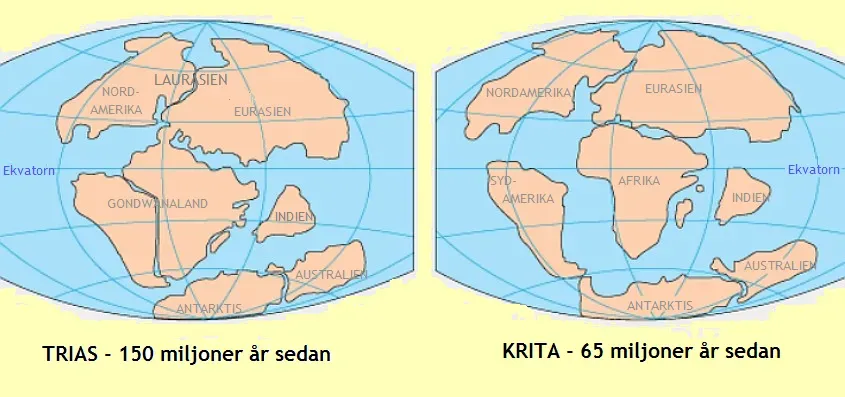
(Original text: Self-made (Caspiax)), Public domain)
The continents have never been still. Through the Cretaceous period, tectonic plates were actively reshaping the surface of the Earth, slowly breaking apart the old supercontinent of Pangaea and rerouting ocean currents in the process. Tectonic plate movements caused a major rearrangement of the world’s landmasses, particularly during the latter part of the Cretaceous, and the climatic changes resulting from such continental drift could have caused a gradual deterioration of habitats favourable to the dinosaurs and other animal groups that suffered extinction.
The long-term decline in dinosaur diversity has been linked to various abiotic factors, such as global climatic fluctuations, sea level changes, plate tectonic movements, and Deccan Traps eruptions. When continents drift, they do not just change geography. They rewrite the rules of climate, ocean circulation, and available habitat all at once. It is the kind of slow-motion catastrophe that is easy to underestimate precisely because you cannot see it happening.
5. The Supernova Radiation Theory: Death from the Stars
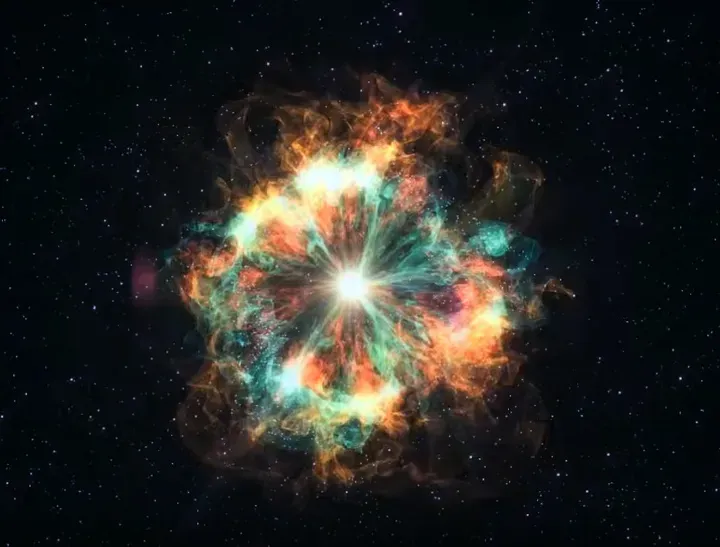
Here is one that sounds like science fiction but was taken seriously enough to be properly investigated. K. D. Terry from the University of Kansas and Wallace Hampton Tucker suggested that dinosaurs possibly went extinct due to ionizing radiation caused by a supernova explosion, and Russell and Tucker promoted the same hypothesis in 1971. The idea was that a nearby exploding star could have blasted Earth with lethal cosmic rays and electromagnetic radiation, destroying the ozone layer and irradiating life on a massive scale.
The hypothesis was tested by looking for specific radioactive signatures in the fossil layer – specifically plutonium-244, which would have been freshly created by a supernova. Plutonium-244 was created during the supernova that led to our solar system, but nearly all has decayed to lead by now. However, if the iridium in the K-T boundary layer had come from a supernova 65 million years ago, there would be quite measurable amounts left. Scientists looked, and found no measurable levels of plutonium-244. Case more or less closed – but it remains a fascinating detour in scientific history.
6. The Multiple Cosmic Impacts Theory: Not One Rock, But Many
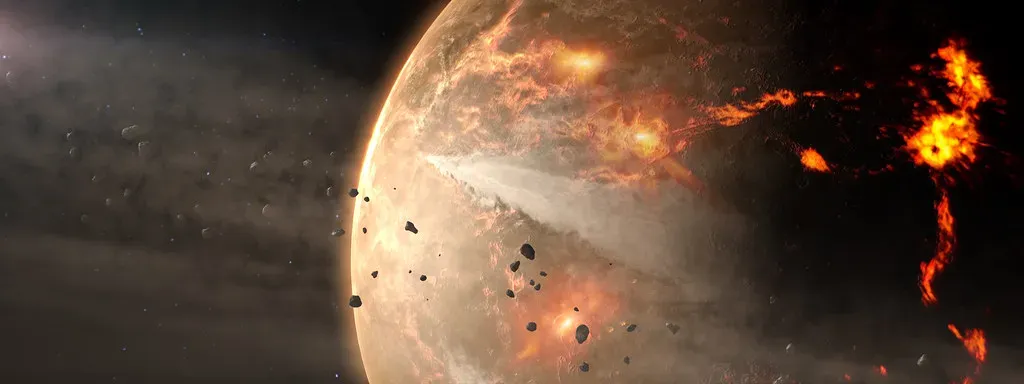
What if the catastrophe was not a single strike but a prolonged cosmic bombardment? Extinction of the dinosaurs may have occurred as the result of a single asteroid or comet impact, but it is also possible they died out as the result of many comet impacts over one to three million years, a group of scientists has theorized. It is an idea that transforms the narrative from a single dramatic moment to something more drawn out and, in its own way, even more terrifying.
A major comet shower involving a billion comets with diameters of 3 kilometers would result in about 20 comets striking the Earth over a period ranging from one to three million years, the scientists said. This suggests the possibility of near-simultaneous multiple impacts, perhaps from a fragmented asteroidal object. In addition to the Chicxulub crater, there is also the Boltysh crater in Ukraine and the Silverpit crater in the North Sea formed around the same period. The idea of a prolonged, multi-impact extinction is one that deserves more attention than it typically gets.
7. The Disease and Epidemic Theory: An Ancient Pandemic
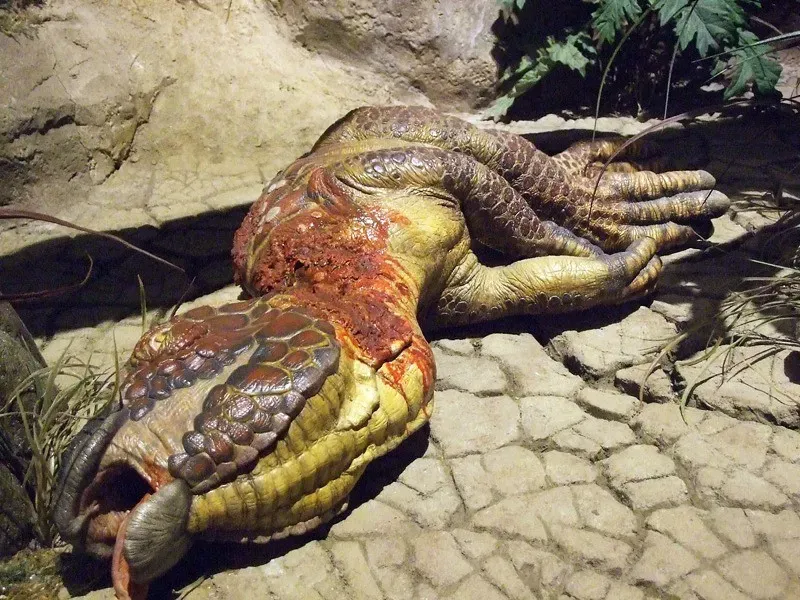
Before you dismiss this as too speculative, consider that epidemic disease has toppled civilizations throughout human history. Proposed causes of dinosaur extinction have included everything from disease to heat waves and resulting sterility, freezing cold spells, the rise of egg-eating mammals, and X-rays from a nearby exploding supernova. Disease sits right at the top of that list as one of the oldest proposed explanations, raised by scientists long before the asteroid hypothesis even existed.
The idea runs something like this: as the continents drifted and previously isolated populations of dinosaurs came into closer contact, they may have exchanged pathogens for which they had no immunity. Species living on supercontinents may be more vulnerable to internal extinction pressures, such as the spread of disease or the introduction of a new predator. It is hard to say for sure whether a disease alone could have wiped out every dinosaur on every continent, but combined with other pressures already at work, it is a scenario that is not quite so easy to rule out.
8. The Flowering Plants Theory: Food Supply Disruption

This theory is subtle, slow, and genuinely underappreciated. One of the most significant developments during the Cretaceous was the appearance and rapid diversification of the first flowering plants. While this sounds like a neutral ecological development, it profoundly shifted the food landscape for large herbivorous dinosaurs that had evolved over millions of years to eat ferns, conifers, and cycads.
While gymnosperms still dominated during the early Cretaceous, flowering plants evolved early in the Cretaceous and were so advantaged that they became the most diverse terrestrial plant group on Earth by the end of the same period. The large herbivores – the sauropods and hadrosaurs that formed the base of the food chain – may have struggled to adapt their digestive systems and feeding habits to this radically altered botanical world. And without the herbivores, the entire chain above them begins to shake. It is less explosive than a comet, but no less lethal in its own quiet way.
9. The Mammal Competition and Egg Predation Theory: The Rise of Tiny Rivals
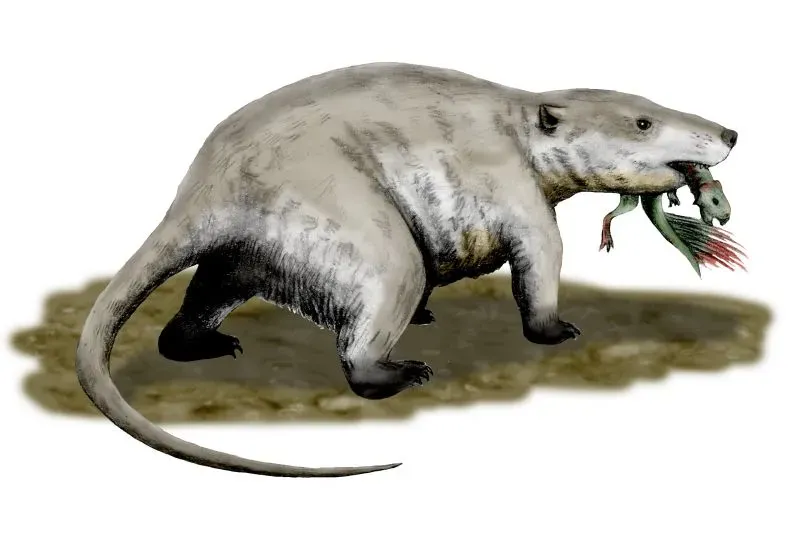
There is a certain irony in the possibility that our own distant ancestors may have helped push the dinosaurs toward extinction. Early mammals were small, opportunistic, and increasingly numerous during the late Cretaceous. The growing consensus about the endothermy of dinosaurs helps to understand their full extinction in contrast with their close relatives the crocodilians. Ectothermic crocodiles have very limited needs for food and can survive several months without eating, while endothermic animals of similar size need much more food to sustain their faster metabolism. Thus, under circumstances of food chain disruption, non-avian dinosaurs died out while some crocodilians survived.
The egg predation angle argues that early mammals began raiding dinosaur nests, consuming eggs before they could hatch. However, the theory that mammals drove dinosaurs to extinction or ate all their eggs is generally considered unlikely, because dinosaurs coexisted with mammals for over 150 million years, and there is no clear reason why mammals would have suddenly caused them to go extinct. Still, the idea that a growing population of smart, warm-blooded, nocturnal competitors gradually tilted the ecological balance is not entirely without merit when combined with other stressors.
10. The Gradual Pre-Extinction Decline Theory: Already Fading Before the End
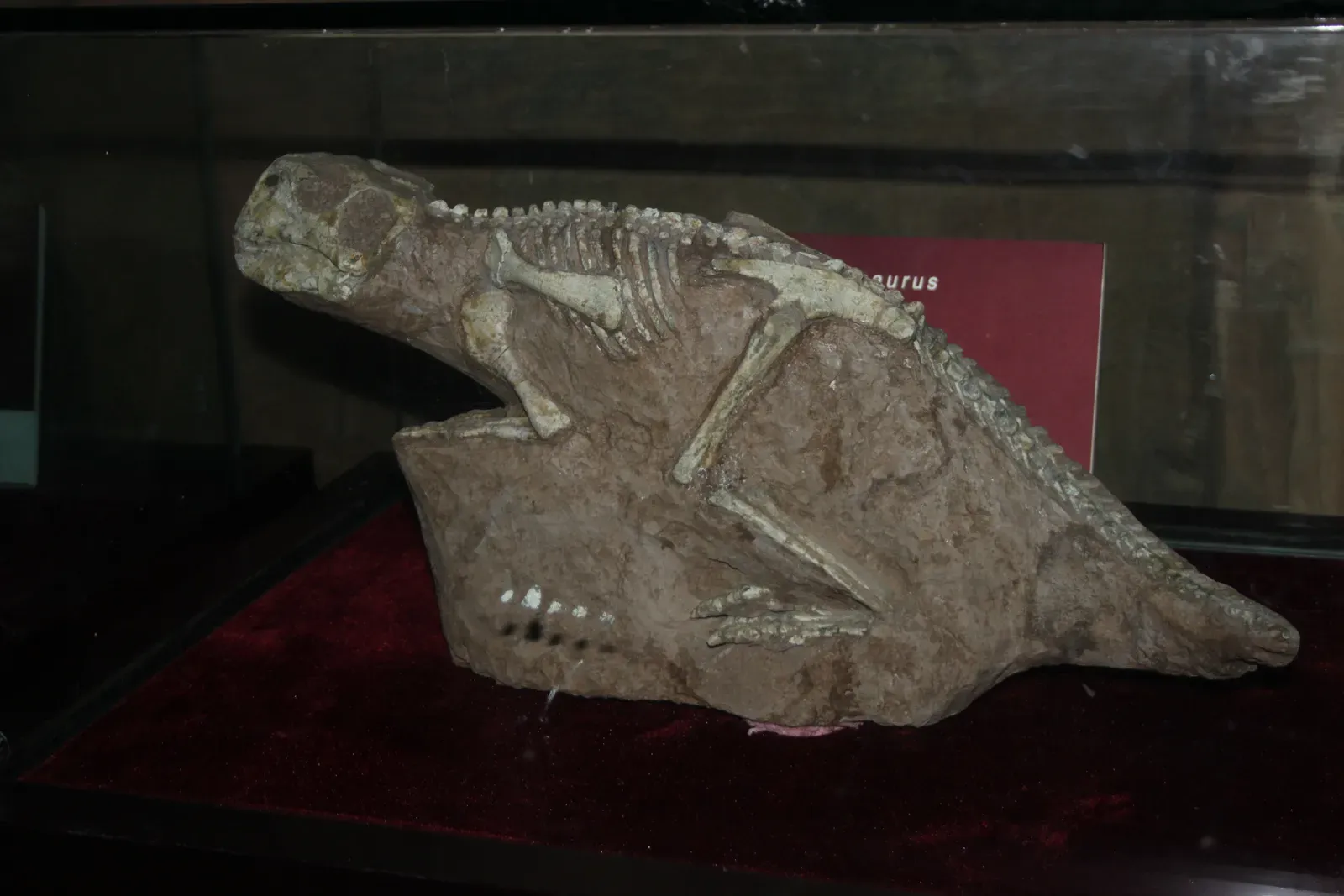
Perhaps the most nuanced and scientifically debated theory on this list is the idea that dinosaurs were not thriving right up until a sudden catastrophe, but were already in a long, slow decline before anything dramatic happened. Six major dinosaur families were already in decline in the preceding 10 million years, possibly due to global cooling and competition among herbivores. It paints the asteroid not as the murderer, but as the final blow to a patient already weakened by a long illness.
Yet this idea is far from settled. New research challenges the idea that dinosaur species gradually declined. The research adds new weight to the idea that the asteroid impact was a cataclysmic fluke – not the final blow to an already dying group, but the abrupt end to a thriving and diverse reign. The idea that dinosaurs were already in decline before an asteroid wiped most of them out may actually be explained by a worsening fossil record from that time rather than a genuine dwindling of dinosaur species. In other words, what looks like a dying dynasty might simply be a gap in the evidence. The debate rages on, and that is exactly what makes it so compelling.
Conclusion: The Mystery That Refuses to Die
It is tempting to want one clean, definitive answer to why the dinosaurs disappeared. The asteroid story is satisfying because it is dramatic, visual, and easy to picture. But the truth of deep time is rarely that simple. Proponents of multiple causation view the suggested single causes as either too small to produce the vast scale of the extinction, or not likely to produce its observed taxonomic pattern, and some researchers have discussed a scenario combining three major postulated causes: volcanism, marine regression, and extraterrestrial impact.
Since the early 1980s, attention has focused on the asteroid theory put forward by Walter and Luis Alvarez and their coworkers. However, this theory, while consistent with the timing and magnitude of some extinctions, especially in the oceans, does not fully explain the patterns on land and does not eliminate the possibility that other factors were at work. The likely reality is that the end of the dinosaurs was a perfect storm – a convergence of volcanic gases, shifting seas, cooling temperatures, and yes, ultimately, a rock from space that sealed the deal.
Science is at its best when it refuses to stop asking questions. Each new fossil find, each new geological core sample, each new climate model nudges our understanding a little further. What killed the dinosaurs? Maybe the better question is: what didn’t? Which of these theories surprised you most?