Decades ago, orangutans roamed Borneo’s vast rainforests as enigmatic figures in science, rarely glimpsed by researchers amid dense peat swamps and towering canopies. Biruté Galdikas changed that trajectory. The Lithuanian-born Canadian primatologist immersed herself in their world for over 50 years, uncovering behaviors long hidden and mounting fierce defenses against habitat destruction. She passed away on March 24, 2026, in Los Angeles after battling lung cancer, leaving a profound legacy in conservation.
From Toronto Libraries to Tropical Frontiers
From Toronto Libraries to Tropical Frontiers (Image Credits: Pexels)
A fascination with primates sparked young Biruté Galdikas’s path. Born in 1946 to Lithuanian refugees fleeing Soviet occupation, she arrived in Canada as a toddler and grew up in Toronto. At age six, she borrowed a book about Curious George from the public library, igniting dreams of distant jungles. Stories of Jane Goodall fueled her ambition further.
She pursued degrees in psychology and zoology at the University of British Columbia and UCLA, earning a bachelor’s in 1966 and a master’s in anthropology in 1969. There, she met paleoanthropologist Louis Leakey, who handpicked her as the third in his trio of female researchers – known as the Trimates – to study great apes. Skeptical at first, Leakey secured National Geographic funding for her orangutan project. In 1971, at 25, Galdikas arrived in Indonesian Borneo with her first husband, photographer Rod Brindamour.
Unlocking Secrets at Camp Leakey
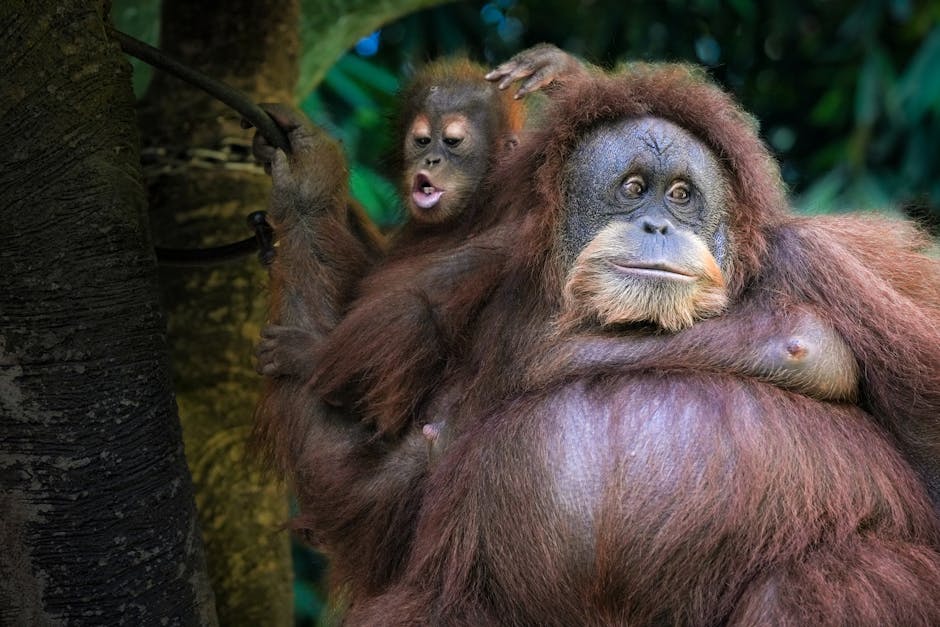
Galdikas established Camp Leakey in Tanjung Puting Reserve, a remote peat swamp deemed “terra incognita.” Orangutans proved elusive; weeks passed before sightings. Yet persistence paid off. She logged over 5,000 observation hours, revealing they foraged on 400 plant types, spent time on the ground, and formed loose social bonds rather than strict solitude.
Her findings reshaped primatology. Adult males patrolled vast ranges with resonant calls echoing a mile. Females raised young for eight years, with reproduction cycles averaging 7.7 years – making populations slow to rebound. Galdikas tracked generations, documenting rare male combats and “consortships.” This became the longest continuous study of any wild mammal by a single investigator.
- Orangutans build nightly nests from branches and leaves, sometimes on the ground.
- Juveniles throw tantrums when begging food from mothers.
- Males develop cheek pads and throat sacs for displays.
- They use tools, like sticks to manipulate objects.
Battling Loggers and Building Sanctuaries
Research soon intertwined with rescue. Logging roads pierced forests, displacing apes into villages or the pet trade. Galdikas sheltered orphans at Camp Leakey, pioneering rehabilitation. Over 450 orangutans learned to climb, forage, and nest before release, though methods drew criticism for human intervention.[4]
In 1986, she founded the Orangutan Foundation International to fund patrols, reforestation, and ecotourism. Her advocacy elevated Tanjung Puting to national park status in 1983. Clashes arose with authorities over illegal logging, yet she negotiated with locals, linking protection to livelihoods. “Everything she did was for them,” said Ruth Linsky, a former student present at her death.
The Last Trimates and Enduring Impact
As the sole surviving Trimates – Goodall with chimpanzees, Fossey with gorillas – Galdikas authored memoirs like Reflections of Eden, sharing tales of machete wounds and midnight nests. Awards followed: Officer of the Order of Canada, Tyler Prize for Environmental Achievement, Indonesia’s Kalpataru. She taught at Simon Fraser University and Universitas Nasional in Jakarta.
Her efforts preserved Borneo’s largest wild orangutan population amid palm oil expansion and fires. Galdikas married a Dayak leader, Pak Bohap, raising four children across unions. Until the end, she championed rainforests as keystones of biodiversity.
Key Takeaways
- Galdikas’s fieldwork spanned 50+ years, yielding unmatched orangutan data.
- She rehabilitated 450+ captives, blending science with activism.
- As the last Trimates, she symbolized great ape advocacy.
Biruté Galdikas proved one person’s resolve could safeguard a species on the brink. Her forests echo with the calls she once followed. What lessons from her life resonate most with you? Share in the comments.