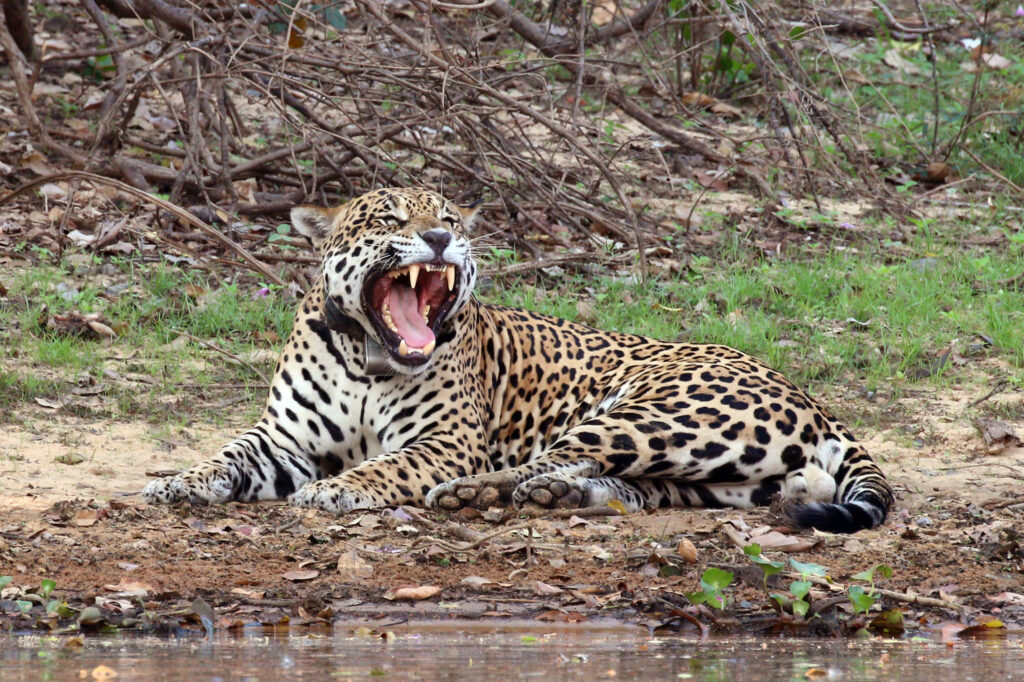
Researchers have issued a stark warning for one of the world’s most iconic big cats. Jaguars in Brazil’s Atlantic Forest face local extinction not just from habitat loss, but primarily from the severe depletion of their prey base. A new study combined extensive camera-trap data with known feeding habits to reveal how scarce deer, peccaries, and other mammals threaten these apex predators.
The Atlantic Forest, a biodiversity hotspot spanning Brazil, Paraguay, and Argentina, has shrunk to fragments of its original size. Jaguars once roamed widely here, but populations have plummeted due to intertwined ecological pressures. Conservation efforts must now prioritize prey recovery to halt this decline.
Camera Traps Expose Prey Shortfalls
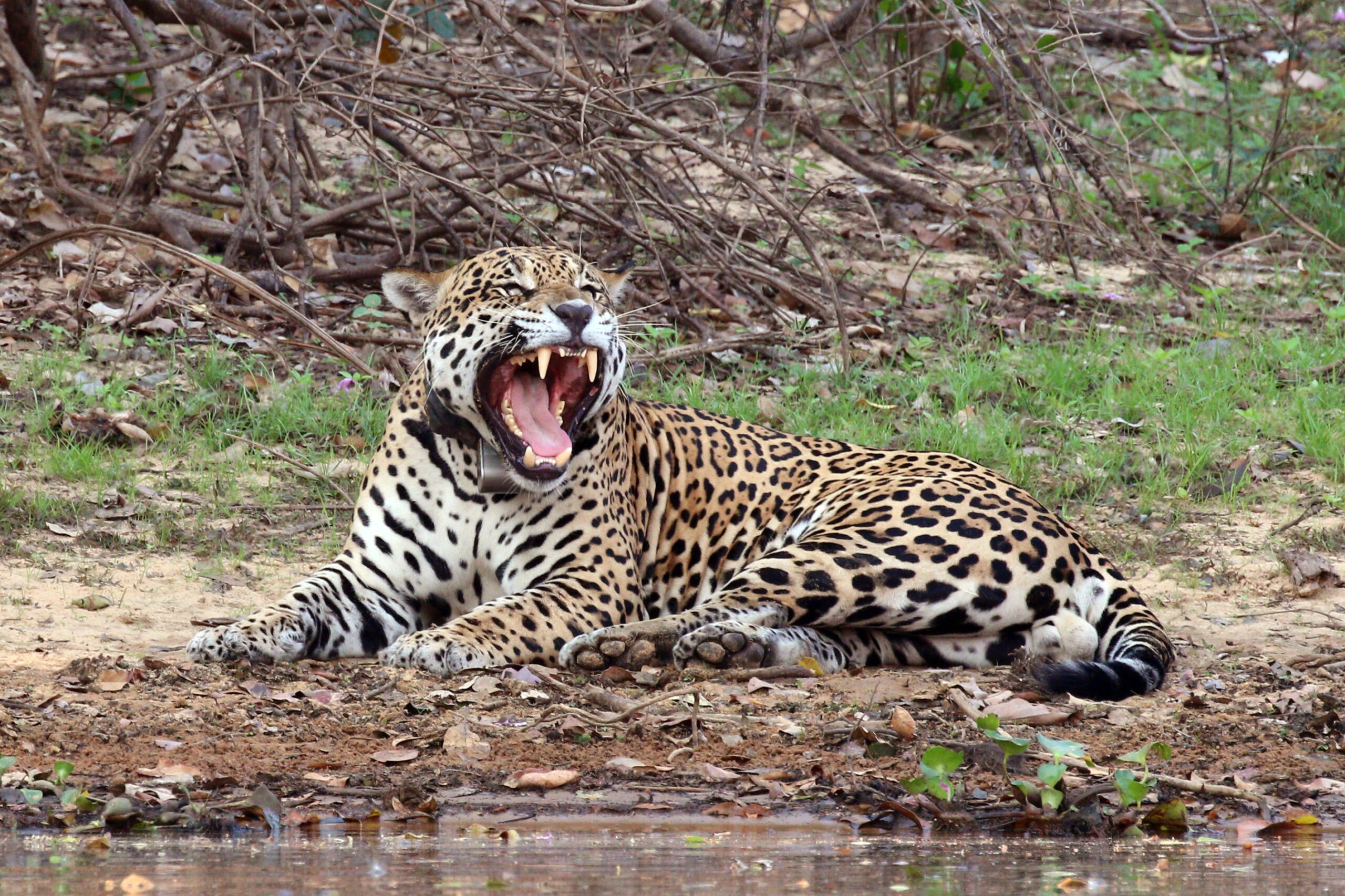
Camera Traps Expose Prey Shortfalls (Image Credits: Upload.wikimedia.org)
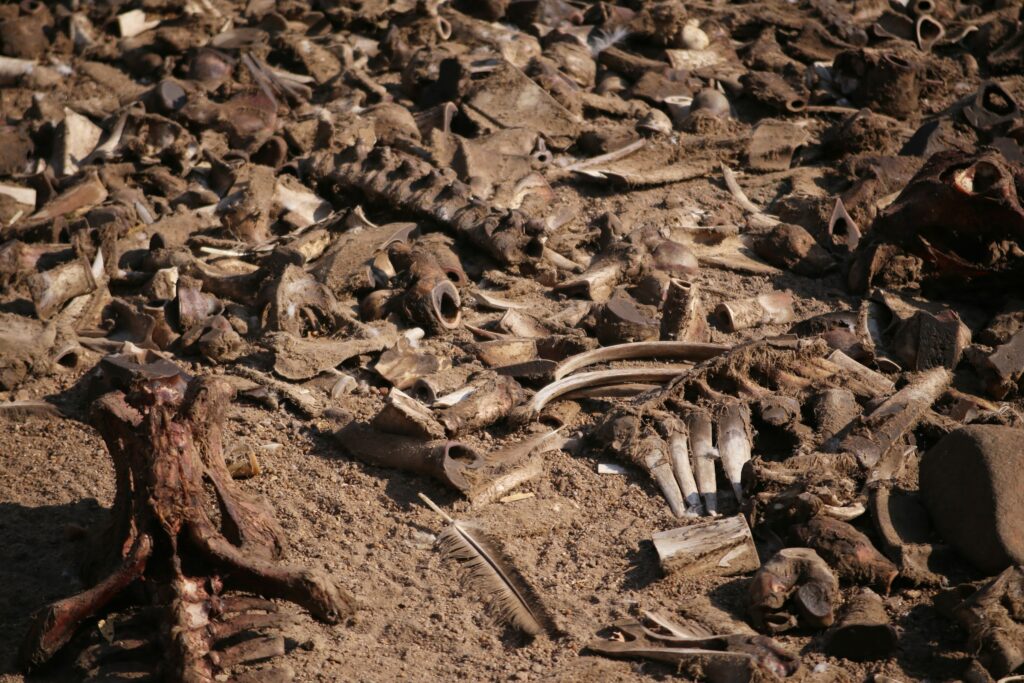
The largest standardized camera-trap survey of jaguar prey in the Atlantic Forest uncovered troubling patterns. Prey abundance averaged 27.3 individuals with 638 kg of biomass in the Green Corridor region, where jaguars persist at viable levels. In contrast, coastal Atlantic Forest areas recorded far lower figures – abundance from 1.3 to 10 individuals and biomass between 8.2 and 492 kg – precisely where jaguars are absent or extremely rare.
Scientists analyzed data across multiple sites, focusing on key species like deer and peccaries that form the bulk of jaguar diets. These big cats rely on large-bodied mammals for sustenance, making prey density critical for reproduction and survival. The study highlighted how such depletions create a feedback loop, starving predators and destabilizing ecosystems.
Human Footprint Reshapes the Food Web
Human presence emerged as the primary driver of prey scarcity. Areas with high human access costs – remote or rugged terrain – supported more abundant prey populations. Conversely, easily reachable zones suffered overhunting and habitat degradation, stripping away vital food sources.
Fragmentation exacerbates this issue. The Atlantic Forest retains only about 12 to 15 percent of its historical cover, isolating prey and predators alike. Jaguars, as top predators, cannot sustain themselves when medium-to-large herbivores dwindle, forcing reliance on less nutritious alternatives or livestock, which sparks conflicts.
Population Crashes and Recovery Flickers
Historical data paints a grim picture. In the Upper Paraná Atlantic Forest, jaguar numbers fell from 400 to 800 individuals in the 1990s to just 40 by 2005, teetering on extinction. Recent binational monitoring estimated 64 to 110 jaguars in 2025, averaging 84 – a slight decline after brief stability.
Yet hope glimmers in the Green Corridor linking Brazil’s Iguaçu National Park and Argentina’s reserves. Here, targeted efforts rebounded the population to over 105 individuals. Community patrols, coexistence training, and anti-poaching measures countered threats like roadkill and retaliation killings.
- Habitat fragmentation isolates small groups, reducing genetic diversity.
- Poaching targets both jaguars and prey species indiscriminately.
- Livestock conflicts rise as wild food vanishes, prompting retaliatory hunts.
- Roads through forests increase fatalities and barrier effects.
- Deforestation in surrounding areas, like Paraná’s 13 percent loss from 2000 to 2020, squeezes viable habitat.
Charting a Path for Prey-Led Conservation
Experts call for adaptive strategies centered on prey restoration. Participatory governance engages local communities to curb hunting and restore habitats. Wildlife corridors could reconnect fragments, allowing prey and jaguars to disperse.
Success stories like the Jaguars of Iguaçu Project demonstrate potential. Women-led initiatives, such as craft programs raising awareness, shifted perceptions from fear to appreciation. Nonlethal tools for ranchers – secure pens and patrols – minimized losses, fostering coexistence.
Cross-border collaboration remains essential, as jaguars ignore political boundaries. Monitoring with camera traps continues to track trends, informing precise interventions.
Key Takeaways
- Prey biomass varies dramatically by region, lowest where jaguars vanish.
- Human access predicts prey declines more than habitat alone.
- Integrated efforts in Green Corridor boosted numbers from 40 to 105+.
Jaguars symbolize the Atlantic Forest’s wild heart, but their survival hinges on abundant prey. Long-term success demands bridging ecology and human needs through bold, collaborative action. What steps should conservationists prioritize next? Share your thoughts in the comments.