Articles for category: Dinosaur Profiles

A lit-up triceratops stands under a night sky.

Triceratops horridus: The Iconic Horned Dinosaur of North America

In the vast prehistoric landscape of Late Cretaceous North America, few dinosaurs have captured the public imagination quite like Triceratops horridus. With its distinctive three-horned face, massive shielded frill, and robust body, this herbivorous giant has become one of the most recognizable dinosaurs in scientific and popular culture alike. Discovered in the late 19th century, ...
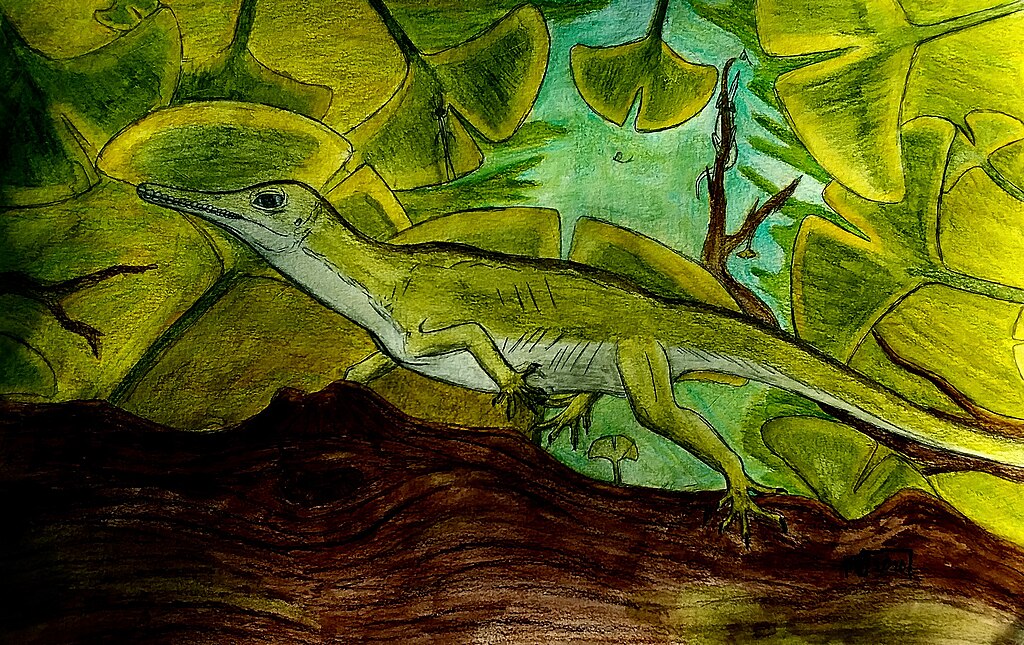
Oculudentavis khaungraae

Oculudentavis: The Hummingbird-Sized Dinosaur That Shook Paleontology

In 2020, the paleontological world was stunned by an announcement that seemed to rewrite our understanding of dinosaur evolution and miniaturization. A tiny skull, preserved in 99-million-year-old amber from Myanmar, was described as belonging to Oculudentavis khaungraae—a creature so small it was compared to modern hummingbirds. This discovery appeared to represent the smallest dinosaur ever ...

A child in a dinosaur-themed sweater excitedly holds a replica fossil in front of a dinosaur painting with lush greenery, evoking a sense of wonder.

Nedcolbertia: The Small but Swift Dinosaur Found in Utah’s Cedar Mountain Formation

Nestled within the ancient layers of Utah’s Cedar Mountain Formation lies the fossilized remains of a remarkable dinosaur that once darted through the Early Cretaceous landscape. Nedcolbertia, named in honor of renowned paleontologist Edwin Colbert, represents an important discovery in our understanding of small theropod dinosaurs from North America. This swift, agile predator may not ...

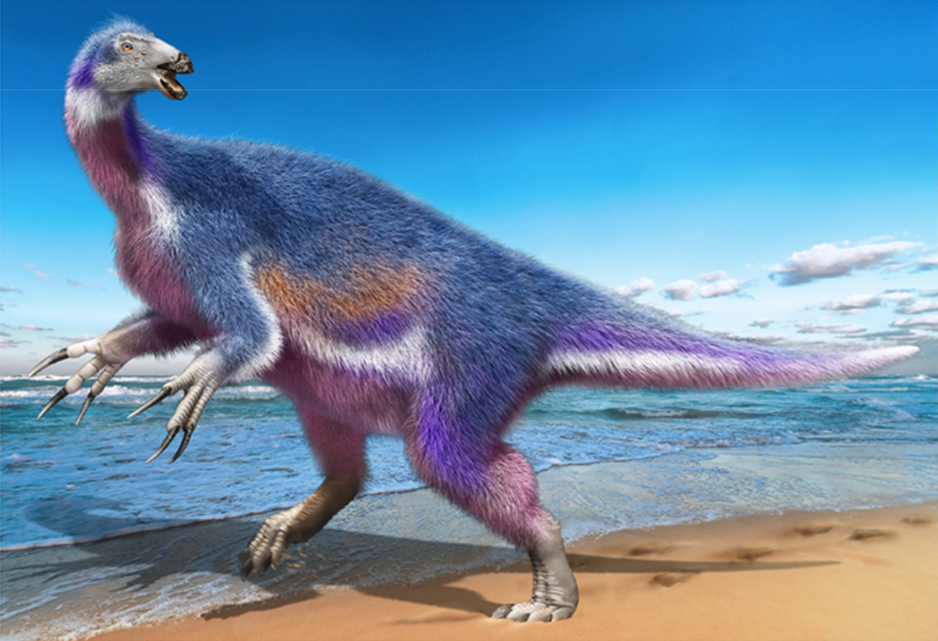
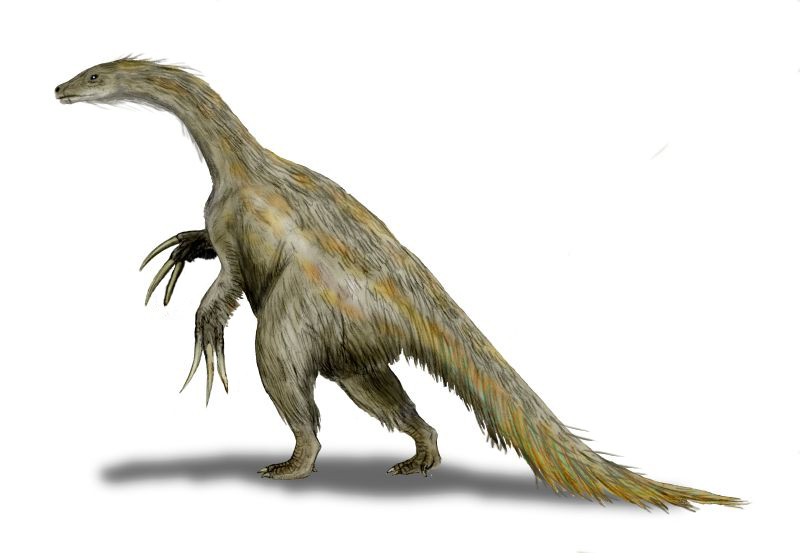
Paralitherizinosaurus japonicus, a therizinosaur within the therizinosaurid family

Nothronychus The Feathered, Clawed Herbivore That Defies Description (New Mexico)

In the vast tableau of prehistoric life, few creatures captivate paleontologists and dinosaur enthusiasts quite like Nothronychus. Discovered in the sun-baked lands of New Mexico, this peculiar dinosaur represents one of the most enigmatic theropods ever to walk the Earth. With its pot-bellied frame, elongated neck, massive claws, and covering of primitive feathers, Nothronychus defied ...

A close up of a pink flower on a table

Richardoestesia: The Enigma with Razor Teeth from the Western States

Deep within the ancient rock layers of North America’s western states lies a paleontological mystery that continues to intrigue scientists and dinosaur enthusiasts alike. Richardoestesia, known primarily from its distinctive razor-sharp teeth, represents one of the most enigmatic theropod dinosaurs from the Late Cretaceous period. Despite being discovered decades ago, this genus remains shrouded in ...

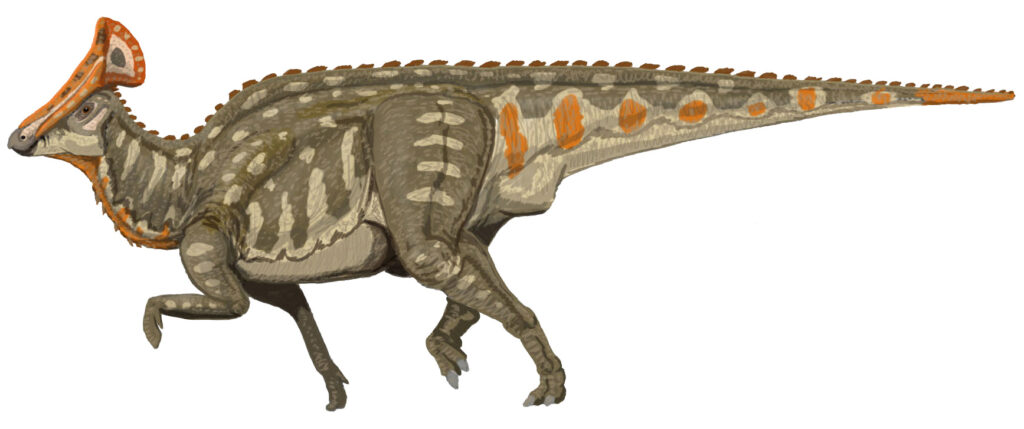
6 Dinosaurs With Crests

6 Dinosaurs With Crests

The world of prehistoric giants is filled with extraordinary creatures that showcase nature’s most creative designs. Among these ancient marvels, few features capture our imagination quite like the ornate that adorned the skulls of various dinosaur species. From towering tubes to delicate ridges, these bony structures served purposes we’re only beginning to understand. These magnificent ...

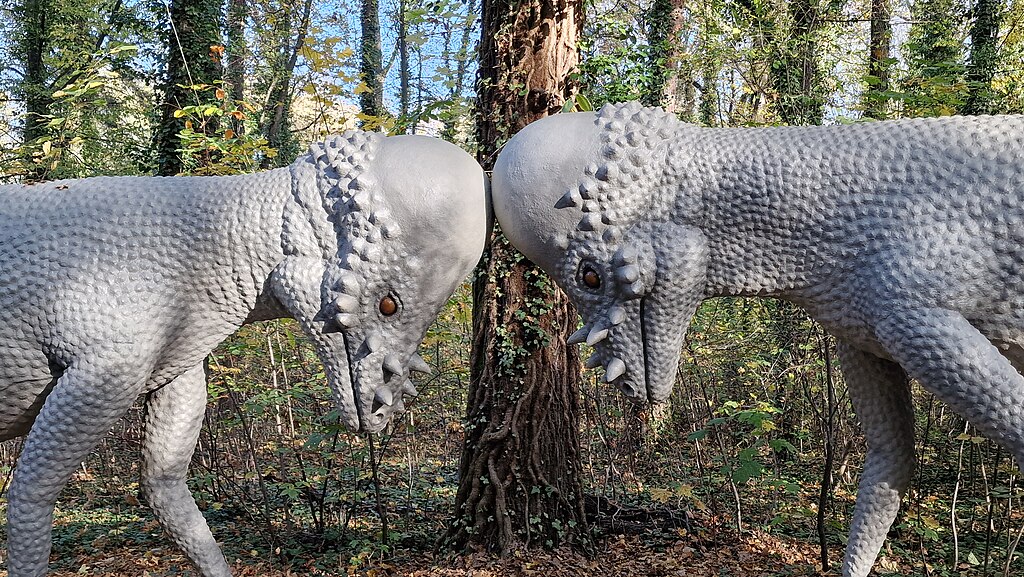
Pachycephalosaurus; replica in the dinosaur park Kleinwelka

Why Scientists Still Can’t Explain Pachycephalosaurus’s Dome-Shaped Skull

Pachycephalosaurus, with its distinctive dome-shaped skull, remains one of paleontology’s most fascinating enigmas. This Late Cretaceous dinosaur, whose name translates to “thick-headed lizard,” has sparked scientific debate for decades. Despite significant advances in paleontological research methods and technologies, the true purpose and evolution of its unique cranial structure continues to elude definitive explanation. The mystery ...

Nothronychus

Nothronychus: The Cactus-Eating Dino With Scythe-Like Claws (New Mexico)

Nothronychus, meaning “sloth claw,” represents one of paleontology’s most fascinating discoveries from the American Southwest. This unusual therizinosaur dinosaur, unearthed in New Mexico’s Zuni Basin, has dramatically altered our understanding of dinosaur evolution and distribution. With its pot-bellied appearance, bizarre scythe-like claws, and herbivorous diet, Nothronychus stands as a remarkable example of evolutionary adaptation. First ...