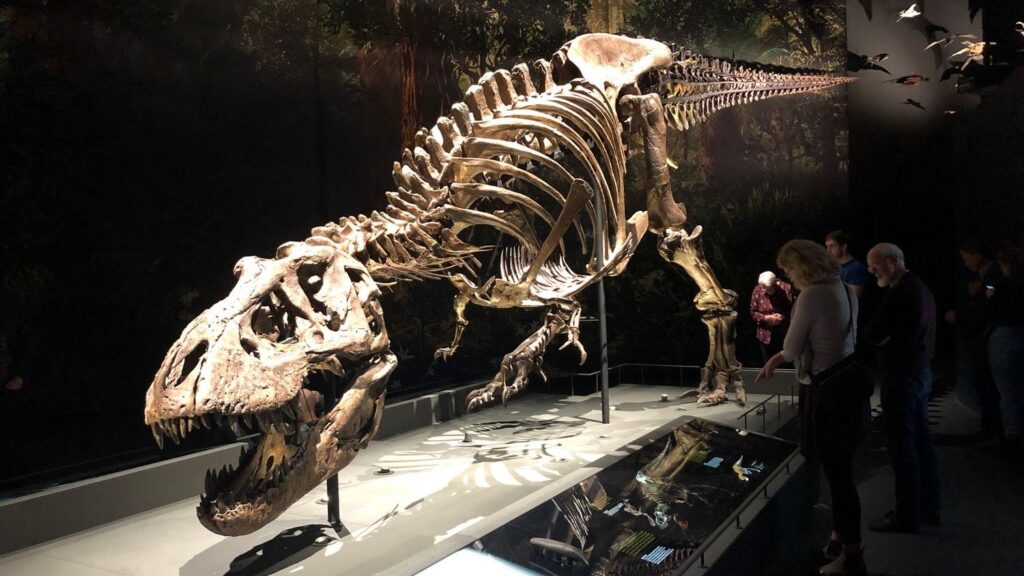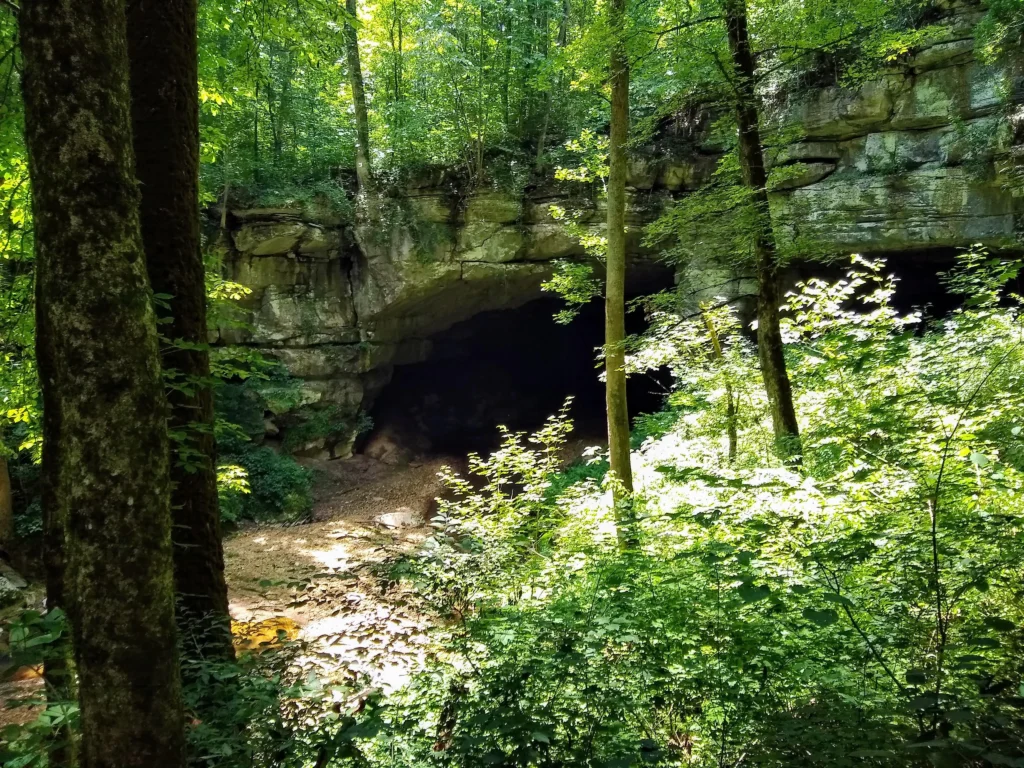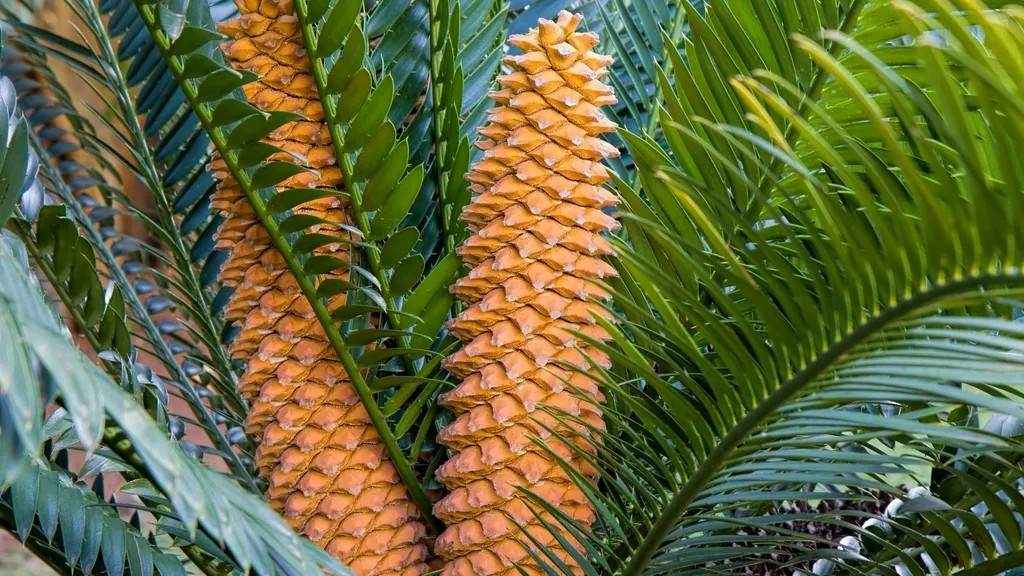
Picture a world where the biggest threats didn’t roar or bare their teeth. Instead, they stood silently, rooted to the ground, armed with chemical weapons more deadly than any predator’s claws. While dinosaurs get all the glory in prehistoric stories, the plants sharing their world had evolved defenses so sophisticated that they could topple ecosystems and possibly even contribute to mass extinctions. Some scientists believe these botanical dangers were far more lethal than the fiercest carnivores that ever walked the Earth.
The fascinating reality is that plants couldn’t run from danger, so they became danger itself. Over hundreds of millions of years, they developed an arsenal that would make any weapons manufacturer envious.
The Silent Chemical Warriors That Evolved Death
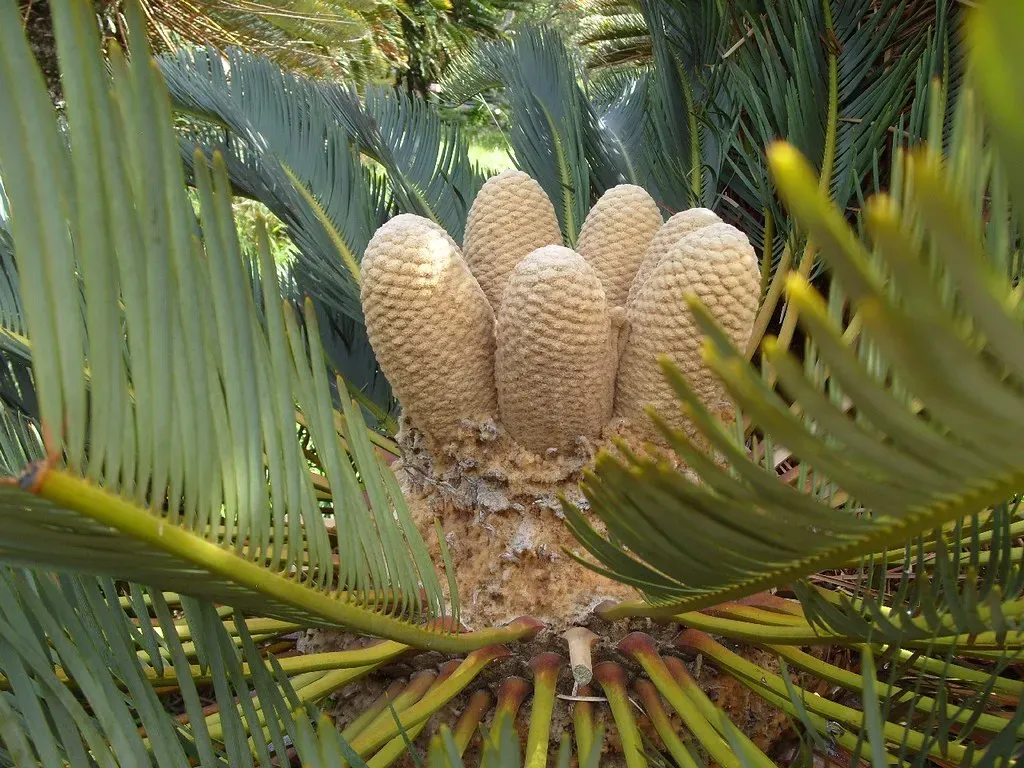
Plants faced a problem no animal ever had to solve quite the same way. When you can’t flee from danger, you need to make predators regret ever taking a bite. Through the process of natural selection, plants evolved the means to produce a vast and complicated array of chemical compounds to deter herbivores. These weren’t simple irritants either. Tannin emerged relatively early in the evolutionary history of plants, while more complex molecules such as polyacetylenes are found in younger groups of plants.
What makes this truly remarkable is how plants essentially weaponized their own biology. For about 450 million years, plants and their predators have been trapped in an ‘arms race’ of evolution, where plants alter their chemistry or characteristics to defend themselves. Honestly, it’s like watching a slow-motion war play out over geological time scales. The predators adapt, then the plants counter-adapt, creating an endless cycle of biological one-upmanship that continues to this day.
Prehistoric Poison Masters Dating Back Millions of Years
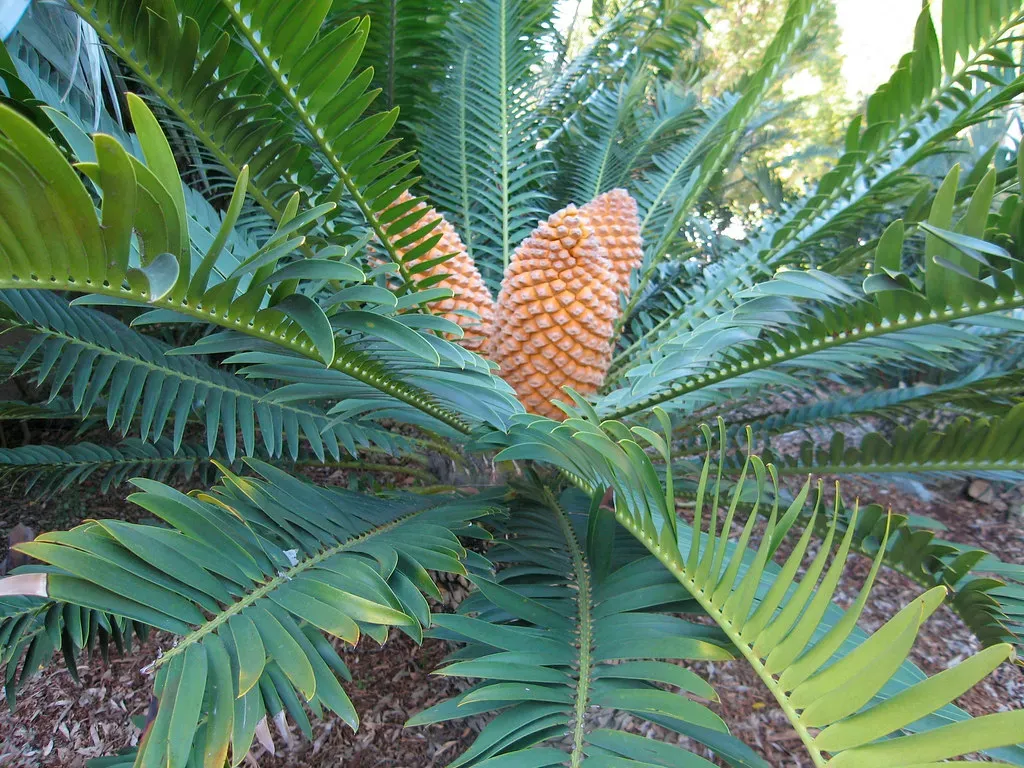
Two fossil flowers found perfectly preserved in amber came from the genus Strychnos, which ultimately gave rise to some of the world’s most famous poisons, including strychnine and curare. These ancient specimens were discovered in what is now the Dominican Republic, dating back somewhere between twenty and thirty million years ago. This ancient genus, Strychnos, which has now been shown to be inherently toxic, existed for millions of years before humans appeared on the planet.
The implications here are staggering. These plants may have been successful because their poisons offered some defense against herbivores. Think about massive dinosaurs capable of crushing bones with their jaws, yet they had to carefully avoid certain plants or face a slow, agonizing death from within. There are now about 200 species of Strychnos plants around the world, in forms ranging from shrubs to trees and woody climbing vines, mostly in the tropics, and nearly all of them carry some level of toxicity.
The Biotic Revenge Hypothesis and Dinosaur Decline
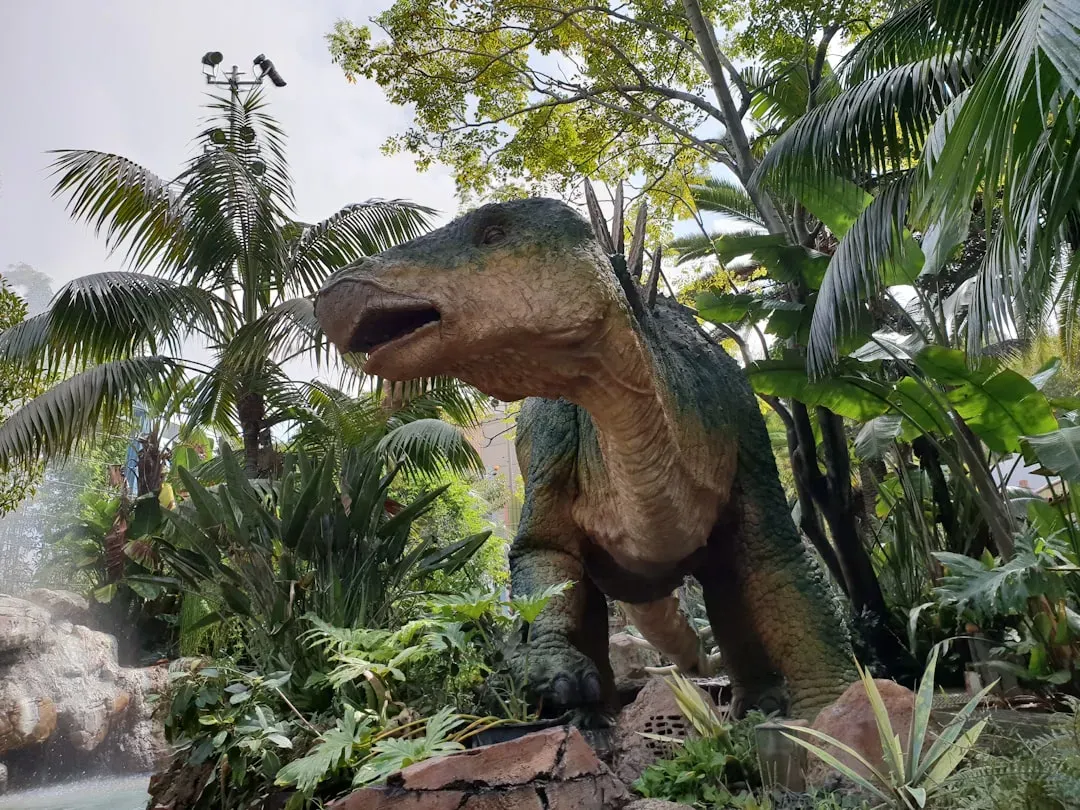
Here’s where things get controversial and absolutely fascinating. The Biotic Revenge Hypothesis centers around the idea that the dinosaurs started to die off around the same time that plants started producing deadly toxins. Plants evolved flowers just 150 to 130 million years ago, and they’d also started to evolve deadly toxins. Could beautiful blossoms have been hiding deadly secrets?
If dinosaurs were unable to learn which plants not to eat, they may have been slowly poisoned en masse long before the meteor impact. Let’s be real, this theory suggests that plants might have softened up the dinosaurs before the final knockout punch from space. The herbivores would have been the first to go, weakened by constant exposure to novel plant toxins their bodies couldn’t process. Then the carnivores would follow, starving without their usual prey.
Carnivorous Plants That Trapped and Digested Prey
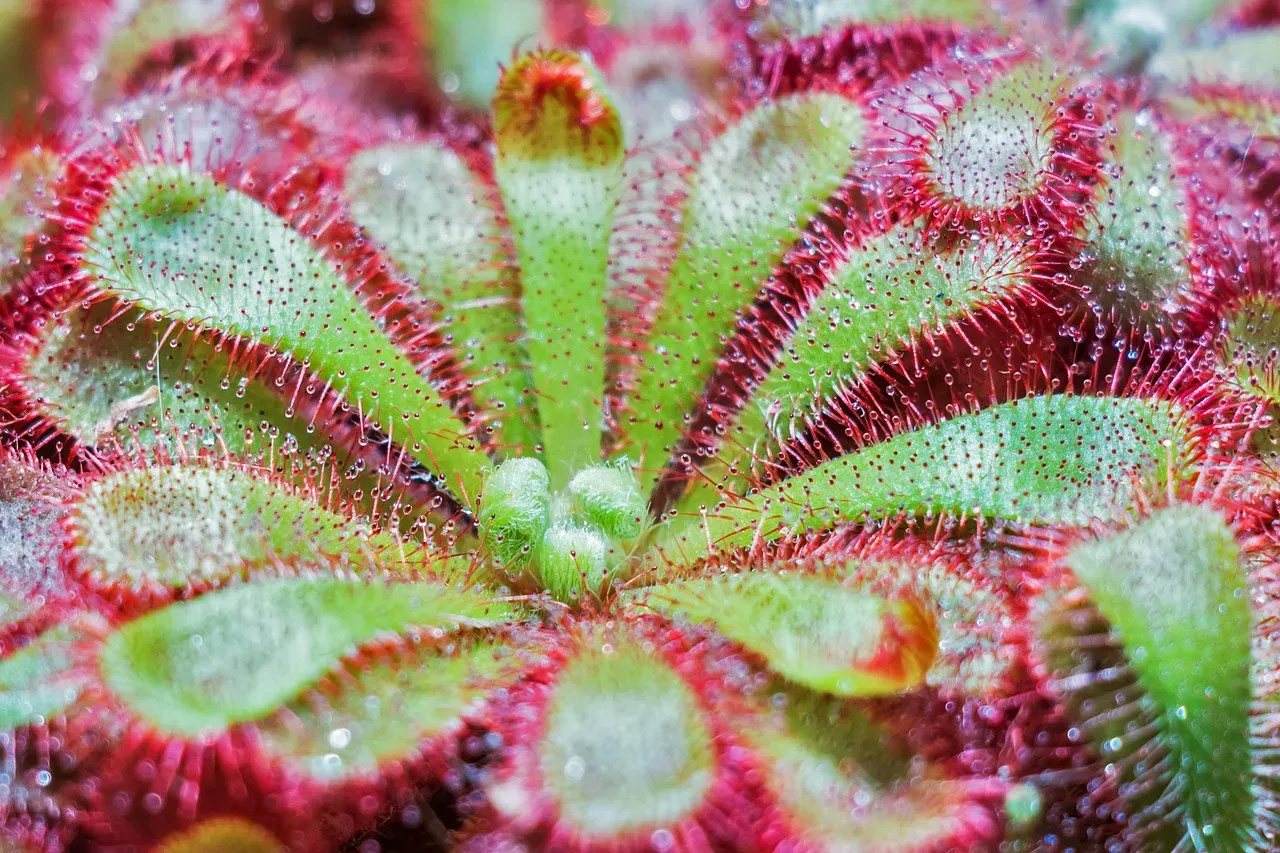
One of the only certain examples of fossil carnivorous plants comes from Eocene Baltic amber, with leaves that bear a striking resemblance to the Roridula carnivorous plants found in South Africa today. These weren’t gentle insect catchers. Like its modern-day relatives, this fossil plant would have trapped insects using sticky, glue-like resin and ‘tentacles’ that restrict movement.
The evolutionary journey to becoming a meat-eater was remarkable. Plants that evolved carnivory entirely independently repurposed the same genes, and faced with the problem of consuming flesh, they all hit on the same solution. Carnivorous plants produce enzymes including chitinases, which break down the chitin of insect exoskeletons, flesh-dissolving proteases which break down proteins, and purple acid phosphatase. Evolution essentially turned defense mechanisms into digestive systems.
Ancient Weapons Coated with Plant Poisons
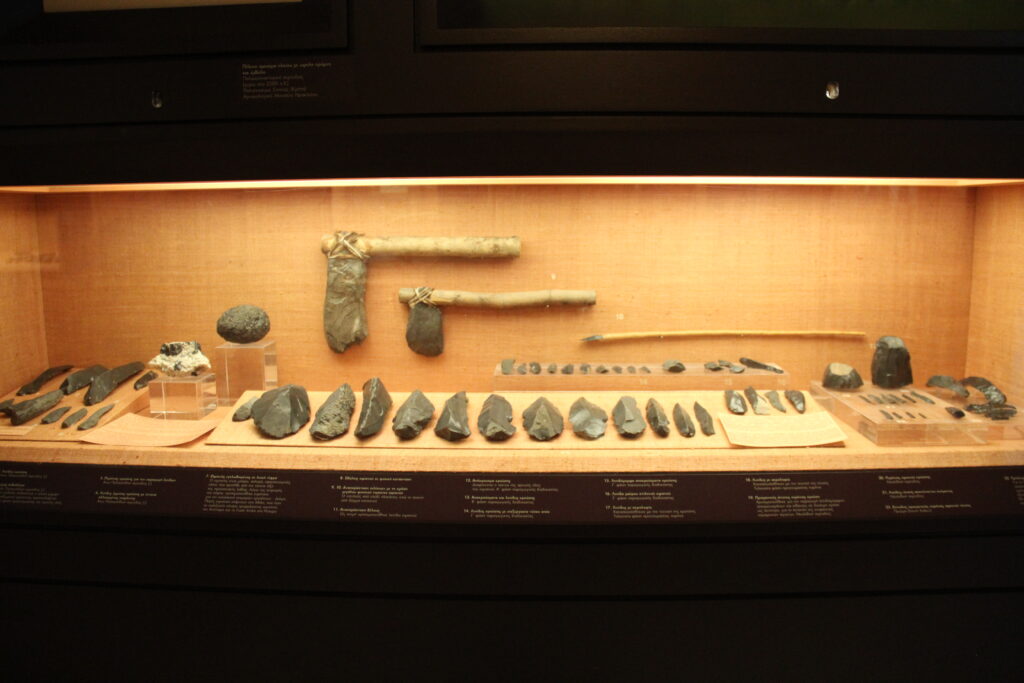
Palaeolithic weapons with stone arrowheads may not have been deadly enough to immobilise or kill a large animal such as a red deer, but poison plants were plentiful and the Prehistoric population knew the environment where they lived. Our ancestors understood something crucial about plants that many people today have forgotten. They weren’t just food or decoration but potential chemical weapons.
A study on arrows currently used by the Bushmen highlighted that these weapons would be often ineffective if the tips were not poisoned. By dipping an arrow head into a poisonous paste, the hunter could ensure that an animal would receive a dose of toxic chemicals, alkaloids or cardenolides, that would either kill it immediately or slow it down. Prehistoric humans likely learned this technique tens of thousands of years ago, turning botanical knowledge into survival strategy.
Toxic Compounds That Protected and Killed
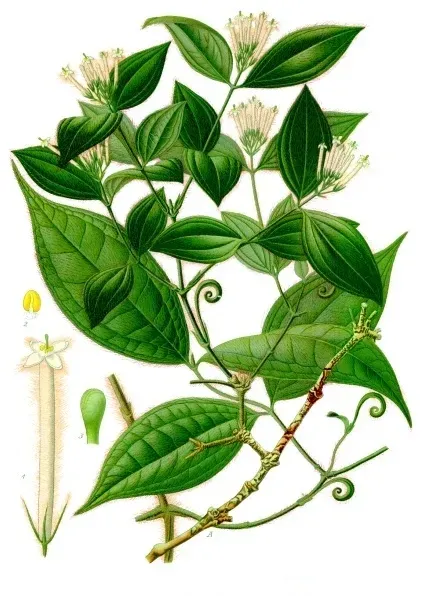
The same substances that made prehistoric plants dangerous have become oddly valuable to modern medicine. Ethnographic studies tell us that the most common toxic plants used in poisons were also used to treat diseases, and the same substances are the basis for many medications still in use today. It’s all about dosage, really. What kills in large amounts might heal in tiny doses.
Sir Walter Raleigh may have first encountered curare in 1596 when he observed poison arrows in South America, and in lower doses it has been used as a muscle relaxant in surgery. Strychnine had practical uses for decades as a pesticide, and was often the deadly component of rat poison. These ancient plant defenses became tools humanity learned to manipulate, though not always with the best intentions.
Vines and Invasive Species From Earth’s Ancient Past
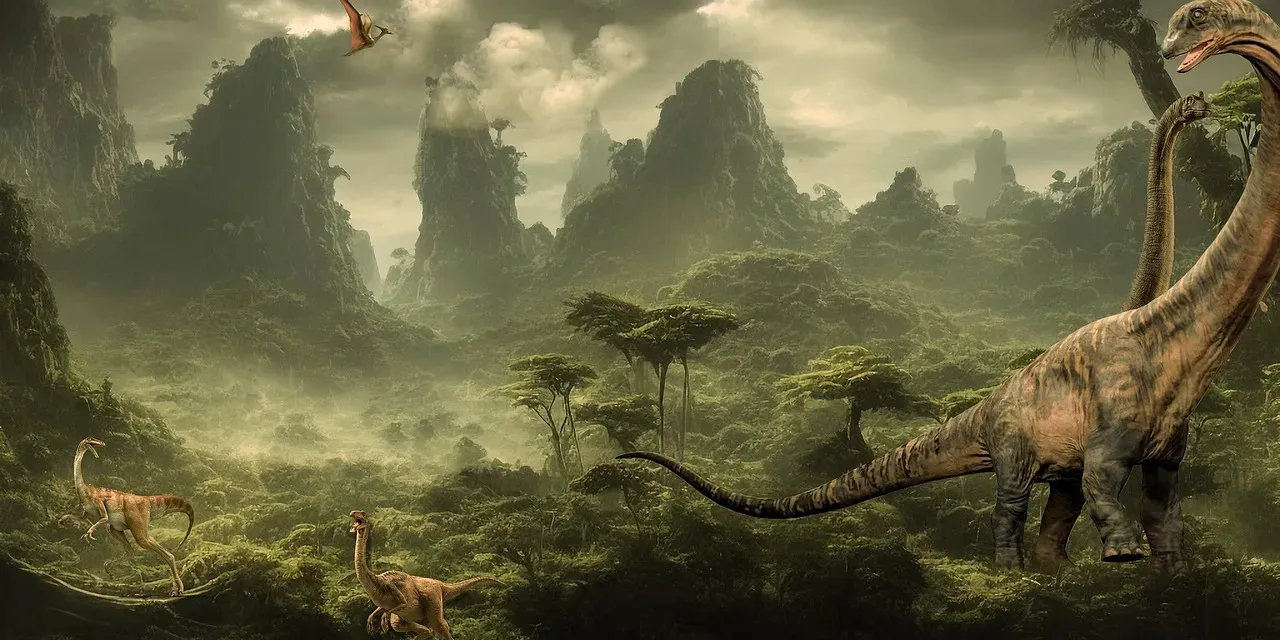
Some of the worst invasive plant species in the world are vines, but the vines alive today are probably like kittens compared to some of their long-dead ancestors, including Sphenophyllales, an extinct order of plants that included rugged vines. Imagine vines with no natural predators, spreading across entire continents unchecked.
The prehistoric world was full of botanical nightmares we can barely imagine today. Some ancient vines might have strangled entire forests, blocking out sunlight and suffocating competing plants. They didn’t need venom or teeth because their growth patterns alone could devastate ecosystems. Modern kudzu or English ivy are considered invasive pests, yet they’re probably tame compared to what once covered prehistoric landscapes.
Lessons From Plants That Outlived the Dinosaurs
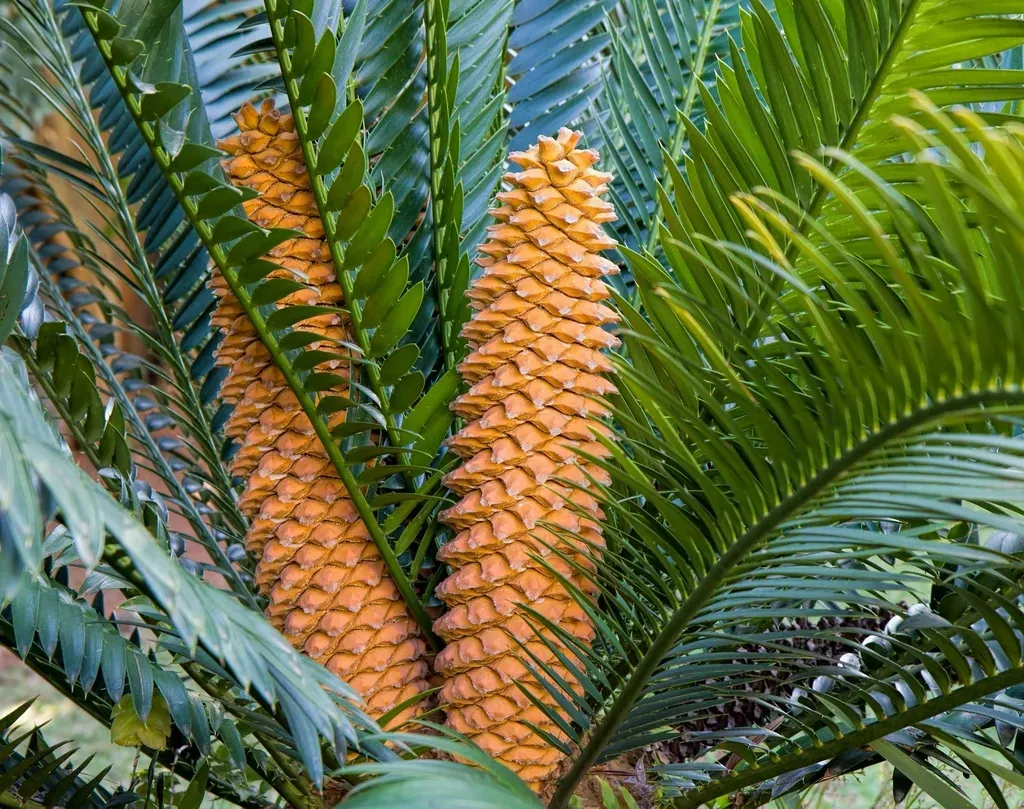
The most dangerous prehistoric plants weren’t always the most obvious ones. Plants like Aristolochia, once used as medicines in Brazil, are now known to be poisonous. Plants like magnolias and ferns were around when dinosaurs roamed the Earth, surviving mass extinctions. They witnessed apocalypses that wiped out dominant species and adapted to continue thriving.
What this tells you is that quiet persistence can be more effective than raw power. While mighty predators ruled temporarily, plants developed strategies that ensured their survival across hundreds of millions of years. They couldn’t move, couldn’t fight in conventional ways, yet they became some of the most successful organisms on the planet. Their chemical warfare proved more enduring than teeth, claws, or size. The lesson here is profound: sometimes the deadliest threats are the ones you don’t see coming, rooted silently in the ground beneath your feet, waiting patiently with toxins that took eons to perfect. Did you expect that the real prehistoric killers might have been standing still all along?