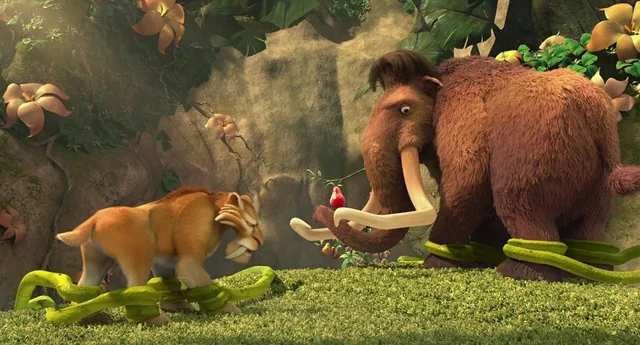
Picture this: a massive woolly mammoth trudging across the frozen steppe with a sabre-toothed cat padding calmly at his side, not as predator and prey, but as something closer to buddies. The Ice Age movies made that idea feel oddly believable, like a scruffy, dysfunctional family somehow surviving the end of the world together. But once you step away from the popcorn and look at what prehistoric life was really like, the question hits harder: could that kind of cross-species friendship have ever happened in the deep past?
Scientists obviously never dug up a fossilized selfie of a mammoth and a sabre-tooth hanging out, but we do have clues. From bite marks on bones to ancient footprints frozen in time, from the social behavior of modern elephants and big cats to rare real-world cases where predators and prey coexist without violence, the evidence lets us make some educated guesses. And the truth turns out to be more complicated, and in some ways more interesting, than a simple yes or no.
Who were the real “Manny” and “Diego” of the Ice Age world?
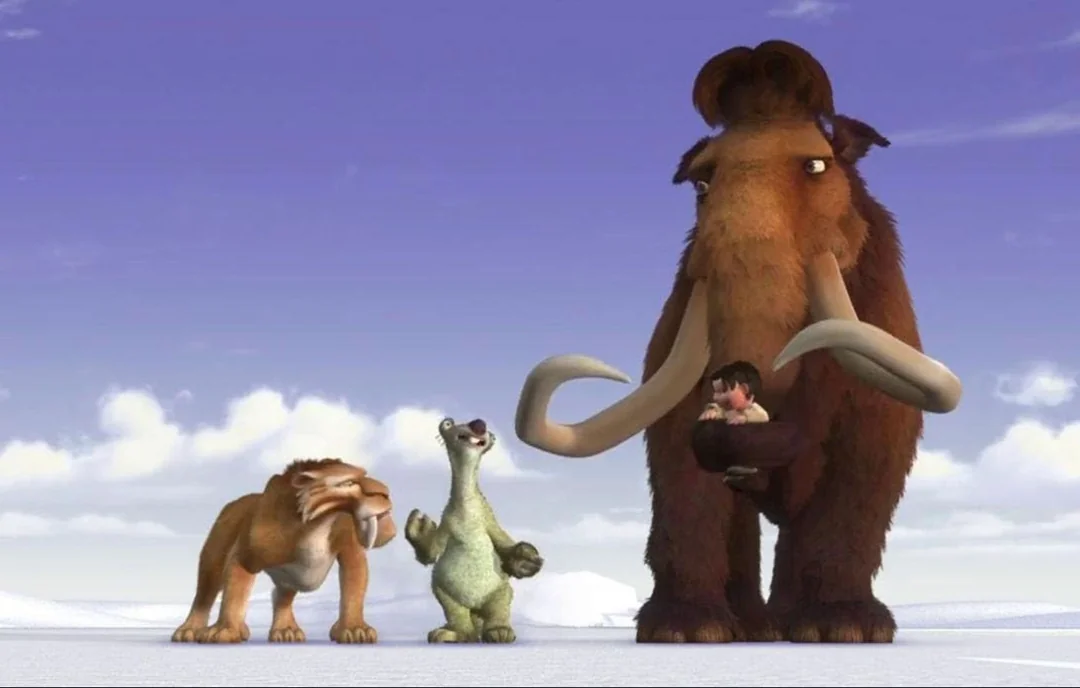
First, it helps to get our cast of characters straight. The real “Manny” would have been something like the woolly mammoth or the closely related Columbian mammoth, shaggy giants roaming the tundra and steppe during the last Ice Age. These animals were not just big; they were ecosystem engineers, shaping landscapes through browsing, trampling, and digging through snow to reach buried plants. In terms of behavior, the closest living comparison is elephants: highly social, emotionally complex, and deeply bonded to their herds.
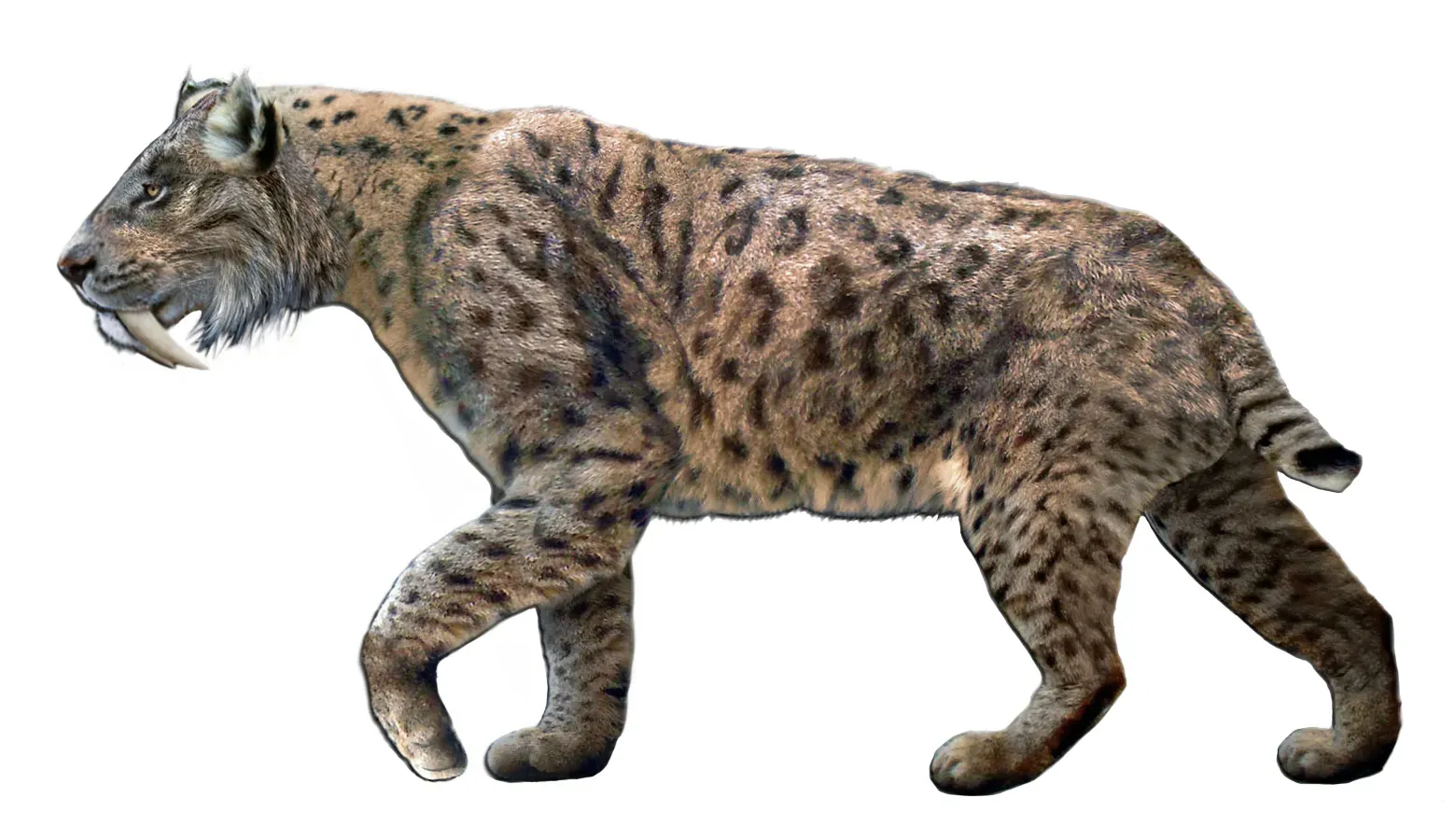
The real “Diego” was probably not exactly the same sabre-tooth shown in the films, but an animal like Smilodon, one of the most famous sabre-toothed cats, or another large prehistoric felid. These were apex predators, with huge upper canines, powerful forelimbs, and bodies built more for ambush and wrestling down prey than for long chases. Evidence from fossil sites where many individuals are found together suggests at least some sabre-toothed species might have had complicated social lives, possibly even hunting in groups or at least tolerating one another more than most big cats do today.
Predator versus prey: would a sabre-tooth see a mammoth as a meal or a teammate?
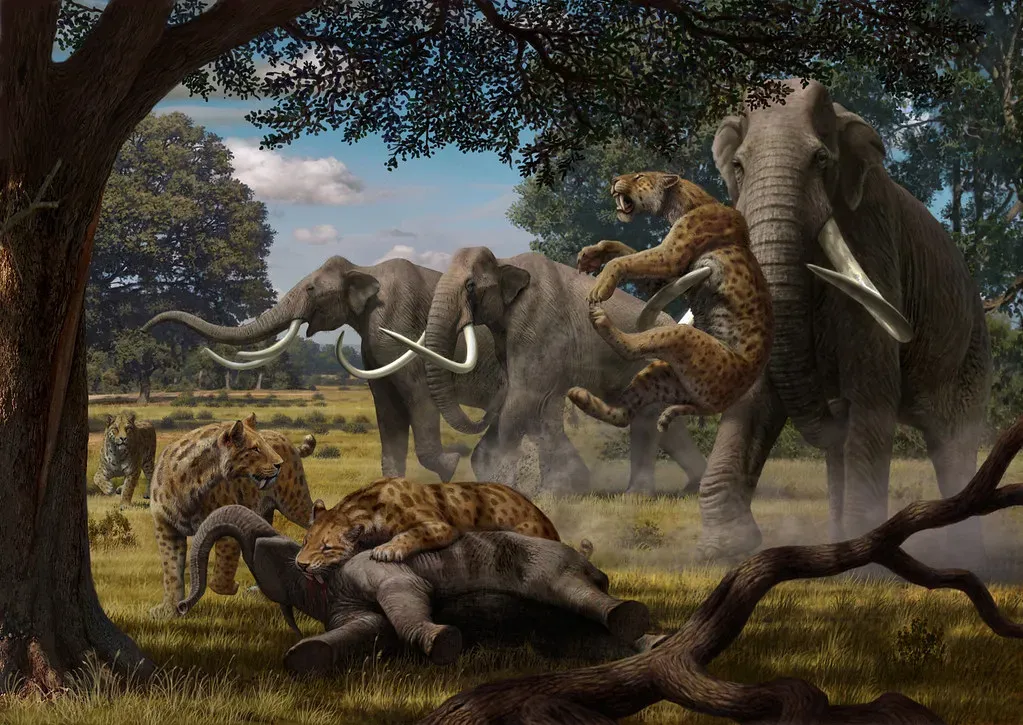
On the surface, the answer seems obvious: a sabre-tooth would look at a mammoth and see dinner, not a potential best friend. Mammoths, especially juveniles, were exactly the kind of high-calorie, high-risk prey that a huge Ice Age predator would have gone after. Fossil bones of mammoths and other large herbivores sometimes show bite marks and injuries consistent with attacks from big carnivores, suggesting that confrontations were anything but rare.
But reality is never as simple as predator always equals enemy. Modern predators, from lions to wolves, often avoid healthy adult elephants, rhinos, or bison because the risk of injury is just too high. A broken leg or cracked rib can be a death sentence for a hunter. In that sense, a full-grown mammoth might have been more like a dangerous neighbor than an everyday target. Still, the basic relationship was built around conflict and risk, not trust and cooperation, which makes the idea of a straightforward, movie-style friendship extremely unlikely.
Could social behavior make unlikely bonds possible?
Where things get interesting is when you look at how social these animals probably were. Mammoths, like elephants, likely lived in matriarchal herds – tight-knit family groups built around older females, with youngsters learning migration routes, danger cues, and social rules from their elders. These herds were not just crowds of animals moving in the same direction; they were emotional communities where individuals grieved, protected calves, and communicated in complex ways.
Sabre-toothed cats may also have been more social than many people imagine. Fossil sites showing multiple individuals of different ages together, combined with healed injuries that would have been hard to survive without some level of cooperation or at least tolerance, hint at a social or semi-social lifestyle for some species. That said, social does not automatically mean friendly toward other species. Being good at forming bonds within your own kind is very different from letting a giant, potentially dangerous herbivore into your inner circle.
Modern analogues: do we ever see predators and big herbivores “get along” today?
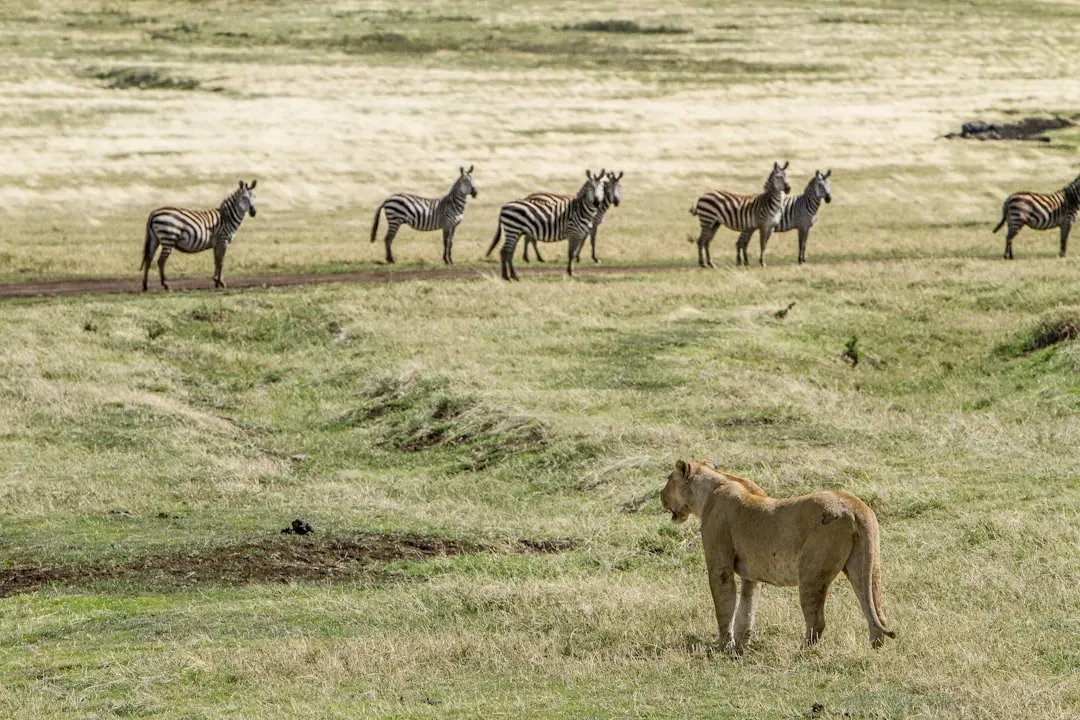
To guess what might have happened in the Ice Age, scientists often look at modern ecosystems for analogies. Today, you can see lions resting in the shade not far from herds of buffalo or antelope, or crocodiles lying motionless while zebras drink a few meters away. These situations are not friendships, but they show how a kind of wary coexistence can emerge, with prey constantly assessing risk and predators picking their moment carefully. It is less “we’re buddies” and more “we’re both pretending not to notice each other until someone makes a mistake.”
There are also occasional oddball cases – usually in captivity or heavily human-influenced environments – where a predator seems to form a bond with an animal it would normally hunt. Even then, those situations are fragile and often driven by unusual conditions like abundant food, early-life imprinting, or long-term proximity without danger. In the wild, where starvation, competition, and injury are constant threats, the luxury of cross-species friendship is rare to nonexistent. Translating that back to the Ice Age, a Manny–Diego type bond would have required extremely unusual circumstances.
Could individual exceptions have existed, even if the rule was conflict?
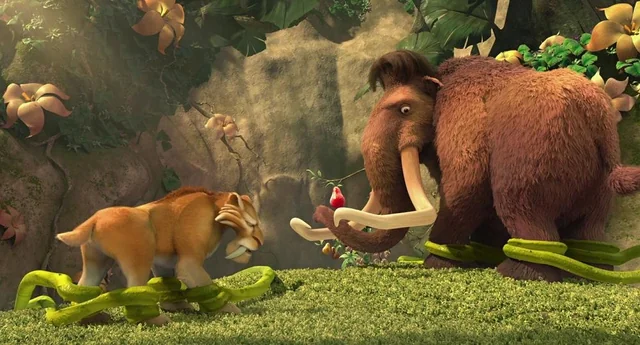
Nature almost always has room for exceptions, and that is where the story gets more nuanced. Imagine an orphaned sabre-tooth cub raised near a mammoth herd, or a badly injured predator that could no longer hunt and survived by scavenging near tolerant herbivores. While there is no direct evidence for such specific scenarios in the fossil record, we do know that individual animals can show surprisingly flexible behavior when their survival depends on it. The problem is that fossils usually capture bones, not the strange social experiments that might have happened in real time.
It is also possible that some Ice Age animals regularly shared space without full-on antagonism. Large predators might follow migrating herds, picking off the weak or scavenging carcasses without constantly attacking healthy adults. In moments of harsh climate or limited resources, a truce of exhaustion could arise: both sides too worn down to waste energy on unnecessary fights. That still falls short of friendship, but it does paint a picture that is more complex than endless, nonstop warfare.
Why the idea of their friendship still matters to us
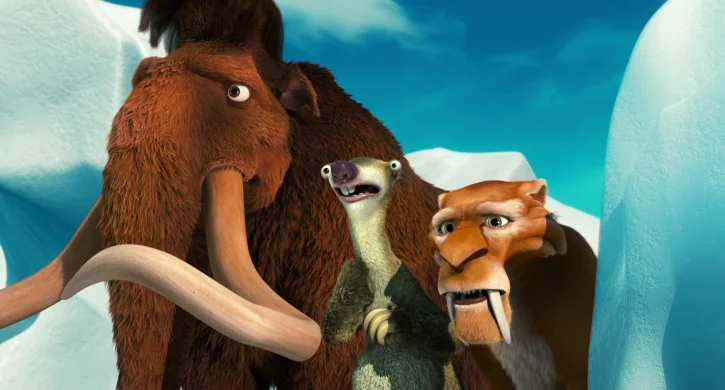
Even if science leans heavily toward no – at least in the literal, movie-style sense – the fascination with a mammoth and a sabre-tooth becoming friends tells us something about ourselves. We want to believe that empathy and connection can cross even the deepest divides, that natural enemies can become allies when the world is falling apart. In a way, Manny and Diego are less about paleontology and more about hope: the idea that cooperation can beat instinct when it really counts.
Personally, I think that is why those characters stick in people’s minds years later. They turn the harsh, indifferent Ice Age into a story about chosen family, loyalty, and second chances. While the realistic view is that a sabre-toothed cat and a mammoth probably would not stroll side by side as equals, the emotional truth behind that fantasy – about finding unexpected allies when everything is stacked against you – still resonates. And maybe that says more about our own evolving nature than anything buried in the permafrost.
So, could they really have been friends? A grounded answer.
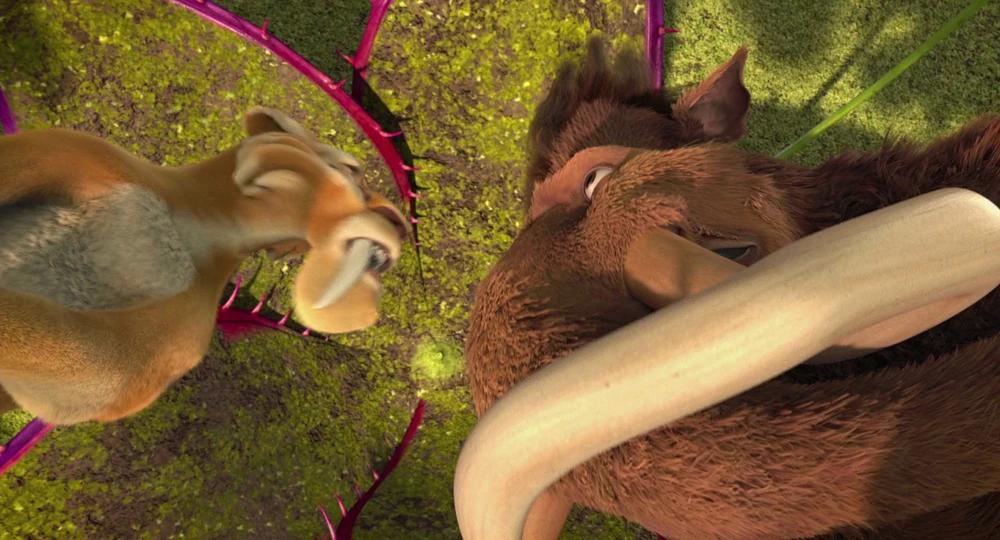
If we strip away the charm and jokes of animation and look only at the science, the odds are firmly stacked against a genuine, long-term, trusting friendship between something like a sabre-toothed cat and a mammoth. Their basic roles in the ecosystem put them on opposite sides: one a vulnerable but powerful herbivore, the other an apex predator built to exploit any weakness. The daily realities of hunger, injury, and competition would have pushed them toward caution, avoidance, or outright violence far more often than toward companionship.
But the story is not completely black and white. There might have been rare, short-lived, or situational forms of tolerance, uneasy truces, or individual outliers whose behavior bent the usual rules. To me, the most honest conclusion is this: Manny and Diego, as portrayed, are almost certainly a fantasy – but a useful one. They remind us that while natural instincts are powerful, our own species has shown an extraordinary ability to cooperate beyond kin, beyond tribe, even beyond species. In that sense, their impossible friendship is less a window into the past and more a mirror held up to us today. Would you have guessed the science would end up that way?