The Cretaceous-Paleogene (K-Pg) extinction event about 66 million years ago is widely recognized as the catastrophic conclusion to the age of dinosaurs. When a massive asteroid struck what is now the Yucatán Peninsula in Mexico, it triggered a cascade of environmental changes that wiped out approximately 75% of all species on Earth, including most dinosaurs. However, scientific understanding evolves, and researchers now acknowledge that not all dinosaur lineages vanished. In fact, modern birds are the living descendants of theropod dinosaurs. Beyond this established connection, scientists continue to explore intriguing possibilities: Could pockets of non-avian dinosaurs have survived the initial extinction event, perhaps persisting for some time afterward? This article examines the evidence, theories, and ongoing research into this compelling question.
The Nature of the K-Pg Extinction Event

The asteroid impact that triggered the K-Pg extinction was a cataclysmic event of unprecedented scale and devastation. When the massive space rock, estimated to be about 10-15 kilometers in diameter, struck Earth, it released energy equivalent to billions of atomic bombs, causing immediate destruction across thousands of miles. The impact vaporized rock and sent massive tsunamis across ancient seas while launching particles and gases high into the atmosphere. In the aftermath, global firestorms, acid rain, and a prolonged impact winter ensued as sunlight was blocked by debris, halting photosynthesis and collapsing food chains worldwide. This complex sequence of disaster created multiple extinction mechanisms, making survival extremely difficult for large-bodied animals that required substantial food resources, which explains why no non-avian dinosaurs are known to have survived long-term.
The Evidence From Fossil Records

The fossil record provides our primary window into ancient extinction events, but it remains frustratingly incomplete. While numerous dinosaur fossils have been recovered from layers preceding the K-Pg boundary (the geological marker of the extinction event), paleontologists have historically found virtually no definitive non-avian dinosaur remains in rock layers deposited after this boundary. This absence has long been the strongest evidence for complete extinction. However, the fossil record suffers from preservation bias, with only a tiny fraction of organisms ever becoming fossilized, especially in regions with poor preservation conditions. Some researchers have pointed to potential dinosaur fossils found slightly above the K-Pg boundary, such as the controversial Hell Creek formations findings, though these specimens are typically disputed as either being reworked (older fossils that were eroded and redeposited in younger sediments) or misdated.
The Survival of Avian Dinosaurs

Birds represent the most compelling evidence that dinosaurs did, in fact, survive the K-Pg extinction event—just not in the forms we typically imagine when we think of dinosaurs. Modern birds evolved from small theropod dinosaurs, specifically from the maniraptoran lineage that includes velociraptors and other dromaeosaurids. The features that likely enabled these proto-birds to survive include their small body size, which required less food during the resource-limited aftermath of the impact. Their ability to fly gave them mobility to escape localized devastation and access scattered food resources. Additionally, their diverse diets, including seeds (which can remain viable even during prolonged environmental stress), provided critical advantages. The evolutionary adaptations that allowed these small dinosaurs to survive while their larger relatives perished demonstrate how specific traits determined which species could endure in the post-apocalyptic world.
Potential Survival in Isolated Habitats
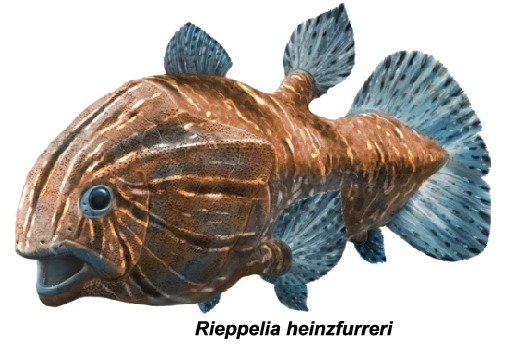
Scientists have proposed that certain remote or specialized environments might have served as refugia—protected areas where dinosaur populations could have persisted after the main extinction event. High-altitude environments, deep forest interiors, or remote islands might have been partially sheltered from the most severe effects of the impact aftermath. These potential “Lazarus populations” could theoretically have survived for thousands or even millions of years after the main extinction event. The idea finds some parallel in modern discoveries of “living fossils” like the coelacanth fish, once thought extinct for millions of years until discovered alive in the 20th century. Some researchers have suggested that stories of dragon-like creatures in human folklore might contain distant cultural memories of surviving dinosaur species, though most scientists consider this highly speculative given the massive time gap between the last non-avian dinosaurs and early humans.
The Controversial “Paleocene Dinosaurs”
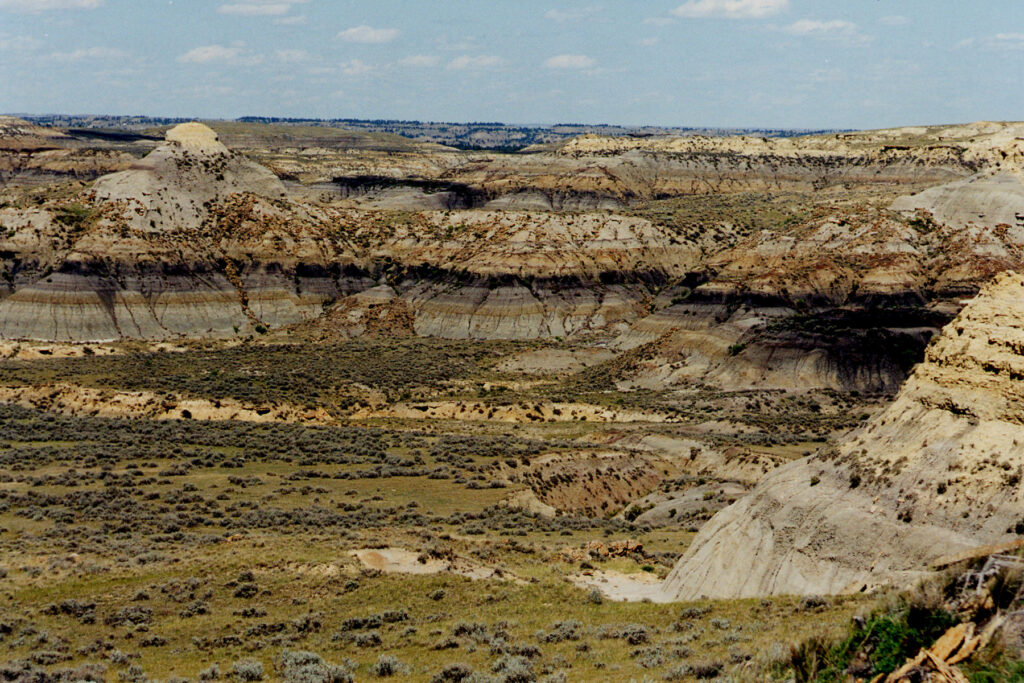
Occasional discoveries have fueled debate about whether some non-avian dinosaurs survived into the Paleocene epoch, the first period following the K-Pg boundary. The most prominent example involves fragmentary dinosaur fossils reportedly found in Paleocene deposits of the Hell Creek Formation in Montana. Some researchers have suggested these specimens demonstrate survival of certain dinosaur lineages for up to a million years after the asteroid impact. However, these claims face intense scrutiny from the broader paleontological community. Critics point out potential issues with dating methodology, stratigraphic context, and the possibility of reworked fossils (older remains eroded and redeposited in younger sediments). Most mainstream paleontologists remain skeptical of these findings, though the debate continues with ongoing research and new analytical techniques that might eventually resolve these controversies.
Small Body Size as a Survival Advantage
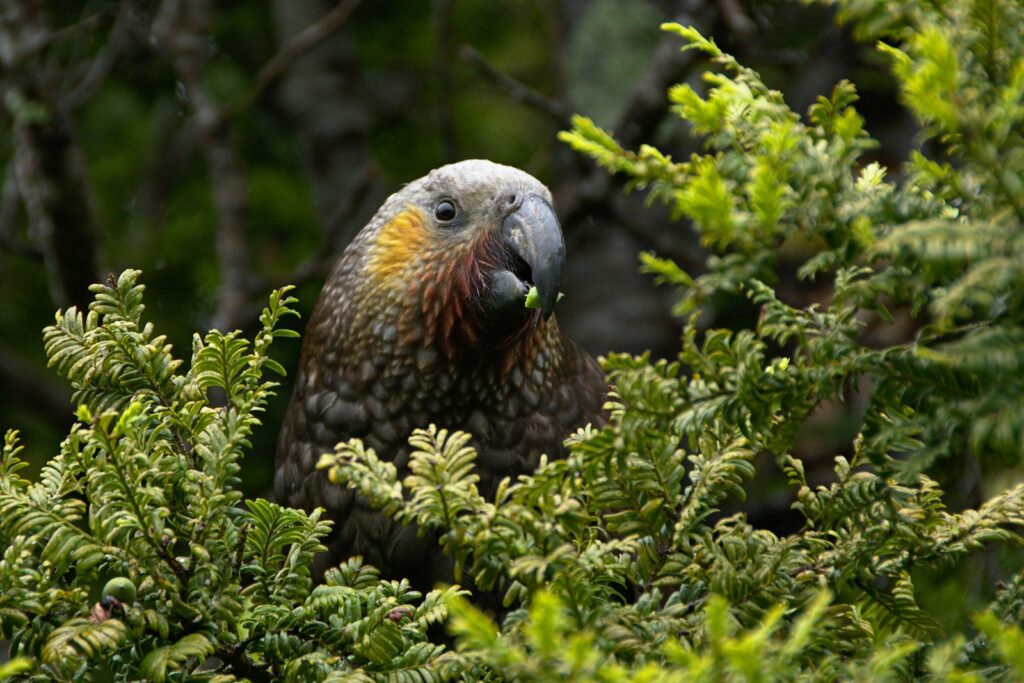
If any non-avian dinosaurs did survive the initial extinction event, they were likely small-bodied species with lower resource requirements. The aftermath of the asteroid impact created a severely resource-limited environment where the massive food needs of large dinosaurs could not be sustained. Smaller dinosaurs would have required less food and could potentially exploit niches unavailable to larger species. This pattern is consistent with what we observe across the K-Pg boundary: small-bodied animals, including mammals, birds, turtles, and crocodilians, survived at much higher rates than large-bodied species. Recent research on dinosaur body size trends before the extinction also suggests that some dinosaur lineages were already evolving smaller body sizes, which might have positioned certain species better for survival. The fact that the surviving avian dinosaurs were among the smallest dinosaur species further supports this size-selective survival hypothesis.
Physiological Adaptations for Survival

Beyond size, specific physiological adaptations might have enabled certain dinosaur species to weather the extinction crisis. Metabolic flexibility—the ability to slow metabolism during resource scarcity—could have been crucial during the impact winter. Some modern birds and reptiles can enter torpor or hibernation-like states, and if some dinosaur species possessed similar adaptations, they might have been better positioned to survive. Dietary flexibility would have been equally important, as species able to consume a wider range of foods could adapt to changing resource availability. Additionally, enhanced sensory capabilities might have helped some species locate scarce resources in the darkened post-impact world. Some researchers have suggested that dinosaur species with more mammal-like or bird-like physiological adaptations, including potentially higher metabolic rates and better temperature regulation, might have had survival advantages during the rapidly changing conditions.
The Gradual Extinction Hypothesis
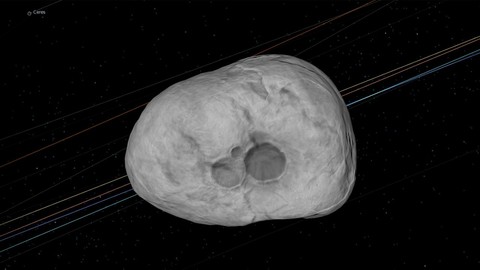
While the asteroid impact was undoubtedly catastrophic, some paleontologists propose that dinosaur extinction might not have been instantaneous but rather a more gradual process. Under this hypothesis, some dinosaur populations could have persisted for thousands or even hundreds of thousands of years after the impact, gradually diminishing as environmental conditions remained unfavorable for their recovery. This perspective is supported by some evidence suggesting environmental recovery was geographically uneven, with some regions potentially experiencing less severe effects than others. The gradual extinction model doesn’t necessarily contradict the asteroid impact theory, but suggests a more complex extinction pattern with regional variations in survival. If true, this would mean that humans missed sharing the planet with non-avian dinosaurs by over 60 million years, rather than the full 66 million years typically cited.
Ancient DNA and Molecular Evidence

The emerging field of ancient DNA analysis offers tantalizing possibilities for investigating dinosaur extinction and potential survival. While dinosaur DNA has not been successfully recovered (DNA typically degrades beyond recognition after about 1-2 million years), molecular studies of other organisms that lived across the K-Pg boundary provide insights into extinction patterns. Some researchers have explored alternative molecular evidence, including the preservation of proteins and other biomolecules that might survive much longer than DNA. The controversial reports of soft tissue preservation in some dinosaur fossils, including potential blood vessels and cellular structures, have sparked debate about whether molecular studies might eventually reveal more about dinosaur biology and extinction. If any dinosaur populations survived well beyond the initial extinction event, they might have left molecular traces that future technological advances could potentially detect in exceptionally well-preserved specimens.
Dinosaur Survival in Popular Culture

The idea of dinosaur survival has captured public imagination and permeated popular culture in countless ways. From Arthur Conan Doyle’s “The Lost World” to Michael Crichton’s “Jurassic Park” and countless films, books, and games, the concept of discovering living dinosaurs in remote locations continues to fascinate audiences worldwide. These fictional portrayals often emphasize isolated environments where dinosaurs supposedly survived unchanged for millions of years. While scientifically implausible, these narratives reflect genuine human fascination with the possibility of encountering these magnificent prehistoric creatures. The cultural appeal of surviving dinosaurs also manifests in cryptozoological claims about supposed dinosaur-like creatures in remote regions, such as the mokele-mbembe in central African wetlands, though scientific expeditions have found no credible evidence for such creatures.
Modern Analogs: Insights from Other Extinction Events

Scientists gain valuable insights into the dynamics of mass extinctions and survival patterns by studying other extinction events and modern conservation crises. Recent research on the five major mass extinctions throughout Earth’s history reveals that certain traits consistently correlate with survival, including geographic range, habitat flexibility, and dietary adaptability. Studies of modern endangered species demonstrate how small populations can persist in refugia before either recovering or eventually succumbing to extinction—a pattern that might parallel what happened with some dinosaur lineages. Additionally, research on how modern ecosystems recover from catastrophic events, such as volcanic eruptions or nuclear accidents, provides models for understanding post-impact ecological recovery. These comparative approaches help scientists develop more nuanced models of how certain dinosaur species might have temporarily persisted beyond the main extinction pulse.
Future Research Directions
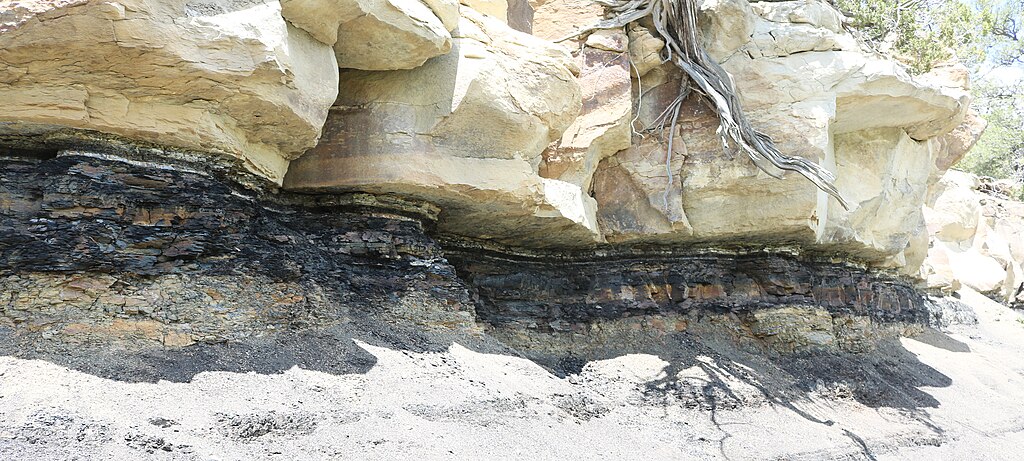
The question of dinosaur survival remains an active area of investigation, with several promising research directions. Advanced geological dating techniques continue to improve our ability to precisely determine the age of fossils found near the K-Pg boundary. New fossil discoveries, particularly in understudied regions of the world, may yet reveal evidence of dinosaur survival that has eluded scientists thus far. Cutting-edge analytical methods, including synchrotron scanning and molecular paleontology, offer unprecedented insights into fossil composition and potentially preserved biomolecules. Computer modeling of extinction dynamics and ecosystem recovery enables scientists to test hypotheses about which species were most likely to survive and under what conditions. Many paleontologists believe that if evidence of dinosaur survival does exist, it will likely be found in areas with continuous terrestrial deposition across the K-Pg boundary, particularly in regions that have received less scientific attention, such as parts of Africa, Asia, and South America.
The Ongoing Evolutionary Legacy

While the debate about short-term dinosaur survival continues, the evolutionary legacy of dinosaurs unquestionably persists to the present day through birds. Modern birds represent an extraordinary evolutionary success story, with over 10,000 species filling ecological niches across the planet. The adaptations that enabled avian dinosaurs to survive—flight, warm-bloodedness, efficient respiratory systems, and advanced parental care—have continued to evolve and diversify. In a very real sense, dinosaurs never truly went extinct but rather transformed through evolutionary processes into the feathered creatures we see today. Some paleontologists argue that recognizing birds as living dinosaurs renders the extinction question somewhat semantic—dinosaurs as a clade survived, even if many specific lineages did not. This perspective emphasizes evolutionary continuity rather than focusing solely on the extinction of particular body forms, revealing how extinction events often redirect rather than terminate evolutionary trajectories.
Conclusion

The question of whether some non-avian dinosaurs survived the K-Pg extinction, even temporarily, remains one of paleontology’s most intriguing mysteries. While the mainstream scientific consensus holds that all non-avian dinosaurs perished relatively quickly after the asteroid impact, the incomplete nature of the fossil record leaves room for ongoing investigation. The undisputed survival of avian dinosaurs—modern birds—demonstrates that at least some dinosaur lineages possessed the necessary adaptations to weather the extinction crisis. Whether small populations of other dinosaur species persisted in protective refugia for some time after the main extinction event remains speculative but not entirely implausible. As research techniques advance and more fossils are discovered, our understanding of this pivotal moment in Earth’s history continues to evolve, reminding us that even seemingly settled scientific questions deserve continued exploration and open-minded inquiry.