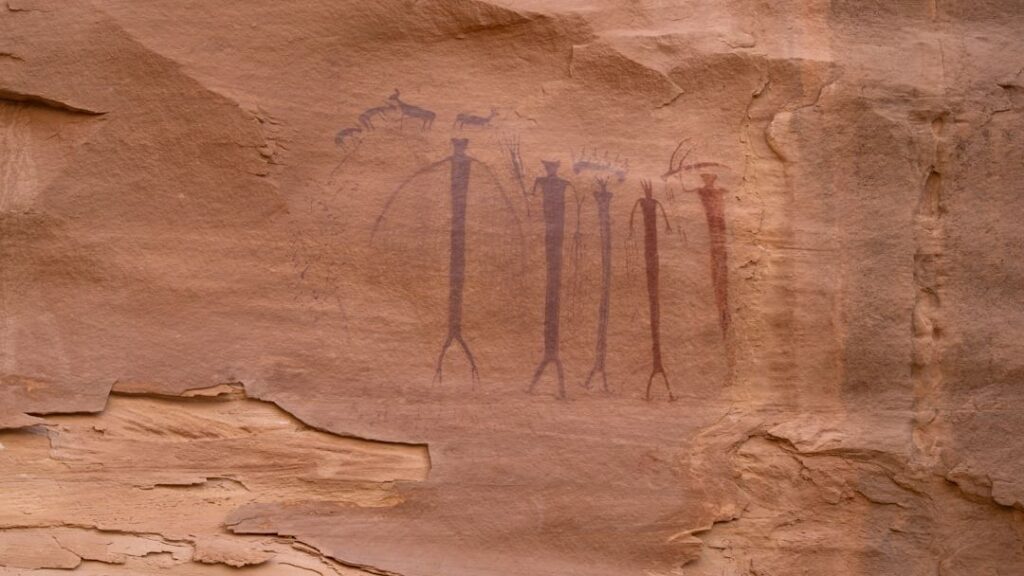
You’ve probably thought about what your spirit animal might be. Maybe a wolf, representing loyalty and wisdom. Perhaps an eagle, soaring high and connecting to something greater. These are powerful symbols, deeply rooted in Indigenous traditions that honor the sacred relationship between humans and the natural world.
Here’s the thing, though. What if your true spiritual companion isn’t one of the familiar animals roaming the earth today? What if it’s something far more ancient, something that vanished thousands of years ago when the last ice sheets retreated? Picture this: enormous beasts that once ruled North America, creatures so magnificent and strange that they make modern animals look almost ordinary by comparison. Ready to discover which extinct giant might resonate with your soul?
The Saber-Toothed Cat: For Those Who Hunt With Precision
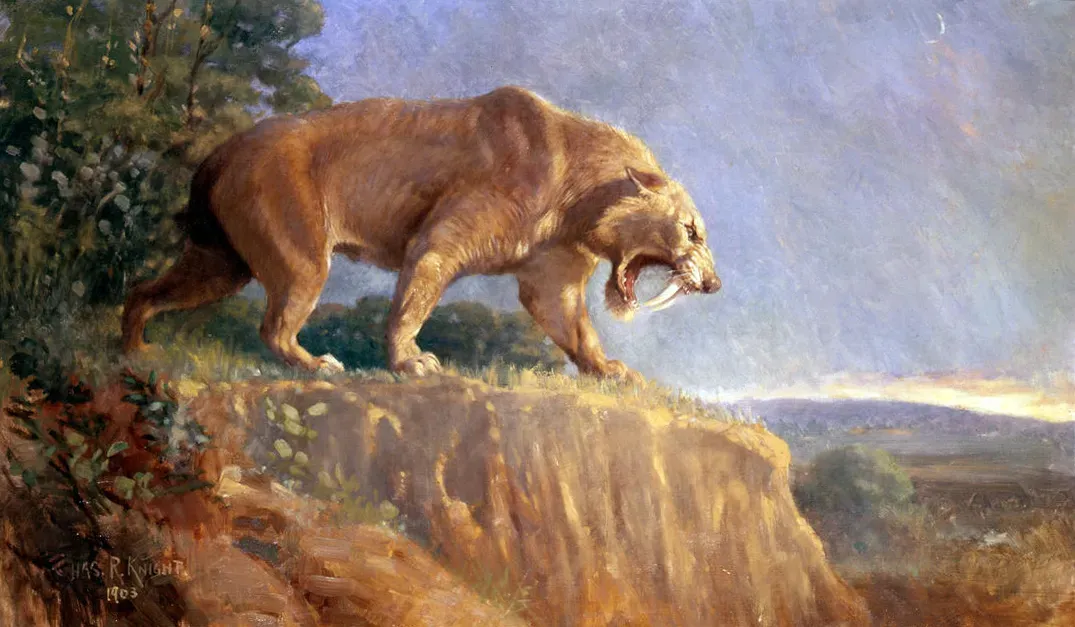
If you’ve got a strategic mind and prefer quality over quantity, the saber-toothed cat might just be calling to you. These powerful predators had upper canine teeth that reached lengths of up to 7 inches, making them instantly recognizable among Ice Age hunters. Unlike modern big cats that chase down prey in open spaces, saber-toothed cats used the cover of forests and brush to ambush their prey.
Think about how this mirrors certain personality types. Some people thrive on careful planning, patience, and striking at exactly the right moment. Giant ground sloths stood 8-to-10 feet tall and weighed over 2,200 pounds, requiring predators with “absolutely lethal jaws and claws” to hunt them regularly. Honestly, if you’re someone who takes on seemingly impossible challenges with calculated precision, this fierce feline could represent your inner strength.
The Giant Ground Sloth: Gentle Giants With Hidden Power
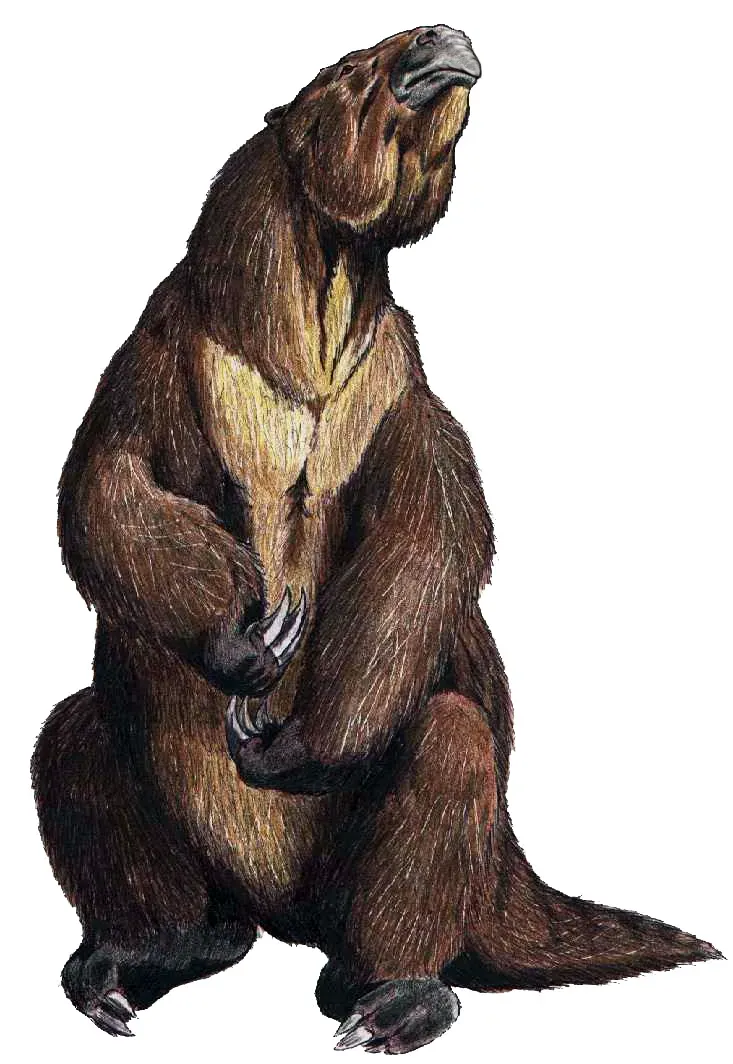
Giant ground sloths of the late Pleistocene stood 12 feet on their hind legs and weighed up to 3,000 pounds. These weren’t the slow-moving tree dwellers you might see in a nature documentary today. These were massive herbivores that commanded respect simply by existing. Weighing up to 3,000 pounds, Harlan’s Ground Sloth was the largest and most common found at the La Brea Tar Pits.
Here’s what makes them fascinating as a spirit guide. Despite their incredible size and formidable claws, they were plant eaters. They represented strength without aggression, power without violence. If you’re someone who carries quiet confidence, who doesn’t need to prove anything to anyone, the giant ground sloth might resonate deeply with your spirit. They moved through their world with purpose, taking what they needed without causing unnecessary harm.
The Dire Wolf: Pack Loyalty Taken to Extremes
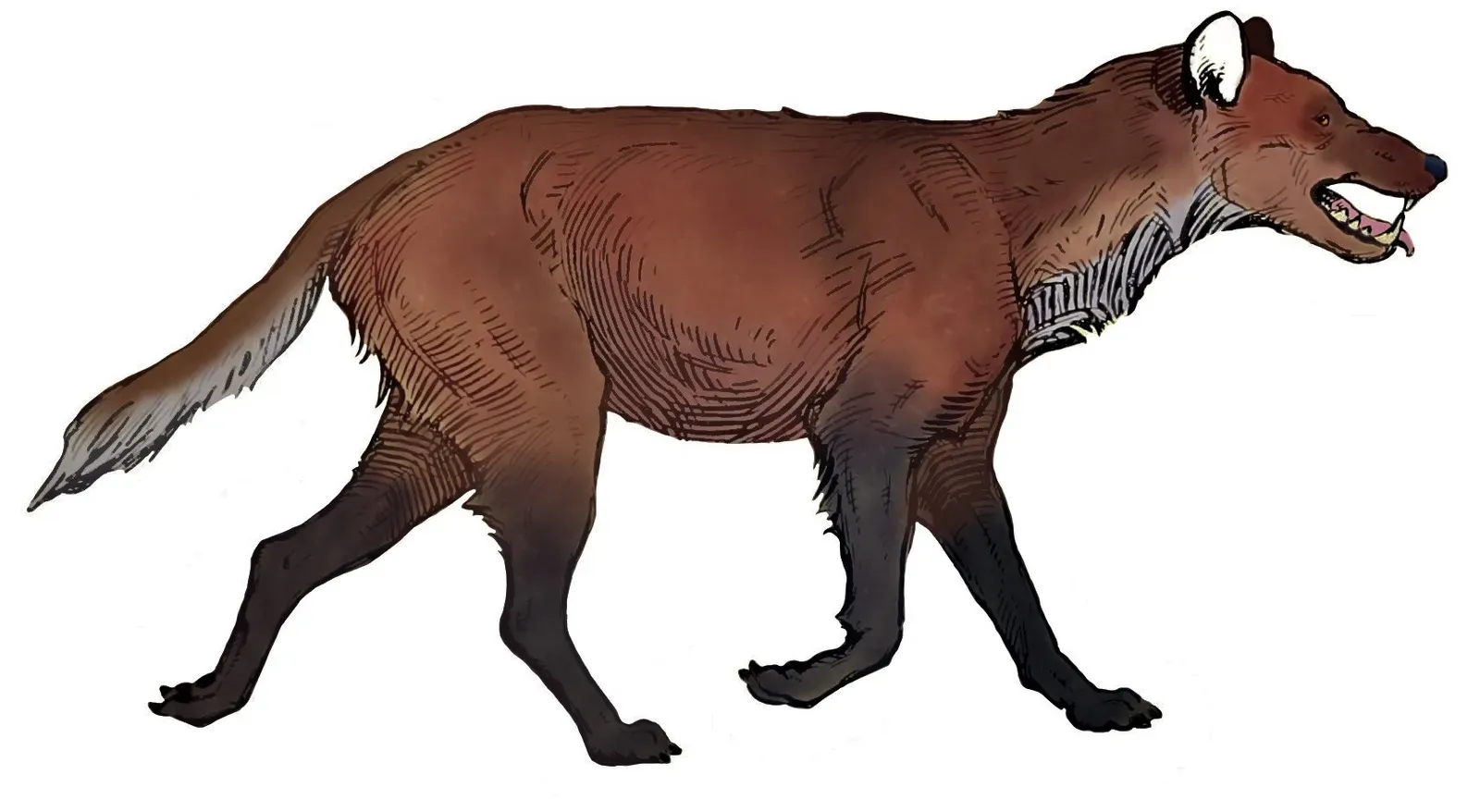
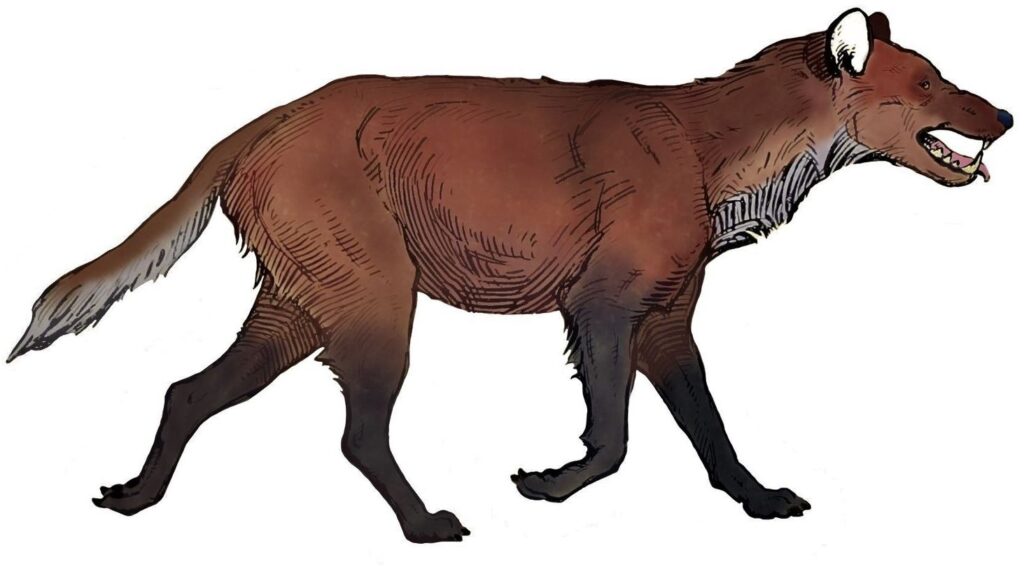
Let’s be real: modern wolves already symbolize family bonds and teamwork in many Indigenous traditions. The dire wolf gets its sinister-sounding name from its Latin name, Canis dirus, meaning “terrible wolf”. Recent DNA analysis revealed something unexpected, though. Despite its wolf-like appearance, DNA analysis suggests that the dire wolf wasn’t closely related genetically to the gray wolf at all.
These imposing predators coexisted with other megafauna and played a vital role in the ecosystems they inhabited, with their fossil record particularly abundant at the La Brea Tar Pits. For someone who values community above all else, who finds meaning in collective success rather than individual glory, the dire wolf speaks volumes. They are actually the most commonly found mammal dug up at the Tar Pits, suggesting they hunted in large cooperative groups.
The Giant Short-Faced Bear: Standing Tall Above All Others
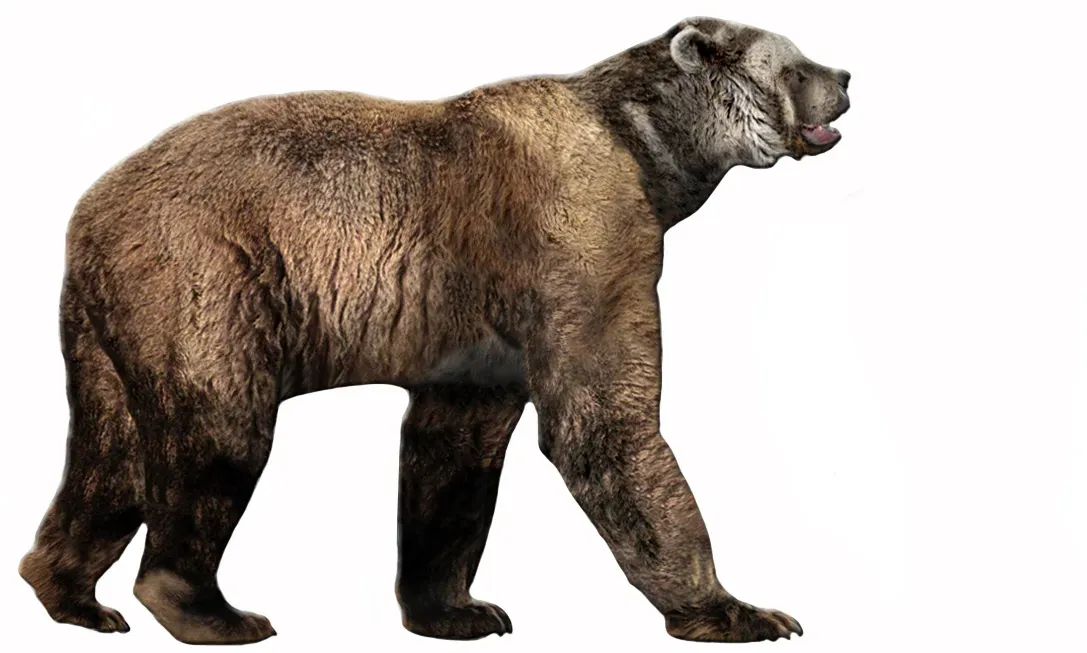
Imagine standing face to face with a bear that could look down at you from over fourteen feet high. The giant short-faced bear (Arctodus simus) was the largest carnivorous mammal to ever roam North America, boasting a vertical reach of more than 14 feet when standing on its hind legs. This wasn’t just big; it was monumentally massive.
The most striking difference between modern North American bears and the giant short-faced bear were its long, lean and muscular legs, which gave rise to the idea that it ran after prey. Some paleontologists believe it could reach speeds topping forty miles per hour. If you’re someone who combines physical presence with surprising agility, who uses size and speed together rather than relying on just one trait, this magnificent bear might be your ancient counterpart. It dominated its environment not through brute force alone but through a combination of attributes that made it uniquely formidable.
The American Mastodon: Rooted Strength and Ancient Wisdom
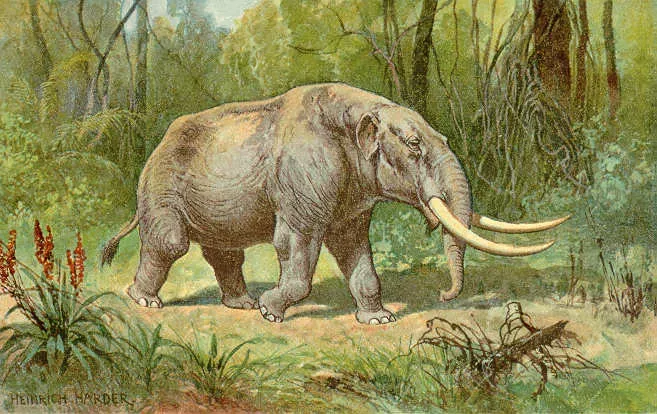
The American mastodon (Mammut americanum) evolved into its distinctive form 3.5 million years ago, and was shorter and stockier than mammoths. The shape of its teeth indicate that mastodons didn’t graze on grass like mammoths, but ripped off leaves and entire tree branches for food. This difference tells us everything we need to know about specialized adaptation.
American mastodons stood between about 2.4 and 3.0 m at the shoulder, with body weight ranging from 4 to 5 tons. They were built for forest environments, creatures of deep woods and ancient groves. For people who find strength in consistency, who prefer depth over breadth, the mastodon represents staying true to your nature even when the world changes around you. They knew what they needed and where to find it, generation after generation.
The Columbian Mammoth: Majesty in Motion
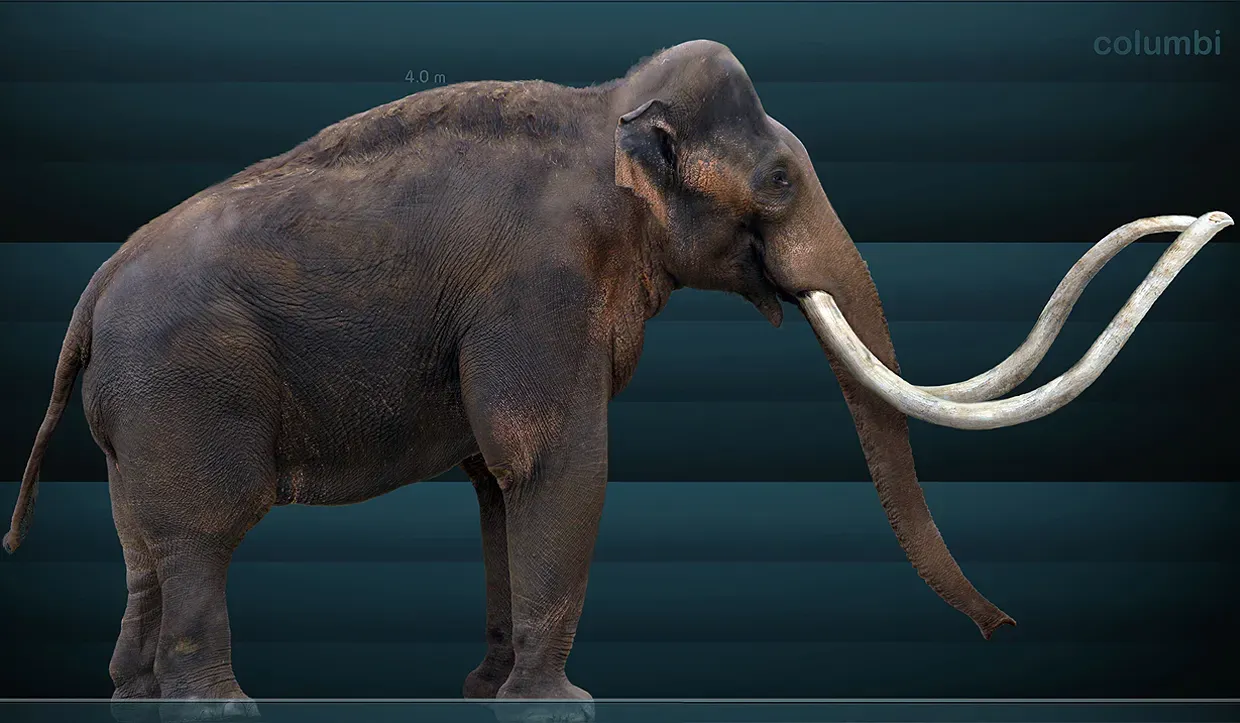
Everyone knows about woolly mammoths, but their cousin the Columbian mammoth was equally impressive. Standing 12 feet tall at the shoulders and weighing six to eight tons, the woolly mammoth grazed using its colossal, 15-foot curved tusks to dig under snow. The largest mammals discovered at La Brea were the enormous Columbian mammoths, very distinctive by their size and signature curved, long tusks.
What I find most compelling about mammoths as spirit animals is their community structure. These were highly social creatures that traveled in family groups, with older females leading the herd. If you’re someone who takes on leadership roles naturally, who guides others through difficult terrain both literal and metaphorical, the mammoth’s spirit speaks to multigenerational wisdom and protective instincts. Lone bands of mammoths still roamed arctic islands as recently as 4,500 years ago, living “down to the time when the Egyptians were building the pyramids”.
The American Cheetah: Speed and Grace in Unexpected Places
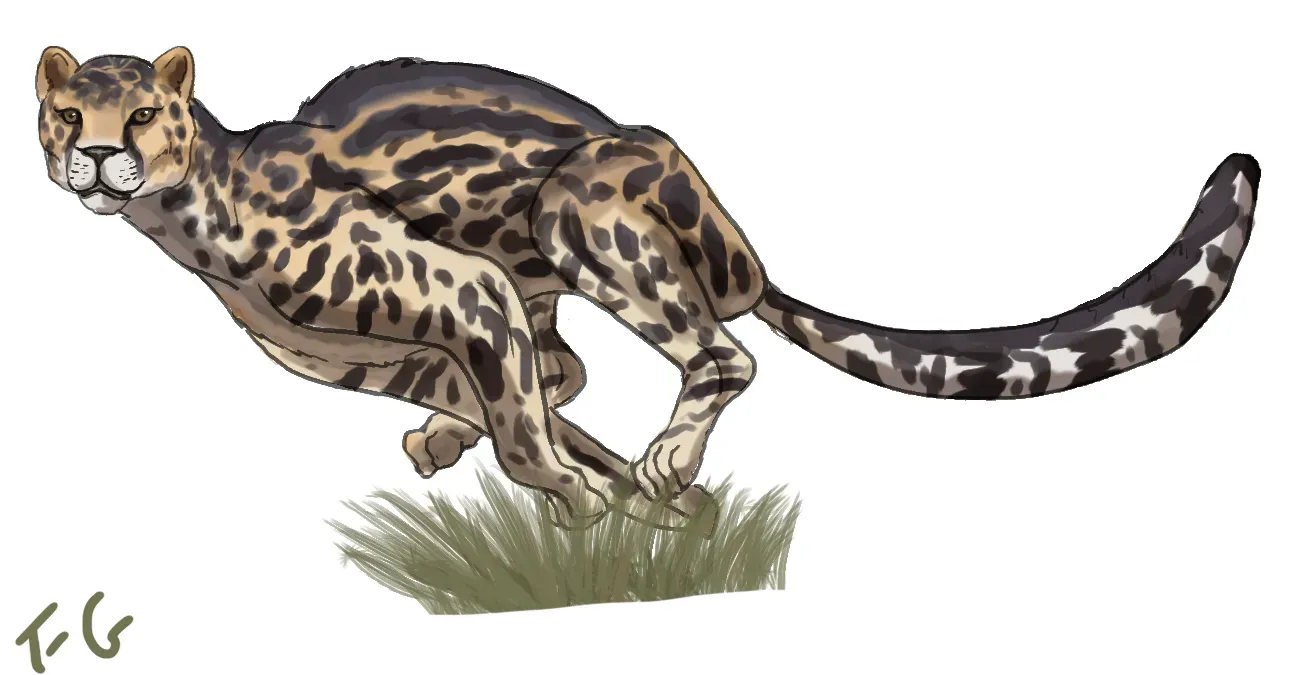
Most people don’t realize that cheetahs once prowled North America. Extinct giants, such as the American cheetah and ground sloth, lived in North America until they mysteriously died out about 10,000 years ago. These weren’t exactly like African cheetahs, but they filled a similar ecological role as swift, specialized hunters adapted for incredible bursts of speed.
The American cheetah represents focused energy and singular purpose. If you’re someone who excels when you can concentrate completely on one goal, who prefers short intense efforts over marathon endurance, this sleek predator might be your spiritual match. They didn’t try to be all things to all situations. Instead, they perfected one skill and used it brilliantly, teaching us that specialization has its own kind of power.
The American Lion: Regal Presence and Undeniable Authority
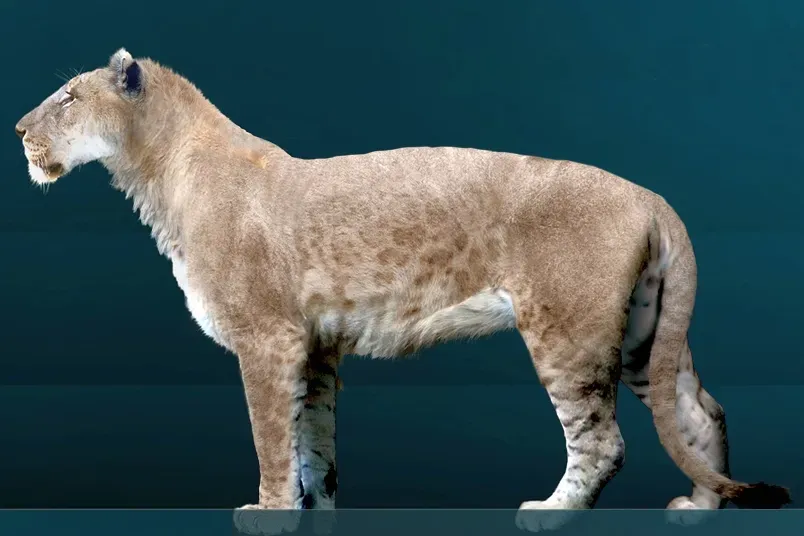
Larger than today’s African lions, the American lion commanded respect across Ice Age landscapes. Only two known Late Pleistocene carnivores were large enough to bite completely through a mammoth heel bone: the American lion (Panthera leo atrox) and the short-faced bear. That’s the kind of bite force that leaves an impression, literally.
These large cats thrived alongside other carnivores like dire wolves and saber-toothed cats, each species carving out its niche. The American lion’s ability to coexist with so many other predators while maintaining its position speaks to natural authority that doesn’t need constant assertion. For those who lead through presence rather than aggression, who inspire confidence simply by being themselves, the American lion embodies quiet, unquestionable power. They didn’t have to prove they were apex predators; everyone already knew.
Why These Ancient Giants Matter Today
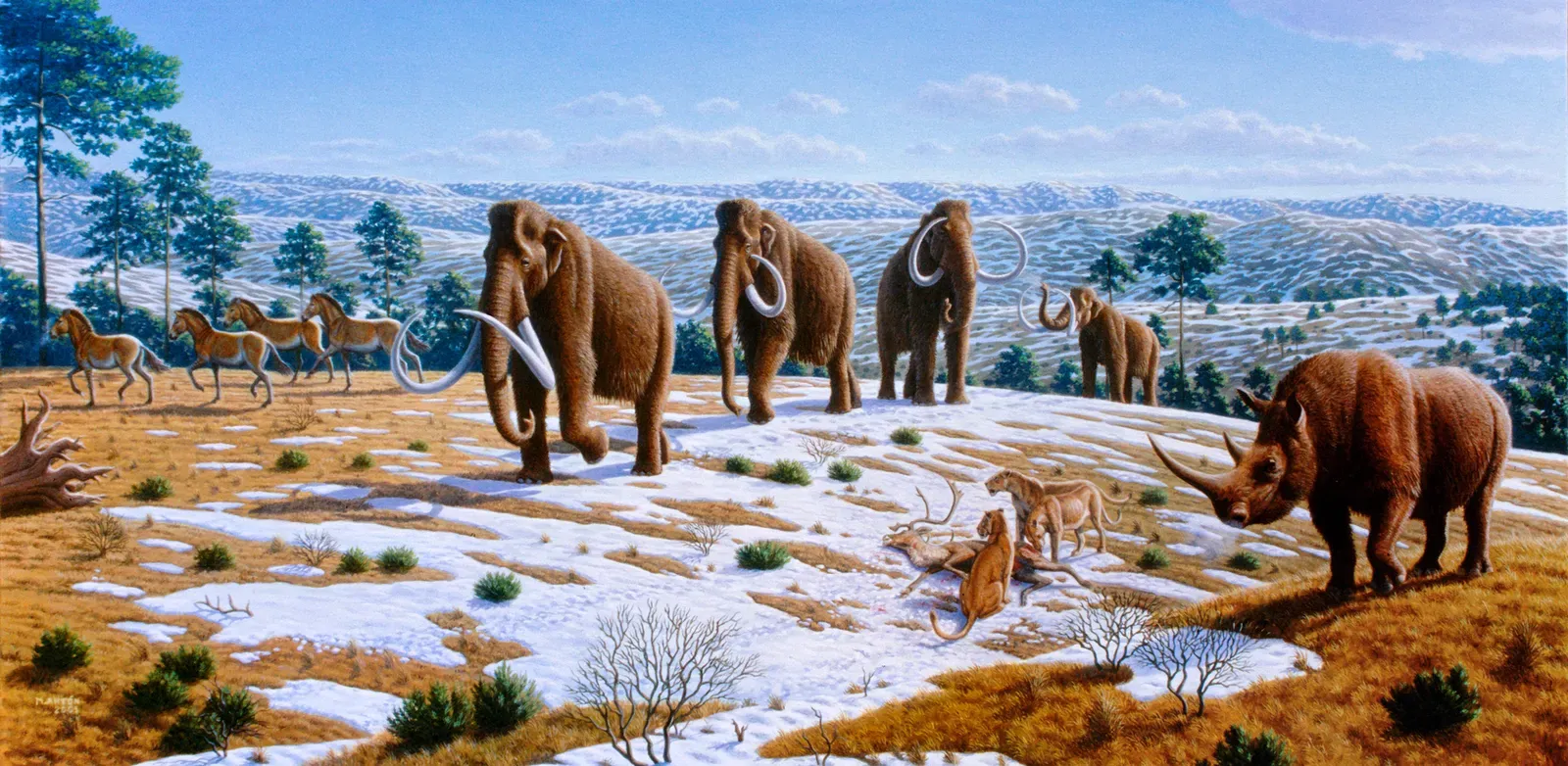
The Late Pleistocene extinctions resulted in a collapse in faunal density and diversity, with extreme size bias towards large animals and the widespread absence of ecological succession to replace these extinct species. It’s long puzzled scientists why these animals went extinct about 10,000 years ago, with theories ranging from climate change to human hunting or some combination of both factors.
What strikes me most profoundly is how these magnificent creatures disappeared so completely that most people today don’t even know they existed. Yet their spirits, their ecological roles, their very essence shaped the continent we inhabit. In Native American traditions, animals are sometimes used to communicate values and spiritual beliefs, with animals’ importance evident in the creation stories of many tribes. The concept of connecting with animal spirits isn’t about casual personality quizzes. It’s about recognizing something deeper within yourself that resonates with qualities these beings embodied.
Perhaps you’ve always felt drawn to strength that doesn’t announce itself, like the ground sloth. Maybe you recognize your own pack mentality in the dire wolf, or your strategic patience in the saber-toothed cat. These ancient megafauna offer us templates for understanding ourselves that go beyond the familiar animals of today’s world. They remind us that power comes in many forms, that adaptation doesn’t always mean survival, and that something can be lost yet still echo through time.
When you think about your spirit animal now, don’t limit yourself to what currently walks the earth. Consider the ghosts of Ice Age America, the giants that once thundered across plains and prowled through forests. Their extinction doesn’t diminish their power; if anything, it amplifies their mystery and significance. They represent qualities that transcend time: courage, wisdom, community, specialization, gentle strength.
So which lost megafauna speaks to your soul? What extinct giant mirrors the qualities you carry within yourself or aspire to develop? The answer might surprise you, revealing aspects of your character you hadn’t fully recognized. These ancient beings may be gone from the physical world, but their spirits remain, waiting to guide those who take the time to listen. Did you find your prehistoric companion among these magnificent creatures?