Have you ever wondered what the world looked like when dinosaurs roamed across prehistoric America? Picture forests filled with strange, unfamiliar plants. No bright wildflowers dotting meadows, no towering oak trees casting shade. The landscape would have looked completely alien to your eyes, yet these ancient plants held the secret to survival for the most massive creatures ever to walk the Earth.
Scientists who study fossilized plants are unlocking mysteries that have been buried for millions of years. Through preserved leaves, seeds, and even fossilized dinosaur droppings, we’re piecing together an astonishing story about what these giants ate and how they thrived in their environment. Let’s explore what these botanical time capsules reveal about life in prehistoric America.
The Science of Paleobotany: Reading Earth’s Green Diary
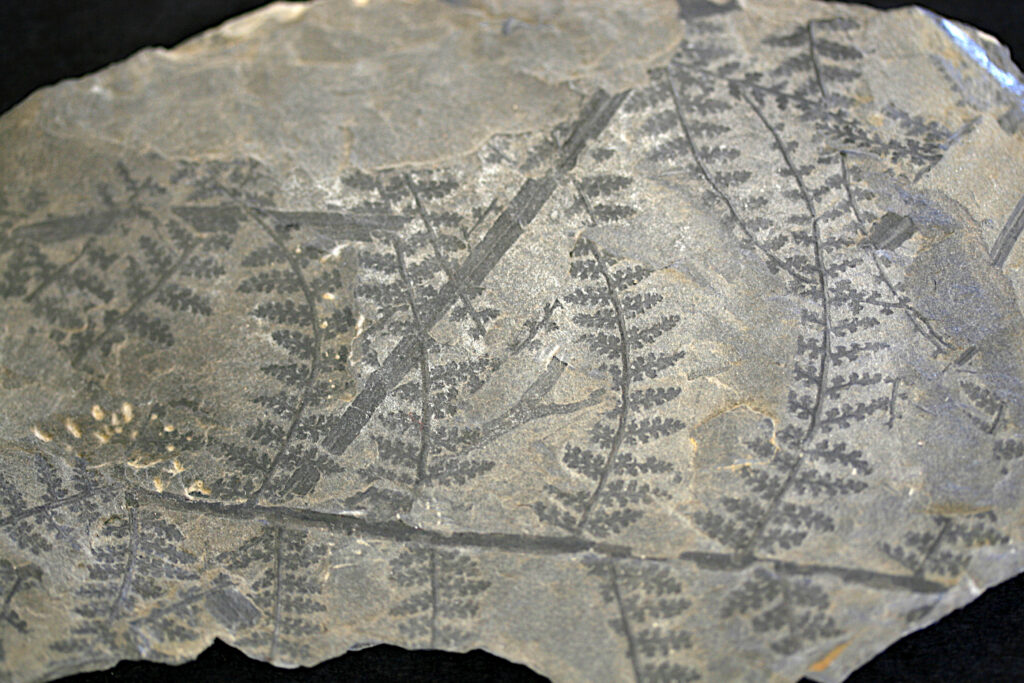
Paleobotany is the study of plants that lived long ago, and it’s opening windows into worlds we never imagined. Think of it as detective work on a massive scale. Researchers examine microfossils including pollen grains and spores, alongside macrofossils like leaves and stems to reconstruct entire prehistoric ecosystems.
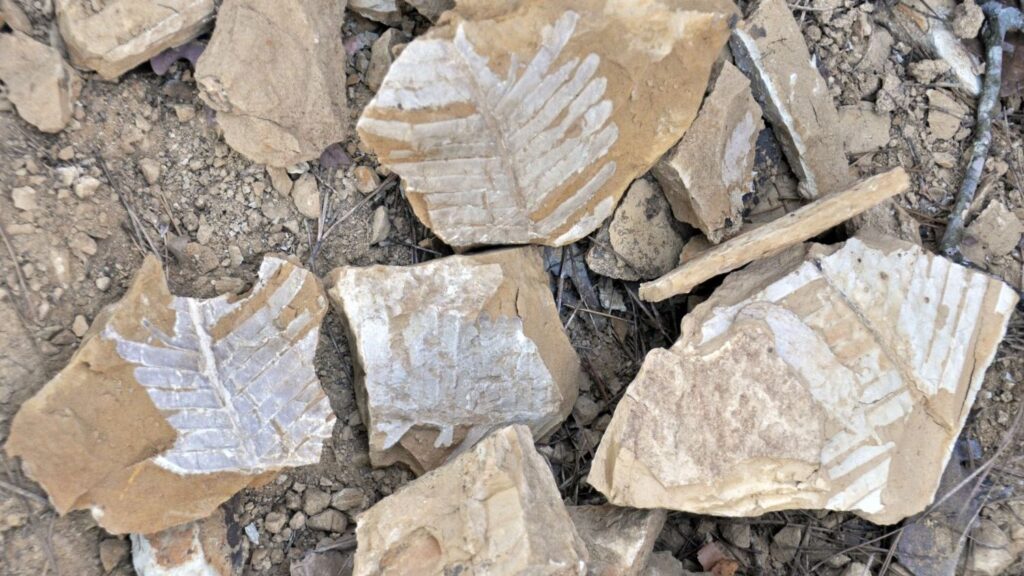
Fossilized plant life tells a story of how the Earth has changed over time, revealing shifts in climate, terrain, and the very composition of the atmosphere. When you examine a leaf impression from the Cretaceous period, you’re not just looking at a plant. You’re seeing evidence of temperature patterns, rainfall amounts, and even the kinds of animals that might have munched on that particular species. It’s honestly remarkable how much information can be extracted from what looks like a simple mark on a rock.
The Botanical Buffet: What Grew in Prehistoric America
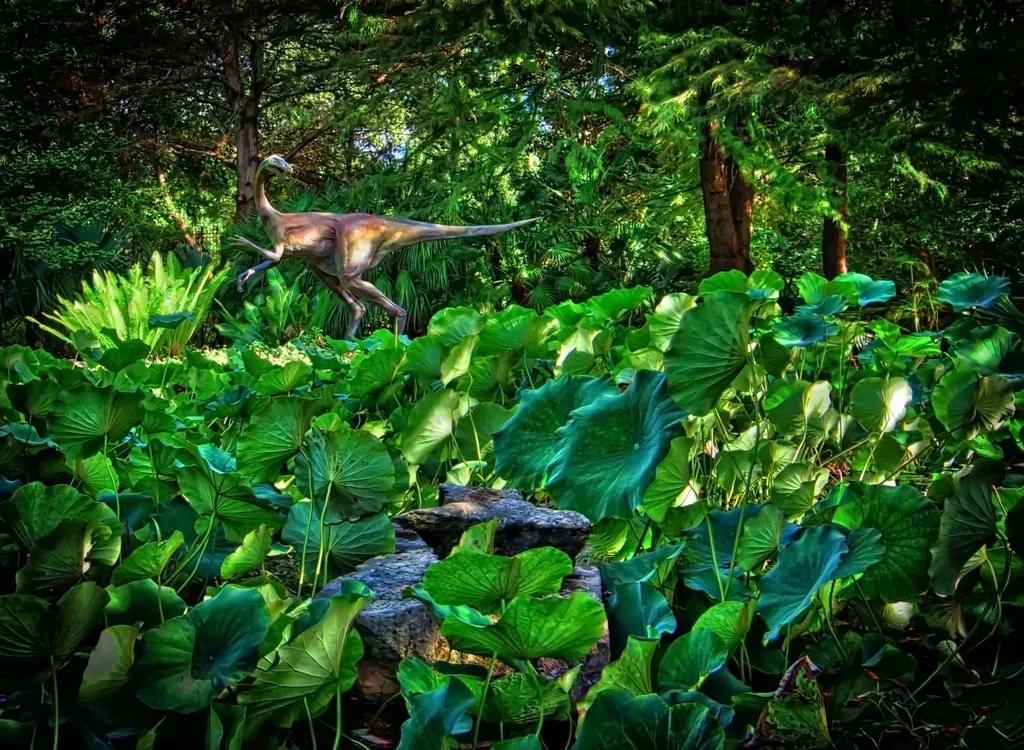
The early Mesozoic was dominated by ferns, cycads, ginkgophytes, bennettitaleans, and other unusual plants, with modern gymnosperms such as conifers first appearing in their current recognizable forms in the early Triassic. Picture yourself walking through a Jurassic forest in what’s now Montana or Utah. The ground beneath your feet would have been carpeted with ferns, while bizarre cycads with their pineapple-shaped trunks dotted the landscape.
Herbivores that lived during the Triassic period likely chomped on Cycads, Ferns, Ginkgo-like trees, and seed plants, as the Triassic climate was so hot and dry, much like a modern-day desert. Later, the menu expanded dramatically. Flowering plants ruled the Cretaceous period, with angiosperms including magnolias, sycamores, figs, beech, poplar, and palms, adding quite a bit of diversity to a dinosaur’s diet. The arrival of flowering plants basically revolutionized the entire ecosystem.
Coprolites: The Digestive Evidence We Never Knew We Needed
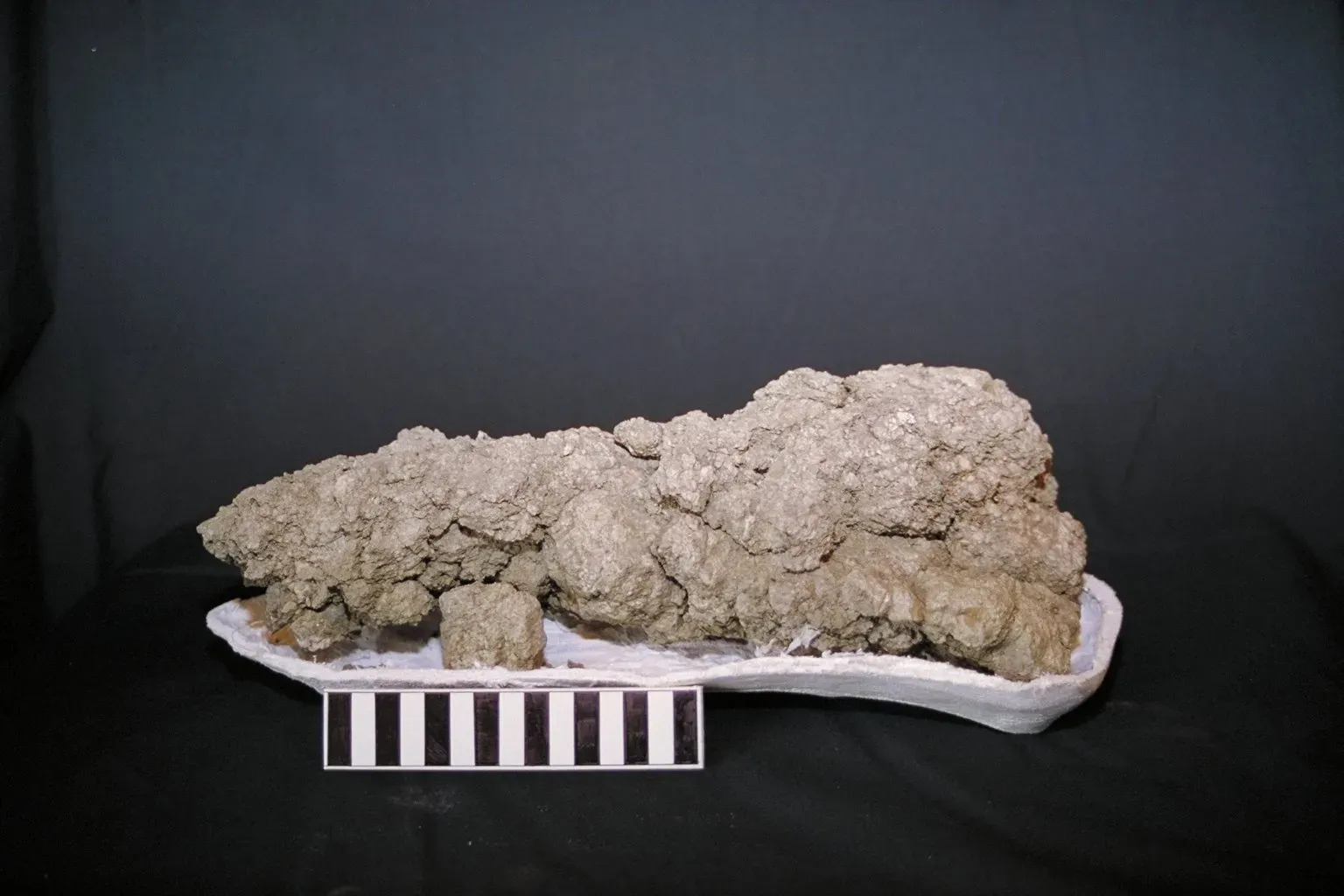
Let’s be real: fossilized dinosaur poop is probably one of the most valuable scientific resources we have. Coprolites are fossilized feces classified as trace fossils, giving evidence for the animal’s behaviour, particularly diet, rather than morphology. These ancient droppings preserve undigested plant fragments, providing direct evidence of what dinosaurs actually consumed.
Herbivorous dinosaur coprolites may contain fibers from leaves, stems, seeds, and other plant material, giving clues about the specific types of plants they consumed. In some remarkable cases, researchers have found unexpected items. Fossilized feces from the Kaiparowits Formation show recurring consumption of crustaceans and rotted wood by large Late Cretaceous dinosaurs, with coprolites primarily composed of comminuted conifer wood tissues that were fungally degraded before ingestion, along with thick fragments of crustacean cuticle. Who would have guessed these plant-eaters were supplementing their diet with such unusual fare?
California’s Ancient Forests: A Western Prehistoric Landscape
When dinosaurs roamed the earth, western California did not exist, and waves of an ancient sea lapped against a beach where the Sierra Nevada foothills are now, with even larger mountains complete with forests and active volcanoes in place of today’s Sierra Nevada range. This was a dramatically different world. Most land-dwelling dinosaur fossils found in California have been herbivores.
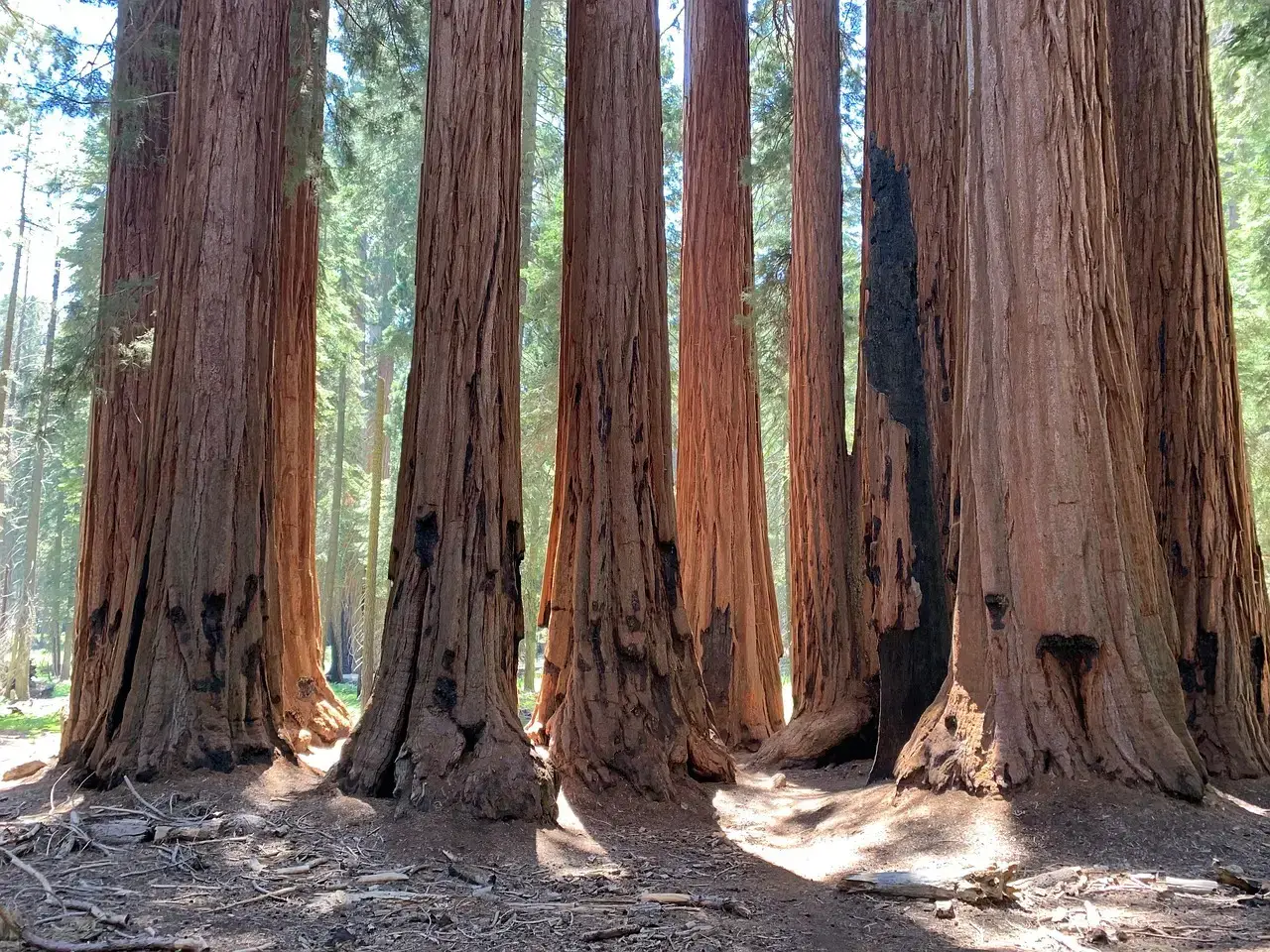
Ancient redwood relatives emerged on the scene more than 160 million years ago and grew from Alaska to Pennsylvania, as well as in Europe and Asia, but a changing climate 10 million years ago left coast redwoods growing only in a narrow strip along the coast of California and Oregon. These towering giants provided food and shelter for countless species. It’s kind of amazing that we can still walk among their descendants today.
The Flowering Plant Revolution: A Late Cretaceous Game-Changer
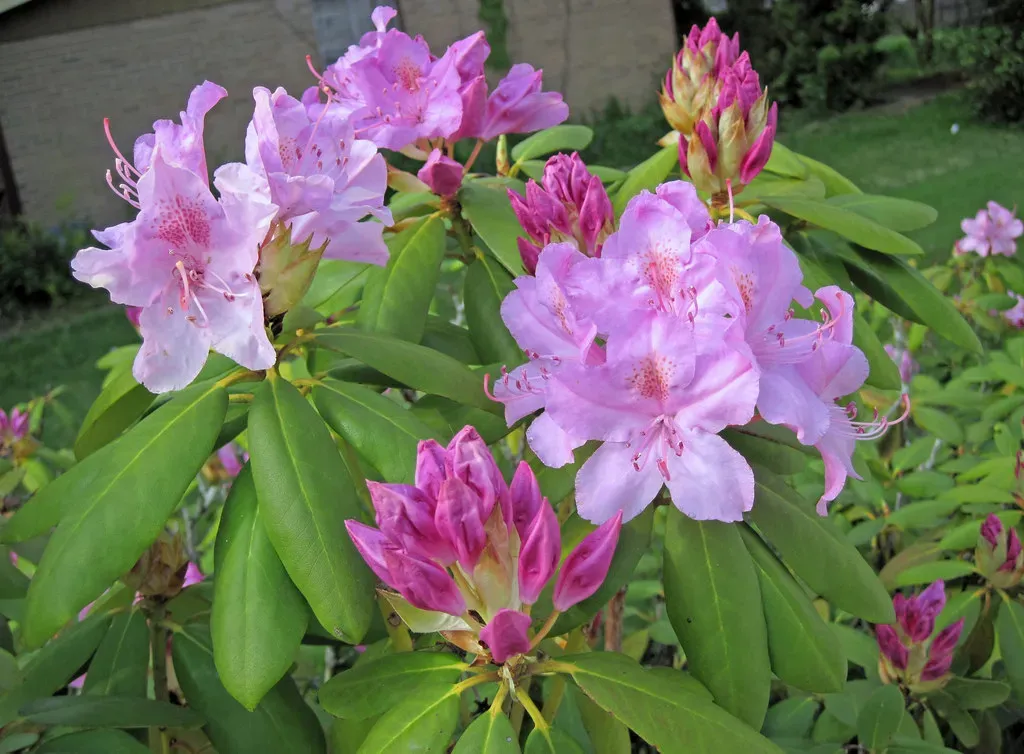
The first flowering plants, or angiosperms, had appeared by the Cretaceous, and they radiated rapidly and supplanted many of the primitive plant groups to become the dominant form of vegetation by the end of the Mesozoic. This wasn’t just a botanical shift. It fundamentally changed how dinosaurs lived, bred, and evolved.
The most important event for terrestrial life was the first appearance of flowering plants around 125 million years ago, with flowering plants first radiating in the middle Cretaceous, about 100 million years ago. These fast-growing plants offered more nutritious food sources than the tough, fibrous conifers and cycads that had dominated before. Fast-growing, adaptable flowering plants gave rise to a huge boom in the dinosaur world, with most dinosaurs that have been found dating from the late Cretaceous period, when flowering plants were supplying plant-eating dinosaurs with plentiful and nutritious food.
Gut Contents: When Fossilized Stomachs Reveal Their Secrets
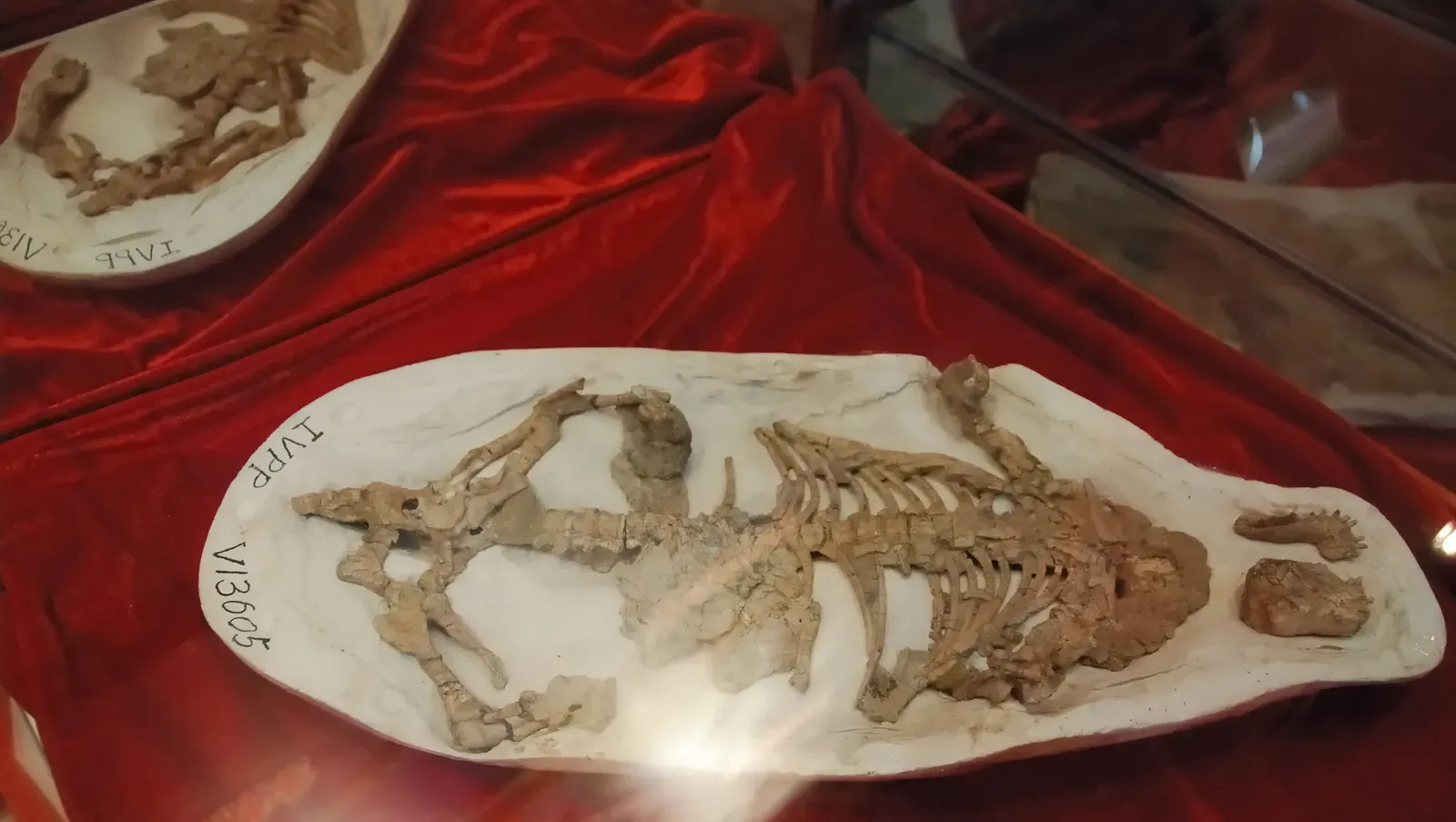
In rare and extraordinary cases, paleontologists discover dinosaur fossils with their stomach contents still intact. For the first time, a team examined the abdomen of a sauropod with gut contents still intact that lived roughly 94 to 101 million years ago, confirming that they were herbivores who did not really chew their food, instead relying on gut microbes to break down food.
Analysis of plant specimens within the cololite found that sauropods likely only engaged in minimal oral processing of their food, with gut microbiota fermenting the plants to digest it, with a wide variety including foliage from conifers, seed-fern fruiting bodies, and leaves from angiosperms. Here’s the thing: these massive animals were essentially walking fermentation tanks. They swallowed vegetation whole and let specialized bacteria do the hard work of breaking down tough cellulose.
Survival Strategies: What Ancient Plants Tell Us About Adaptation
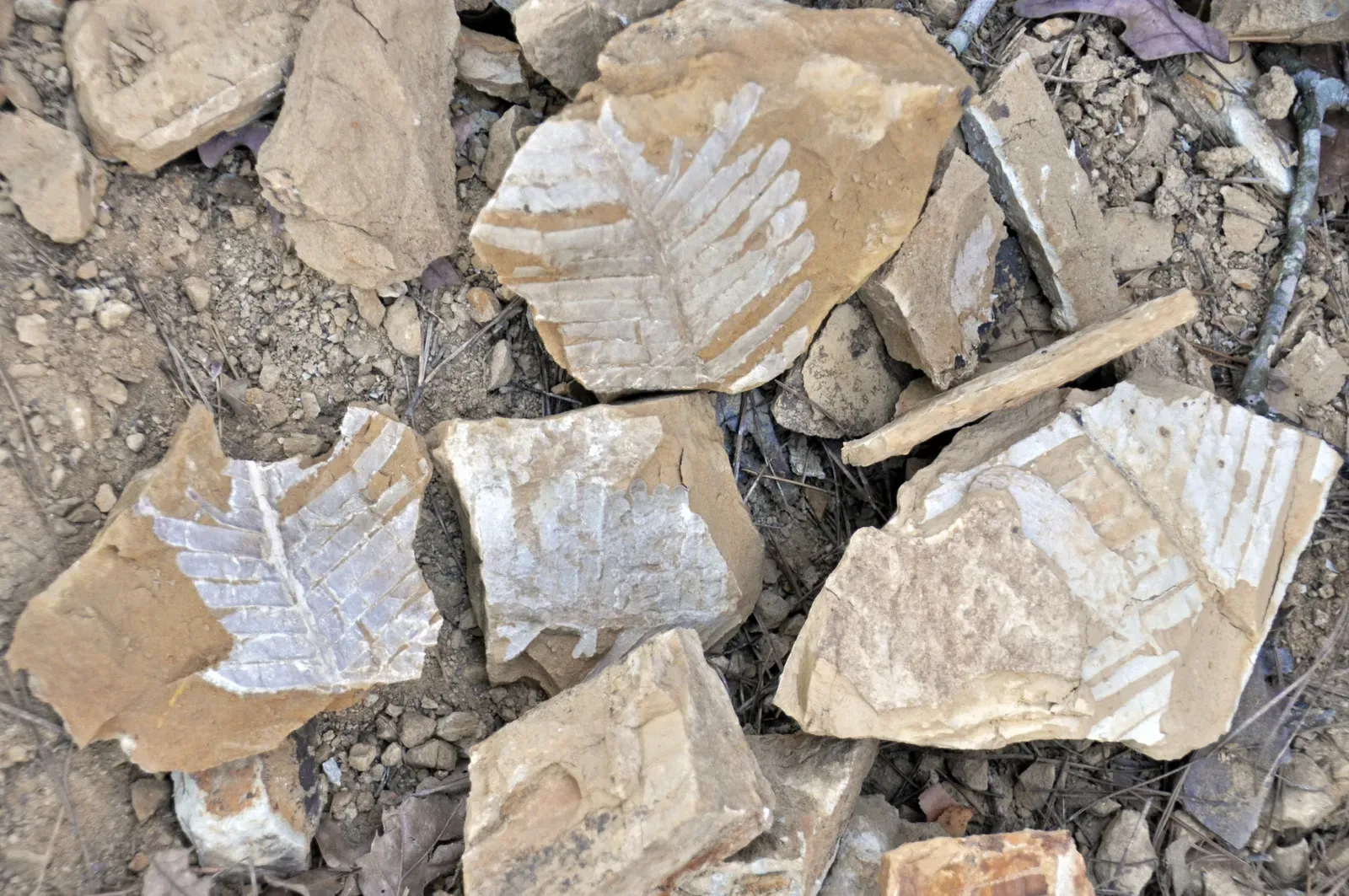
Coprolites contained large quantities of tree ferns, but also other types of plants, and charcoal, with paleontologists hypothesizing that charcoal was ingested to detoxify stomach contents, as ferns can be toxic to herbivores. This reveals something fascinating about dinosaur intelligence and dietary flexibility. They weren’t just mindless eating machines.
Fossil evidence challenges conventional notions of herbivorous dinosaur diets and reveals a degree of dietary flexibility that is consistent with that of extant herbivorous birds. Think about it: modern birds, the descendants of dinosaurs, are often opportunistic omnivores despite being classified as herbivores. The same adaptability apparently existed millions of years ago. The way to avoid extinction is to eat a lot of plants, which is exactly what the early herbivorous dinosaurs did, with their evolutionary success attributed to a true love of green and fresh plant shoots.
Conclusion: The Green Thread Connecting Past to Present
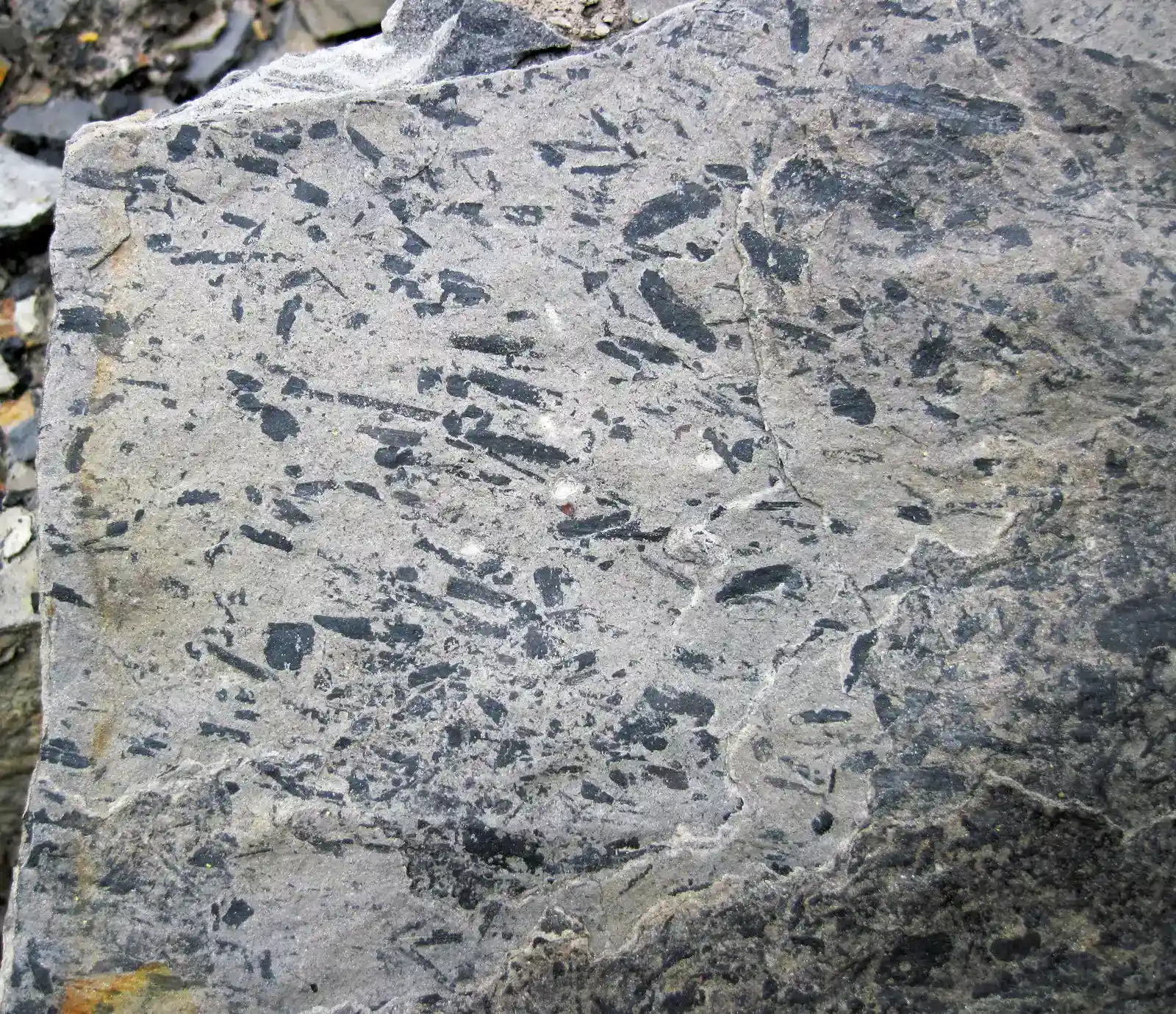
The plants that fed dinosaurs weren’t just background scenery in their world. They were the foundation of the entire ecosystem, shaping where dinosaurs lived, how they evolved, and ultimately which species survived mass extinctions. Through fossilized leaves, pollen, wood fragments, and yes, even ancient feces, we’re reconstructing a vivid picture of prehistoric America that challenges many assumptions we once held.
Today, as we face our own environmental changes, studying these ancient ecosystems offers valuable lessons about adaptation and survival. The dinosaurs that thrived were those flexible enough to exploit new food sources as they appeared, particularly the nutritious flowering plants that transformed the landscape. Their story, written in fossilized plants and preserved gut contents, reminds us that success belongs to those who can adapt to a changing world.
What surprises you most about what dinosaurs ate? Did you ever imagine they might have been munching on fungus-covered wood or detoxifying their meals with charcoal?