Have you ever wondered why dinosaurs ruled Earth for over a hundred million years? Most people blame a giant asteroid for their demise, but few ask how they became so dominant in the first place. The story behind dinosaur dominance involves more than simply being in the right place at the right time. It’s a tale of catastrophe, climate chaos, and creatures scrambling for survival while the world around them literally drowned in rain.
For decades, scientists recognized five great mass extinction events that reshaped life on our planet. These devastating moments eliminated vast numbers of species and reset the evolutionary clock. Yet recent research suggests there may have been a forgotten crisis lurking between two of history’s most infamous extinctions, one that profoundly influenced which creatures would come to dominate the Mesozoic Era. This overlooked event might hold the key to understanding how dinosaurs went from being rare, marginalized reptiles to the undisputed rulers of the land.
The Carnian Pluvial Episode: A Crisis Hidden in Time
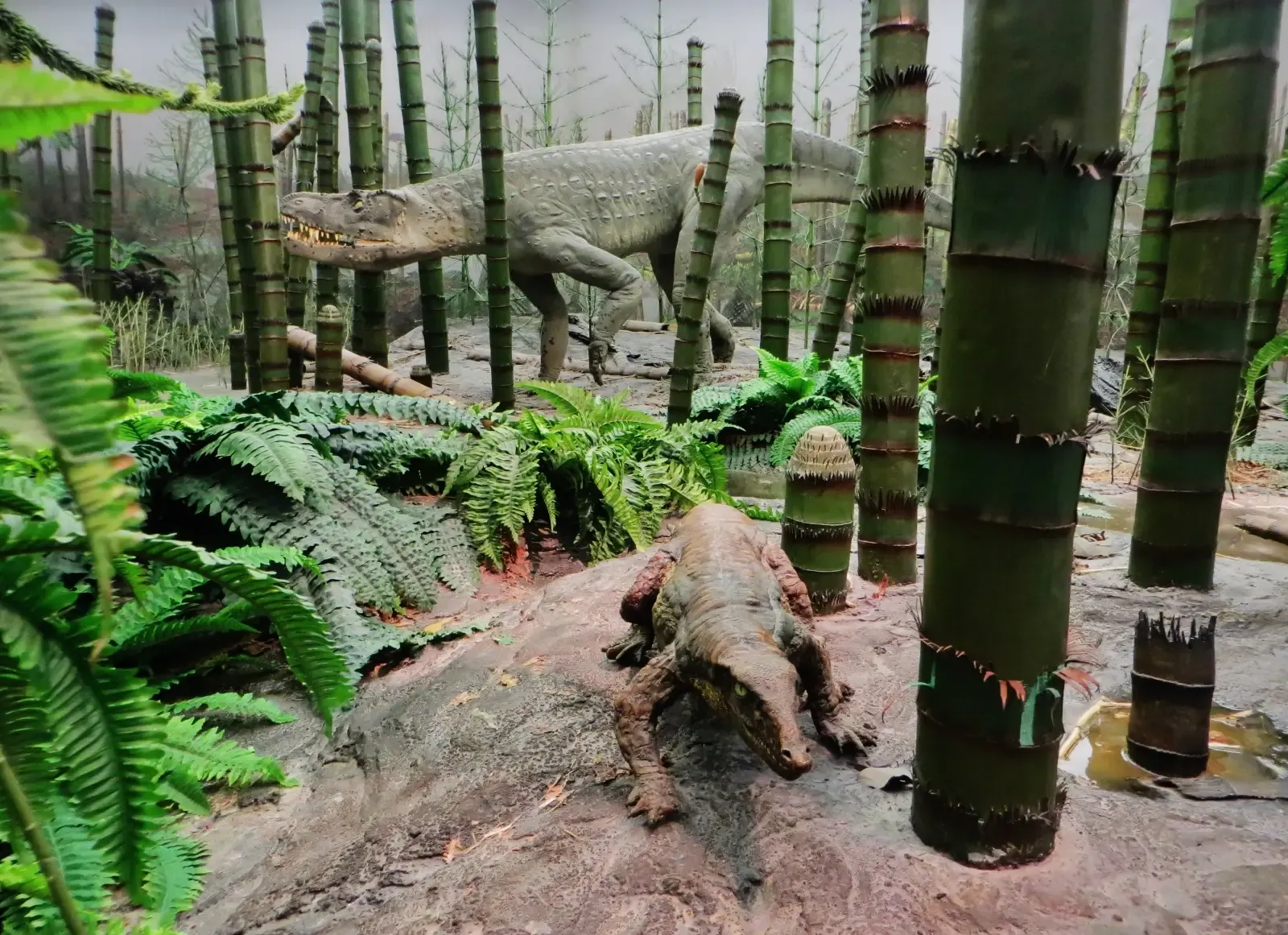
The Carnian Pluvial Episode occurred roughly 233 million years ago during the Late Triassic period, marking a dramatic shift in Earth’s climate and ecosystems. The event is named for its signature feature: rain that fell in four main pulses lasting over a million years across much of the supercontinent Pangaea. Imagine an entire planet experiencing monsoon conditions for geological ages.
The Carnian Pluvial Episode was identified in 1989, though evidence of this strange period had been accumulating in rock layers worldwide for much longer. In 1989, Michael J. Simms and Alastair H. Ruffell combined disparate observations into a new hypothesis, pointing to an episode of increased rainfall synchronous with significant ecological turnover in the mid-Carnian. For years, this event remained relatively obscure within scientific circles, overshadowed by more dramatic extinction events that bookended the Triassic period.
Volcanic Fury and Climate Chaos
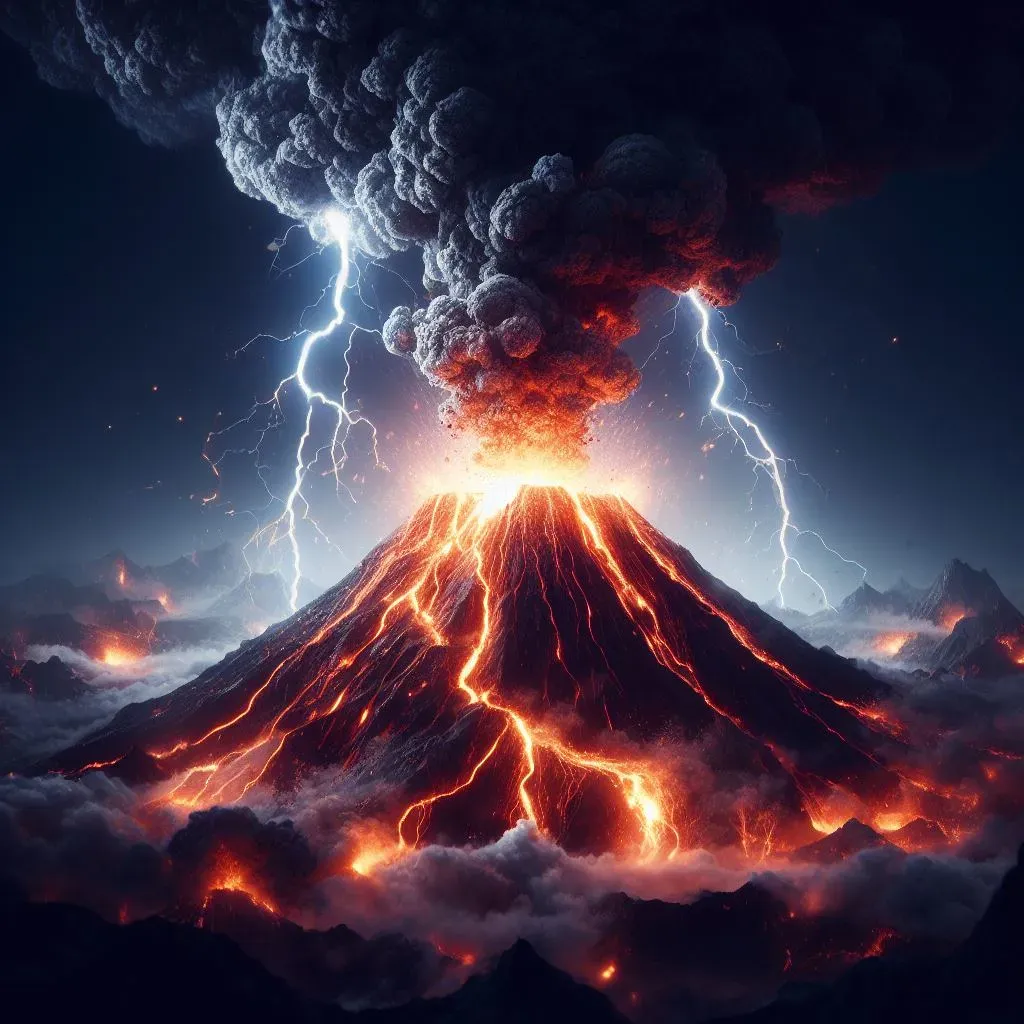
The event was triggered by Wrangellia eruptions which led to global warming, extreme humidity on land, acid rain, and ocean acidification and anoxia. The Wrangellia Province, located in what is now western Canada, belched out massive volumes of volcanic basalt that would eventually form much of the western coast of North America. These weren’t your typical volcanic eruptions; they were sustained, catastrophic events that fundamentally altered atmospheric chemistry.
Major disruption to the carbon cycle and other natural systems show that global warming was prevalent at the time. The volcanic carbon dioxide pumped into the atmosphere didn’t just warm the planet. It acidified oceans, disrupted carbonate deposition, and created anoxic dead zones where marine life suffocated. On land, the prevailing arid climate across much of the supercontinent Pangea shifted briefly to a hotter and more humid climate, fundamentally transforming ecosystems that had remained relatively stable for millions of years.
A Forgotten Mass Extinction Emerges from the Shadows
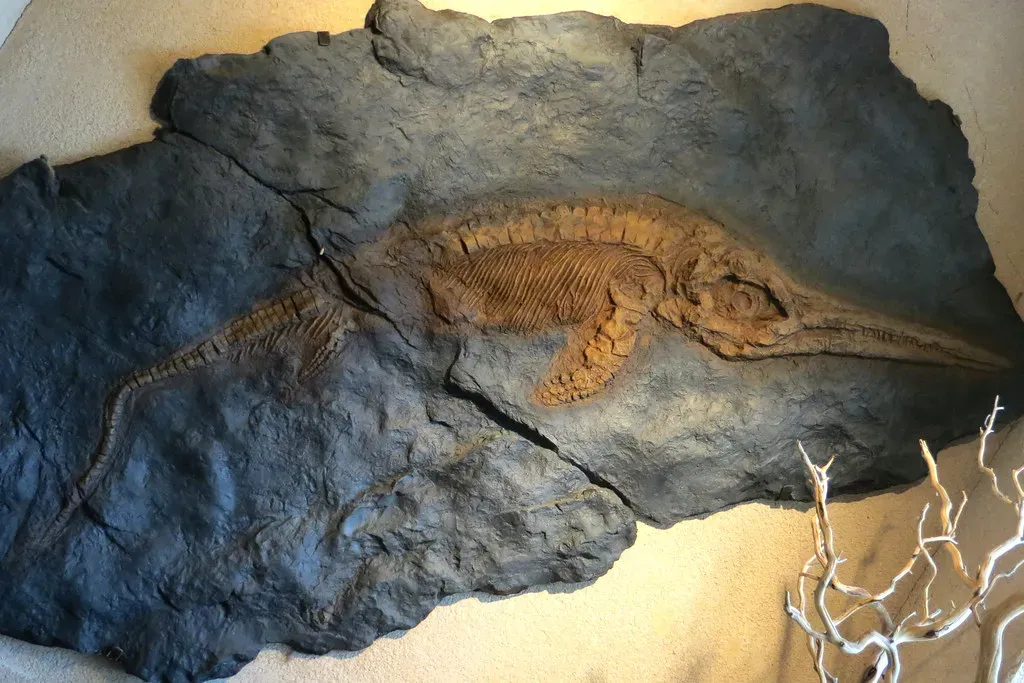
Around 233 million years ago about a third of all marine genera disappeared during what scientists now recognize as a significant extinction event. Conodonts, ammonoids, crinoids, bryozoa and green algae experienced high extinction rates during the event. These weren’t just minor players in Earth’s ecosystems; they were fundamental components of marine food webs.
Terrestrial ecosystems suffered equally dramatic losses. The Carnian was a time of high extinction rates for several tetrapod clades, including the rhynchosaurs and dicynodonts, which were major herbivores of the time. Honestly, it’s hard to imagine the scale of this ecological restructuring. Within what amounts to a geological eyeblink, dominant plant-eating reptiles that had thrived for millions of years suddenly found themselves unable to survive in the radically transformed world.
Dinosaurs Seize Their Moment
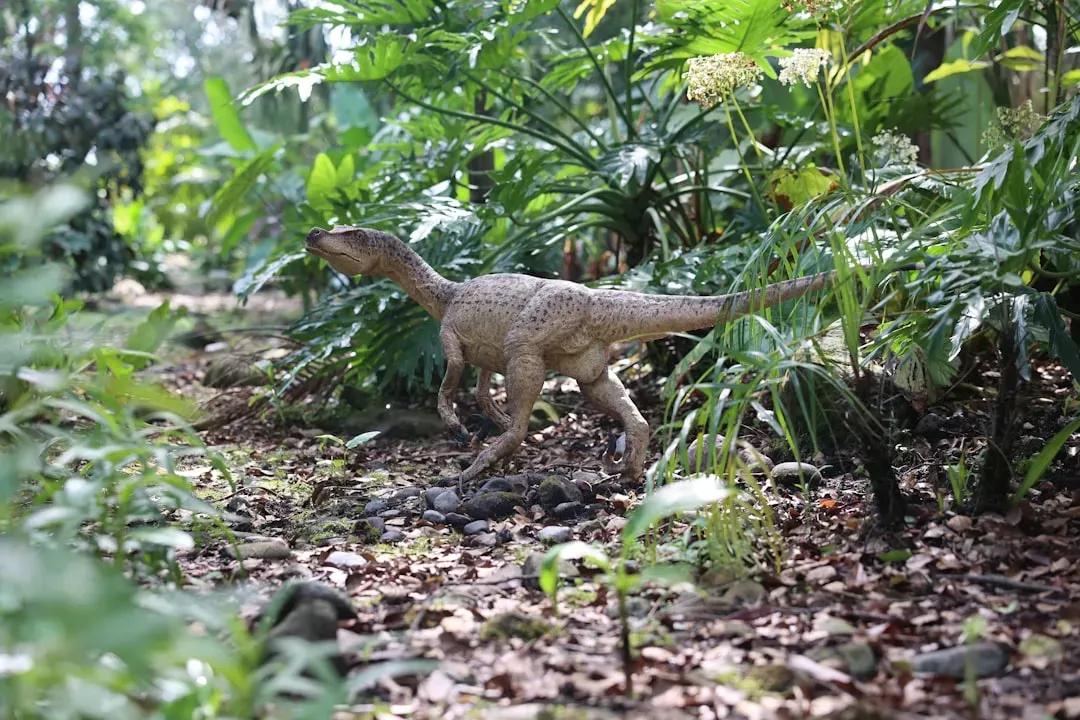
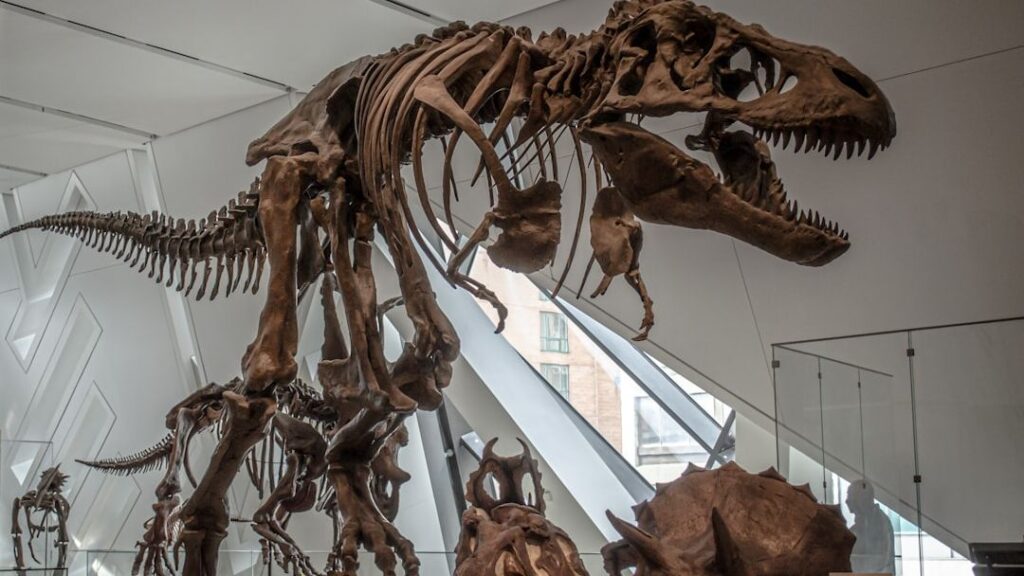
Dinosaurs originated some 20 million years before this event, but they remained quite rare and unimportant until the Carnian Pluvial Episode hit. For roughly two decades of the Triassic, dinosaurs were evolutionary footnotes, overshadowed by other reptilian lineages that dominated terrestrial habitats. They existed as relatively small, bipedal creatures living on the margins of ecosystems controlled by other groups.
Dinosaur footprints appear exactly at the time of the event, and dinosaurs diversified explosively in the mid Carnian, at a time of major climate and floral change. It was the sudden arid conditions after the humid episode that gave dinosaurs their chance. Here’s the thing: dinosaurs didn’t outcompete their rivals through superior adaptation. They simply survived when others couldn’t, then filled the ecological vacuums left behind.
The Dawn of the Modern World
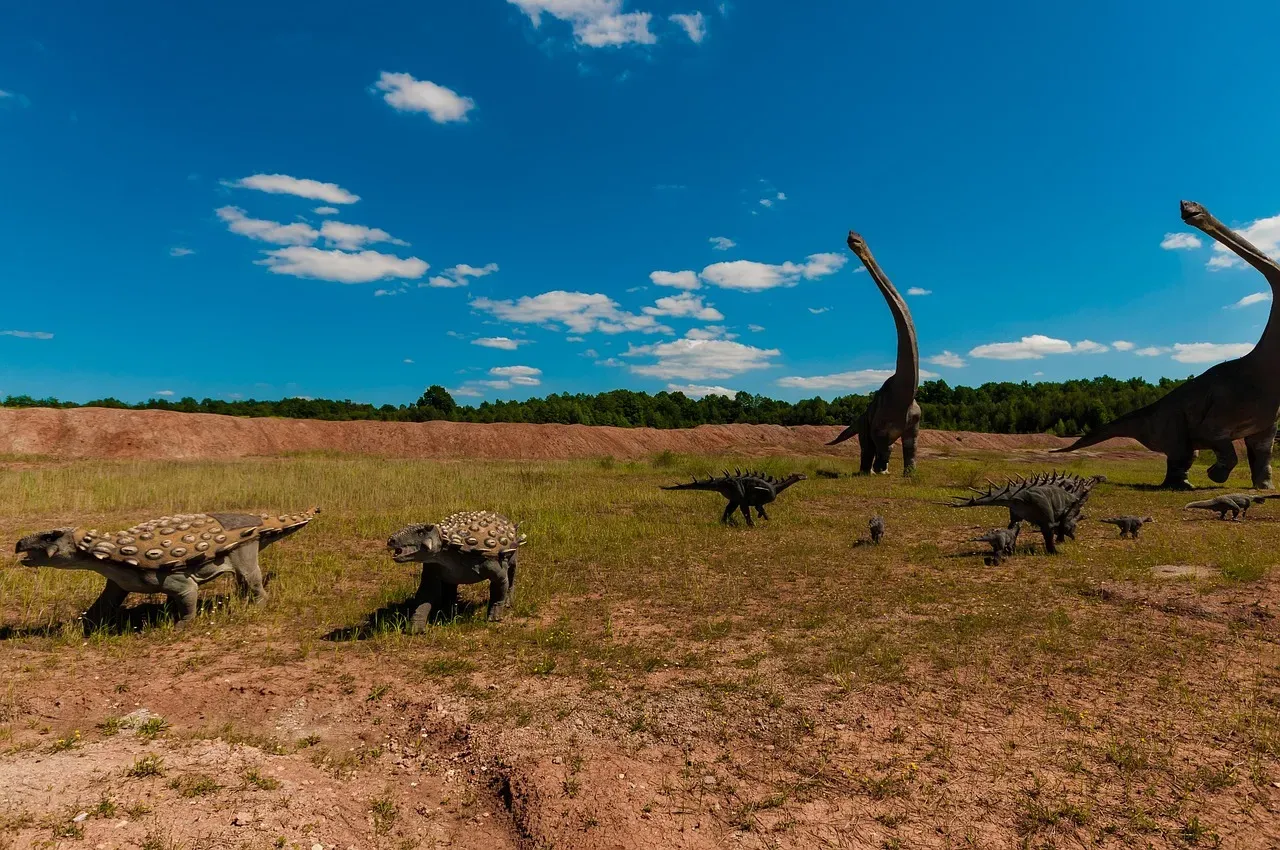
The event marks the start of the dinosaurs’ ascendence to ubiquity and ecological dominance, and researchers say the Carnian extinction marks the dawn of the modern world. This wasn’t just about dinosaurs, though they certainly captured the spotlight. The earliest dinosaurs, lepidosaurs (ancestors of modern-day lizards, snakes, and the tuatara) and potentially mammaliaforms (ancestors of mammals) all diversified during the event.
The marine realm underwent equally profound transformations. The event saw the first appearance among the microplankton of coccoliths and dinoflagellates, with the latter linked to the rapid diversification of scleractinian corals. It marks the start of modern-style coral reefs, as well as many of the modern groups of plankton, suggesting profound changes in ocean chemistry and carbonate cycling that would define marine ecosystems for the remainder of the Mesozoic Era.
Ecological Restructuring and Evolutionary Opportunity
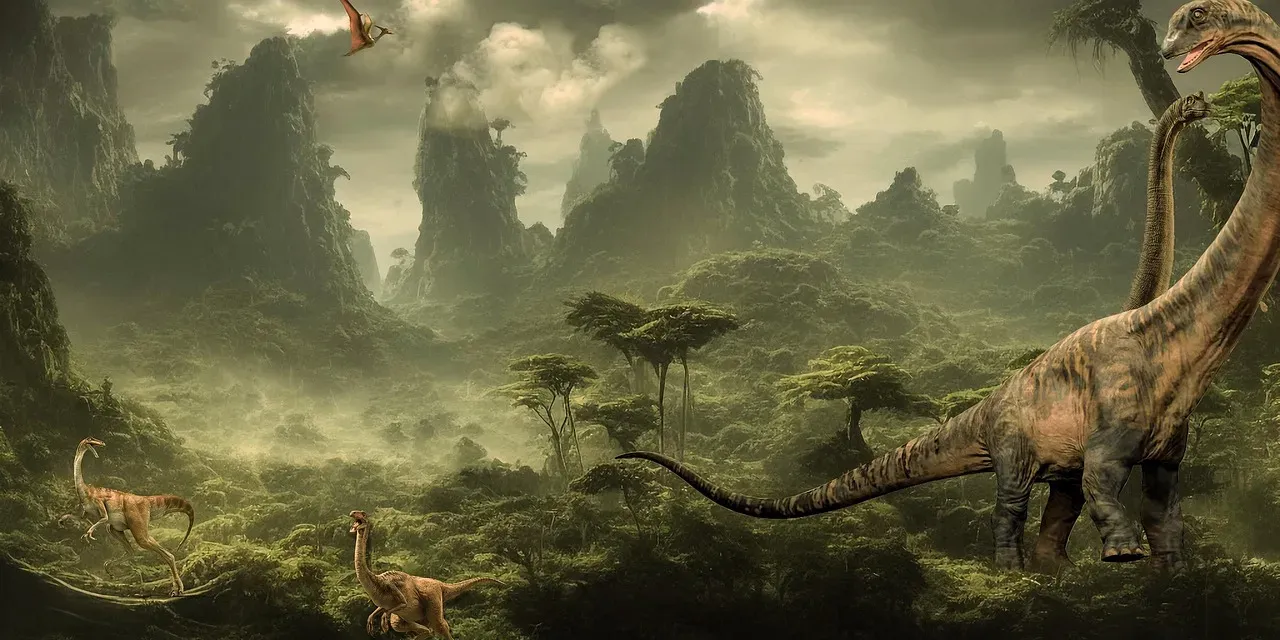
Crocodylomorphs and dinosaurs seem to have benefitted from the extinction of other types of tetrapod, with both groups diversifying towards the end of the Carnian. The extinction created what scientists call “ecological space,” essentially emptying niches that surviving lineages could exploit. Think of it like knocking down walls in a crowded apartment building; suddenly there’s room to expand.
The event had a profound effect on the diversity and morphological disparity of herbivorous tetrapods, while more versatile and generalist herbivores such as aetosaurs and sauropodomorph dinosaurs would diversify after the event. The shifts in climate encouraged the growth of plant life, and the expansion of modern conifer forests. The newly dominant conifer forests provided different food sources and habitat structures than the seed-fern dominated ecosystems they replaced, favoring animals capable of adapting to these novel environments.
Recognizing a Sixth Great Extinction
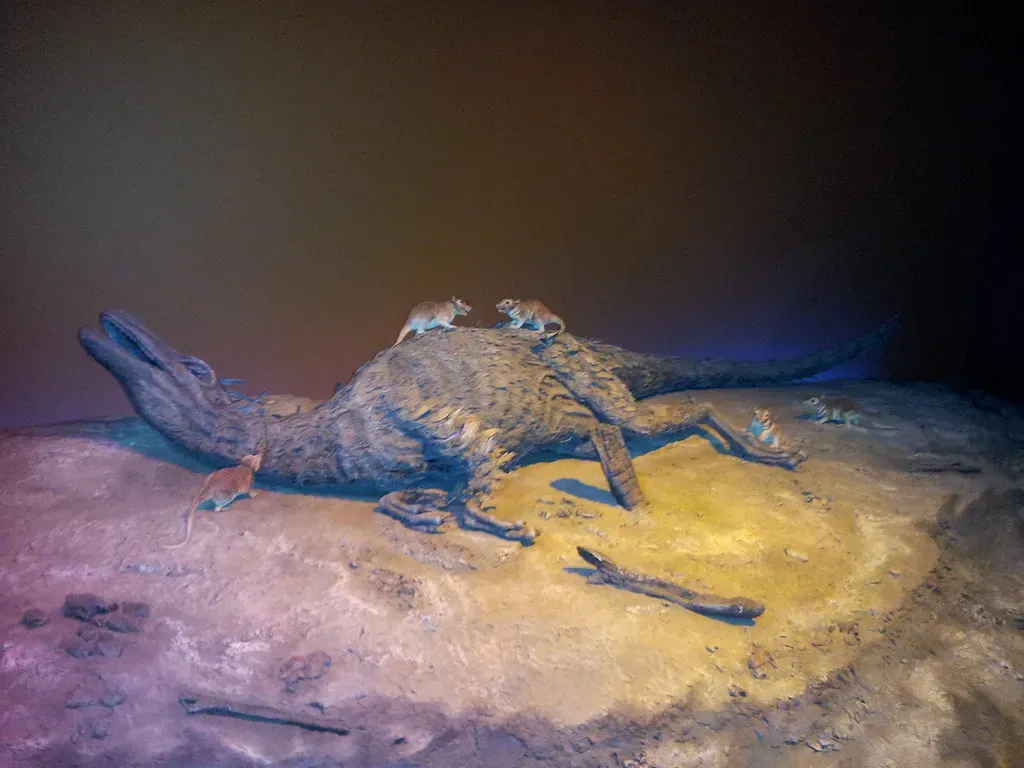
The accumulated evidence, including results of new fossil analysis, shows that the event was a major extinction event. Other mass extinctions are known to have been caused by climate change initiated by volcanism, and the Carnian Pluvial Episode fits this pattern remarkably well. The similarities between this event and the recognized “Big Five” mass extinctions are striking: massive volcanism, rapid climate change, widespread extinctions, and subsequent evolutionary radiations.
So far, paleontologists had identified five big mass extinctions in the past 500 million years, and each had a profound effect on the evolution of Earth and of life. Some scientists now argue this forgotten crisis deserves recognition as a significant extinction event that fundamentally reset life on land and in the oceans. Whether it technically qualifies as a “mass extinction” depends partly on definitions, but its impact on evolutionary history is undeniable. Without the Carnian Pluvial Episode, the Mesozoic Era might have looked radically different, perhaps dominated by creatures whose names we’ve never heard because they went extinct before leaving much of a fossil record.
Conclusion: Hidden Events, Lasting Consequences
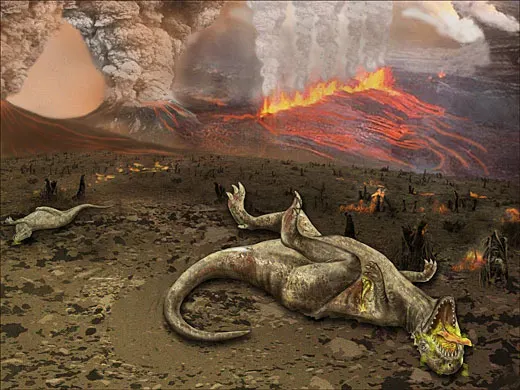
The Carnian Pluvial Episode reveals how scientific understanding evolves as researchers piece together evidence scattered across continents and buried in ancient rock. This overlooked climate crisis and extinction event fundamentally shaped the trajectory of life on Earth, setting the stage for dinosaurs to dominate terrestrial ecosystems for the next hundred thirty-five million years. It serves as a reminder that Earth’s history contains more twists and turns than we often recognize.
The implications extend beyond paleontology. Understanding how past ecosystems responded to rapid climate change driven by volcanic emissions offers sobering insights for our current era. The Carnian Pluvial Episode demonstrates that relatively brief periods of environmental disruption can trigger cascading effects that reshape entire biospheres for tens of millions of years.
So what would our planet look like today if those million years of rain had never fallen? Would mammals have found their own opportunity earlier, or might some other lineage have seized dominance instead? The hidden sixth mass extinction reminds us that life’s history is filled with contingencies, where survival often depends less on superiority than on being able to adapt when the world changes faster than anyone expected.