
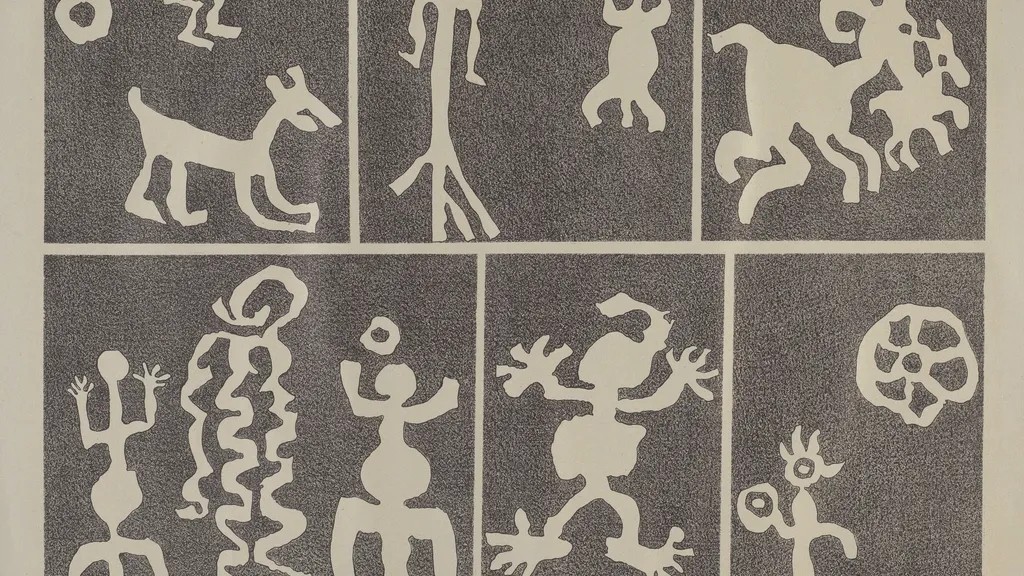
Every time a new ancient cave is discovered, lit up for the first time in tens of thousands of years, the same thought hits people: what exactly were they seeing back then? Some paintings look familiar and grounded in everyday life, but others are so strange that it is almost impossible not to wonder if something out of this world inspired them.
I still remember staring at a photo of a Paleolithic figure that looked eerily like a person in a helmet and thinking, if I drew that today, people would say it was a sci‑fi character. That tension between science and imagination is what makes this topic so addictive. Let’s dive into what the evidence actually says, where it stops, and where our human love of a good mystery happily takes over.
The Allure Of Ancient “Astronauts”: Why This Idea Refuses To Die
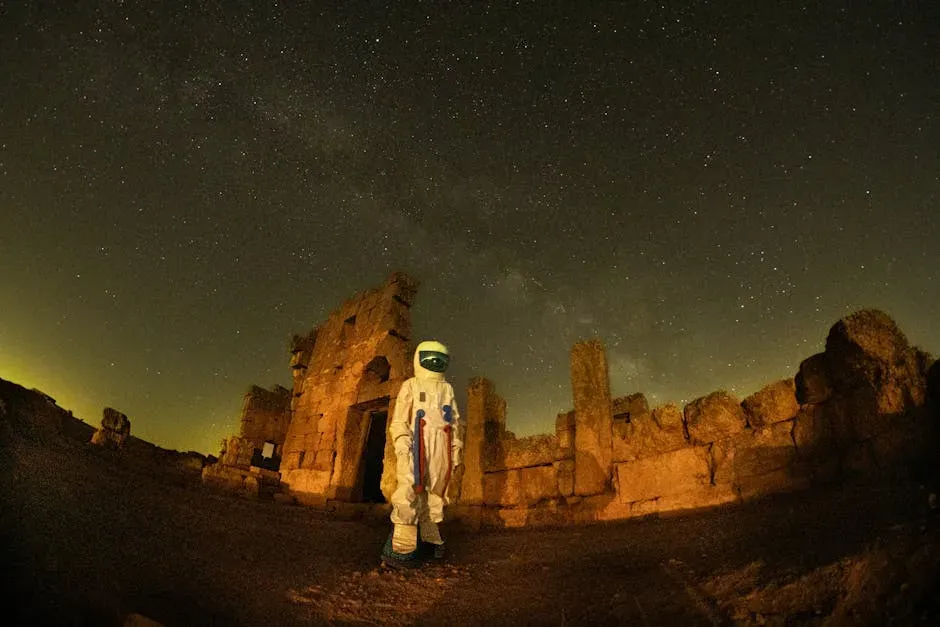
Let’s be honest: the ancient astronaut idea is wildly appealing because it makes prehistory feel like a cosmic drama instead of just a slow grind of survival. The thought that early humans might have looked up at the sky and met visitors from somewhere else taps straight into our love of being part of a much bigger story. When people see a weird figure in a cave painting, the leap from “strange shaman” to “space traveler” can feel almost natural, especially if you’re already primed by movies, comics, and internet rabbit holes.
On top of that, there’s something emotionally satisfying about imagining that humans did not struggle alone. The idea that a more advanced civilization might have helped our ancestors, taught them, or even shaped our myths feels comforting, like a cosmic older sibling handing us fire. It also gives a rebellious thrill: believing in ancient aliens can feel like you’re in on some hidden truth that dusty academics do not want to admit. That mix of comfort and rebellion is powerful fuel for this theory, even when hard evidence is thin.
What Prehistoric Cave Art Actually Is: Context Before Conspiracy
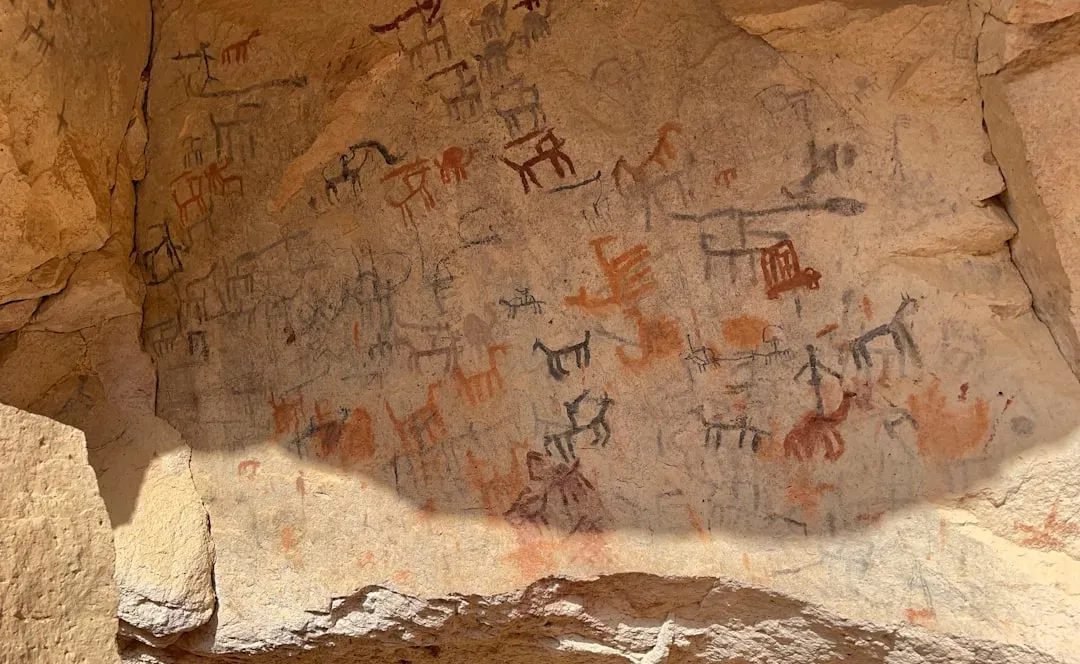
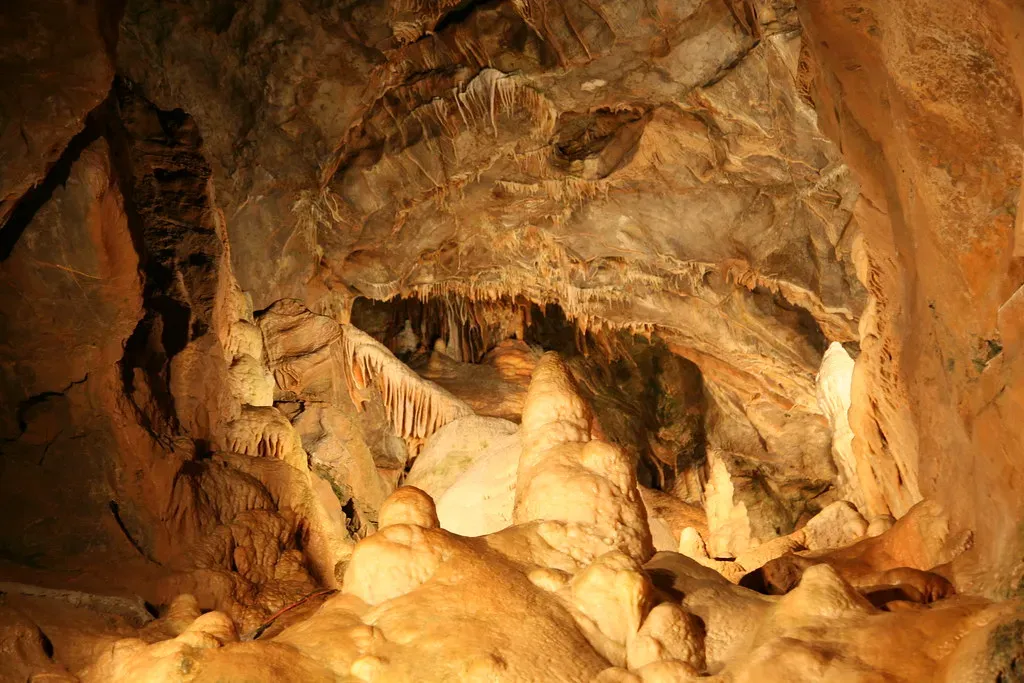
Before we turn a painted figure into an alien, it helps to remember what cave art really represents in the first place. The oldest known cave paintings, such as those in Europe and Indonesia, go back tens of thousands of years and mostly show animals, handprints, abstract signs, and sometimes human‑like figures. These images were made with charcoal, minerals, and natural pigments, often in deep, hidden parts of caves that were not everyday living spaces. That alone tells us they likely had a special ritual or symbolic role, not just casual doodles.
Most archaeologists view cave art as a window into how early humans understood their world: hunting, spirits, the cycles of nature, life and death. Many figures are interpreted as shamans, mythic beings, or hybrid creatures embodying both animal and human traits. When you put the art back into that spiritual and cultural context, suddenly the “helmet” might be a headdress, the “space suit” just a stylized body, and the “strange being” a spirit or god. The more you know about how humans tend to symbolize power and the supernatural, the less you need an extraterrestrial explanation.
The “Helmeted” Figures: Shamans, Spirits, Or Something Else?
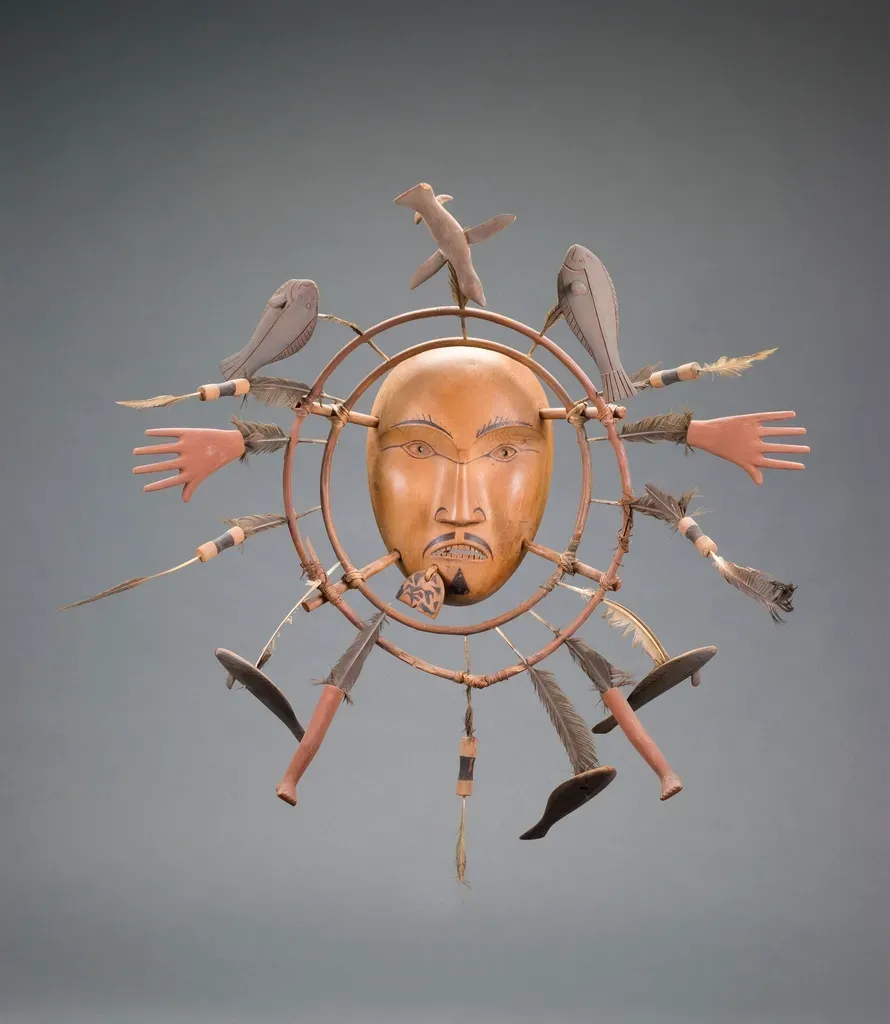
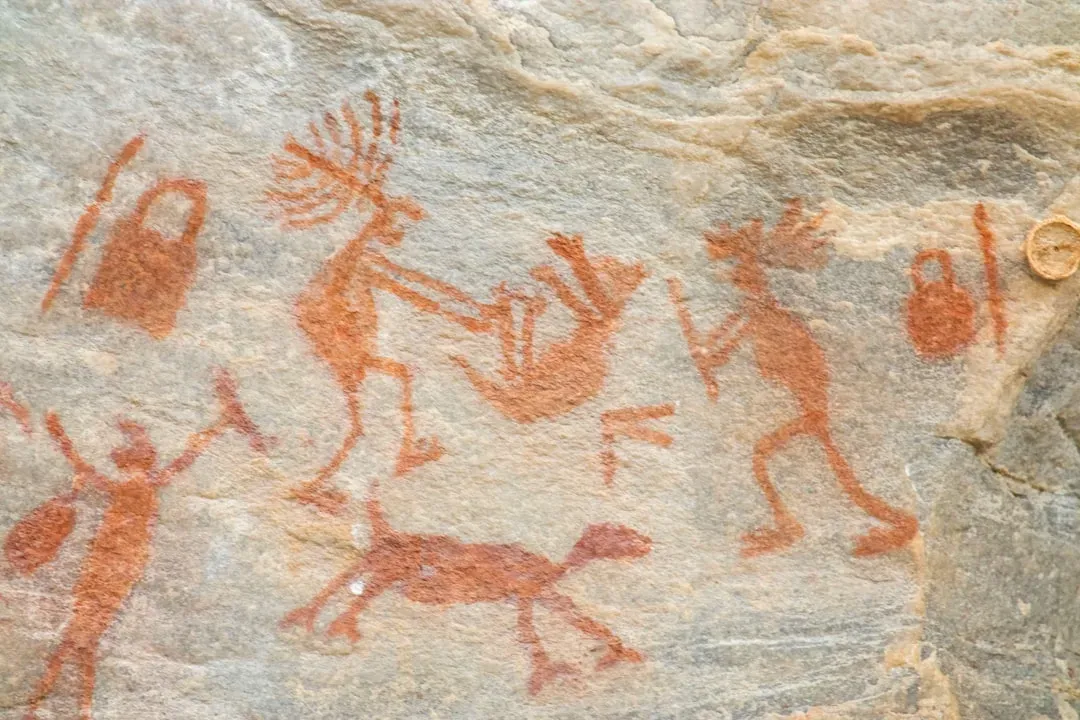
Some of the most frequently cited “evidence” for prehistoric alien contact are those odd, humanoid figures with oversized heads, big eyes, or what look like helmets and suits. To a modern viewer, raised in a world full of astronauts and sci‑fi concept art, these figures can instantly scream “space traveler.” Our brains are great at pattern matching, and they happily connect ancient lines on a cave wall to the nearest cultural reference we already know: the astronaut on a magazine cover, the robot in a video game, the hero in a blockbuster movie.
But when anthropologists compare similar art across Indigenous cultures, another pattern shows up: ritual costume. Headdresses, masks, body paint, and layered garments can massively distort the human silhouette, especially when simplified into stylized art. A figure with an enlarged head might be wearing an animal mask, feathers, or a woven hood. Strange dots or lines around the figure could represent light, trance states, or spiritual energy. In shamanic traditions, people deliberately transform their appearance to look otherworldly, which is exactly what we might be misreading as extraterrestrial.
Abstract Symbols And “Flying Objects”: Are We Seeing UFOs Or Our Own Biases?
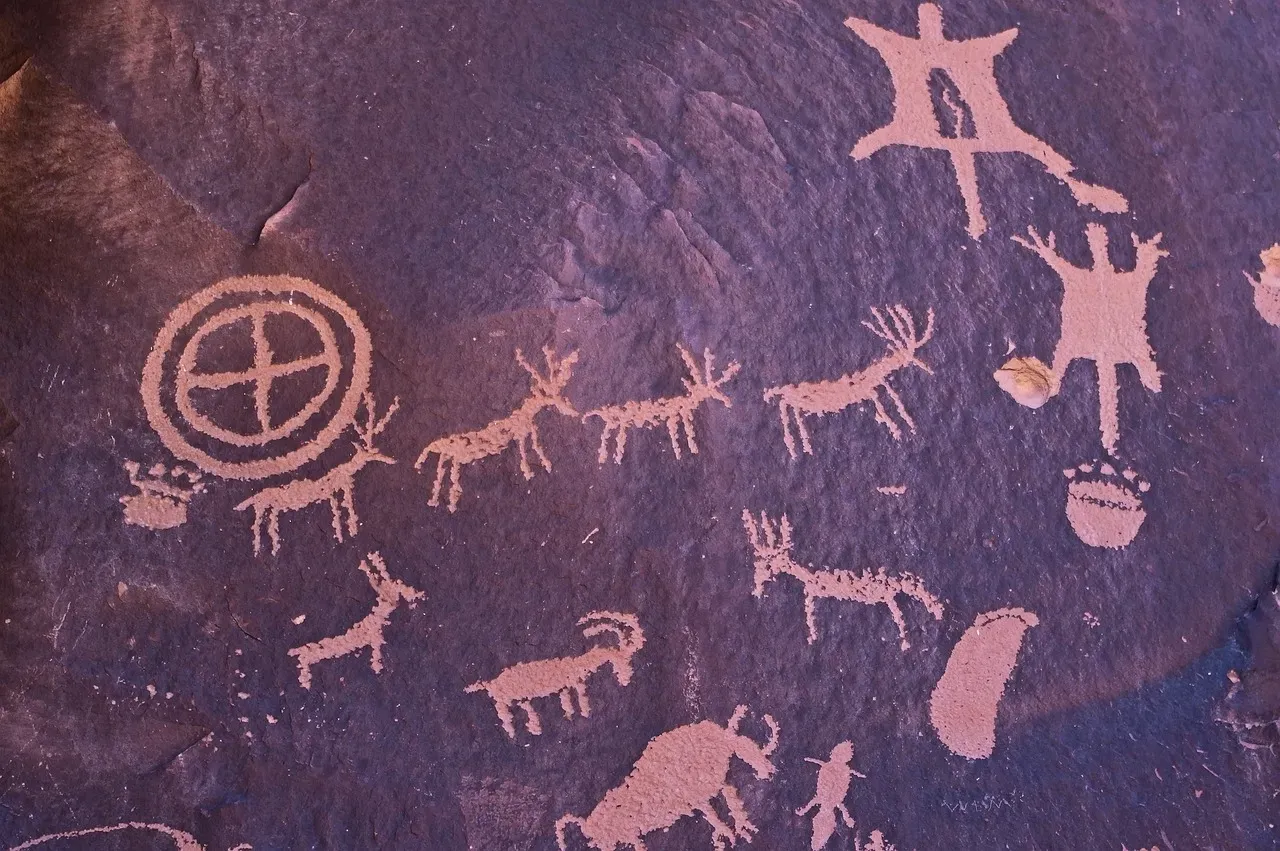
Another favorite theme in alien‑cave‑art discussions is the appearance of discs, ovals, or circular shapes that look, to modern eyes, suspiciously like flying saucers. The problem is that simple geometric shapes are some of the most common motifs in prehistoric art everywhere: circles, spirals, dots, grids, and lines. They could represent the sun, the moon, animal tracks, counting systems, territories, or purely symbolic or ritual patterns. When all we have is the shape and no written explanation, it is extremely easy to project modern meanings onto very old marks.
There is also the classic human habit of seeing what we want to see. If someone shows you a faded disc‑shaped symbol and says “Doesn’t that look like a UFO?”, you’re basically being given the answer key before you even start thinking. Under different circumstances, that same shape might be called a shield, a drum, a sun, or just a decorative motif. Archaeologists are trained to be cautious with these leaps because once a modern label sticks, it is hard to shake, and it can steer interpretation in one direction for decades even if there is little to back it up.
What The Science Actually Supports (And Where It Stops)
When you strip away the speculation and stick to what can be tested, the picture becomes much more grounded. We can date the pigments and the cave layers to figure out roughly when the art was created. We can look for overlaps with climate shifts, animal migrations, or changes in human technology. We can compare symbolic patterns across regions to see if ideas spread through human contact. None of that requires aliens; it requires only human creativity, memory, and communication stretching over thousands of years.
So far, there is no physical evidence in prehistoric contexts that clearly points to advanced extraterrestrial visitors: no impossible alloys, no non‑human technological artifacts, no residues that cannot be explained by known materials. The art itself, while sometimes eerie, always fits within the broad range of how humans represent gods, spirits, animals, and themselves in cultures we can still observe today. In my view, that does not make the story boring; it actually makes it more impressive. Our ancestors created mind‑bending, otherworldly imagery on their own, without any help from the stars.
Why We Keep Reaching For Alien Explanations Anyway
Even knowing all that, the alien angle keeps coming back, and I do not think that is just ignorance. Part of it is psychological. Modern life feels disconnected from the deep past, and aliens serve as a kind of bridge, a way to connect our tech‑obsessed present with the mystery of those dark caves. If you already believe the universe is teeming with life, it is not a huge stretch to imagine that someone out there visited us long ago. The cave walls become a blank screen, and our cosmic hopes and fears get projected right onto them.
There is also a subtle, uncomfortable side to the ancient alien narrative: it sometimes underestimates human ingenuity. Saying “aliens must have done this” can be a way of expressing disbelief that early humans, including Indigenous peoples, could build complex societies or create sophisticated art on their own. Personally, I think we owe our ancestors more credit than that. They survived ice ages, crossed oceans with primitive tools, and developed rich mythologies without satellites or smartphones. If anything, the caves prove how powerful the human mind is, not how much it needed rescuing from beyond.
So…Did Aliens Visit Prehistoric Earth? My Take
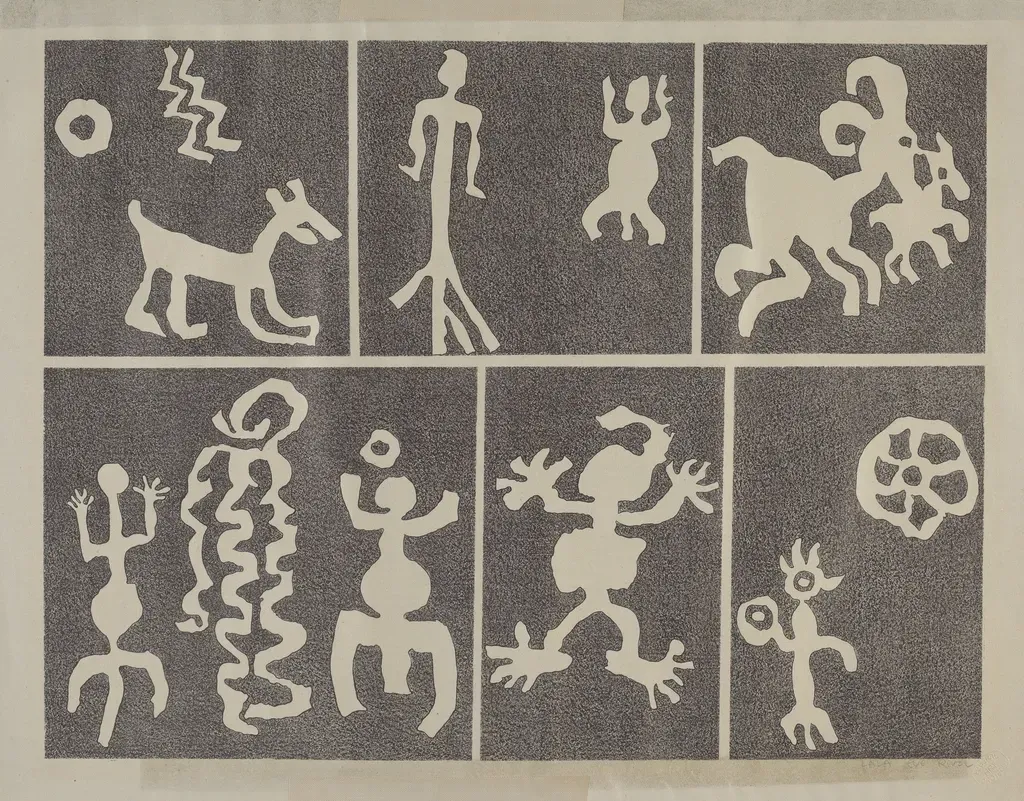
If we are brutally honest, the answer based on current evidence is no: prehistoric cave art does not prove that aliens visited Earth, and it does not even strongly suggest it. The strange figures, odd symbols, and dramatic scenes are far more convincingly explained by shamanic rituals, myth, and the symbolic language of early human cultures. Cave paintings tell us that our ancestors were imaginative, spiritual, and deeply curious about the world around and within them, not that they were documenting a sci‑fi encounter. Right now, the alien interpretation stands on speculation, not solid data.
That said, I am not immune to the chill you get when you stare at an ancient figure that feels uncannily modern. I do not think we need to crush that feeling; we just need to aim it in a better direction. Instead of assuming visitors from another star system, we could be amazed that humans, tens of thousands of years ago, were already thinking in cosmic, symbolic ways that still speak to us. For me, the real wonder is that we do not need aliens to make prehistory magical. The question I keep coming back to is this: if they could leave such powerful images with so little, what will we leave behind with everything we have now?