
Look at a crow solving a puzzle or an octopus escaping a tank and it is hard not to feel a jolt of recognition. Something seems to be happening behind those eyes that is more than simple reflex, more than a string of automatic responses. For a long time, many people assumed that real consciousness arrived with us – language-using, self-reflective humans. But when you zoom out across hundreds of millions of years of evolution, that story starts to feel oddly narrow and a bit arrogant.
The deeper scientists look into animal behavior, brains, and evolution, the more the line between “conscious” and “not conscious” begins to blur. Maybe consciousness is not a switch that suddenly flipped on in our species, but a dimmer that slowly brightened across deep time. The clues are scattered everywhere: in ancient nervous systems, in the dreams of reptiles, in the social lives of fish, and even in debates over whether insects or plants have any inner life at all. The picture that emerges is messy, unfinished, and frankly thrilling.
Why The Idea Of Human-Only Consciousness Is Crumbling

For much of modern history, humans quietly placed themselves at the center of the mental universe. Consciousness, in this view, meant telling elaborate stories, reflecting on the past and future, and constructing complex cultures. Since other animals did not build cathedrals or write novels, the assumption was that they were running on something closer to biological autopilot than genuine experience.
That old picture is now badly out of date. Studies on animals such as chimpanzees, dolphins, corvids, and even some fish show behaviors that are very hard to explain without some kind of subjective awareness. Many animals navigate social hierarchies, remember individual relationships, and adjust their behavior in ways that go beyond simple stimulus and response. You can try to stretch the word “instinct” to cover all of this, but at some point it starts to look like denial rather than science.
The Evolutionary Logic: Why Consciousness Might Be Older Than We Think
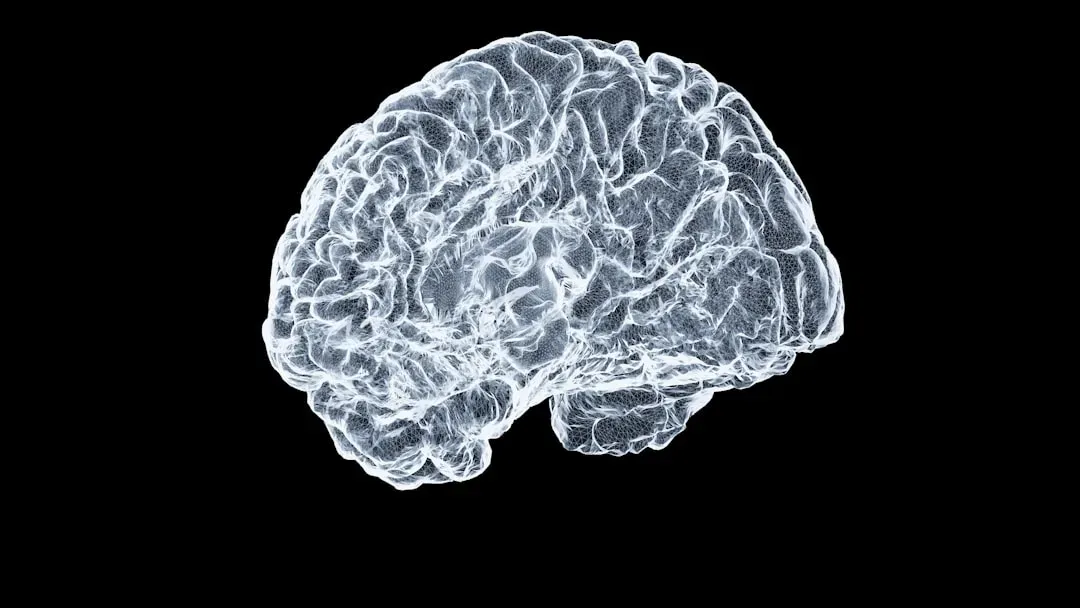
If consciousness offers real advantages – like better decision-making, more flexible behavior, and richer social coordination – then natural selection would have had plenty of time to discover and refine it. Complex nervous systems have been around for hundreds of millions of years, long before humans appeared. It would be strange if nature waited until very recently to experiment with something as powerful as subjective awareness.
From an evolutionary point of view, there is no special label on our lineage that says “only here may consciousness arise.” Brains are made of neurons, and many lineages independently evolved large, intricately connected networks. When creatures must navigate changing environments, evaluate threats, remember past events, and anticipate future outcomes, having some integrated inner “workspace” to weigh options becomes incredibly useful. Consciousness, in this sense, looks less like a miracle and more like a brutally effective survival tool.
Nervous Systems As Early Cradles Of Experience
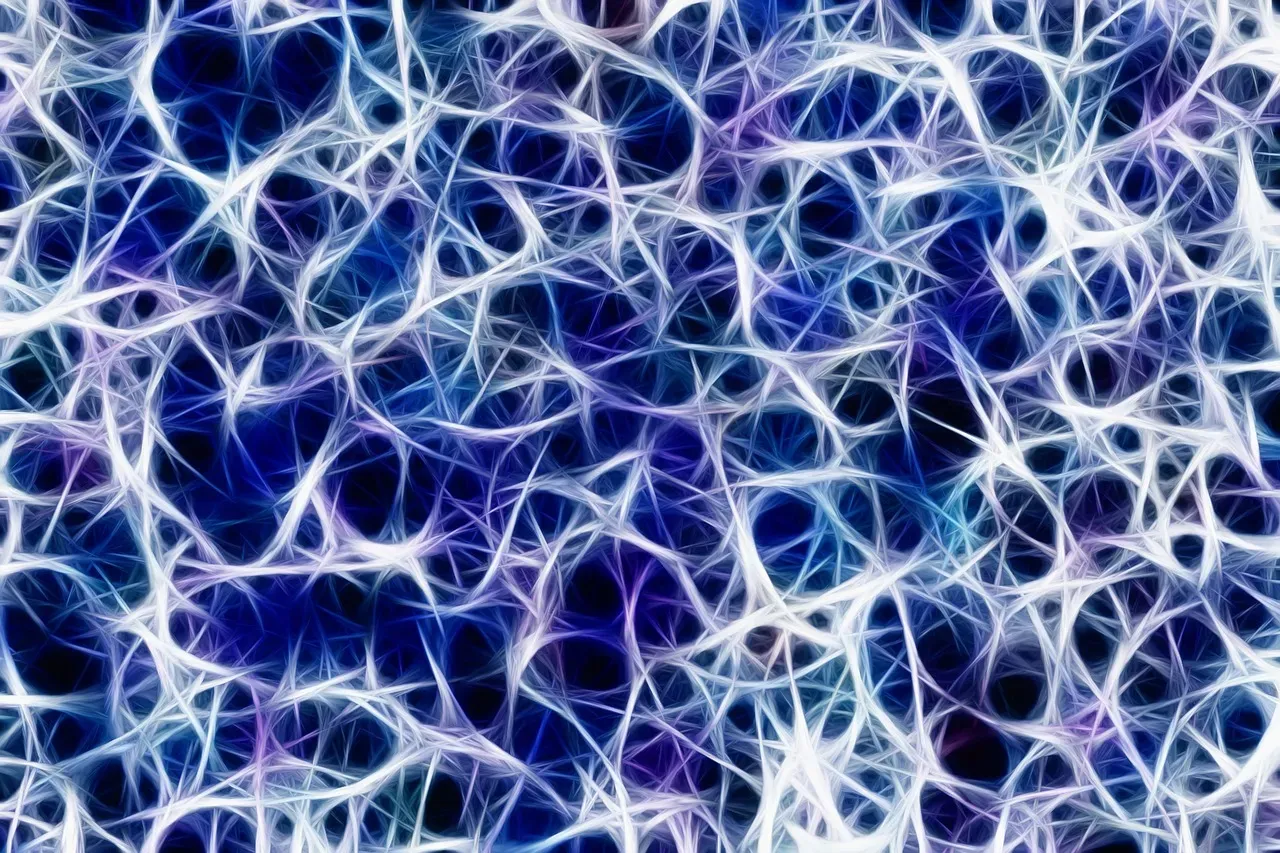
To talk seriously about ancient consciousness, we have to start with nervous systems themselves. The earliest nervous systems were probably simple nerve nets in soft-bodied animals, coordinating basic movement and sensing. On their own, those nets might not support anything like the rich experience we know, but they mark the first step toward centralized processing. As ganglia clustered and information channels converged, bodies gained something new: a center where signals from many senses could be combined.
That kind of integration is crucial for most scientific theories of consciousness today. Whether you look at global workspace ideas, which focus on information being widely broadcast in the brain, or other frameworks that emphasize integration and differentiation, the basic message is similar. When information from different senses and memories comes together, and that combined pattern can influence behavior in flexible ways, the door opens to at least rudimentary feeling. If that is right, then the roots of consciousness stretch back to whenever nervous systems first started doing that kind of integrated, global processing.
Birds, Cephalopods, And The Case For Multiple Paths To Mind
One of the most surprising twists in this story is that big, complex consciousness-like abilities seem to have evolved more than once. Birds, for example, have very different brain layouts than mammals, yet some of them can solve puzzles, use tools, and plan ahead in ways that rival primates. Their brains lack the layered neocortex that humans brag about, but they still manage impressive feats of learning and self-control, suggesting that similar functions can arise from different structures.
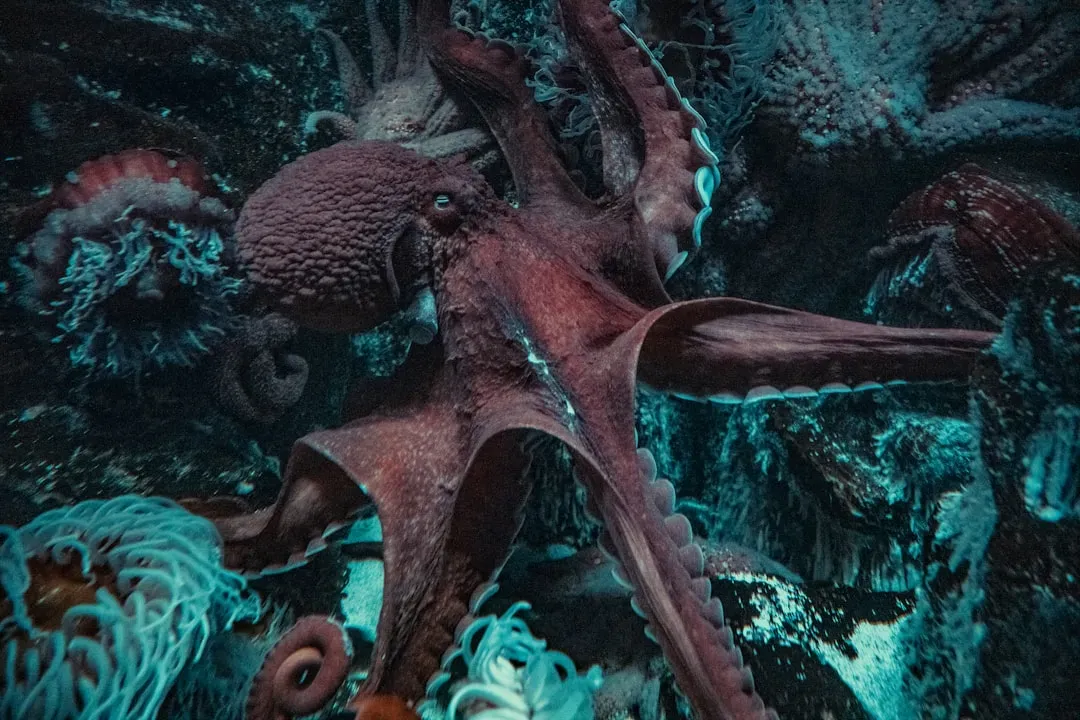
Cephalopods like octopuses complicate things even more. They are invertebrates with distributed nervous systems, and yet they show problem-solving behavior, play-like exploration, and what looks like curiosity. If you accept that at least some mammals and birds have conscious experiences, it becomes hard to rule out that octopuses might have their own foreign but real version of subjectivity. Taken together, these examples hint that once evolution stumbles onto the right kind of information-processing complexity, something like consciousness might emerge in very different biological packages.
Do Fish, Reptiles, And Insects Feel Anything At All?
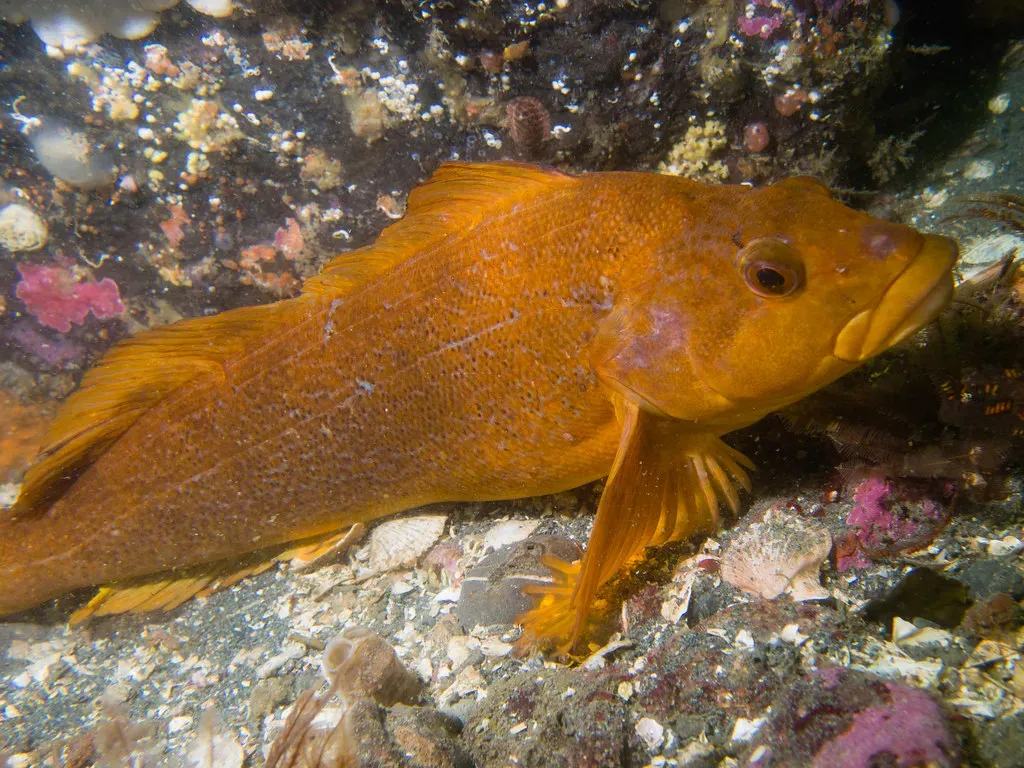
The further we move from familiar animals like dogs and apes, the more controversial things get. Fish, for instance, were long treated as little swimming reflex machines, but research on their pain responses, learning abilities, and social lives has forced a reckoning. Many fish show long-term behavioral changes after injury, learn from observation, and navigate surprisingly complex environments. While their inner worlds, if they have them, may be simple compared to ours, it is becoming harder to insist that there is absolutely nothing it is like to be a fish.
Reptiles and insects push this boundary even further. Reptiles have simpler brains than mammals, yet some demonstrate spatial learning, social recognition, and even sleep patterns that resemble more cognitively advanced animals. Insects, with tiny nervous systems, pull off feats like navigation over long distances, symbolic communication in some species, and flexible problem solving. The honest position right now is uncertainty, not dismissal. If consciousness is tied to specific patterns of information processing rather than brain size alone, then even small-brained creatures might possess dim, fragmented glimmers of experience.
The Hard Problem Meets The Deep Past
What evolution can help with, though, is shifting the question from a yes-or-no debate to one of degrees and functions. Instead of asking when a strict threshold was crossed, we can ask how gradually increasing complexity, integration, and behavioral flexibility correlate with richer inner life. Consciousness may not be an on-off light, but a spectrum that grew from faint glows in simple nervous systems to blazing, self-reflective awareness in humans and a few other species. That reframing does not solve the mystery, but it makes it scientifically approachable.
Are Plants, Single Cells, Or The Whole Universe Conscious?

Once you start talking about consciousness as a spectrum, another tempting idea appears: maybe everything has some tiny spark of experience, all the way down. This view, in various forms, shows up in debates about plant behavior, single-celled organisms, and even the fabric of the universe itself. Plants, for example, can signal between roots and leaves, respond to threats, and adjust growth in surprisingly coordinated ways, prompting some people to describe them in almost psychological terms.
Right now, though, the evidence that plants or single cells have anything like conscious experience is extremely thin. Coordinated behavior and signaling do not automatically imply a subjective point of view. The more ambitious idea that all physical systems have some primitive inner aspect might be interesting as philosophy, but it is not yet something we can test in a robust way. If we care about staying anchored to evidence, we probably have to admit that consciousness, in the sense most people mean it, is still best grounded in systems with nervous-like architectures, not everywhere in nature.
How This Changes What It Means To Be Human
There is a personal side to all of this. If consciousness is not a human monopoly, then our own inner life starts to feel less like a miracle bolt from the blue and more like a particularly elaborate verse in a very old song. That does not cheapen human experience; in some ways it makes it more moving. Being conscious might mean we are part of a long lineage of creatures that, in their own ways, have felt pain, safety, hunger, comfort, fear, and maybe even primitive joy.
At the same time, human consciousness really does have distinctive twists: language-based thought, long-term planning, cultural memory, and the ability to reflect on our own reflections. Recognizing older, simpler forms of consciousness in other animals does not erase those differences. Instead, it places them in context. Our minds may be among the most intricate expressions of an evolutionary trend toward richer inner worlds, but they are probably not the first, and that realization quietly reshapes how we think about ethics, responsibility, and our place among other beings.
Conclusion: Consciousness As An Ancient, Growing Flame

Stepping back, the most reasonable, evidence-based picture is neither that consciousness is everywhere in the universe nor that it magically sprang into existence only when humans appeared. The balance of clues points to something in between: an ancient, evolving capacity that emerged as nervous systems became more integrated and flexible, and that has taken many forms across different branches of life. In my view, conscious experience is best seen as a slowly brightening flame, not a sudden spotlight that snapped on in our species alone.
That opinion has consequences. It suggests we owe more moral seriousness to at least some nonhuman animals, while still acknowledging that there are meaningful gradations of inner life across species. It keeps us humble without erasing what is striking and rare about human self-awareness. Most of all, it turns the question “When did consciousness begin?” into a story stretching back far beyond us, one we are only just starting to read. If you had to guess, would you place the first faint flicker of experience closer to our own reflection in the mirror, or deep in the ancient oceans where nerves first began to whisper?