Prehistoric territorial battles have long fascinated paleontologists and dinosaur enthusiasts alike. When we observe modern animals like lions fiercely defending their territories, it raises intriguing questions about whether dinosaurs, those magnificent rulers of Earth for over 165 million years, engaged in similar territorial behaviors. While we can’t directly observe dinosaur behavior, scientific evidence from fossils, comparative studies with modern relatives, and ecological principles allows us to piece together compelling insights into dinosaur territoriality.
The Challenge of Understanding Dinosaur Behavior
Reconstructing dinosaur behavior presents unique challenges compared to studying living animals. Unlike modern wildlife biologists who can directly observe territorial disputes among lions or bears, paleontologists must rely on indirect evidence from the fossil record. Bones, tracks, bite marks, and other preserved remains provide clues, but they offer only snapshots of ancient lives rather than continuous behavioral observations. Additionally, behavior doesn’t typically fossilize, forcing scientists to make careful inferences based on physical evidence combined with what we know about modern animal ecology. Despite these limitations, advances in technology and analytical methods have allowed researchers to draw increasingly confident conclusions about certain aspects of dinosaur social behavior, including territoriality.
Evidence from Fossil Injuries

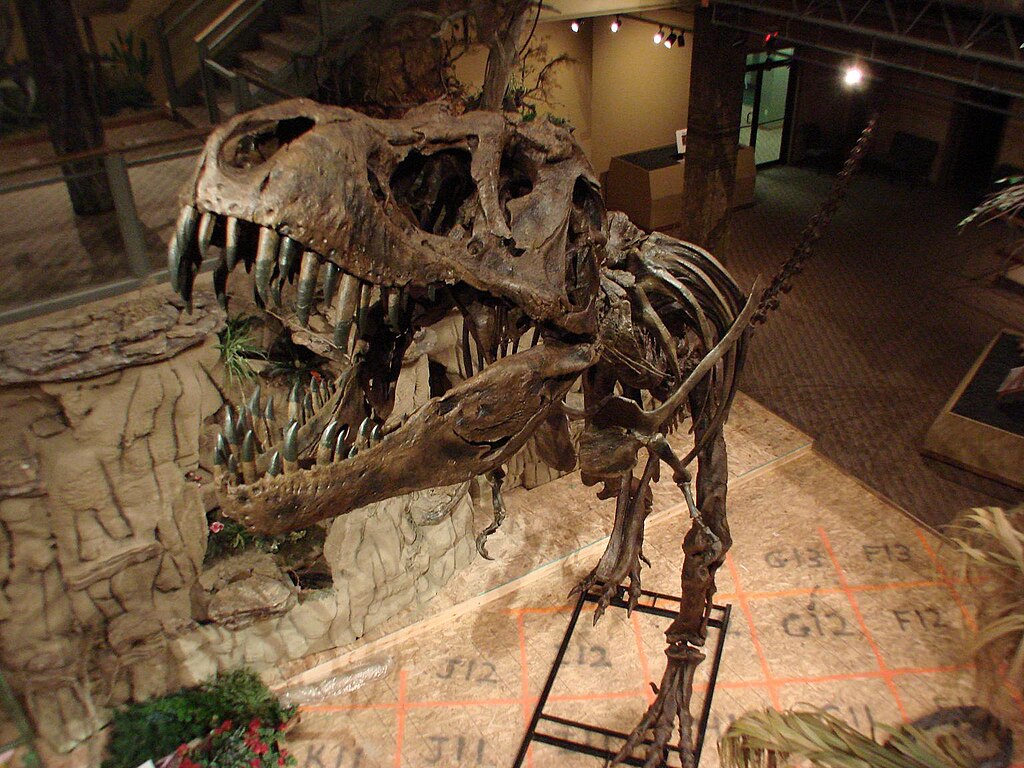
Battle scars preserved in fossils provide some of the most compelling evidence for dinosaur territorial combat. Tyrannosaurus rex specimens frequently show healed facial injuries consistent with bites from other T. rexes, suggesting intraspecific combat that wasn’t immediately fatal. The famous Triceratops exhibits numerous specimens with damaged frills and broken horns that healed during life, indicating they survived violent encounters with their kind. Paleontologists studying a Centrosaurus apertus bonebed in Alberta found that approximately 10% of specimens showed evidence of healed horn and frill injuries, a rate remarkably similar to combat injuries in modern horned mammals that engage in territorial disputes. These patterns of non-lethal combat injuries mirror what we observe in territorial modern animals, where the goal is often dominance rather than killing competitors.
Anatomical Structures for Display and Combat
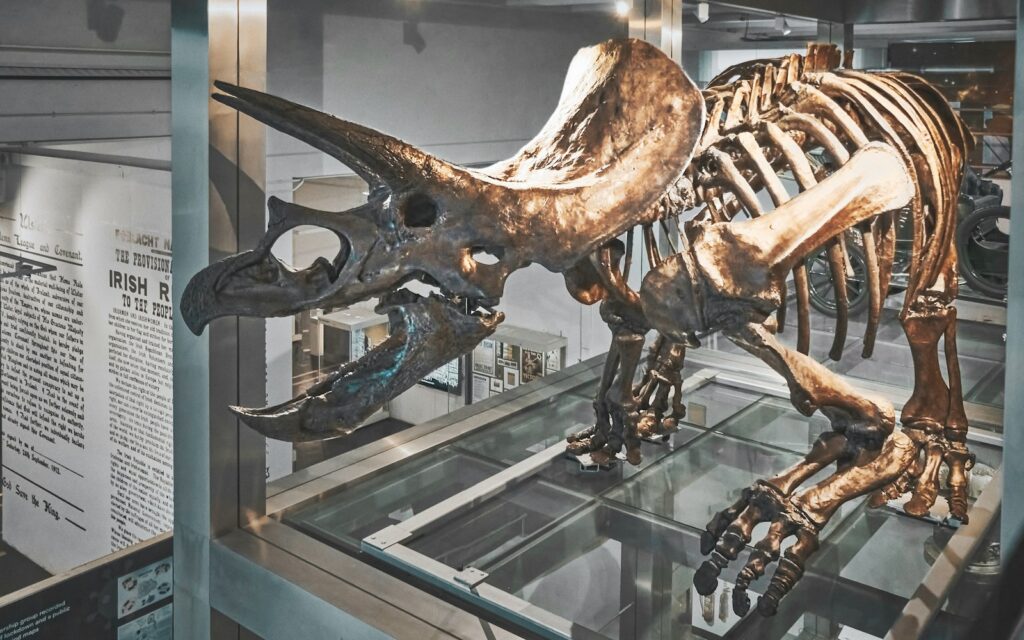
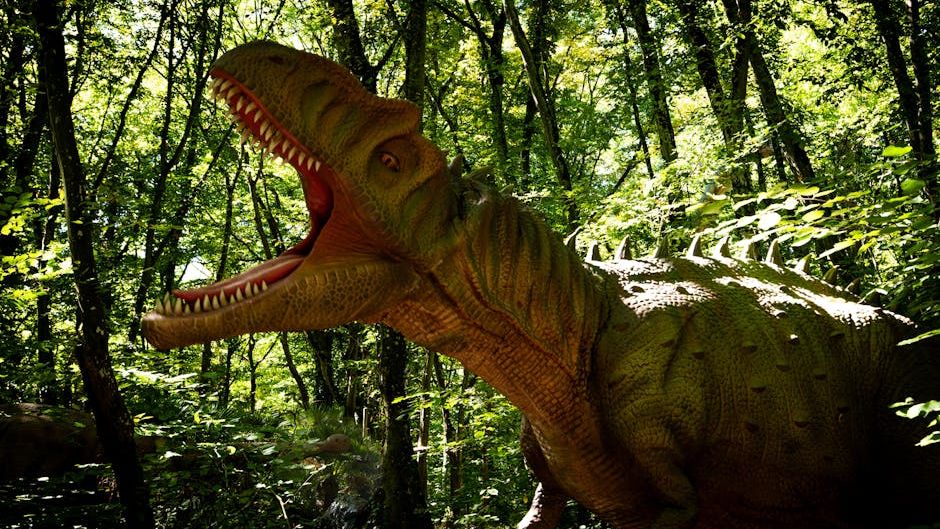
Many dinosaurs possessed specialized anatomical features that appear suited for territorial display, intimidation, or combat. The elaborate frills and horns of ceratopsians like Triceratops and Styracosaurus likely served multiple purposes, including species recognition, mate attraction, and territorial defense. Pachycephalosaurs developed thick, domed skulls that many paleontologists believe were used in head-butting contests similar to those seen in modern bighorn sheep or musk oxen. Theropods like Allosaurus had relatively delicate skulls but powerful arms that could have been used in pushing contests to establish dominance. The extraordinary array of crests, plates, and spikes seen across different dinosaur groups would have made excellent visual signals for establishing territory boundaries, potentially allowing dinosaurs to avoid physical combat through impressive displays, just as many modern animals do today.
Trackway Evidence of Dinosaur Territories
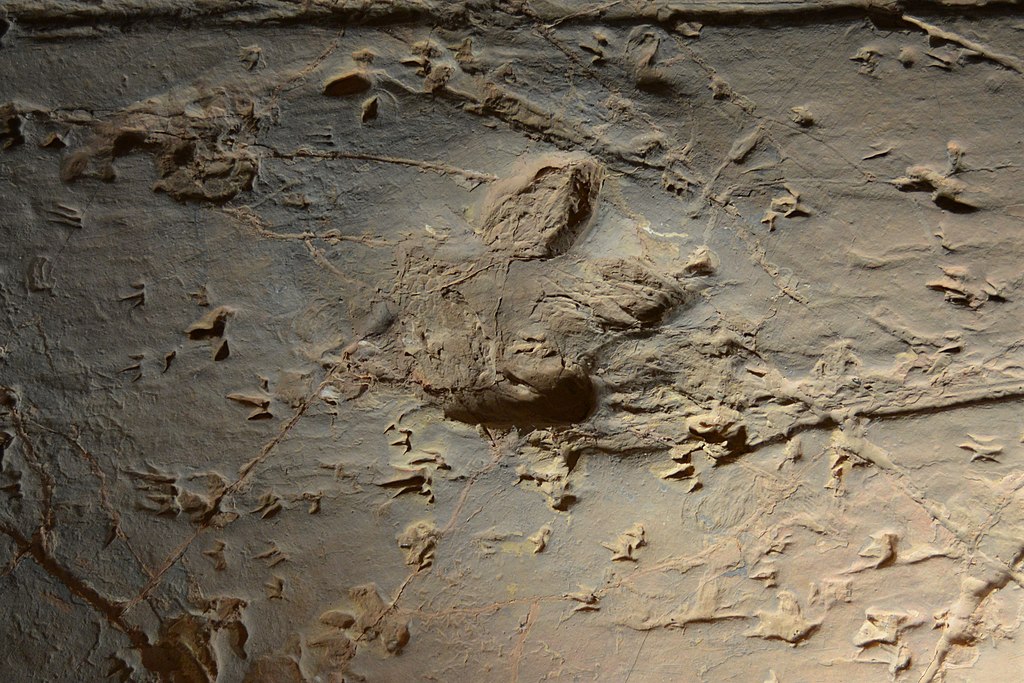
Fossilized footprints provide insights into dinosaur movement patterns that can suggest territorial behavior. Multiple trackway sites around the world show evidence of habitual paths, with repeated use of specific routes by similar-sized individuals of the same species. At the Davenport Ranch tracksite in Texas, paleontologists identified patterns consistent with territorial patrolling, where large theropods appear to have regularly walked the same circuits. In some locations, trackways show evidence of congregations where multiple individuals gathered, possibly at territorial boundaries or in display arenas. The distribution of trackways can also reveal how dinosaurs partitioned their habitat, with different species or age groups utilizing separate areas, suggesting some form of territorial organization. These movement patterns closely resemble those observed in modern territorial animals that regularly patrol and mark the boundaries of their domains.
Dinosaur Population Densities and Resources
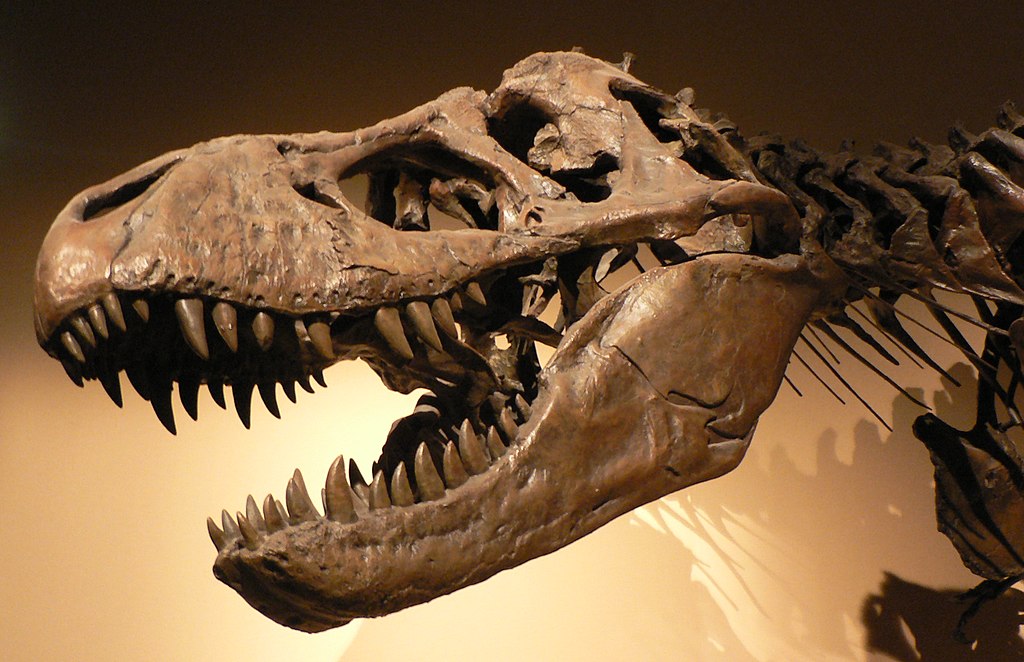
Ecological principles suggest that territorial behavior would have been particularly important for large predatory dinosaurs. Calculations of carrying capacity based on body size and metabolic needs indicate that large theropods like Tyrannosaurus rex would have required extensive hunting territories to sustain themselves. A single adult T. rex might have needed a territory of 100 square kilometers or more to find sufficient prey, creating strong evolutionary pressure to defend these resources against competitors. Herbivorous dinosaurs, particularly during dry seasons when vegetation was limited, would likewise have benefited from defending resource-rich areas. Modern ecological studies consistently show that territoriality becomes more pronounced when critical resources are defensible and limited, conditions that certainly applied to many dinosaur habitats, particularly in seasonally variable environments where droughts or other climatic changes could concentrate essential resources in specific areas.
Comparison with Modern Reptiles

Birds and crocodilians, the closest living relatives to dinosaurs, provide valuable insights into potential dinosaur territorial behavior. Many modern birds vigorously defend territories during breeding season, with complex displays and sometimes fierce physical confrontations. Male saltwater crocodiles establish and violently defend breeding territories, with dominant males controlling prime habitat areas and access to multiple females. Komodo dragons, while more distantly related, demonstrate how large reptilian predators establish and maintain territories through chemical marking and occasional combat. The prevalence of territorial behavior across the archosaur lineage (which includes birds, crocodilians, and dinosaurs) suggests this behavioral pattern likely existed in their common ancestors and was therefore probably present in dinosaurs as well. The fact that territoriality evolved independently in so many vertebrate lineages further suggests it would have been advantageous for dinosaurs facing similar ecological pressures.
Sexual Dimorphism and Territorial Defense
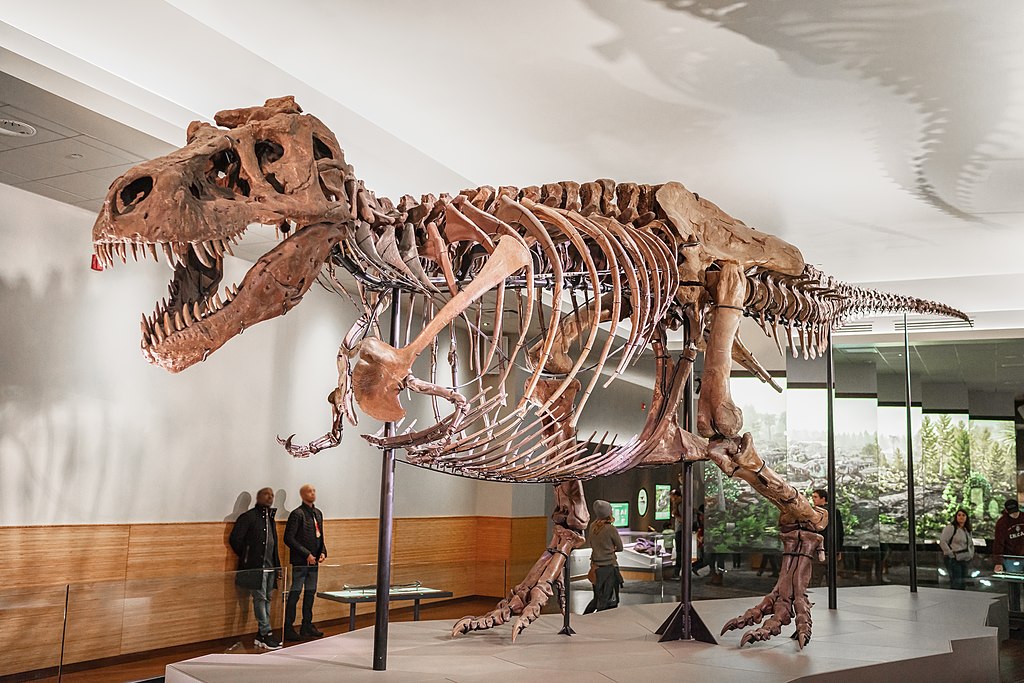
Evidence of sexual dimorphism in some dinosaur species supports the possibility of territorial behavior linked to mating rights. In species where males compete for access to females, evolutionary pressure often leads to the development of specialized weapons or display features in males. Some ceratopsian species show potential evidence of dimorphism in their frill and horn configurations, which could indicate male-male competition similar to what we see in modern deer or antelope. Certain specimens of Tyrannosaurus rex appear more robustly built than others of similar age, potentially representing sexual differences related to competitive behaviors. The elaborately crested hadrosaurs may have used their resonating chambers not just for communication but for competitive displays to establish dominance within territories. These patterns align with what we observe in modern territorial species, where males often engage in more aggressive territorial defense than females, particularly during breeding seasons.
Nesting Sites and Breeding Territories
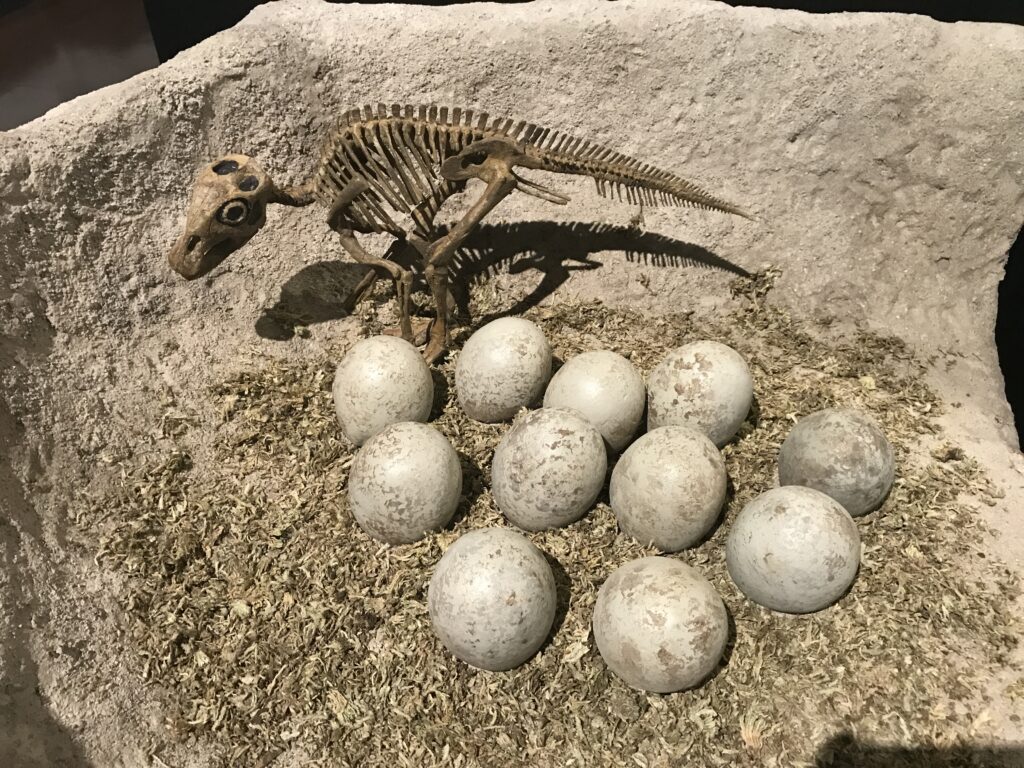
Fossil evidence of dinosaur nesting grounds suggests many species may have defended breeding territories. Multiple dinosaur species, including Maiasaura, Protoceratops, and various theropods, left behind nesting sites with eggs arranged in patterns indicating organized, colony-like breeding areas. The spacing between nests often shows regular intervals, suggesting individuals maintained specific territories within these breeding grounds. Modern birds and crocodilians fiercely defend their nesting sites against predators and conspecifics, and it’s reasonable to infer similar behavior in their dinosaur relatives. The discovery of adult remains near nests suggests parental care in many dinosaur species, further supporting the likelihood that they would have defended these critical areas against intruders. The organization of these nesting sites bears striking similarities to the breeding territories established by modern colonial nesting birds like gannets or penguins.
Herding Behavior vs. Territoriality
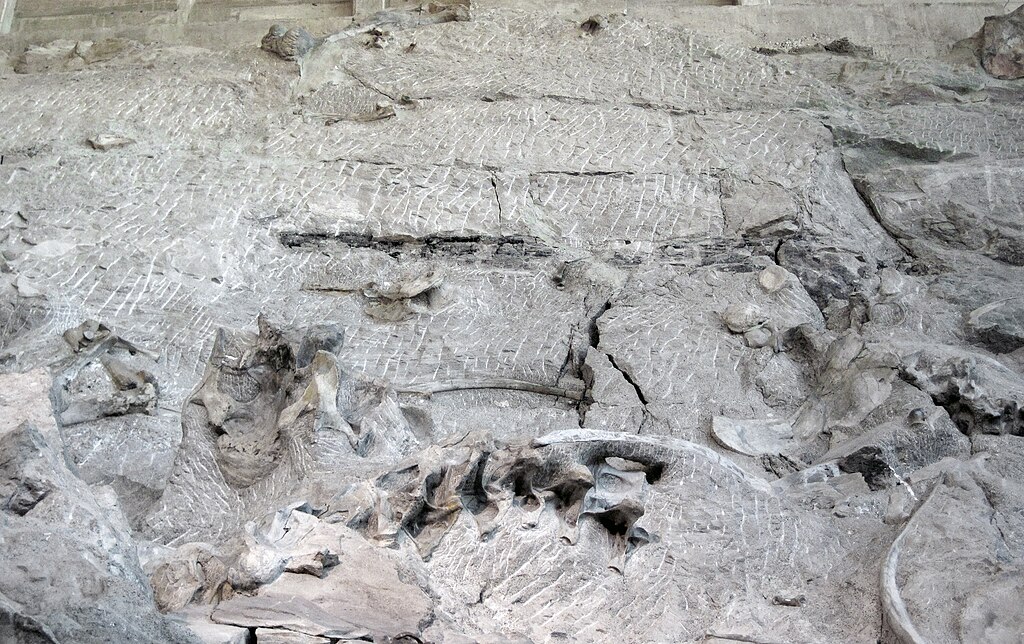
Not all dinosaurs were likely territorial, as many species appear to have lived in herds rather than defending individual territories. Massive bonebeds containing hundreds or thousands of individuals of the same species, such as those found for Edmontosaurus, Maiasaura, and Centrosaurus, indicate these animals lived and moved in large social groups. Herding species typically defend the group as a whole rather than individual territories, similar to modern bison or wildebeest. The advantages of herding—including protection from predators and improved foraging efficiency—would have made territorial behavior less advantageous for these species. However, herds themselves might have maintained loose territories or preferred ranges, defending valuable feeding grounds from other herds of the same or different species. This pattern of group territoriality can be observed in modern elephants, where family groups defend access to water sources and prime feeding areas against other elephant groups.
Seasonal Changes in Territorial Behavior

Dinosaur territorial behavior likely fluctuated with seasonal changes, similar to patterns observed in modern animals. During breeding seasons, evidence suggests territoriality would have intensified, particularly among predatory dinosaurs competing for mates and nesting sites. Fossil evidence from the Hell Creek Formation shows seasonal congregations of Tyrannosaurus rex that might represent breeding gatherings where territorial disputes would have been common. Conversely, harsh seasons with limited resources might have forced some territorial species to become more nomadic or to congregate near remaining water sources, temporarily suspending strict territorial boundaries. Seasonal migration patterns, suggested by some trackway evidence, indicate that some dinosaur species might have maintained territories only in certain geographic areas or during specific times of year. These seasonal shifts in territorial behavior would parallel what we observe in many modern animals, from wolves that defend strict territories during denning season to lions that become more tolerant of neighboring prides during times of abundance.
Vocalizations and Display in Territory Defense
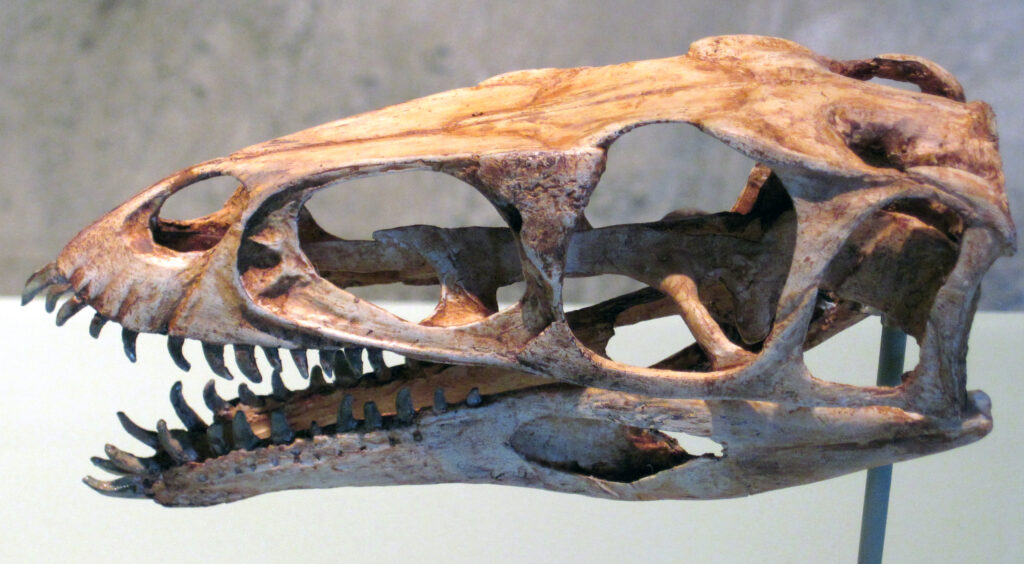
Dinosaurs almost certainly used vocalizations and visual displays in establishing and defending territories, similar to modern territorial animals. The complex resonating chambers in hadrosaurs like Parasaurolophus and Corythosaurus would have allowed them to produce loud, distinctive calls that could have served as territorial announcements. CT scans of dinosaur skulls reveal many species had excellent hearing, suggesting the ability to recognize and respond to territorial calls of their kind. The elaborate headgear of many dinosaurs, from the sail-backed Spinosaurus to the crested Dilophosaurus, would have created impressive visual silhouettes visible from great distances, potentially serving as territory markers. These communication methods would have allowed dinosaurs to maintain territories while minimizing costly physical confrontations, just as modern birds use song and display to defend territories before resorting to direct combat. The diversity of dinosaur communication structures suggests complex territorial systems that likely varied significantly between different dinosaur groups.
Dinosaur Territories in Different Environments

The nature and extent of dinosaur territories likely varied dramatically depending on habitat type and available resources. Dinosaurs living in resource-rich environments like lush coastal plains might have maintained smaller, more densely packed territories compared to those inhabiting arid environments where food and water were scarce. Fossils from the Morrison Formation suggest different species of sauropods partitioned their habitat, with some species preferring upland areas while others remained near waterways, potentially reducing territorial competition. Island-dwelling dinosaurs, known from multiple fossil sites worldwide, would have faced unique territorial pressures due to limited space and resources, potentially developing more complex or strict territorial systems. Mountain-dwelling dinosaurs might have established vertical territories spanning different elevations, similar to how modern mountain ungulates divide their habitat. These environmental adaptations in territorial behavior mirror what we observe across modern ecosystems, where territory size and defense intensity directly correlate with resource distribution and predictability.
The Evolution of Dinosaur Territorial Behavior

Territorial behavior in dinosaurs likely evolved and changed significantly over their 165-million-year reign. Early dinosaurs from the Triassic period were relatively small and lived alongside many other reptilian groups, potentially establishing simple territories similar to modern lizards. As dinosaurs diversified and grew larger during the Jurassic, more complex territorial systems would have developed, particularly among the newly evolved large predators like Allosaurus. By the late Cretaceous, highly specialized territorial adaptations had likely evolved, with the elaborate defensive and display structures seen in Triceratops, Parasaurolophus, and other advanced dinosaurs suggesting sophisticated territorial behaviors. This evolutionary progression parallels what we’ve observed in other animal groups, where territorial behavior tends to become more complex as species adapt to specific ecological niches and develop specialized competition strategies. The extinction event that ended the dinosaur era cut short this behavioral evolution, leaving birds as the only surviving dinosaur lineage to continue developing territorial behaviors into the modern era.
Conclusion

While we may never have the complete picture of dinosaur territorial behavior that we do for modern animals, scientific evidence strongly suggests many dinosaurs did indeed fight for and defend territories much like today’s lions and other territorial species. The fossil record reveals injuries consistent with territorial combat, anatomical features well-suited for display and confrontation, and patterns of resource use that would make territoriality advantageous. The territorial behaviors we observe in modern birds and reptiles, the closest living relatives to dinosaurs, further support this conclusion. As paleontological methods continue to advance, we may uncover even more evidence of how these magnificent prehistoric creatures established, defended, and lived within their ancient territories across the Mesozoic landscapes of Earth.