Sixty-six million years ago, the Age of Dinosaurs came to a cataclysmic close. But in those final years—before the asteroid struck—did these mighty creatures have any inkling that their world was unraveling? Fossil evidence points to ecosystems already under stress, with shifting climates, volcanic upheavals, and dwindling food sources. Herds may have been thinning, predator-prey balances shifting, and survival growing tougher long before the sky fell. Still, whether dinosaurs could truly “sense” their impending doom remains one of prehistory’s most haunting mysteries. Could nature itself have whispered warnings they simply couldn’t escape?
Earth Was Already Stressed Before The Catastrophic Impact
What if I told you that dinosaurs may have had warning signs that their world was about to change forever? New scientific evidence suggests that Earth was already unstable before the asteroid impact that wiped out the dinosaurs. The planet wasn’t exactly in perfect health during the final stretch of the Cretaceous period.
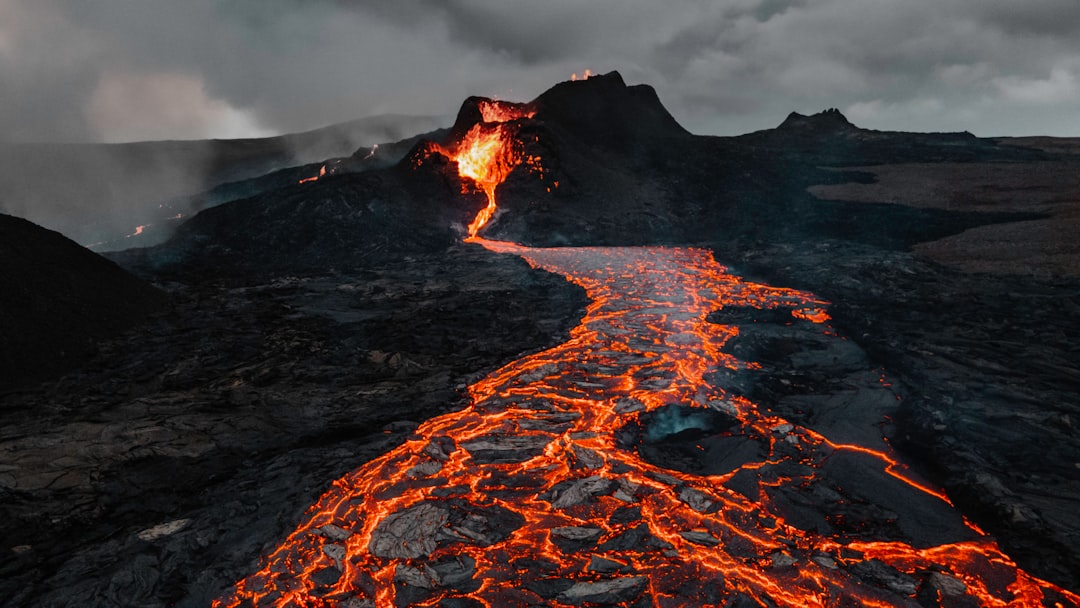
Long-term eruptions from the Deccan Traps, a massive volcanic province in modern India, were spewing enormous amounts of carbon dioxide into the atmosphere. This wasn’t just a few volcanic hiccups – we’re talking about years of volcanic activity leading up to the asteroid impact, creating environmental stress that may have been detectable to the creatures living through it.
Signs of Declining Diversity Ten Million Years Before Impact
Perhaps most intriguingly, scientists have discovered that dinosaur diversification shifted to a declining-diversity pattern around 76 million years ago – a full ten million years before the asteroid struck. This wasn’t a sudden collapse, but rather a gradual weakening of their evolutionary resilience.
Strong evidence shows that dinosaurs began to decline well before the K/Pg extinction due to both a marked increase of extinction from the late Campanian onwards and a decrease in their ability to replace extinct species. It’s like watching a once-thriving company slowly lose market share before finally going bankrupt – the warning signs were there for those who knew how to read them.
Climate Cooling Put Pressure on Giant Reptiles

The environmental writing was on the wall in the form of global cooling. Warm periods favoured dinosaur diversification whereas cooler periods led to enhanced extinctions, and global climate cooling was an important driver of the dinosaur diversity decline. Think of dinosaurs as creatures who thrived in warm weather – when the thermostat of Earth started dropping, they felt it keenly.
As dinosaurs were probably mesothermic organisms with varying thermoregulation abilities, their activities were probably partially constrained by environmental temperatures, particularly true of larger dinosaurs which relied substantially on mass homeothermy to maintain constant body temperatures. The biggest dinosaurs were essentially living heating systems that needed warm ambient temperatures to function efficiently.
Ocean Chemistry Changes Told The Story

Ancient seashells from Antarctica have revealed that in the run-up to the extinction event, the shells’ chemistry shifted in response to a surge of carbon in the oceans. This chemical fingerprint shows that the concentration of CO2 acidified the oceans, directly affecting the organisms living there.
These changes happened surprisingly quickly. Researchers were amazed to find that they saw changes in the shells’ composition, but were surprised by how quickly the changes occurred, and they didn’t see more change associated with the extinction horizon itself. The environment was shifting rapidly in the years before the final catastrophe.
Dinosaur Egg Quality Deteriorated Under Environmental Stress
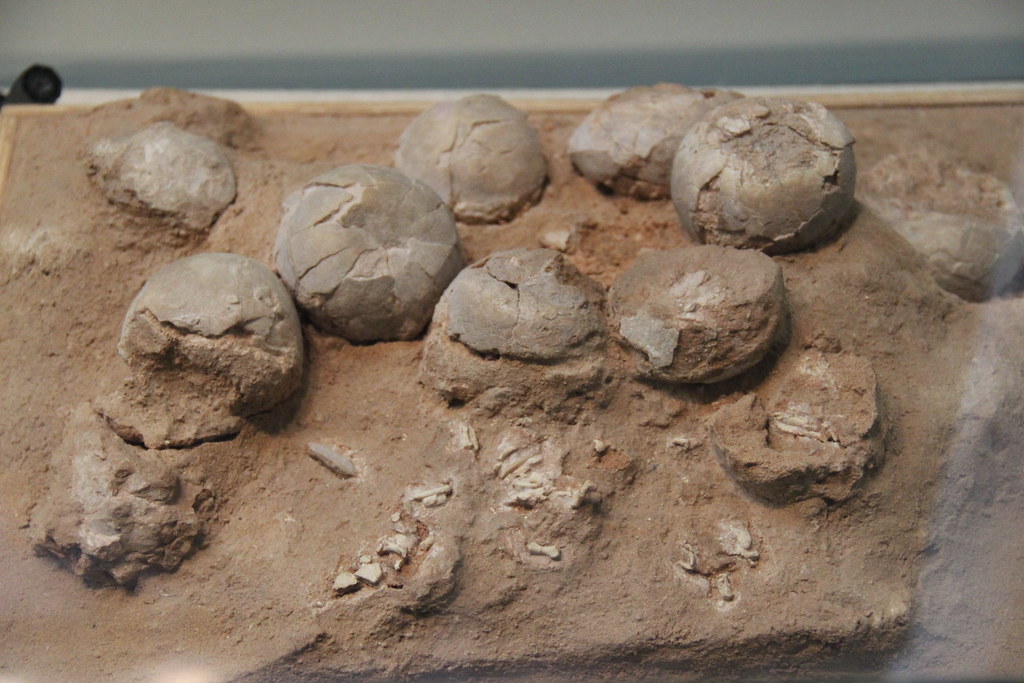
One of the most poignant pieces of evidence comes from dinosaur eggs themselves. A study of Hypselosaurus dinosaur eggs from southern France and the Spanish Pyrenees concluded that shell thickness was abnormally thin in up to 90% of the samples. This wasn’t normal variation – something was seriously wrong.
By comparison with egg biology of modern birds, the thinning of the shells was attributed to abnormal hormonal control of the calcification process, as a result of environmental stress. Modern birds experiencing stress produce eggs with thinner shells, suggesting that dinosaur parents were struggling with environmental pressures that affected their ability to reproduce successfully.
Food Web Disruptions Created Cascading Effects
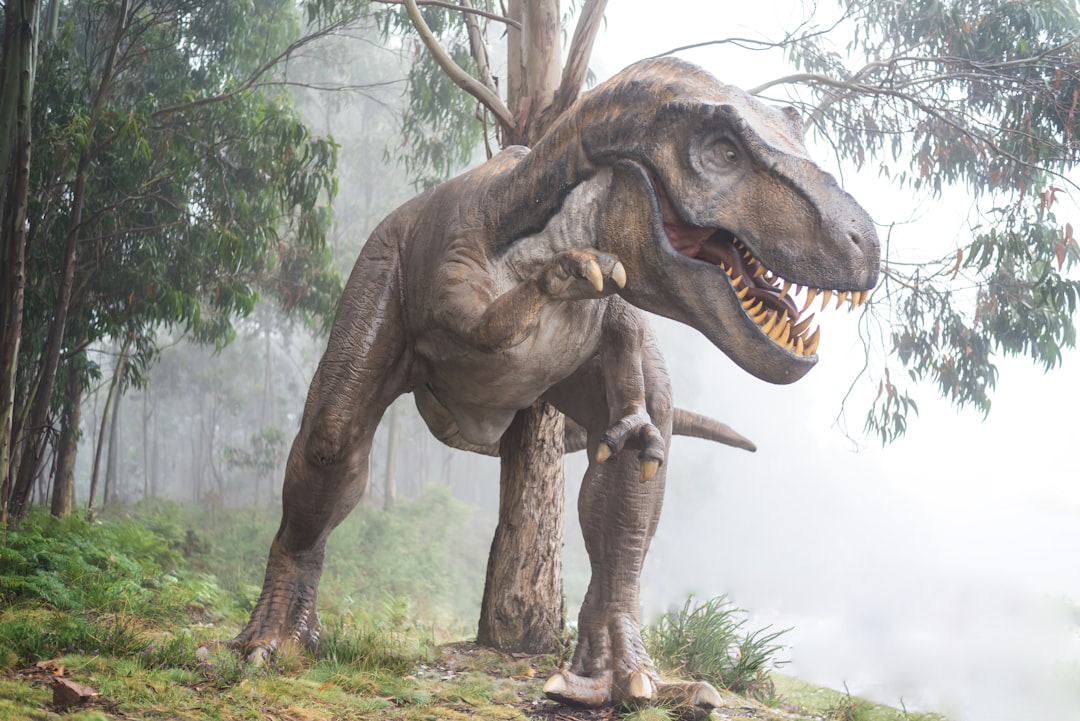
Terrestrial and marine communities were stressed by changes in, and loss of, habitats, and dinosaurs, as the largest vertebrates, were the first affected by environmental changes. Being at the top of the food chain meant dinosaurs felt every disruption in the ecosystem below them.
Latest Cretaceous dinosaur faunas shifted, as medium-sized species counterbalanced a loss of megaherbivores, but dinosaur niches were otherwise stable and static, potentially contributing to their demise. The ecological flexibility that had served dinosaurs well for millions of years was becoming a liability in rapidly changing conditions.
The Spring Day When Everything Changed
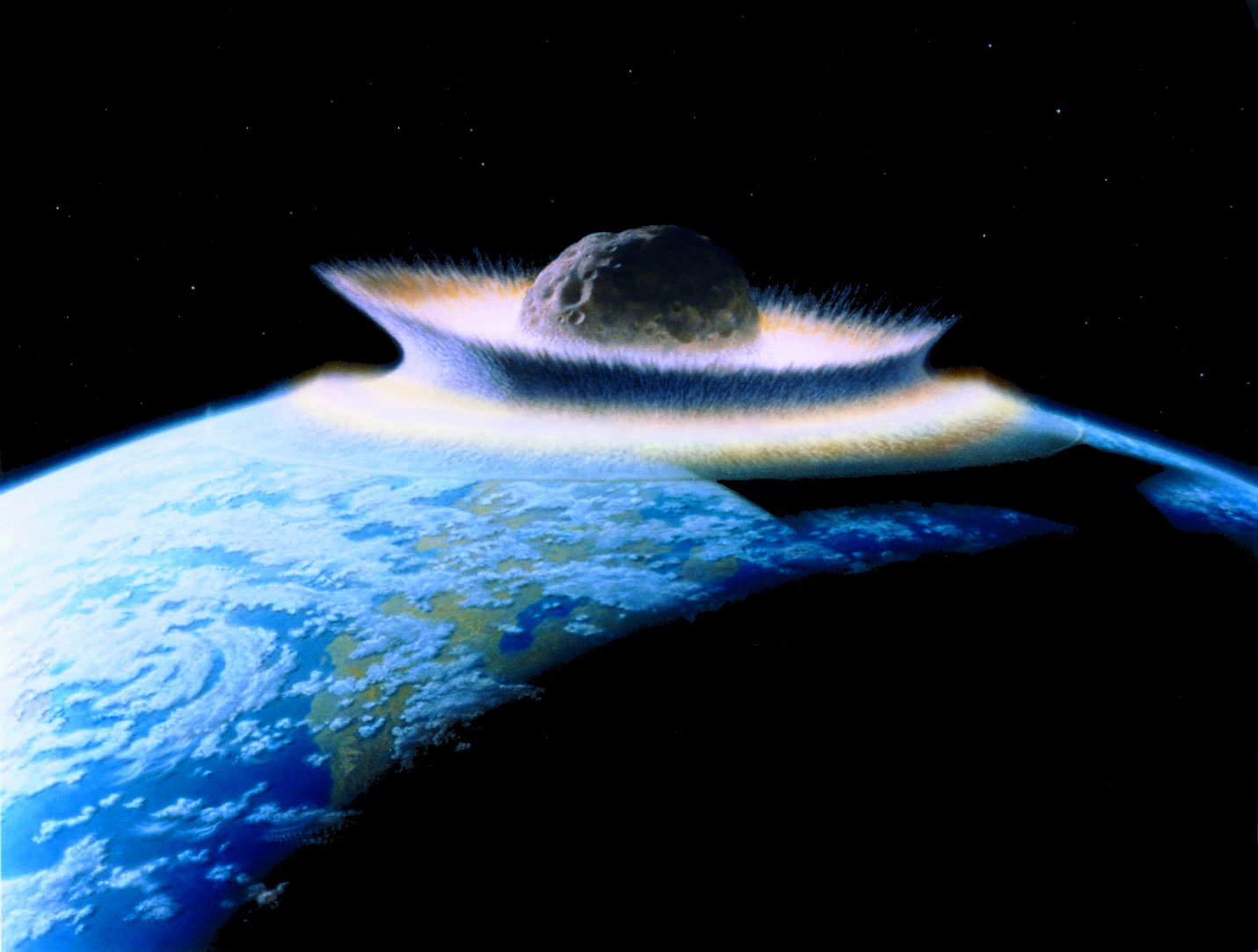
The remarkable Tanis fossil site in North Dakota provides a snapshot of what may have been the very day the asteroid struck. Analysis of the fish skeletons found them to be in the spring phase of their annual cyclical changes, implying that the impact had occurred in spring. The last banding cycle in the sturgeon confirms it died in May, and a further study has confirmed this.
At this site, tiny glass blobs called tektites started raining down about 15 minutes after impact in a torrent of glass that didn’t let up for another three quarters of an hour. The immediate aftermath was devastating – a seismic wave hit 10 minutes after impact with the force of a 10 or 11 magnitude earthquake, generating a standing wave that created a sloshing wall of water 30 ft high.
Metabolic Constraints Made Adaptation Difficult
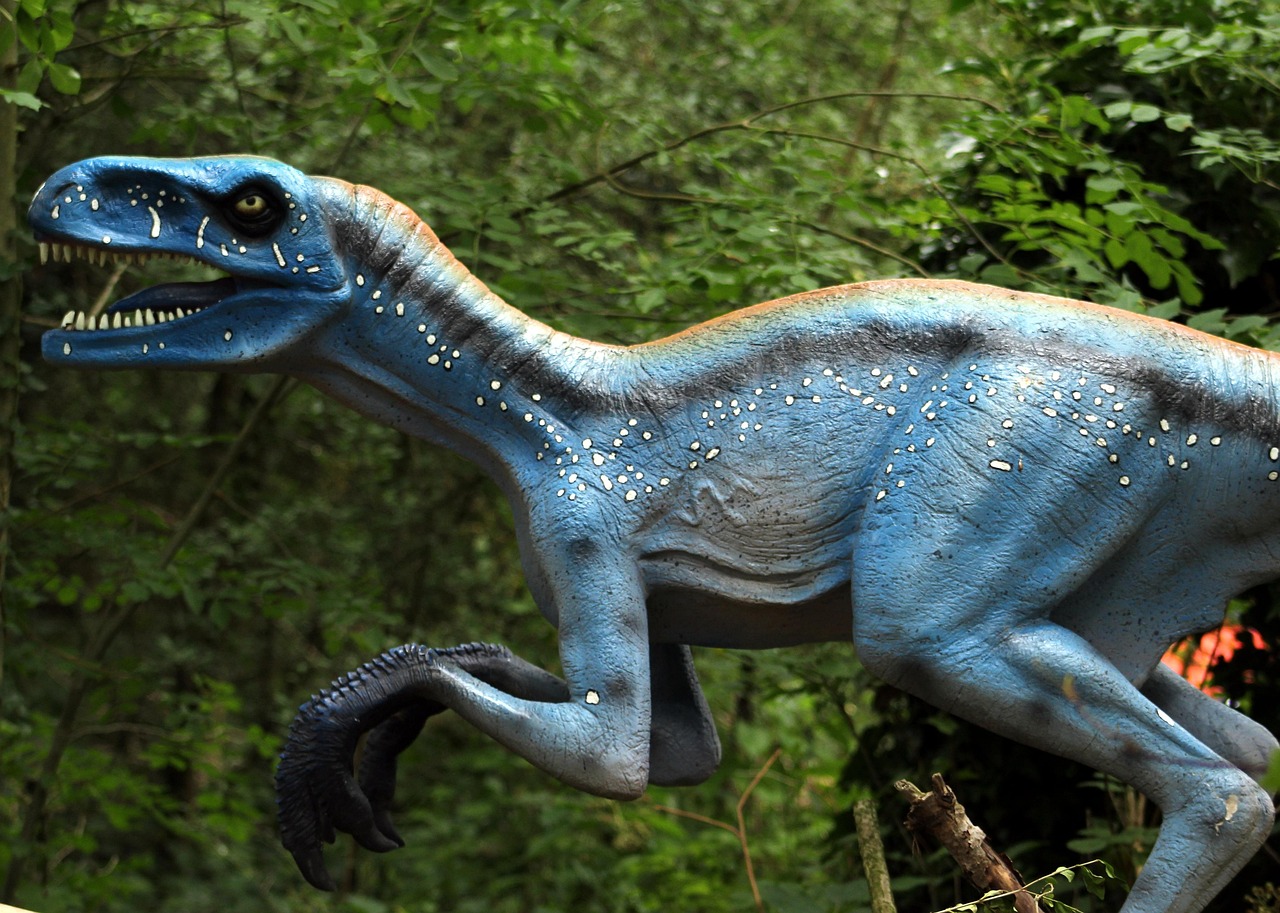
The growing consensus about the endothermy of dinosaurs helps understand their full extinction in contrast with their close relatives, the crocodilians – ectothermic crocodiles have very limited needs for food, while endothermic animals of similar size need much more food to sustain their faster metabolism.
This metabolic demand became a crucial vulnerability. Small dinosaurs would have been deprived of food, as herbivorous dinosaurs would have found plant material scarce and carnivores would have quickly found prey in short supply. Their high-energy lifestyle, once an advantage, became a death sentence when resources became scarce.
Lack of Survival Strategies Sealed Their Fate
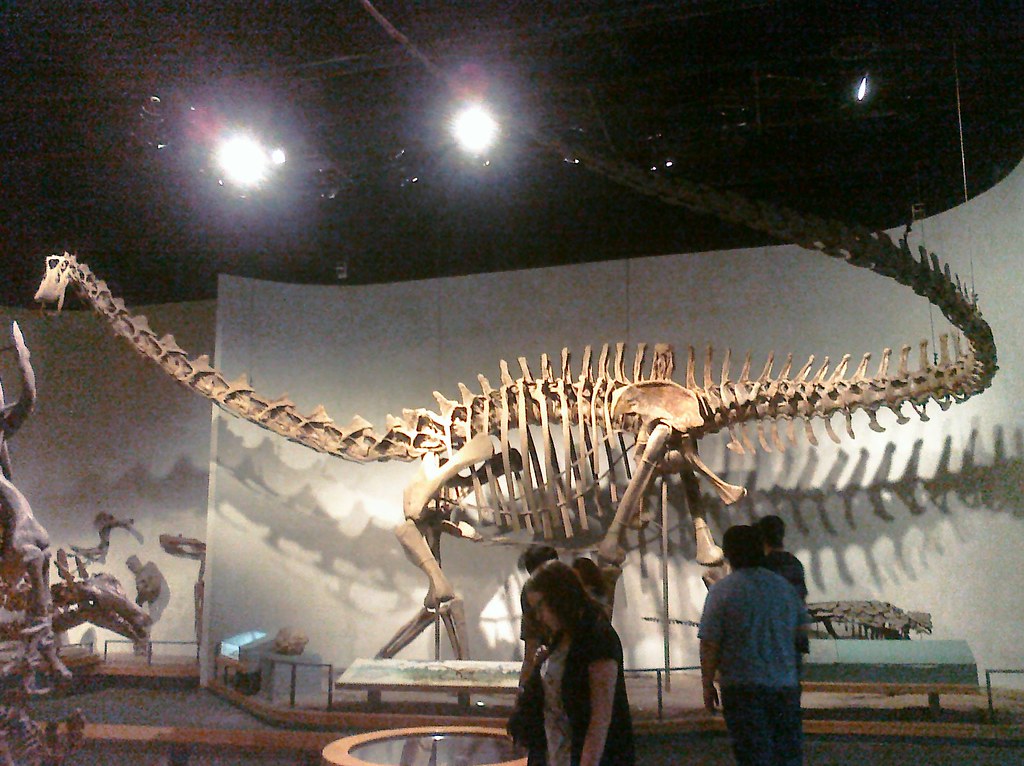
There is no evidence that late Maastrichtian non-avian dinosaurs could burrow, swim, or dive, which suggests they were unable to shelter themselves from the worst parts of any environmental stress that occurred at the K-Pg boundary. Unlike their mammalian contemporaries, dinosaurs lacked the behavioral flexibility to hide from catastrophe.
Transient selectivity against large-bodied taxa cannot alone explain the eradication of small-bodied archaic birds and non-avian dinosaurs, some of which were around the size of many mammals that did survive – high abundances, omnivorous and seed-eating diets, cathemeral habits, more rapid development, and behavioral plasticity might have enabled certain smaller taxa to survive.
The Final Moments Preserved in Stone
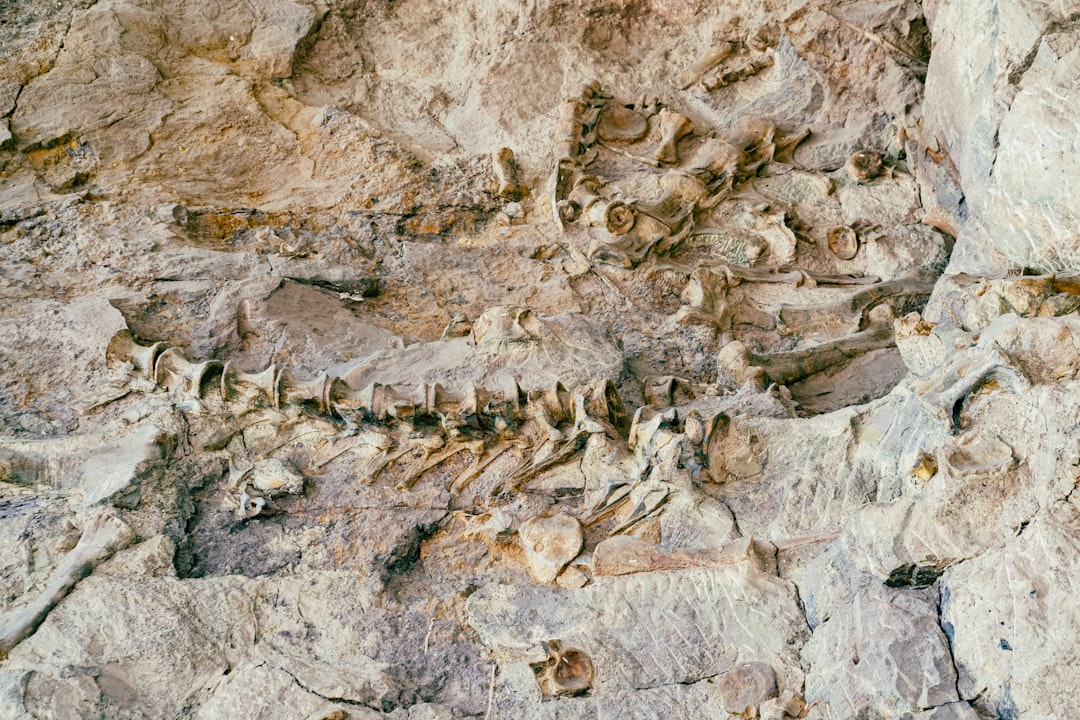
The Tanis site offers an unprecedented glimpse into those final hours. What we’ve got there is the geologic equivalent of high-speed film of the very first moments after the impact. Researchers have found fossilized remains of fish and a dinosaur in North Dakota at a site they have called “Tanis,” and they believe the creatures died on the very day of the asteroid impact.
This unique fossilized graveyard – fish stacked one atop another mixed with burned tree trunks and conifer branches, dead mammals, a pterosaur egg, a mosasaur and insects, the carcass of a Triceratops and seaweed and marine snails called ammonites – was unearthed over the past six years. The chaos of that day is written in stone, showing a world that went from prehistoric paradise to apocalyptic nightmare in minutes.
Conclusion: The Gradual Build-Up to Catastrophe
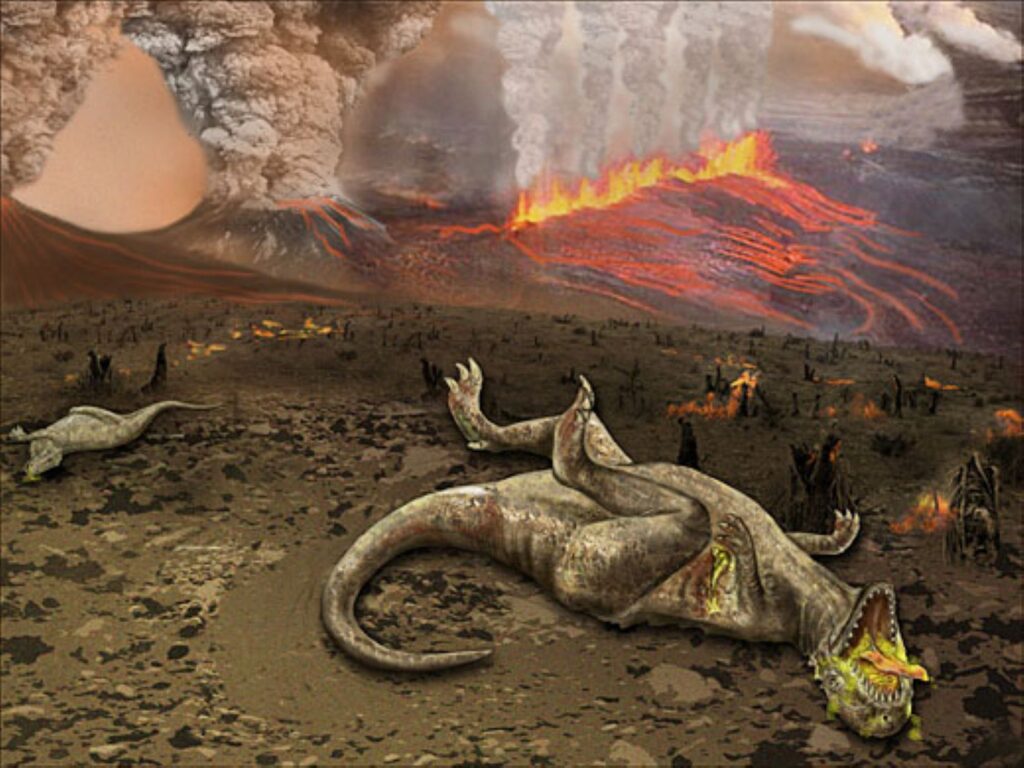
So did dinosaurs sense their end was near? The scientific evidence suggests they lived through a long period of environmental stress and declining diversity that lasted millions of years before the final asteroid impact. While they couldn’t have predicted the cosmic collision that sealed their fate, they were already struggling with climate change, ecosystem disruption, and reproductive challenges.
The story of dinosaur extinction isn’t just about a single catastrophic day – it’s about a gradual weakening of their evolutionary resilience over millions of years, followed by a final blow they simply couldn’t survive. Their world was already changing, and they may have felt it in ways we’re only beginning to understand. Makes you wonder – if creatures that dominated terrestrial ecosystems for over 160 million years couldn’t adapt fast enough, what does that tell us about our own ability to handle rapid environmental change?