Picture the most desolate, frozen place on Earth, a continent where temperatures plunge beyond imagination, where howling blizzards last for months, and where the very idea of a living, breathing ecosystem seems laughable. Now picture that same continent teeming with thundering dinosaurs, dense swampy forests, and rivers glinting under a warm prehistoric sun. Sounds impossible, right?
Yet that is exactly what science is telling us. Buried beneath Antarctica’s ancient ice lies one of the most shocking stories in the history of life on Earth. Paleontologists have been piecing together a puzzle that flips everything you thought you knew about the frozen continent completely on its head. So let’s dive in.
Antarctica Was Not Always the Frozen Wasteland You Think It Is
Let’s be real, when most people think of Antarctica, they imagine a cold, forbidding desert of eternal ice. But you might be surprised to learn how radically different it once was. Antarctica was once quite a warm continent, even tropical. That is not a poetic exaggeration. It is hard geology telling us a story far stranger than fiction.
The mid-Cretaceous was the heyday of the dinosaurs but was also the warmest period in the past 140 million years, with temperatures in the tropics as high as 35 degrees Celsius and sea level 170 metres higher than today. During this extraordinary window of time, Antarctica sat in conditions so different from today that you would barely recognize the place. The continent was literally another world.
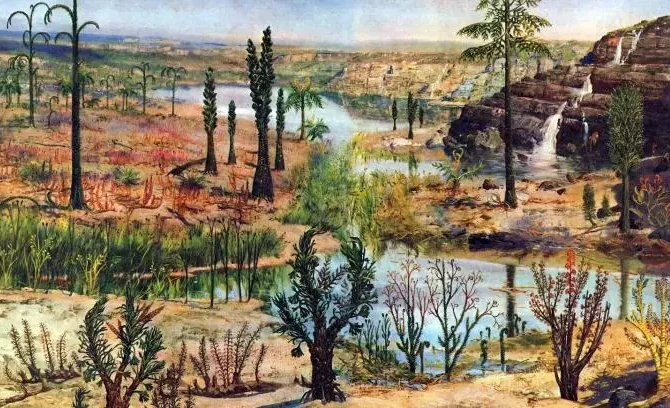
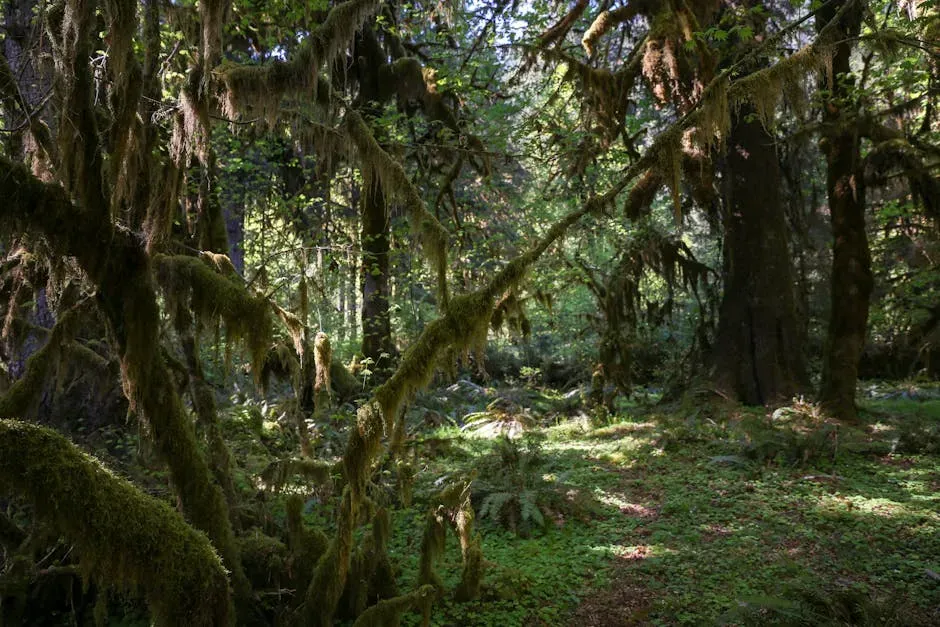
Researchers have found evidence of rainforests near the South Pole 90 million years ago, suggesting the climate was exceptionally warm at the time. A team from the UK and Germany discovered forest soil from the Cretaceous period within 900 km of the South Pole. Their analysis of the preserved roots, pollen and spores shows that the world at that time was a lot warmer than previously thought. Think about that for a moment. Rainforest soil, nearly at the South Pole. Jaw-dropping is an understatement.
The Supercontinent Connection: How Gondwana Made It All Possible
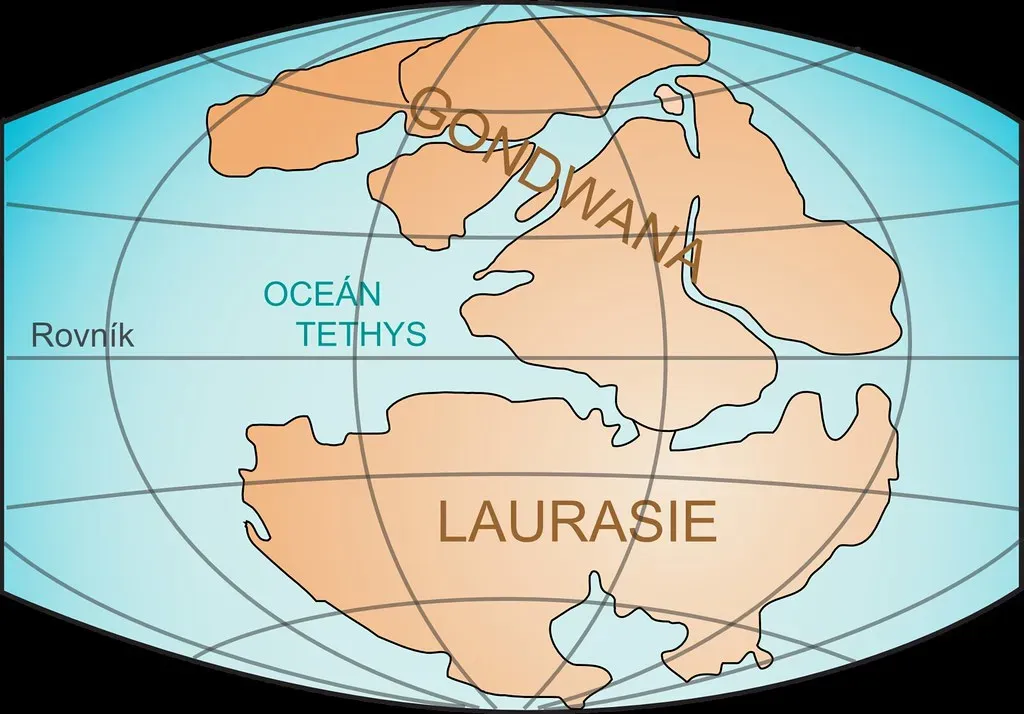
To understand why dinosaurs lived in Antarctica, you first have to understand the grand continental puzzle that shaped the southern half of our planet. Gondwana was an ancient supercontinent that incorporated present-day South America, Africa, Arabia, Madagascar, India, Australia, and Antarctica. It was fully assembled by Late Precambrian time, some 600 million years ago, and the first stage of its breakup began in the Early Jurassic Period, about 180 million years ago. Think of Gondwana as the original neighborhood where all the southern continents lived together before going their separate ways.
Antarctica, the centre of the supercontinent, shared boundaries with all other Gondwana continents and the fragmentation of Gondwana propagated clockwise around it. This means Antarctica was quite literally the hub of the entire southern world. Dinosaurs could, in theory, walk from what is now South America or Australia straight into Antarctica without crossing any ocean at all. It was one vast, interconnected landmass. The breakup of this supercontinent is ultimately what sealed Antarctica’s fate as an icy wilderness, but that came much, much later. Australia separated from Antarctica around 45 million years ago, opening the Southern Ocean and establishing the Antarctic Circumpolar Current, a pivotal event that isolated Antarctica and triggered its glaciation.
The First Frozen Discoveries That Shocked the Scientific World
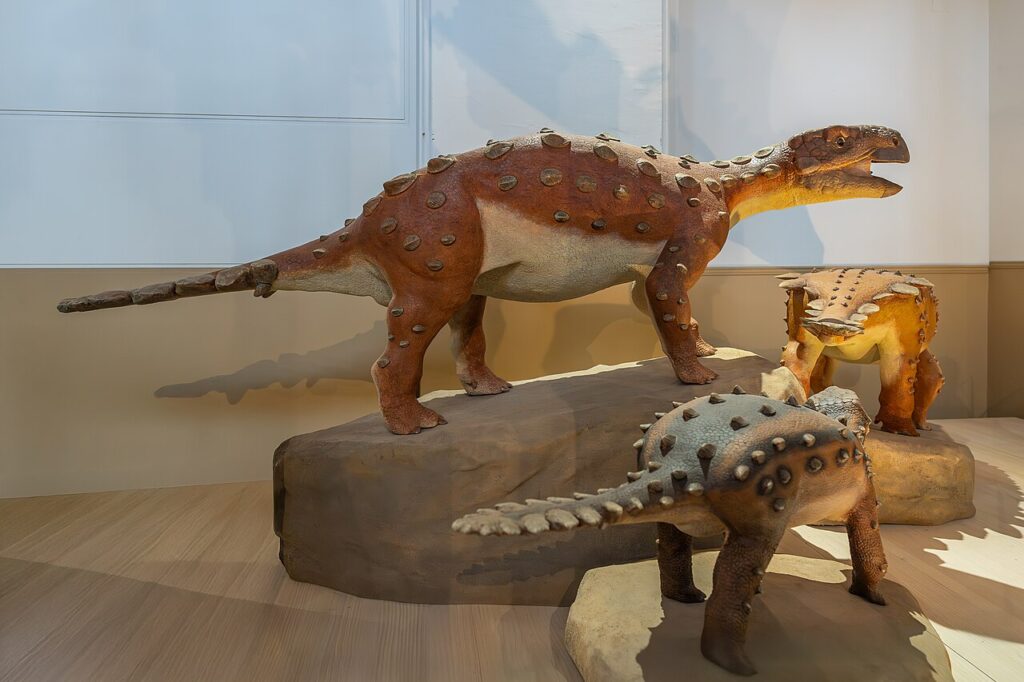
Here’s the thing about Antarctic paleontology: the discoveries didn’t come easy. The continent fights back against researchers with brutal cold, impossible logistics, and ice that buries everything. Yet the fossils kept coming. Fossils of a Late Cretaceous ankylosaur, Antarctopelta, found on James Ross Island off the Antarctic Peninsula in 1986 were the initial dinosaur remains identified in Antarctica. The first dinosaur fossils identified on the White Continent proper were found in the Transantarctic Mountains on a 1990-1991 expedition. The Early Jurassic species discovered were two brand-new to paleontologists: the theropod Cryolophosaurus ellioti and the sauropodomorph Glacialisaurus hammeri.
Scientists poking through volcanic rubble in the mountains of Antarctica stumbled upon the 200 million-year-old remains of dinosaurs, marking the first time the extinct beasts had been found so far south. The discovery expanded the range of the dinosaurs and proved they roamed widely across every continent, including what is now Antarctica. You can almost feel the electric shock that rippled through the paleontology community. Every continent. Every single one. Antarctica included. That changes everything about how we imagine the ancient world.
Meet Cryolophosaurus: Antarctica’s Very Own Apex Predator
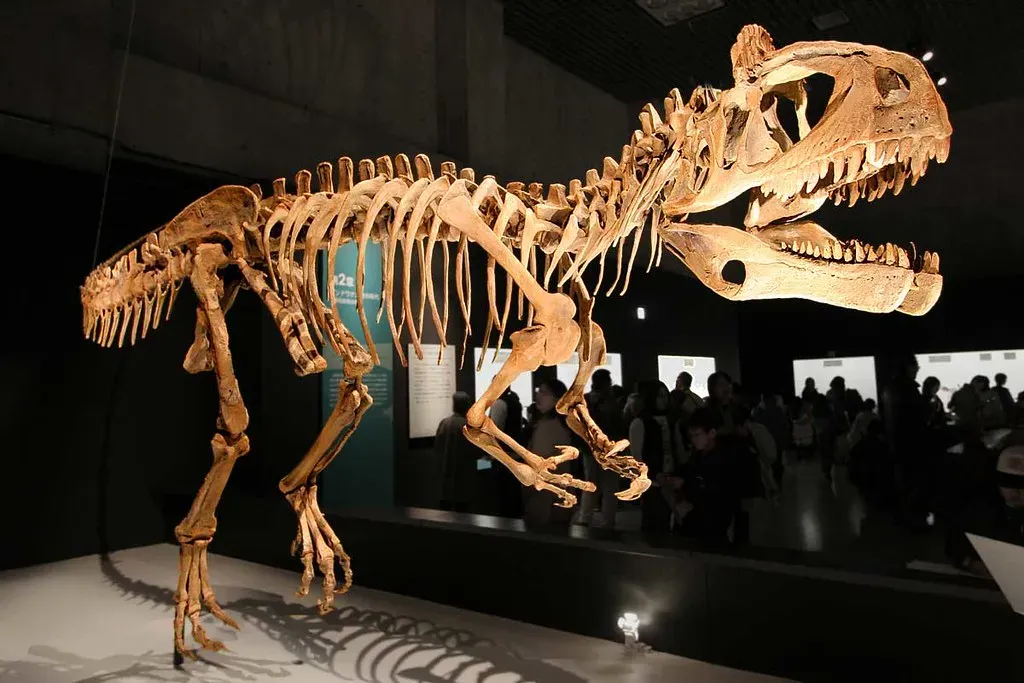
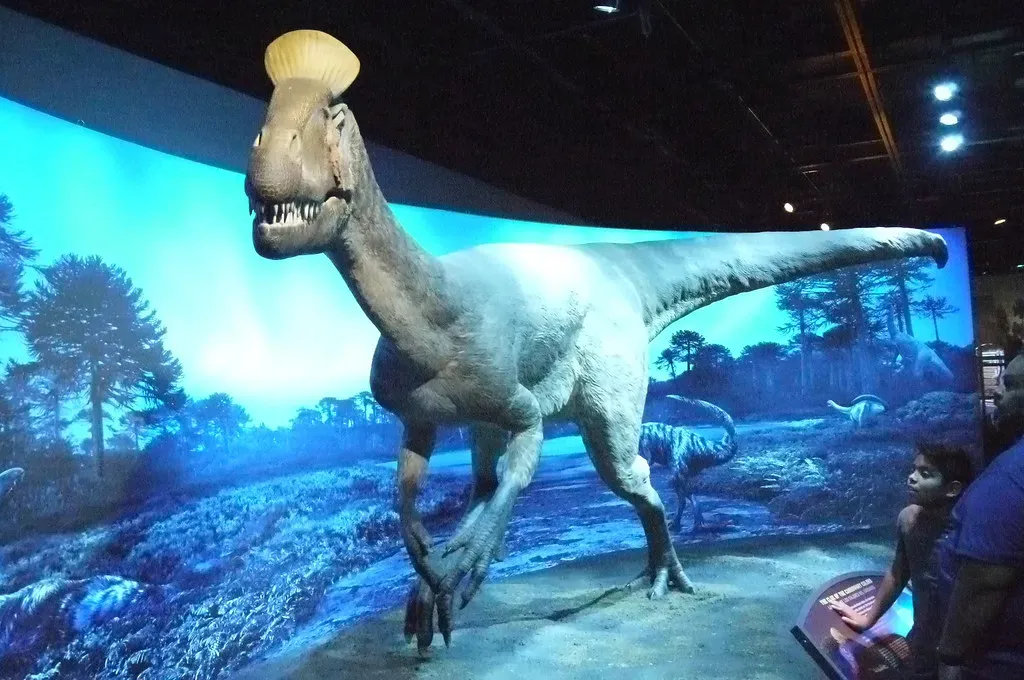
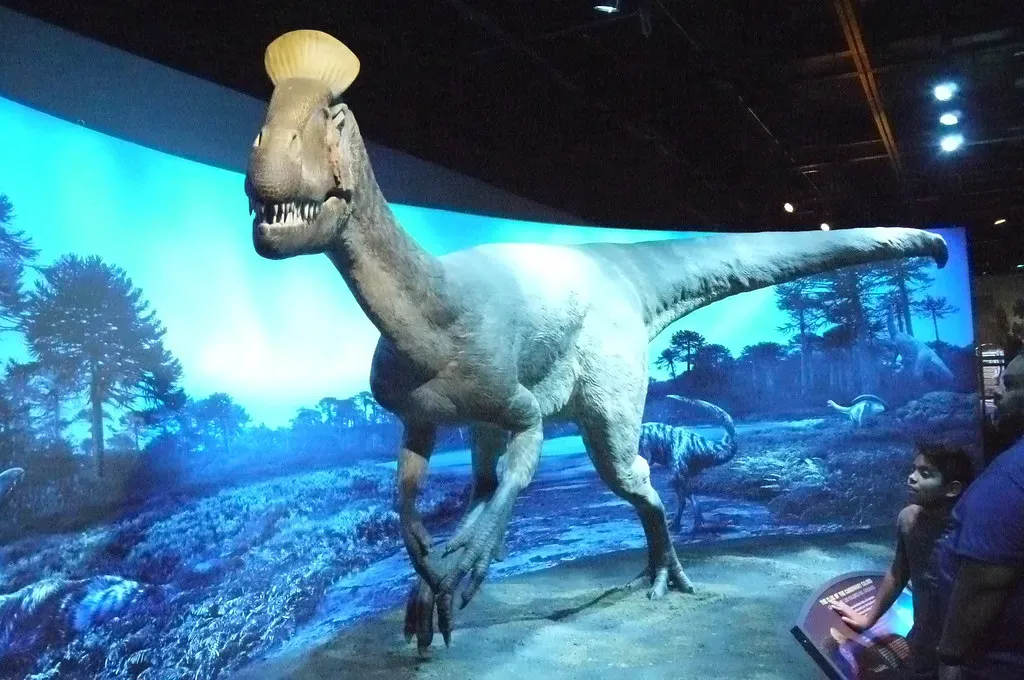
Of all the dinosaurs discovered on the frozen continent, none captured the imagination quite like Cryolophosaurus. Among the most significant discoveries is Cryolophosaurus ellioti, dubbed “Elvisaurus” for its distinctive pompadour-like head crest. This massive predator, measuring up to 26 feet long, roamed Antarctica during the Early Jurassic period, around 190 million years ago. The discovery of this apex predator shattered assumptions about dinosaur diversity in polar regions and provided crucial insights into early theropod evolution. The “Elvisaurus” nickname? Honestly, it fits. That crest is something else.
Cryolophosaurus was one of the largest theropods, meaning meat-eating dinosaurs, of its time. This dinosaur is also notable for its head crest, which looks a bit like a Spanish comb. Honesty compels me to say this creature sounds almost theatrical. A massive carnivore prowling a warm Antarctic forest, sporting a decorative crest on its head, 190 million years before humans even existed. The presence of such a massive carnivore implies a robust food chain with plenty of prey species, suggesting that Antarctica’s prehistoric environment was far more complex and productive than previously imagined. Its unique crest structure also indicates that even in these ancient polar environments, dinosaurs were developing elaborate display features for communication and mating.
Seymour Island: Antarctica’s Most Extraordinary Fossil Treasure Chest
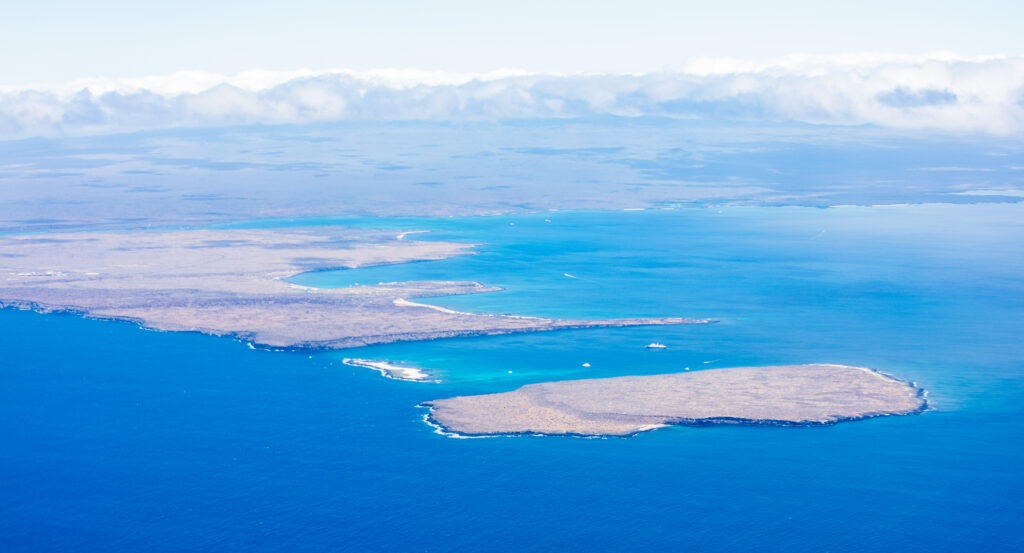
If you could point to one place on the entire Antarctic continent and say “this is where the prehistoric magic truly lives,” Seymour Island would win that title without contest. Seymour Island, just off the Antarctic Peninsula, is one of the most important fossil sites on Earth. That is a bold claim given the competition worldwide, but the evidence behind it is staggering. Seymour Island was once called the ‘Rosetta Stone’ of Southern Hemisphere paleobiology, because this small island provides the most complete and richly fossiliferous Late Cretaceous-Paleogene sequence in Antarctica.
What makes it truly remarkable is not just what has been found there, but the fact that it preserves a moment in time that most places on Earth have lost forever. The Cretaceous-Paleogene boundary crops out on Seymour Island in the upper levels of the López de Bertodano Formation. A small but significant iridium anomaly occurs at the boundary on Seymour Island, as at lower latitudes, thought to be fallout from the Chicxulub impactor in the Gulf of Mexico. You are, in a sense, standing at the very moment the dinosaurs were wiped out when you stand at that geological layer. The discovery of Trinisaura, an ornithopod dinosaur, found there also added another fascinating layer. Trinisaura is a genus of ornithopod dinosaur that lived during the late Campanian stage of the Upper Cretaceous, around 73 to 72 million years ago in what is now James Ross Island off the coast of northern Antarctica near Patagonia.
What Antarctica’s Ancient Climate Tells Us About Our Own Future
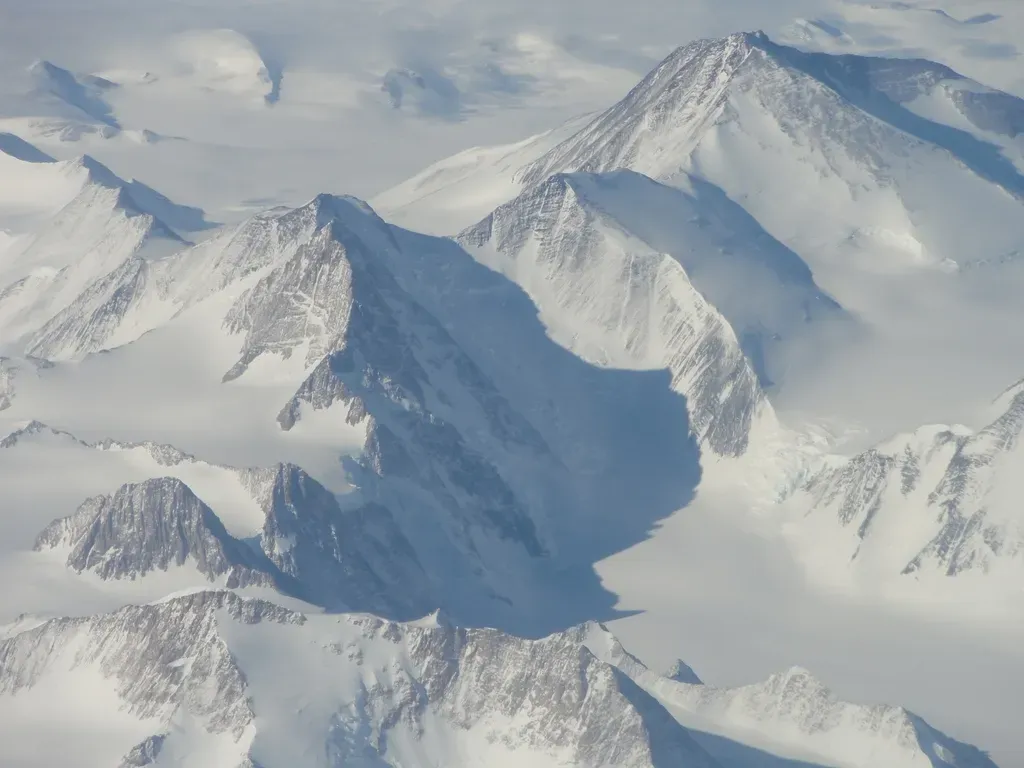
This is where the story stops being purely about the ancient past and starts feeling uncomfortably relevant to the present. The conditions that allowed dinosaurs to thrive in Antarctica were driven by extremely high concentrations of atmospheric carbon dioxide. To get these conditions, the researchers conclude that 90 million years ago the Antarctic continent was covered with dense vegetation, there were no land-ice masses on the scale of an ice sheet in the South Pole region, and the carbon dioxide concentration in the atmosphere was far higher than previously assumed for the Cretaceous. That is not merely an interesting historical footnote. It is a direct window into what a high-carbon world actually looks like.
They found that the annual mean air temperature was around 12 degrees Celsius, roughly two degrees warmer than the mean temperature in Germany today. Average summer temperatures were around 19 degrees Celsius; water temperatures in the rivers and swamps reached up to 20 degrees; and the amount and intensity of rainfall in West Antarctica were similar to those in today’s Wales. It’s hard to say for sure just how closely we mirror the climate drivers of the Cretaceous, but the parallels between rising CO2 levels then and now are genuinely difficult to ignore. These findings illustrate the powerful effect that carbon dioxide has on the planet and the importance of polar ice sheets in cooling the planet. The frozen continent itself is serving as a 90-million-year-old warning written in rock and soil.
Conclusion
Antarctica, you realize, is anything but a dead continent. It is a living library, its bedrock holding the frozen records of a world almost unrecognizable from our own. Dinosaurs did not merely survive there. They thrived, evolved, hunted, and built complex ecosystems at the very bottom of the world. The bones embedded in the Transantarctic Mountains and the fossilized forests beneath the ice tell a story that humbles every assumption we bring to the natural world.
Antarctica’s fossil record speaks to vanished ages when the White Continent supported much greater diversity of terrestrial life and a climate radically different from today’s ice-cap frigidity. From fossilized leaves to the petrified eggs of great Mesozoic sea reptiles, the bedrock of Antarctica has turned up some remarkable prehistoric treasures. Every new dig season, every new expedition braving the cold, peels back another layer of that story. There is almost certainly more waiting under the ice, and honestly, that thought is both thrilling and a little humbling.
The next time you see an image of Antarctica, all white and windswept and seemingly lifeless, maybe picture a crested carnivore stalking through a swampy rainforest where penguins now waddle. The truth of our planet’s past is always stranger, richer, and more extraordinary than we expect. What does it make you think about the Earth we know today?