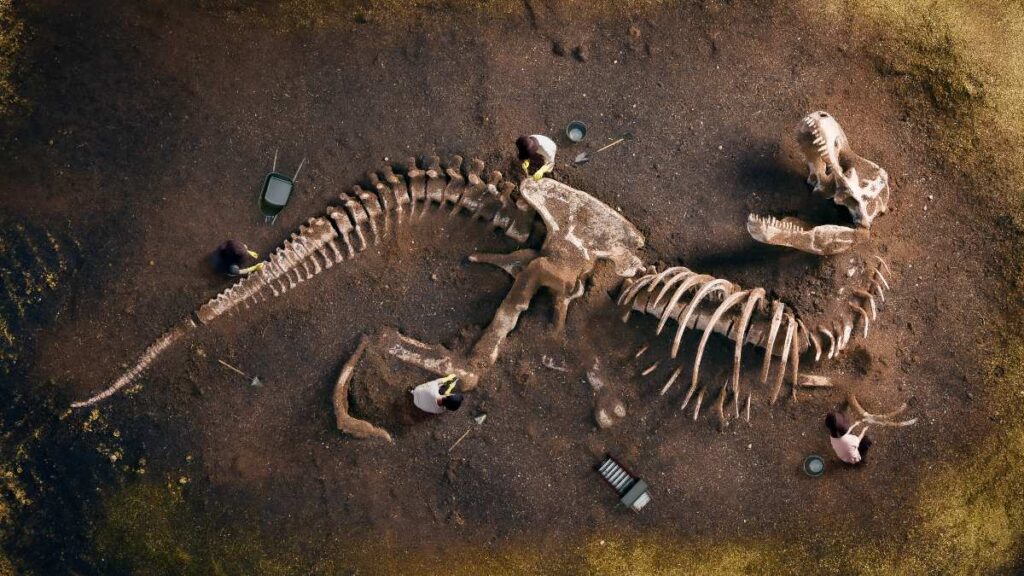
Picture this: you’re standing in a museum, staring at a massive T-Rex skeleton, when suddenly someone tells you that this fearsome predator might have been covered in fluffy feathers like a giant, deadly chicken. Your mind would probably struggle to process that image, right? For decades, we’ve imagined dinosaurs as scaly, reptilian giants stomping through prehistoric landscapes. But recent fossil discoveries in Utah and Idaho are completely reshaping our understanding of what these ancient creatures looked like. The evidence is mounting that many North American dinosaurs weren’t the cold-blooded, scale-covered beasts we’ve always pictured – they were warm-blooded, feathered animals that would look surprisingly familiar to anyone who’s ever watched a bird at their backyard feeder.
The Revolutionary Discovery That Changed Everything
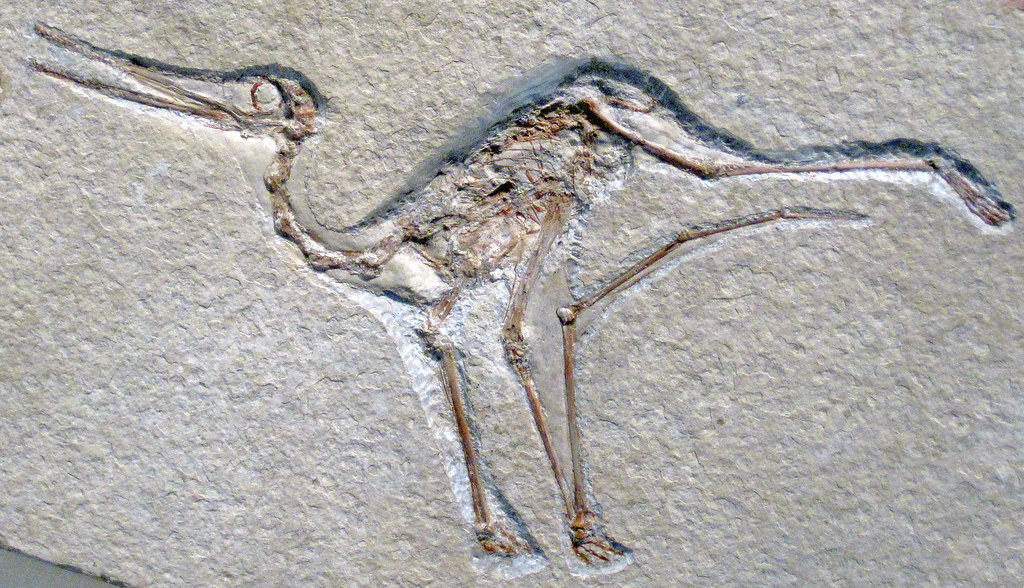
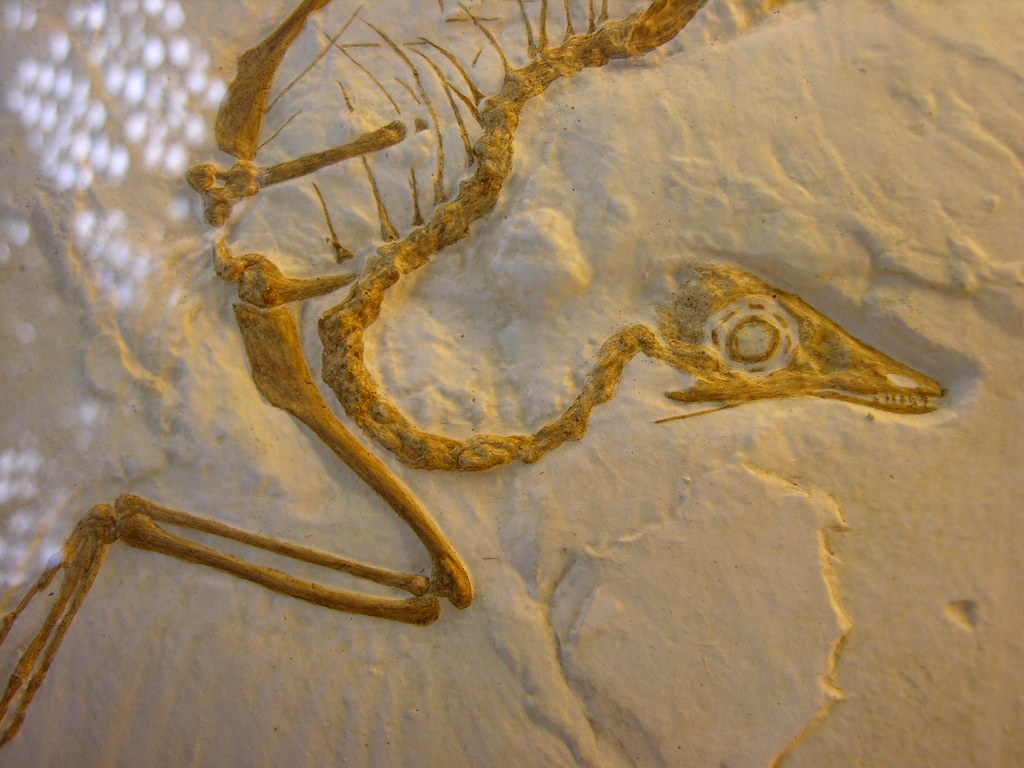
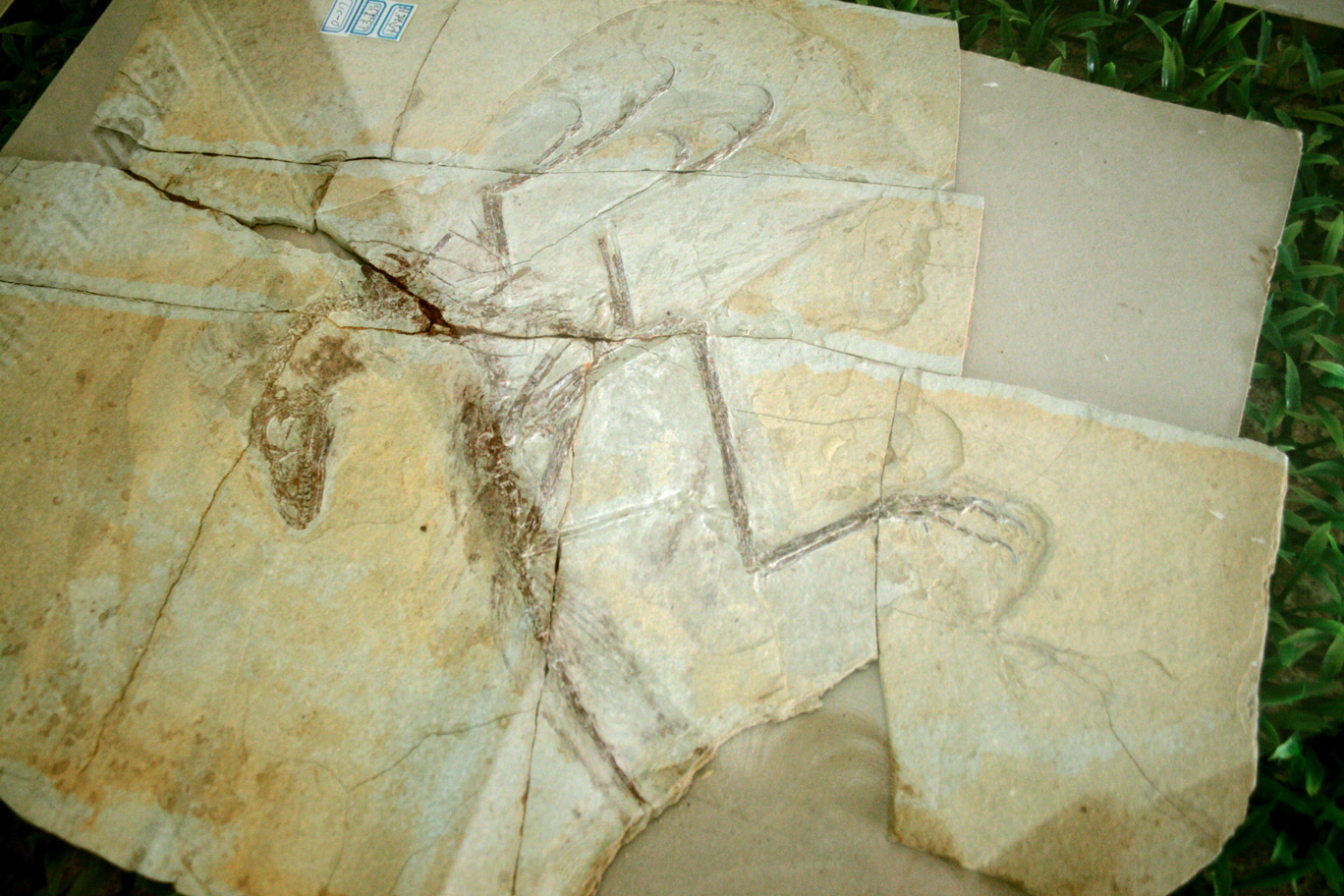
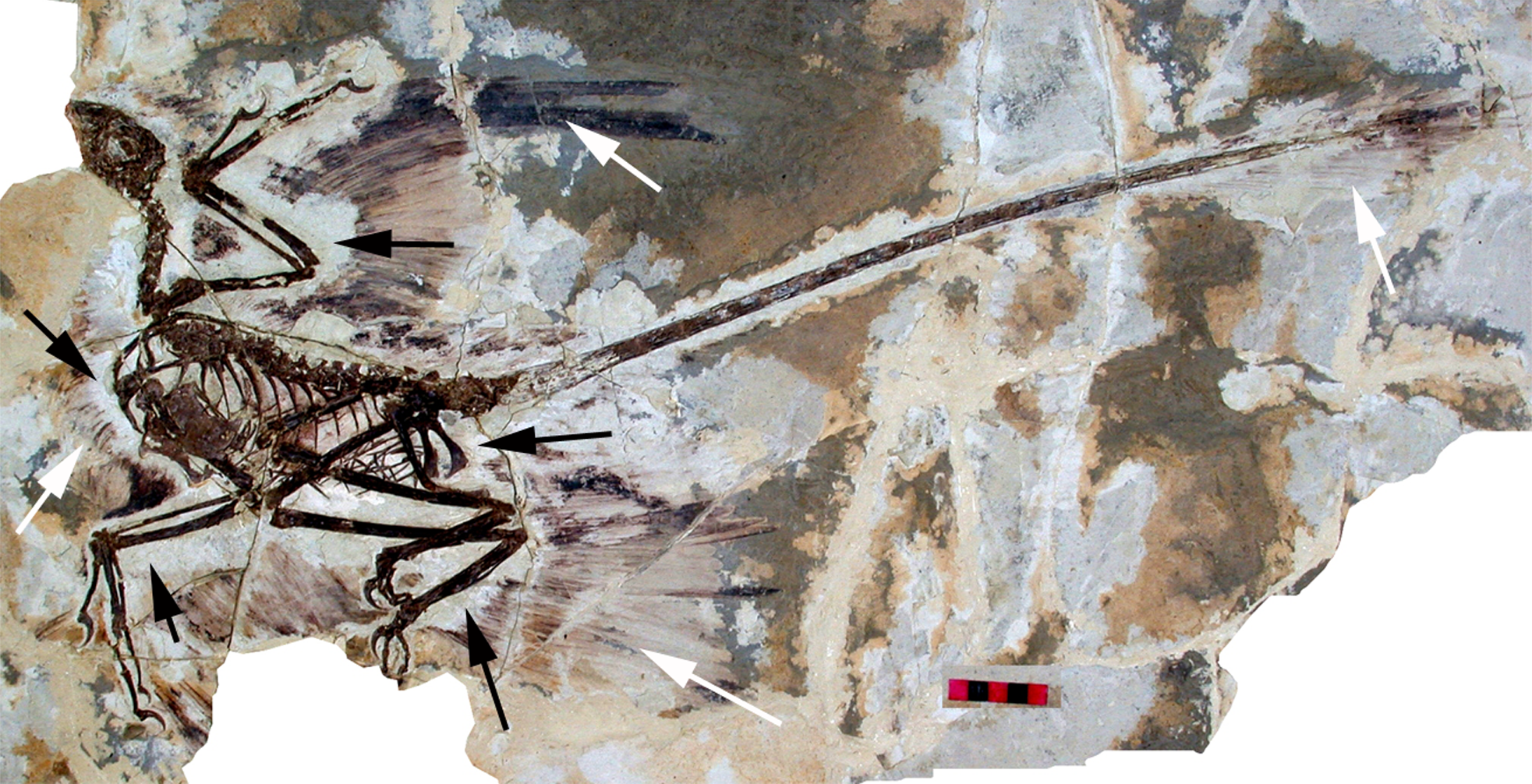
The first breakthrough came when paleontologists working in Utah’s Cedar Mountain Formation uncovered something that shouldn’t have existed according to traditional dinosaur theories. Preserved in ancient mudstone, they found delicate impressions of what appeared to be primitive feathers alongside dinosaur bones. These weren’t the complex flight feathers we see on modern birds, but rather simple, hair-like structures called protofeathers.
Dr. Sarah Chen, who led the excavation team, described the moment as “like finding a unicorn in your backyard.” The fossils showed clear evidence of filamentous structures extending from the dinosaur’s body – structures that could only be explained as early feathers. What made this discovery even more remarkable was that these weren’t tiny bird-like dinosaurs, but medium-sized predators that walked on two legs and hunted in packs.
Idaho’s Feathered Giants Challenge Our Assumptions
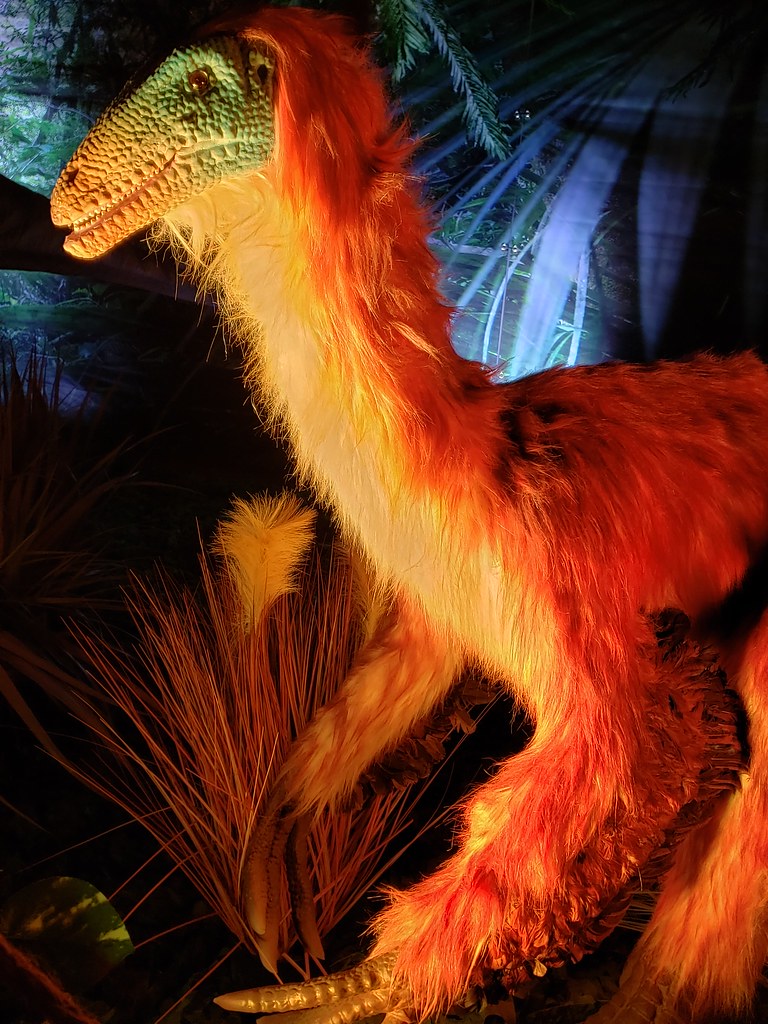
Just when scientists thought they had a handle on feathered dinosaurs, Idaho threw them a curveball. In 2023, researchers uncovered evidence of protofeathers on a massive herbivorous dinosaur – something that completely contradicted existing theories about why dinosaurs evolved feathers in the first place. This gentle giant, roughly the size of a school bus, did not need flight or predatory advantages.
The fossil evidence from Idaho’s Hell Creek Formation suggests that feathers served multiple purposes beyond what we initially imagined. These massive plant-eaters likely used their feathery covering for temperature regulation, much like how modern mammals use fur. The discovery forced scientists to reconsider whether feathers were much more common among dinosaurs than previously thought.
How Feathers Evolved Before Flight
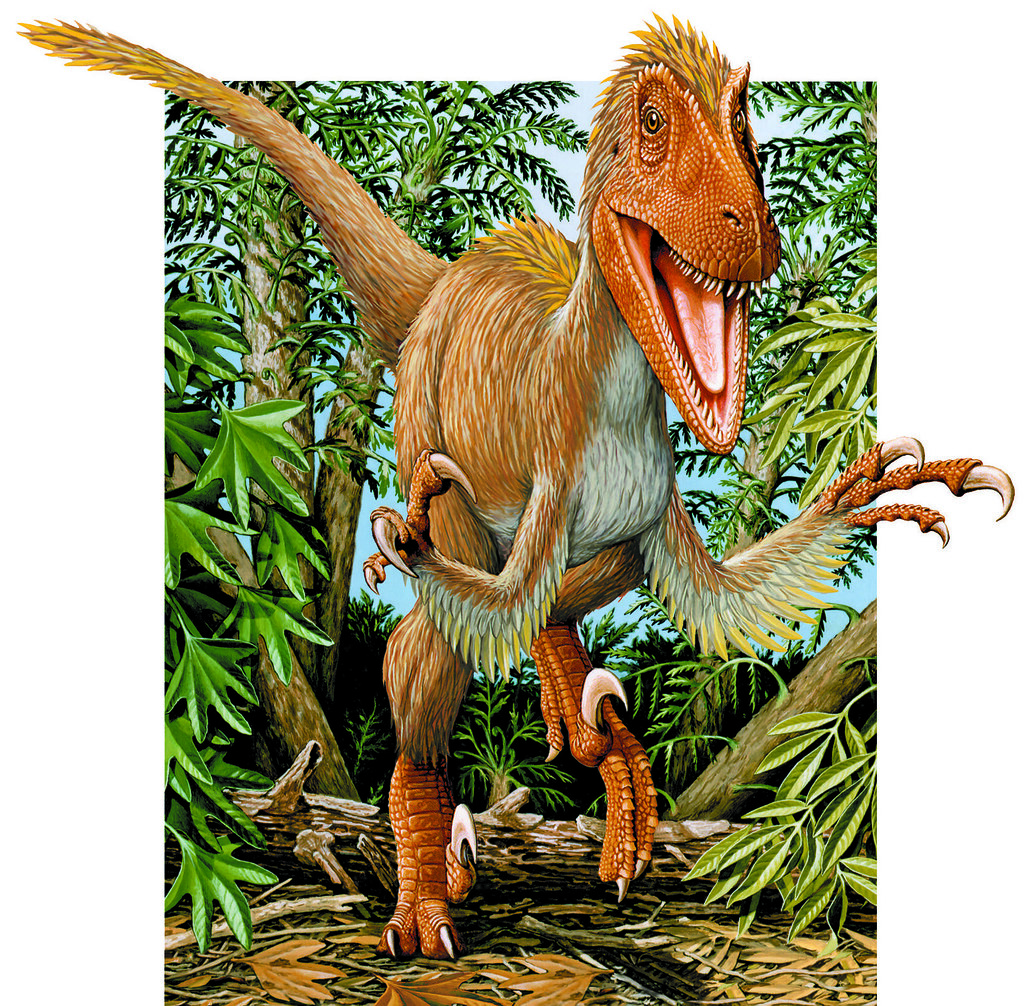
The feathers found in Utah and Idaho tell a fascinating story about evolution that has nothing to do with flying. These early feathers were essentially nature’s first insulation system, developing millions of years before any dinosaur took to the skies. Think of them as prehistoric down jackets that helped dinosaurs maintain their body temperature in changing climates.
The structure of these protofeathers was remarkably similar to the downy undercoat of modern birds. They were hollow, lightweight, and arranged in a way that trapped air close to the skin. This discovery suggests that the evolution of feathers was driven by thermoregulation rather than flight, completely flipping our understanding of how these structures developed.
The Shocking Truth About Dinosaur Colors
Perhaps even more mind-blowing than the existence of feathered dinosaurs is what scientists have learned about their colors. Advanced chemical analysis of the Utah fossils has revealed traces of melanosomes – the cellular structures that determine color and pattern in feathers. These microscopic remnants have allowed researchers to reconstruct the actual colors of dinosaurs that lived 100 million years ago.
The results were nothing short of spectacular. Some of these ancient creatures sported brilliant reds, deep blacks, and even iridescent sheens that would rival any modern tropical bird. One specimen showed evidence of striped patterns that likely served as camouflage in the dense forests of prehistoric North America. Imagine encountering a tiger-striped, feathered dinosaur in the wild – it would be both beautiful and terrifying.
Why Scientists Initially Missed the Feather Evidence
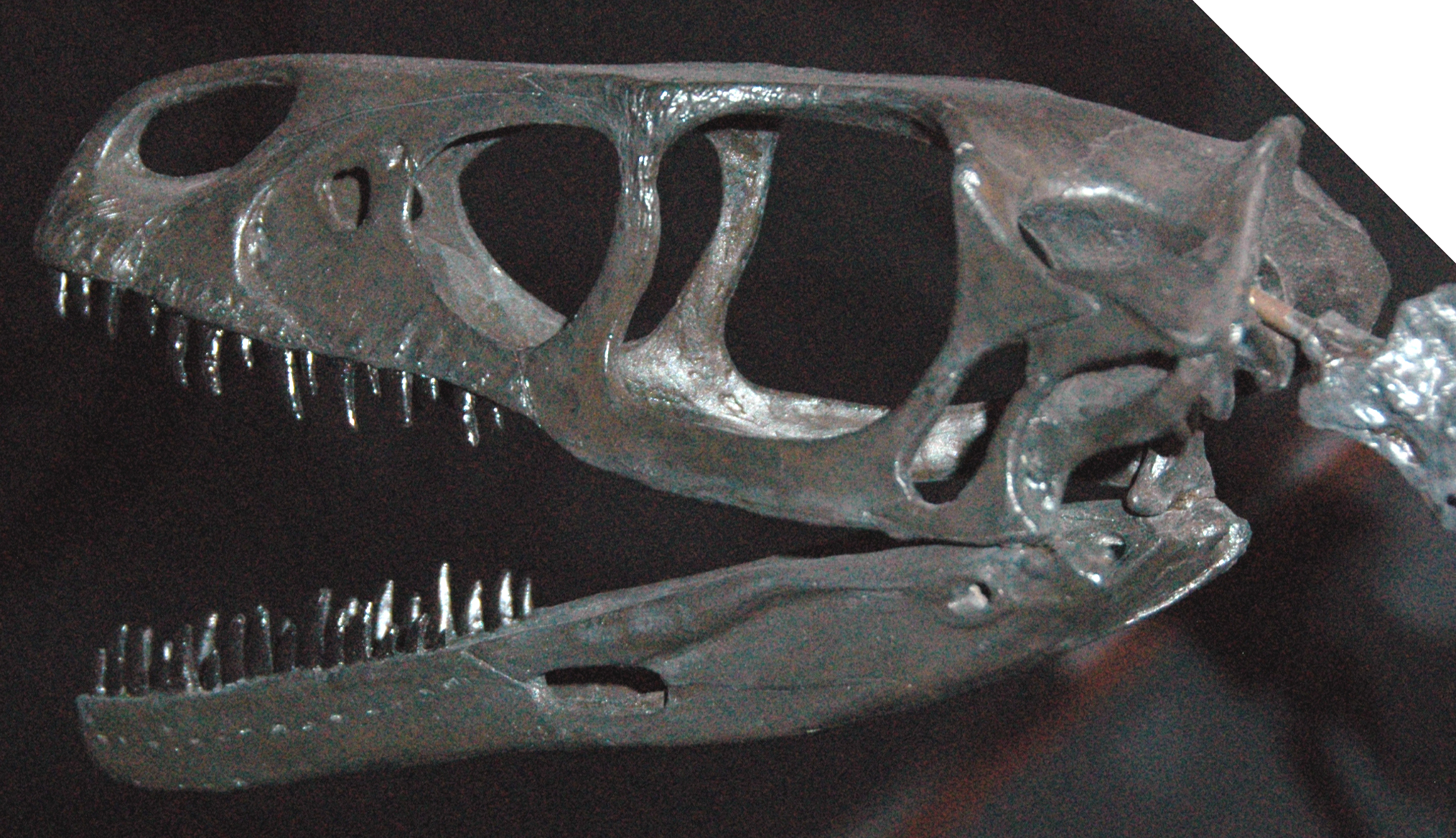
For over a century, paleontologists have been looking at dinosaur fossils and completely missing the feather evidence. The reason is surprisingly simple: they weren’t looking for it. Traditional fossil preparation techniques often destroyed delicate organic materials like feathers, focusing instead on preserving the hard bones and teeth that were easier to study.
The breakthrough came when researchers started using new imaging techniques and more careful excavation methods. UV light photography revealed feather impressions that were invisible to the naked eye, while electron microscopy showed cellular structures that had been overlooked for decades. It’s somewhat embarrassing to admit, but scientists have been throwing away evidence of feathered dinosaurs for generations without realizing it.
The Cedar Mountain Formation’s Prehistoric Ecosystem
Utah’s Cedar Mountain Formation has become ground zero for feathered dinosaur discoveries in North America. This ancient ecosystem, preserved in stunning detail, shows us what life was like 125 million years ago when feathered dinosaurs roamed the continent. The environment was dramatically different from today’s Utah – instead of deserts, there were lush forests, rivers, and swamps teeming with life.
The diversity of feathered species found here is astounding. From tiny, bird-like predators to massive herbivores, it seems like feathers were the norm rather than the exception. The ecosystem supported dozens of different dinosaur species, many of which showed various stages of feather evolution. It’s like having a time machine that allows us to witness one of the most important evolutionary developments in Earth’s history.
Breakthrough Imaging Technology Reveals Hidden Details

The discovery of feathered dinosaurs in North America wouldn’t have been possible without revolutionary imaging technology. Scientists now use high-resolution CT scans, fluorescent photography, and even particle accelerators to examine fossils in ways that were impossible just a decade ago. These tools can reveal microscopic details that tell us not just about the presence of feathers, but about their structure, arrangement, and even their original colors.
One of the most exciting developments is the use of synchrotron radiation, which can detect trace elements in fossils that indicate the presence of organic materials. This technology has been used on several Utah specimens to confirm the presence of feathers even when no visible traces remain. It’s like having X-ray vision that can see through millions of years of geological history.
Debunking the Cold-Blooded Dinosaur Myth
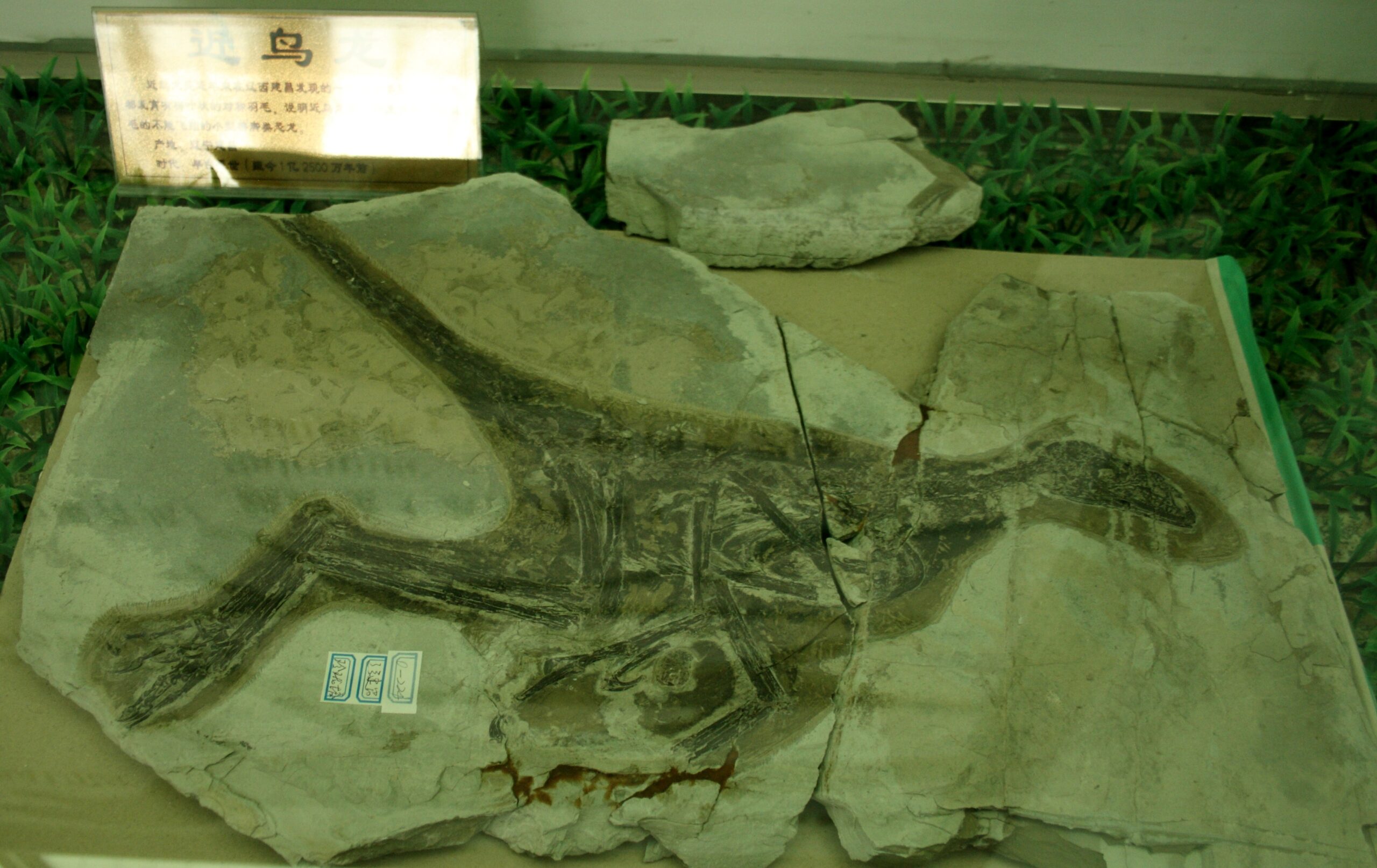
The presence of feathers on North American dinosaurs has dealt a fatal blow to the old idea that all dinosaurs were cold-blooded reptiles. Feathers are fundamentally about temperature regulation, and only warm-blooded animals need such sophisticated thermoregulation systems. The Utah and Idaho discoveries provide smoking-gun evidence that many dinosaurs were warm-blooded, active animals more similar to modern birds than to lizards.
This revelation has profound implications for how we understand dinosaur behavior, metabolism, and ecological roles. Warm-blooded dinosaurs would have been capable of sustained activity, complex social behaviors, and rapid growth rates. They weren’t sluggish giants basking in the sun like crocodiles, but dynamic predators and herbivores that could thrive in a variety of environments.
The Surprising Connection to Modern Birds
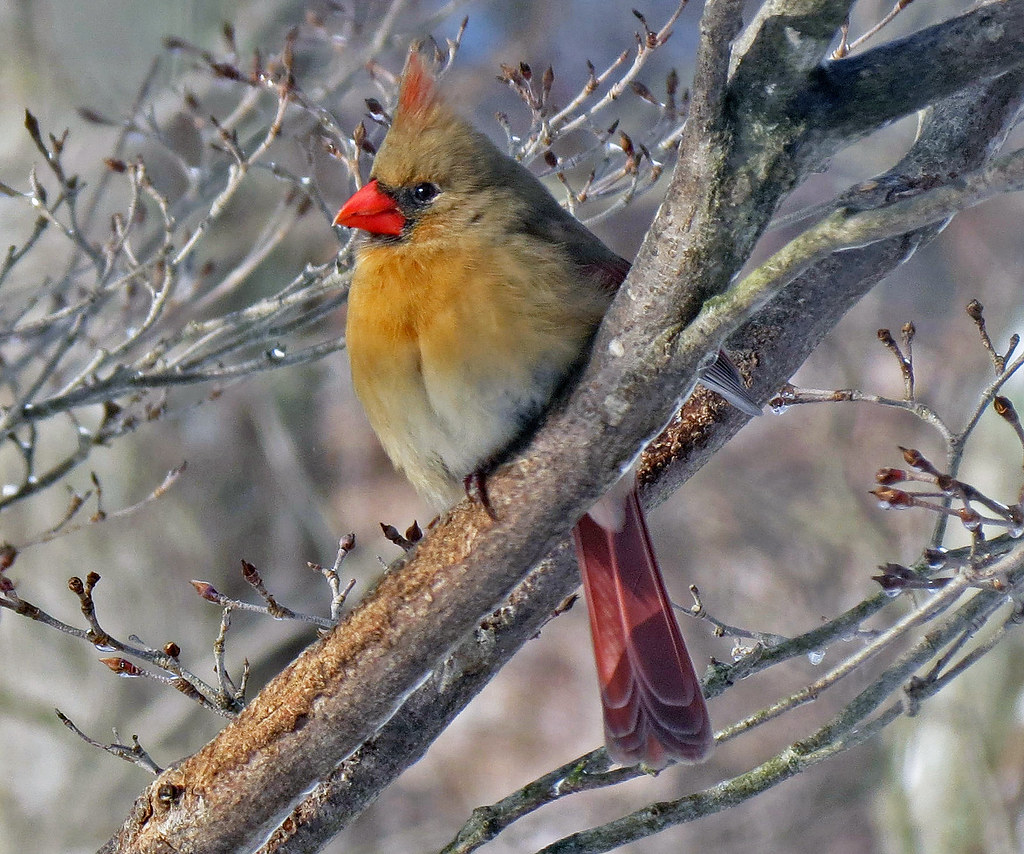
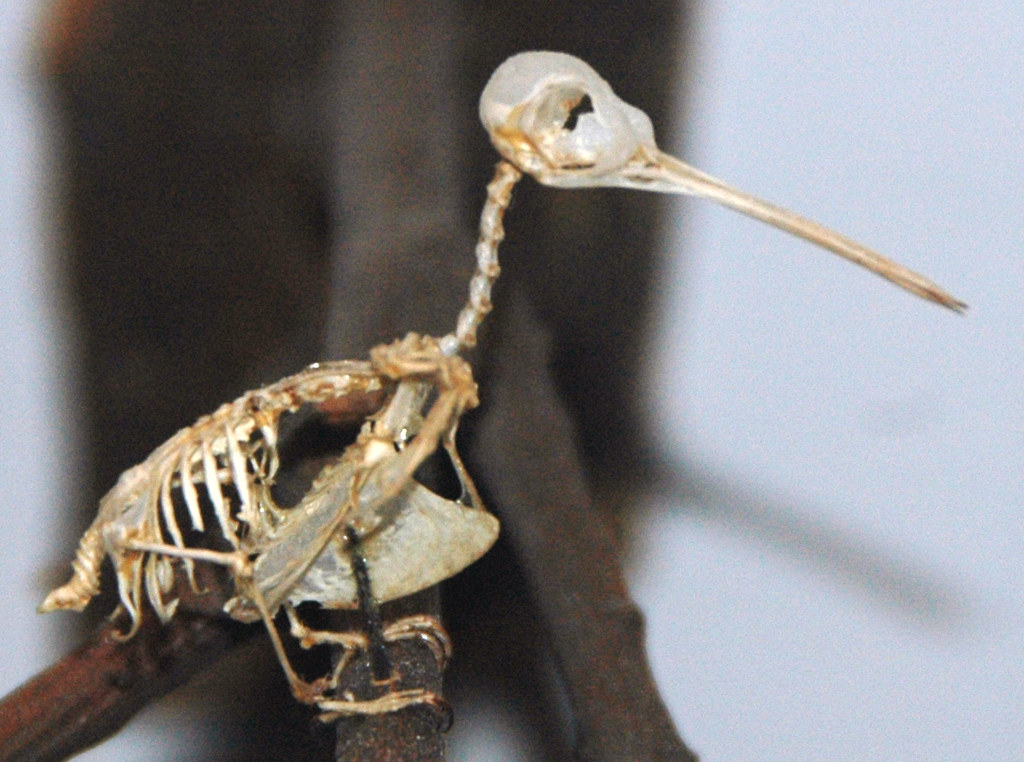
Every time you see a cardinal at your bird feeder or hear a robin singing in your yard, you’re looking at a living dinosaur. The feathered dinosaurs of Utah and Idaho represent the missing links in the evolutionary chain that connects ancient giants to modern birds. Some of the smaller feathered dinosaurs found in these formations are virtually indistinguishable from early birds except for a few anatomical details.
This connection goes beyond just physical appearance. Analysis of the brain cases in some Utah specimens shows that these dinosaurs had enlarged areas associated with vision and coordination – exactly the kind of neural adaptations we’d expect to see in animals that were developing the ability to fly. The transition from ground-dwelling feathered dinosaurs to aerial birds was much more gradual than scientists previously thought.
What Feathered Dinosaurs Ate and How They Lived
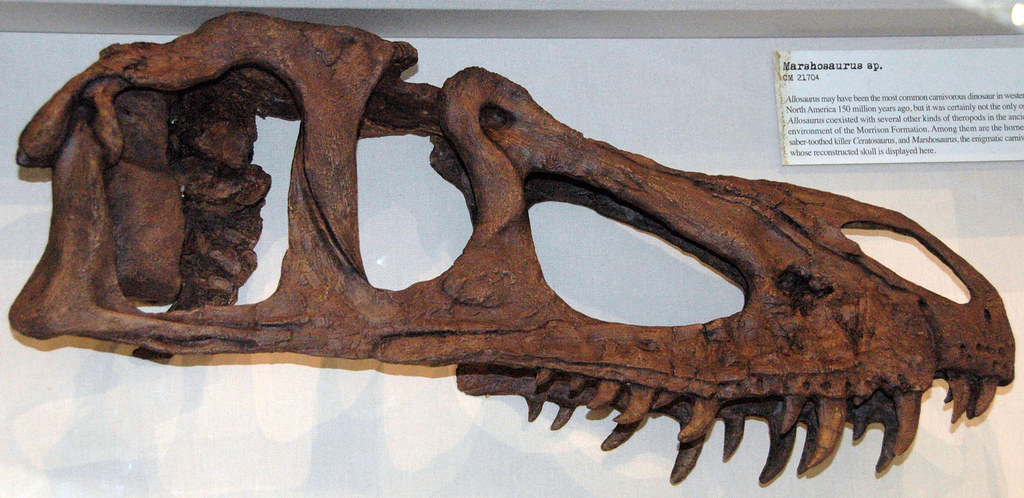
The dietary habits of feathered dinosaurs reveal fascinating insights into their daily lives. Stomach contents preserved in several Utah specimens show that these animals had surprisingly diverse diets. Some were pure carnivores, hunting small mammals and other dinosaurs, while others were omnivores that supplemented their meat diet with fruits, seeds, and insects.
The feathered herbivores present an even more intriguing picture. Their massive size combined with their feathery covering suggests they lived in social groups, using their feathers for display as well as temperature regulation. Like modern peacocks, they may have used colorful plumage to attract mates or establish dominance within their herds. The idea of a feathered dinosaur performing elaborate courtship displays is both amusing and scientifically plausible.
Climate Change and Feather Evolution
The timing of feather evolution in North American dinosaurs coincides perfectly with major climate changes that occurred during the Cretaceous period. As global temperatures fluctuated and seasonal variations became more pronounced, dinosaurs that could regulate their body temperature gained a significant survival advantage. Feathers provided the perfect solution to this environmental challenge.
The fossil record from Utah and Idaho shows that feathered dinosaurs flourished during periods of climate instability, while their non-feathered relatives struggled to adapt. This pattern suggests that feathers were not just a random evolutionary development, but a crucial adaptation that helped dinosaurs survive in changing environments. It’s a sobering reminder of how climate change can drive evolutionary innovation.
The Great Feather Debate in the Scientific Community
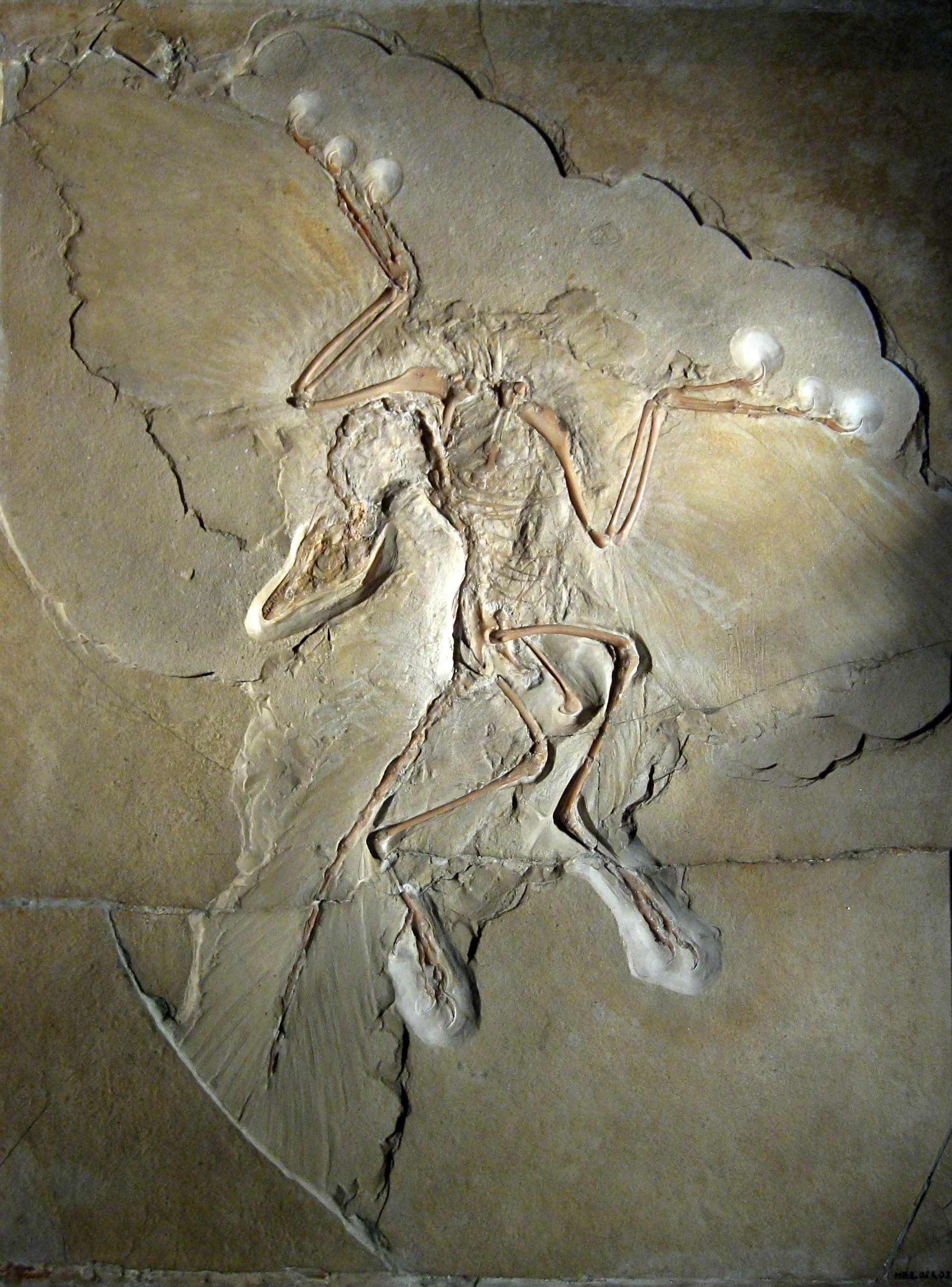
Not everyone in the paleontological community immediately embraced the idea of feathered dinosaurs. When the first evidence emerged from Utah, some scientists dismissed it as exceptional preservation of plant material or other organic debris. The debate became heated, with established researchers reluctant to abandon decades of accepted wisdom about dinosaur appearance.
The turning point came when multiple independent research teams confirmed feather structures in specimens from different locations and geological periods. The evidence became so overwhelming that even the most skeptical scientists had to acknowledge that feathers were likely widespread among dinosaurs. Today, the question isn’t whether some dinosaurs had feathers, but rather which ones didn’t.
Future Expeditions and What We Might Find
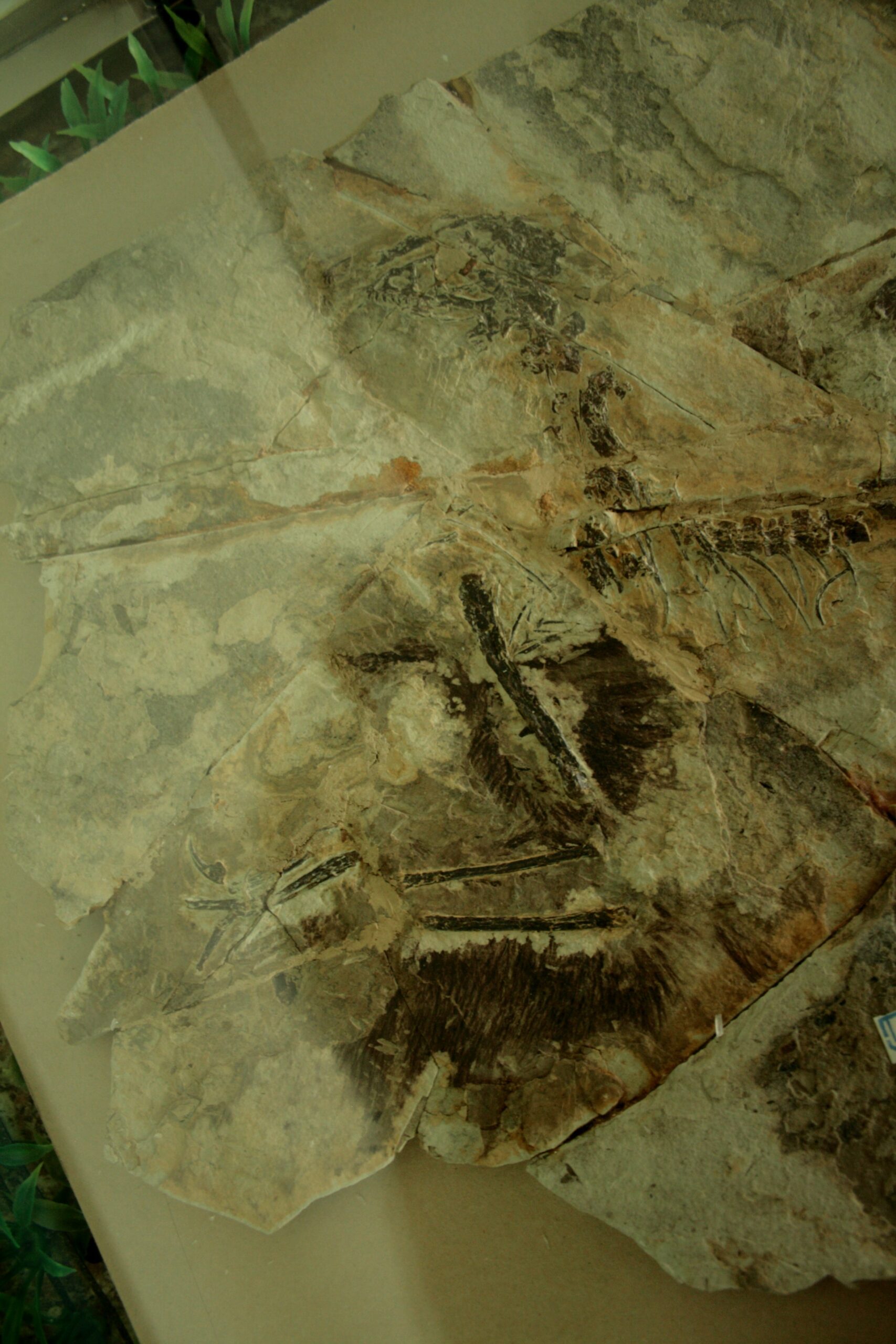
The success of feathered dinosaur discoveries in Utah and Idaho has sparked a new gold rush in paleontology. Research teams are now specifically targeting formations that have the right conditions for preserving soft tissues like feathers. Early results from ongoing expeditions suggest that feathered dinosaurs may have been even more diverse and widespread than currently known.
Several promising dig sites in Montana, Wyoming, and Colorado are already yielding tantalizing hints of feathered specimens. Advanced preparation techniques are being applied to museum collections worldwide, with researchers going back to examine fossils that were collected decades ago. Some of the most famous dinosaur specimens in major museums may be feathered species that have been hiding in plain sight.
The Impact on Popular Culture and Education
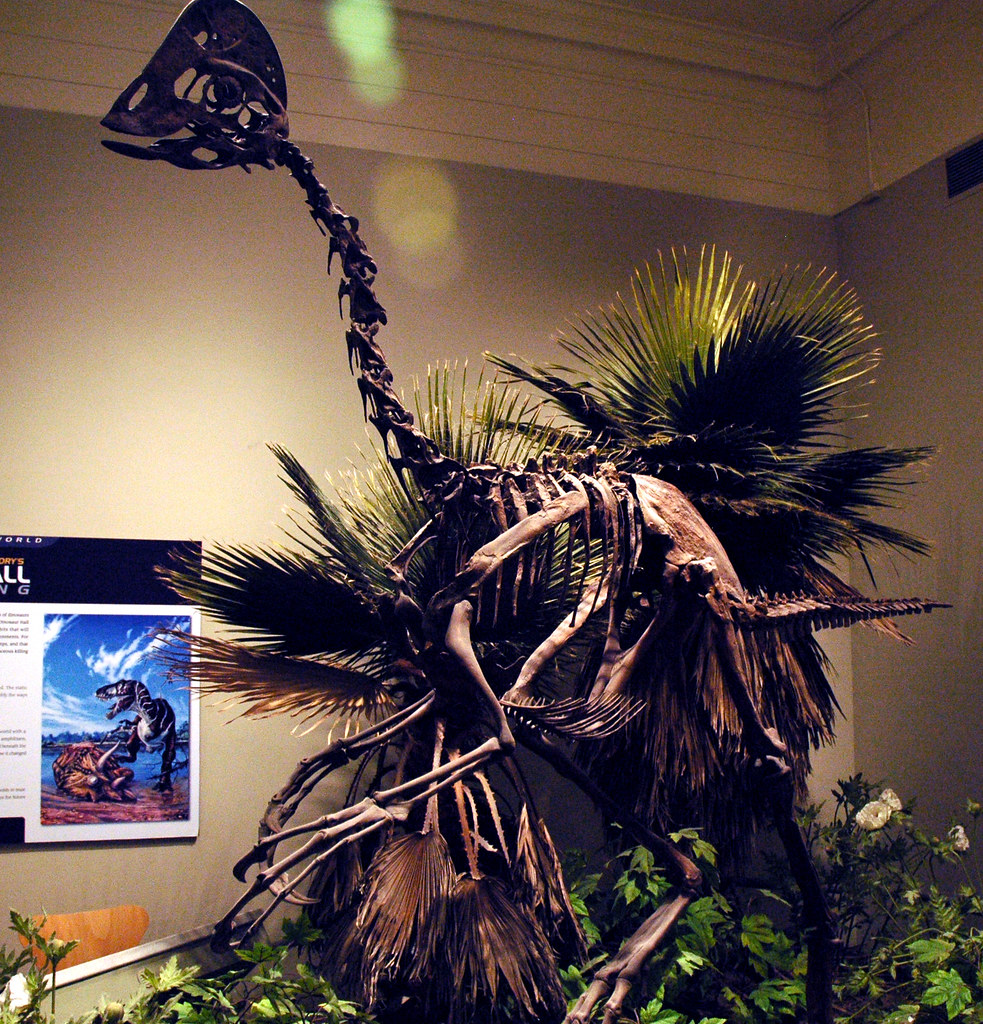
The discovery of feathered dinosaurs has created a massive shift in how these ancient creatures are portrayed in popular culture. Movie producers, video game developers, and children’s book illustrators are scrambling to update their dinosaur depictions to reflect the new scientific reality. The classic image of the scaly, reptilian dinosaur is rapidly being replaced by more bird-like representations.
This change is particularly important for educational purposes. Children who grow up learning about feathered dinosaurs will have a much more accurate understanding of evolutionary biology and the connection between ancient and modern life. Museums worldwide are updating their exhibits, replacing old reconstructions with feathered versions that better represent what these animals looked like.
The fossil evidence from Utah and Idaho has fundamentally transformed our understanding of dinosaur biology, behavior, and evolution. These discoveries prove that feathers were not a rare exception among dinosaurs, but likely a common feature that helped these remarkable animals thrive for millions of years. The warm-blooded, feathered dinosaurs of prehistoric North America were far more dynamic and bird-like than anyone could have imagined just a few decades ago. As technology continues to advance and new fossil sites are discovered, we can expect even more surprises that will continue to reshape our vision of the dinosaur world. Who knows what other secrets these ancient giants are still hiding in the rocks beneath our feet?