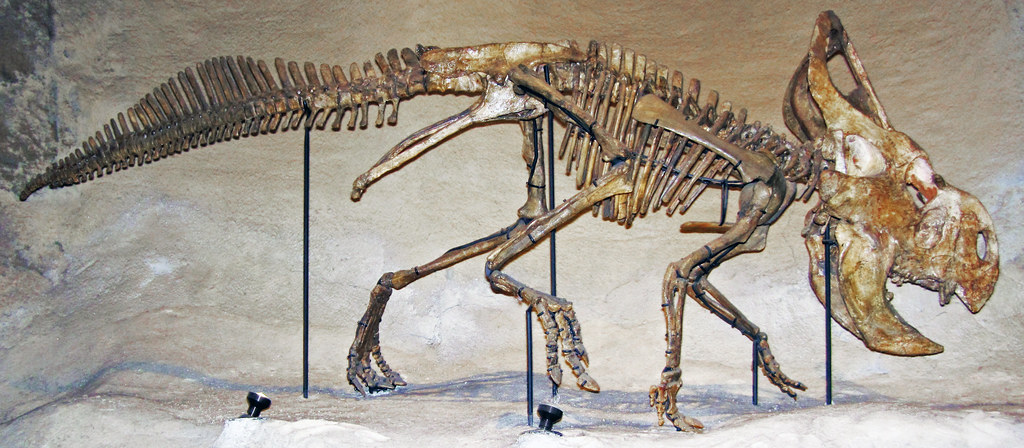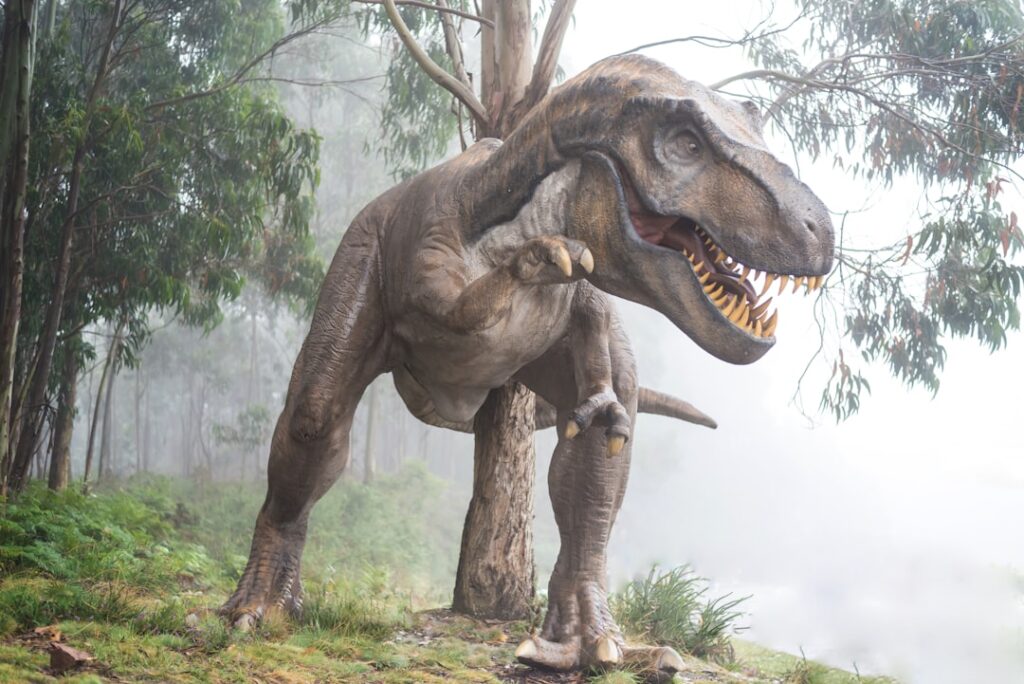
The mystery surrounding what killed off the dinosaurs has captivated scientists and the public for decades. While most people know about the massive asteroid that slammed into Earth 66 million years ago, there’s another volcanic culprit that’s been lurking in the shadows of scientific debate. It turns out the story of dinosaur extinction might be far more complex than a simple space rock smacking into our planet.
The Deccan Traps: India’s Volcanic Giant
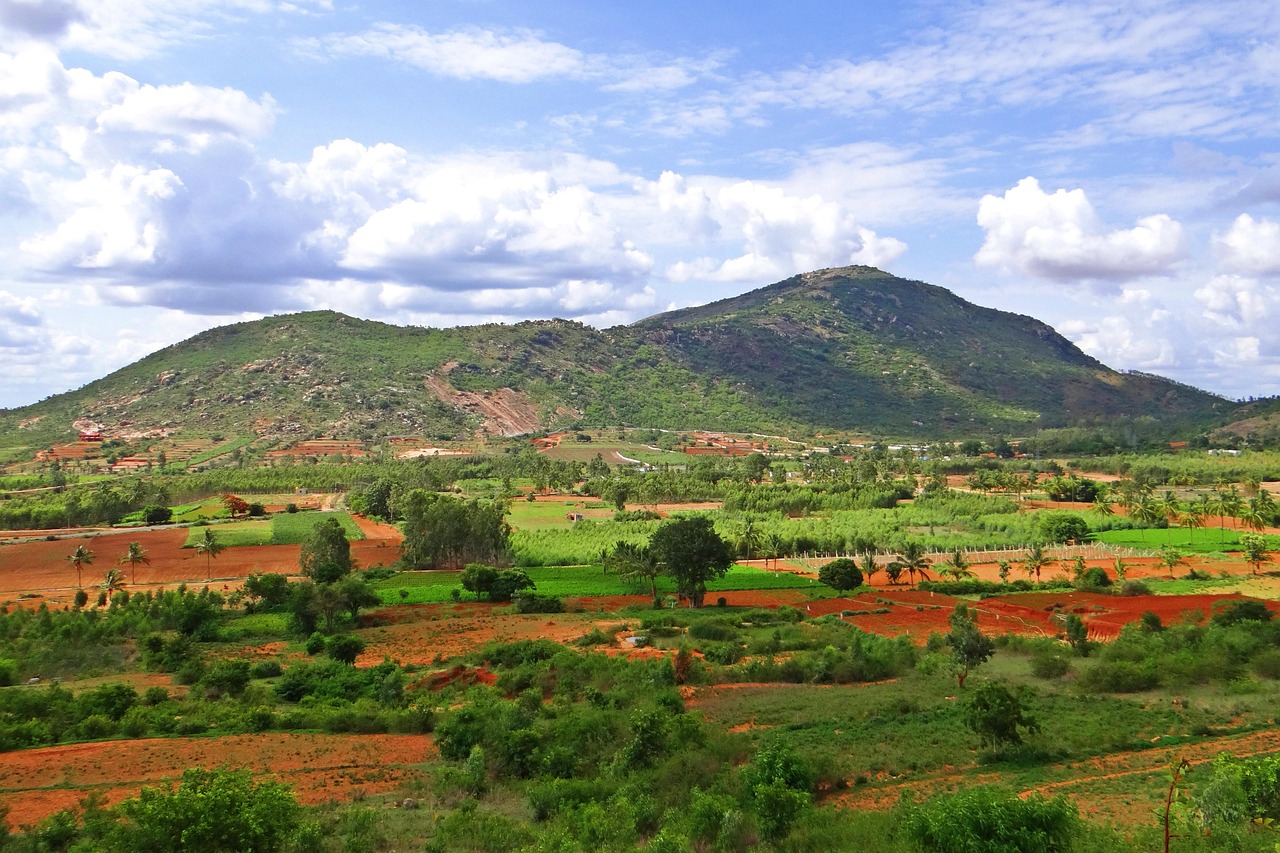
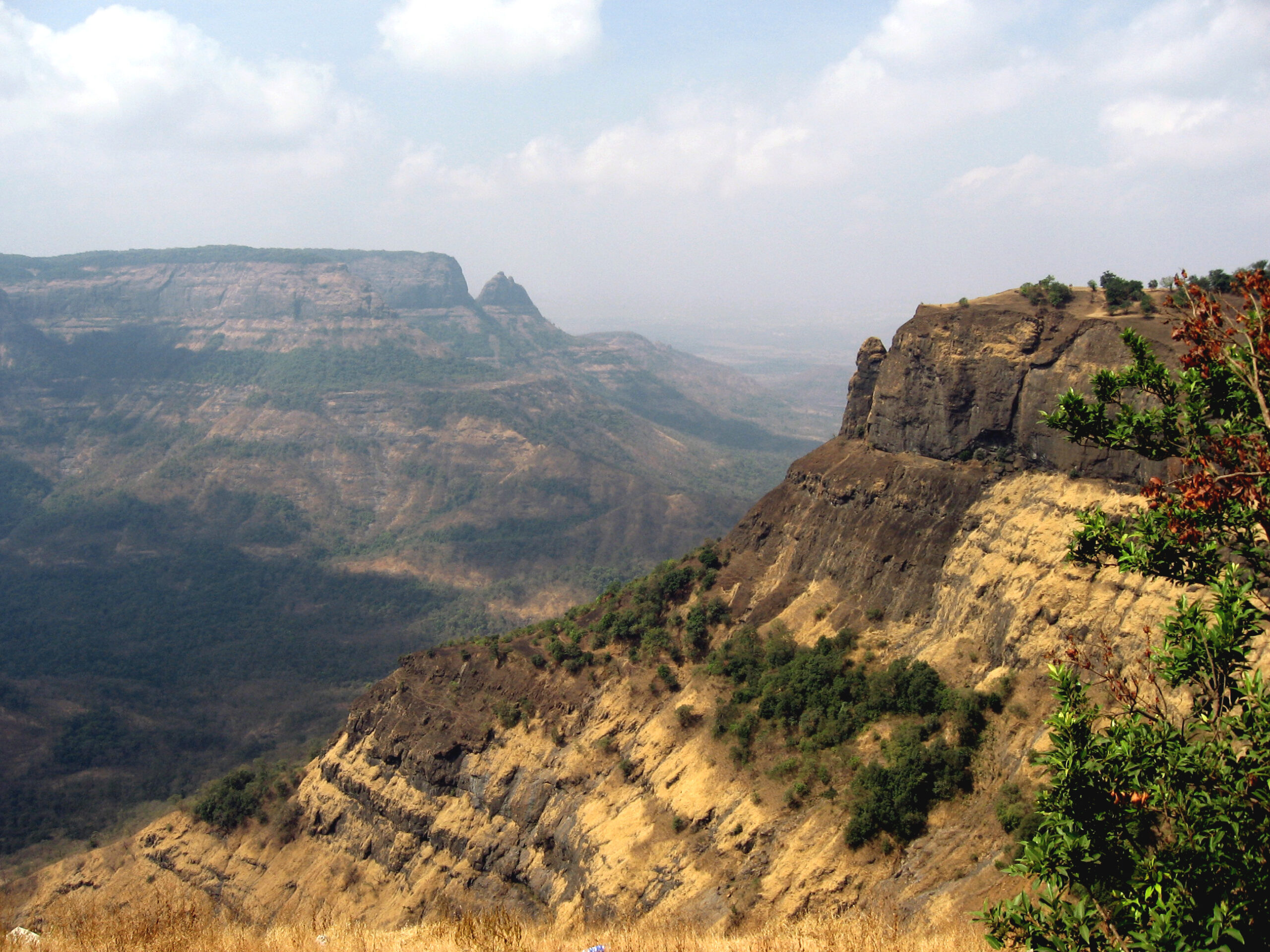
Deep in western India lies evidence of one of the most catastrophic volcanic events in Earth’s history. The Deccan Traps are a large igneous province that forms one of the largest volcanic features on Earth. They consist of many layers of solidified flood basalt that together are more than about 2 kilometres thick, cover an area of about 500,000 square kilometres, and have a volume of about 1,000,000 cubic kilometres.
To put this in perspective, imagine lava flows that could fill the entire state of Texas to a depth of several miles. The Deccan Traps began forming 66.25 million years ago, at the end of the Cretaceous period – suspiciously close to when the dinosaurs disappeared. The timing is so coincidental that scientists have been debating whether these volcanic eruptions played a role in the mass extinction for decades.
The Perfect Storm of Destruction
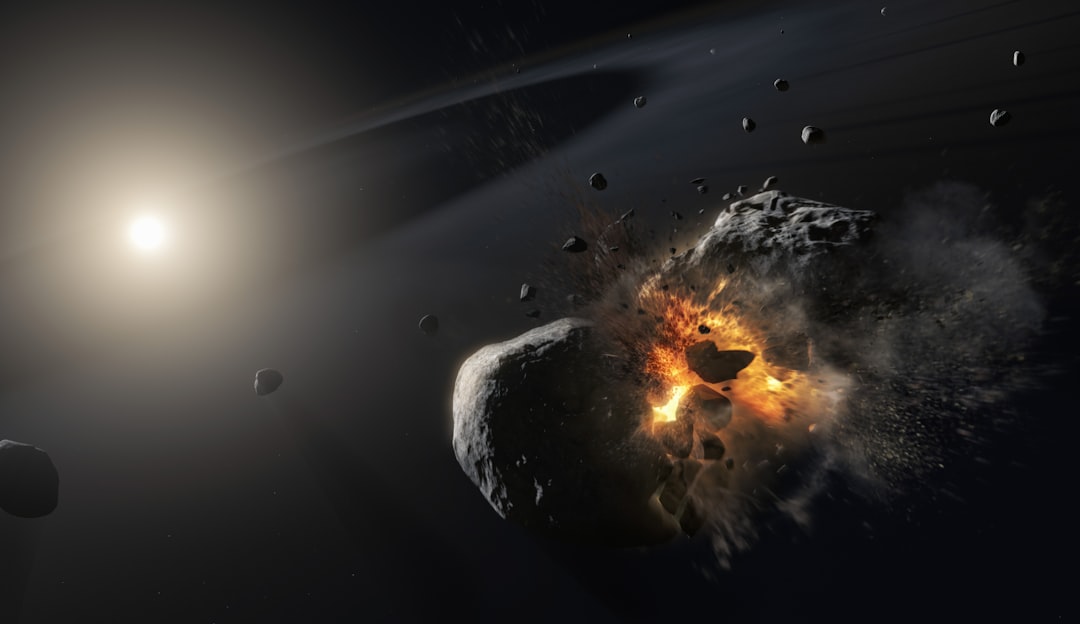
The Perfect Storm of Destruction (image credits: unsplash)
About 66 million years ago, at the end of the Cretaceous period, 75 percent of plant and animal species went extinct, including the dinosaurs. About 66 million years ago, an enormous asteroid or comet hit the Earth near what is now Chicxulub, Mexico. About 66 million years ago, a massive volcano erupted lavas in India that are now called the Deccan Traps, burying much of the subcontinent under more than 11,000 feet of basalt and pouring poisonous gases into the atmosphere.
The fact that both events occurred within such a narrow window of geological time creates what scientists call a “perfect storm” scenario. Think of it like being hit by lightning while simultaneously getting caught in a tornado – either event alone could be devastating, but together they create unprecedented destruction.
How Volcanoes Kill on a Global Scale
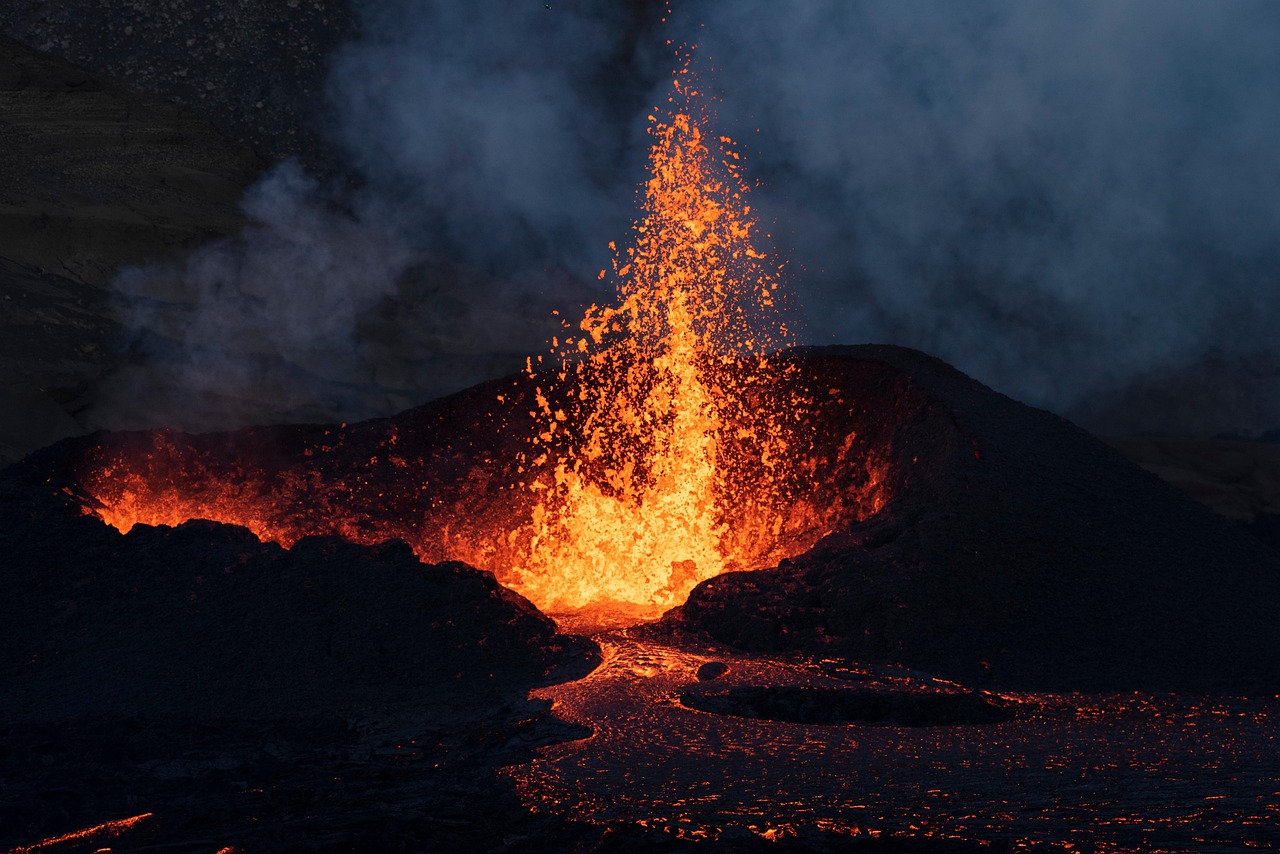
Volcanic eruptions don’t just create pretty lava flows. When volcanoes of this magnitude erupt, they become global climate killers. The release of volcanic gases, particularly sulfur dioxide, during the formation of the traps may have contributed to climate change. An average drop in temperature of about 2 degrees Celsius was recorded during this period.
Mount Pinatubo in 1991 ejected approximately 5-6 cubic kilometers of magma and caused global temperatures to drop by around half a degree over a year. By comparison, some of these ancient eruptions ejected up to a hundred cubic kilometers. The temperature drop would be much more dramatic and persistent, with a seemingly perpetual winter. Some research suggests the temperature drop could have been a staggering 10 degrees Celsius over a decade.
The Mercury Trail of Evidence
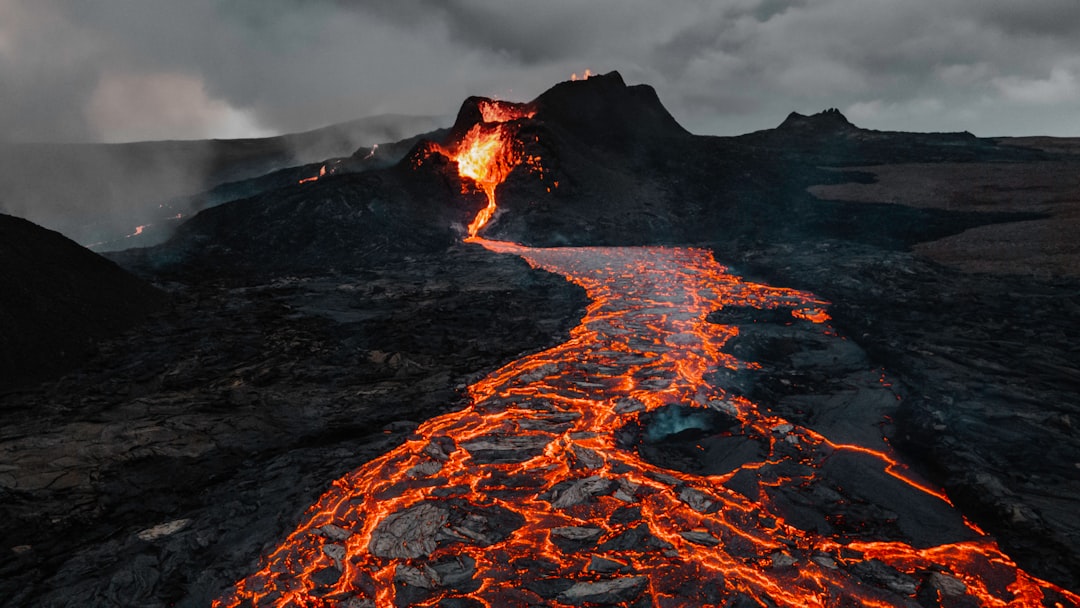
Scientists have found a smoking gun in the form of mercury contamination. Multiple evidence reveals the killing mechanism for the mass extinction began 25,000 years earlier with the onset of cataclysmic Deccan volcanic eruptions that caused hyperthermal warming, mercury toxicity, ocean acidification and acid rain on land. Once the tipping point for life was reached, the mass extinction occurred within less than 1000 years correlative with accelerated maximum volcanic eruption and maximum mercury fallout globally.
Mercury acts like a geological fingerprint for volcanic activity. When researchers examine rock layers from this time period around the world, they consistently find elevated mercury levels that point directly back to the Deccan Traps eruptions.
The Latest Scientific Plot Twist
Just when you think the case is closed, science throws us a curveball. Climate scientists from Utrecht University and the University of Manchester show that while the volcanism caused a temporary cold period, the effects had already worn off thousands of years before the meteorite impacted. The scientists therefore conclude that the meteorite impact was the ultimate cause of the dinosaur extinction event.
This groundbreaking 2024 research analyzed ancient molecules preserved in fossil peats from the United States. By analyzing fossil molecules in ancient peats from the United States of America, the scientific team reconstructed air temperatures for the time period covering both the volcanic eruptions and the meteorite impact.
When Timing is Everything
The timing debate has become crucial in understanding what really killed the dinosaurs. These volcanic eruptions and associated CO2 and sulfur release would have had drastic consequences for life on Earth. But these events happened millennia before the meteorite impact and probably played only a small part in the extinction of dinosaurs. With the effects of volcanism practically ruled out, this would leave the Chicxulub meteorite impact as the primary cause of the dinosaur mass extinction.
However, other studies paint a different picture. Schoene’s team found signs of four distinct pulses of eruptions at the Deccan Traps, with the biggest coming about a hundred thousand years before the impact. One study claims that the Deccan Traps saw a major eruptive uptick in the hundred thousand years leading up to the impact, potentially stressing out some ecosystems before the asteroid’s decisive blow.
The One-Two Punch Theory
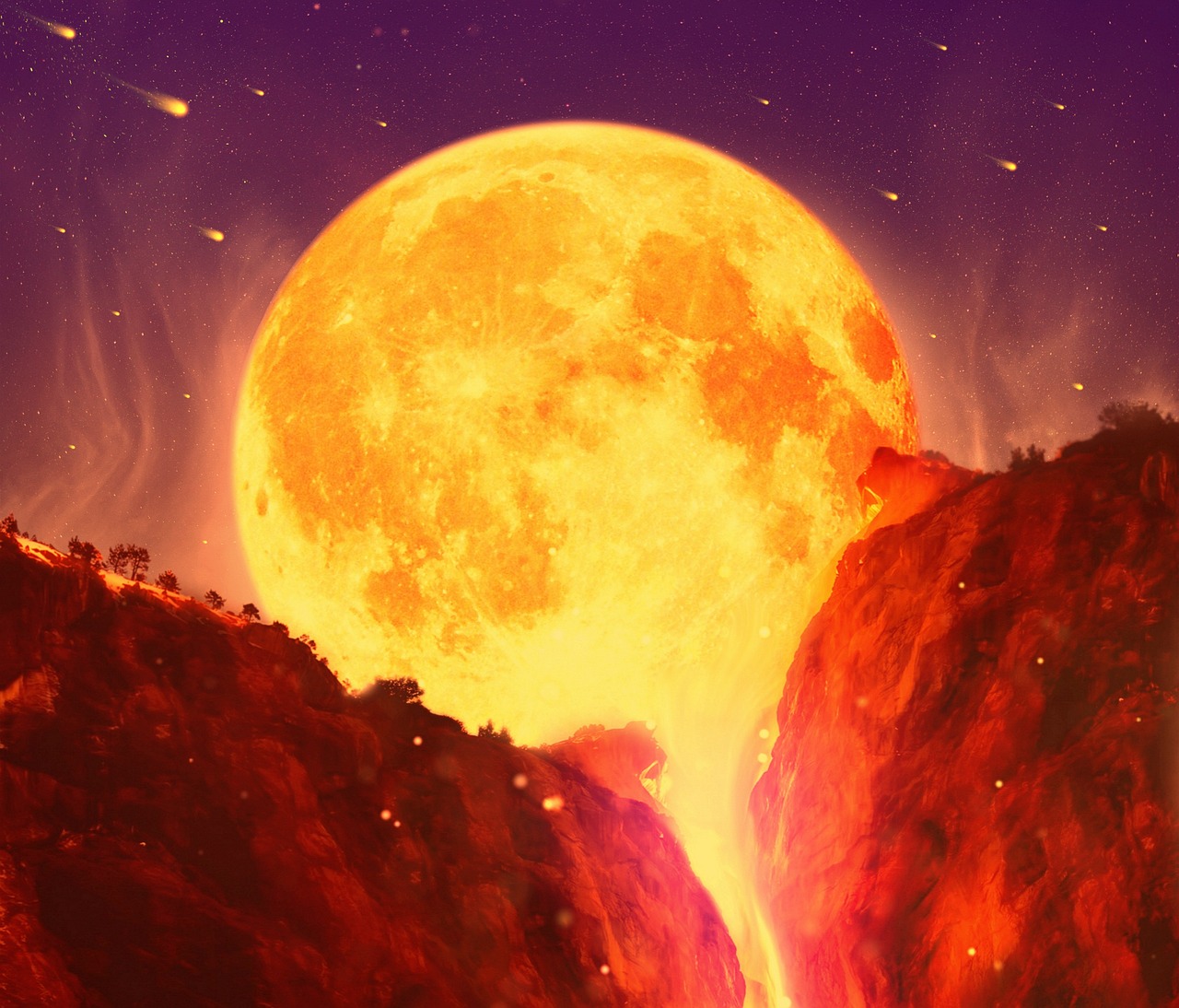
Many scientists now favor what’s called the “one-two punch” theory. These new findings may shift the balance in favor of tremendous volcanic activity, but when it comes to the Cretaceous die-out, the team thinks that both the Deccan plateau eruption and the Chicxulub impactor may have acted as a ‘double-punch’ to wipe out the dinosaurs.
This cooling changed the climate so much that it made it difficult for the dinosaurs, and the meteorite was the coup de grâce. That was the final extinction event, but they were not in good shape before the time of that meteorite impact. Earth’s temperature was dropping long before the meteorite hit, according to some research.
The Asteroid’s Devastating Arsenal
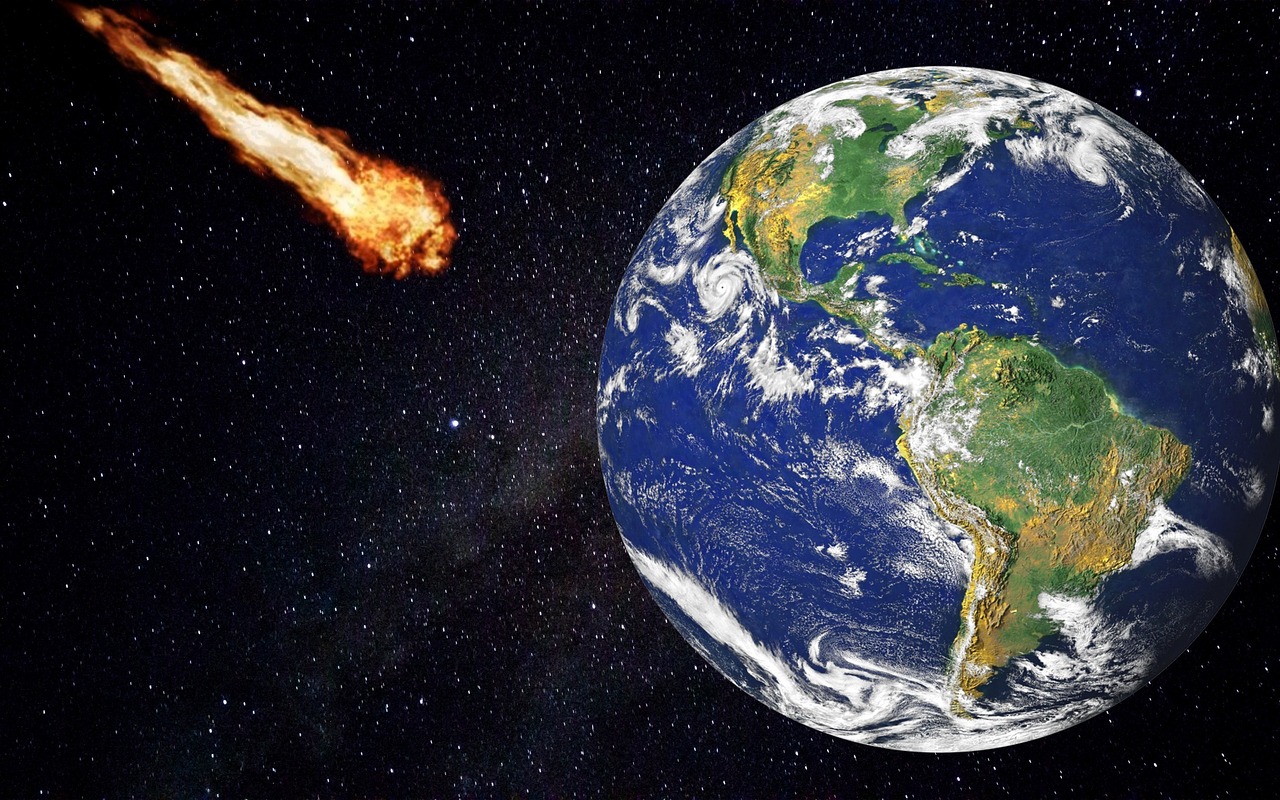
While volcanic eruptions were busy changing the climate, the asteroid impact brought its own arsenal of destruction. The impact from the asteroid unleashed a chain of disasters, including wildfires, earthquakes, tsunamis, and an ‘impact winter’ that blocked sunlight and devastated ecosystems.
Rocks formed during the Chicxulub asteroid impact reveal fine dust particles were main drivers of the global winter which led to extinction of 75% of Earth’s species. In the first year after the impact, global temperatures dropped by more than 10 degrees Celsius. This created a nuclear winter-like scenario that would have been catastrophic for any surviving life forms.
Modern Volcanic Comparisons Fall Short
To understand the scale of these ancient eruptions, scientists often compare them to modern volcanic events, but the comparison is almost laughable. In 1815, the volcano Tambora erupted in Indonesia. Considered the largest volcanic eruption in recorded history, Tambora led to the “year without a summer.” Recently, the eruption of Mount Pinatubo in the Philippines lowered the average global temperature by a small but measurable amount for two years.
The Deccan Traps were incomprehensibly huge by modern standards, expelling some 135,000 cubic miles of lava over a million-year period. That’s enough lava to circle Earth with a rocky belt more than five miles wide and a mile tall. It’s like comparing a campfire to a forest fire that covers an entire continent.
The Survivors Tell the Tale
Interestingly, the pattern of what survived and what didn’t provides clues about the extinction mechanism. During the Cretaceous extinction event, plants were less affected than animals because their seeds and pollen can survive harsh periods for longer. After the dinosaurs’ extinction, flowering plants dominated Earth. But all land animals weighing over 25 kilogrammes died out.
This selective extinction pattern suggests that the catastrophe lasted long enough for large animals to starve, but not so long that it completely sterilized the planet. Small mammals, birds, and plants that could survive on seeds and decaying organic matter managed to make it through.
The Scientific Jury is Still Out
Despite decades of research and increasingly sophisticated analytical techniques, scientists still don’t agree on the relative contributions of volcanism versus asteroid impact. A new publication in the scientific journal Science Advances provides compelling evidence that while the volcanic eruptions in India had a clear impact on global climate, they likely had little to no effect on the mass extinction of the dinosaurs.
Yet other researchers argue for a more significant volcanic role. Our database reveals Deccan volcanism as primary cause for the mass extinction. Results support Deccan volcanism as the primary driver of the end-Cretaceous mass extinction. The debate continues as new evidence emerges from both geological formations.
The truth is that 66 million years ago, Earth experienced what might have been the most catastrophic combination of events in the planet’s history. Whether the volcanic eruptions were the opening act, the main event, or merely background noise to the asteroid’s devastating finale, one thing is certain: the dinosaurs never stood a chance. The fact that anything survived at all to evolve into the incredible diversity of life we see today is perhaps the most remarkable part of this ancient catastrophe.