
The field of paleontology has experienced a seismic shift in recent years as researchers question whether we’ve been correctly identifying dinosaur species for the past century. This phenomenon, sometimes called “taxonomic inflation,” suggests that what we once thought were dozens of distinct dinosaur species might be fewer species at different growth stages or displaying sexual dimorphism. With new technologies and analytical approaches, scientists are reassessing fossilized remains and challenging long-held classifications. This reexamination has profound implications for our understanding of prehistoric biodiversity, evolutionary relationships, and even how we conceptualize dinosaurs in museums and popular culture.
The Historical Context of Dinosaur Classification
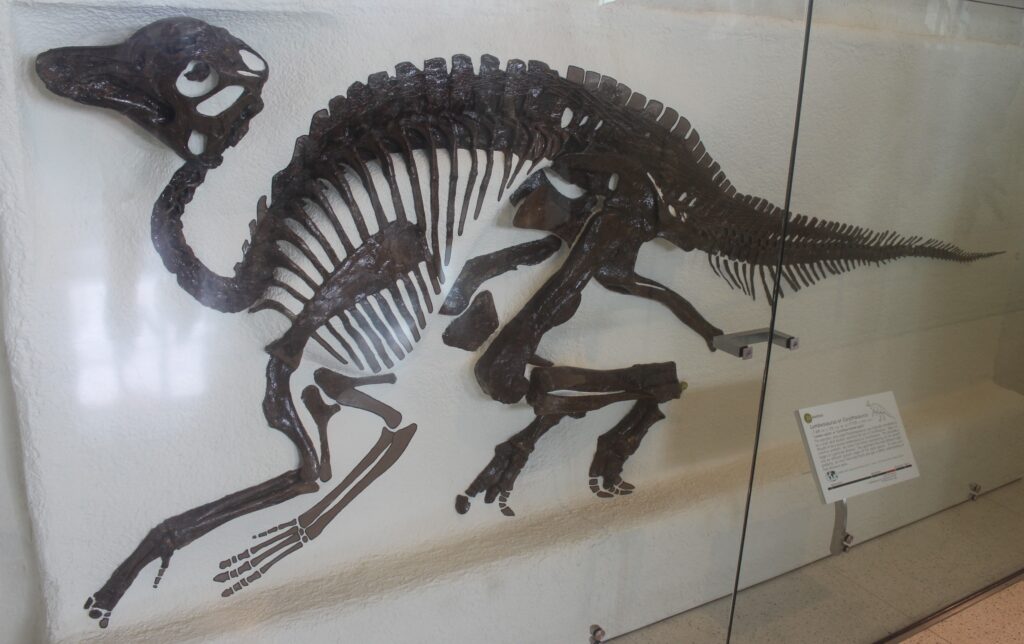
When paleontologists first began discovering dinosaur fossils in the 19th century, they often worked with incomplete specimens and limited knowledge of how animals grow and change throughout their lives. Early dinosaur hunters like Othniel Charles Marsh and Edward Drinker Cope were notorious for their competitive rivalry, rushing to name new species, sometimes based on minimal fossil evidence. This “Bone Wars” period resulted in numerous taxonomic designations that were made hastily and without comprehensive comparative analysis. Many classifications were established during this era when the scientific understanding of growth patterns, sexual dimorphism, and individual variation within species was far less developed than it is today. This historical context set the stage for what some researchers now believe was an overenthusiastic splitting of dinosaur specimens into too many distinct species.
The Problem of Ontogenetic Changes
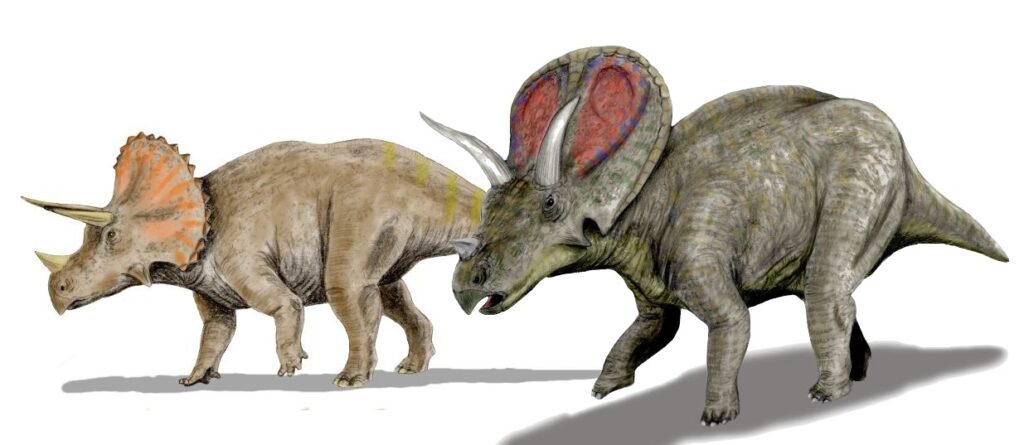
One of the most significant challenges in correctly identifying dinosaur species lies in understanding ontogeny—the developmental history of an organism. Dinosaurs, like many modern animals, underwent dramatic physical changes as they matured from juveniles to adults. Skull shapes transformed, horns and frills developed or changed orientation, and body proportions shifted substantially. In some cases, these changes were so dramatic that paleontologists mistakenly classified different growth stages of the same species as entirely separate species. The classic example is Triceratops and Torosaurus, which were long considered distinct genera but are now suspected by some researchers to represent juvenile and adult forms of the same animal. These ontogenetic changes complicate identification efforts and have likely led to artificial inflation of dinosaur species counts in scientific literature.
Sexual Dimorphism: Another Complicating Factor

Sexual dimorphism—physical differences between males and females of the same species—presents another layer of complexity in dinosaur identification. In many modern animals, males and females can look startlingly different, with variations in size, coloration, or ornamental features like crests, horns, or display structures. Some paleontologists now suspect that dinosaur specimens previously classified as different species might represent males and females of the same species. For instance, some have proposed that certain hadrosaurs (duck-billed dinosaurs) with different crest shapes might be sexual variants rather than distinct species. Without soft tissues or genetic material, determining whether morphological differences represent sexual dimorphism or true species boundaries becomes exceptionally challenging for scientists working only with fossilized remains.
The Case of Triceratops and Torosaurus
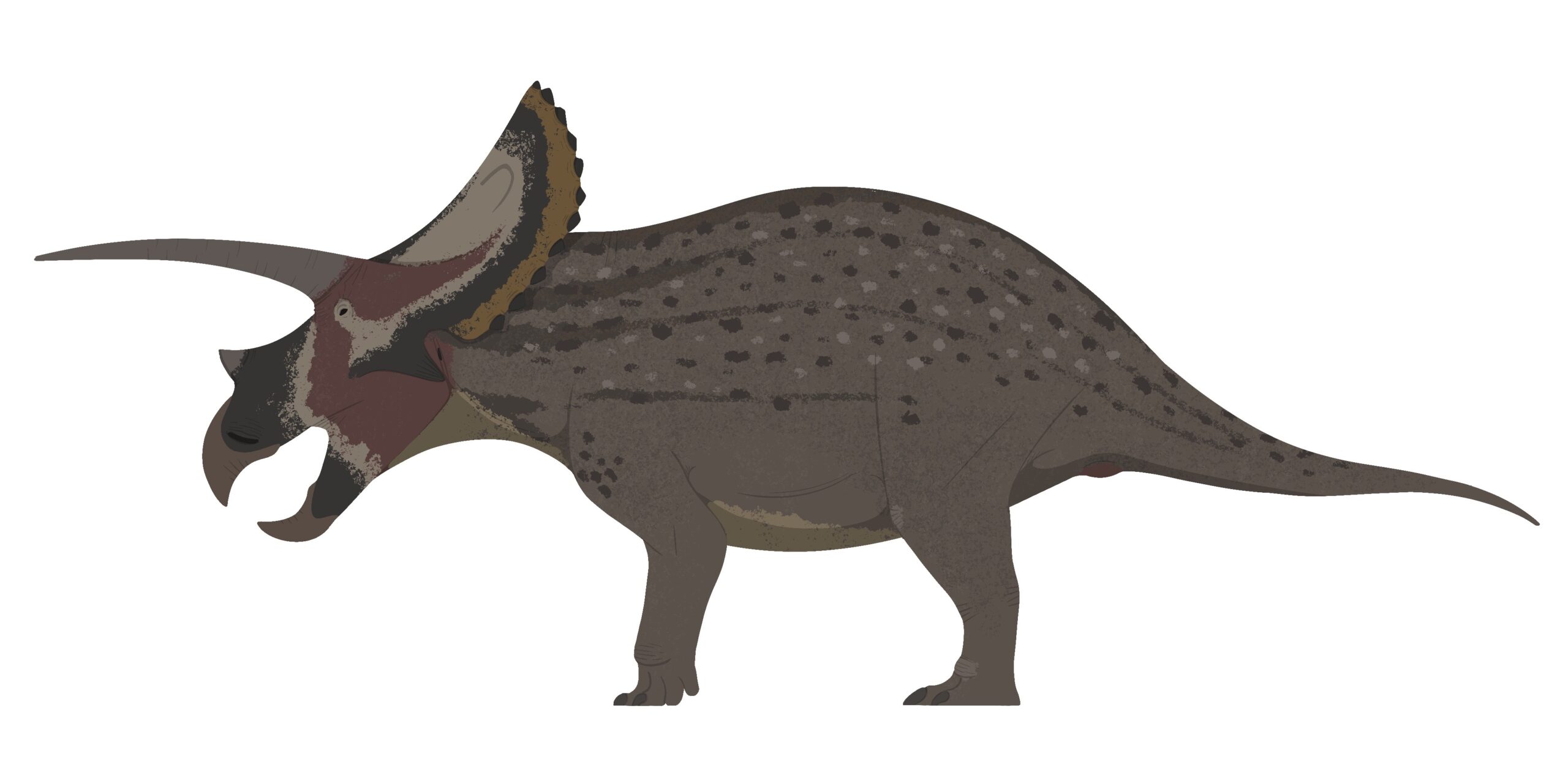
The relationship between Triceratops and Torosaurus represents one of the most famous and controversial cases of potential misidentification in dinosaur paleontology. In 2010, researchers John Scannella and Jack Horner proposed that Torosaurus specimens were mature Triceratops individuals rather than a separate genus. According to their hypothesis, as Triceratops aged, its solid frill would thin and develop the characteristic holes (fenestrae) seen in Torosaurus skulls. This process, called metaplastic bone remodeling, would transform what appears to be two distinct dinosaurs into different life stages of a single species. While this “unified Triceratops hypothesis” remains contentious, with many paleontologists finding evidence to contradict it, the case exemplifies how growth-related changes can potentially lead to taxonomic confusion and illustrates the ongoing reevaluation of dinosaur classification.
Tyrannosaurus: One Species or Three?

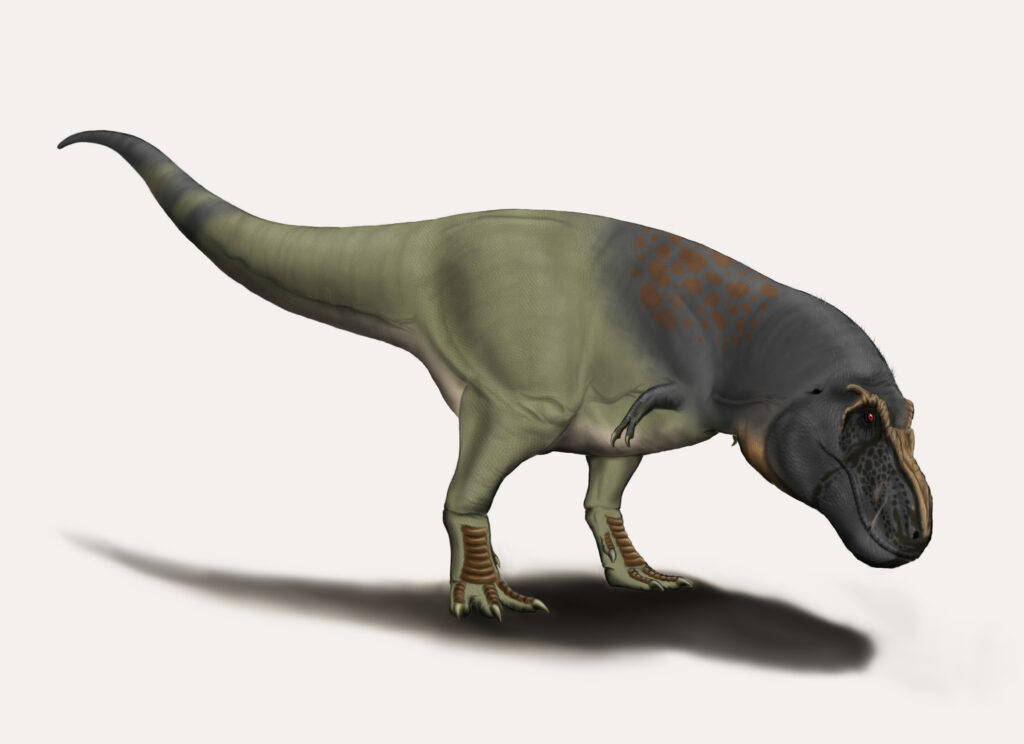
Even the iconic Tyrannosaurus rex, perhaps the most famous dinosaur of all, hasn’t escaped taxonomic scrutiny. In early 2022, a controversial study suggested that T. rex specimens might represent three distinct species: T. rex, T. imperator, and T. regina. The researchers based this claim on differences in femur robustness and tooth characteristics among various specimens. However, this proposal met swift and significant pushback from many paleontologists who argued that the observed differences likely represent individual variation, sexual dimorphism, or ontogenetic changes rather than species-level distinctions. The debate surrounding Tyrannosaurus taxonomy highlights how even well-studied dinosaur groups remain subject to reinterpretation and how challenging it can be to define species boundaries in extinct animals known only from incomplete fossil material.
Modern Analytical Techniques Changing the Game

The revolution in dinosaur taxonomy owes much to advancements in analytical techniques that simply weren’t available to earlier generations of paleontologists. Modern researchers employ CT scanning to examine internal bone structures without damaging specimens, revealing growth patterns and bone density changes that help determine an individual’s maturity. Histology—the microscopic examination of bone tissue—allows scientists to count growth rings similar to tree rings, providing precise age estimates for fossilized individuals. Geometric morphometrics enables researchers to quantify subtle shape differences between specimens and statistically analyze whether these variations fall within the expected range for a single species. Additionally, stable isotope analysis can provide insights into diet and habitat that might help distinguish between genuine species differences and variations due to environmental factors. These sophisticated approaches are enabling paleontologists to reassess historical classifications with unprecedented rigor.
The Nanotyrannus Controversy

Nanotyrannus lancensis was originally described as a smaller tyrannosaur species distinct from Tyrannosaurus rex. However, mounting evidence suggests these specimens represent juvenile T. rex individuals rather than a separate species. Detailed examinations of bone histology show growth patterns consistent with immature individuals, and the supposedly distinctive features of Nanotyrannus align with what we would expect in a juvenile T. rex. The skull proportions, tooth count, and limb characteristics change predictably during tyrannosaur growth, potentially explaining the differences that led to the initial separate classification. Despite compelling evidence that Nanotyrannus specimens are simply young T. rex individuals, some researchers continue to argue for its validity as a distinct species, demonstrating how difficult it can be to reach consensus on taxonomic revisions even with modern analytical tools.
Lumping vs. Splitting in Paleontological Classification
The dinosaur reclassification debate reflects a fundamental tension in taxonomy between “lumpers” who tend to group similar specimens into fewer species and “splitters” who emphasize small differences as evidence for separate species. Historically, dinosaur paleontology has often leaned toward splitting, partly due to academic incentives that reward describing new species more than consolidating existing ones. The preference for splitting or lumping isn’t merely academic—it profoundly affects our understanding of dinosaur diversity, evolutionary rates, and ecosystem dynamics. Some researchers argue that we’ve significantly overestimated dinosaur diversity through excessive splitting, while others contend that we risk oversimplifying complex evolutionary relationships through aggressive lumping. This philosophical divide frames much of the current debate about dinosaur taxonomy, with both approaches having valid scientific rationales and potential pitfalls.
Why Species Definitions Matter for Extinct Animals

Defining species boundaries for extinct animals presents unique challenges not encountered when classifying living organisms. With living species, biologists can apply the biological species concept, which defines species as groups of interbreeding populations reproductively isolated from others. For dinosaurs, however, we cannot observe reproductive behavior or test genetic compatibility. Instead, paleontologists must rely on morphological species concepts based on physical characteristics preserved in fossils. This reliance on morphology becomes problematic when we consider individual variation, sexual dimorphism, and ontogenetic changes that might be misinterpreted as species-level differences. The challenge intensifies when working with incomplete specimens, as is often the case with dinosaur fossils. How researchers define and apply species concepts to extinct animals fundamentally shapes our reconstruction of prehistoric biodiversity and evolutionary patterns.
The Impact on Dinosaur Diversity Estimates

The potential misidentification of dinosaur species has significant implications for how we understand prehistoric biodiversity. If many currently recognized species are growth stages or sexual variants of the same species, we may need to substantially revise downward our estimates of dinosaur diversity. Such revisions would change our understanding of ecological relationships during the Mesozoic Era, potentially indicating that dinosaur communities supported fewer species than previously thought. Conversely, this would suggest that individual dinosaur species may have occupied more diverse ecological niches throughout their lifespans, with juveniles and adults potentially utilizing different resources and habitats. This ecological flexibility might help explain dinosaurs’ evolutionary success over their 165-million-year reign. Accurate species counts also affect how we interpret extinction patterns, speciation rates, and the overall evolutionary trajectory of dinosaur lineages.
Case Study: The Pachycephalosaur Problem
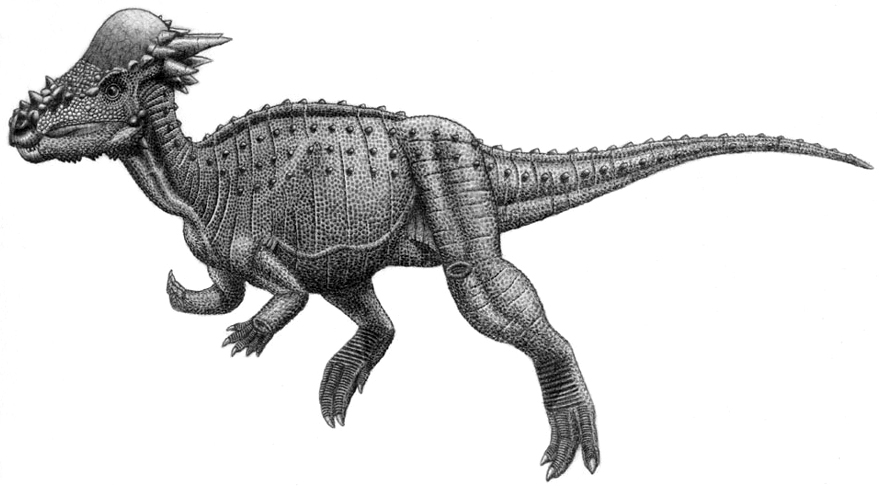
Pachycephalosaurs, the thick-skulled “dome-headed” dinosaurs, offer a compelling case study in potential taxonomic inflation. Historically, paleontologists classified pachycephalosaurs with different dome sizes and shapes as distinct species. However, research now suggests that many of these differences represent growth stages within the same species. For instance, specimens once classified as Dracorex hogwartsia (flat-headed with spikes) and Stygimoloch spinifer (with a small dome and spikes) may be juvenile and sub-adult stages of Pachycephalosaurus wyomingensis, which has a large smooth dome as an adult. Histological studies of bone tissues support this growth sequence hypothesis, showing that the flat-headed specimens indeed represent immature individuals. The pachycephalosaur example illustrates how dramatic changes during growth can lead to misclassification and artificial inflation of species counts when specimens from different life stages are discovered separately.
Museum Implications and Public Understanding

Reclassifying dinosaur species has substantial practical implications for museums worldwide, which have invested heavily in displays featuring dinosaurs under their original taxonomic designations. Updating exhibitions to reflect taxonomic revisions requires significant resources and risks confusing visitors who may be familiar with older classifications. Museums face the challenge of communicating evolving scientific understanding while maintaining public interest and educational value. This tension extends to dinosaur portrayal in popular media, where beloved dinosaurs like “Dracorex hogwartsia” (named after Hogwarts from Harry Potter) might disappear from the roster of recognized species. Many institutions have begun incorporating these scientific debates into their exhibitions, using the uncertainty as an opportunity to educate visitors about the scientific process itself and how our understanding changes with new evidence and analytical techniques.
The Future of Dinosaur Taxonomy

As technology continues to advance, dinosaur taxonomy will likely undergo further refinement and revision. Emerging techniques like ancient protein sequencing might eventually provide molecular evidence to help resolve some taxonomic disputes, though the extreme age of dinosaur fossils limits the preservation of organic molecules. Three-dimensional modeling and simulation technologies allow researchers to test hypotheses about how dinosaur bodies changed during growth and how different specimens relate to one another physically. International collaboration and digital specimen sharing are increasing access to comparative materials, helping researchers examine broader patterns across multiple specimens. The growing field of quantitative taxonomy, applying statistical rigor to species definitions, promises more objective criteria for taxonomic decisions. While some current dinosaur species will likely be synonymized (combined) in the coming years, others may be split as researchers recognize subtle differences previously overlooked, continuing the dynamic evolution of our understanding of these magnificent prehistoric creatures.
Rethinking Dinosaur Diversity and How Science Corrects Itself

The question of whether we’ve misidentified dozens of dinosaur species reflects the evolving nature of paleontological science. Rather than representing failure, this reassessment demonstrates the self-correcting nature of scientific inquiry. As methods improve and new evidence emerges, our picture of dinosaur diversity becomes more accurate, even if that means acknowledging past mistakes. While we may end up with fewer named dinosaur species than currently recognized, our understanding of the complexity within each species—their growth patterns, sexual variations, and individual differences—becomes richer and more nuanced. This taxonomic revolution reminds us that science is not about absolute certainty but rather about continuously refining our knowledge through careful examination of evidence and open-minded reconsideration of established ideas.