
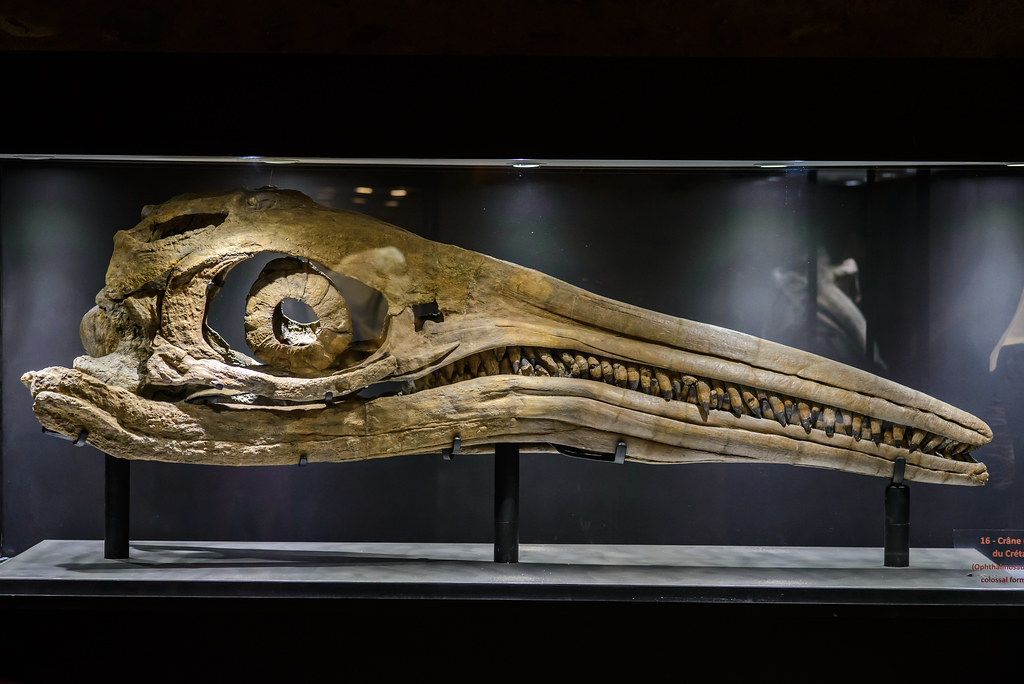
Picture this: you are floating in a small boat on a dark ancient sea, and just beneath the surface glides a predator with eyes so huge they could dwarf a soccer ball. It sounds like something out of science fiction, but it actually happened. The fossil record reveals marine reptiles whose eyeballs were among the largest ever known on Earth, pushing the limits of what we thought was possible in animal anatomy.
These were not dinosaurs paddling around like oversized lizards; they were specialized marine hunters, streamlined for speed and built for low‑light vision in deep or murky water. Their giant eyes were not a random quirk, but a finely tuned survival tool. Once you understand why those eyes evolved, you start to see the ancient oceans as a much stranger, darker, and more dangerous place than the calm blue we know today.
The Marine Monsters Behind Those Giant Eyes
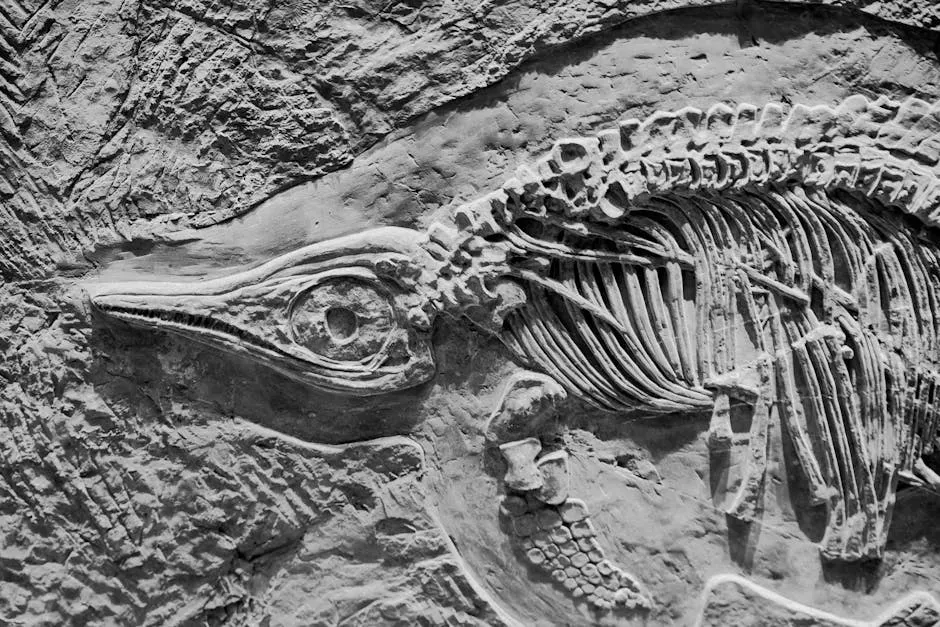
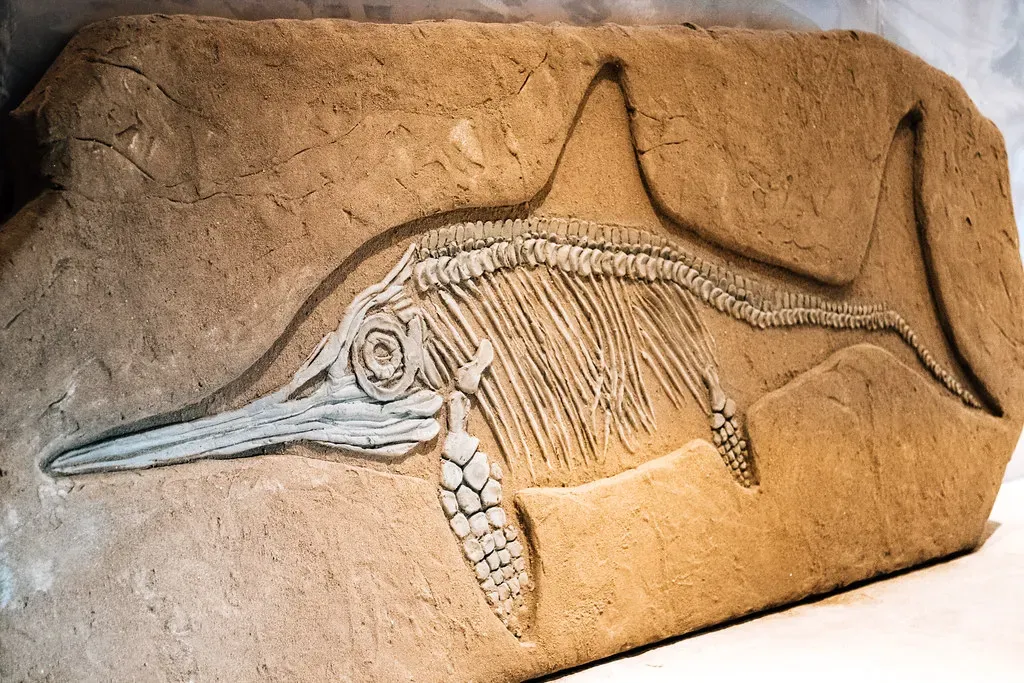
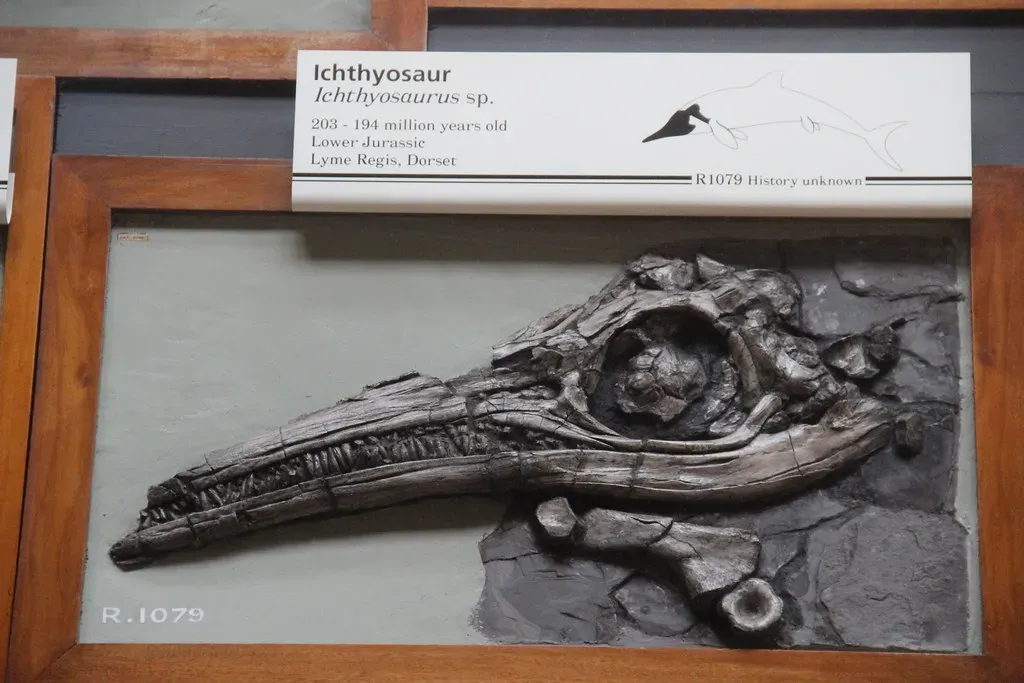
When people hear about reptiles with eyes bigger than soccer balls, they often imagine dinosaurs. In reality, the record‑breaking eyeballs belonged to marine reptiles like ichthyosaurs, which were not technically dinosaurs but distant relatives that fully adapted to life in the water. These creatures looked a bit like a cross between a dolphin and a swordfish, with long snouts, powerful tails, and huge round eyes set into their skulls.
Some ichthyosaurs, especially the large predators, had eye sockets so big that paleontologists can confidently say their actual eyes rivaled or exceeded the size of a modern soccer ball. That puts them among the largest eyes ever seen in any animal, living or extinct. The sheer scale is mind‑bending: an eyeball larger than a human head, sitting inside the skull of a hunter that could stretch longer than a bus.
Why Evolve Eyes This Big? The Deep‑Sea Advantage
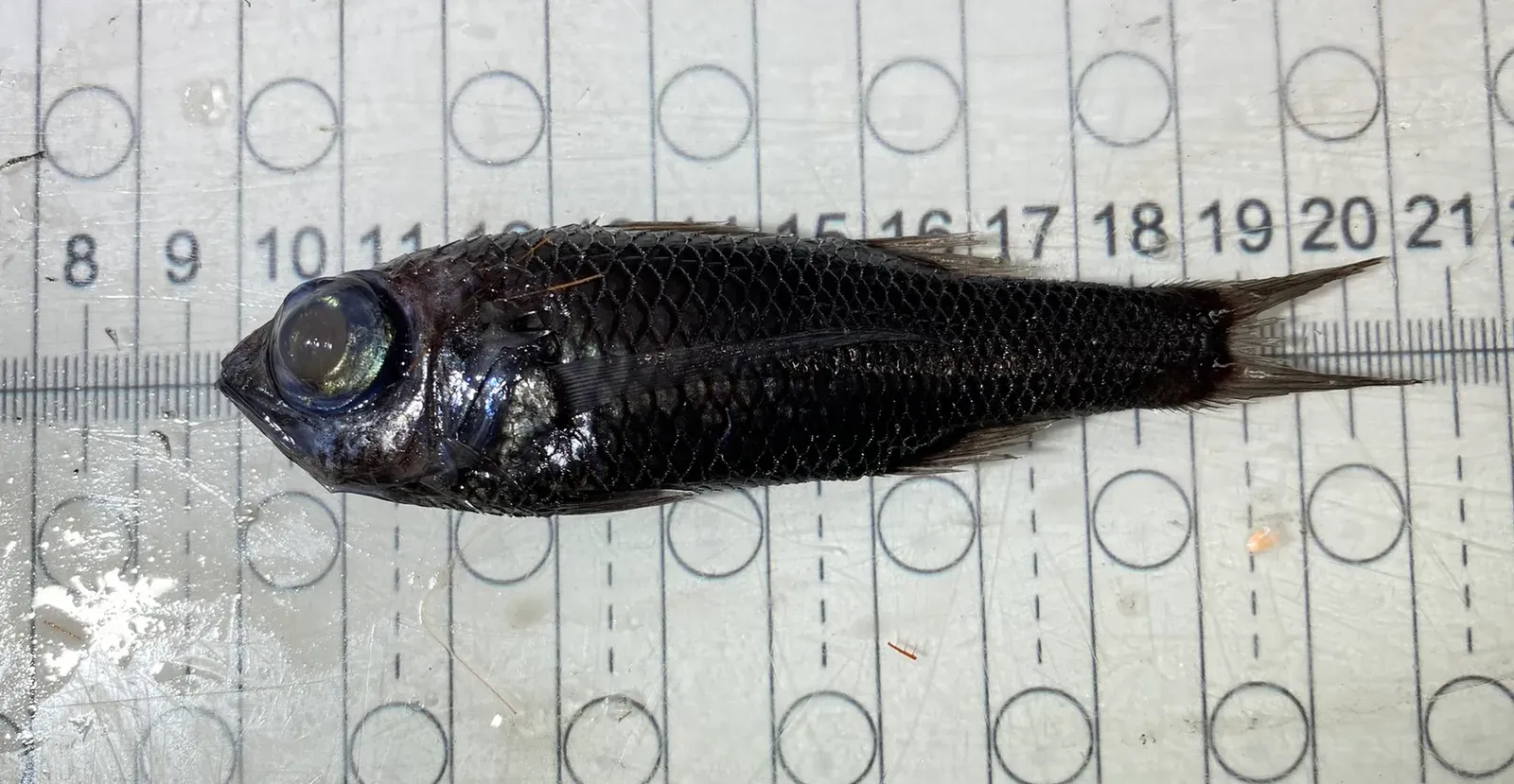
Enormous eyes are not just for show; they are expensive to build and maintain in terms of energy and resources, so evolution only keeps them around if they offer a serious payoff. In the case of these ancient marine reptiles, the payoff was better vision in low light. The bigger the eye, the more light it can gather, which is crucial if you are hunting in deep water, at dusk, or in murky conditions where visibility is low.
Think of it like upgrading from a cheap phone camera to a high‑end professional lens. Both can take a picture in daylight, but only the better lens gives you clarity and detail in the dark. For ichthyosaurs and other large‑eyed marine reptiles, their giant eyes likely let them spot prey earlier, track fast‑moving animals in dim light, and avoid bigger predators in the gloom. In a world where being slow to see danger often meant becoming lunch, those extra centimeters of eyeball could mean the difference between life and death.
Life in a Dim, Dangerous Ocean
Ancient oceans were not peaceful aquariums full of gentle giants; they were more like crowded, layered battle zones. Near the surface, light was stronger, but predators were everywhere. Deeper down, the water was gloomier and colder, but offered hiding places and surprise attack opportunities. Large‑eyed marine reptiles seem to have thrived in this in‑between space, using their vision as a superpower where others struggled to see.
Imagine chasing fast, slippery prey in twilight zones where sunlight barely filters through and sediment or plankton clouds the water. In that setting, having giant eyes is like having built‑in night‑vision goggles while your rivals are squinting. These animals were not just big; they were specialists adapted to a very specific and brutal environment, and their oversized eyes are one of the clearest clues we have about how they lived and hunted.
Fossil Clues: When Eye Sockets Tell a Story
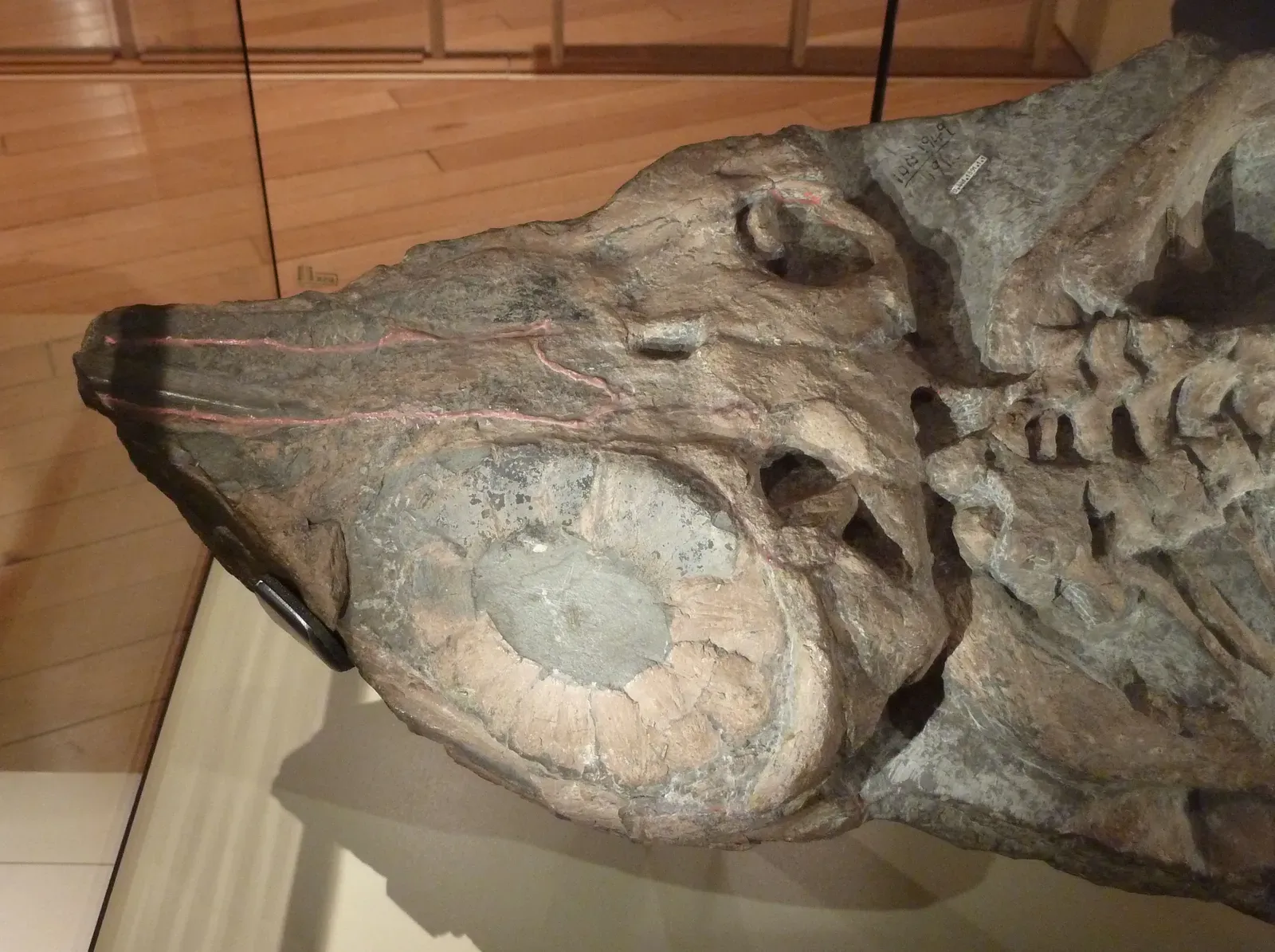
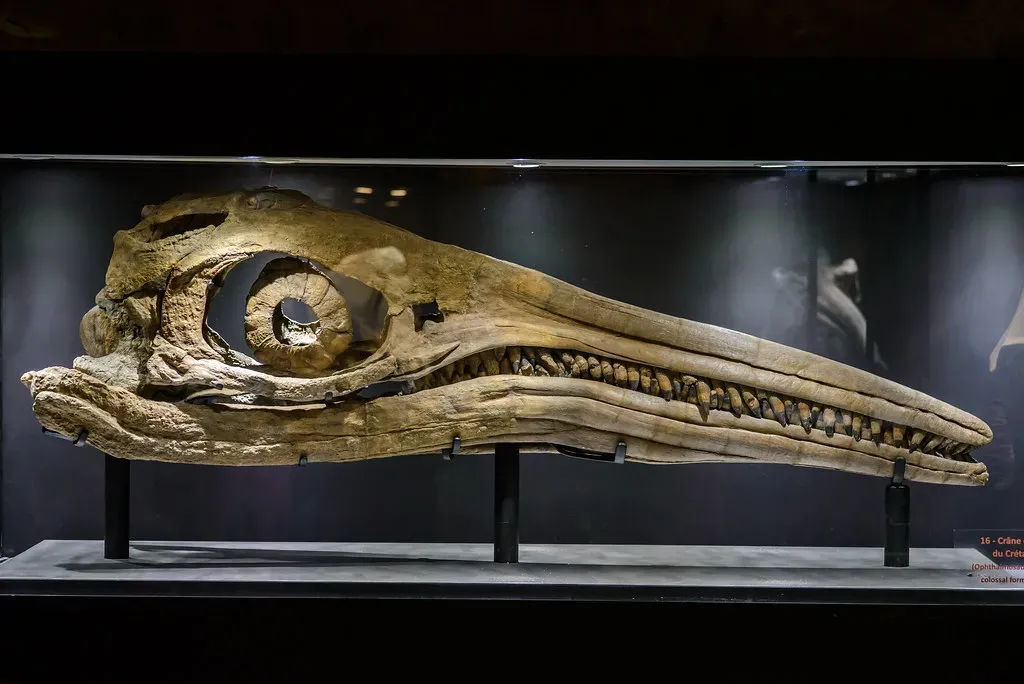
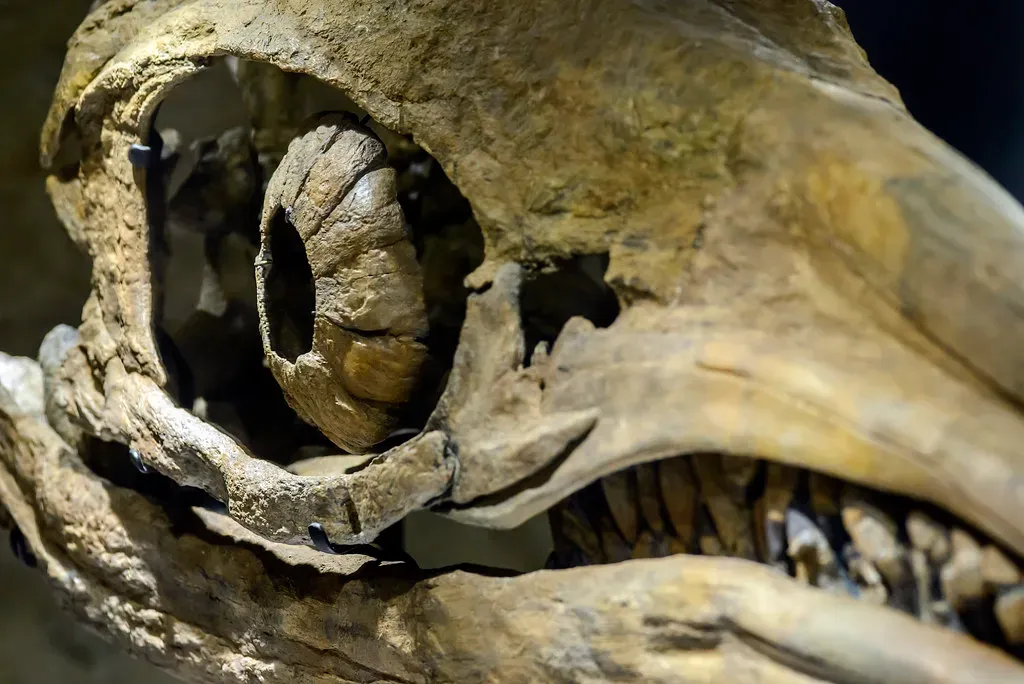
The wildest part of this story is that much of it comes from rock and bone. Paleontologists rarely find soft tissue like eyeballs, but they do find skulls with huge circular openings where the eyes once sat. In some ichthyosaurs, these openings are framed by a ring of thin bony plates called a sclerotic ring, which helped support and protect the eye, especially under the pressure of deep water.
By measuring these rings and the surrounding bone, scientists can estimate the size of the eye that once filled that space. When the numbers come back showing eyes bigger than modern sporting equipment, researchers know they are dealing with an animal that pushed sensory limits. To me, that is one of the most mind‑blowing things about paleontology: from fragments of bone, we can reconstruct how an animal sensed its world and even what kind of world it preferred to live in.
Comparing Ancient Eyes to Modern Giants
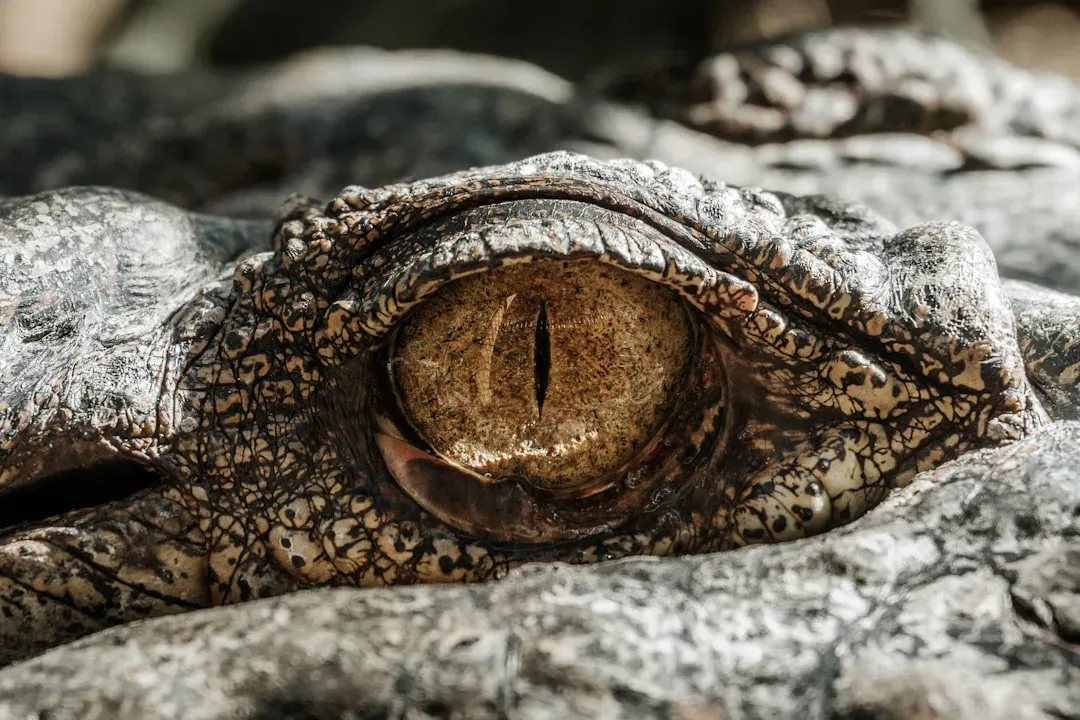
Today, the champions of eye size are deep‑diving animals like giant squids and some large whales, which need powerful vision to navigate and hunt in the dark depths. Their enormous eyes also collect tiny glimmers of light, helping them survive where the sun barely reaches. The fact that ancient marine reptiles evolved similar solutions tells us that the challenges of the deep sea have not changed as much as we might think.
When you compare these long‑gone reptiles to modern deep‑sea creatures, a pattern jumps out: again and again, life solves the problem of darkness by scaling up the light‑gathering hardware. It is like seeing nature reinvent the same clever trick over hundreds of millions of years. That parallel makes those fossil eye sockets feel strangely familiar, like an earlier draft of a design still in use today.
What Giant Eyes Reveal About Ancient Behavior
Huge eyes do more than tell us where an animal might have hunted; they also hint at when. Animals that are active at night, at dawn and dusk, or in deep, dim water tend to have proportionally larger eyes than those that live in bright daylight. That suggests some of these marine reptiles were either active in low‑light periods or regularly diving into darker layers of the ocean, rather than just cruising near the sunny surface.
Combine that with streamlined bodies and strong tails, and you get a picture of fast, agile predators making sudden lunges in the gloom, much like modern swordfish or tuna that strike from the shadows. It is tempting to imagine one of these reptiles rocketing up from the dark beneath a school of fish, guided by those massive eyes that could detect subtle movement long before their prey knew they were there. While we have to be careful about over‑imagining, the physical evidence lines up well with a life spent balancing speed, stealth, and superior vision.
Rewriting How We Picture “Reptiles”
Most of us grow up with a fairly basic image of reptiles: scaly, slowish, basking in the sun, maybe a crocodile lurking in a swamp. Giant‑eyed marine reptiles blow that stereotype apart. These were high‑performance hunters adapted to a cold, dark, high‑pressure world, closer in lifestyle to modern dolphins, sharks, or deep‑diving whales than to a sun‑soaking lizard on a rock.
I think that is why they feel so strangely modern and alien at the same time. On one hand, their body shapes and sensory adaptations slot neatly into ecological roles we still see today. On the other hand, the idea of a reptile with dinner‑plate‑sized eyes slicing through Jurassic or Triassic seas is so dramatic that it almost feels like a movie monster. It is a useful reminder that our planet has hosted forms of life far stranger and more extreme than anything we are used to now.
Why These Giant‑Eyed Predators Still Matter Today
It is easy to treat stories about ancient oceans as distant, almost mythic tales, but they actually feed directly into how we understand evolution, climate, and even today’s marine ecosystems. Studying these giant‑eyed reptiles helps scientists piece together how life adapts repeatedly to deep water and low light, and how entire food chains can be built around those conditions. That matters when we are trying to predict how modern animals might respond as oceans warm, darken, or change with human activity.
On a more personal level, I find these creatures oddly grounding. Whenever I start to think our modern world is as strange as it gets, I remember that long before humans appeared, there were reptilian hunters gliding through ancient seas with eyes bigger than a soccer ball, tuned perfectly to a world of darkness and danger. Their story makes our own moment in time feel smaller but also more connected to a long, wild history of experimentation by life. It makes me wonder: if that is what the past held, what other astonishing adaptations are still hidden in the rocks, waiting to change how we see the world all over again?