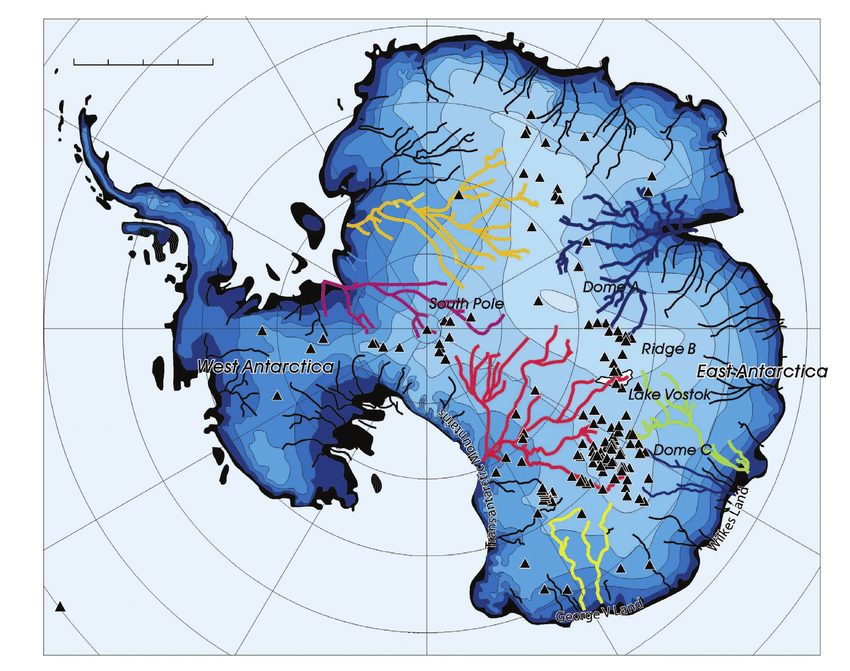
It is hard to imagine that the coldest, driest, windiest continent on Earth was once lush, green, and crawling with dinosaurs. Yet beneath Antarctica’s vast ice sheets lie the fossil fingerprints of ancient forests, giant reptiles, and climates that feel more like a prehistoric New Zealand than the icy desert we see today. The idea alone feels almost wrong, like saying the Sahara used to be a coral reef – but in Antarctica’s case, it actually happened.
When I first learned that scientists had dug up dinosaur fossils and fossilized tree stumps a stone’s throw (geologically speaking) from the South Pole, it completely changed the way I pictured this part of the planet. Antarctica stops being just a blank, white blob on the map and turns into a character with a deep, dramatic backstory: drifting across the globe, warming, cooling, growing forests, losing them, and finally freezing over. Once you see it that way, the ice suddenly feels like a final chapter, not the whole book.
Antarctica Wasn’t Always at the Bottom of the World
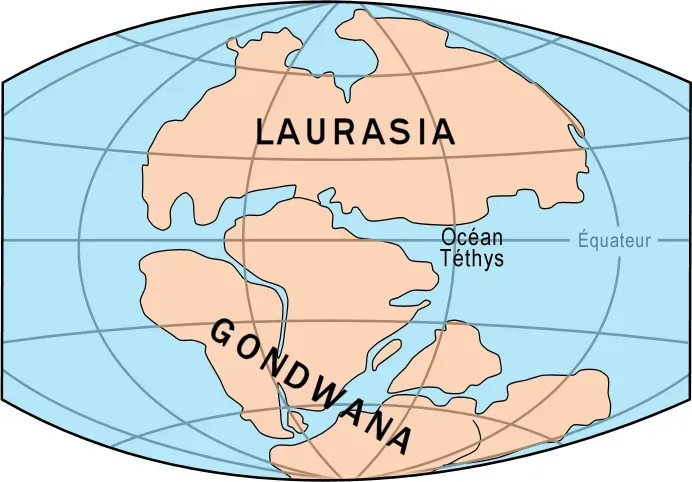
The strangest thing about Antarctica’s past is that the continent did not start where it is now. Hundreds of millions of years ago, it was part of the supercontinent Gondwana, jammed together with what would become South America, Africa, India, Australia, and the Arabian Peninsula. Because all these landmasses were arranged differently, Antarctica used to sit closer to the equator and then at temperate latitudes, where sunlight and warmth were far more generous than they are today.
As tectonic plates slowly shuffled like pieces on a cosmic chessboard, Antarctica drifted southward over tens of millions of years. That slow journey meant that its climate changed not overnight, but step by step, from warm and humid to cool and eventually brutal. It is a powerful reminder that where a continent sits on the globe controls almost everything about its climate and life, and that the world map we take for granted is just one temporary frame in a very long movie.
Fossil Forests Under the Ice: Proof of a Green Antarctica
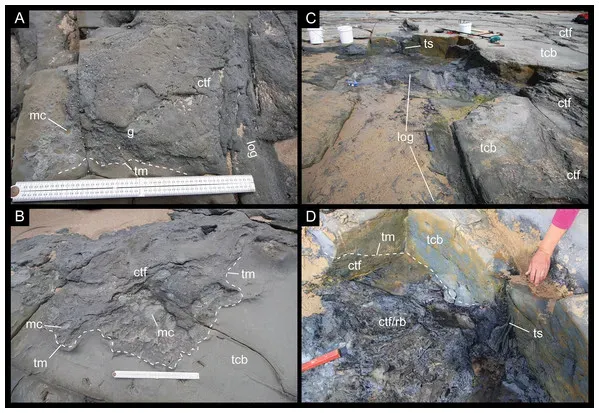
If the idea of Antarctic forests sounds like science fiction, the fossils say otherwise. In rocky outcrops now scoured by ice and katabatic winds, researchers have found fossilized tree stumps still rooted where they once grew, complete with growth rings. There are also impressions of leaves, seeds, and ancient soils that reveal entire ecosystems once covered the land. These fossil forests show that parts of Antarctica hosted dense woods, including relatives of modern southern beech, conifers, and other hardy trees.
Some of these forests grew in conditions we would find almost unthinkable today: long months of darkness in winter and continuous daylight in summer, thanks to the continent’s polar position. Trees had to adapt not only to cooler temperatures in some eras but also to weird light cycles, probably slowing down or pausing growth during the dark months rather than relying purely on temperature. It paints a picture of forests that were not tropical jungles, but tough, resilient green worlds surviving at the edge of what plants can tolerate.
Yes, Dinosaurs Roamed Antarctica’s Ancient Landscapes
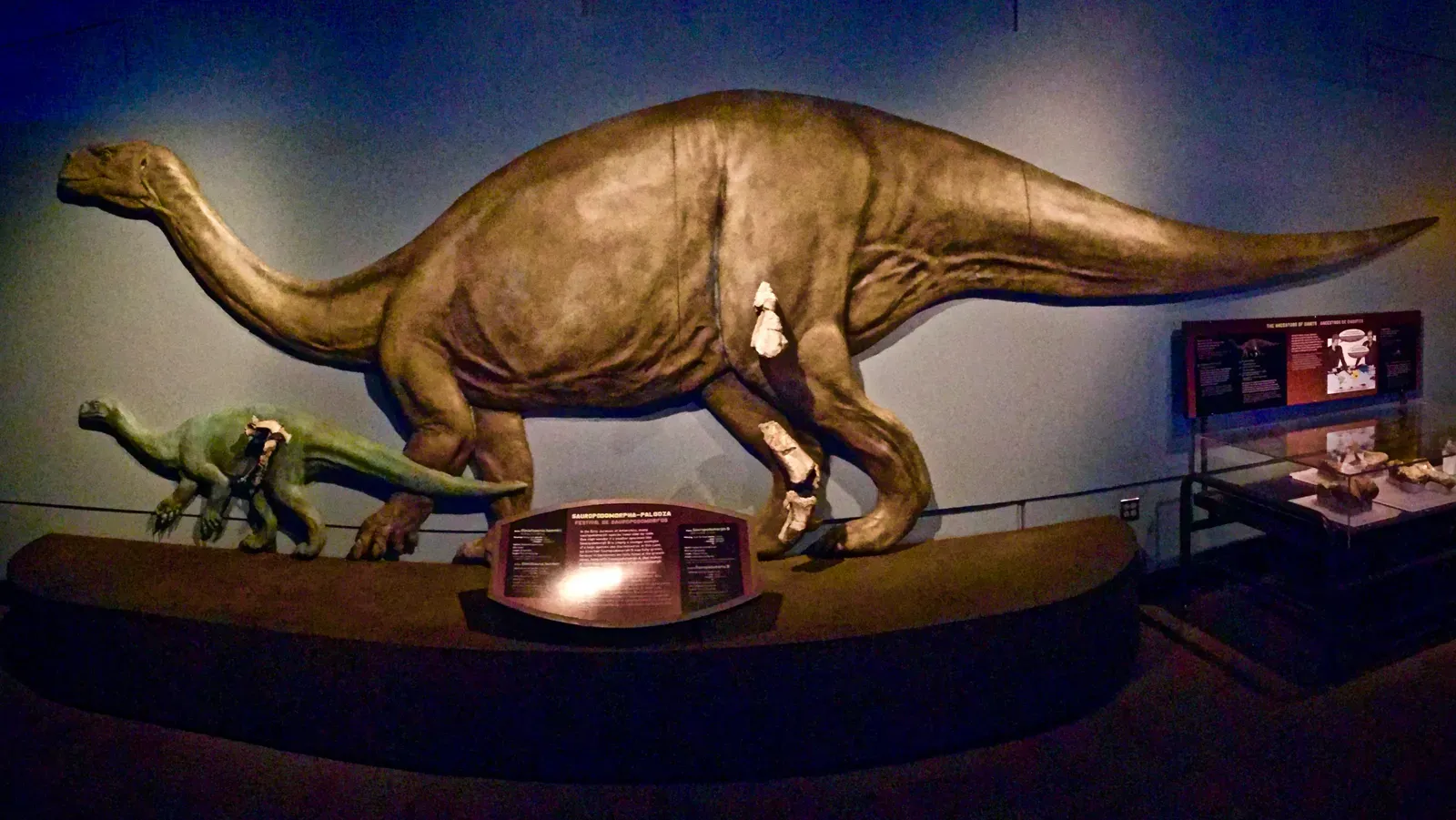
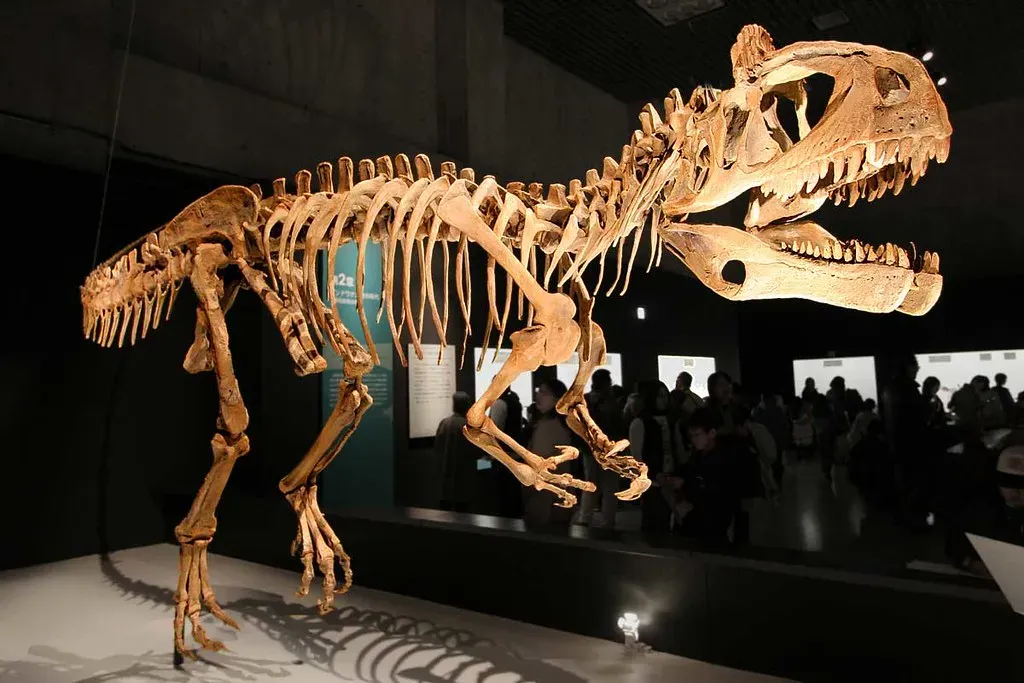
Forests are one thing, but dinosaurs in Antarctica feel almost like a movie plot twist. Paleontologists have discovered dinosaur fossils from several groups across the continent, including long-necked sauropods, predatory theropods, and early relatives of birds. During the Late Cretaceous, parts of what is now the Antarctic Peninsula and coastal regions seem to have supported rich ecosystems where dinosaurs hunted, browsed, nested, and migrated just as they did on other landmasses.
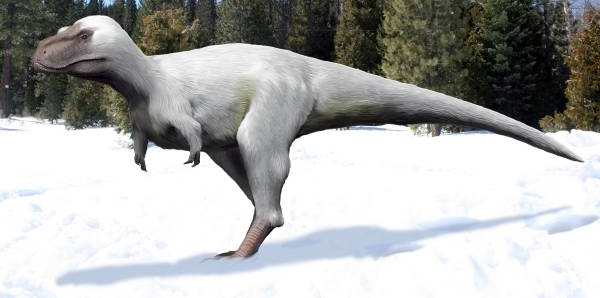
These Antarctic dinosaurs would not have trudged through snowdrifts like some dramatic illustration suggests, but they did cope with cooler, highly seasonal environments compared to the tropical scenes we usually imagine. Some researchers think that certain species may have grown slowly, used feather-like insulation, or even adjusted their behavior seasonally, echoing how animals in high-latitude regions cope with difficult conditions today. To me, that makes them feel even more impressive: they were not just big and fierce, they were also incredibly adaptable.
From Warm Greenhouse World to a Frozen Desert
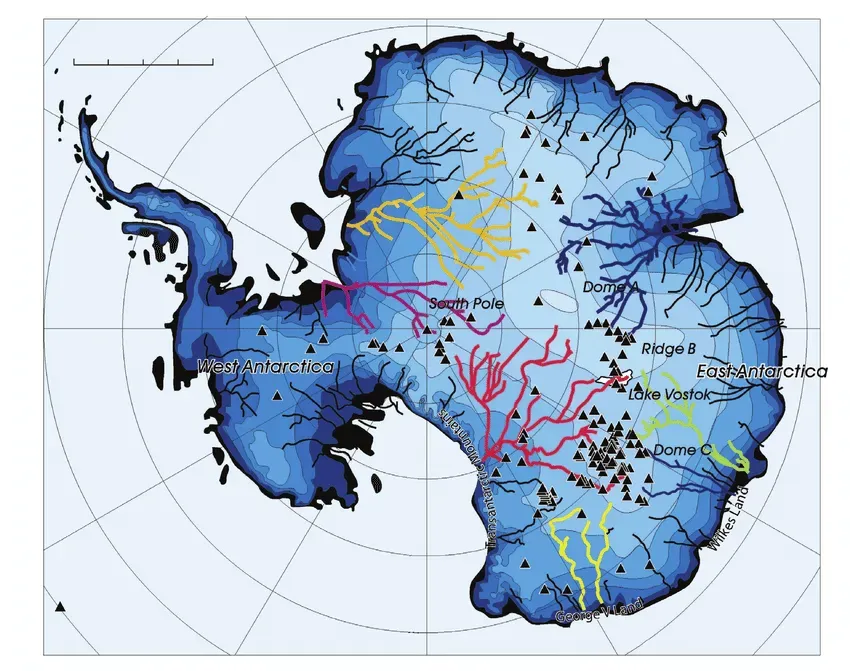
The big question is how Antarctica transformed from forested dinosaur habitat to the thickly glaciated ice cap we know now. The answer is not a single event but a long chain of changes in plate positions, ocean currents, and atmospheric chemistry. As Antarctica drifted fully over the South Pole and other continents moved away, ocean circulation reorganized and eventually helped isolate Antarctica with cold currents, especially once the Southern Ocean gateways opened between it and South America and Australia.
At the same time, long-term shifts in atmospheric carbon dioxide drove the planet from a greenhouse state into a much cooler one. When greenhouse gas levels dropped low enough in the late Eocene and Oligocene, large ice sheets began to form on the Antarctic landmass. Over millions of years, those ice sheets advanced, retreated, and advanced again, eventually growing thick and stable enough that the underlying forests and most evidence of earlier ecosystems were buried, scraped, or erased by ice. What we see today is the frozen endgame of a very long cooling spiral.
Clues Hidden in Rocks, Ice Cores, and Ancient Mud
Everything we know about Antarctica’s past comes from a surprisingly fragile trail of evidence. On land, exposed mountain ridges and coastal cliffs reveal layers of rock that were once river valleys, floodplains, and forest floors, now tilted and lifted by tectonic forces. In those layers, scientists find pollen grains, fossilized wood, and bones that help reconstruct ancient climates and food webs. These are the rare windows where the ice has retreated or never fully covered the rock, letting us peek into deep time.
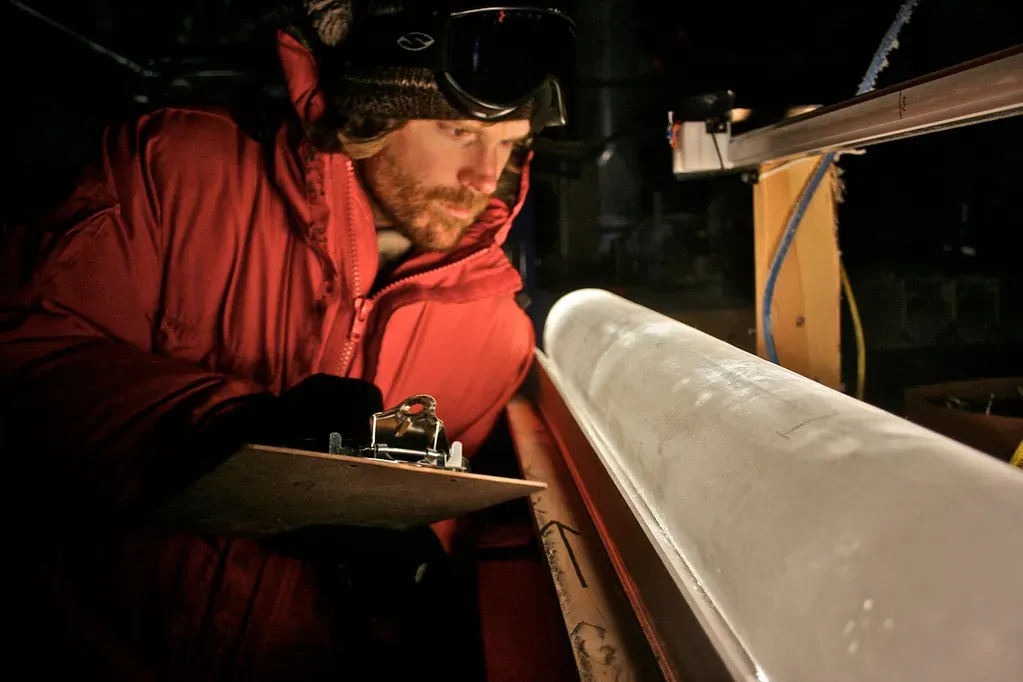
Out at sea, drilling into the ocean floor around Antarctica has pulled up long cylinders of sediment, each layer acting like a chapter in the continent’s climate diary. These cores contain microfossils, chemical signatures, and grains of dust that betray when ice sheets expanded or shrank, when oceans warmed or cooled, and when vegetation types changed on land. Ice cores drilled from the ice sheet itself add another crucial layer, recording atmospheric gases and temperature swings over hundreds of thousands of years. Put together, rocks, mud, and ice tell a remarkably consistent story of a continent slowly tipping from green to white.
Antarctica’s Ancient Climate: Dark Winters, Mild Summers
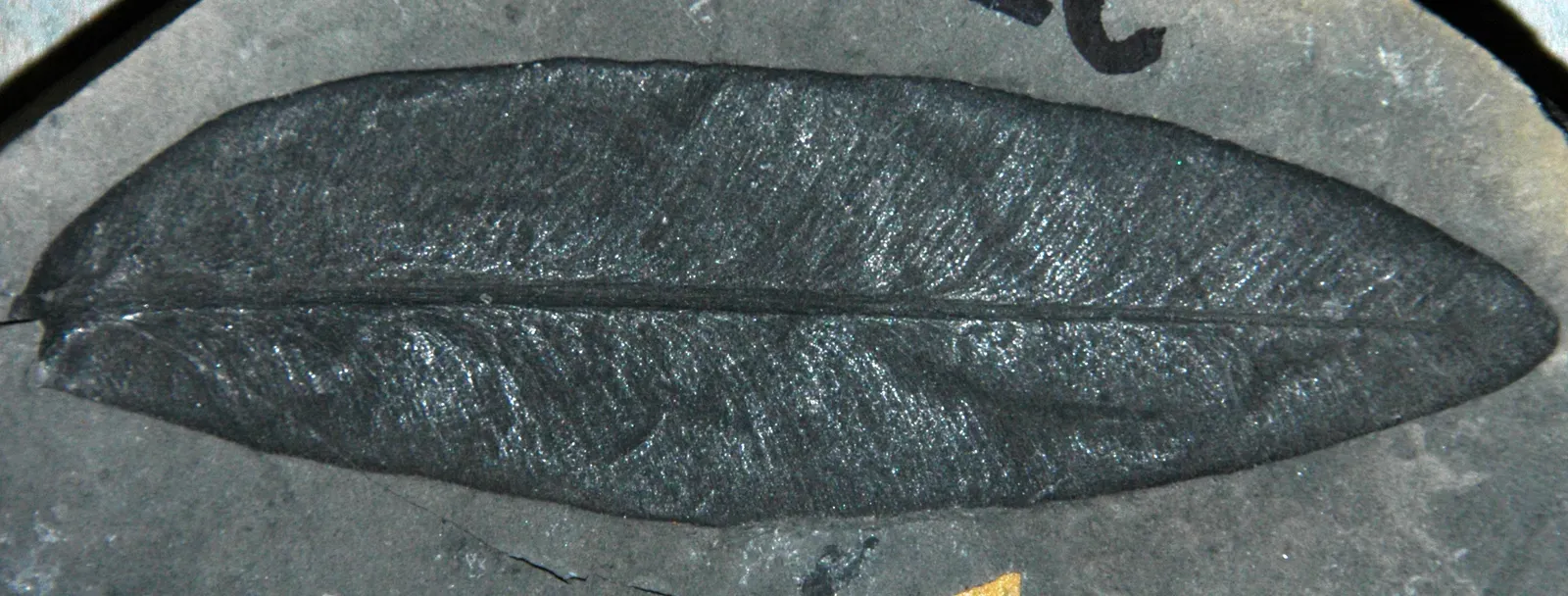
One of the most mind-bending aspects of ancient Antarctica is that even when it was warmer, it was still polar. That means months without direct sunlight in winter and months of endless day in summer, a pattern that seriously challenges both plants and animals. Fossil evidence of tree rings, leaf shapes, and soil chemistry suggests that some regions had surprisingly mild summer temperatures and relatively cool but not brutally cold winters during certain intervals of the Mesozoic and early Cenozoic. It was not a tropical paradise, but more like a cool, damp temperate forest pushed to the extreme edges of habitability.
In that world, ecosystems likely pulsed with strong seasonality. Plants may have gone dormant or dropped leaves in the prolonged winter twilight, then exploded with growth during the long summer day. Herbivorous dinosaurs would have followed the food, possibly migrating or switching diets as seasons changed, while predators tracked them. It is a fascinating reminder that warmth alone does not define a climate; light, day length, and seasonal extremes can be just as important, especially near the poles where the sun’s behavior is so unusual.
Why Antarctica’s Forests and Dinosaurs Matter for Our Future
At first glance, ancient Antarctic forests and dinosaurs sound like a quirky bit of trivia, the kind of thing you might drop into a conversation to sound interesting. But the deeper you look, the more this story says something uncomfortable and important about Earth’s climate stability. The same planet that once supported green, wooded landscapes at polar latitudes now holds a continent-sized freezer there, and both states were shaped by shifts in carbon dioxide, continental positions, and ocean currents. That tells us the climate system is more flexible, and more capable of dramatic change, than many people intuitively believe.
Personally, I find it sobering that Antarctica can swing from forest to ice sheet over geological timescales, and that changes in greenhouse gas levels are a central part of that swing. We cannot copy and paste those ancient conditions onto the present, because the configuration of continents, life, and the sun’s intensity is different now. But the broad lesson is stubborn: if you push the climate hard enough for long enough, even the poles can flip personalities. In a century where human activity is rapidly adding greenhouse gases, Antarctica’s deep-time story feels less like a curiosity and more like a warning label.
Conclusion: The Ghost Forest Beneath the Ice
Knowing that Antarctica once echoed with the creak of trees and the footsteps of dinosaurs changes the way its icy silence feels. Under thousands of meters of ice lies the ghost of a completely different continent, one that proves Earth’s climate can rewrite the rules of what seems normal. I think we make a mistake when we treat today’s frozen Antarctica as a permanent fact of nature rather than as one chapter in a long, volatile saga that includes both forests and glaciers.
In my view, the most unsettling and inspiring part of this story is that it forces us to respect just how powerful slow, steady changes in climate can be. If deep time can erase an entire forested world at the South Pole and replace it with an ice desert, then the changes we are driving today deserve a lot more humility and caution than they often get. The next time you see Antarctica on a map, maybe picture not just ice, but buried tree roots and dinosaur bones under the frozen crust – and then ask yourself: how different might this map look again, a few million years from now?