For most of us, dinosaurs feel strangely familiar. We grew up with plastic T. rexes, movie raptors, and coloring books full of scaly giants thundering across swamps. But here’s the twist that still surprises me every time I read a new paper: a lot of those classic images are quietly being rewritten. Bone by bone, feather by feather, paleontologists are discovering that many dinosaurs did not look, move, or even live quite the way we thought.
This is not a small cosmetic update. In the last few decades, new fossil discoveries and better tech have forced scientists to redraw entire species, rethink their posture, and even reconsider which animals count as “dinosaurs” in the first place. It’s like finding out your favorite childhood superhero has been wearing the wrong costume for years. So let’s dig into how these changes happened, what they tell us about science, and why the dinosaurs in your head are probably overdue for an upgrade.
The Death of the Tail-Dragging Dinosaur
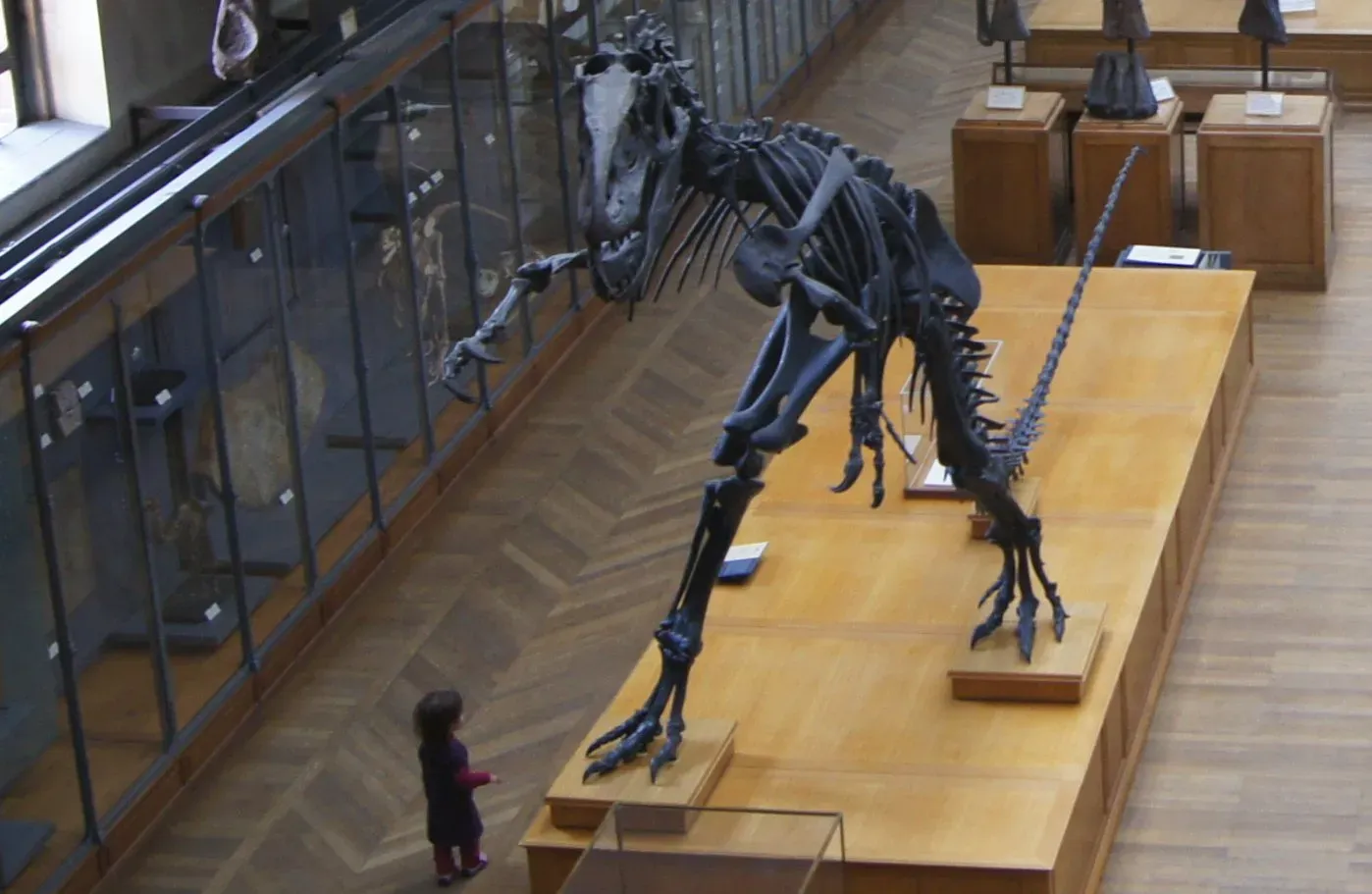
Remember those old museum paintings where huge dinosaurs shuffle along with their tails trailing sadly in the dirt? That image is basically extinct now. As more complete skeletons have turned up and scientists studied how modern animals balance their bodies, it became clear that many dinosaurs held their tails straight out behind them like a counterweight, not dragging them like a limp rope.
This change matters more than it seems. A raised tail means a more horizontal spine, which means a more dynamic, agile animal instead of a slow, swamp-dwelling brute. When I first stood under a modern T. rex mount with its tail lifted and body poised like a giant, murderous bird, it felt like meeting a completely different creature than the lumbering monster from old textbooks.
From Scales to Feathers: The Fluffy Dinosaur Revolution
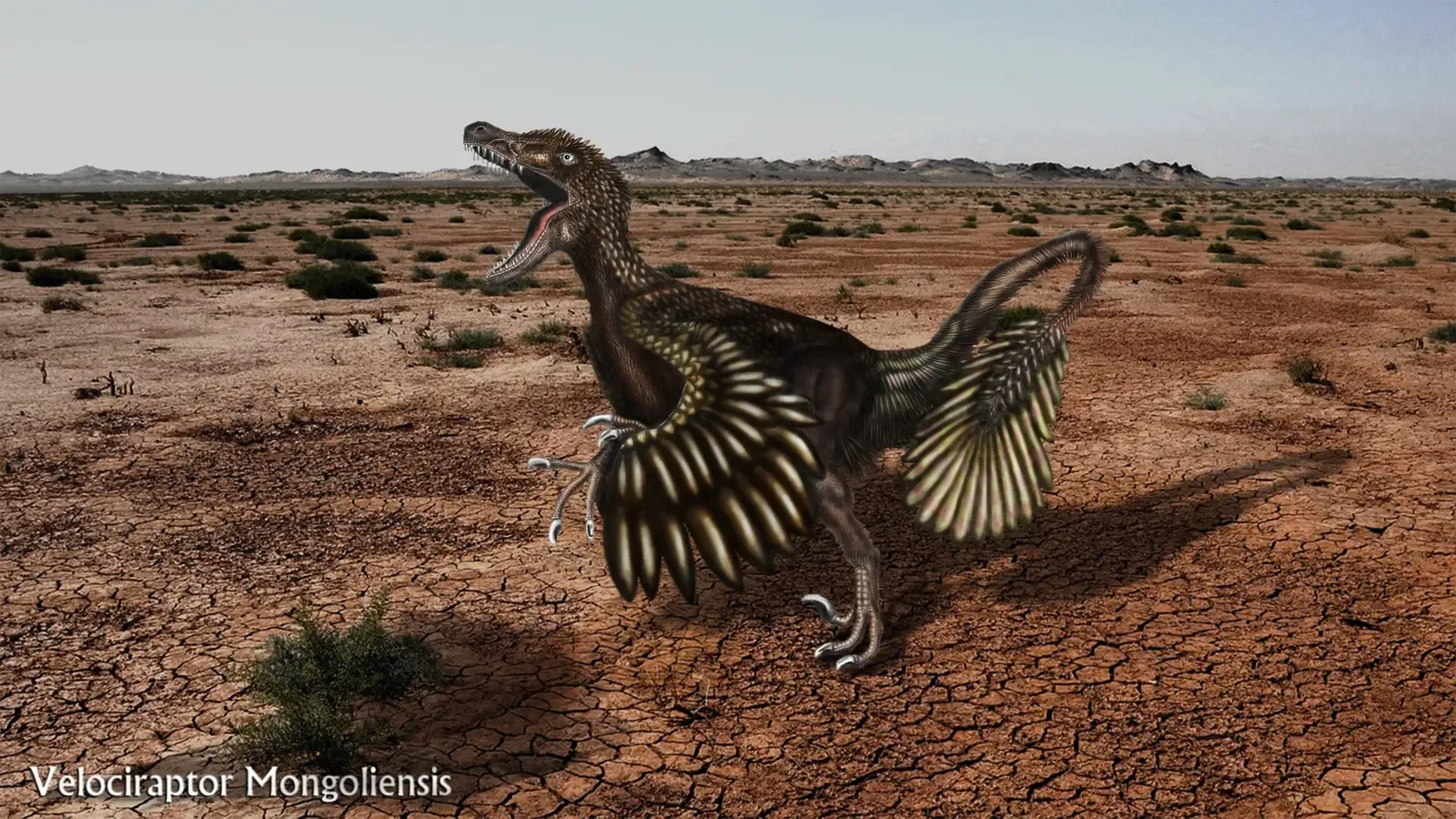
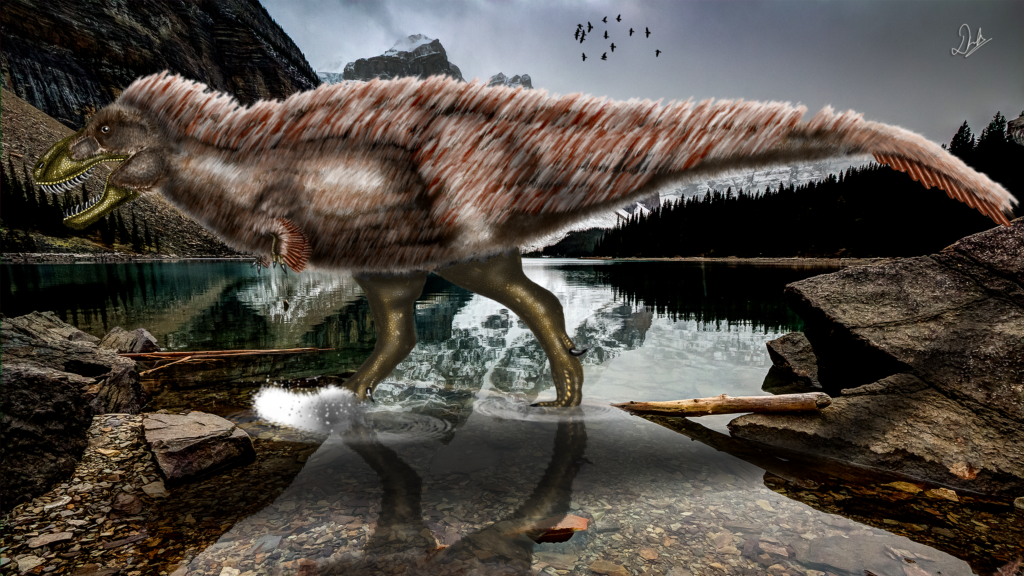
One of the most shocking shifts has been the rise of feathered dinosaurs. Detailed fossils from places like China preserved fine impressions of filaments and plumage, revealing that many theropod dinosaurs – especially those closely related to birds – had feathers or feather-like coverings. Some probably looked more like oversized, terrifying turkeys than lizards.
This has completely changed how artists and scientists rebuild certain species. Velociraptor, for example, is now often reconstructed with arm-feathers and a more bird-like profile, not the sleek, scaly movie villain many of us picture. There is still debate about exactly how fluffy some species were, but the old idea that dinosaurs were just giant reptiles with bare, scaly skin is never coming back.
Dinosaur Posture: No More Kangaroo T. rex
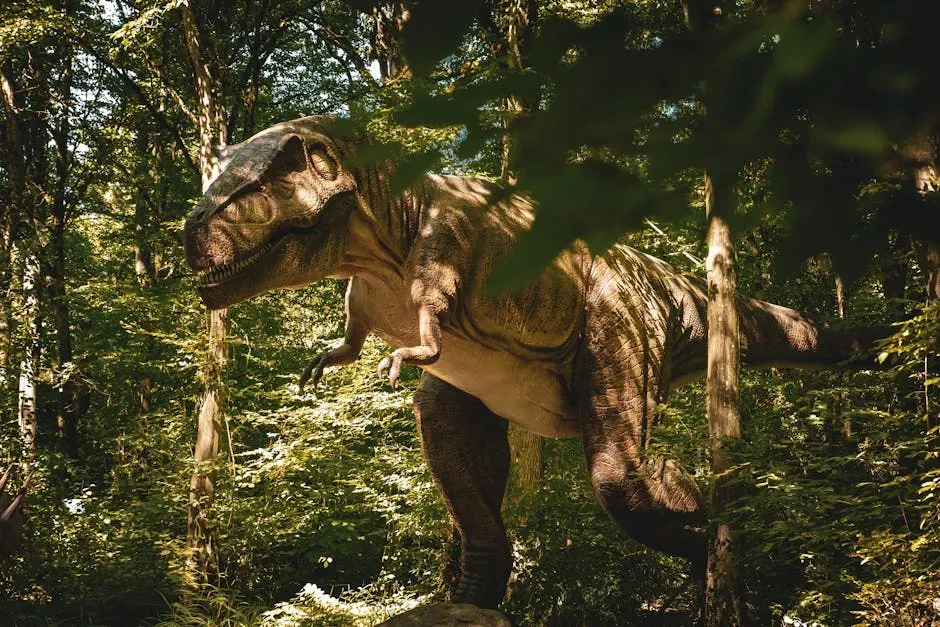
Older reconstructions often put T. rex in a strange, almost kangaroo-like pose: torso upright, tail on the ground, head raised high like a person standing. Modern studies of joints, muscle attachments, and balance point to a very different posture. T. rex would have leaned forward, head out front, tail stretched behind, built like a powerfully built, predatory bird on massive legs.
This is not just a cosmetic preference; it comes out of biomechanics. When researchers model how much stress bones and joints can take, the horizontal posture fits better with how the skeleton is built to distribute weight. Once you see that forward-leaning version, ready to lunge, it feels far more believable than the old “Godzilla stance” we grew up with.
Rethinking Size, Shape, and Bulk
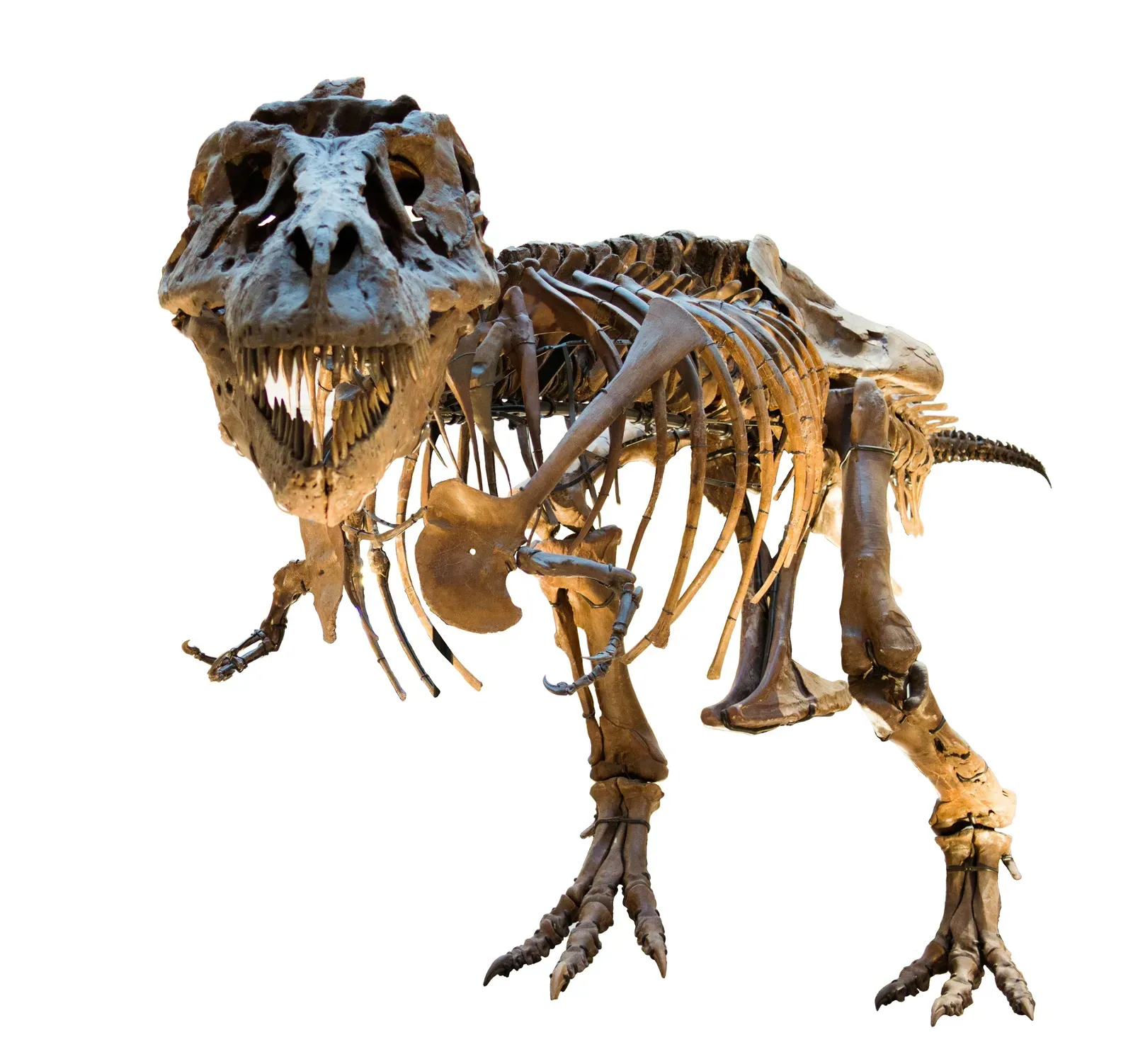
New fossils and better methods have also trimmed some of the exaggeration out of classic dinosaur reconstructions. Earlier artists often inflated muscles, bulk, and even skull size, partly because big and beefy looks impressive, and partly because we did not yet have refined techniques to estimate body mass from bones. Now, with computer modeling and comparisons to living animals, some dinosaurs have been slimmed down.
On the flip side, new, more complete finds sometimes reveal that a dinosaur was stranger or more lightly built than first thought. Skulls once reconstructed as smooth and fairly plain later turned out to have crests, ridges, or elaborate horns when better specimens were discovered. In a way, we are learning that dinosaurs were not just big lizards; they were diverse, often oddly proportioned animals, and our early “average dinosaur” was an oversimplified cartoon.
Color, Patterns, and the End of All-Green Dinosaurs
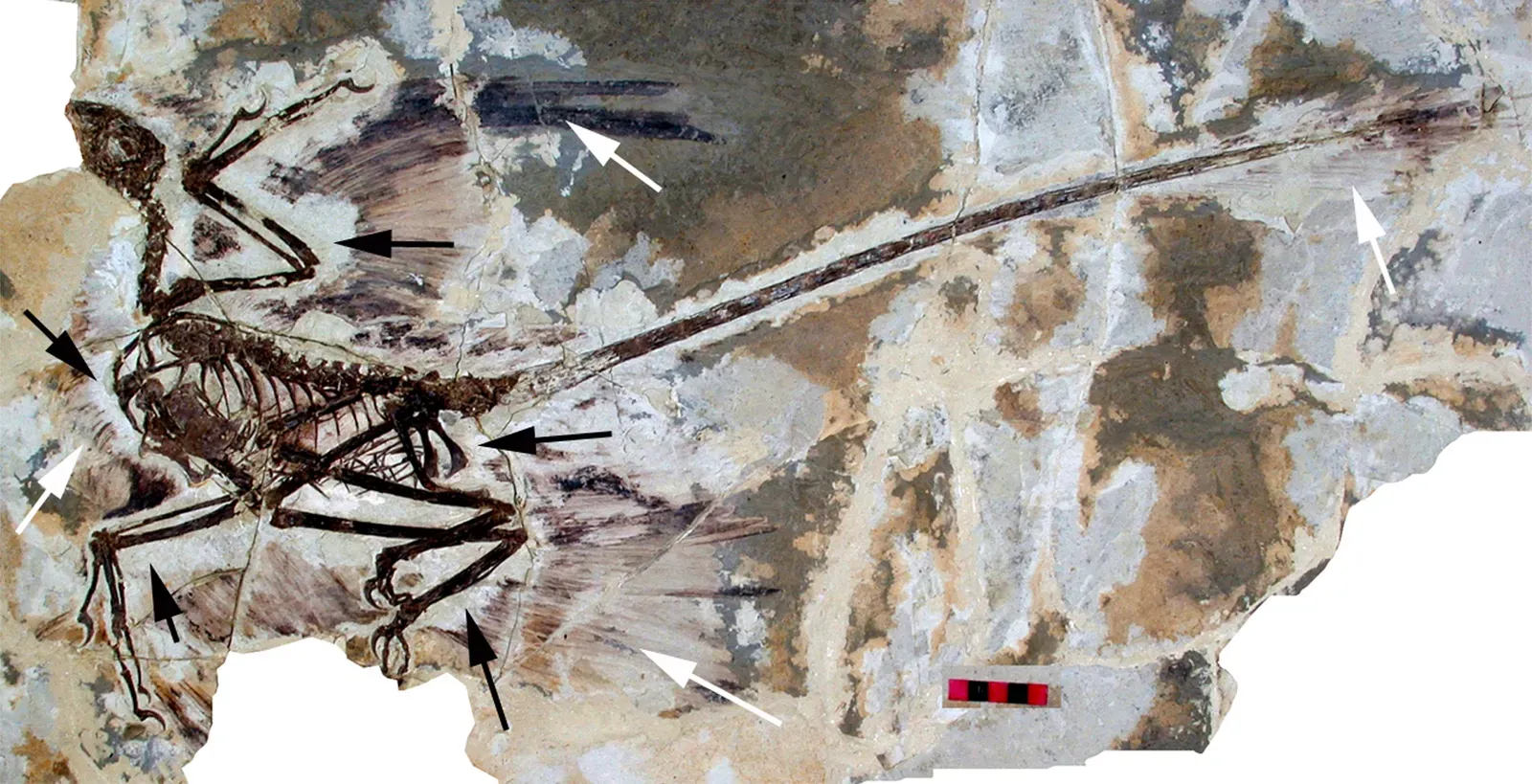
For a long time, dinosaur colors were basically guesswork. Artists defaulted to green, brown, or gray because that felt reasonably safe and “natural.” That started to change when scientists began studying microscopic structures in exceptionally preserved feathers, structures that can reflect light differently depending on their shape. By comparing them with similar structures in modern birds, researchers could make educated inferences about some ancient colors and patterns.
We still only have solid clues for a small number of species, mostly those with well-preserved feathers, and even then it is not exact like a color photograph. But the idea that dinosaurs might have had striping, patches, or even iridescent sheens has broken the monotony of the dull-green stereotype. Personally, I love this shift: it reminds us that these were living animals, not movie props, and life tends to be much more vibrant than we first assume.
Behavioral Rethinks: From Lone Killers to Social Creatures
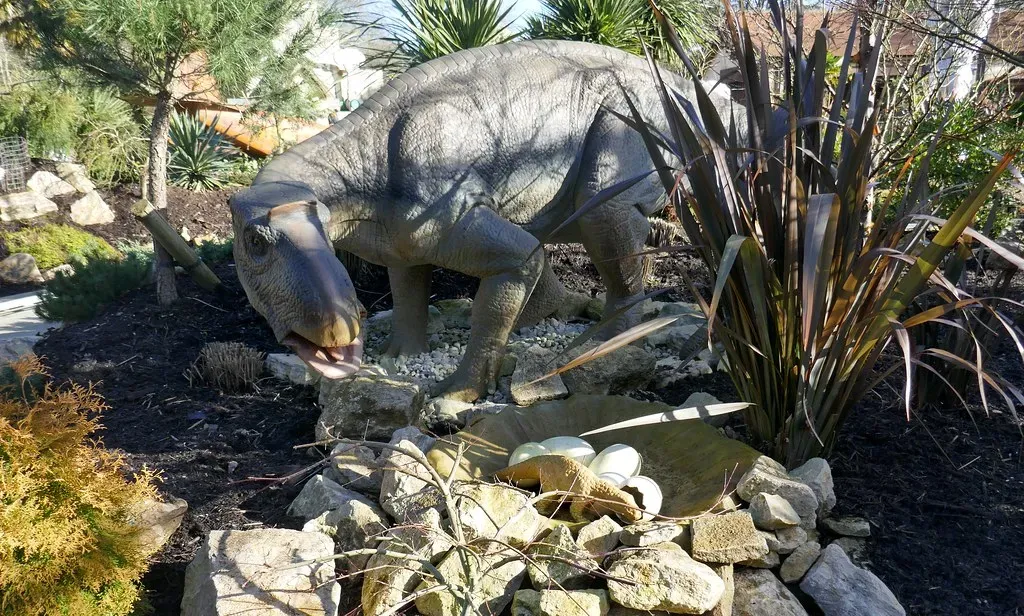
As more fossil sites are uncovered, paleontologists are finding not just individual skeletons, but groups of animals preserved together, trackways showing multiple individuals moving in the same direction, and nests containing eggs and juveniles. All of this paints a more complex picture of dinosaur behavior. Some species may have nested in colonies, cared for their young, or even moved in coordinated groups.
These discoveries feed back into how we physically reconstruct them. A dinosaur designed for pack hunting, for instance, may be rebuilt with different emphasis on agility, sensory organs, or display features than one imagined as a solitary ambush predator. I think the biggest emotional shift here is that dinosaurs feel less like mindless monsters and more like wild animals we might recognize from today’s savannas and seabird cliffs – just scaled up and set in another era.
New Tech, New Bones, New Stories
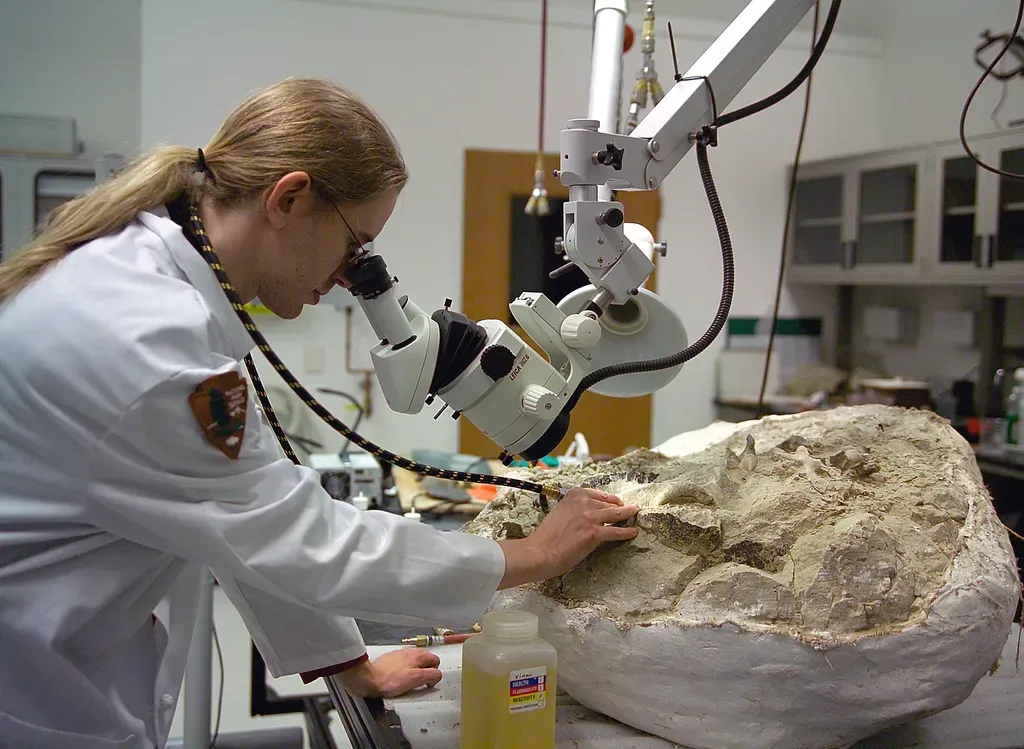
One underrated reason reconstructions keep changing is the rise of new technology. CT scanning, 3D modeling, and finite element analysis let scientists peer inside fossil skulls, estimate muscle forces, and test how a jaw or limb would have handled stress. Sometimes, those tests show that an earlier pose or bite style simply does not make mechanical sense, forcing a rethink of how the animal looked and moved.
On top of that, fresh discoveries from new fossil sites keep challenging the old storylines. A single well-preserved specimen can overturn decades of assumptions made from fragmentary remains. The pattern is almost predictable now: a dramatic news headline, a careful paper, and then artists and museums quietly updating their models. It can be frustrating if you crave certainty, but to me it is part of the thrill – dinosaurs are one of the clearest examples of science being a living, self-correcting process.
Why Constantly Rebuilt Dinosaurs Make Science More Trustworthy
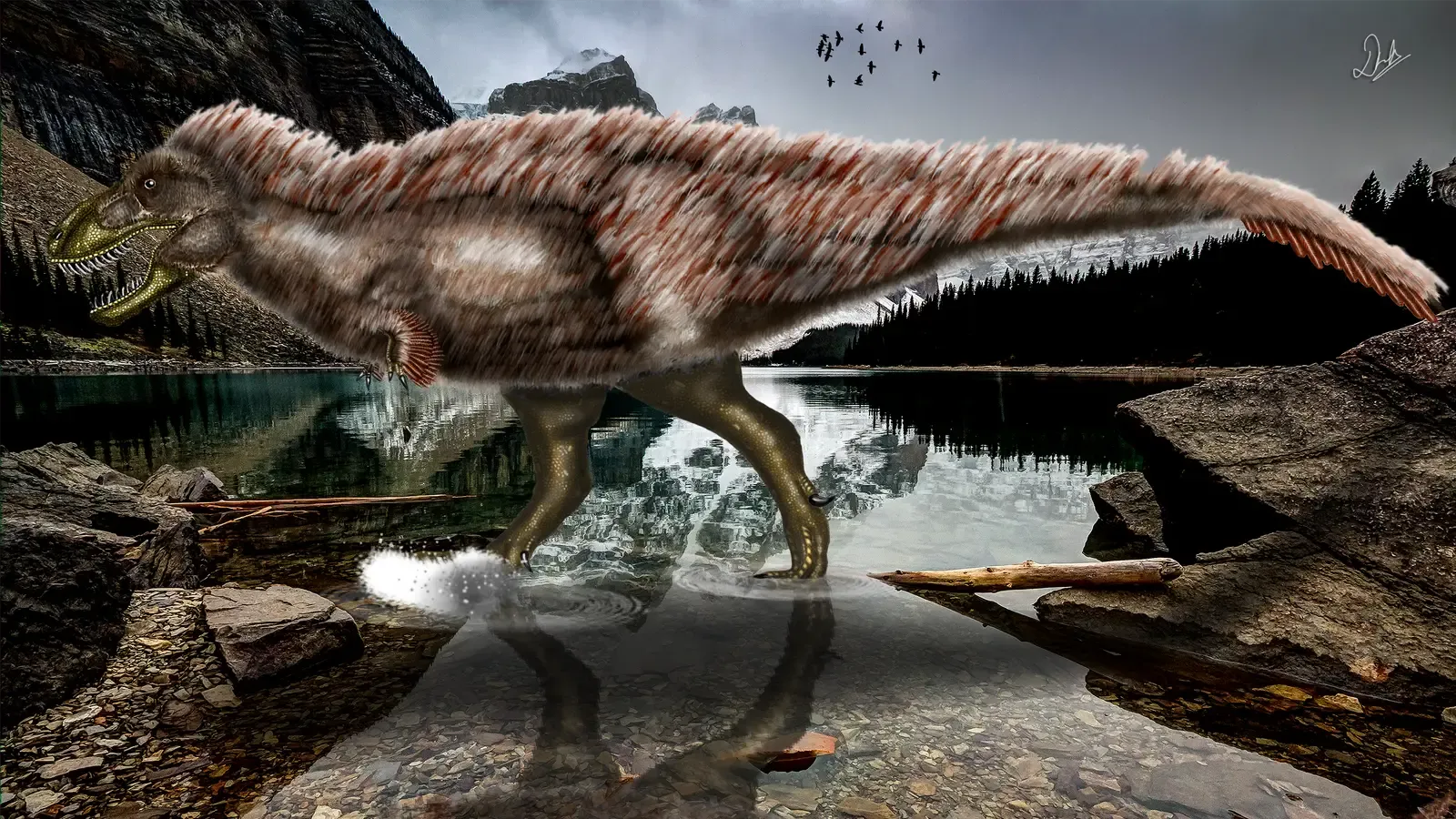
At first glance, it might feel unsettling that scientists keep changing their minds about what dinosaurs looked like. If T. rex can go from tail-dragging swamp monster to agile, feathered predator in just a few decades, what else might we be “wrong” about? But that constant revision is actually the most honest thing about science. The goal is not to defend yesterday’s picture; it is to get closer and closer to what really happened, even if it means admitting older reconstructions missed the mark.
When I look back at the dinosaurs I loved as a kid, I do not feel betrayed; I feel like I’ve been watching a long-running series where the special effects keep getting better. Every new fossil, every updated mount in a museum, is another episode in a story we are still refining. In my view, a science that never changes its mind is more suspicious than one that updates its dinosaurs. If even legendary creatures from deep time can be rebuilt in the light of new evidence, maybe we should be just as willing to redraw our own assumptions – about nature, about history, and about what we think we “already know.” Did you expect ancient bones to be this good at keeping us humble?