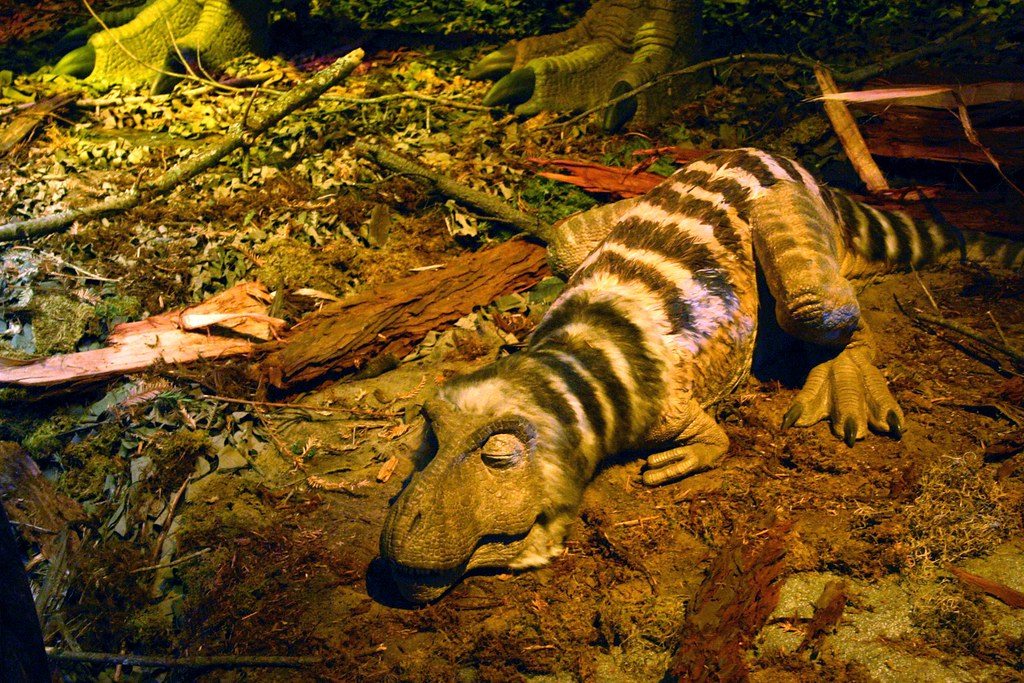
Picture this: a massive Tyrannosaurus rex closing its tiny eyes and drifting off into a world of prehistoric dreams. Or maybe a graceful Triceratops, tucked comfortably in a forest clearing, experiencing rapid eye movements behind closed lids. While this might sound like something out of a fantasy movie, recent scientific discoveries are painting an entirely new picture of dinosaur sleep that’s far more fascinating than we ever imagined.
The Sleeping Dragon Discovery
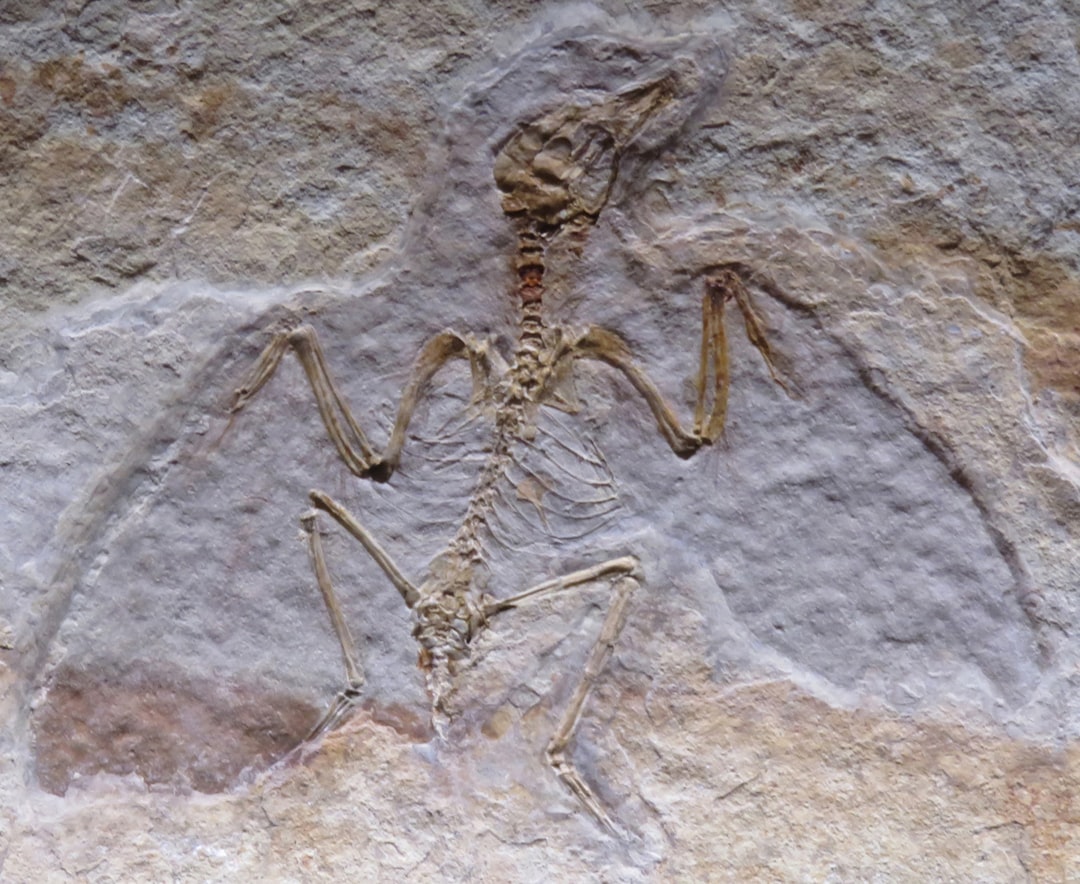
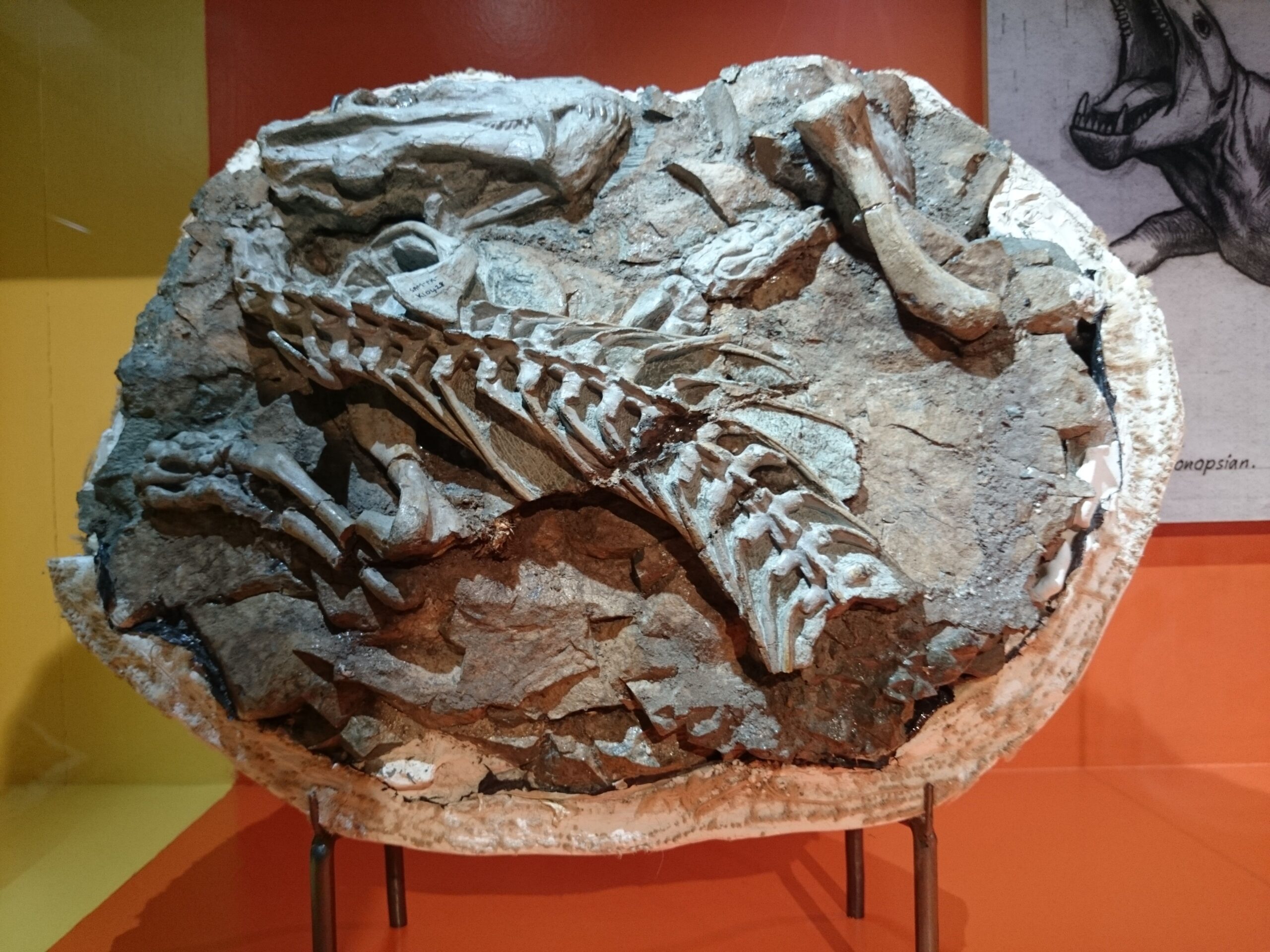
In 2004, paleontologists made a discovery that would revolutionize our understanding of dinosaur behavior forever. Mark Norell and Xu Xing named a new specimen Mei long, referring to the Chinese words for “soundly sleeping dragon.” The small bird-like dinosaur is preserved in a remarkable life-like pose, with its head tucked between its forearm and trunk with its tail encircling its body.
What made this fossil so extraordinary wasn’t just its preservation quality – it was the behavior it captured. The chemistry of the matrix stone and the resting pose indicate the living animal was probably buried instantly in volcanic ash. This sleeping dragon gave scientists their first concrete evidence that dinosaurs didn’t just exist – they rested, they slept, and they did so in remarkably bird-like ways.
Modern Reptiles Show the Way
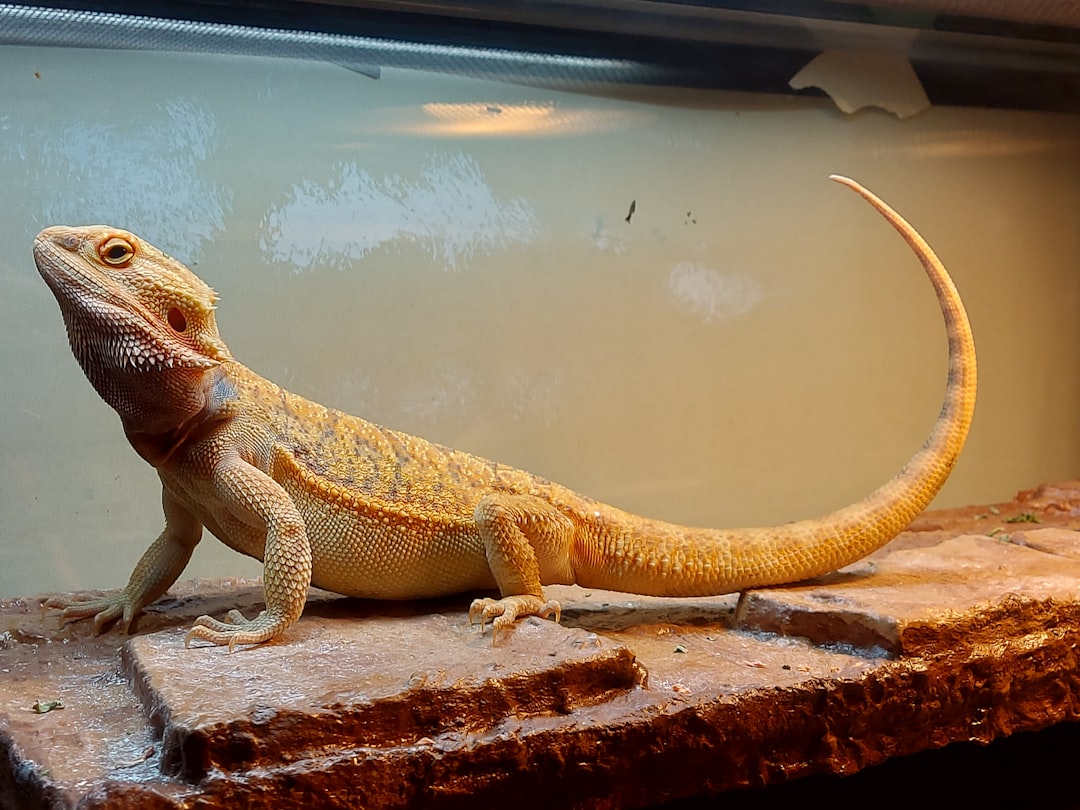
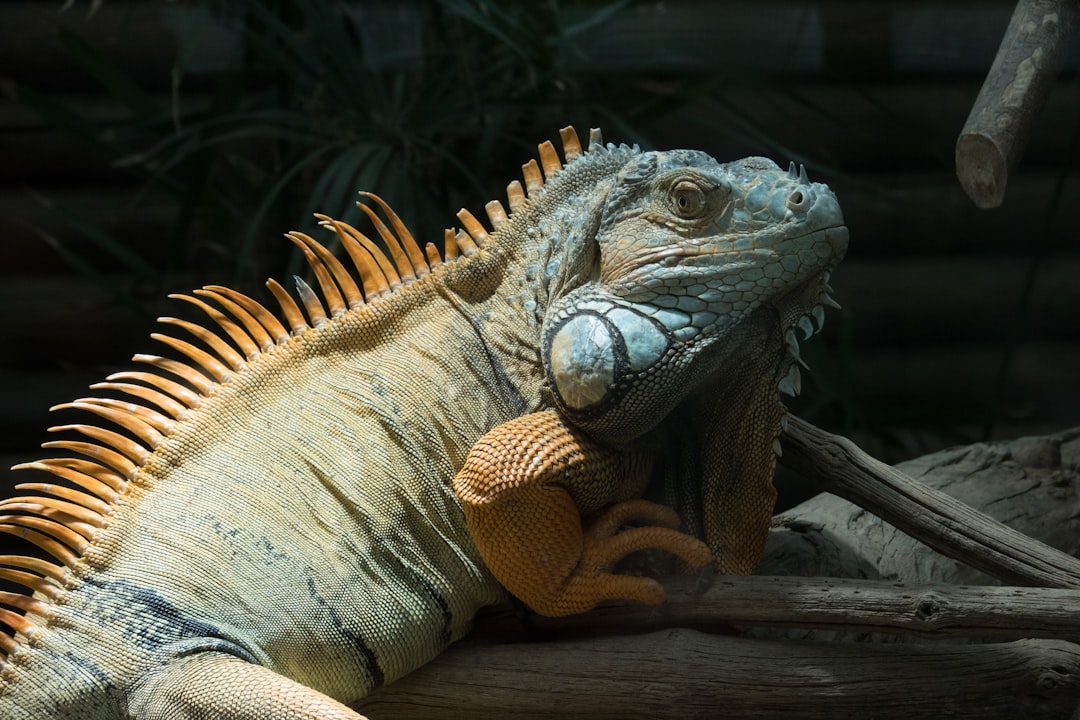
The breakthrough that truly opened the door to understanding dinosaur sleep came from an unexpected source – bearded dragons. Gilles Laurent and members of his laboratory at the Max Planck Institute for Brain Research describe for the first time REM and slow-wave sleep in a reptile, the Australian dragon Pogona vitticeps. These seemingly simple creatures were about to reveal one of evolution’s most closely guarded secrets.
Laurent and his colleagues describe the existence of REM and slow-wave sleep in the Australian dragon, with many common features with mammalian sleep: a phase characterized by low frequency/high amplitude average brain activity and rare and bursty neuronal firing (slow-wave sleep); another characterized by awake-like brain activity and rapid eye movements. This discovery completely shattered the long-held belief that REM sleep was exclusive to mammals and birds.
The Ancient Origins of Sleep States
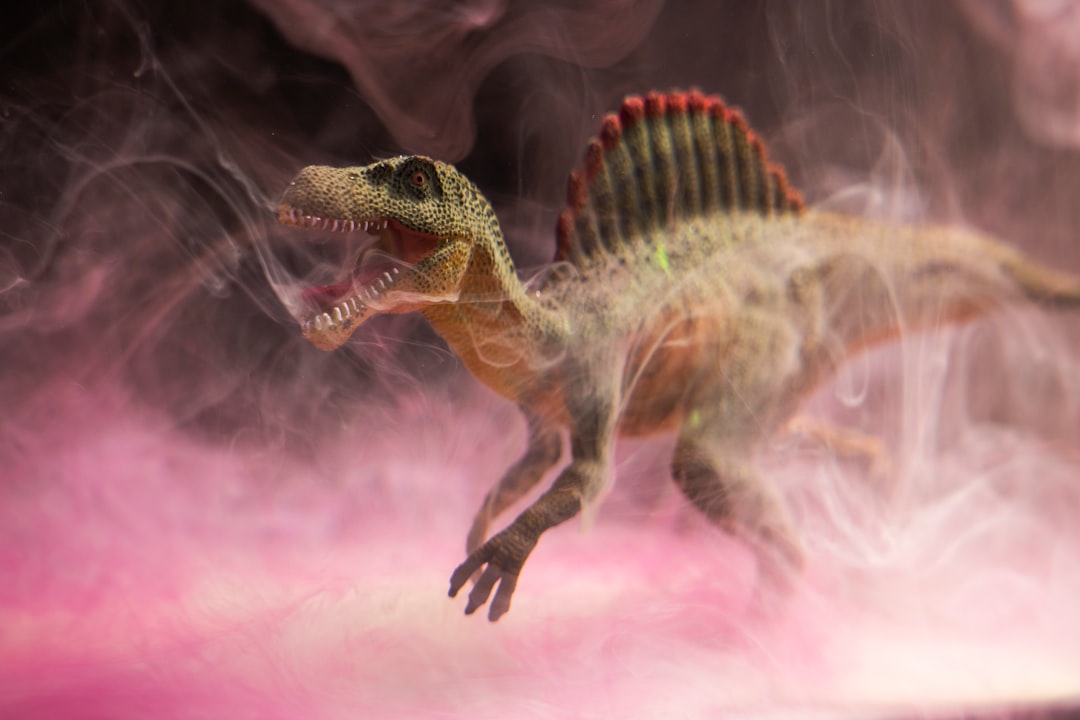
Amniotes appeared ~320 million years ago, and quickly bifurcated into a group that led to the mammals (including us humans), and another that led to the reptiles and the birds. This ancient divergence holds the key to understanding when complex sleep patterns first emerged. Bearded dragons are a type of lizard that branched out of the common reptilian trunk some 250 million years ago, much earlier than the branch that would lead to the dinosaurs and the birds.
These observations suggest that REM sleep and NREM sleep evolved earlier than previously thought. The implications are staggering – if modern reptiles share these sleep patterns with mammals and birds, then their common ancestor likely possessed similar capabilities. This means dinosaurs, sitting squarely on that evolutionary timeline, almost certainly experienced complex sleep states.
The Dinosaur-Bird Sleep Connection
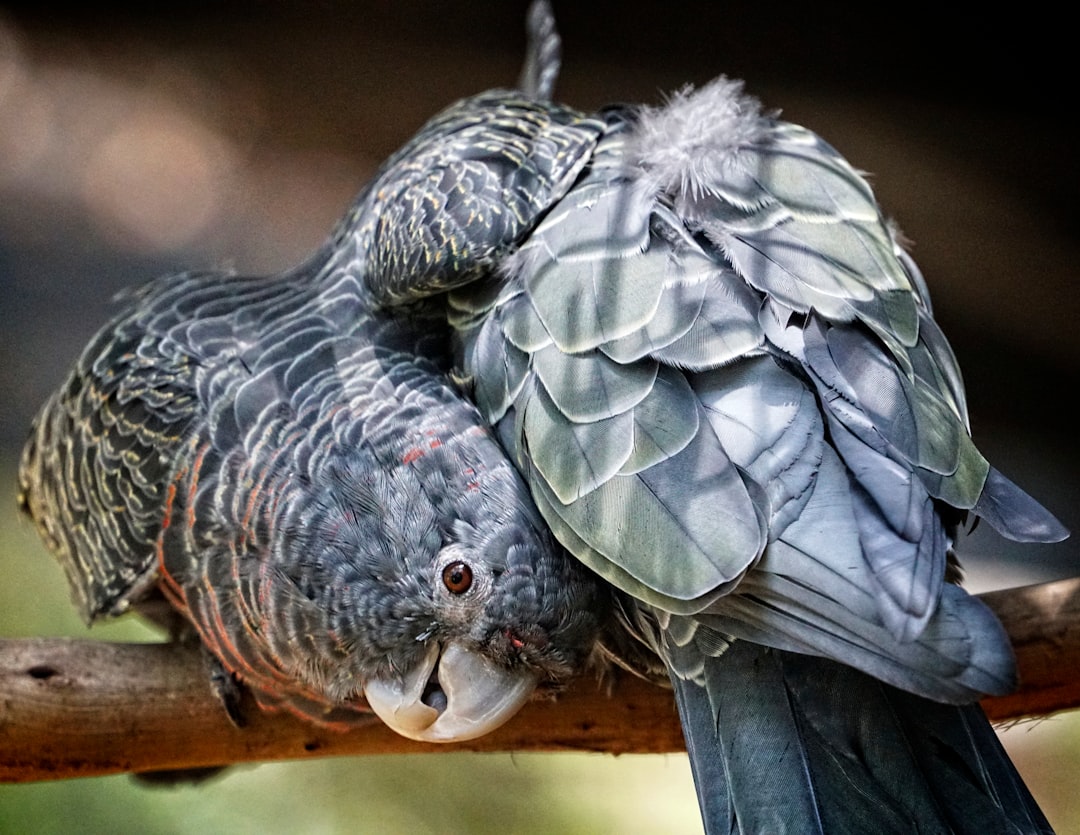
Birds are living dinosaurs, and their sleep patterns offer us a window into the prehistoric past. Birds, the closest living relatives of dinosaurs, have been shown to enter REM sleep and possibly experience dreams. Zebra finches, for example, exhibit nighttime neural patterns that mirror their daytime singing, suggesting that they may be “rehearsing” songs in their sleep. This remarkable behavior suggests that the capacity for complex dreams didn’t just appear randomly – it evolved from ancient roots.
The tucking-in behavior for sleeping or resting in modern birds originated in small dinosaur precursors to modern birds. The fossil evidence backs this up beautifully. Multiple Mei long specimens have been found in identical sleeping positions, proving this wasn’t just a fluke of preservation but a genuine behavioral pattern that persisted across millions of years.
Brain Evolution and Sleep Architecture
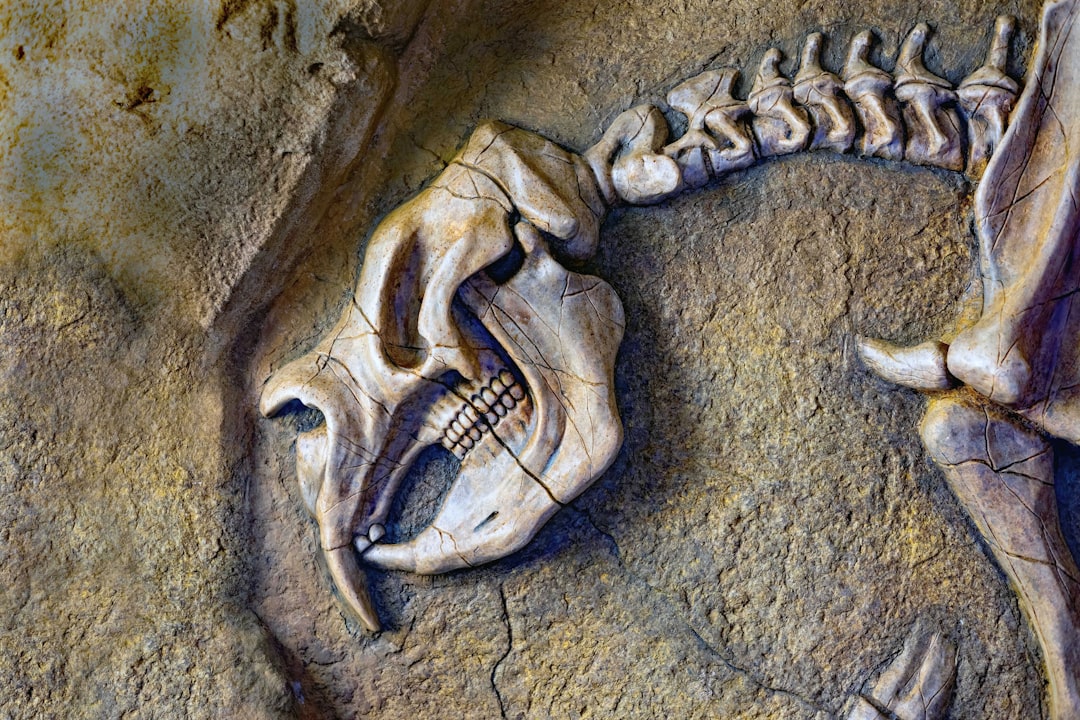
The structure of dinosaur brains provides fascinating clues about their sleep capabilities. Later research showed that relative brain size progressively increased during the evolution of theropods, with the highest intelligence – comparable to that of modern birds – calculated for the troodontid Troodon. These weren’t the sluggish, simple-minded creatures once imagined – they were sophisticated animals with complex neural architecture.
New research suggests the claustrum and its role in sleep date back as many as 320 million years to the ancestor of birds, other reptiles, and mammals. That means the claustrum’s role in mammalian sleep should be investigated, especially in humans. The claustrum, a brain region crucial for sleep regulation, appears to be an ancient feature that dinosaurs would have possessed.
The Speed of Dinosaur Dreams
If dinosaurs did experience REM sleep, their dream cycles would have been dramatically different from ours. While in lizards slow-wave and REM-sleep have roughly equal durations during each cycle, REM is much shorter then slow-wave sleep in mammals, and both short and irregular in birds. Lizard sleep rhythm is extremely regular and fast: the lizard’s sleep cycle is about 80 seconds long at 27°C, vs. 30 minutes in cat or 60-90 minutes in humans.
Imagine a world where dinosaurs experienced rapid-fire dream sequences every minute and a half! Overall, lizard sleep seems a lot simpler and may thus be closer to the ancestral mode of brain sleep. This suggests that dinosaur dreams might have been frequent, brief, and potentially more primitive than the elaborate narratives we experience during our lengthy REM phases.
Fossil Evidence of Sleeping Behavior
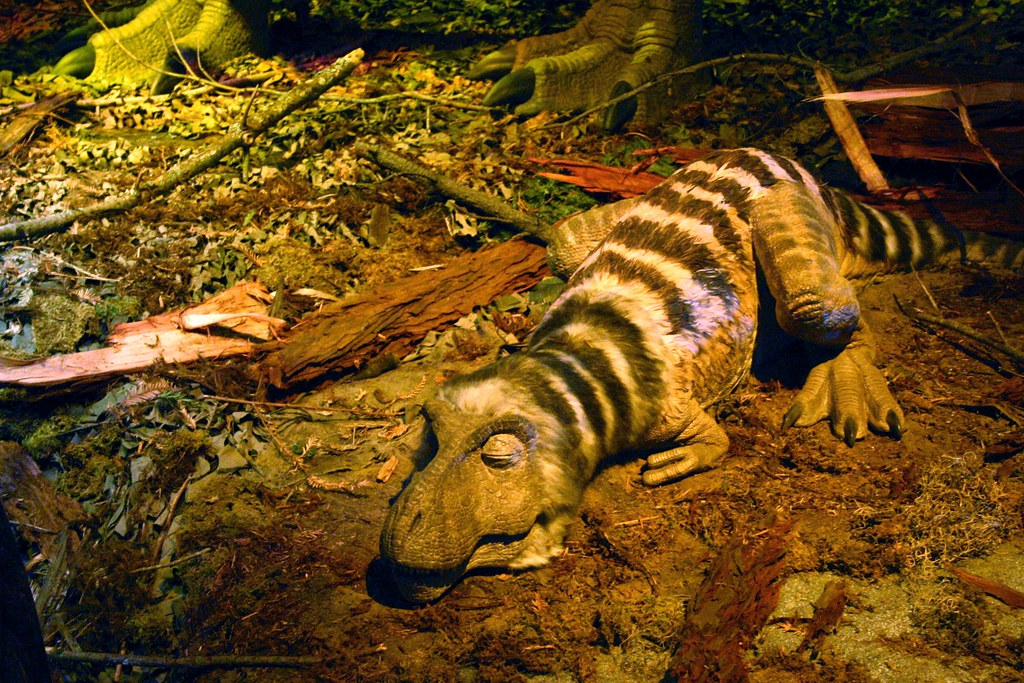
The fossil record has provided remarkable glimpses into dinosaur sleeping habits beyond just Mei long. “We have way more resting oviraptorids than any other group of dinosaurs,” says University of Edinburgh paleontologist Greg Funston, noting that there are more than half a dozen published specimens. Just last year, Funston and colleagues published another example – youngsters of a new oviraptorosaur named Oksoko that were found in the classic resting pose.
Described in 1936, the partial skeleton of Segisaurus was found with its legs tucked beneath its body and arms apparently in a resting position. Perhaps this dinosaur, too, died while dozing, and records an even older record of how dinosaurs rested. These discoveries paint a picture of dinosaurs that regularly sought out comfortable resting spots and assumed specific, energy-conserving postures during sleep.
The Metabolism-Sleep Connection
Recent evidence increasingly suggests many dinosaurs were mesotherms or even endotherms, maintaining higher body temperatures than typical reptiles through internal heat generation. Warm-blooded animals typically require more sleep than cold-blooded ones, as their higher metabolic rates create greater neurological maintenance needs during rest periods. If dinosaurs were indeed warm-blooded, they would likely have required more substantial sleep than modern reptiles.
This metabolic evidence supports the idea that dinosaurs didn’t just sleep – they needed significant amounts of quality sleep to maintain their active lifestyles. It also supports the hypothesis that non-avian dinosaurs, like the modern birds that evolved after them, were warm-blooded. The sleeping posture of Mei long became crucial evidence in this ongoing debate about dinosaur physiology.
Conclusion
The question of whether dinosaurs could have experienced REM sleep has evolved from pure speculation to scientific possibility. If both ends of the evolutionary spectrum – birds and reptiles – exhibit some form of dreaming, could it be that their shared ancestor, the dinosaur, did too? The evidence strongly suggests yes.
From the beautifully preserved sleeping dragons of ancient China to the rapid sleep cycles of modern bearded dragons, we’re piecing together a picture of dinosaurs as complex, dreaming creatures. They may have experienced quick bursts of REM sleep, cycling through dreams at lightning speed compared to our leisurely human pace. If dinosaurs could dream, they were more than monstrous reptiles – they were sentient beings with experiences, fears, and perhaps even aspirations locked within their nightly rest.
What dreams might have visited a slumbering Triceratops or a resting raptor pack? We may never know for certain, but the possibility that these magnificent creatures shared this fundamental experience with us across millions of years is both humbling and wonderfully mysterious. Did you expect that sleep could be such an ancient, shared experience?