Forget the image of dinosaurs as cold, emotionless beasts ruled only by instinct and hunger. New research keeps peeling back the layers of what we thought we knew about these ancient giants, revealing something quite unexpected. You might be surprised to learn that many dinosaurs were actually attentive, nurturing parents who invested significant time and energy caring for their young.
Here’s the thing: fossils don’t just preserve bones. In rare cases, they capture moments of behavior frozen in time. We’re talking about adult dinosaurs sitting protectively over nests, juvenile remains bunched together with signs of feeding, and entire nesting colonies arranged with careful precision. These discoveries challenge everything we once assumed about prehistoric life and hint at family dynamics that were genuinely sophisticated. Let’s dive into what makes these revelations so fascinating.
The Good Mother Lizard Changed Everything
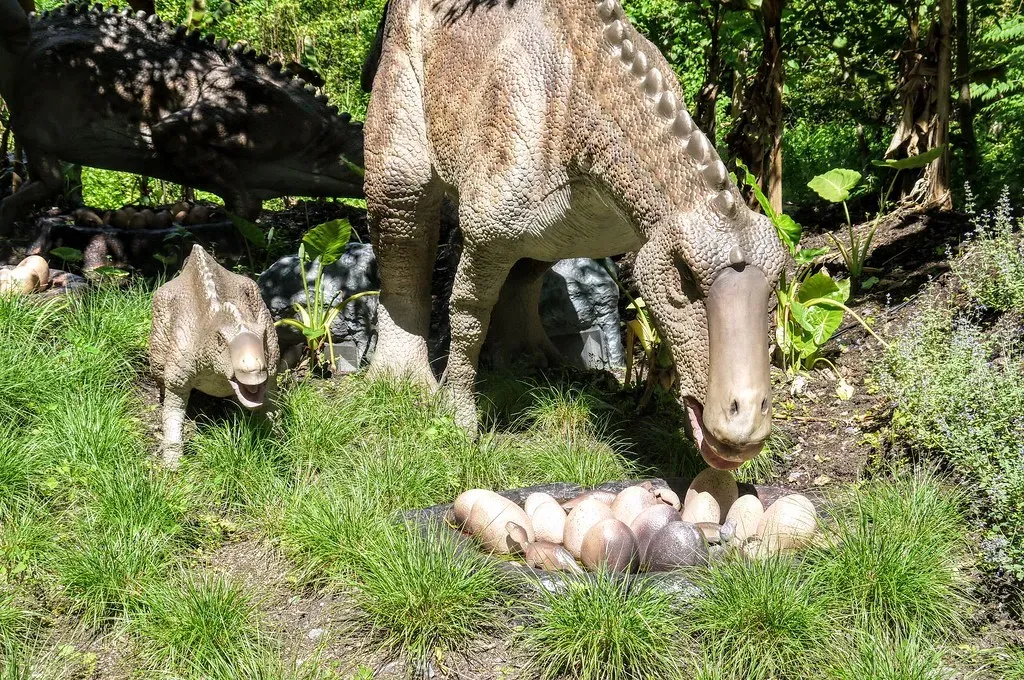
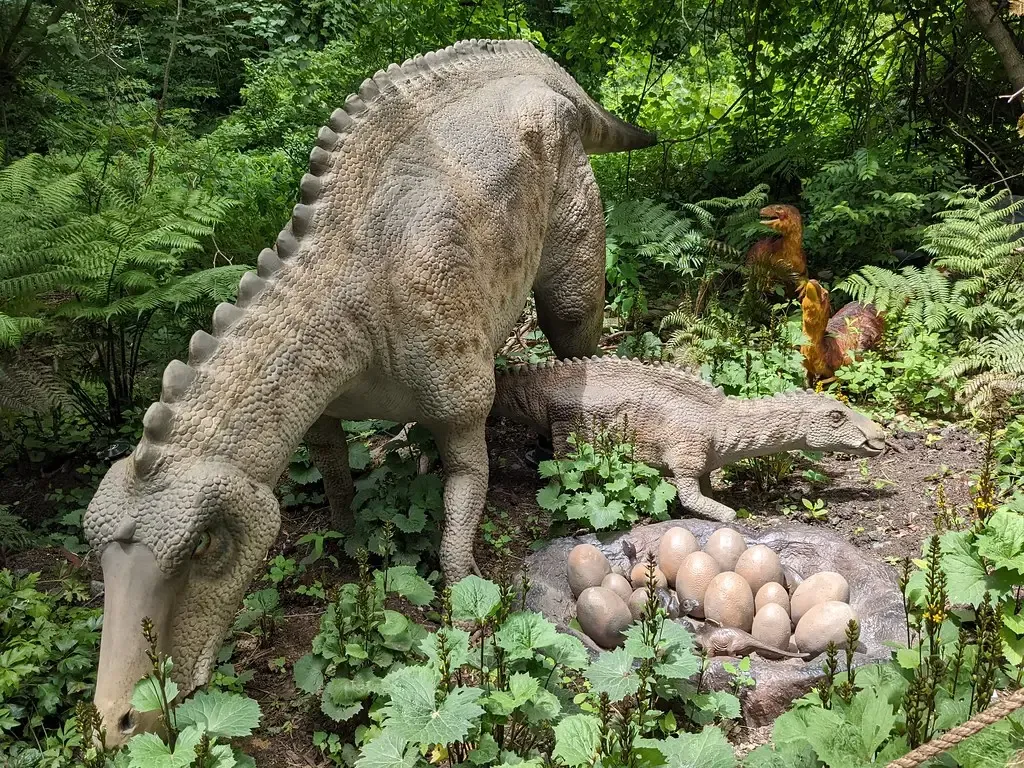
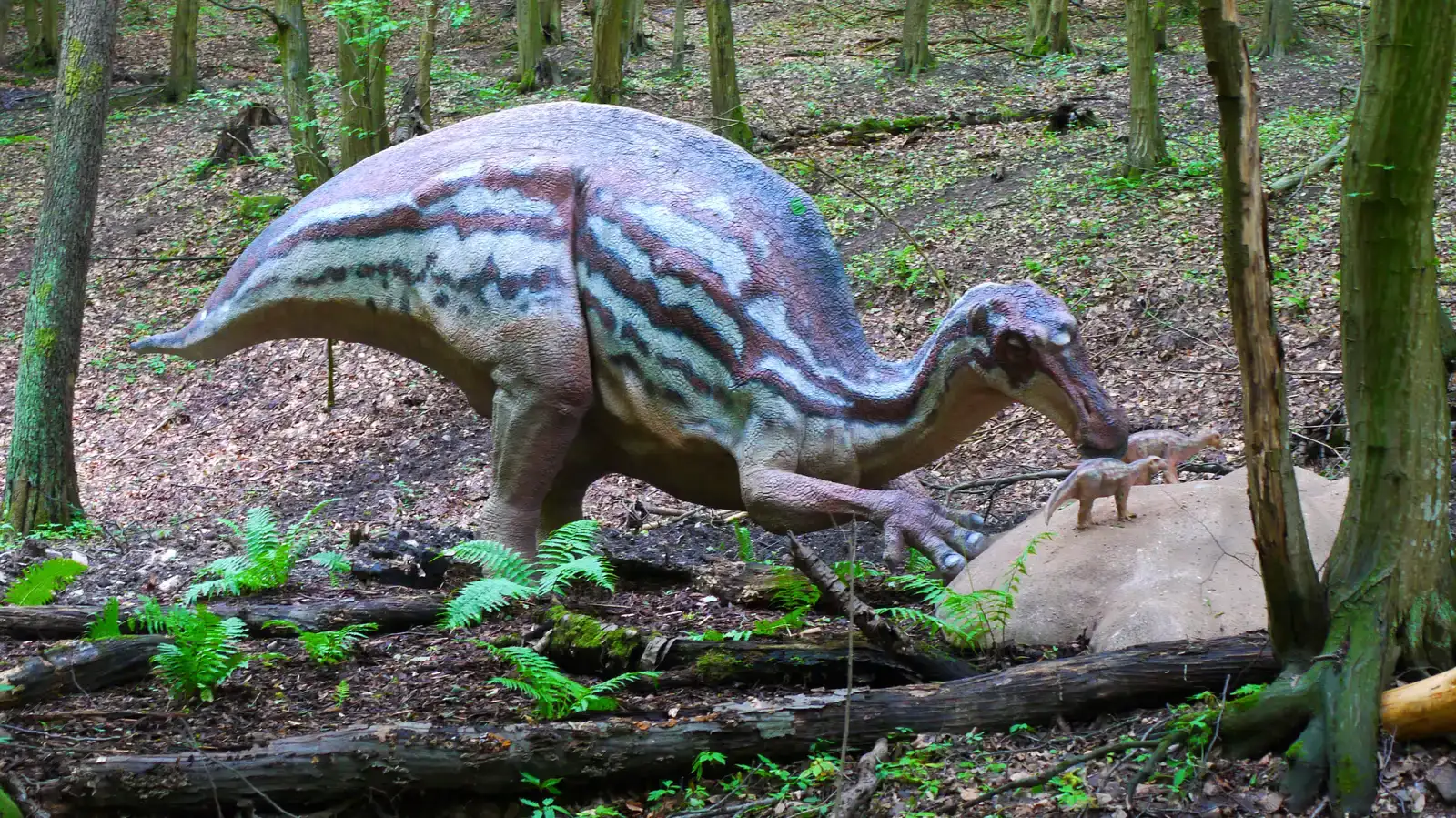
When researchers uncovered fossilized Maiasaura nests in Montana during the late seventies, they found something remarkable: baby dinosaur bones with poorly developed legs but worn teeth, suggesting adults brought food to the nest. Think about that for a moment. Fossil evidence showed these hatchlings couldn’t walk yet their teeth were already worn from eating, proving parents actively fed their helpless young.
Maiasaura parents nested in large colonies, creating a social structure similar to modern-day birds, which provided several advantages in terms of protection and care for their hatchlings. The name itself means good mother lizard, and honestly, it’s well deserved. These dinosaurs lived in herds and raised their young in nesting colonies, with nests packed closely together like those of modern seabirds, the gap between nests being around seven metres.
Nesting Colonies Revealed Complex Social Structures
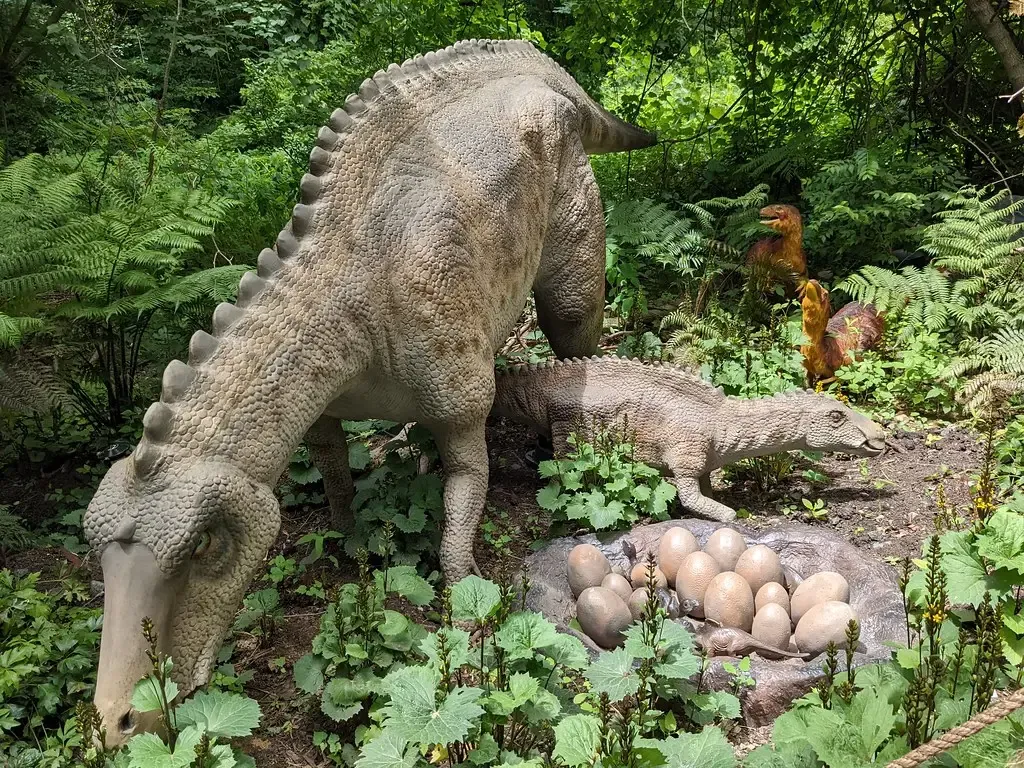
One remarkable Montana find included fossils of duckbill dinosaurs with eggs, nests, hatchlings, juveniles, and adults all found together in one death assemblage, leading some paleontologists to think this site was a nesting colony where adult dinosaurs cared for their young during the first several months after hatching. I think what strikes me most is the level of social organization this implies.
The nests themselves were part of a larger nesting ground spaced about 23 feet apart, which is about equal to the estimated average length of an adult Maiasaura, suggesting that the dinosaurs nested together and made room for an entire herd in a manner similar to bird colonies today. Picture thousands of these duck-billed dinosaurs returning to the same spot year after year, like modern sea turtles or seabirds. Deposits of nests and eggs found in different layers of rock at the same site strongly suggested that the dinosaurs returned to the same spot to lay their eggs more than once, leading one researcher to picture a large herd of migrating Maiasaura, perhaps ten thousand strong, making their way back to the same nesting grounds year after year.
The Misunderstood Oviraptor Turned Devoted Guardian
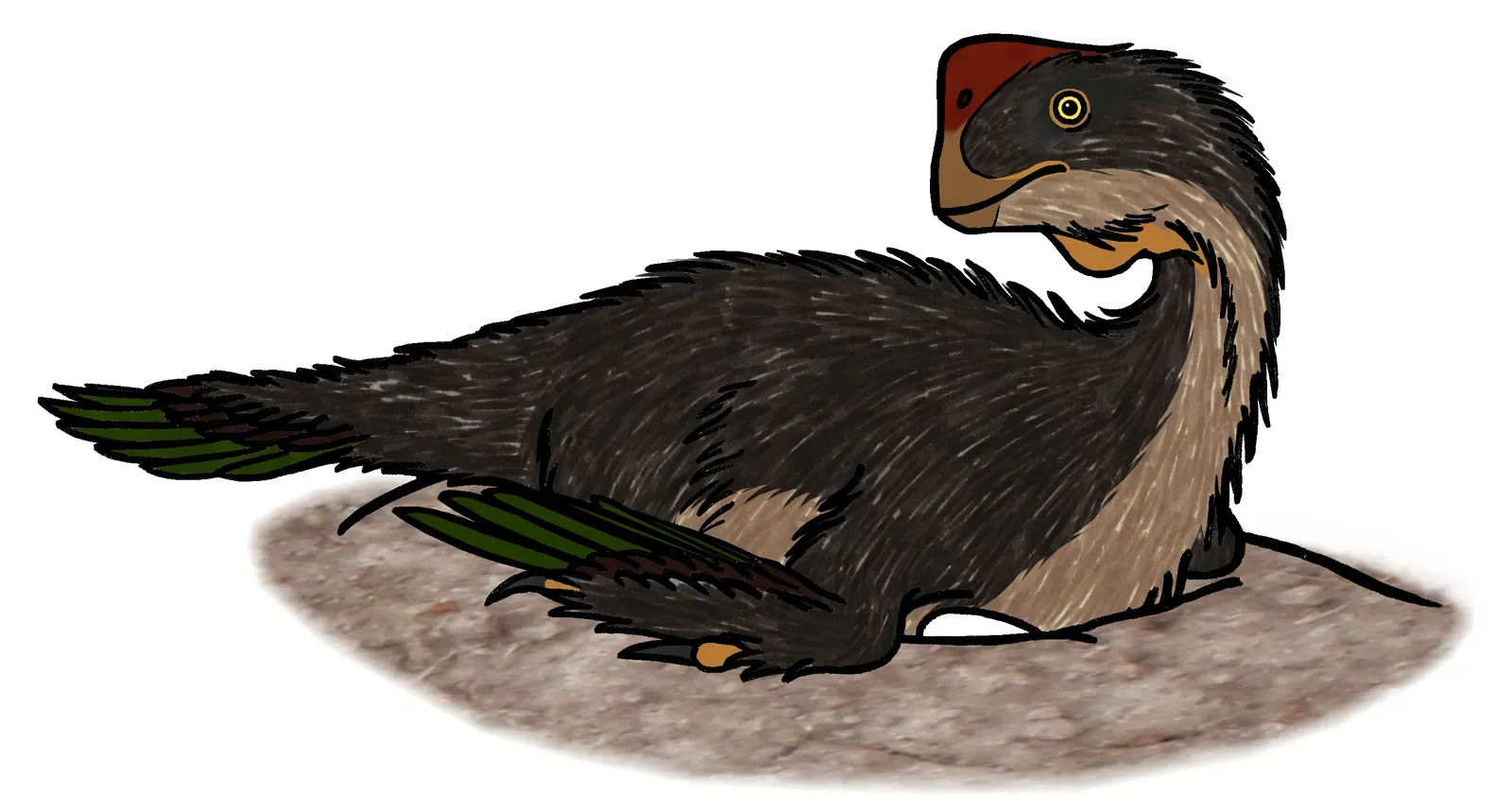
When first described, Oviraptor was interpreted as an egg-thief dinosaur given the close association of the holotype with a dinosaur nest, however, findings of numerous oviraptorosaurs in nesting poses have demonstrated that this specimen was actually brooding the nest and not stealing nor feeding on the eggs, with the discovery of remains of a small juvenile supporting parental care. Talk about being misjudged for nearly a century.
Big Mama is a seventy-five-million-year-old oviraptorid that was uncovered brooding on a nest of eggs, revealed to the world in nineteen ninety-five and named as Citipati in two thousand one. The dinosaur was caught in the act, curled up on its nest, likely caught up in a sandstorm or mudslide and was buried with its eggs – that is definitely protective behaviour to the detriment of the parent. Let’s be real: this creature died protecting its young. That’s dedication.
Bird-Like Brooding Behavior in Feathered Dinosaurs
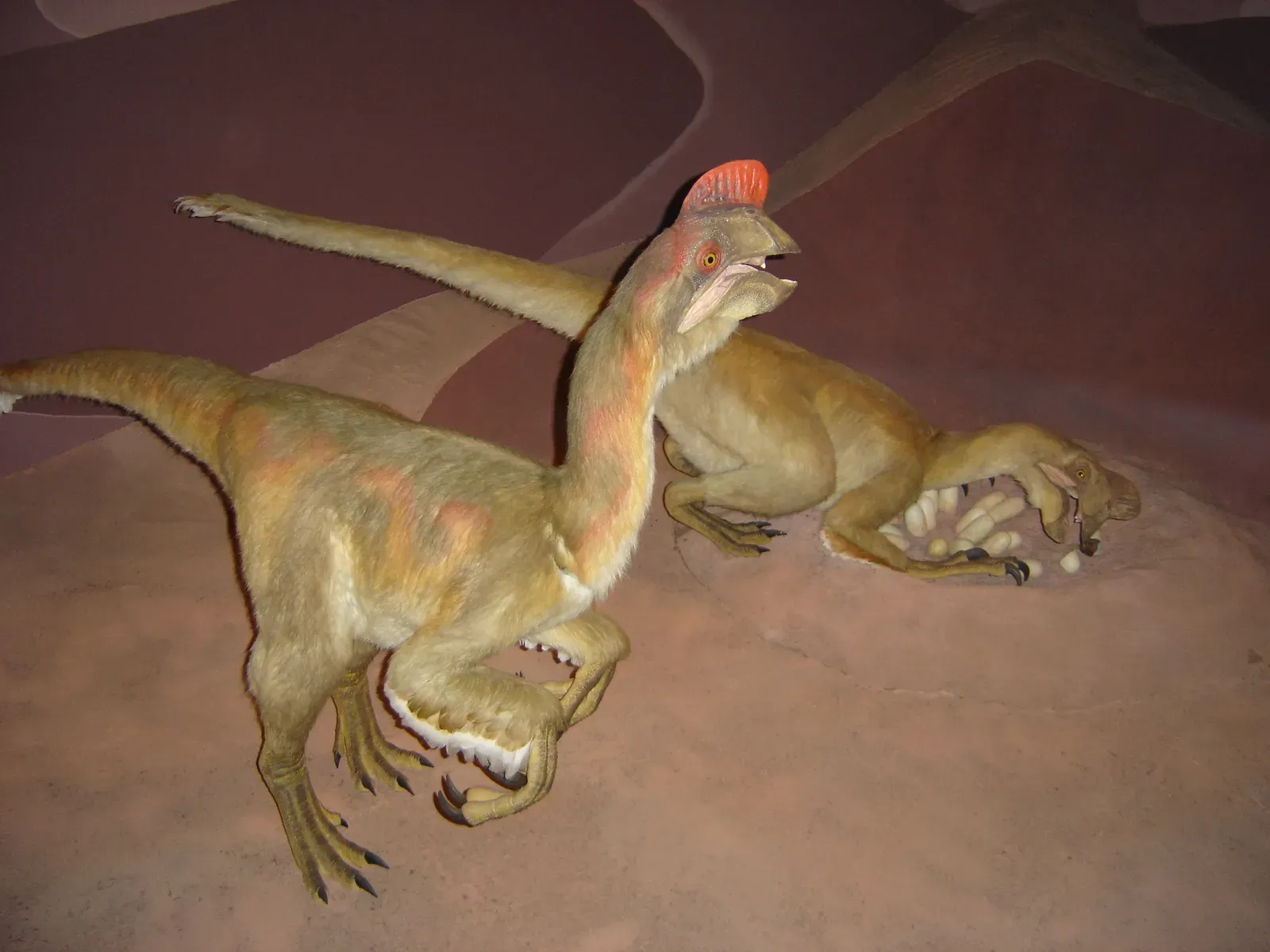
Nesting specimens were found on top of egg clutches, with hindlimbs crouched symmetrically on each side of the nest and forelimbs covering the nest perimeter, a brooding posture found today only in modern avian dinosaurs supporting a behavioral link between the latter group and non-avian dinosaurs. This is where things get genuinely interesting from an evolutionary standpoint.
They sit on those nests in a very bird-like way with their bodies positioned in the center of the nest, and their arms held over the eggs to help protect them, and their bodies would have been covered in large, down-like feathers that would have helped conceal and insulate the eggs. Oviraptorids laid two eggs at a time in a clutch of thirty or more, which means the mother would have to stay with or at least return to the nest, lay her pair of eggs, arrange them carefully in the circle, and bury them appropriately every day for two weeks to a month. Honestly, that’s exhausting just to think about.
Males May Have Done Most of the Childcare
In comparison to four archosaur care regressions, the relatively large clutch volumes of Troodon, Oviraptor, and Citipati scale most closely with a bird-paternal care model, and large clutch volumes and a suite of reproductive features shared only with birds favor paternal care, possibly within a polygamous mating system, indicating that this care system evolved before the emergence of birds and represents birds’ ancestral condition. Wait, so the dads were in charge? That flips our expectations.
Similar to emus and rheas, one male would mate with several females and he has all the responsibility of tending the nest, rotating the eggs and then taking care of the young once they hatch, and usually those females will also mate with other males later in the season. It’s hard to say for sure, but the fossil evidence leans heavily toward this interpretation. Some dinosaur parenting strategies might have looked more like modern ratites than we ever imagined.
Different Dinosaurs Took Very Different Approaches
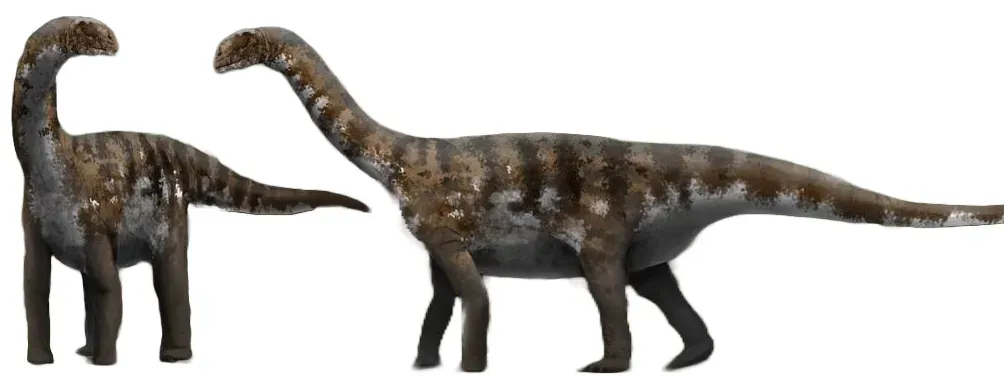
Not all dinosaurs were helicopter parents, though. For some groups like sauropods there isn’t evidence of post-laying care, as long-necked dinosaurs buried their eggs carefully but like turtles the evidence points to little further care – a strategy of lay them and leave them, with paleontologists finding their expansive nesting grounds including some sites where dinosaurs laid eggs in areas that were warm with geothermal activity, perhaps to incubate the offspring.
Sauropods such as the giant, heavy long-necked Brachiosaurus and Mussaurus would have crushed their eggs if they were brooding on them and they would have also risked crushing their babies if they were hanging out together a lot, so they were more likely to lay their eggs and then let them hatch on their own without any parental care. Makes sense when you think about it. A fifty-ton dinosaur accidentally stepping on its nest would be a disaster.
Juveniles Formed Their Own Survival Groups
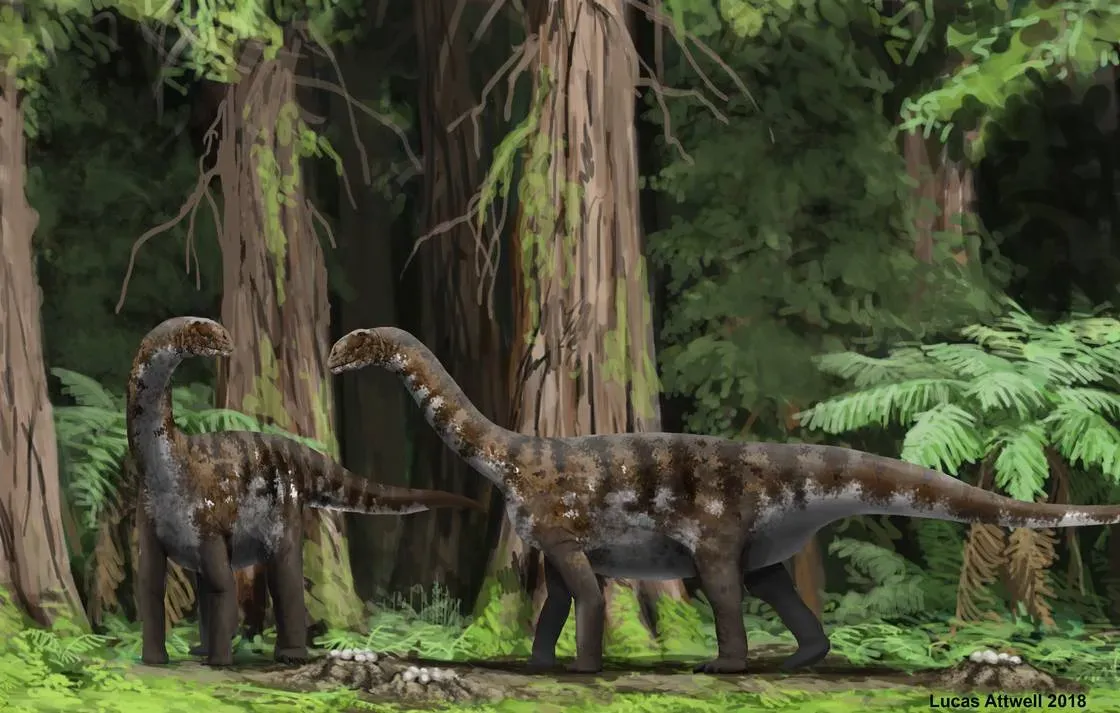
At various sites around the world, paleontologists have found bonebeds containing young dinosaurs of the same species, with a trio of Triceratops, an array of Alamosaurus, and a squad of Sinornithomimus appearing to indicate that young dinosaurs of various species grouped together as they navigated their youth. This paints a picture quite different from parental supervision.
As recently as twenty twenty-one, a new study on the finding of an exceptional nesting site in Patagonia with over one hundred eggs and more than eighty skeletal specimens of individuals of the Mussaurus patagonicus serves as the most recent, convincing evidence that some dinosaurs traveled in age-segregated herds, and the juvenile groups are important because they suggest the young ones might have been taking care of each other rather than having a parenting figure. They basically formed prehistoric daycare cooperatives, which is kind of brilliant from a survival perspective.
Why Studying Dinosaur Parenting Still Matters Today
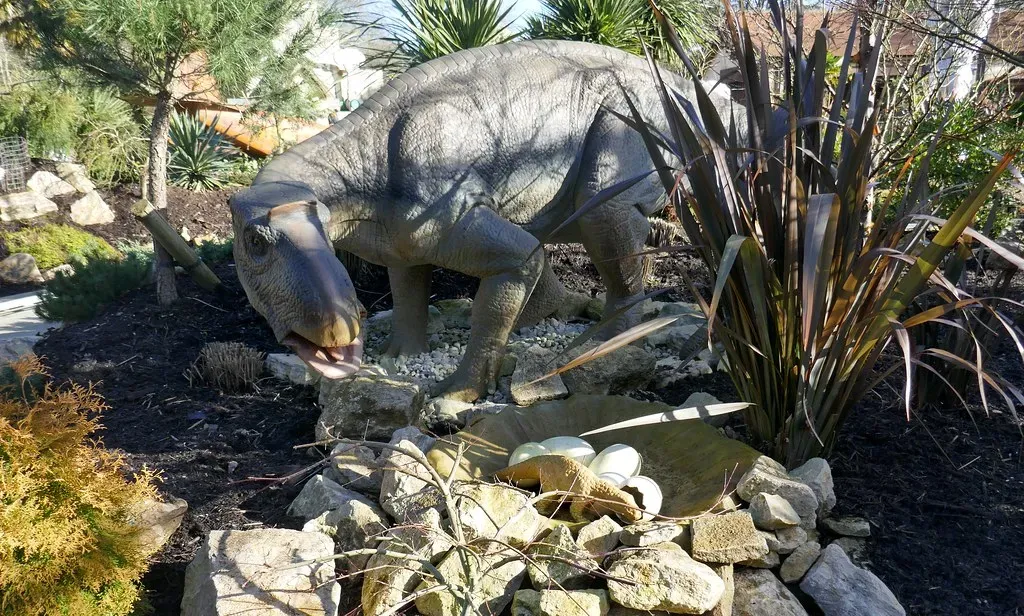
This approach takes interpretations of extinct dinosaur parenting out of the realm of association and into comparative and quantitative evaluations of locomotory abilities. The science keeps evolving, thankfully. Research comparing embryonic and hatchling bones of the Early Jurassic sauropodomorph Lufengosaurus with those of extant avian taxa found that the rate and degree of bone development in Lufengosaurus is closer to that of the highly altricial pigeon than the precocious chicken, providing strong support for the hypothesis that Lufengosaurus was fully altricial and suggesting that the limb bones of hatchlings were not strong enough to forage for themselves and would likely need parental feeding.
These discoveries challenge the popular perception of dinosaurs as ferocious and uncaring creatures, emphasizing their capacity for nurturing and protective behaviors, with further research needed to fully understand the extent of parenting strategies among dinosaurs and their contribution to their evolutionary success, and the study of dinosaur parenting not only offers fascinating glimpses into the ancient world but also enhances our understanding of modern animal behavior and the significance of parental care in ecological contexts. Understanding how ancient creatures cared for their young helps us appreciate the deep evolutionary roots of family bonds that exist across species today. What do you think about these prehistoric parents? Does it change how you imagine dinosaurs?