When we think of animal diets, we typically picture carnivores tearing into flesh, herbivores grazing on plants, or omnivores enjoying a varied menu. However, one fascinating dietary specialization often goes overlooked: osteophagy, or the consumption of bones. While most predators discard the hardest parts of their prey, certain specialized animals have evolved to extract nutrients from what others leave behind. These bone-eating behaviors not only reveal remarkable adaptations in contemporary species but also provide valuable insights into prehistoric ecosystems and evolutionary patterns. By examining modern osteophages (bone-eaters), scientists can better interpret fossil evidence and understand how ancient creatures may have interacted with their environments, ultimately painting a more complete picture of life throughout Earth’s history.
The Nutritional Value of Bones

Bones represent an underappreciated nutritional resource in nature, containing a wealth of valuable compounds. The outer compact bone tissue consists primarily of calcium phosphate, providing essential minerals crucial for numerous biological functions. Within bones lies the marrow, a fatty tissue rich in calories, proteins, and lipids that offers exceptional energy density compared to muscle meat. Additionally, bones contain collagen proteins that break down into nutritionally valuable compounds during digestion. For animals equipped to access these nutrients, bones represent a reliable food source that can sustain them even when other food options are scarce. This nutritional profile explains why certain species have evolved specialized adaptations to exploit this resource that most animals cannot efficiently process.
Hyenas: Nature’s Bone-Crushing Specialists
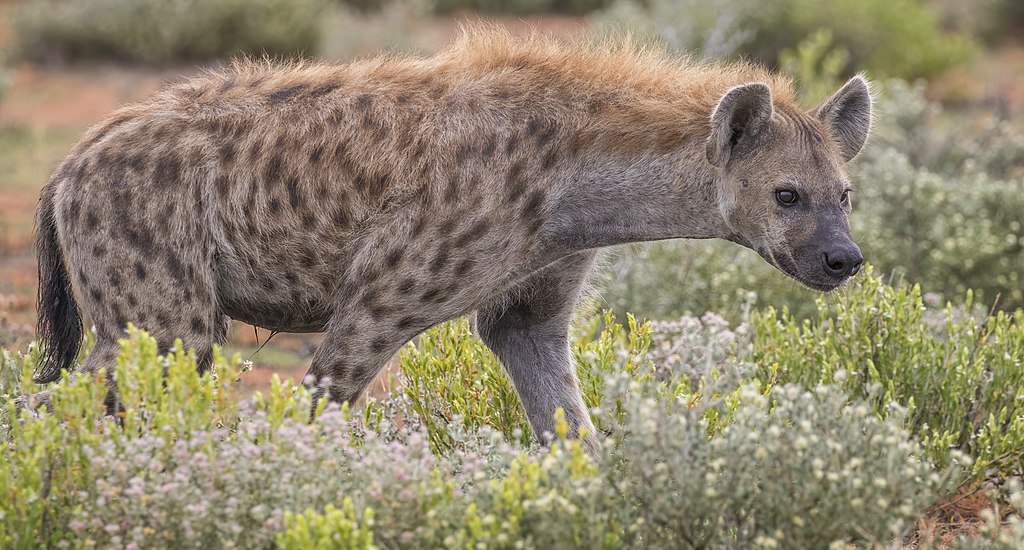
Among modern bone-eaters, spotted hyenas (Crocuta crocuta) stand as the undisputed champions, possessing the most powerful mammalian jaws relative to body size. Their specialized skull structure and massive jaw muscles generate crushing forces exceeding 1,100 pounds per square inch, enabling them to pulverize bones that would challenge even large cats. Hyenas feature uniquely adapted premolar teeth called carnassials that work like bone-cutting shears, complemented by massive molars designed specifically for crushing. Their digestive system completes this remarkable adaptation with highly acidic stomach environments capable of dissolving bone fragments and extracting maximum nutrition. These adaptations allow hyenas to derive up to 90% of their nutritional intake from carcasses other predators have abandoned, making them supremely efficient scavengers in their ecosystem.
Bearded Vultures: The Bone-Dropping Specialists

The bearded vulture (Gypaetus barbatus), also known as the lammergeier, represents one of nature’s most specialized bone-eaters, with bones constituting up to 90% of its diet. Unlike hyenas, these birds lack the jaw strength to break large bones, so they’ve evolved a remarkable behavioral adaptation: they carry bones high into the air and drop them onto rocky surfaces to shatter them into manageable pieces. This technique, sometimes requiring multiple attempts, eventually exposes the nutritious marrow within. Perhaps most striking is the bearded vulture’s appearance—many individuals sport a distinctive rusty-red coloration that doesn’t come from pigmentation but from deliberately bathing in iron oxide-rich soils and rubbing it into their feathers. Scientists believe this behavior may signal dominance or provide antiseptic properties, representing yet another fascinating adaptation of these specialized bone-processors.
Wolverines: Opportunistic Bone Consumers
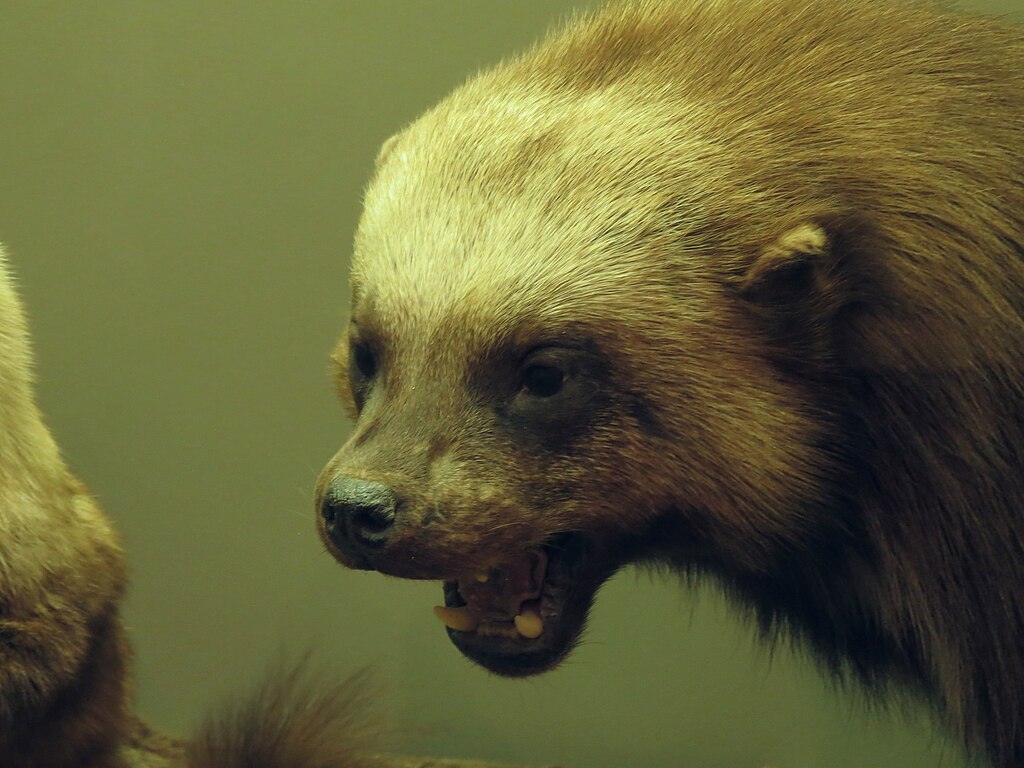
Wolverines (Gulo gulo) have earned a fearsome reputation as pound-for-pound one of the most powerful predators in northern forests and tundra ecosystems. These muscular mustelids possess extraordinarily strong jaws and specialized molars that allow them to crush frozen carrion and bones that would be inaccessible to most other scavengers. During harsh winter months when food becomes scarce, wolverines rely heavily on this ability to process bones from carcasses, extracting critical nutrition from remains that wolves and other predators have abandoned. Their powerful digestive system can process bone fragments and extract calcium, phosphorus, and marrow that sustains them through resource-limited periods. Additionally, wolverines exhibit caching behavior, storing bone fragments and carcass parts in natural refrigerators—snow banks and frozen ground—creating food reserves they can return to throughout winter when hunting becomes challenging.
Marine Bone-Eaters: Osedax Worms
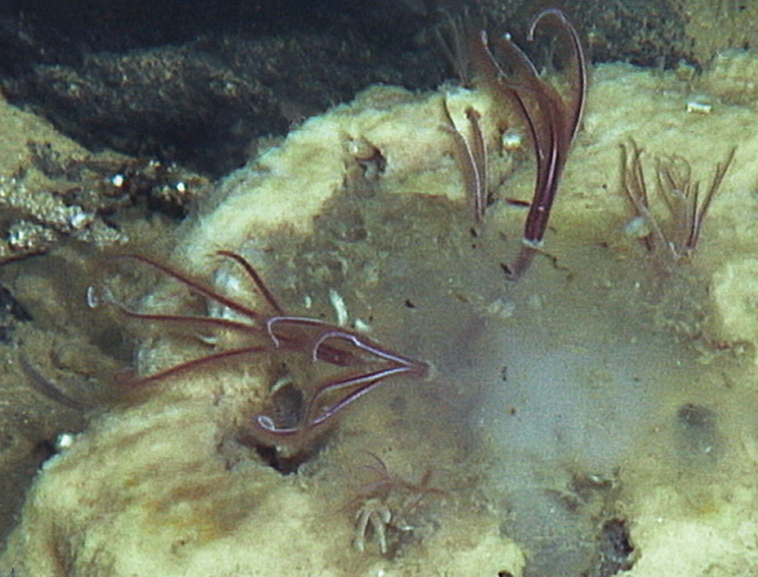
Perhaps the most unusual bone specialists inhabit the deep ocean floors, where remarkable creatures called Osedax worms—aptly nicknamed “zombie worms” or “bone-eating worms”—have evolved to colonize and consume the skeletons of dead marine vertebrates. These unusual annelids lack mouths, guts, and even digestive systems in the conventional sense. Instead, they extend root-like structures into bones, secreting acid-based compounds that dissolve the hard calcium phosphate matrix and release embedded collagen and lipids. The worms then rely on symbiotic bacteria housed within their tissues to digest these compounds and convert them into nutrients the worm can absorb. Most fascinating is their reproductive strategy—the tiny males (often hundreds) live inside the gelatinous tubes of the much larger females in what scientists call “harems,” representing one of the most extreme sexual dimorphisms in the animal kingdom.
Specialized Bone Digestion
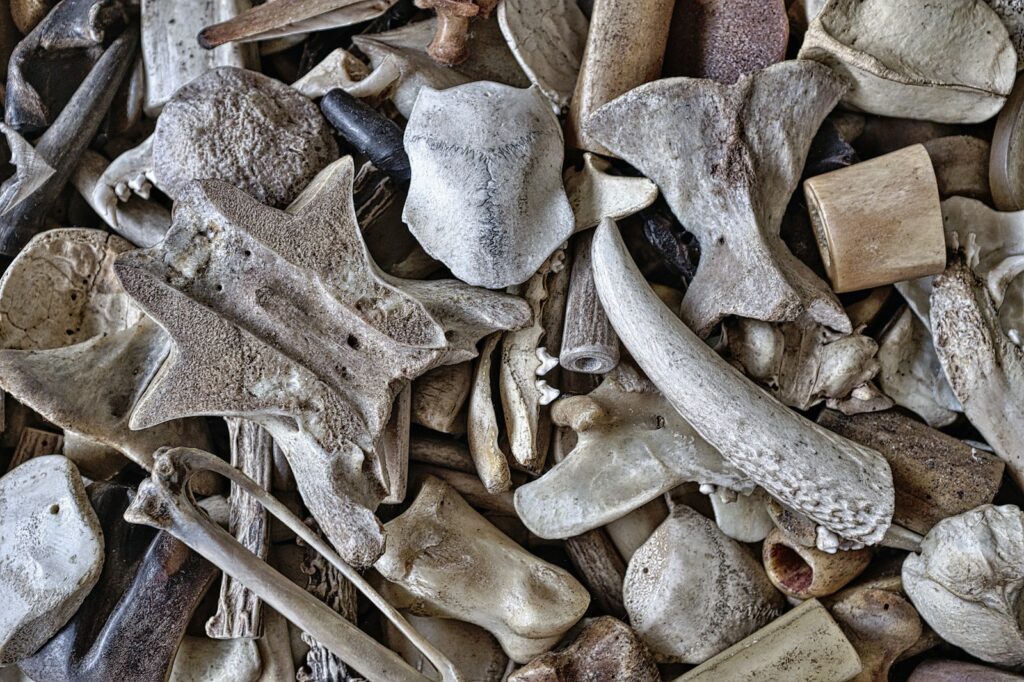
Bone-eating animals possess remarkably adapted digestive systems that can process material most other creatures cannot metabolize. Hyenas exemplify this specialization with stomach acid so concentrated it approaches car battery acid in strength, with pH levels between 1 and 2. This extreme acidity dissolves bone minerals and breaks down calcium phosphate into absorbable components. Similarly, bearded vultures produce digestive juices capable of processing bone fragments that constitute the majority of their diet. These specialized digestive capabilities typically pair with shorter intestinal tracts that maximize acid exposure before neutralization occurs in the lower digestive system. The evolutionary investment in these specialized digestive adaptations highlights the nutritional value bones offer to species equipped to access their contents. Such adaptations represent significant evolutionary investments that would only develop if the nutritional payoff justified the specialization.
Bone-Eating Insects and Decomposers

While large vertebrates may be the most visible bone consumers, numerous smaller organisms play crucial roles in breaking down skeletal remains. Certain dermestid beetles, often called “flesh-eating beetles,” are actually more accurately described as bone cleaners, as their larvae can consume ligaments and dried tissue connecting bones. These insects are so efficient at this process that museums employ them to clean skeletal specimens for scientific collections. At microscopic levels, specialized bacteria and fungi attack bone collagen and minerals through enzymatic processes, gradually breaking down even the hardest skeletal elements over time. In forensic contexts, these decomposition patterns help scientists establish time-since-death estimates and understand environmental conditions affecting remains. Together, these varied decomposers ensure that the nutrients locked in bones eventually return to the ecosystem, completing important nutrient cycles.
Prehistoric Bone-Eaters: What Fossil Evidence Tells Us
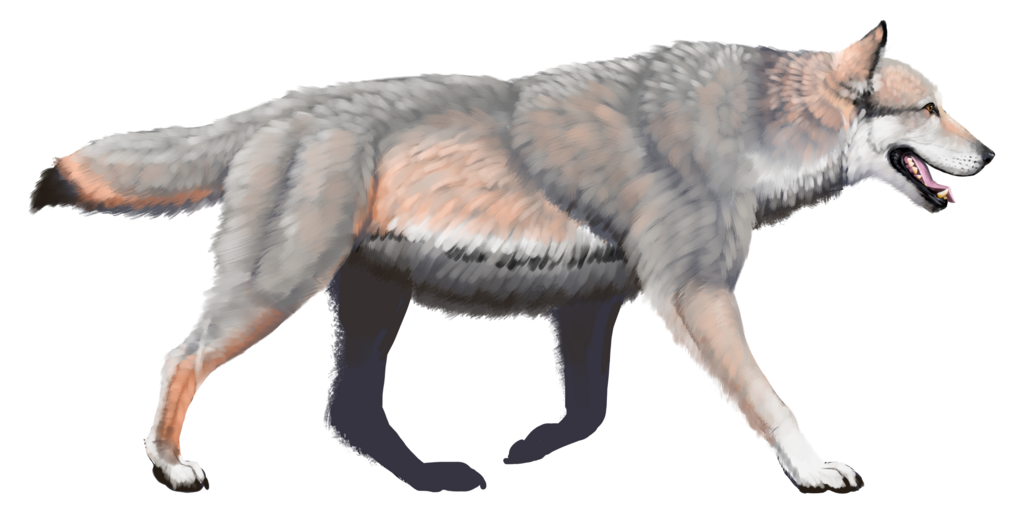
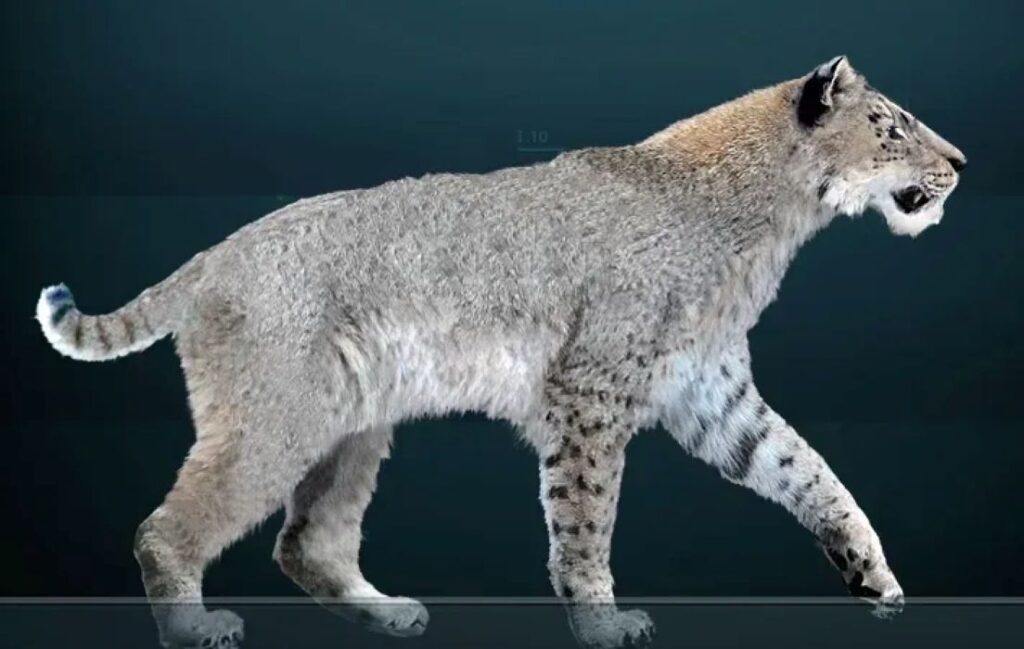
The study of modern bone-consuming animals provides critical reference points for paleontologists investigating ancient ecosystems through fossil evidence. Distinctive bite marks, crushing patterns, and bone fragment distributions at fossil sites can reveal the presence and behavior of prehistoric bone-eaters. For instance, fossils from the La Brea Tar Pits show damage patterns consistent with the bone-processing behaviors of dire wolves and extinct North American lions. Similarly, coprolites (fossilized feces) containing bone fragments offer direct evidence of osteophagy in ancient animals, sometimes revealing which species specialized in bone consumption. Perhaps most telling are the morphological adaptations visible in fossil skulls—creatures with hyena-like dental structures or reinforced cranial features suggesting powerful biting forces likely occupied similar bone-processing niches millions of years ago. These paleontological clues help scientists reconstruct not just what ancient animals looked like, but how they behaved and interacted within their food webs.
Evolutionary Significance of Bone-Eating

The evolution of bone-eating specializations represents a fascinating example of adaptive radiation into underutilized ecological niches. By developing capabilities to process resources other animals cannot efficiently use, bone-specialists reduce direct competition for primary food sources. This specialization likely emerged multiple times independently across different animal lineages, representing convergent evolution toward similar solutions for accessing hard-to-reach nutrients. The fact that bone-eating adaptations have persisted across millions of years suggests they confer significant survival advantages in certain ecological contexts. From a broader perspective, these specializations highlight how evolution tends to fill every conceivable resource niche, maximizing ecosystem efficiency through dietary diversification. Understanding how and why bone-eating evolved offers important insights into adaptation processes, resource partitioning within ecosystems, and the development of specialized feeding strategies throughout evolutionary history.
Cultural Uses of Bone-Eating Animals
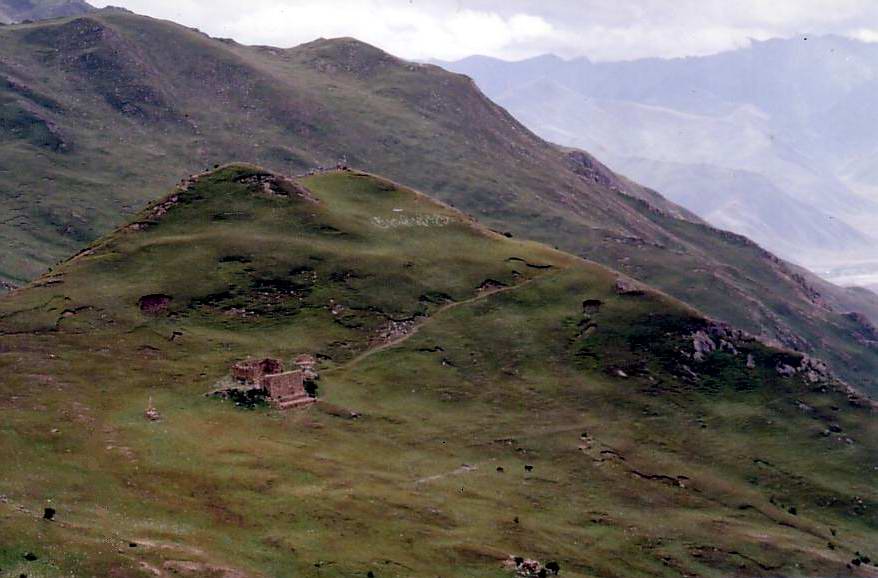
Throughout human history, cultures worldwide have recognized and sometimes utilized the bone-processing abilities of certain animals. In Tibet and parts of Mongolia, sky burial practices involve deliberately placing human remains where bearded vultures and other avian scavengers can consume them, representing a practical and spiritually meaningful approach to body disposition in rocky landscapes where burial is difficult. In various African cultures, hyenas feature prominently in folklore, often characterized as powerful creatures with supernatural connections due to their ability to consume parts of animals that others cannot. More practically, dermestid beetles have been employed by taxidermists and natural history collections for centuries to clean delicate skeletal specimens. In contemporary forensic science, the bone-modification patterns produced by various scavengers help investigators distinguish between natural post-mortem changes and potential evidence of crimes, demonstrating how understanding these specialized feeders serves practical applications across multiple disciplines.
Conservation Implications for Bone-Eaters

Many specialized bone-eating species face significant conservation challenges in the modern world, often because their scavenging behaviors bring them into conflict with humans. Hyenas frequently suffer persecution due to exaggerated perceptions of livestock predation and negative cultural associations. Bearded vultures have experienced dramatic population declines across their range, threatened by habitat loss, poisoning (both deliberate and incidental), and collisions with power infrastructure. Their specialized diet makes them particularly vulnerable, as they require healthy populations of wild or domestic ungulates to provide necessary bone resources. Conservation efforts increasingly recognize the ecological importance of these specialized scavengers, which provide valuable ecosystem services by recycling nutrients and preventing disease spread through carcass consumption. Protected areas, anti-poisoning campaigns, and education initiatives now specifically target the preservation of these bone-processing specialists, acknowledging their irreplaceable ecological roles and the millions of years of evolution their unique adaptations represent.
Insights into Human Evolution and Osteophagy
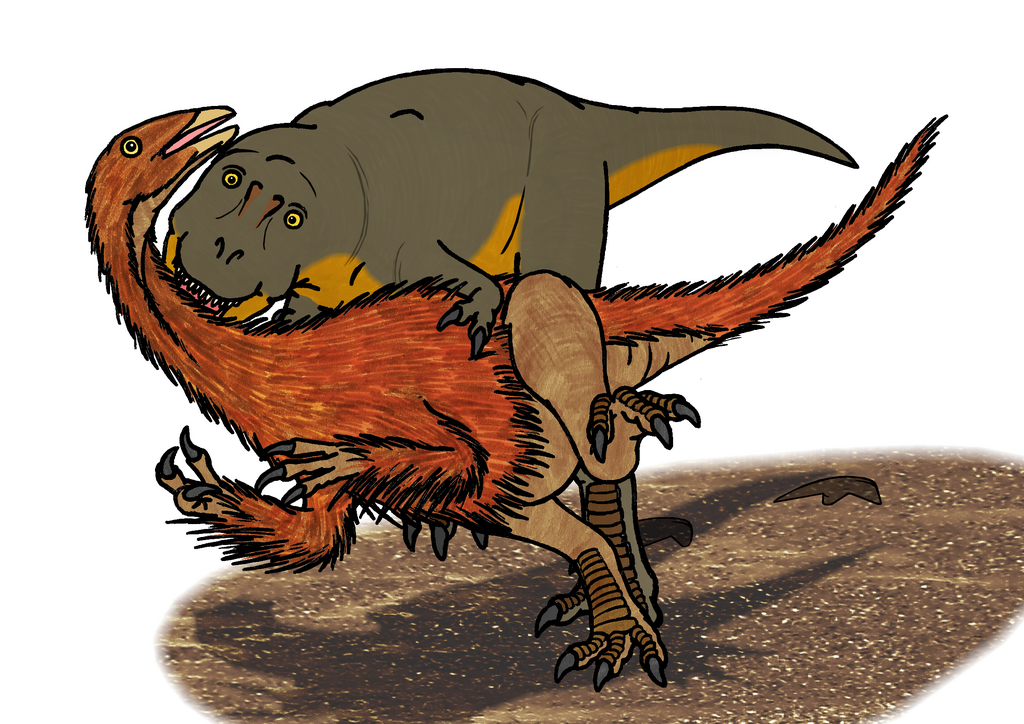
Evidence suggests our own evolutionary lineage practiced forms of osteophagy, providing important nutritional supplements during key developmental periods. Archaeological sites dating back hundreds of thousands of years reveal hominin-processed bones with distinctive fracture patterns indicating intentional marrow extraction. These early humans likely used stone tools to crack open long bones, accessing the calorie-rich marrow that would have provided crucial fat resources during periods of nutritional stress. Particularly significant is evidence that increased brain consumption and bone marrow processing coincided with major leaps in human cognitive development, leading some researchers to propose that these nutrient-dense resources may have facilitated our ancestors’ remarkable brain expansion. Even in more recent history, many traditional human societies practiced thorough bone processing—from making bone broths to grinding small bones for consumption—demonstrating that human osteophagy has deep roots and likely played an important role in our species’ nutritional history and evolutionary success.
Future Research Directions
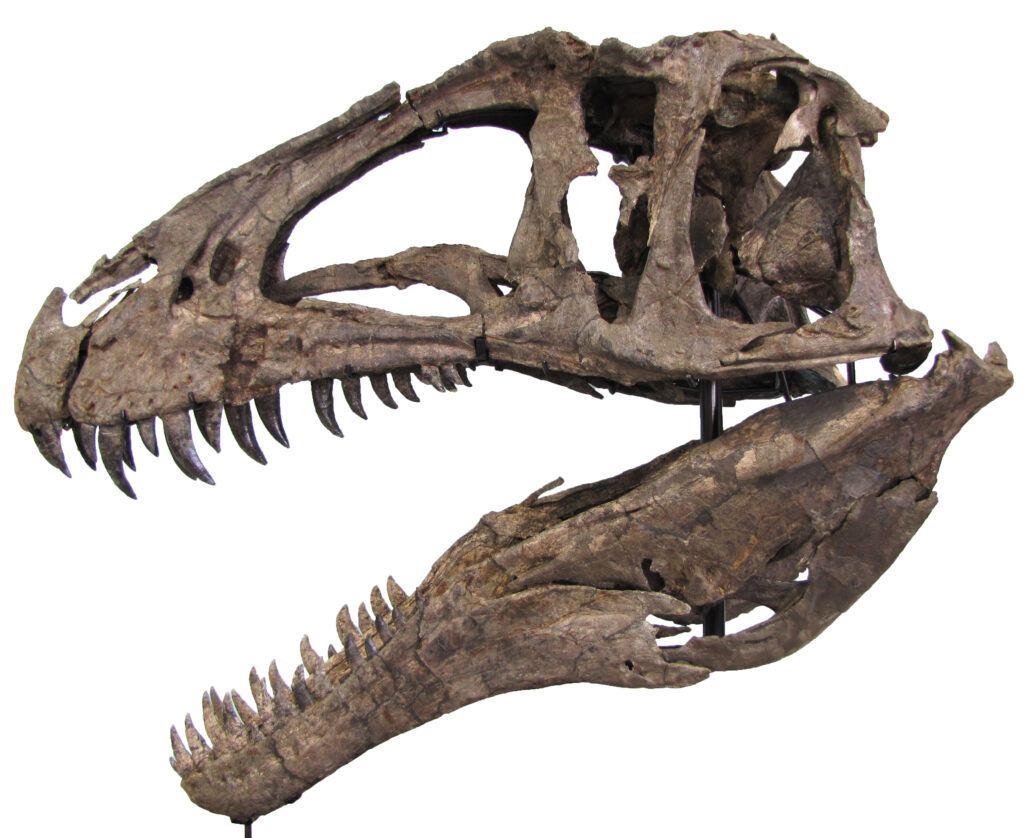
The field of osteophagy research continues to evolve, with several promising directions emerging that may deepen our understanding of bone-eating adaptations. Advanced biomechanical modeling techniques now allow researchers to simulate jaw forces and tooth interactions with unprecedented precision, helping clarify how different bone-eating specialists process their challenging food source. Metagenomic studies of digestive microbiomes in osteophagous animals may reveal specialized bacterial communities that facilitate bone digestion, potentially offering applications in biotechnology and waste processing. In paleontological contexts, new chemical analysis techniques can detect bone-processing signatures in ancient specimens, potentially identifying previously unrecognized bone-specialists in the fossil record. Additionally, ongoing research into the nutritional biochemistry of bone consumption continues to clarify exactly which components these specialists extract and how they utilize them metabolically. As climate change and habitat fragmentation increasingly impact ecosystems worldwide, understanding these specialized feeding adaptations may prove crucial for conservation efforts aimed at preserving these remarkable evolutionary achievements.
Conclusion: Bones as Windows to Ecological Relationships
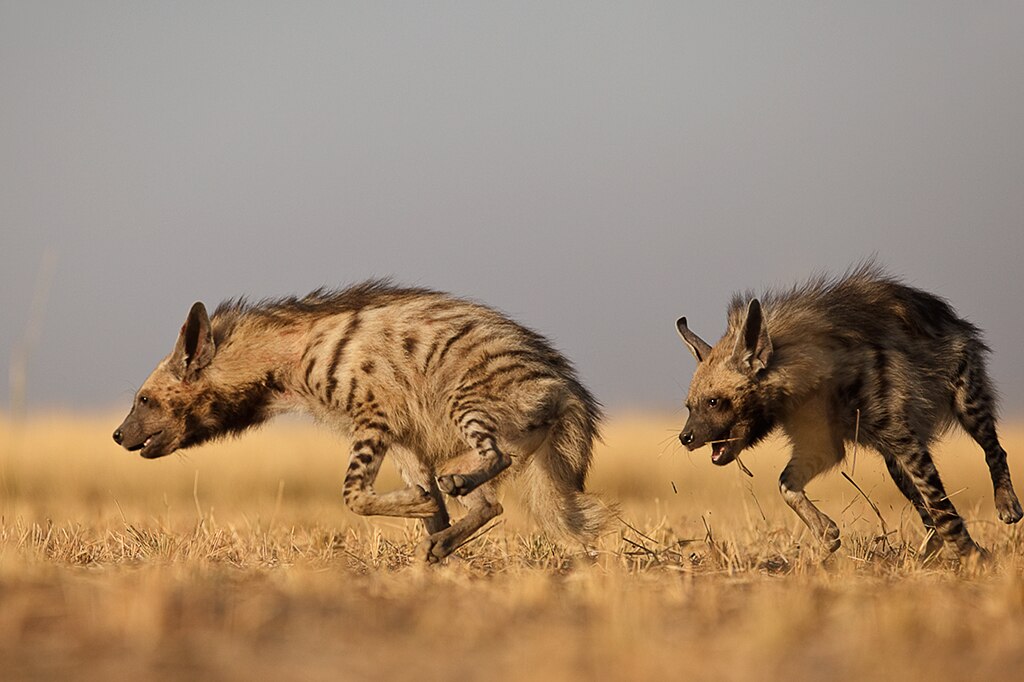
The study of bone-eating animals offers unique perspectives on ecology, evolution, and adaptation that extend far beyond simple dietary curiosities. These specialized creatures reveal how evolution repeatedly finds ways to exploit underutilized resources, developing remarkable adaptations to access nutrients most other species cannot process. From the crushing jaws of hyenas to the acid-secreting structures of deep-sea Osedax worms, bone-eaters demonstrate nature’s innovative solutions to nutritional challenges. Furthermore, understanding modern osteophagous species provides crucial reference points for interpreting the fossil record, helping scientists reconstruct ancient ecosystems with greater accuracy. As we continue to investigate these fascinating specialists, we gain not only scientific knowledge but also deeper appreciation for the complex web of relationships that define ecosystems past and present. In studying how contemporary animals process bones, we ultimately gain clearer windows into both evolutionary history and the remarkable adaptability of life on Earth.