
Have you ever sent a text message you regretted within seconds? Maybe you’ve said something harsh in the heat of an argument, only to wish you could take it back moments later. We’ve all been there. In a world that rewards speed and instant responses, your knee-jerk reactions can sabotage your relationships, your career, and even your sense of inner peace.
Here’s the thing: there’s a simple, almost absurdly straightforward strategy that can change all of this. It doesn’t require years of therapy or complicated mental gymnastics. It’s the power of the pause. That tiny, invisible space between what triggers you and how you respond could be the difference between escalating a conflict and resolving it gracefully. Let’s dive in and discover how this small shift can transform your emotional world.
Why Your Brain Loves to React Before You Think

It’s human nature to react before we think. This isn’t a personal failing on your part. When you pause, however, something remarkable happens: you give your rational brain – the prefrontal cortex – time to come online. That’s where empathy, problem-solving, and thoughtful communication live.
Think about the last time someone cut you off in traffic or criticized your work. Your body probably tensed up immediately, your heart rate spiked, and you felt ready to fire back. When under stress, the prefrontal cortex signals are weakened, and our older, more primitive brain begins to respond instead. This is the part of the brain that told you millions of years ago to run as fast as you could when you heard a sabertooth tiger. These old responses to stress don’t serve us in modern society anymore but persist. Your primitive brain doesn’t know the difference between a saber-toothed tiger and an annoying email from your boss. It all registers as threat.
Our survival instincts tend to hard-wire us to react before we think. The amygdala, that almond-shaped cluster in your brain, hijacks your rational thinking and floods you with emotions. So if you’ve ever wondered why you lose your cool so quickly, it’s not weakness. It’s biology. The good news? You can rewire this response.
The Science Behind That Transformative Pause

Let’s get real about what happens in your brain when you pause. Neuroscience reveals something fascinating: when we pause during conversations, our brains process information more effectively. It’s like giving our mental processors the perfect amount of time to make sense of what’s being shared.
That’s where practicing the pause comes in. The old saw of “counting to ten” is useful because it allows time for your prefrontal cortex, your ‘modern thinking’ brain, to return online. When you can get feedback from this part of your brain, you can respond more moderately because that part of our brain is engaging with other parts of the brain to regulate your emotions and engage rationally instead of instinctively. Even just a few seconds can create that crucial shift from emotional hijacking to thoughtful response.
When emotions run high, our body enters a stress response – heart racing, breathing shallow, muscles tense. A pause acts as a micro-reset. Even a two-second deep breath activates the parasympathetic nervous system (our calming system), lowering the emotional temperature before words are spoken. This isn’t just feel-good psychology. It’s neuroscience at work in your everyday life.
What Reacting Costs You in Relationships and Beyond

Being reactive isn’t just uncomfortable in the moment. It has lasting consequences that ripple through your life in ways you might not even realize. Reactivity can lead to regret, damaged trust, and unresolved issues, while responsiveness builds understanding, resilience, and positive outcomes.
Without pause, conversations can become emotionally charged and mentally chaotic. We interrupt: Cutting others off breaks trust and signals self-centeredness. We assume: Quick reactions often rely on incomplete information. We escalate: Small disagreements can spiral into full-blown conflicts. We regret: Words said in anger can’t be unsaid. I know it sounds dramatic, but think about the last time you reacted harshly. How long did it take to repair that relationship?
The truth is that practically 100% of the time, we create the problem by reacting, rather than responding, to the situation. This is a hard pill to swallow. You might be thinking that the other person provoked you, or that your reaction was justified. Maybe it was. Yet the suffering you create for yourself by reacting impulsively is often far worse than the initial trigger.
Responding Versus Reacting: Understanding the Critical Difference

So what exactly separates a reaction from a response? Responsiveness implies thoughtful action that considers long and short term outcome in the context of the situation at hand. Reactive behavior is immediate and without conscious thought, like a knee jerk response.
The opposite of reacting is responding. The difference between the two can be a deep breath and a relationship saved. It can be a few conscious seconds and a regret averted. When you respond, you’re in the driver’s seat. You’re choosing your words and actions based on your values, not your emotions.
Honestly, learning this distinction changed my own conversations dramatically. Being responsive, on the other hand, involves pausing to assess the situation before acting. It is a conscious, intentional process that incorporates emotional intelligence, empathy, and strategic thinking. You’re not suppressing your emotions. You’re just not letting them run the show.
The Hidden Benefits of Pausing You Haven’t Considered

Pausing allows us to process and better understand what we just heard our partner say. Research has shown that people who take a moment to reflect before responding tend to have better comprehension of complex or ambiguous messages compared to those who respond immediately. Think about that for a second. You’re not just being nicer. You’re actually understanding more.
Pausing allows us to gather our thoughts, consider different perspectives, and prepare more thoughtful responses. This can lead to improved communication and better outcomes. When you pause, you give yourself the gift of clarity. Suddenly, you’re not stuck in a loop of defensiveness and misunderstanding.
When you respond thoughtfully instead of reacting harshly, your partner feels safer with you. That safety builds trust. It shows you can handle difficult emotions without attacking or withdrawing. Over time, this consistency strengthens emotional bonds and deepens the connection. It’s almost like pausing becomes an investment in your most important relationships. Who wouldn’t want that?
Simple Strategies to Master the Art of Pausing

Let’s be real: knowing you should pause and actually doing it in the moment are two wildly different things. Learning to pause takes practice. It may feel unnatural at first, especially if you’re used to reacting quickly.
Start by practicing the ‘three-second rule’ – after someone finishes speaking, take a gentle breath and count to three before responding. This small shift creates space for deeper understanding and more thoughtful responses. Three seconds might not sound like much, but in the heat of an argument, it can feel like an eternity. That’s exactly why it works.
Recognize the moments when your body tightens, voice rises, or mind races. Those are your cues to pause. Awareness is half the practice. Notice what happens in your body before you blow up. Does your jaw clench? Do your shoulders tighten? These physical signals are your early warning system. Try this simple formula in conversation: Inhale for four counts, exhale for six. That longer exhale signals safety to your nervous system and prevents reactive speech.
What Pausing Looks Like in Real Life Situations
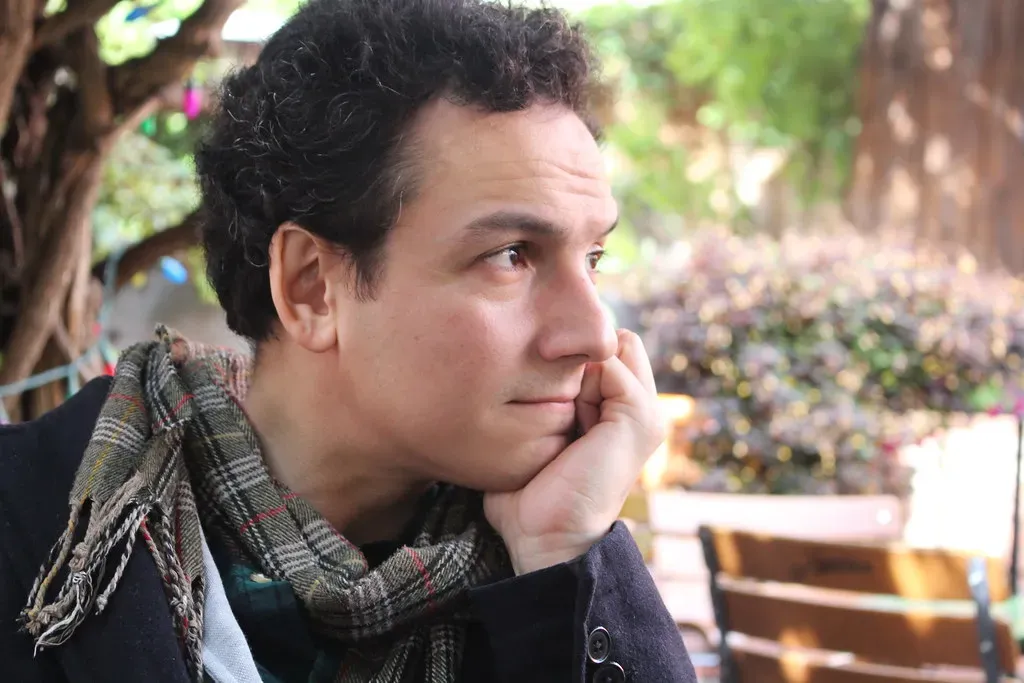
You might be wondering how this actually plays out when someone is pushing your buttons at work or your kid is having a meltdown. If someone interrupts us we may immediately react feeling that they were rude, and we may say something in return that is aggressive or unkind. However, if we pause for a moment and notice that we’re feeling upset, we can then consider why the other person may have acted as they did, and then decide what the best response might be.
Answering e-mail can be a good place to practice this, noticing reactions to certain e-mails, and then pausing to consider how best to respond. Email is actually perfect for practicing because you have more time to pause before hitting send. If you feel that surge of anger or frustration when reading a message, step away. Come back to it later when your rational brain is back online.
In face-to-face conversations, your body language speaks volumes during these moments. Keep your posture open, maintain soft eye contact, and offer a slight nod to show you’re actively engaged. These subtle cues transform potentially awkward silences into comfortable spaces for reflection. The pause doesn’t have to feel awkward if you signal that you’re listening and thinking.
Turning the Pause Into Your New Default Response

The intention is to lessen the amount of time you spend being reactive and learn how to recover your emotional balance more rapidly. As with anything else we do in life, it takes resolve and perseverance. Learning to respond rather than react is a process that gets easier the more we practice it. This isn’t a one-and-done deal. You’re rewiring decades of automatic responses.
When you react before pausing, take responsibility and try again. What matters most is your willingness to repair and keep practicing. The pause gets easier with time. You’ll slip up. You’ll forget to pause and say something you regret. That’s part of being human. What matters is that you notice it, repair the damage if needed, and try again next time.
Choosing to be responsive rather than reactive is a sign of maturity and emotional intelligence. It leads to better decision-making, healthier relationships, and greater personal and professional success. Over time, this practice becomes less of a conscious effort and more of who you are. You become someone who others trust to stay calm under pressure. Someone who can be counted on to respond thoughtfully rather than lash out impulsively.
Conclusion: The Space Where Your Freedom Lives

There’s a reason this simple strategy feels so powerful. That pause is where your freedom lives. It’s the moment you reclaim control from your primitive brain and choose how you want to show up in the world. This leads to improved emotion regulation, as we can respond to emotions rather than react.
By pausing in the space between the stimulus and our response, we can shape more positive outcomes in conversations, and in the relationship overall. It’s a powerful tool, that pause button. You don’t need fancy techniques or expensive therapy to start benefiting from this practice. You just need to remember that you have a choice in how you respond to the world around you.
The next time you feel triggered, remember: you’re not weak for needing a pause. You’re strong for taking one. What conversation in your life could benefit from a little more pause and a little less reaction? Try it today and see what shifts.