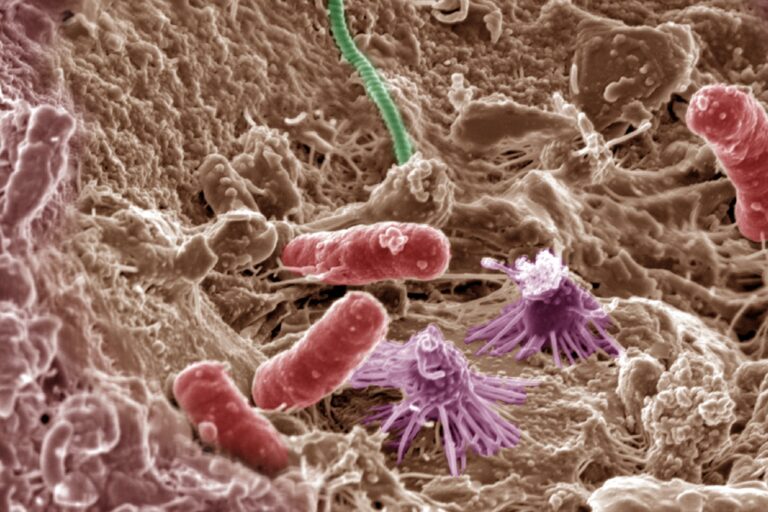
Microbes underpin nearly every aspect of life on the planet, thriving invisibly in soils, on trees, within human bodies, and across ecosystems essential for global health.
Microbes: The Unsung Pillars of Planetary Vitality
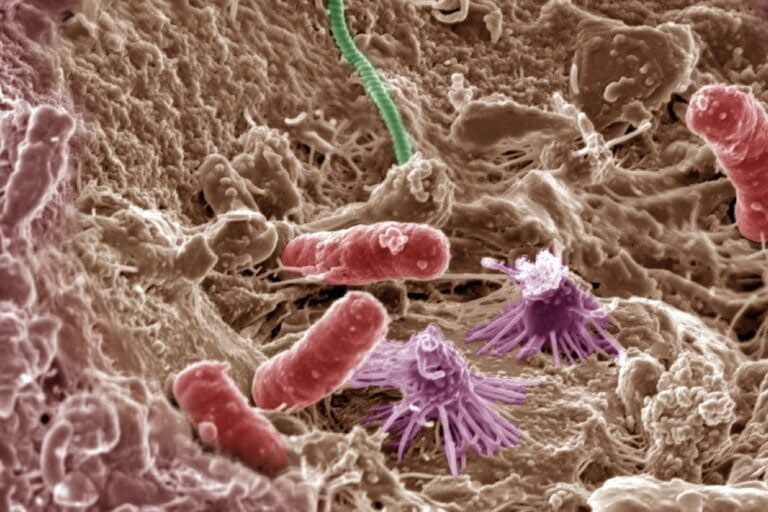
Microbes: The Unsung Pillars of Planetary Vitality (Image Credits: Imgs.mongabay.com)
Trillions of microorganisms operate beyond human sight, yet they sustain complex food webs and nutrient cycles that support all larger life forms. These tiny entities decompose organic matter, fix nitrogen for plants, and regulate atmospheric gases. Without them, agriculture would falter, and biodiversity would collapse.
Experts have long recognized microbes as the base of Earth’s biological pyramid. Their communities boast immense diversity, adapting to extreme environments from deep oceans to arid deserts. This resilience masks their fragility when disrupted, highlighting the need for targeted protection.
Growing Perils from Human Activities
Human expansion poses severe risks to microbial populations through habitat destruction, pollution, and chemical overuse. Industrial farming depletes soil microbes with pesticides and monocultures, while urbanization seals away natural microbial habitats under concrete. Climate change further stresses these communities by altering temperatures and moisture levels they depend on.
These threats extend beyond immediate locales. Antibiotic overuse in medicine and agriculture wipes out beneficial bacteria alongside pathogens, unbalancing microbiomes in humans and environments alike. Such disruptions ripple outward, weakening ecosystem services like water purification and carbon sequestration.
IUCN’s Strategic Response
The International Union for Conservation of Nature announced a new specialist group dedicated to microbe conservation, marking a pivotal shift in global efforts. This initiative addresses a long-standing gap, as previous conservation focused primarily on visible species like mammals and plants. The group will assess microbial risks, develop protection strategies, and integrate microbes into broader biodiversity frameworks.
Members include scientists and policymakers committed to raising awareness. They plan to catalog endangered microbial groups and advocate for policies that preserve their habitats. Early priorities target soils and aquatic systems, where microbes drive primary productivity.
Key Roles Microbes Play in Daily Life
Understanding microbes’ contributions reveals why conservation matters urgently. Here are some critical functions:
- Nutrient cycling in soils to enable plant growth and food production.
- Symbiosis with plants and animals, aiding digestion and immunity.
- Decomposition of waste, preventing toxic buildup in ecosystems.
- Climate regulation through methane production and consumption.
- Bioremediation, naturally cleaning pollutants from water and air.
- Foundation for pharmaceuticals, with many drugs derived from microbial compounds.
Protecting these roles ensures long-term human welfare alongside nature’s balance.
- Microbes form the invisible base of all ecosystems, facing overlooked threats from human actions.
- IUCN’s new group pioneers microbe-specific conservation strategies.
- Preserving microbial diversity safeguards food security, health, and climate stability.
The launch of this IUCN group signals a wake-up call: ignoring microbes jeopardizes the very systems that sustain us. As efforts ramp up, global collaboration will determine whether these microscopic allies endure. What steps should society take next to support microbial conservation? Share your thoughts in the comments.