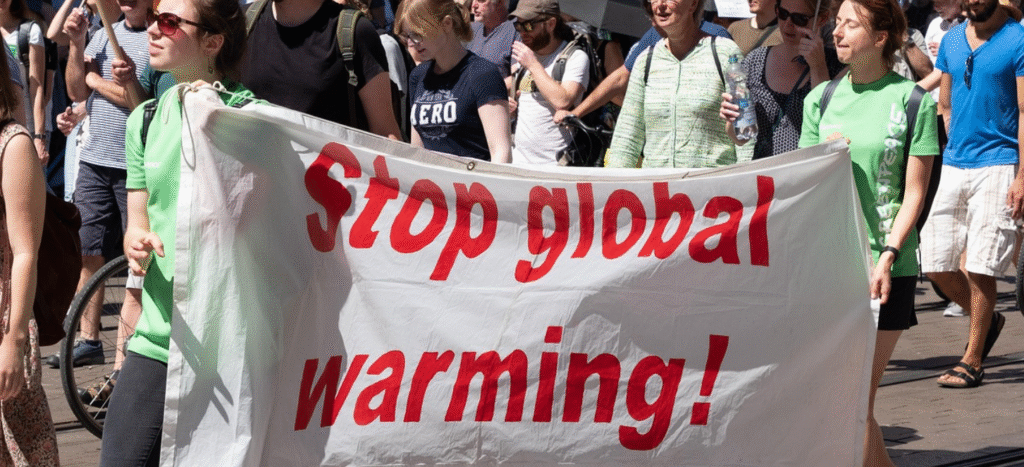

Rising Tensions Over Climate Policies (Image Credits: Pixabay)
Europe enters 2026 with heightened efforts to combat what officials describe as misinformation on climate issues, amid widespread debates over environmental policies.
Rising Tensions Over Climate Policies
Recent months saw significant pushback against ambitious climate targets across the continent. Farmers in several countries protested regulations aimed at reducing emissions, leading to adjustments in proposed cuts to agricultural pollution. Officials removed demands for reduced meat consumption and phased out fossil fuel subsidies from draft plans, signaling a softening stance.
This backlash highlighted fractures in public support for the European Green Deal, which seeks climate neutrality by 2050. Economic pressures, including high energy costs, fueled discontent in nations like Germany, where upcoming reforms in electricity and industry sectors face scrutiny. The European Commission acknowledged these challenges while emphasizing the need for resilient transitions.
Targeting Misinformation in Digital Spaces
European leaders responded to these developments by advancing initiatives to regulate online content related to climate science. A recent EU-funded report identified climate denial as a form of harmful information that undermines policy efforts. Authorities plan to expand monitoring of social media and websites to flag content deemed misleading.
These measures build on existing frameworks like the Digital Services Act, which requires platforms to remove illegal or harmful material. Proponents argue that such steps protect public understanding of climate risks, especially as extreme weather events intensify. Critics, however, warn that broad definitions could stifle legitimate debate on policy effectiveness.
Balancing Ambition and Public Trust
The EU’s approach reflects a delicate balance between aggressive environmental goals and maintaining social cohesion. In late 2025, climate ministers agreed on a revised 2040 target, watering down some commitments to secure consensus before international summits. This decision came after intense negotiations, underscoring the political costs of stringent rules.
Germany, as Europe’s largest economy, stands at the forefront of these tensions. The new government under Chancellor Friedrich Merz pledged to lower transition costs and enhance energy security, yet delays in key reforms have bred uncertainty. Observers note that failure to align policies with economic realities could erode trust further.
Implications for Free Speech and Innovation
Efforts to curb dissent raise questions about boundaries between regulation and censorship. Platforms may face heavier fines for hosting skeptical views, potentially influencing content moderation practices. This could affect researchers and journalists exploring alternative interpretations of climate data.
At the same time, supporters highlight benefits for innovation in clean technologies. Investments in solar, wind, and batteries continue to grow, driven by demands from sectors like data centers. Yet, the focus on narrative control risks alienating voices that advocate for pragmatic adjustments to policies.
- Key policy adjustments include easing agricultural emission targets.
- Online platforms must now prioritize removal of flagged climate misinformation.
- Germany’s reforms aim to cut costs in energy and transport sectors.
- Upcoming elections could shift the balance on climate priorities.
- International commitments remain tied to the Paris Agreement goals.
Key Takeaways
- Europe’s regulations target online climate denial to bolster policy support.
- Backlash has led to moderated targets, but core 2050 neutrality goal persists.
- Free speech concerns loom large as enforcement ramps up in 2026.
As Europe navigates these complexities, the true test will lie in fostering dialogue that advances sustainability without suppressing inquiry. The coming year promises pivotal shifts, particularly with elections that could redefine the continent’s environmental trajectory. What steps should leaders take to rebuild consensus on climate action? Share your views in the comments.