Imagine holding a piece of rock in your hands, and realizing it was once breathing. That it moved through ancient seas, fed its young, and fought for survival in a world nothing like the one you know today. That is the quiet miracle of a fossil. Stripped of flesh, reduced to stone, these remnants are still whispering, if you know how to listen.
Paleontology is far more than bone-hunting. It is a kind of detective work stretched across hundreds of millions of years, chasing clues left behind in stone, amber, ash, and ice. What we have learned in recent years would have sounded like science fiction only a generation ago. Scientists are now reading ancient molecules, reconstructing faces, sequencing genomes, and even mapping the diets of creatures that vanished long before humans ever walked the earth. Every fossil tells a story. Let’s dive in.
The Hidden Art of Becoming a Fossil
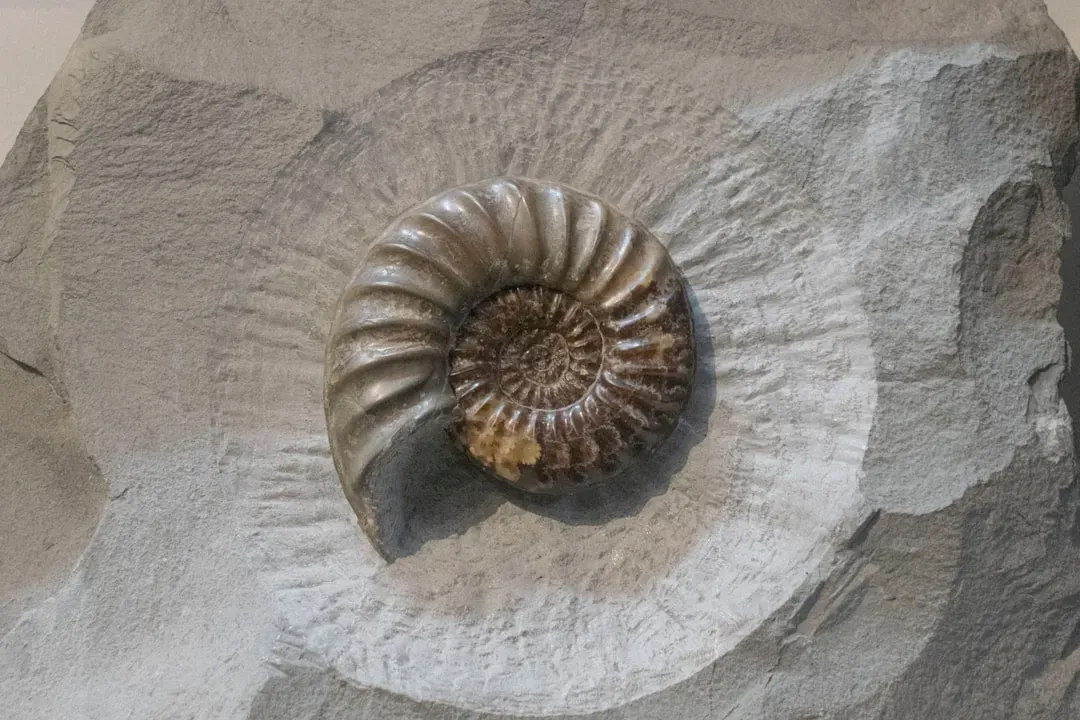
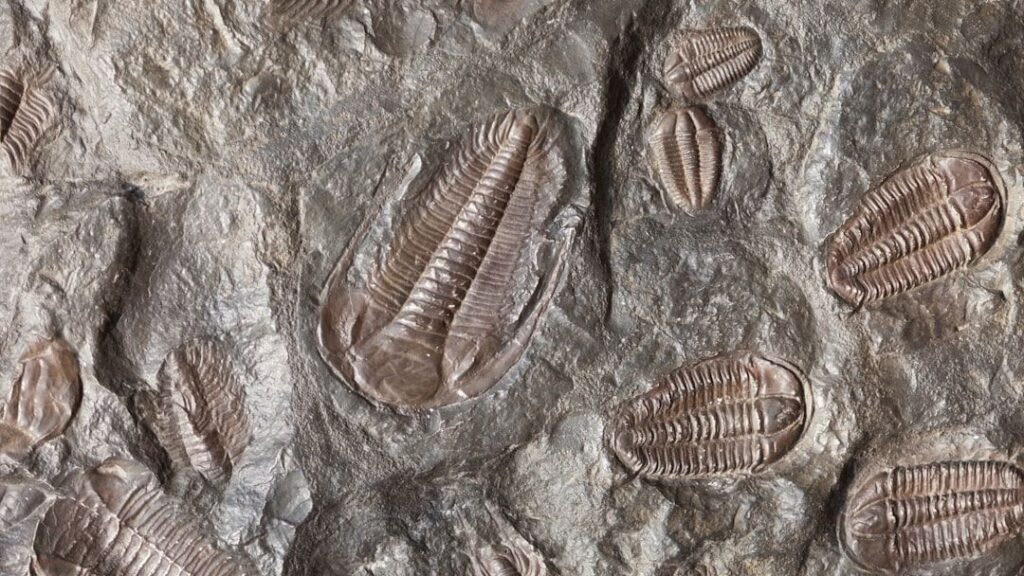
You might think fossilization is simple. An animal dies, gets buried, turns to stone. Done. Honestly, it is far more complicated and far more selective than that. Most fossils form when a living organism dies and is quickly buried by sediment, such as mud, sand, or volcanic ash. Soft tissues often decompose, leaving only the hard bones or shells behind. Think of it like a camera with a slow shutter speed. Only certain moments get captured, and many are lost forever.
The fossil record is heavily biased towards the preservation of harder parts of organisms, such as shells, teeth, and bones. Soft parts like internal organs, eyes, or even completely soft organisms tend to decay before they can be fossilized. This means the picture we have of ancient life is genuinely incomplete, like reading a novel with every third chapter torn out. Amber can preserve organisms if they become trapped in tree resin, which will eventually harden to form a golden amber that has been shown to preserve fossils up to 100 million years old. Each pathway to preservation is its own improbable miracle.
When Stone Preserves More Than Bone
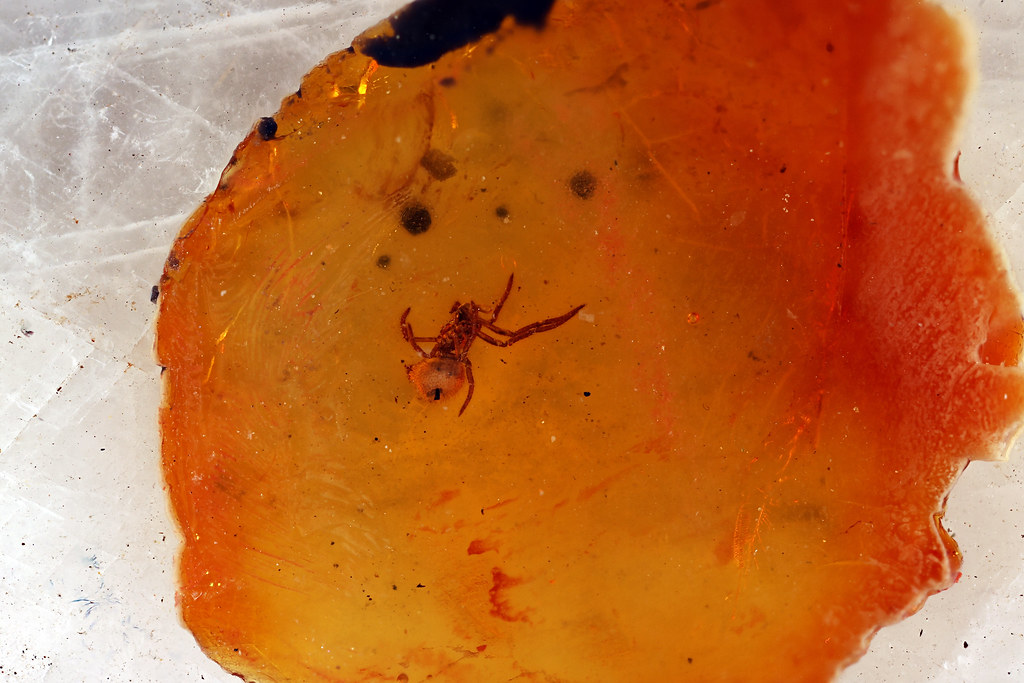
Here is the thing that truly astounds even experienced paleontologists: sometimes, fossils preserve far more than skeletal remains. Another form of soft tissue preservation has long enthralled scientists and the public alike: amber fossils. Amber is fossilized tree resin, and when it oozes over a small animal and then hardens rapidly, it can trap the creature in exquisite three-dimensional detail. Amber has preserved mosquitoes, spiders, lizards, and feathers, sometimes with even subcellular features visible under magnification.
One of the key forms of exceptional preservation is carbonization, where pressure and heat drive off all elements except carbon, leaving a blackened film that outlines soft parts like skin or feathers in astonishing detail. Another is phosphatization, where phosphate minerals replace or coat soft tissues at the microscopic level, preserving internal organs, embryos, or muscle fibers. It is like nature occasionally decided to use ink instead of stone, leaving precise outlines of organisms that should, by all logic, have vanished completely. Researchers have even uncovered thousands of preserved metabolic molecules inside fossilized bones millions of years old, offering a surprising new window into prehistoric life.
Trace Fossils: Ancient Behaviors Frozen in Time
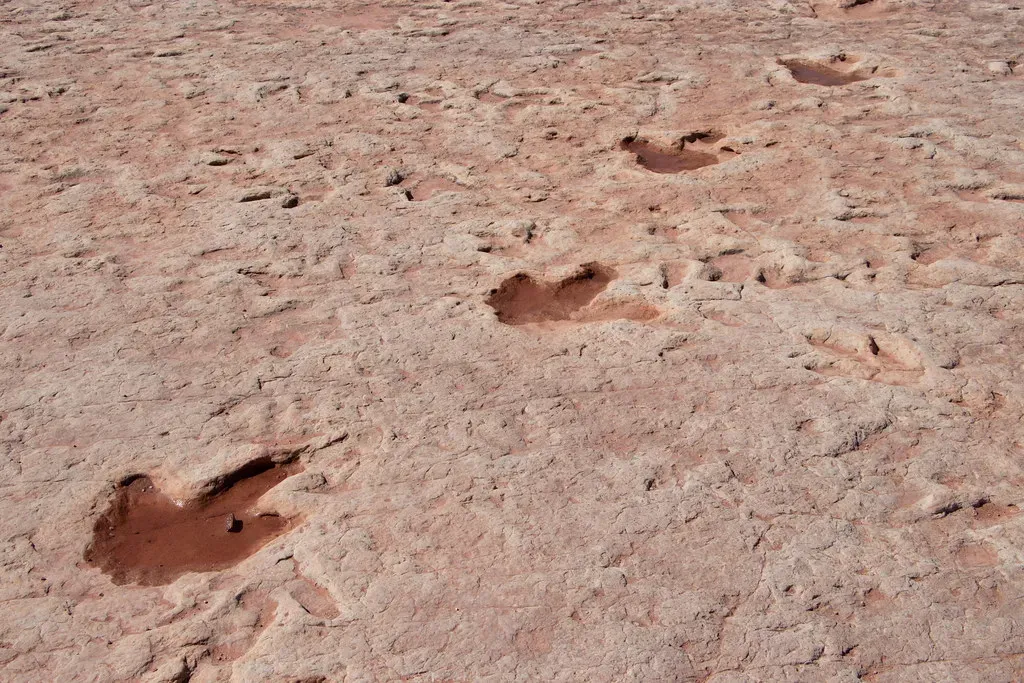
Not every fossil is a body. Some of the most thrilling discoveries are footprints, burrows, feeding marks, and, let’s be real, fossilized excrement. Paleontology is the study of prehistoric life forms on Earth through the examination of plant and animal fossils, and this includes the study of body fossils, tracks, burrows, cast-off parts, fossilized feces, palynomorphs, and chemical residues. These trace fossils hand you something a skeleton simply cannot: a glimpse of an animal actually doing something.
Movement trace fossils tell us about how ancient animals moved within their habitats, and it is easy to grasp why such fossils are so useful for understanding ancient life. Consider the footprints you might leave behind as you walk on a sandy beach or through the snow. While they don’t reveal much about your appearance, they reveal the direction you were moving, whether you were traveling alone or in a group, and provide clues about whether you were walking or running. Dinosaur trackways, for instance, have revealed that some species traveled in herds, something their bones alone could never tell us. Dinosaur footprints have always been mysterious, but a new AI app is even cracking their secrets, analyzing photos of fossil tracks and predicting which dinosaur made them, with accuracy rivaling human experts.
Fossilized Diets: What Ancient Animals Really Ate
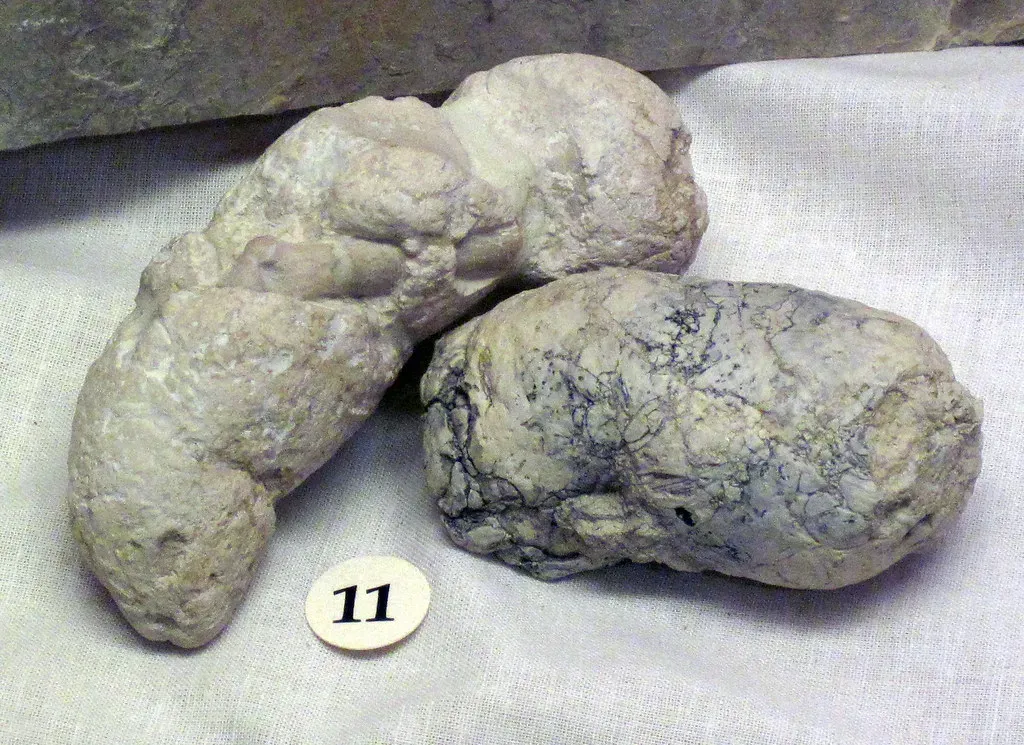
Want to know what a Tyrannosaurus rex had for dinner? The fossil record can actually answer that. Coprolites are classified as trace fossils as opposed to body fossils, as they give evidence for the animal’s behavior, in this case diet, rather than morphology. Yes, we’re talking about fossilized dung, and it turns out to be one of the most information-rich fossils in existence. A famous 44-centimeter-long coprolite dropped by a T. rex contains pulverized bones of ornithischian dinosaurs that had been corroded to some extent by stomach acids but not entirely destroyed, suggesting a relatively rapid transit of food material through the gut.
Various types of data from coprolites provide detailed evidence of the producer’s condition, including diet, intestinal microbiome, virus infection, and parasitic diseases. In addition, paleoenvironmental information relevant to producers’ ecological niche can be drawn from taphonomy details that the coprolites reflect. Scientists have even pinpointed the specific plants consumed by a giant sloth that lived roughly a million years ago, identifying particular plant families down to molecular biomarkers. While an animal’s skull and teeth might suggest if an animal was carnivorous or herbivorous, evidence from coprolites can pin down exactly what an animal was actually eating. That level of detail is genuinely extraordinary.
The Secrets Locked Inside Ancient DNA and Proteins
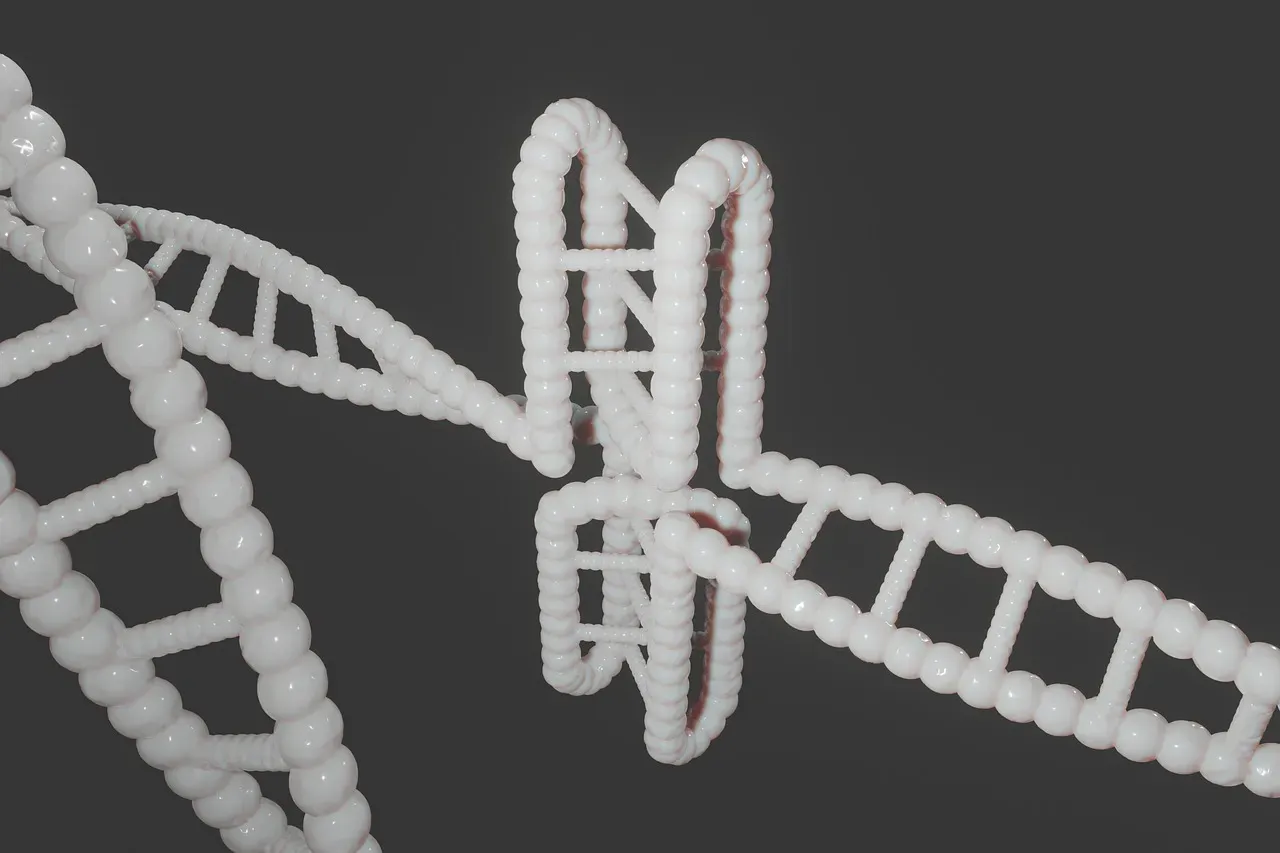
If soft tissue preservation is a miracle, ancient DNA is something close to magic. Ancient, or fossil, DNA is the key to accessing the genetic information of our ancestors. This tool is used by paleogenomics, a discipline that combines DNA sequencing techniques with the analysis of ancient biological remains. By extracting and deciphering DNA preserved in bones, teeth, hair, seeds, and wood, scientists can access the genetic information of species, including that of our distant ancestors.
Scientists extracted and sequenced ancient RNA from 39,000-year-old woolly mammoth tissues in 2025, a breakthrough because RNA degrades much faster than DNA and almost never fossilizes. This marks one of the first successful recoveries of gene-expression material from deep time. RNA reveals physiology, gene regulation, and cellular activity that DNA alone cannot show. Meanwhile, for creatures too old to yield surviving DNA, proteins are stepping up. Research has demonstrated that proteins can be an important source of genetic information for ancient samples too old or preserved in the wrong conditions to recover DNA. Teeth are common in the fossil record, and studying their proteins could solve evolutionary puzzles when DNA clues have already broken down.
Fossils and the Puzzle of Human Origins
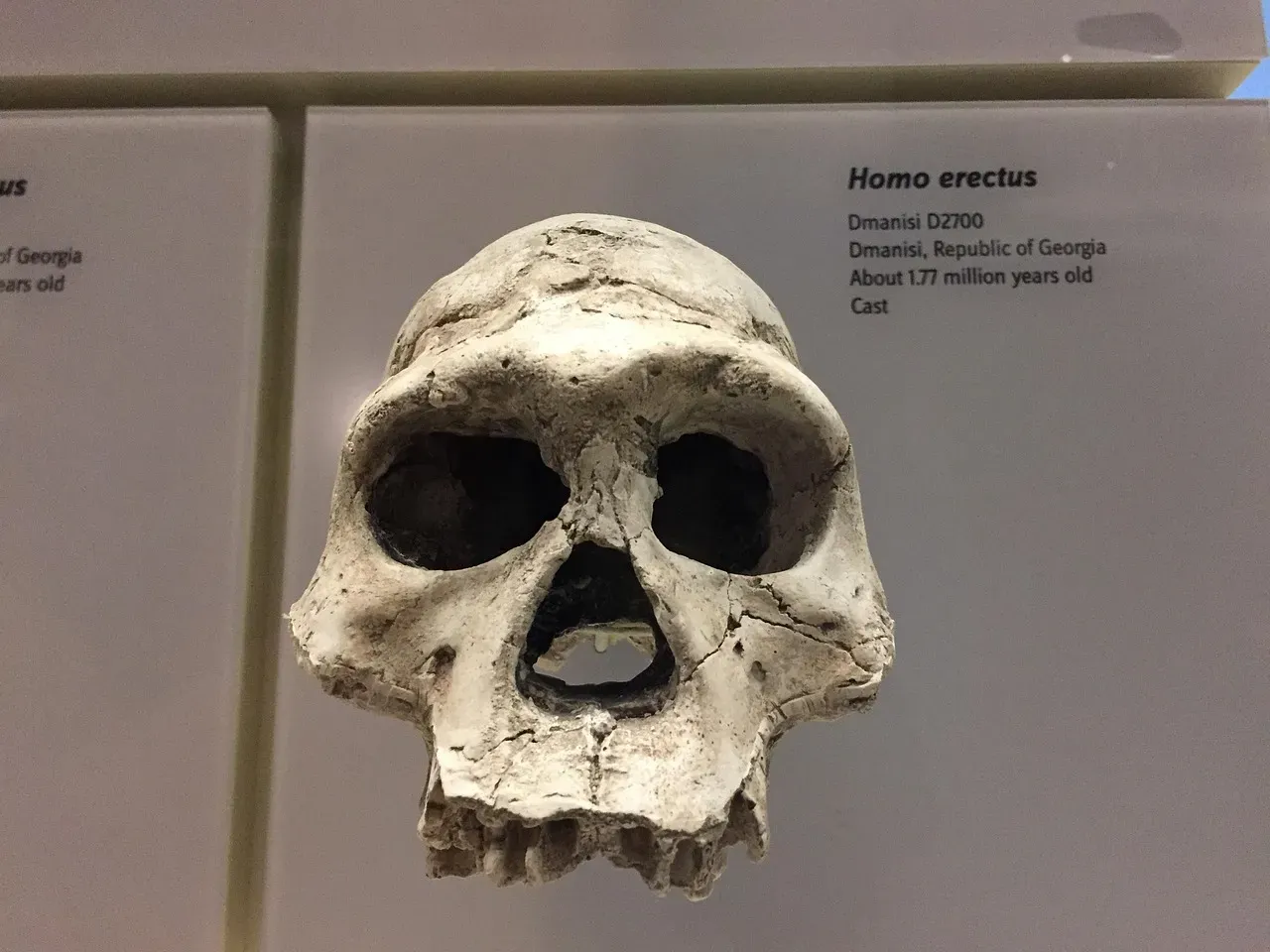
Few scientific quests grip the human imagination quite like the search for our own origins. It is deeply personal, isn’t it? We want to know who came before us, what they looked like, and how we are connected to them. Scientists have digitally reconstructed the face of a 1.5-million-year-old Homo erectus fossil from Ethiopia, uncovering an unexpectedly primitive appearance. Each new discovery seems to redraw the map of the human family tree.
DNA analysis of a tiny fossil led to the 2010 finding that it represented a distinct ancient human population, which scientists dubbed the Denisovans. Many people alive today carry traces of Denisovan DNA, but because fossils of these extinct ancestors are still few and far between, experts in human origins still don’t know exactly what they looked like, where they lived, or why they disappeared. In early 2026, one of the most complete human ancestor fossils ever found was proposed by an international research team to belong to an entirely new species. The famous “Little Foot” skeleton from South Africa is rewriting chapters of our evolutionary story that we thought were already closed.
The Future of Fossil Science: Technology Rewriting Ancient Lives
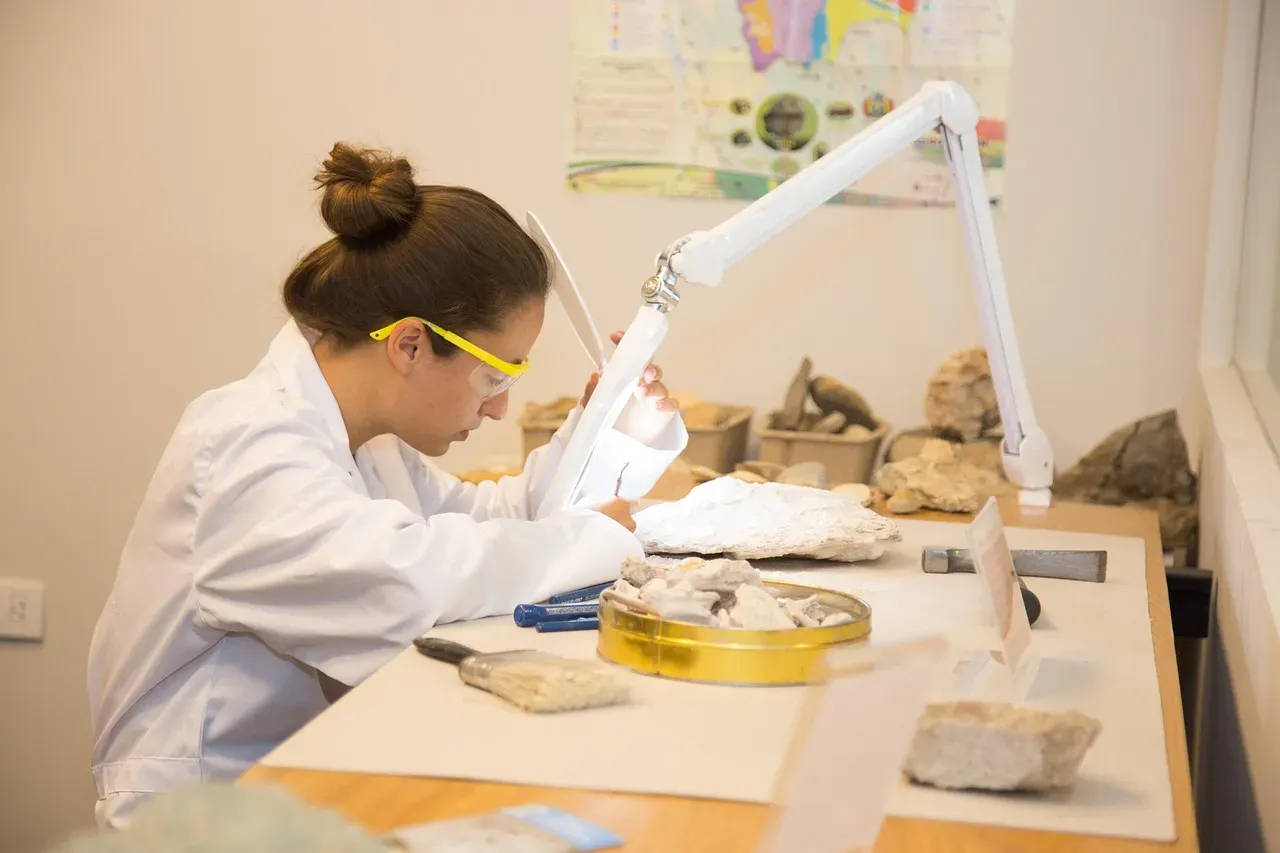
Right now, in 2026, the tools available to paleontologists are beyond anything the founders of the field could have dreamed. Biomechanical models, combined with considerations of modern analogs, provide powerful insight into certain aspects of the moving parts and skeletons of ancient organisms. Opportunities have been hugely expanded by the relative ease with which three-dimensional structures, such as shells, bones, and skeletons, may be scanned and imaged. These images may then be tested using standard engineering software to determine how the structure was shaped by stresses and strains of walking, running, feeding, or head-butting.
Scientists are preparing to publish new tyrannosaur growth studies that may refine predator diversity even further, while major digs in South America and Southeast Asia continue to hint at oversized species still waiting for names. Advances in fossil protein sequencing and bone micro-analysis are expected to unlock new biological details from iconic specimens. I think the most exciting era of paleontology is not behind us. It is very much right now. Re-examining old fossils with new technology can reveal soft tissues that were once thought impossible to preserve, and future research will likely uncover more soft-tissue specimens, enriching our understanding of ancient life.
Conclusion: Stone That Still Speaks
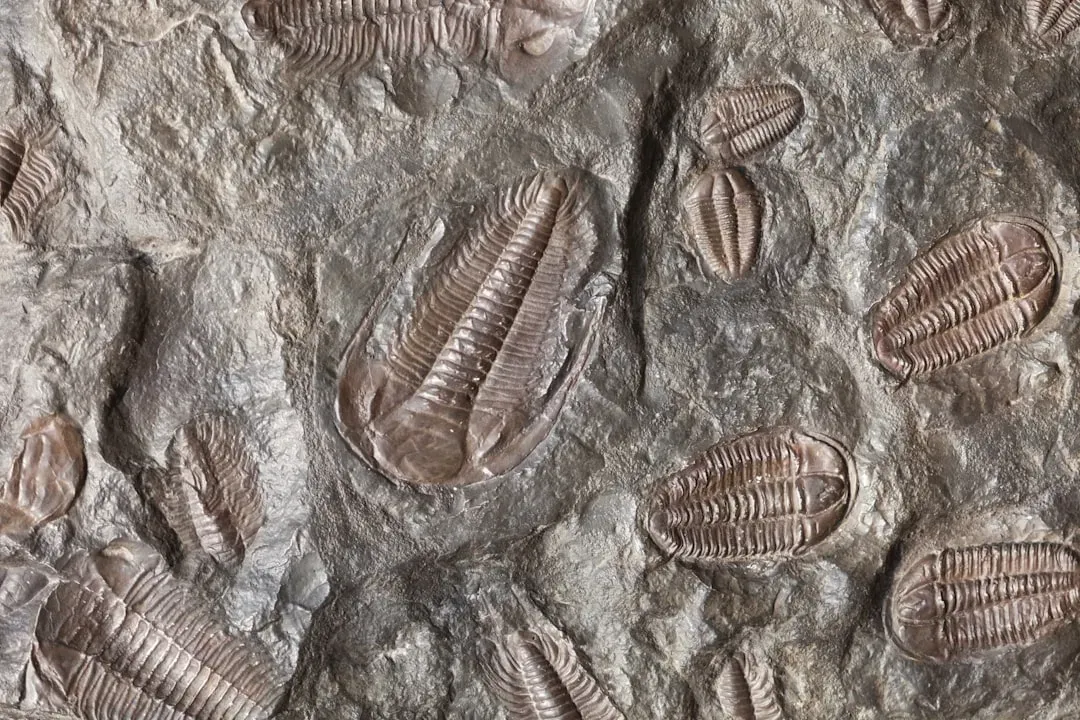
Every time a fossil is pulled from the earth, something that was silent for millions of years gets to speak again. That is not a small thing. It is one of the most remarkable things our species does, this relentless, patient effort to reconstruct lives from fragments of stone and the chemistry of ancient molecules.
The organisms of the deep past were not props in a prelude to human history. They were fully realized creatures, with diets and behaviors, social dynamics and evolutionary pressures, whole biological stories compressed into the rocks beneath our feet. We are only beginning to read those stories with the clarity they deserve. Fossils offer a window into Earth’s history and the evolution of life, and they are also a crystal ball into our future. The deeper we look into ancient life, the better we understand the living world around us today.
So the next time you see a fossil in a museum case, stop for a moment. You are not looking at a dead thing. You are looking at an entire life, crystallized in stone, still waiting to be understood. What kind of ancient story do you think is still hiding in the rocks, waiting to be told?