

If you picture a horse’s hoof, you probably see one solid, powerful pillar slamming into the ground at full gallop. It feels so natural and obvious that it is almost shocking to realize this is not how horses started out. For tens of millions of years, horse ancestors walked on multiple toes, more like dainty forest creatures than the sprinting machines we know today.
What changed was not the horse’s ambition, but the world beneath its feet. As global climates shifted and sprawling grasslands replaced dense forests, evolution quietly rewrote the rules of what it meant to be a successful horse. The story of how those extra toes disappeared is not just a quirky fossil fact; it is a powerful example of how landscapes can literally reshape bodies, bone by bone.
From Tiny Forest Browsers to the First Multi-Toed Horses
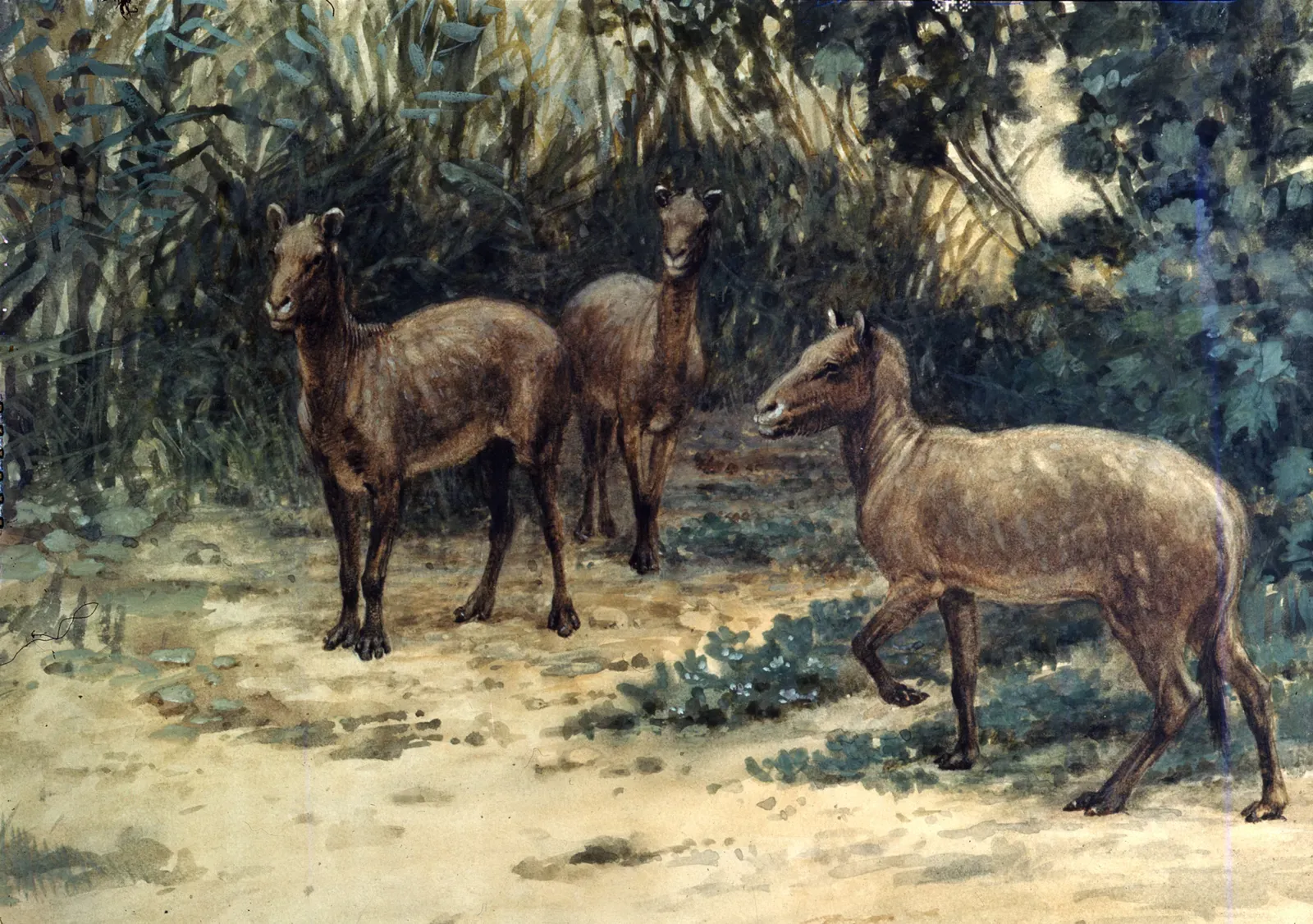
It all starts with animals you might not even recognize as horses. Early horse ancestors, like the small, dog-sized forms that lived in lush forests, had multiple toes on each foot and padded, flexible limbs. They were built less like modern racehorses and more like nimble woodland creatures slipping between trees and shrubs, feeding on soft leaves.
In those dense, uneven forest floors, spreading the weight across several toes was actually an advantage. Multiple toes acted like built-in shock absorbers, helping them navigate muddy ground, tangled roots, and shifting undergrowth without snapping an ankle. If modern horses are the sprinters of open plains, their ancestors were more like careful trail runners weaving through a messy forest path.
The Fossil Trail: Bones That Reveal a Lost Foot Design
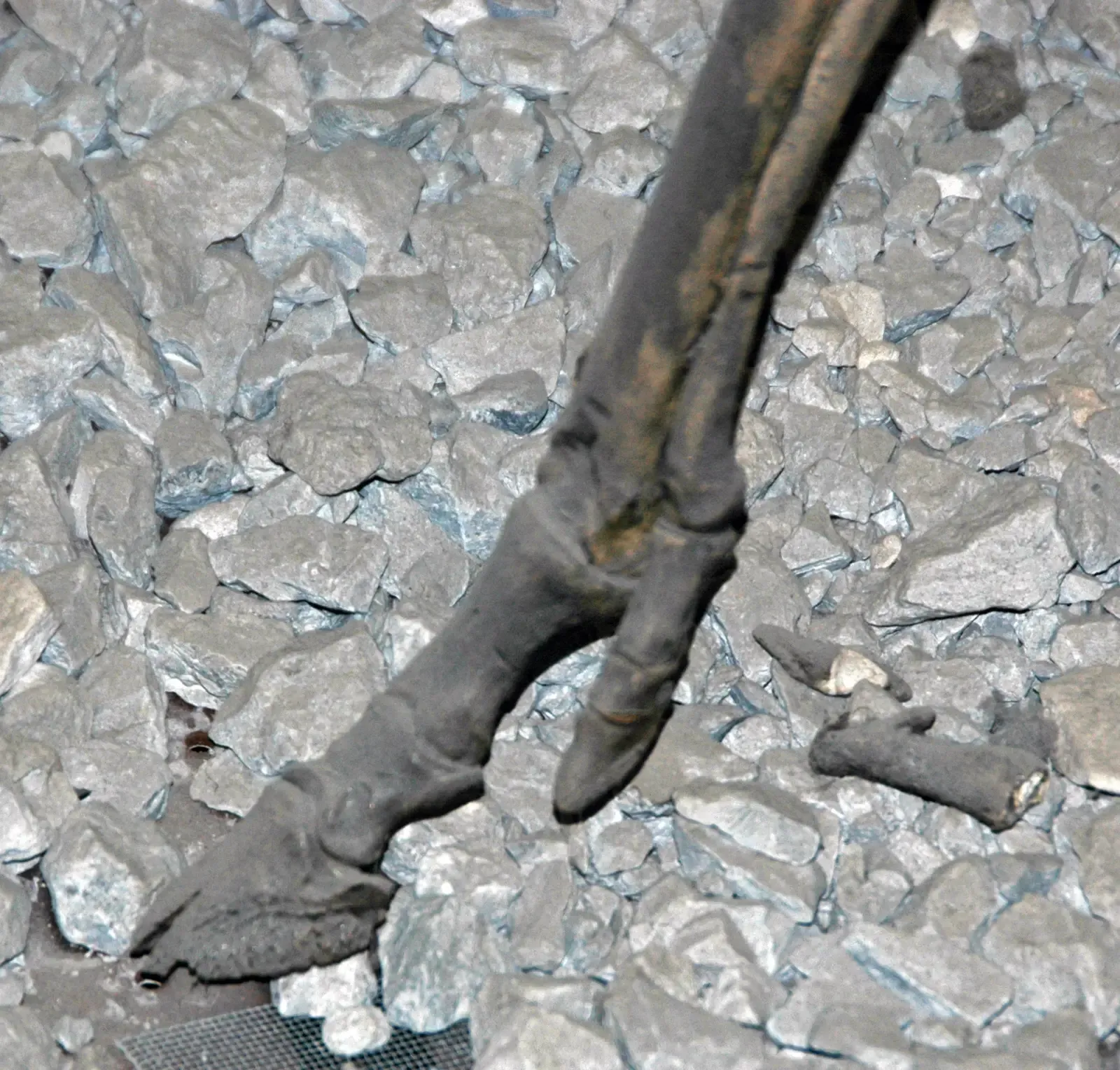
We do not have to guess about those toes; the fossils lay the story out almost like an old photo album. When paleontologists dig into ancient rock layers, they find leg bones and feet that clearly show three or even four distinct toes, some bearing weight, others already shrinking. Over time, you can literally trace how the side toes get lighter, thinner, and more vestigial as you move upward through the fossil record.
What is amazing is how gradual and stepwise the change is. There is no single moment where a three-toed animal suddenly becomes a single-toed horse overnight. Instead, you see relative proportions shifting: the middle toe thickens and elongates, the outer toes retreat, joints change their angles. It is as if evolution is quietly nudging the design toward a new function, generation after generation, without ever laying out the blueprint in advance.
When the World Turned to Grass: Climate, Plants, and New Pressures

The big twist in this story comes when global climates start to cool and dry, and woodlands give way to more open habitats. Grasslands begin to spread, turning parts of the planet from shaded maze-like forests into wide, open spaces. That shift sounds subtle, but for a small herbivore, it was like the entire game board suddenly changed.
In forests, hiding and maneuverability were key. In grasslands, survival increasingly favored speed, long-distance travel, and the ability to spot danger across the horizon. Instead of darting around trees, ancestral horses needed to outrun predators over open ground and move far to find patches of grass. The old multi-toed, forest-optimized foot was suddenly playing an away game on a fast, hard track.
Why a Single Toe Beats a Handful on the Open Plains
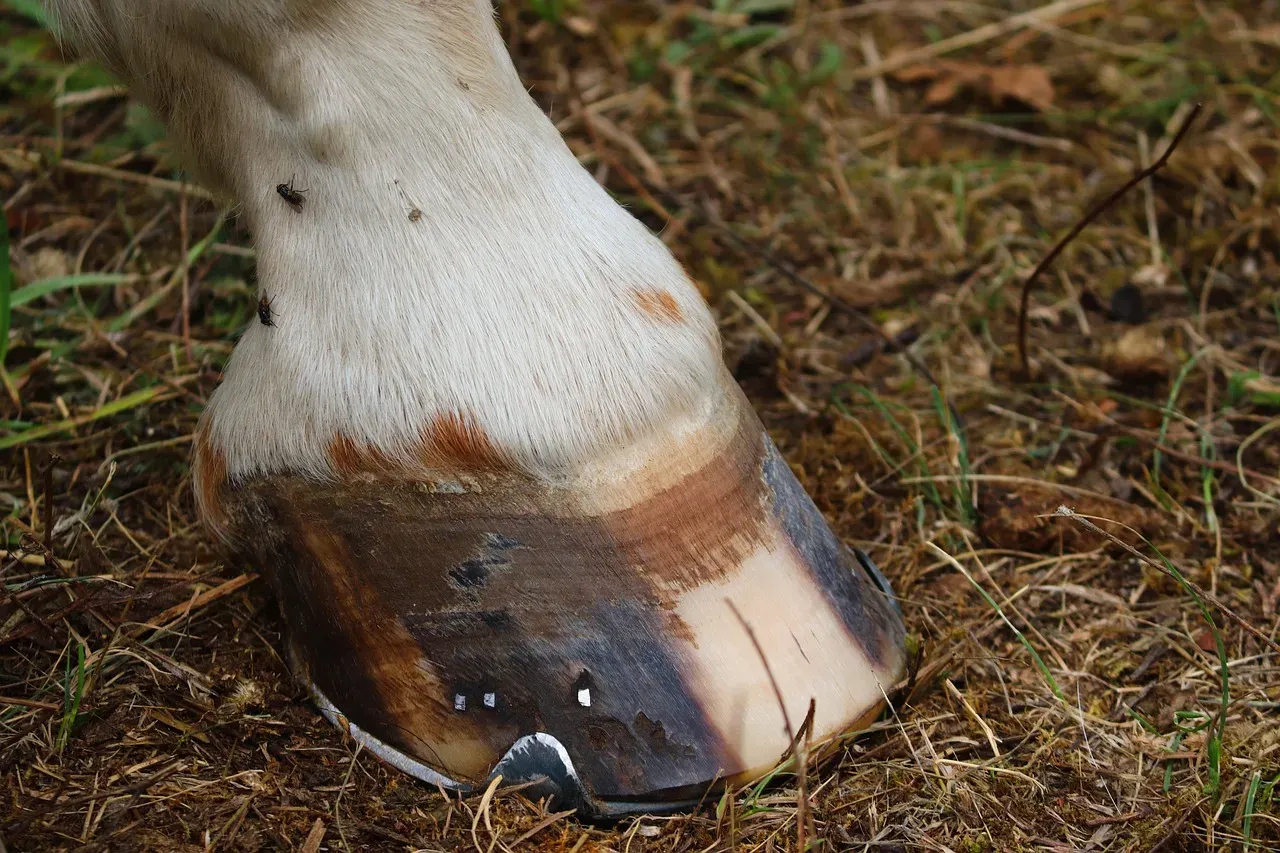
On firm, open ground, a single large, reinforced toe behaves like a powerful spring. Concentrating the body’s weight into that central structure lets the limb store and release elastic energy more efficiently with each stride, a bit like compressing and releasing a high-tech running shoe. Multiple toes, by contrast, spread out the impact and can waste some of that forward-driving force as side movements or wobble.
Evolution did not “decide” that one toe was better; it simply favored individuals whose limb structure let them run a little faster or a little farther in open terrain. Over thousands and thousands of generations, horses with stronger central toes and lighter side toes moved more efficiently, escaped predators more often, and left more offspring. The result is today’s hoof, which looks simple from the outside but is the end point of a long competition between different foot designs.
The Disappearing Side Toes: From Functional Digits to Hidden Splints
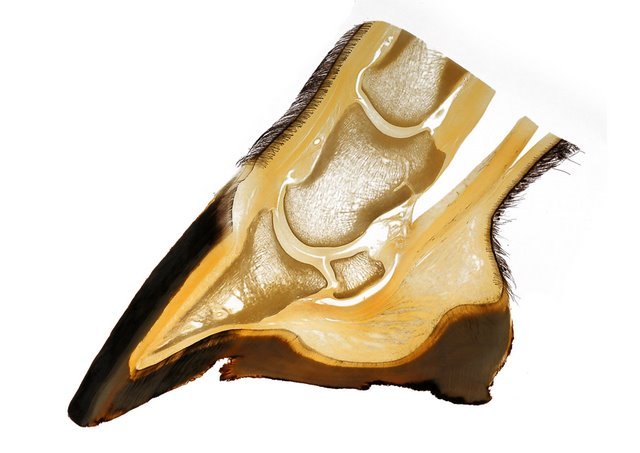
One of the most fascinating details is that the extra toes did not just vanish in a puff of evolutionary smoke. In many fossil horses, those side toes are still present but doing less and less of the work, gradually shrinking until they no longer touch the ground. Eventually, what used to be full toes become thin splint-like bones fused along the sides of the main limb.
You can still see this legacy in modern horses today. Those slender splint bones running down either side of the cannon bone are evolutionary ghosts of former toes, like architectural beams left over from an old design. When I first learned that, it completely changed how I looked at a horse’s leg; it stopped being a simple pillar and became a layered history lesson, hidden just under the skin.
Teeth, Diet, and Toes: How Grasslands Reshaped the Whole Horse
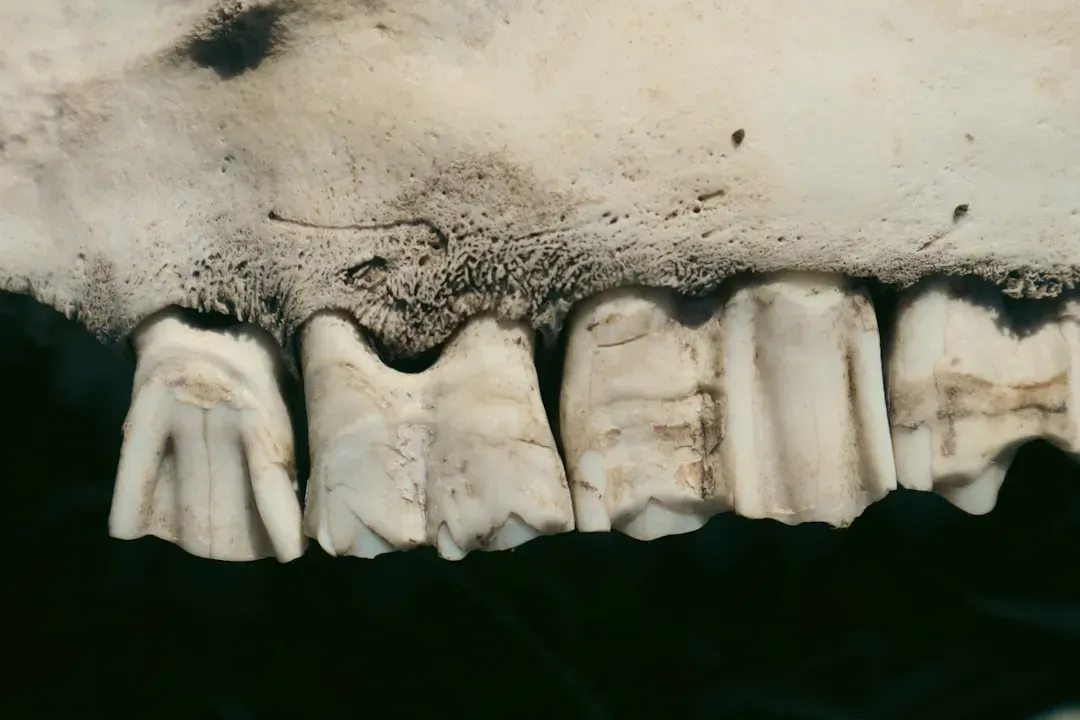
The toe story makes the most sense when you zoom out and notice that it was not happening in isolation. As grasslands spread, horses did not just change their feet; their teeth evolved from low-crowned leaf-shearing tools into high-crowned, durable grinders built to handle tough, gritty grass. The entire body plan was being reworked for a new lifestyle based around running across open plains and chewing abrasive plants.
It is tempting to talk about “the” adaptation, but grassland life demanded a package deal: stronger middle toe, longer limbs, more powerful leg muscles, and tougher teeth all working together. If the toes had changed but the teeth had not, or vice versa, those animals would have been badly mismatched to their environment. Evolution here is not a single tweak; it is a coordinated re-theme of the entire animal to match a new ecological stage.
Speed vs. Stability: The Evolutionary Trade-Off Behind the Hoof

Every evolutionary gain comes with a cost, and the one-toed hoof is no exception. A broad, multi-toed foot can be more stable on uneven or soft ground, supporting weight across a wider base and better handling twists or sudden direction changes. The sleek single toe, on the other hand, is optimized for straight-line speed and efficiency but can be more vulnerable to certain injuries if pushed too far.
Modern horse owners know this all too well from hoof problems, tendon strains, and joint issues that show up when we ask these animals to perform at elite levels. That is not a failure of the design; it is a reminder that the hoof evolved under the pressures of survival and reproduction on natural terrain, not under the demands of human sports and hard artificial surfaces. Evolution produced a fantastic compromise for wild grassland life, not a flawless, indestructible machine for any scenario we dream up.
What Multi-Toed Horses Teach Us About Evolution in Real Time
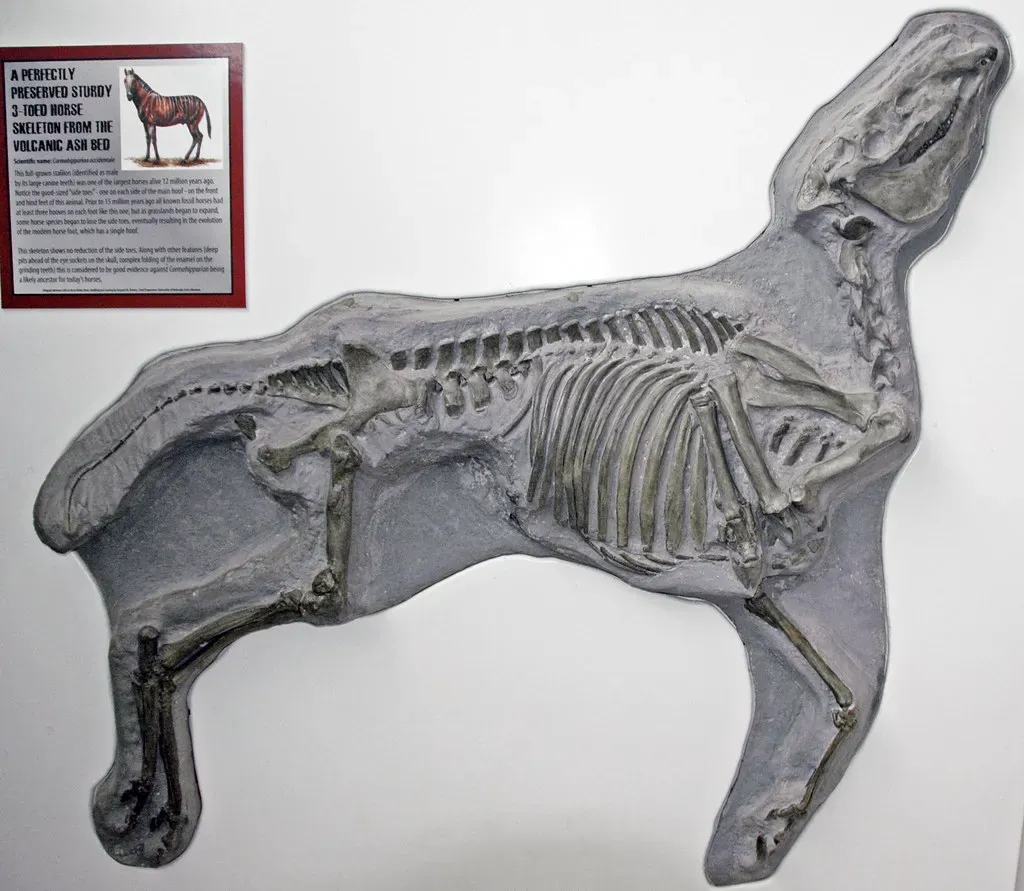
The tale of horses and their disappearing toes is one of the cleanest, most visual examples we have of long-term evolution in action. It is not a vague idea; it is literally written in layers of rock, in bones we can hold in a museum drawer, letting us trace a continuous line from forest-dwelling, three-toed creatures to the single-hoofed animals we know so well. It is no wonder this lineage is so often used in textbooks and documentaries to explain evolutionary change.
For me, this story is a quiet rebuke to the notion that evolution is just random chaos with no pattern. Yes, mutations are random, but the success of those mutations is anything but. Grasslands expanded, pressures shifted, and over deep time, horses that ran better on the new grounds left more descendants. When you step back, it feels less like chaos and more like a long, slow, unscripted negotiation between bodies and landscapes.
Conclusion: One Toe, Many Lessons

In the end, the modern horse’s single hoof is not just a neat anatomical quirk; it is a fossilized verdict on what worked best when the world turned to grass. Multi-toed ancestors had their moment, thriving in shaded forests where careful footing mattered more than top speed, but the spread of grasslands changed the rules of the game. The animals that bet everything on a reinforced central toe, long legs, and efficient running are the ones whose descendants we ride and admire today.
I think the most striking lesson here is how quietly brutal and practical evolution is. No committee decided to streamline the horse’s foot; the environment did the voting through survival and reproduction. If vast grasslands had never taken over, we might still be surrounded by small, many-toed horse relatives browsing in cool forests, and the hoof as we know it might never have existed. It makes you wonder: in a world that is changing fast again, which of today’s “obvious” designs are already on borrowed time?