
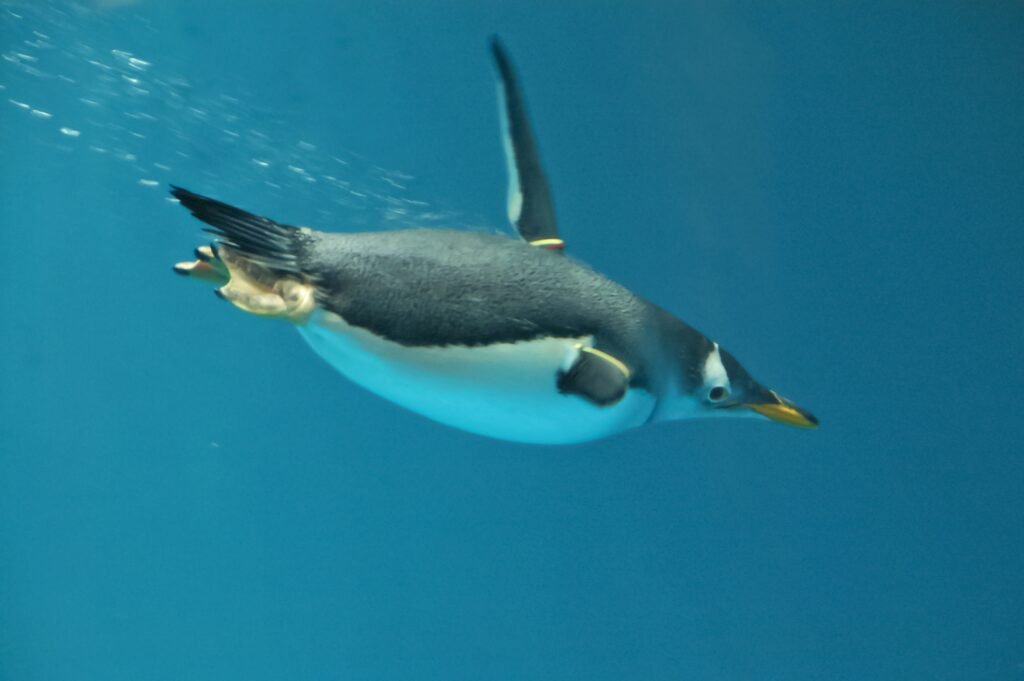
Imagine being so committed to life in the ocean that you burn the evolutionary bridge back to the sky. That is, in a nutshell, what happened to penguins. They did not simply “fail” at flying; they traded their wings for something even more extreme: the ability to rocket like torpedoes through icy seas, chasing fast, slippery prey where other birds could never follow.
This trade-off is one of the most fascinating examples of how evolution plays favorites. It shows, bluntly, that you cannot be world-class at everything. Penguins became specialists, not generalists, and in doing so they turned their backs on the air. The story of how that happened is not just about bones and feathers; it is about physics, food, survival, and what it really costs to be extraordinary.
From Air to Water: Why Flying and Super-Swimming Don’t Mix Well
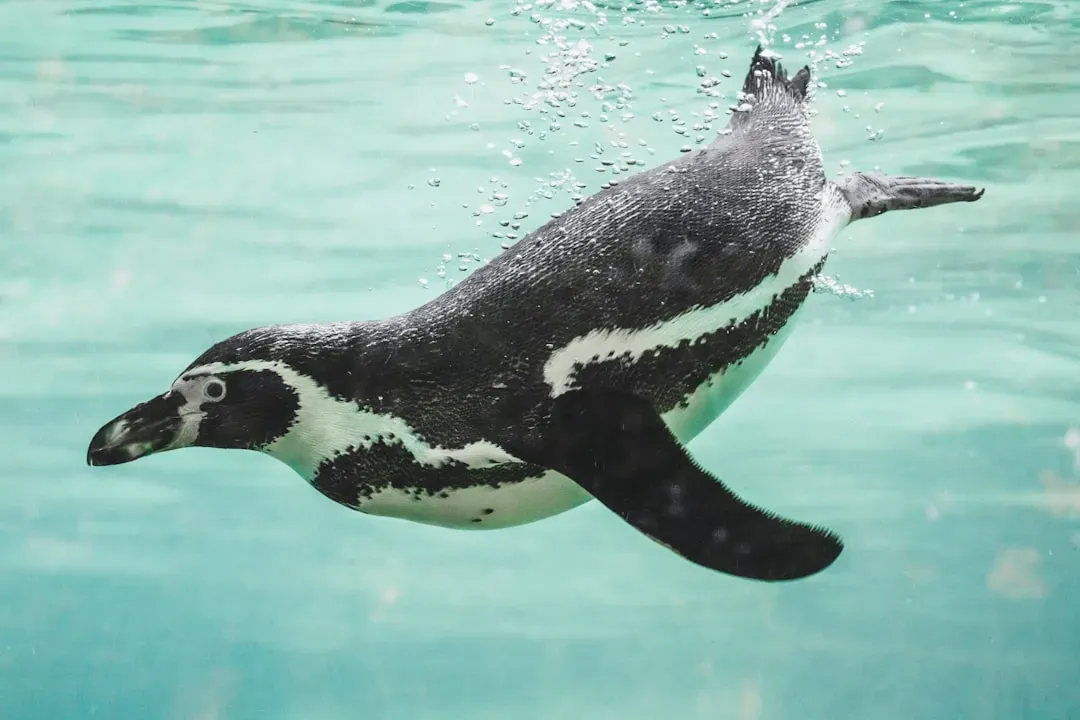
Here is the uncomfortable truth evolution keeps repeating: if you try to do everything, you usually end up doing nothing especially well. Flying through the air and flying through water sound similar, but physically they are very different jobs. Air is light and forgiving; water is dense and punishing, like trying to sprint through syrup instead of on a track.
Bird wings that work beautifully in air are relatively broad, flexible, and optimized to generate lift while keeping energy use low. But in water, that same shape becomes a clumsy paddle, dragging and resisting every push. The more your wings become powerful underwater flippers, the worse they get at generating lift in air. Evolution pushed penguins toward one side of this equation, and eventually the balance tipped so far that flight just stopped being possible.
The Wing Trade-Off: How Flippers Beat Feathers for Life Underwater
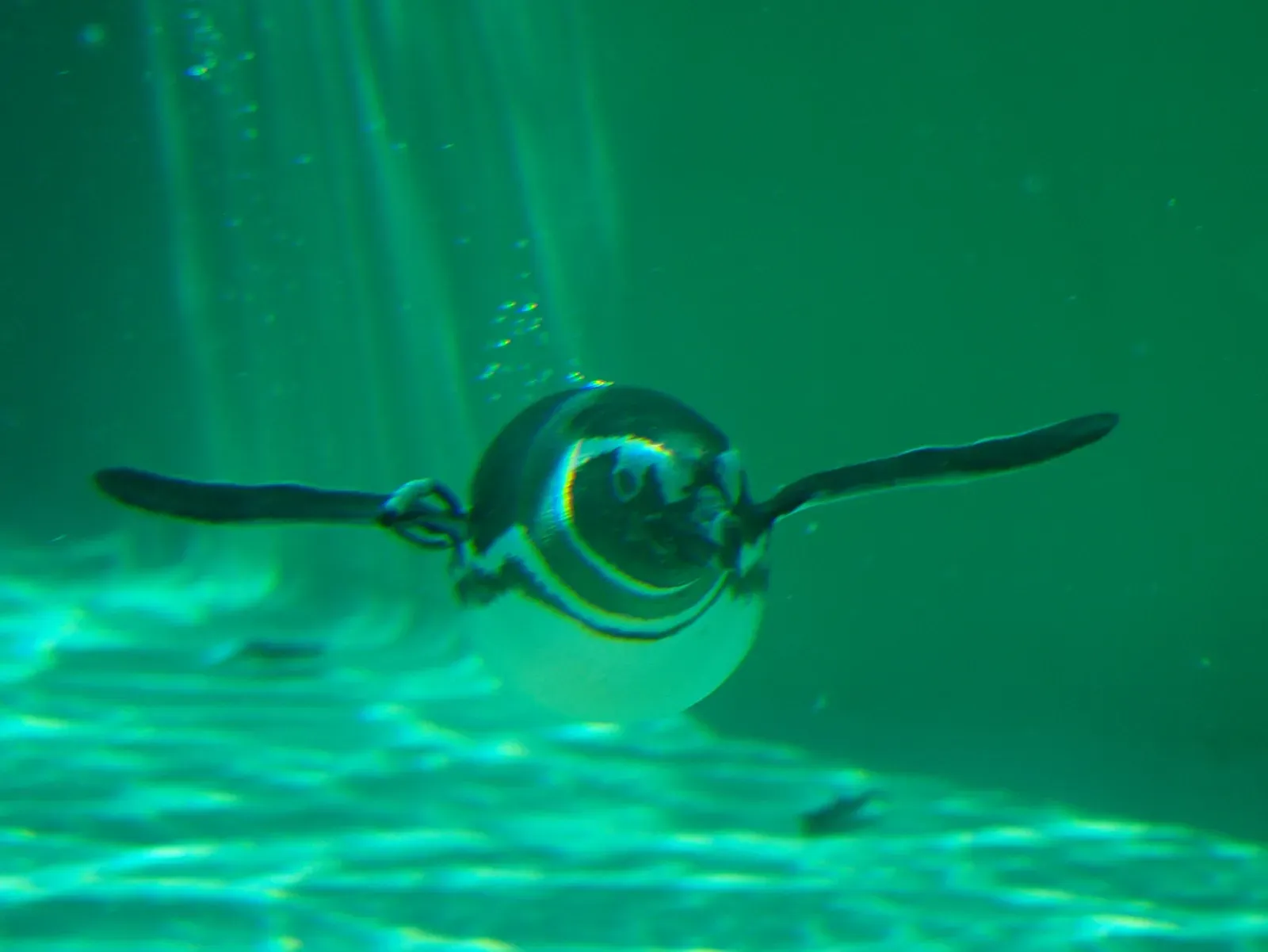
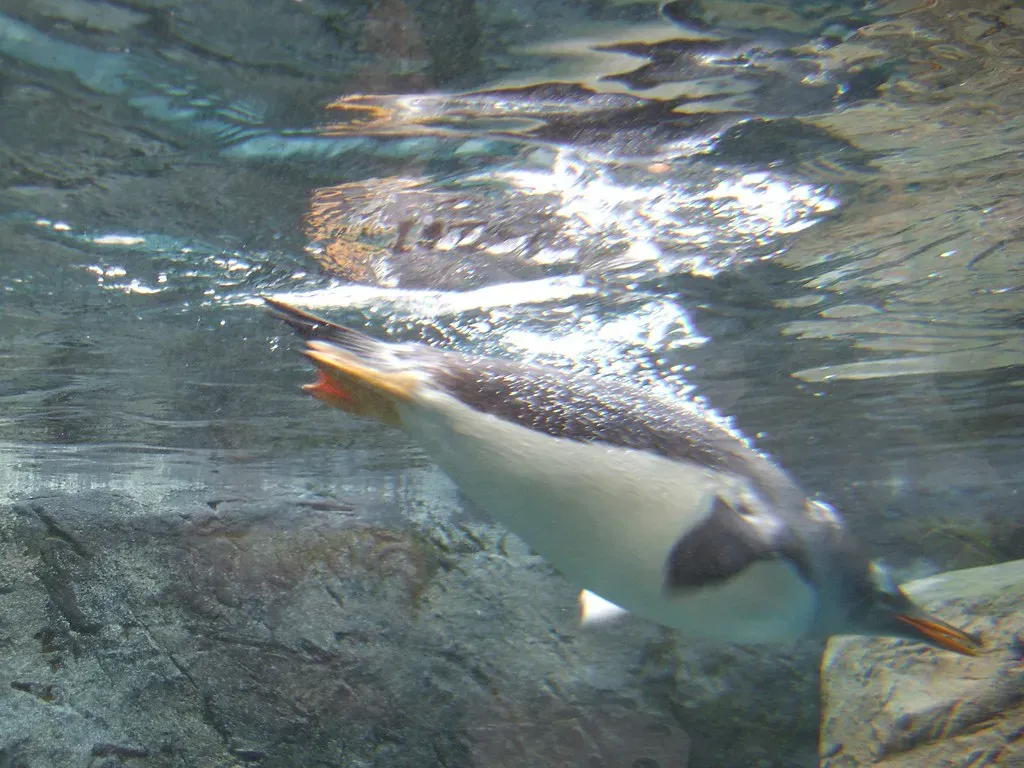
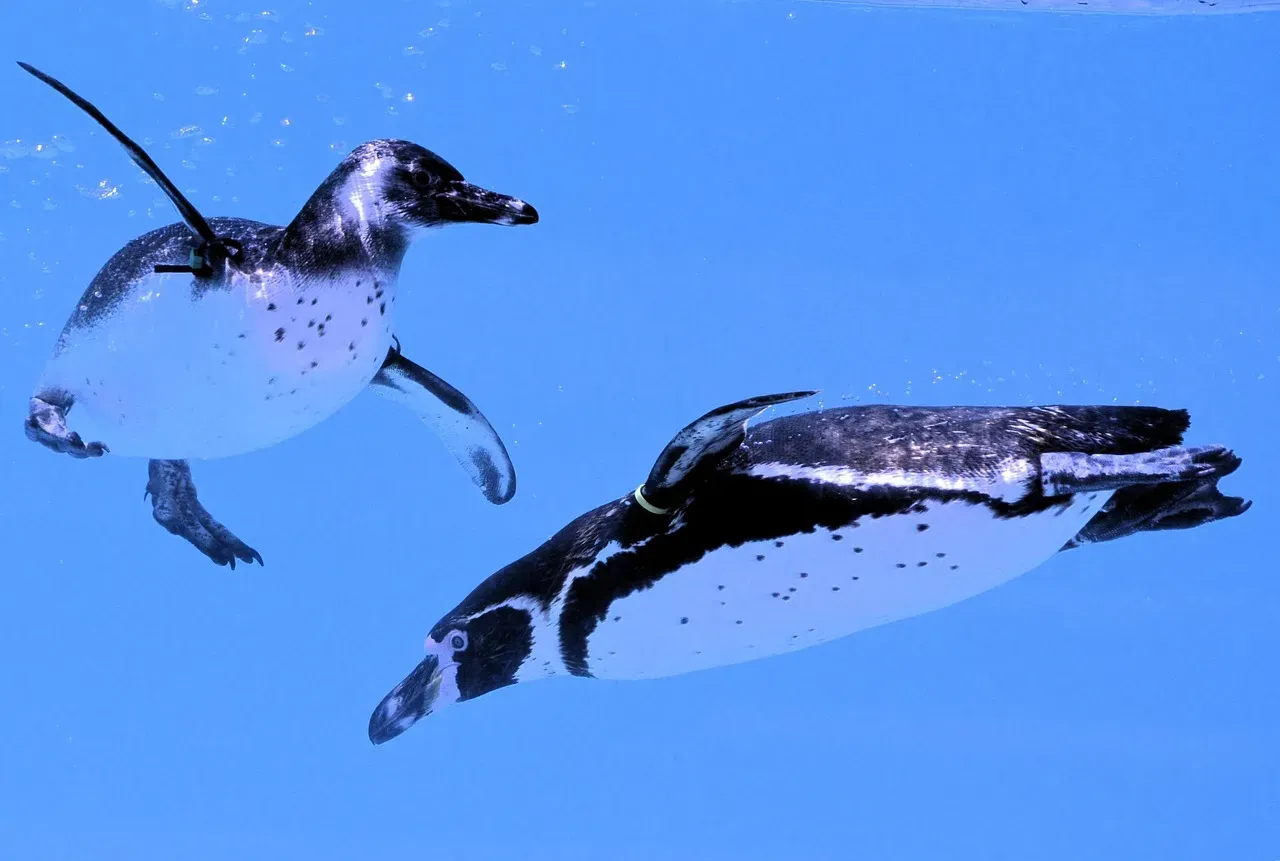
If you look at a penguin wing, it no longer really looks like a “wing” at all. It is short, stiff, and shaped more like the blades of a pair of scuba fins than the wide, flexible wings of a flying bird. The bones inside are thickened and rigid, forming a strong paddle that can withstand serious pressure as the bird strokes through water again and again.
For flight, that stiffness is terrible news. Flying birds need wings that can subtly shift shape in midair, adjusting the angle and curve of their feathers to create just the right lift. Penguins, by locking their wings into dense, rigid flippers, essentially sacrificed this fine-tuned flexibility. Those same flippers, though, are fantastic underwater engines, letting penguins twist, accelerate, and pursue agile fish and squid with surprising speed and control.
Body Reshaped: Streamlining for the Sea, Not the Sky
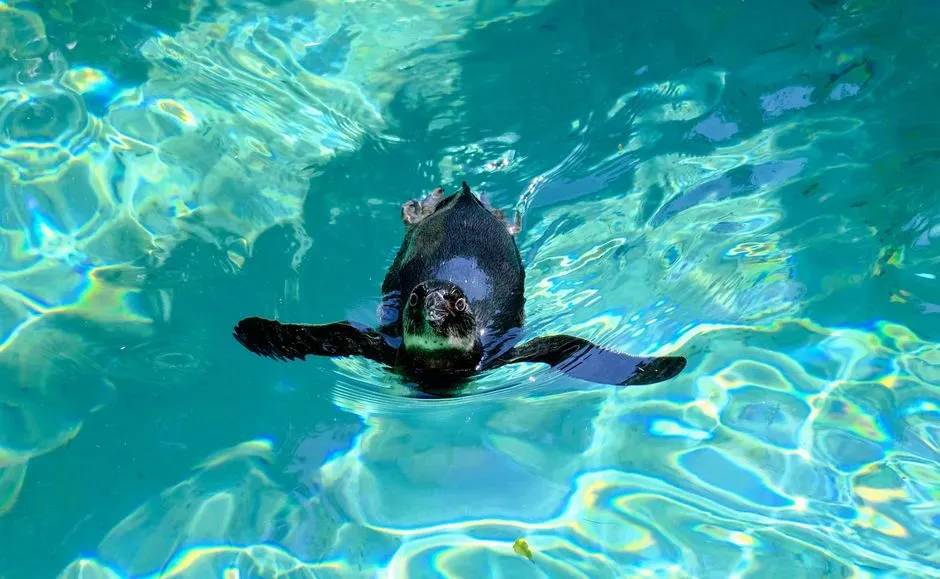
Penguins are not built like other birds, and that is the point. Their bodies are compact and torpedo-shaped, with smooth contours and tightly layered feathers that act more like a wetsuit than a cloak of flight gear. This shape cuts down drag in water, which matters because drag in water is massively greater than in air and can quickly drain precious energy if the body is not streamlined.
Flying birds tend to have lighter skeletons and longer wings and tails to balance and steer in three-dimensional airspace. Penguins went in the opposite direction: heavier bones, shorter tails, reduced external projections, and a center of mass tuned for swimming stability. You can think of them as trading in a glider’s light frame for a submarine’s compact, dense hull. Great if you want to dive deep and fast, terrible if you hope to flap your way off the ground.
Energy Economics: Why Evolution “Chose” Swimming Over Flying
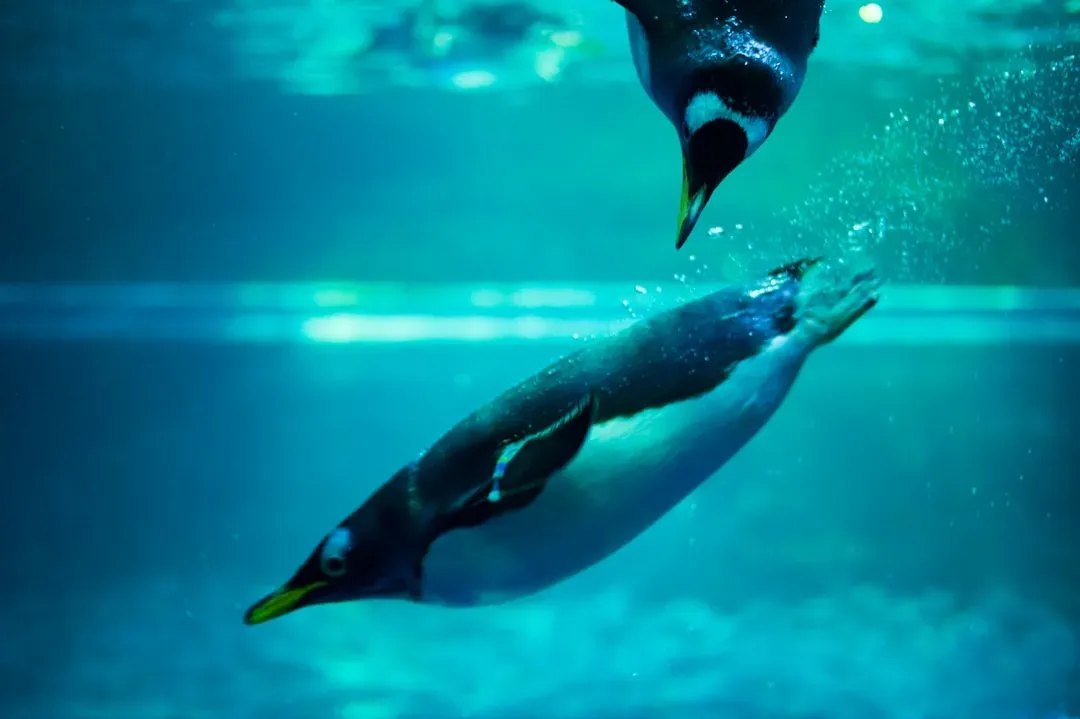
Flying is one of the most expensive things an animal can do, metabolically speaking. Being good at it requires staying light, keeping muscle optimized for flapping, and paying the constant calorie bill of powering those wings. If your lifestyle increasingly revolves around diving and chasing prey underwater, those costs start to look like a bad deal.
As penguins shifted to feeding primarily in the ocean, the energy payoff from becoming elite swimmers outweighed the benefits of staying capable in the air. Heavier bodies help with diving, thicker bones resist pressure, and powerful flippers make underwater chases efficient. The flip side is that all this extra mass and structural reinforcement makes taking off from land or water exhausting, then impossible. Evolution does not care about “fair”; it leans into whatever works best in a given environment, and in the harsh, icy southern seas, that meant dropping flight in favor of supercharged swimming.
Clues in the Fossil Record: When Penguins Stopped Flying
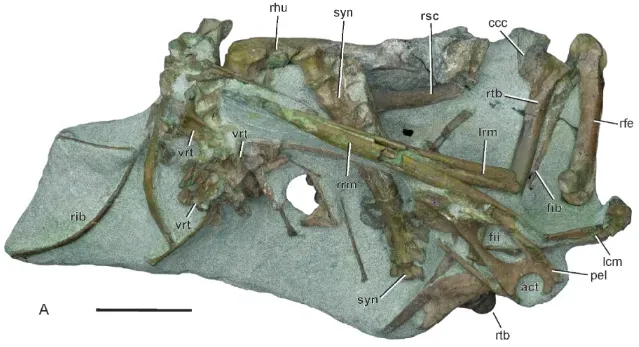
The fossil record hints that early penguin ancestors were once more like typical seabirds, perhaps somewhat like modern petrels or auks that still fly but also dive. Over time, as these lineages explored life in colder, fish-rich waters, their bodies slowly shifted. Wings shortened and thickened, bones became heavier, and overall size tended to increase, all pointing toward a progressive commitment to diving.
Some early fossil penguins grew to sizes that would make modern species look almost modest, with bodies clearly too heavy and wings too paddle-like for any realistic flight. The fact that we see intermediate forms, with partial changes rather than an instant jump, tells us that flight was not just “lost” in a single step. It faded out as swimming performance gained the upper hand, generation after generation, until flying simply was no longer on the menu.
Why Other Birds Kept Both: The Auk and Cormorant Comparison
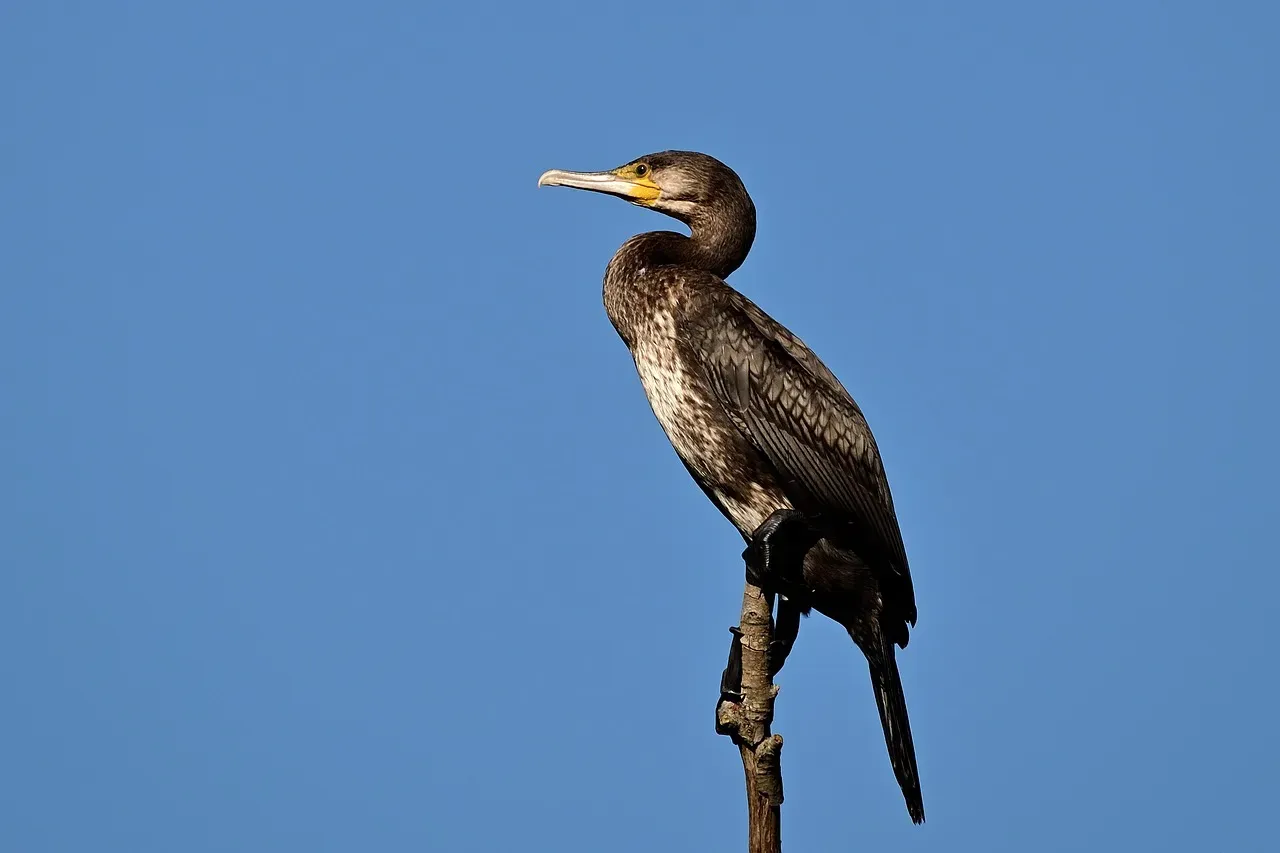
At this point, a fair question pops up: why did some birds, like auks or cormorants, manage to both fly and dive while penguins gave up one skill entirely? The answer lies in degrees of specialization. Auks and similar birds are good divers, but none are as fully committed to underwater life as penguins. Their wings are a messy compromise, decent in the air and passable in water, but not record-breaking in either.
Penguins sit further along that spectrum. Instead of being decent at two things, they became extreme at one. That extreme specialization comes with trade-offs: auks can migrate long distances by air, escape some predators by flying, and rapidly move between feeding grounds. Penguins, by comparison, are stuck on foot or belly on land but absolutely dominate as pursuit divers in their environment. Evolution simply pushed each group toward a different strategy, and penguins leaned all the way into the water.
Life in Harsh Environments: Ice, Cold, and the Need for Master Swimmers
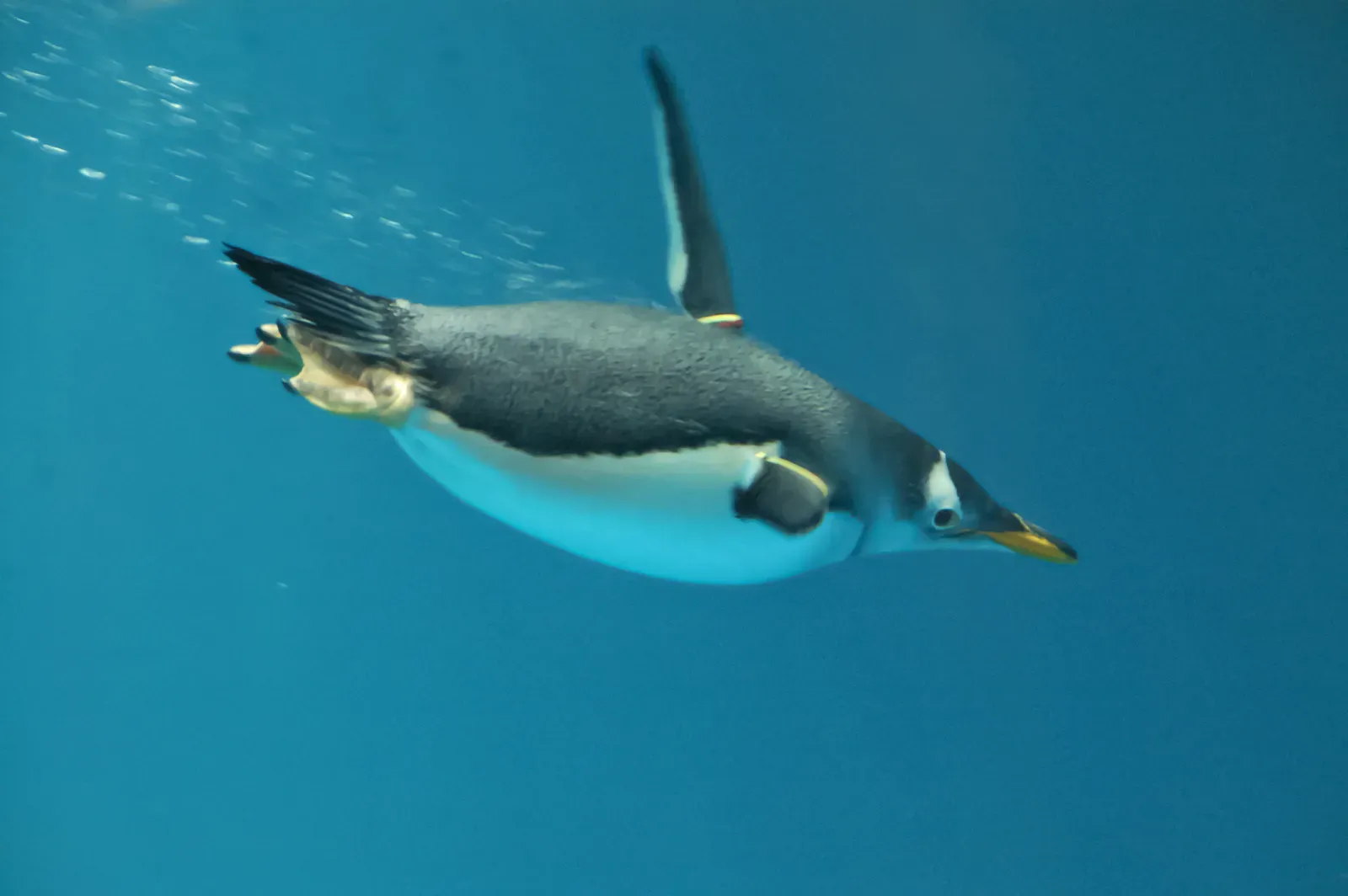
Many penguin species live in brutally cold, wind-lashed regions where the land is bare and unforgiving but the sea beneath the ice is full of life. In such places, the main buffet is underwater, not on land or in the air. To survive and feed their chicks, penguins have to dive deep and repeatedly, chasing prey that can dart and twist with astonishing agility.
In that world, the bird that can maneuver like a seal but still breed as a bird has a powerful advantage. Better swimming means better access to food, better ability to avoid underwater predators, and more reliable feeding even in rough conditions. Over evolutionary time, that relentless pressure for efficiency in the water made every small improvement in swimming worth more than keeping a backup plan in the sky. Losing flight was, in effect, the price of mastering an extreme environment.
Are Penguins “Less” Than Flyers? Rethinking What Counts as Success
There is a common human bias that sees animals which cannot fly as missing something if they “once could.” It is tempting to view penguins as fallen angels of the bird world, grounded and slightly tragic. But that mindset completely misses how evolution actually works. Losing a trait is not the same as failing; sometimes it is the clearest sign that natural selection has found a better route.
Penguins are not broken flyers; they are purpose-built divers. Measured by what they must actually do to survive, they are highly successful: raising chicks in some of the harshest places on Earth, diving hundreds of times a day, and thriving in ecosystems that would crush many other birds. If anything, the story of penguins is a quiet challenge to our obsession with certain abilities, like flight, as automatic markers of superiority. Success is not about looking impressive to us; it is about fitting your world so well that you keep going.
What Penguins Teach Us About Trade-Offs, Specialization, and Letting Go
To me, the most striking thing about penguins is not that they cannot fly, but that they are proof you sometimes have to let go of one dream to become exceptional at another. Evolution does not do nostalgia. Once better swimming meant better survival, the sky slowly stopped mattering, and biology followed the math. There is something almost brutally honest about that: no hedging, no half-measures, just a deep commitment to what works.
In a way, penguins mirror a choice we face all the time as humans: stay broad and flexible, or dive deep and specialize, knowing you will close some doors for good. Penguins show what happens when the environment rewards extreme focus. They became underwater athletes at the cost of ever feeling the air under their wings again. That is not a tragic fall; it is a radical, unapologetic adaptation. The real question is not whether penguins “lost” something, but whether we are ready to see that giving something up can be the most powerful step toward becoming what you are truly built to be.