
Snakes look like the ultimate break from the four‑limbed body plan: no legs, no arms, just that long, flexible tube of muscle and scales. But dig into their DNA and a stranger, more poetic story appears. Hidden inside the genome of a snake is a ghostly blueprint for limbs that vanished millions of years ago, like an architectural plan for a house that will never be built again. This idea feels almost unsettling: evolution does not always clean up after itself. Instead, it leaves behind molecular traces of what once was. Snakes seem like sleek, perfected specialists, yet at the deepest level they still carry echoes of being lizards with legs. Once you see that, you can’t unsee it, and suddenly a snake is no longer just an elegant predator but a living archive of its own evolutionary past.
The Shocking Truth: Snakes Still Know How to Build Legs
![The Shocking Truth: Snakes Still Know How to Build Legs ("From Lizard to Snake; Behind the Evolution of an Extreme Body Plan"[1], CC BY 2.5)](https://nvmwebsites-budwg5g9avh3epea.z03.azurefd.net/dinoworld/8fa1429cb038940193a6c7e6e9298cf3.webp)
It sounds like science fiction: an animal that lost its limbs tens of millions of years ago still carries instructions for making those limbs in its DNA. Yet that’s exactly what research on snake genomes and embryos has shown. The genetic systems that once helped grow fully formed legs did not simply vanish; instead, many of them stuck around, silenced, repurposed, or partially broken. In some lab experiments, when key developmental switches are tweaked, snake embryos begin to form limb‑like buds or skeletal elements reminiscent of tiny legs. They never grow into functioning limbs, but the point is almost eerie: the potential is still there, dimmed but not erased. It’s like finding out your modern smartphone still has the circuitry for a long‑abandoned antenna system buried inside it.
How Limbs Normally Form: The Developmental Blueprint
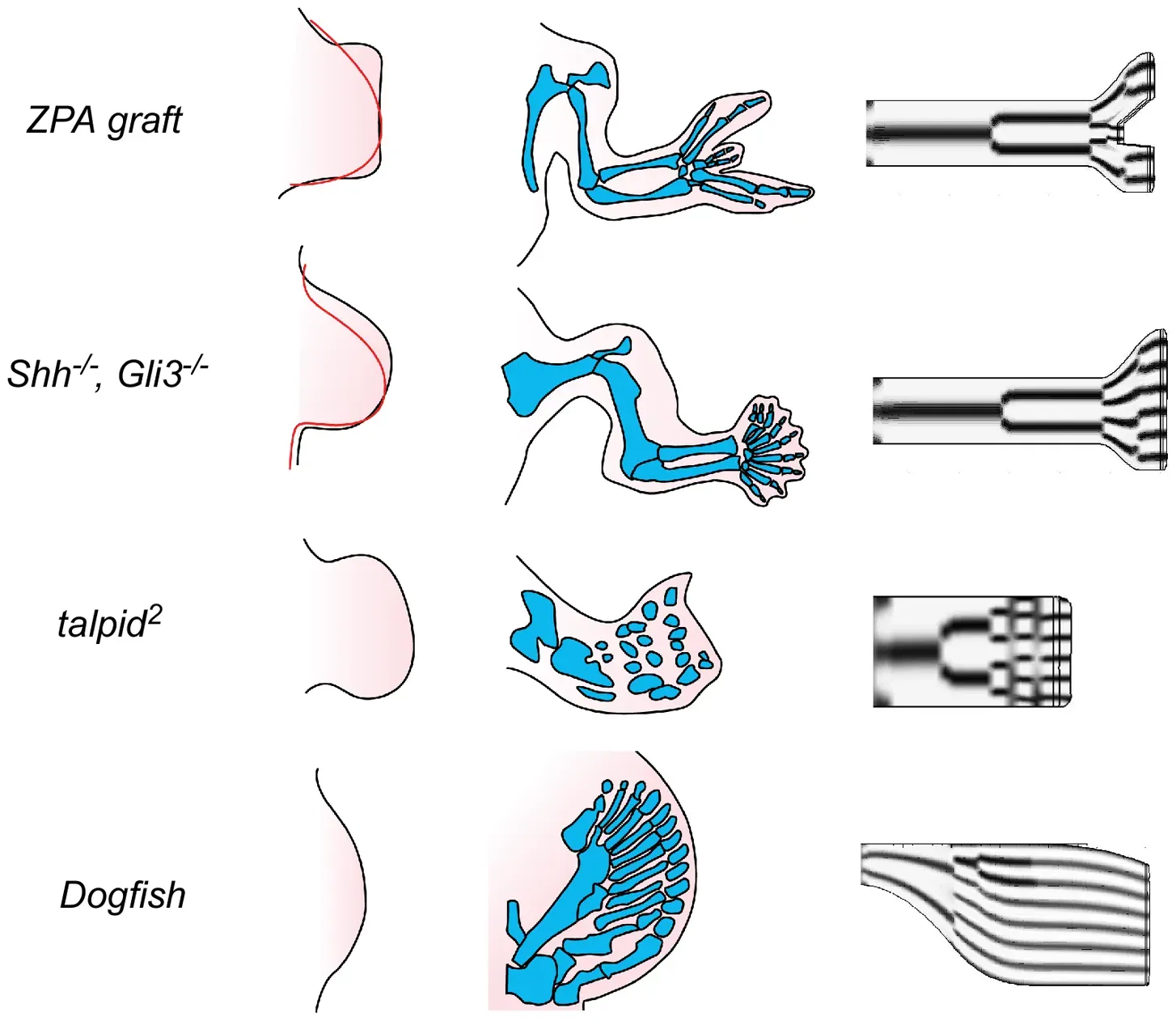
To understand how weird this is, you need to know how limbs normally form. In typical four‑limbed vertebrates like mice, lizards, and humans, limbs grow out from the side of the embryo under tight control of developmental genes. A handful of powerful gene networks, including the famous Hox and Sonic hedgehog (Shh) pathways, act like foremen on a construction site, telling cells where to grow, when to divide, and what shape to take. These genes do not work alone; they rely on regulatory DNA sequences called enhancers that turn them on in the right place at the right time. Think of the enhancer as the light switch and the gene as the bulb. Flip that enhancer on in a specific region of the embryo, and you get a limb bud. If the enhancer is broken, muted, or never activated, the limb never properly appears, even if the gene itself is still sitting there, fully intact.
What Evolution Actually Did to Snake Limbs
When we say snakes “lost” their limbs, it is tempting to imagine genes simply disappearing from their DNA like deleted files from a hard drive. The reality is more nuanced and, honestly, more interesting. In many cases, the core limb genes are still present and recognizable in snakes, but the control knobs and switches around them have been altered. Evolution often works more like a hacker commenting out chunks of code than a janitor deleting whole files. In early snake lineages, especially those that still had some vestigial hindlimbs, mutations built up in the regulatory regions that once triggered full limb development. Over time, those mutations prevented proper limb buds from forming or stopped them from growing past tiny nubs. The genes did not need to vanish; they just needed to be put effectively out of service. That is a key reason why researchers can still see traces of the limb blueprint today.
The Sonic Hedgehog Switch: A Broken Dimmer, Not a Missing Light
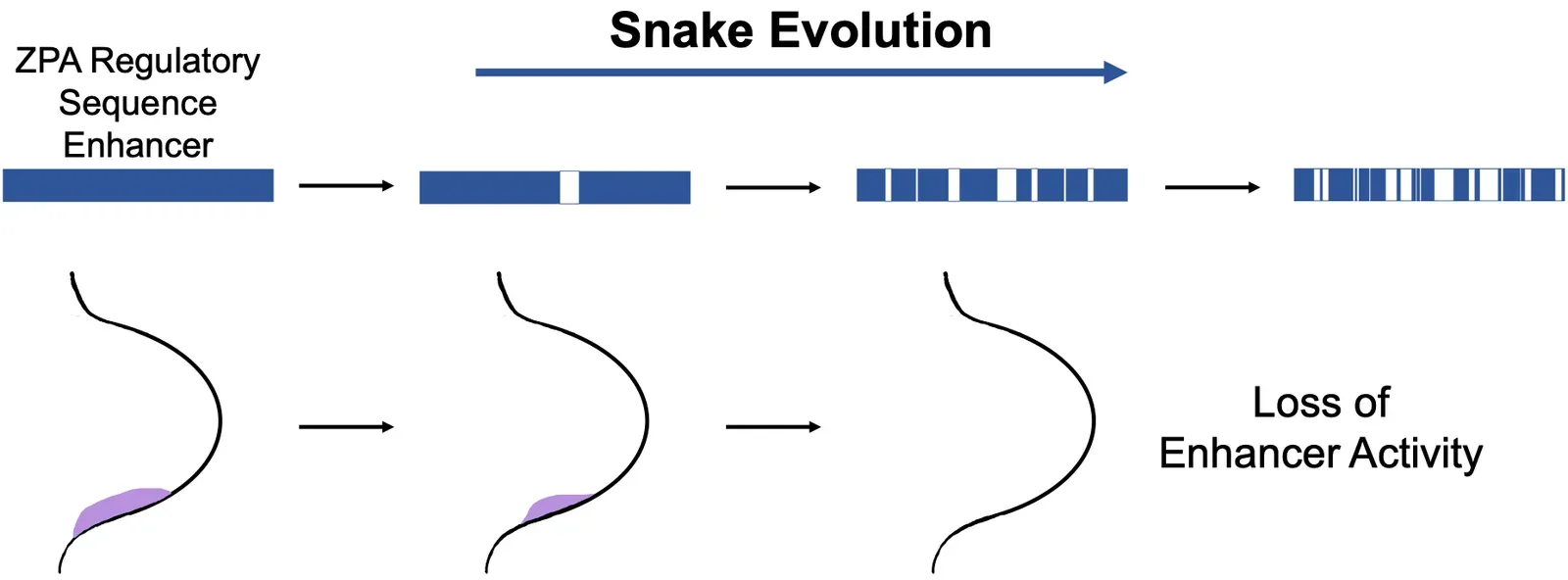
One of the best‑studied examples is the regulatory control of the Sonic hedgehog (Shh) gene, which is crucial for limb patterning in many animals. In species with legs, a specific enhancer region acts like a powerful dimmer switch, ensuring Shh turns on in the limb bud at the right stage to help shape bones from hip to toes. If that enhancer works, you get a well‑organized limb; if it fails, the limb is stunted or missing. In snakes, scientists have found that this limb‑specific enhancer region is present but heavily mutated. It is as if the dimmer switch is cracked and jammed, unable to flip fully on. The Shh gene still exists and functions in other parts of the body where it is needed, but the limb‑specific activation has been lost or drastically weakened. This is a subtle but crucial point: evolution did not delete the Shh light bulb, it just destroyed the particular switch that used to light up the limb.
Leggy Ghosts in Snake Embryos
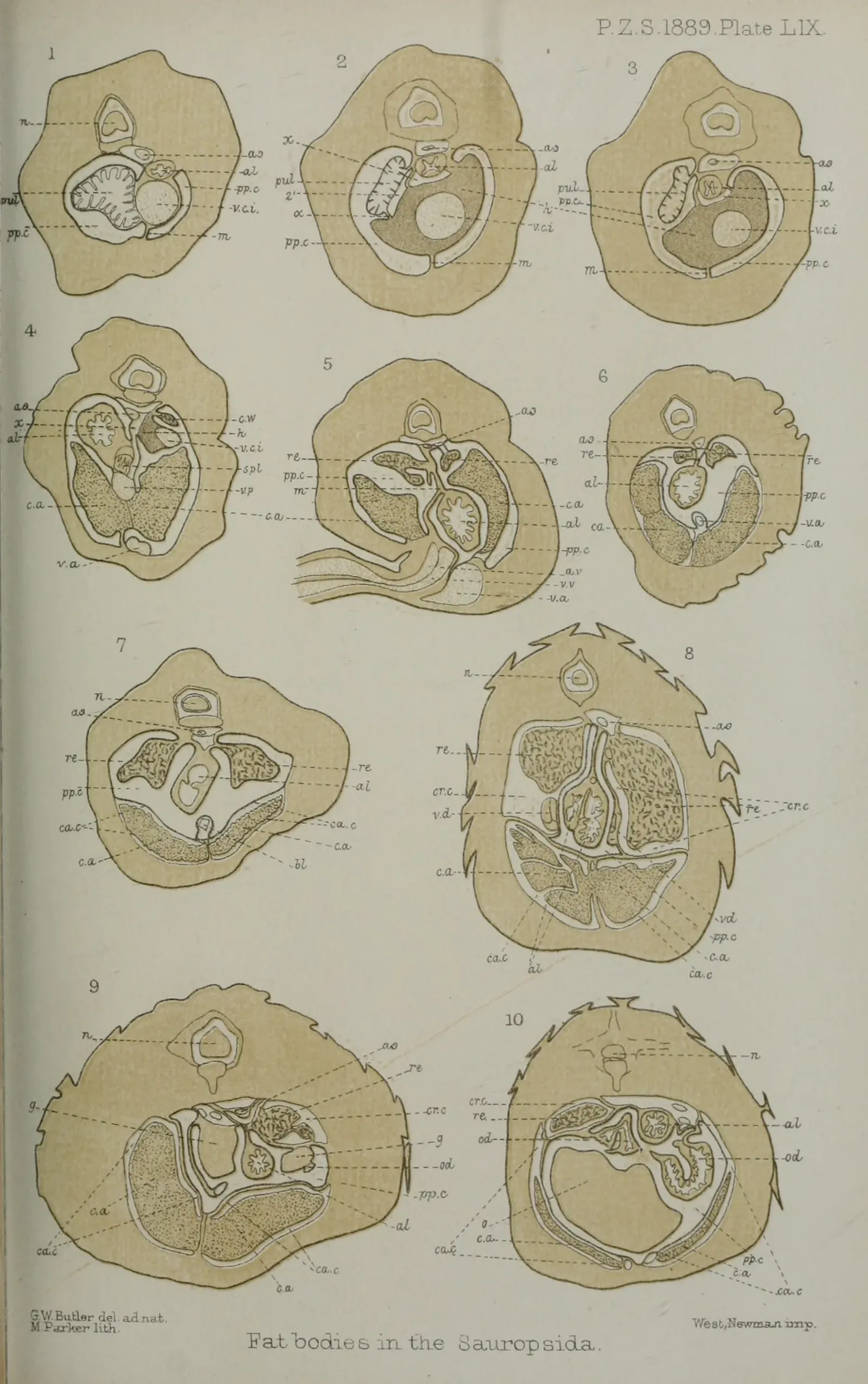
If you look at some snake embryos under the microscope at just the right early stage, you can sometimes spot tiny cartilaginous structures and buds that resemble the start of limbs. They do not last; as development progresses, those buds stall and regress, leaving behind the sleek, legless body we recognize. But those fleeting structures are a clue that the developmental program is not completely gone, just partially shut down. In some primitive snake species and in close relatives like certain lizards, vestigial hindlimbs are more visible, appearing as little spurs or bumps near the tail. These remnants suggest an evolutionary continuum, from fully limbed ancestors to partially limbed forms to the completely limbless snakes we know today. The embryonic whispers of limb formation are like a final echo of what was once a loud and clear genetic instruction.
Why Evolution Keeps Old Genetic Instructions Around
At first glance, it seems wasteful or even sloppy that evolution “forgets” to delete unused genetic instructions. But natural selection is not an engineer obsessed with elegance; it is more like a tinkerer who keeps old parts as long as they are not causing serious trouble. If a gene or regulatory element is neutral or only mildly costly, it can hang around in the genome for an astonishingly long time. Sometimes those leftovers become raw material for new evolutionary innovations. A limb gene might be recruited to help shape genital structures, ribs, or other body parts in a slightly different way. In snakes, some developmental genes that originally focused on limbs may have been repurposed or given supporting roles elsewhere. The genome is not a neat manual; it is more like a messy workshop full of tools, some heavily used, others quietly gathering dust but still functional enough to matter.
The Bigger Pattern: Evolution Rarely Starts From Scratch
Snakes are not the only creatures that carry ghost instructions for lost features. Whales still carry genetic and skeletal traces of their land‑walking ancestors; cave fish may retain genes for pigmentation and eyes that are now barely or never expressed. Birds, descended from toothed dinosaurs, still have genetic pathways associated with tooth formation, even though modern adults never sprout a single tooth. This pattern drives home a central truth: evolution builds new forms on top of old ones. Instead of wiping away history, it layers novelty over legacy code. Snakes losing their limbs is just one chapter in a much broader story of bodies being endlessly edited but never truly rewritten from a blank page. Once you see life that way, every organism starts to look like a palimpsest, with older scripts faintly visible beneath the newer ink.
What This Teaches Us About How Evolution Really Works
The story of hidden limb instructions in snakes shatters the idea that evolution is a straight, clean progression toward some perfected goal. Instead, it looks more like a series of hacks, shortcuts, and improvisations. Genes are reused for new purposes, switches are flipped off in some tissues and on in others, and former essentials become optional leftovers that may sit dormant for ages. Personally, I think this makes evolution far more compelling. It is not some cold, hyper‑efficient machine; it is a scrappy, opportunistic process that makes do with whatever is available. Snakes did not “decide” to go legless; small genetic changes that reduced limbs likely paid off in certain habitats, giving them an edge as burrowers or stealthy ground‑sliders. Over countless generations, that edge hardened into a signature body plan, even while the molecular memory of legs lingered.
Could Snakes Ever Regrow Functional Limbs?
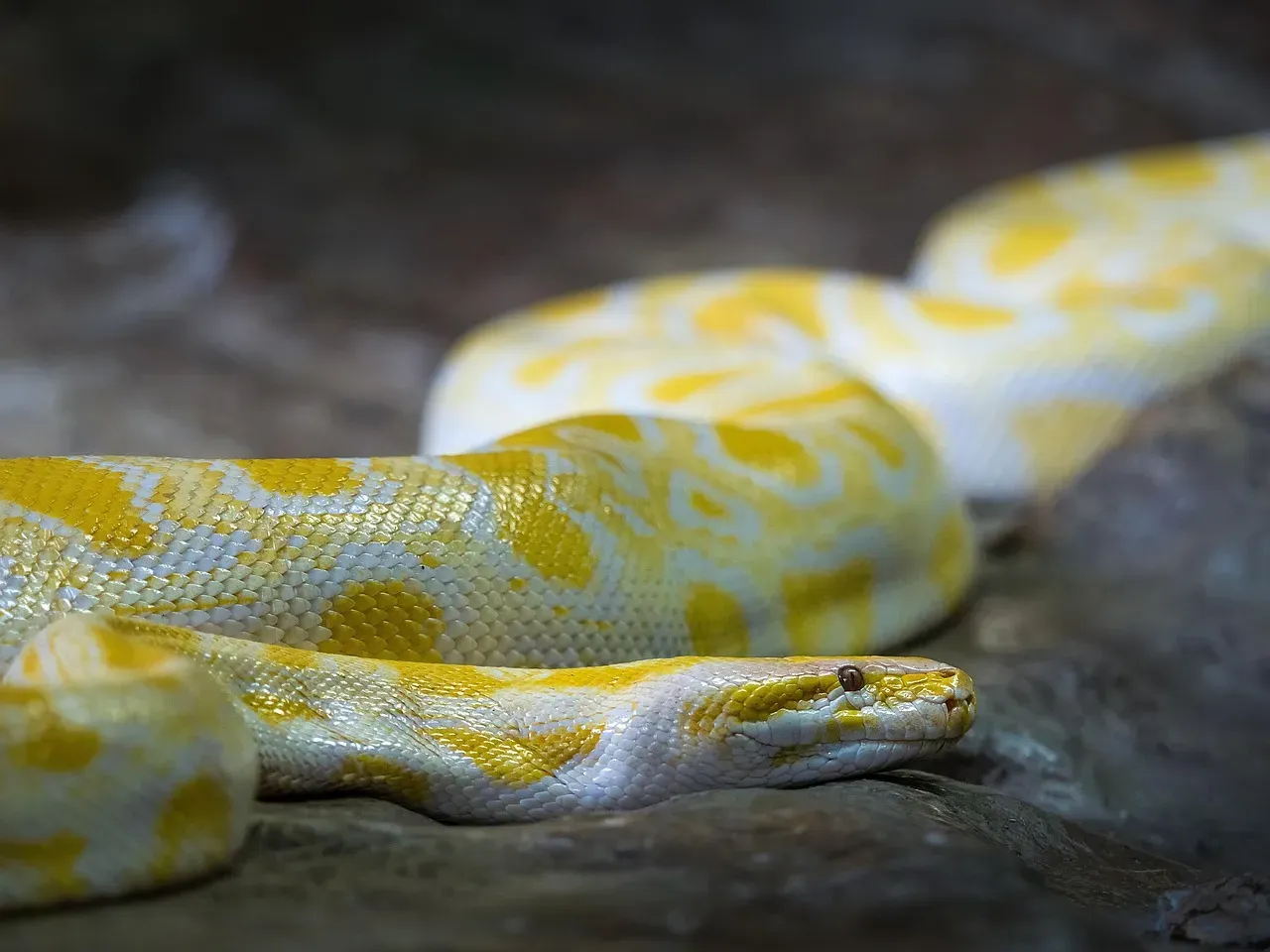
This is the question that inevitably comes up: if the genetic instructions are still there, could evolution ever bring fully functional snake legs back? Realistically, that would be incredibly unlikely and would take a series of coordinated changes in many genes and regulatory elements, stacked up over long timescales. You cannot just flip one ancient switch and watch a perfect lizard leg pop out. That said, the very fact that limb‑related genes and partially workable pathways remain makes evolutionary “reversals” less impossible than they would be if everything had been erased. In principle, if the environment favored it strongly enough and the right mutations arose, some kind of limb‑like structure could be re‑elaborated. It might not look exactly like the original ancestor’s leg, but it could be a modern remix of old instructions, like a band sampling its own forgotten demo tracks.
Why This Story Resonates Beyond Biology
There is something strangely human about the idea that snakes still carry a record of what they used to be. We, too, are full of biological leftovers: tiny tailbones, muscles we hardly use, and reflexes better suited to life on a savanna than life on a smartphone. Our genomes hold layers of ancient history, from viral insertions to long‑silenced genes that once did something important for distant ancestors we will never know. On a more personal level, this story feels like a metaphor for how parts of our past live on in us in ways we do not always notice. Just as the snake’s genome holds traces of lost limbs, our habits, fears, and instincts often trace back to experiences or environments that no longer exist. We may have “moved on,” but traces remain, shaping who we are in quiet, persistent ways.
Conclusion: Legless, But Never History‑Less
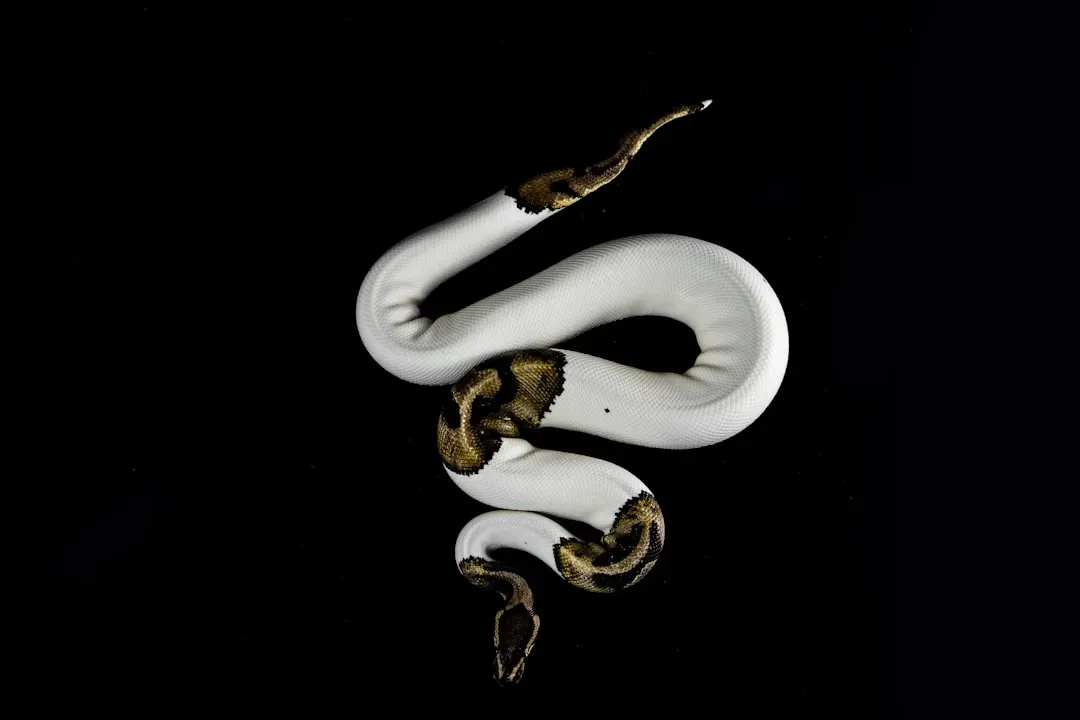
To me, the most striking part of all this is how it demolishes the idea of clean breaks in nature. Snakes look like they left their legged past far behind, yet their DNA tells a stubbornly different story. The genetic instructions for limbs, though disabled and repurposed, still ride along in every cell, like a set of blueprints for a room that will never be rebuilt but also never quite thrown away. That is why I think the snake is not just a sleek hunter of forests and deserts, but a symbol of how evolution really works: never from scratch, always from something older, always half‑remembering. The legless body is not a sign of perfection; it is a reminder that change is built on compromise and history, not clean design. When you see a snake glide effortlessly across the ground, can you imagine the invisible legs in its past – and wonder what hidden instructions you might be quietly carrying, too?