
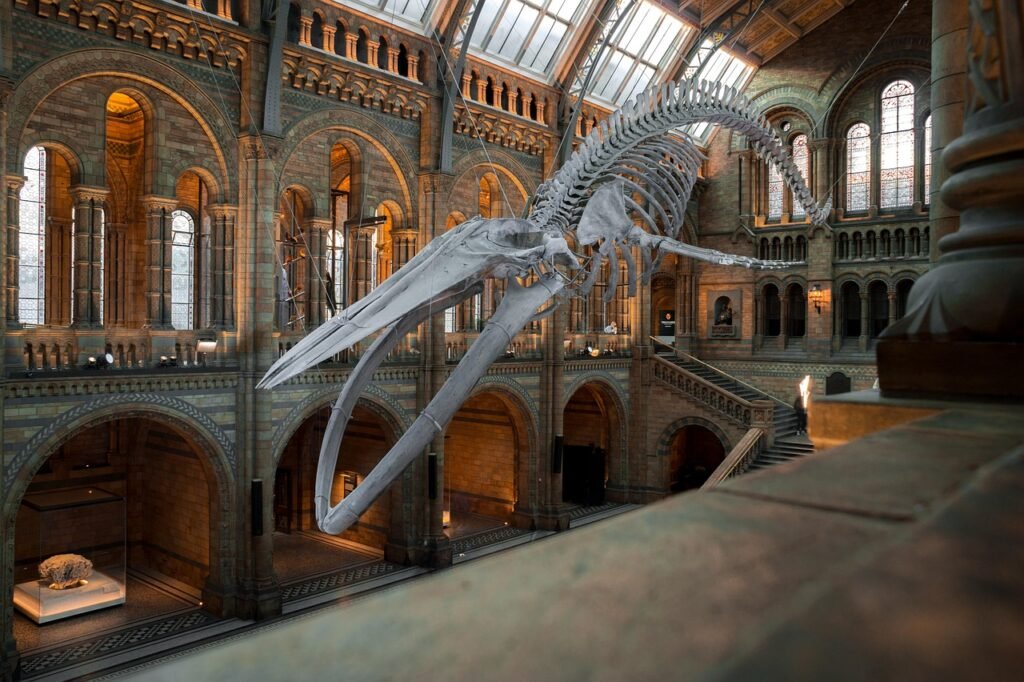
Picture the largest animal on Earth, gliding silently through the ocean, powered by a tail the size of a small car. Now imagine that same giant carrying, deep inside its body, a pair of tiny bones that quietly whisper: “I used to walk.” Whale hip bones are exactly that – little evolutionary time capsules hidden in tons of blubber and muscle, telling a story that sounds almost unbelievable.
These bones have become one of the most compelling pieces of evidence that whales once had four legs and trod across ancient shorelines. Far from being random or useless, they connect modern whales to long-gone creatures that looked more like chunky wolves than sleek sea giants. Once you see how the story fits together – fossils, DNA, anatomy – it becomes very hard to look at a whale and not see a ghostly outline of legs it no longer needs.
From Four-Legged Land Mammals to Ocean Giants
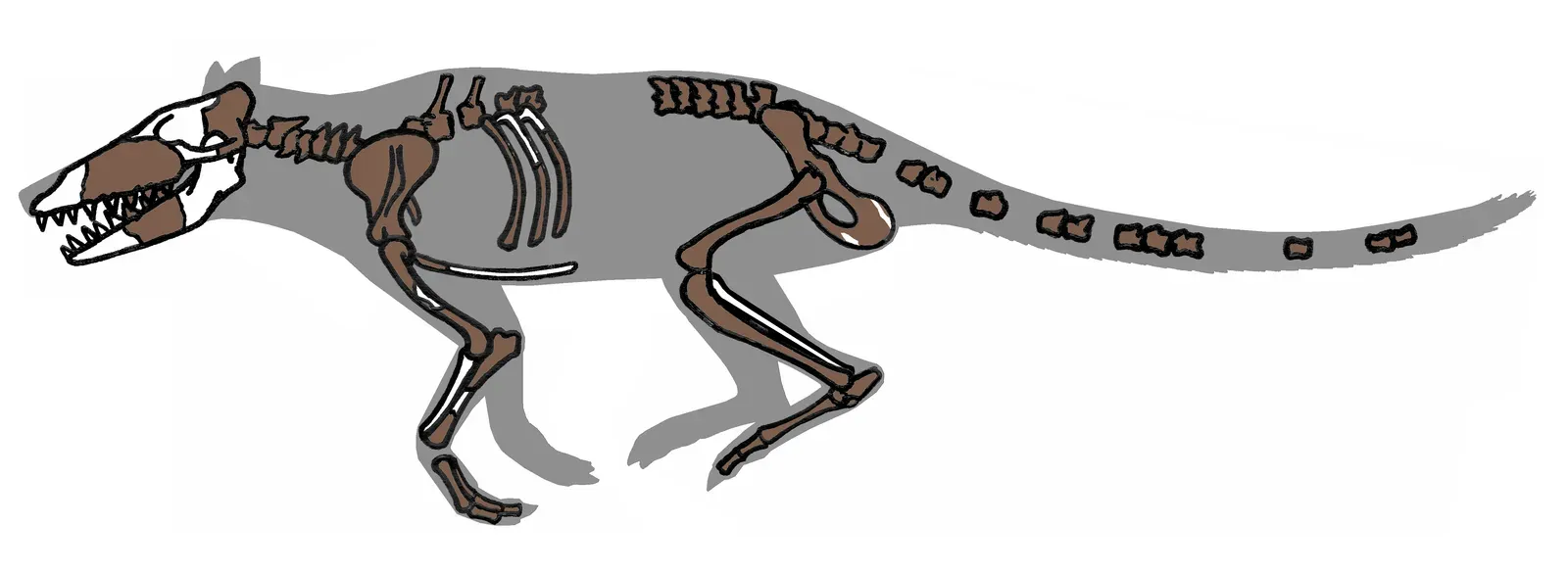
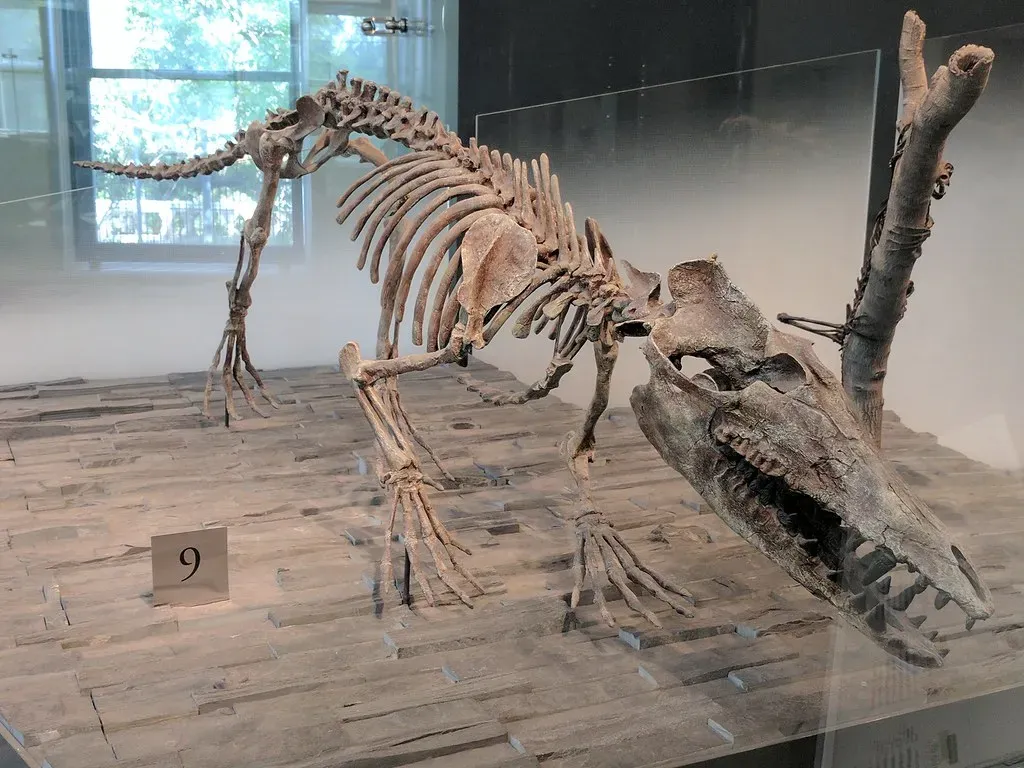
The truly wild part of whale evolution is that their story starts on land, not in the sea. Early whale ancestors, like Pakicetus, looked much more like dog-sized land mammals than anything you’d recognize as a whale today. They had legs, ran on solid ground, and probably spent their days near rivers and coastlines, hunting in shallow water the way some modern mammals do.
Over millions of years, these early ancestors crept further into the water, evolving into semi-aquatic forms like Ambulocetus, which is often compared to a crocodile mixed with an otter. Gradually, their front limbs flattened into flippers, their bodies stretched out, and their back legs shrank as powerful tails took over the job of propulsion. Hip bones, once load-bearing anchors for strong hind legs, shriveled into tiny internal remnants, no longer attached to a pelvis that touched the spine.
The “Vestigial” Bones That Refuse To Be Meaningless
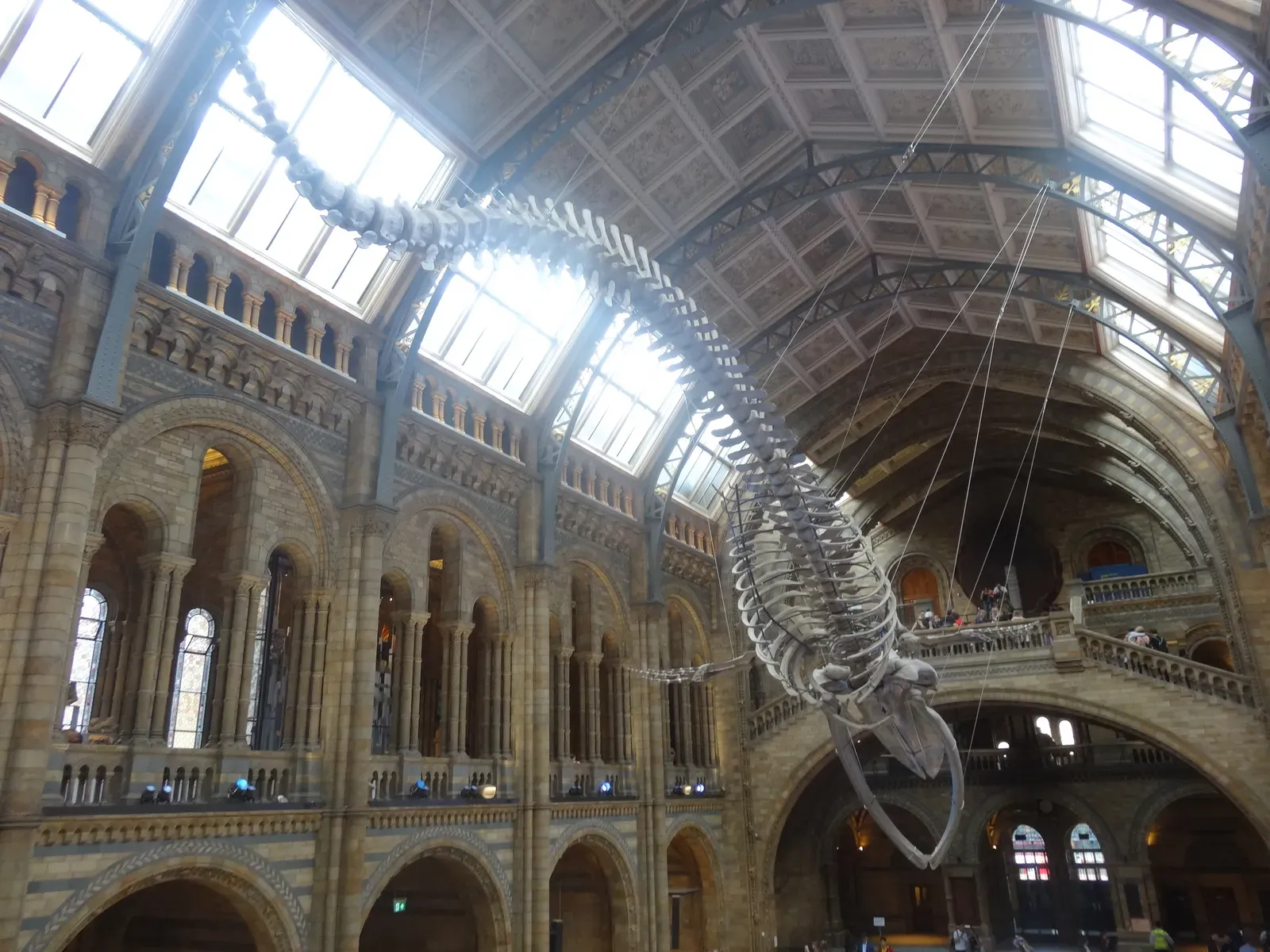
For a long time, the small paired bones buried deep in whale bodies were casually labeled as vestigial – leftovers with no function, just evolutionary clutter. They do not connect to the spine, they do not support legs, and they certainly do not help a whale walk. At a glance, they look like nature forgot to finish deleting a file during a massive redesign.
But calling them meaningless misses the nuance. Evolution rarely works like a neat software update where old features vanish overnight. Instead, structures are repurposed, reduced, or sidelined depending on what still helps an animal survive. Whale hip bones may no longer serve as the main supports for walking, but they still reveal their history by their shape, position, and relationship to surrounding muscles and organs.
Fossils That Capture Whales Mid-Transformation
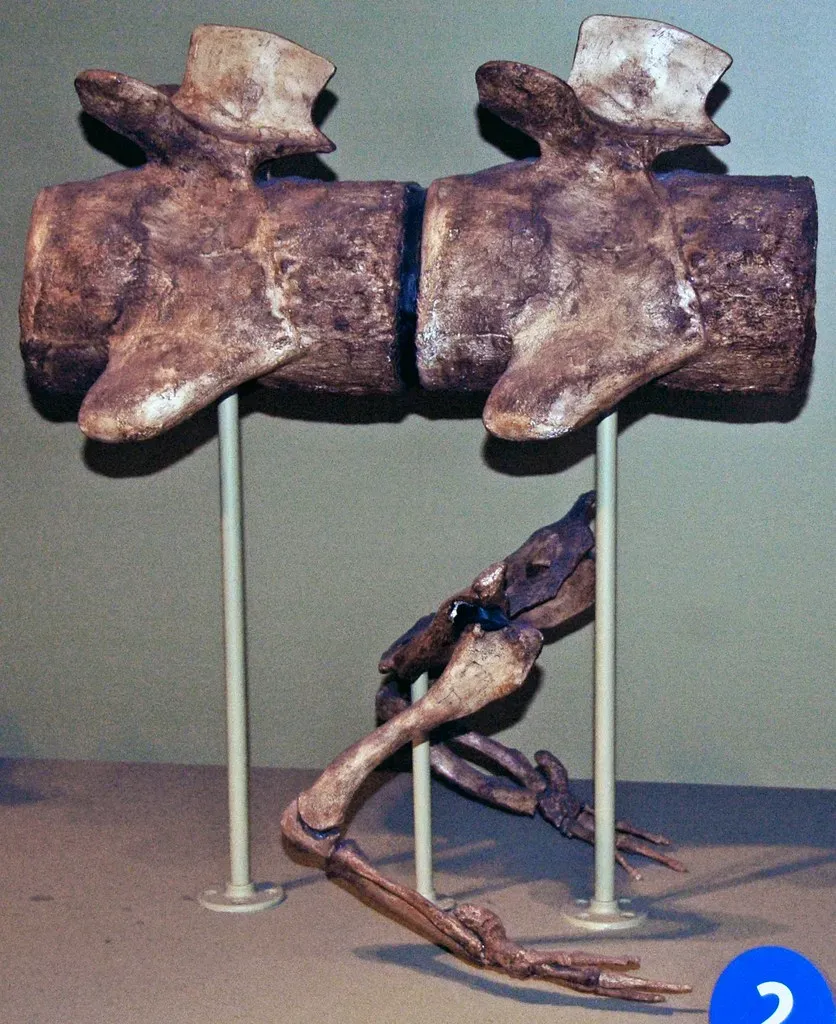
If you ever doubt that whales once walked, the fossil record reads like a slow-motion metamorphosis. Species like Rodhocetus and Dorudon show creatures with both strong tails and still-visible hind limbs. Some of these early whales had legs capable of weight-bearing, but their joints and limb proportions suggest they were already better swimmers than runners. It is as if evolution caught them halfway between worlds.
Later, fossils like Basilosaurus reveal whales with long, serpentine bodies and tiny but still external hind limbs. These legs were far too small to walk on land, but they were not yet completely gone. Step by step, you can track how hips and hind limbs shrink, shift, and retreat into the body. Modern whales inherit only the barest skeletal echoes of these once-functional hips, tucked away where only dissections and scans can find them.
Hip Bones and Sex: A Surprising Modern Function
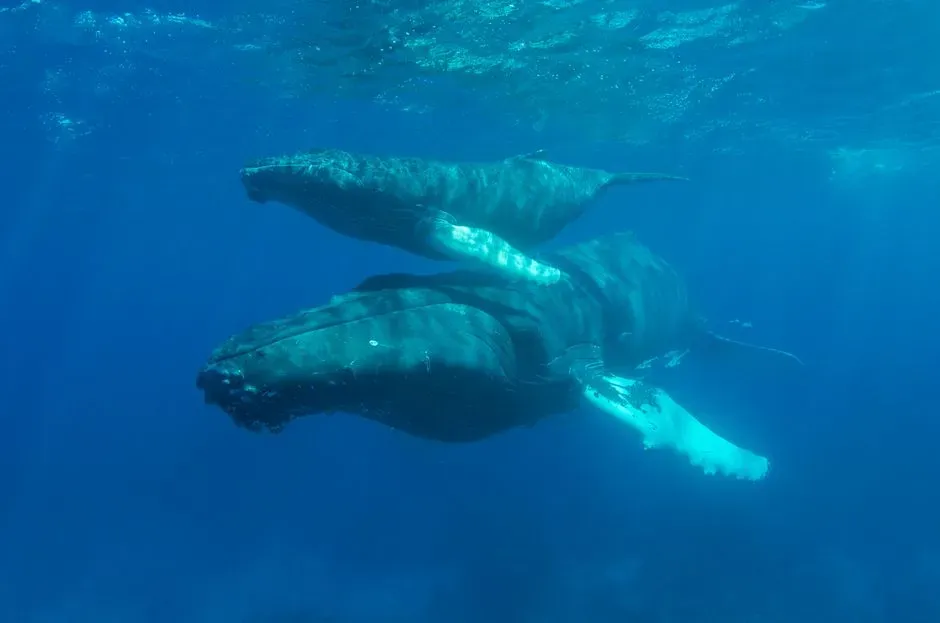
Here’s where it gets extra interesting: those tiny bones are not just passive relics; they actually still matter for living whales. Research on some whale species has shown that these bones help anchor muscles involved in controlling the penis during mating. Males with larger, more elaborate hip bones often have a reproductive advantage, especially in species where mating involves complex maneuvering in water.
That means natural selection is still shaping these bones right now, in real time, but for a very specific purpose. They no longer carry body weight like a cow’s hips or a wolf’s, yet they remain under selective pressure because mating success is a huge part of evolutionary success. So yes, these bones are relics of walking ancestors – but they have also been partially repurposed by evolution for new jobs in a fully aquatic lifestyle.
How Whale Hips Fit Into the Bigger Evolution Story
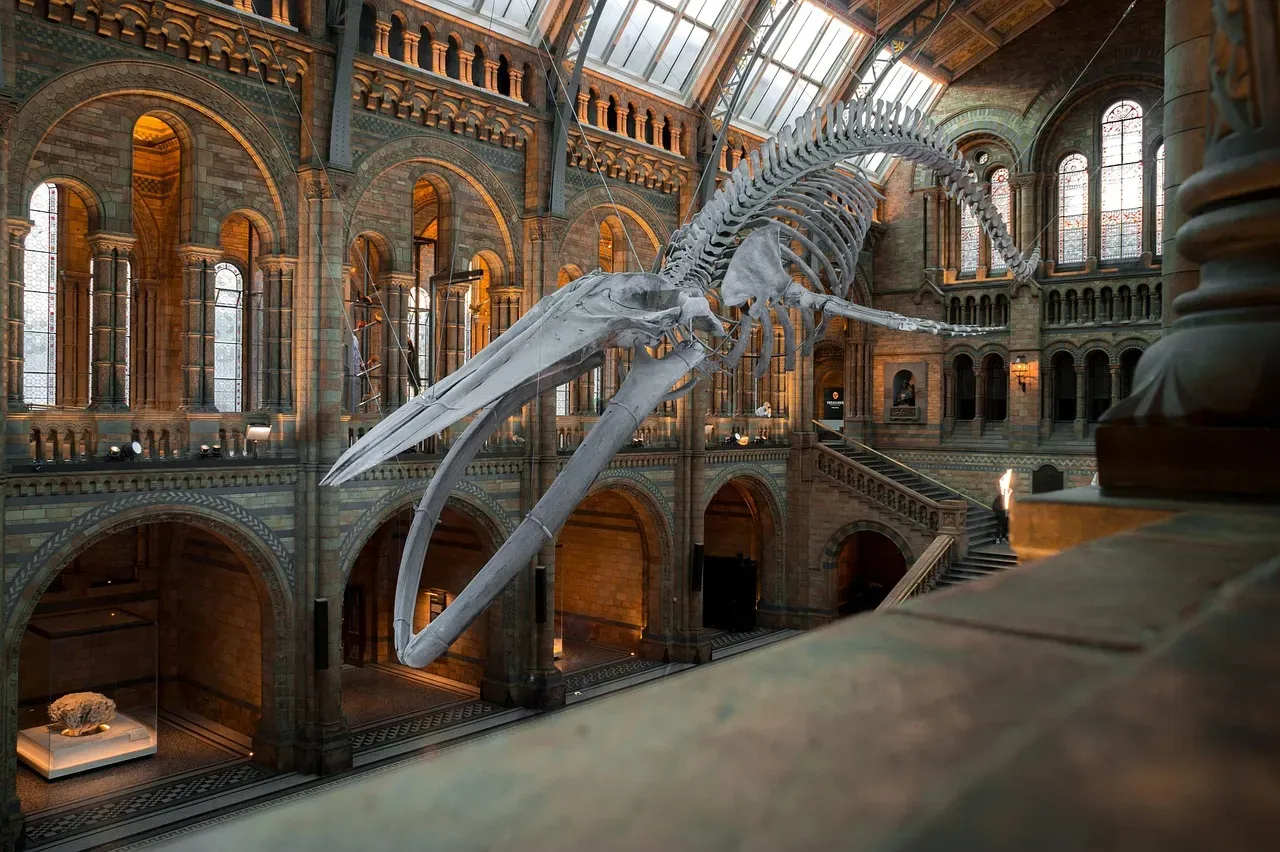
Whale hip bones are not some quirky one-off; they sit inside a much larger pattern across the tree of life. Human tailbones, snake limb buds that appear briefly in embryos, and flightless birds with wings they barely use all tell similar stories. Evolution does not hit reset when environments change – it edits what already exists. Old structures are trimmed back, retooled, or demoted, but rarely erased cleanly.
In whales, that editing process is written in bone. The hips that once bore legs now hang suspended inside the body, performing a subtler role. To deny their evolutionary significance is like reading a novel and insisting the first few chapters don’t count. The continuity across land mammals, early whale fossils, modern whale skeletons, and genetic data makes the story extremely difficult to dismiss without ignoring a mountain of converging evidence.
What DNA and Development Reveal Behind the Scenes
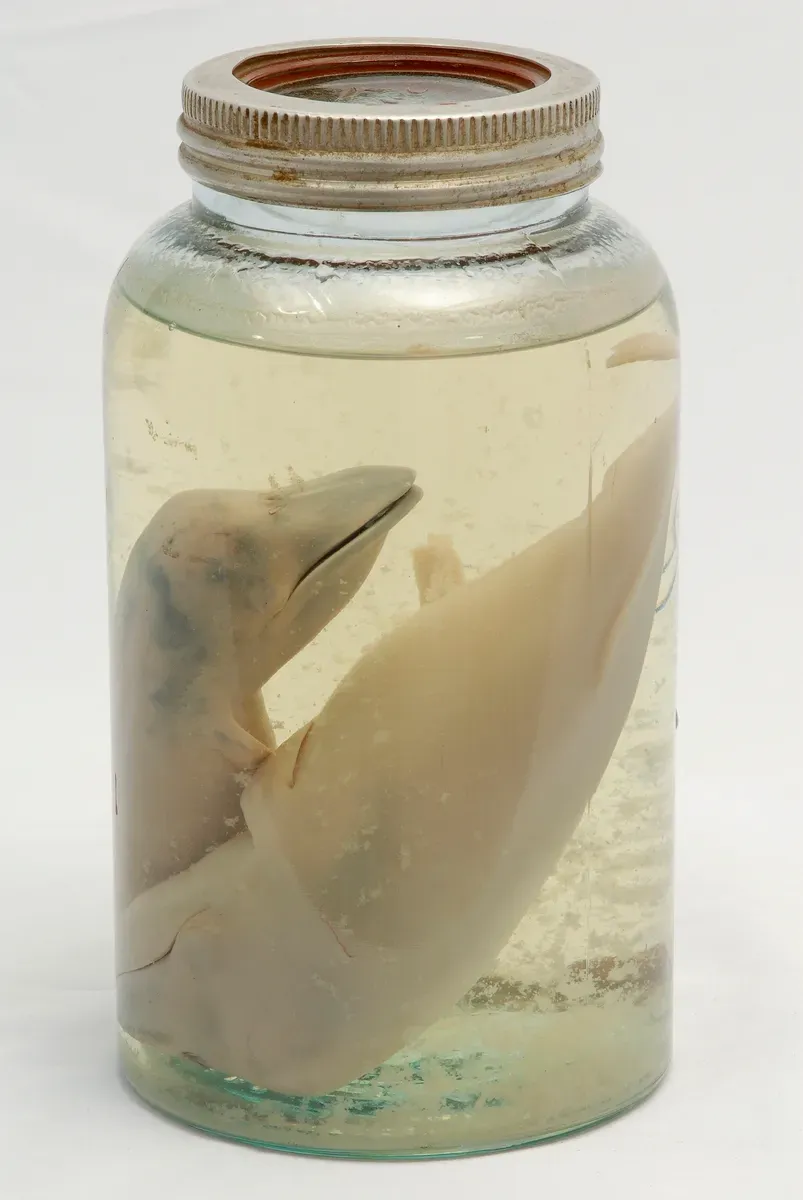
The skeleton is only half the story; genes and embryos fill in the rest. When we look at whale DNA, we find strong ties to other hoofed mammals, especially hippos, which are their closest living relatives. The same broad set of developmental genes that shapes limbs in land mammals also operates in whales, but their activity is dialed down or redirected, especially in the back legs.
In whale embryos, budding hind limbs actually start to form, like ghosts of legs trying to make a comeback. Then, partway through development, those buds stop growing and regress, never becoming full legs. The resulting adult hip bones sit isolated inside the body cavity. That developmental stop-and-start pattern is exactly what you would expect if evolution had gradually shut off the machinery for making hind limbs, while leaving just enough of the framework intact to serve new, more limited functions.
Why This Tiny Detail Matters to How We See Ourselves
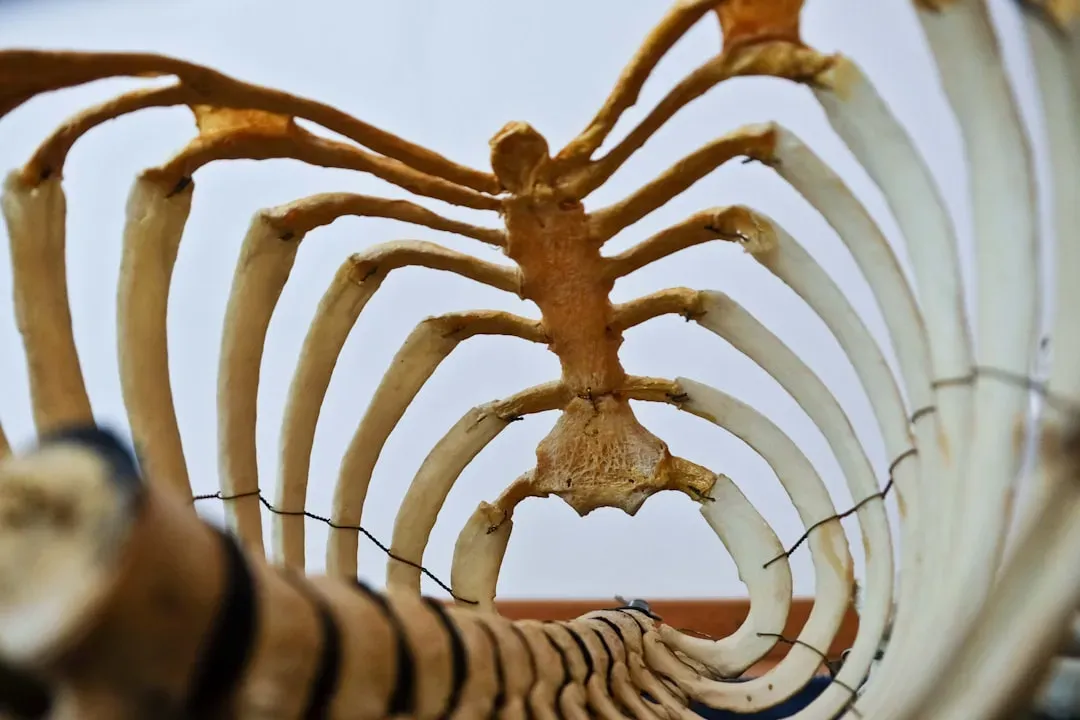
It might feel like a small anatomical curiosity, the kind of thing only a biology nerd would care about, but whale hip bones touch something deeper. They remind us that every species – ourselves included – is a work in progress, shaped by changing environments, shifting pressures, and inherited baggage from ancestors who lived completely different lives. We are not separate from nature’s story; we are knee-deep in it.
Personally, I find it oddly moving that the biggest animals on the planet still carry the faint signature of feet they no longer have. It feels like discovering an old family photo tucked behind a new one in the same frame: different faces, same lineage. The idea that a creature so perfectly at home in the open ocean still quietly remembers, in its bones, a time when its ancestors walked on land says something bold about evolution – it does not just rewrite; it layers, repurposes, and never quite forgets.
Conclusion: Tiny Bones, Big Story
Whale hip bones may be small, but the story they tell is enormous. They trace a clear line from wolf-like land mammals wading in ancient rivers to the blue whales cruising the deep today, with every step and swim in between recorded in fossils, genes, and anatomy. In my view, trying to explain those little bones without evolution is like trying to explain a footprint without admitting someone walked there.
These hips are not just scientific trivia; they are a quiet, stubborn reminder that change over deep time is real, powerful, and ongoing. They show that evolution does not politely erase the past – it leaves fingerprints in skeletons, embryos, and DNA. Next time you see a photo of a whale breaching, imagine, for just a moment, the invisible hips tucked inside that massive body, still carrying the memory of legs long gone. Does it change how you think about what other hidden histories might be written inside us too?