There are places on Earth where time does not just pass, it crystallizes. Literally. Tucked away in the high desert of northeastern Arizona, a remarkable landscape sits quietly beneath an enormous open sky, holding secrets that are older than the dinosaurs themselves. You might drive past it on Interstate 40 without a second glance, but if you stop, you step into one of the most extraordinary natural archives our planet has ever produced.
What you find here is not a forest in any conventional sense. There are no canopies of living trees. No birdsong rustling through branches. Instead, you find stone logs scattered across a sun-baked desert floor, glittering in shades of red, violet, gold, and deep indigo, as if someone scattered enormous jewels across the earth. Welcome to Petrified Forest National Park, and get ready to have your sense of geological time completely rearranged.
A Landscape Born from Deep Time: The Triassic World You Are Standing On
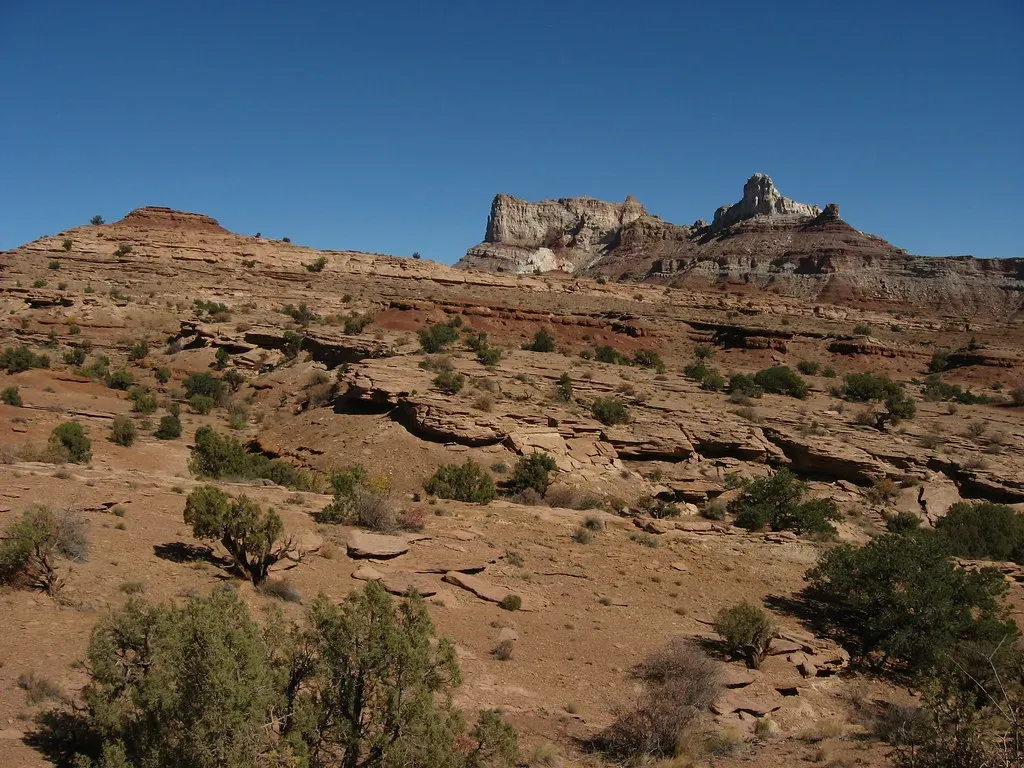
When you visit Petrified Forest National Park, you are not simply walking through a pretty desert. You are standing on a landscape that preserves traces of an ancient, vastly different world, one that existed some 225 million years ago during the Triassic Period, when this entire area rested near Earth’s equator as part of the massive supercontinent Pangaea. Think about that for a moment. Arizona, parched and sun-scorched as it is today, was once a lush, humid, sub-tropical plain sitting near the equator.
During this epoch, the region was on the southwestern edge of Pangaea, with its climate humid and sub-tropical. What later became northeastern Arizona was a low plain flanked by mountains to the south and southeast, with a sea to the west, while streams flowing across the plain deposited sediment and organic matter, including trees and animals that had entered or fallen into the water. It is, honestly, almost impossible to reconcile that image with the dry badlands you see stretching out before you today. Yet the rocks under your feet tell exactly that story.
How Wood Becomes Stone: The Science of Petrification
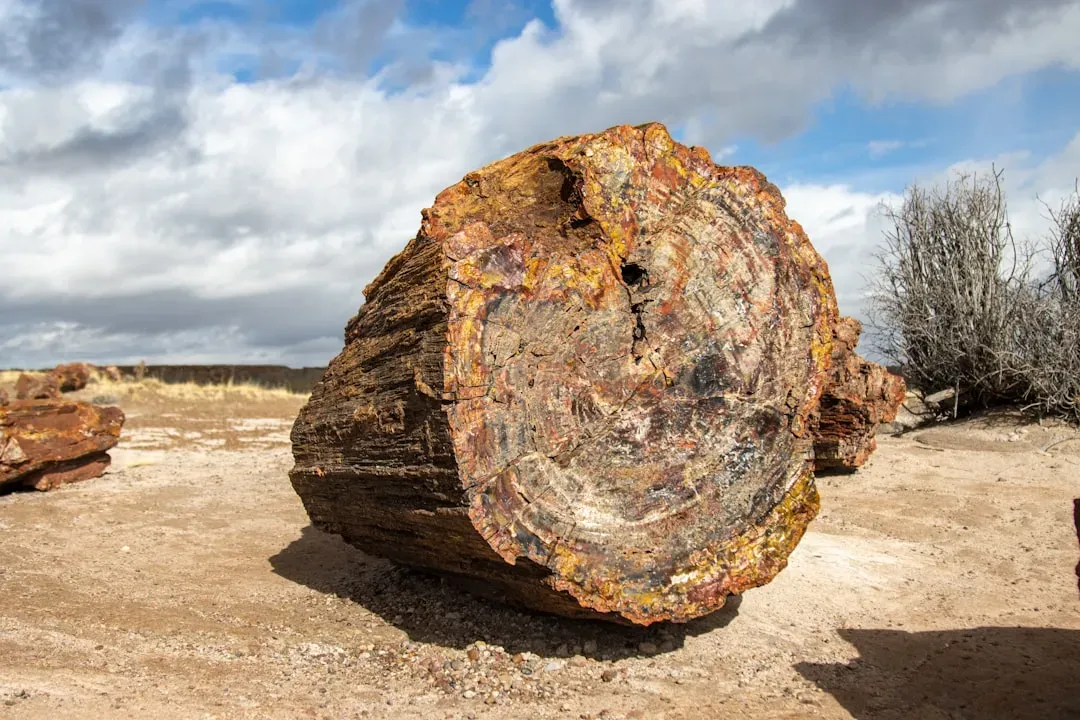
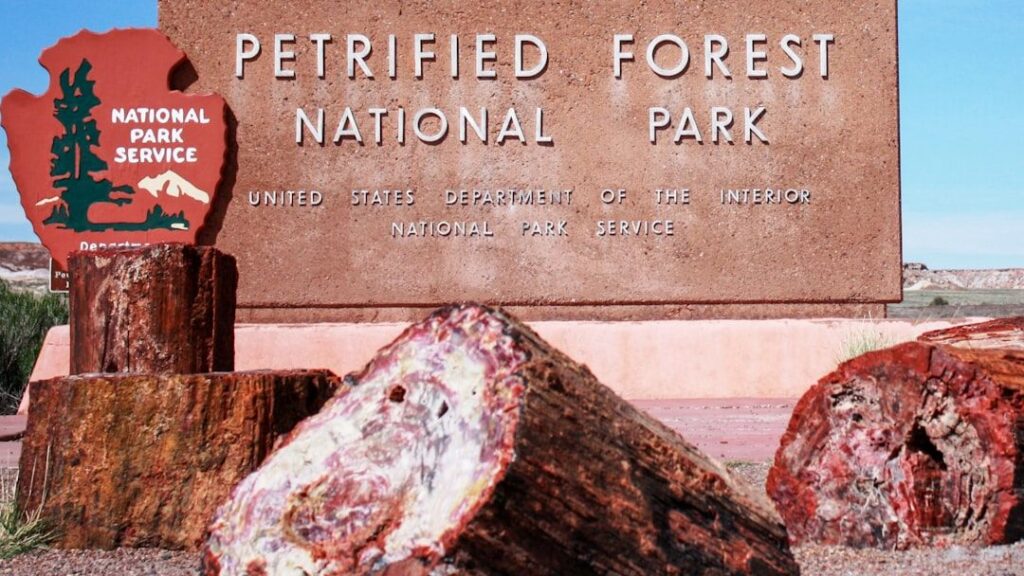
During the Late Triassic, fallen trees accumulated in river channels and were buried periodically by sediment containing volcanic ash. Groundwater then dissolved silica from the ash and carried it into the logs, where it formed quartz crystals that gradually replaced the organic matter, while traces of iron oxide and other substances combined with the silica to create the varied colors you see in the petrified wood today. It is essentially a slow-motion mineral invasion, cell by cell, over millions of years.
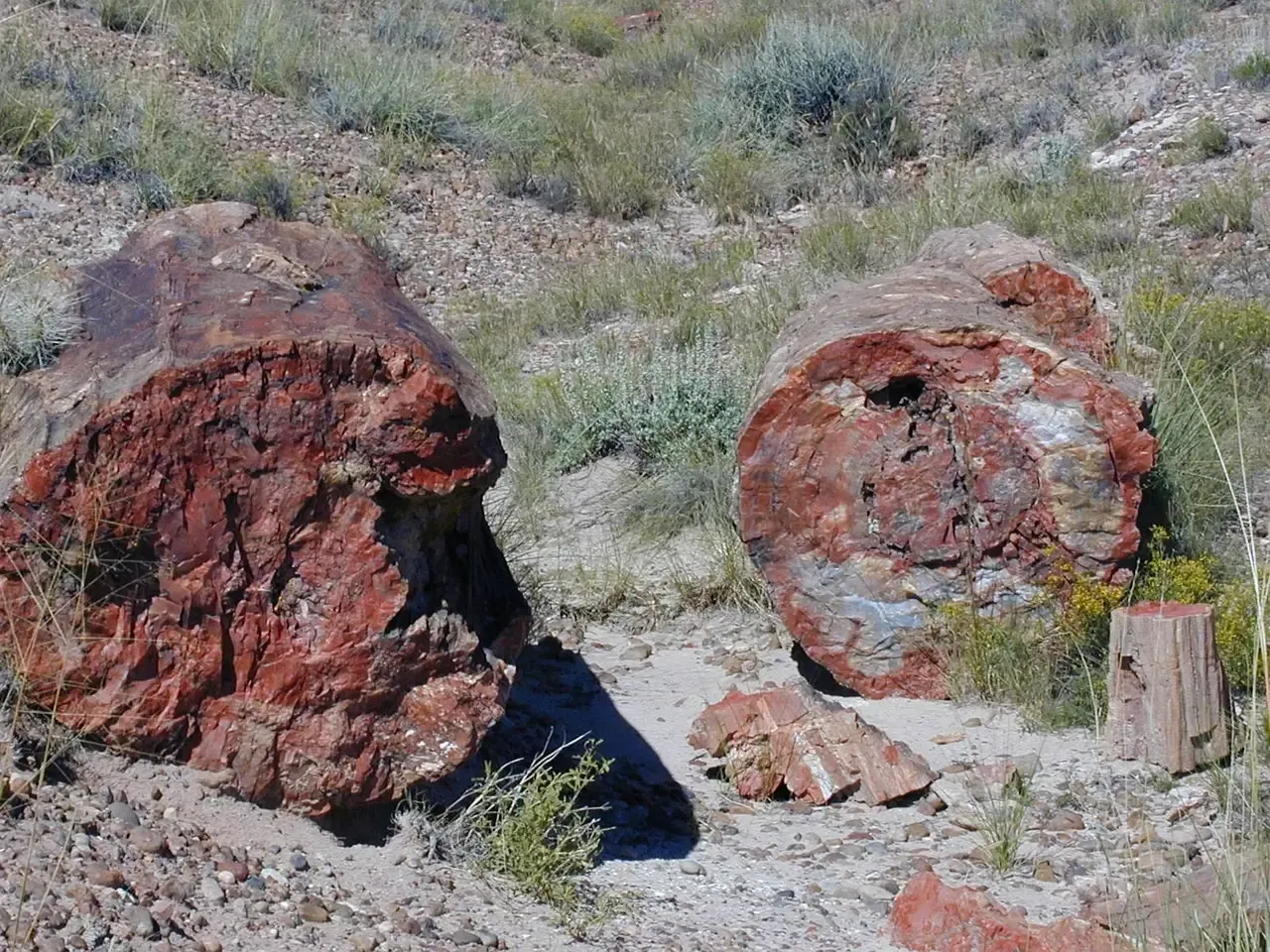
The petrified wood formed around 225 million years ago is four times as hard as granite, and its vivid colors result from impurities such as iron, manganese, copper, and lithium present in the wood during the fossilizing process. Those brittle petrified logs often broke into segments, giving the uncanny illusion of ancient trees having been deliberately sawed into neat pieces. Nature, it turns out, is a more precise sculptor than any saw blade could ever be.
The Chinle Formation: Earth’s Most Remarkable Fossil Filing Cabinet
The Chinle Formation, extensively exposed in the park and outcropping across much of the Colorado Plateau, is one of the most researched Late Triassic continental deposits in the world. Think of it as Earth’s own archive, layer after layer of compressed time, recording everything from ancient climate shifts to the first stumbling steps of early dinosaurs. Fossil evidence of this ancient land lies in the sediments of the Chinle Formation now exposed throughout Petrified Forest National Park.
The Chinle is considered one of the richest Late Triassic fossil-plant deposits in the world, containing more than 200 fossil plant taxa, with plant groups that include lycophytes, ferns, cycads, conifers, ginkgoes, and other unclassified forms. If paleontology had a greatest hits collection, this formation would be a headliner. The excellent exposures and accessibility of the Upper Triassic Chinle Formation make Petrified Forest National Park a world-renowned natural laboratory for paleontology and other geologic disciplines.
Ancient Creatures That Roamed This Very Ground
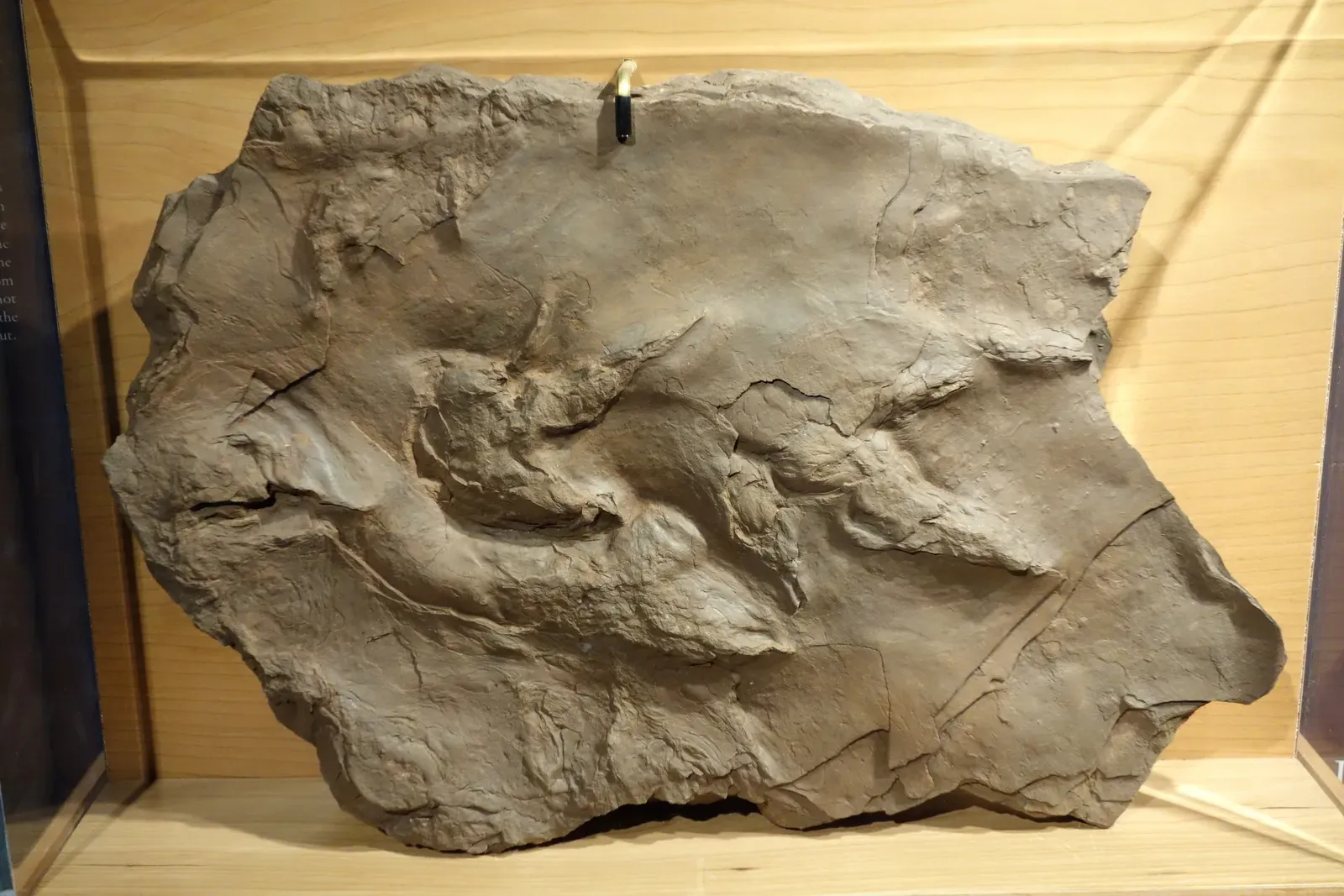
The Triassic Period holds a particularly prominent position in Earth’s history, as it was a time of great change and rejuvenation following the mass extinction at the end of the Permian Period, when new creatures including rodent-sized mammals and the first dinosaurs became part of a growing diversity of life. This was not some quiet, uneventful chapter. It was a biological revolution, and the rocks here are its witness.
The park has produced one of the most diverse assemblages of fossil vertebrates from the Late Triassic, with groups represented including early theropod dinosaurs, crocodile-line archosaurs, temnospondyl amphibians, lissamphibians, and other dinosauromorphs and archosauromorphs. Beyond those, fossils found in the park have included Late Triassic ferns, cycads, ginkgoes, giant reptiles called phytosaurs, and large amphibians. It is almost mind-bending to imagine what this landscape once looked, sounded, and smelled like.
The Trees Themselves: Giants Frozen in Time
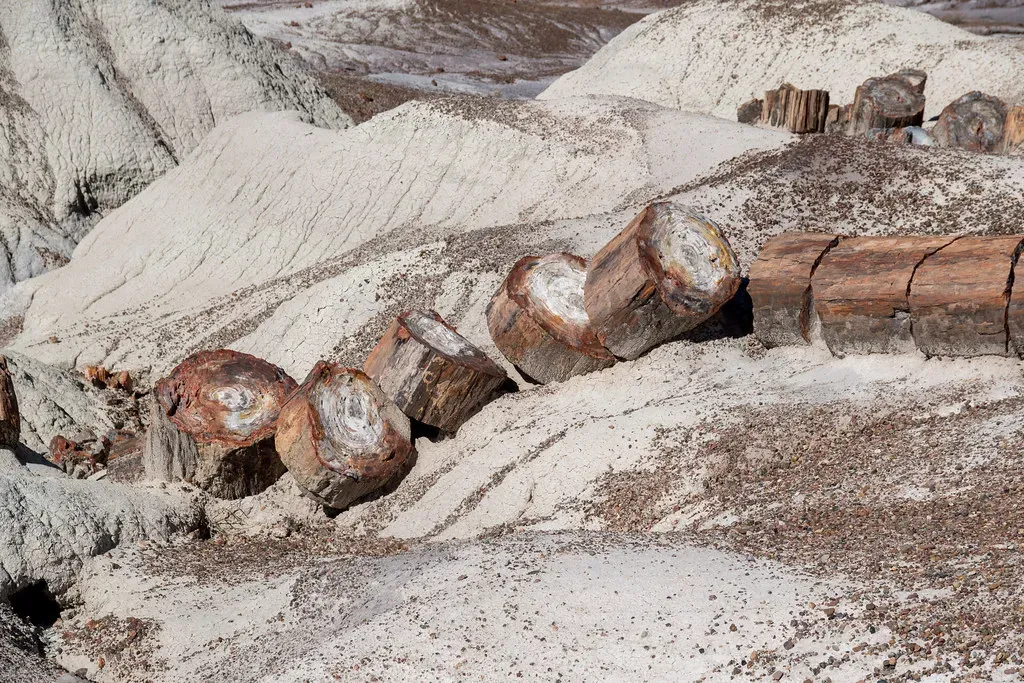
Many of the petrified logs come from conifer trees called Araucarioxylon, which grew as tall as 200 feet. These trees were not standing upright when petrification began, but instead fell into a large river system during the Triassic Period, floating downstream and collecting in massive log jams. Picture enormous conifers, taller than a modern twenty-story building, drifting downriver in slow, ancient floods.
Most of the park’s petrified wood is from Araucarioxylon arizonicum, an extinct conifer, while some found in the northern part of the park is from Woodworthia arizonica and Schilderia adamanica trees, and at least nine species of fossil trees from the park have been identified, all of which are extinct. The national park contains one of the largest and most colorful concentrations of mineralized fossil wood in the world, including petrified logs of ancient conifer species that are more than 190 feet long.
The Painted Desert: Color That Demands Your Attention
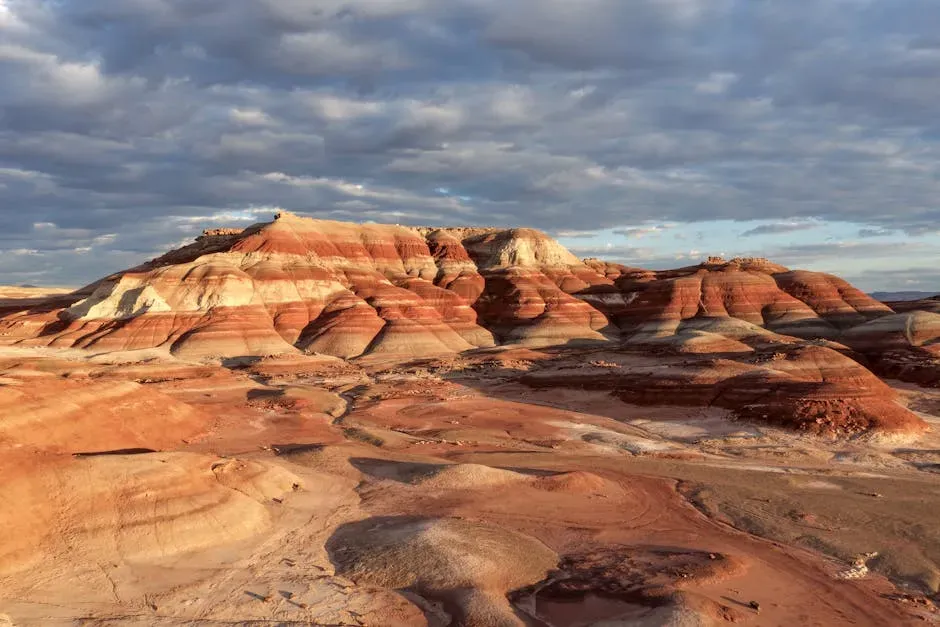
Beyond the fossils, much of the Petrified Forest features badland hills, flat-topped mesas, and sculpted buttes made up of stunningly colorful sediment and rock formations, with rain and wind exposure causing extensive erosion that exposes vibrant bands of sediment, the most well-known of which is the Painted Desert. Honestly, no photograph does it justice. You have to stand in front of it yourself to feel its strange, almost otherworldly pull.
The Painted Desert is primarily composed of the Chinle Formation, which was deposited in the area during the Late Triassic Period, some 200 million years ago. You can ascend to the summit of Blue Mesa and witness eroded cliffs, badlands, hoodoos, and unique rock formations from various scenic overlooks, where each viewpoint offers a distinct perspective of the blue, purple, gray, and peach banded badlands. It is as if someone spilled an entire palette of paint across the desert floor and let it dry for a few hundred million years.
Thousands of Years of Human History Layered Into the Land
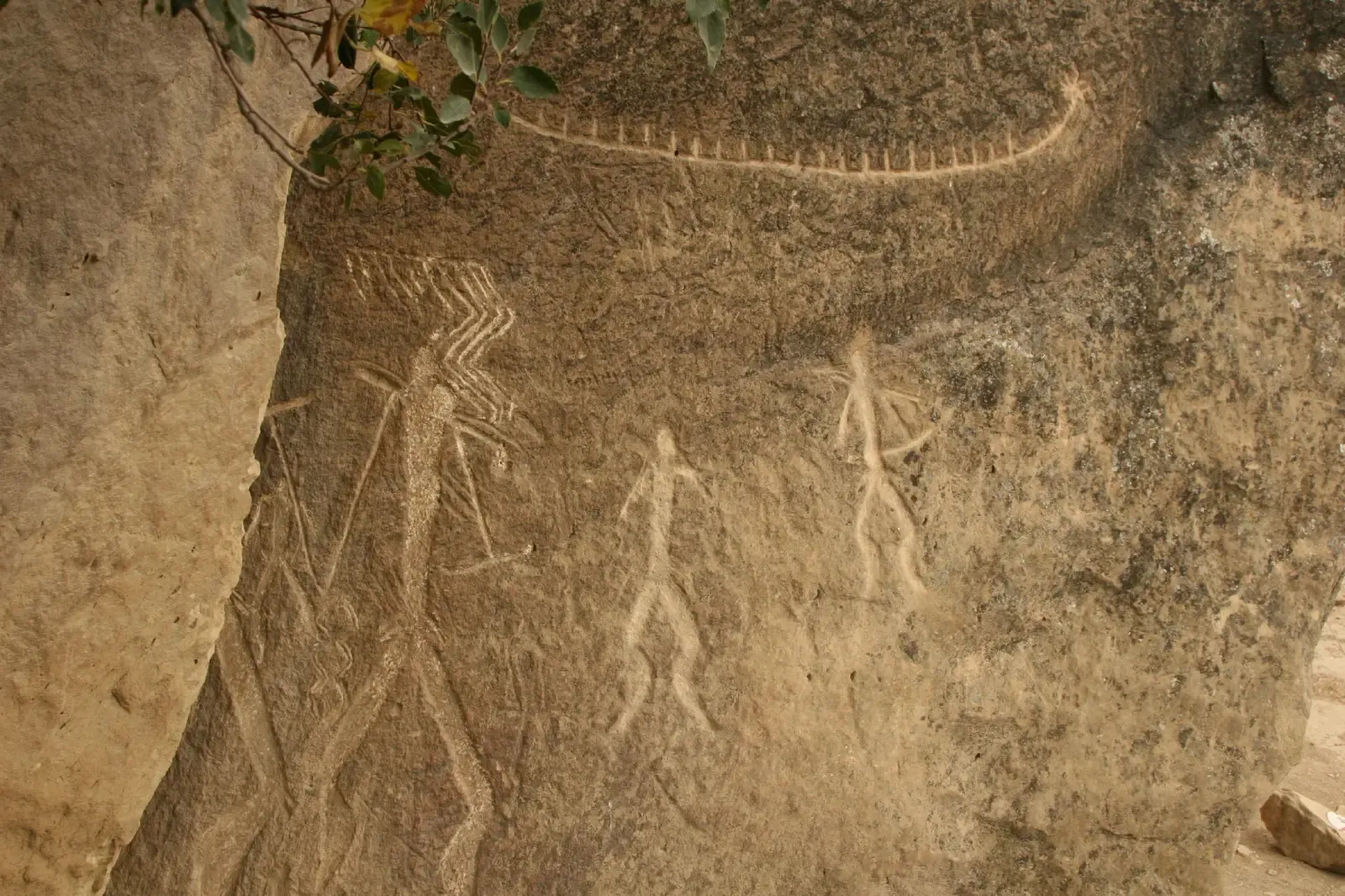
The park contains over 800 archaeological and historic sites exhibiting at least 12,000 years of human presence, including petroglyph sites ranging in age from 600 to 2,000 years ago. People did not just pass through here. They lived here, farmed here, and left their marks carved into stone. The earliest types of artifacts found at the park are stone spear points and arrowheads crafted by Paleoindians, the first people to travel to the region, who arrived during the Pleistocene period at least 11,500 years ago as nomadic hunter-gatherers.
Among the park’s archaeological features are petroglyphs, including the famous Newspaper Rock, as well as the ruins of ancient Ancestral Pueblo villages, notably the Puerco Indian Ruin just south of the Painted Desert. There is also Agate House, an 8-room pueblo actually built from pieces of petrified wood and occupied between 1050 and 1300. You can walk through rooms built by someone a thousand years ago, constructed from materials that were already 225 million years old at the time. That layering of history is quietly staggering.
How the Park Came to Be: Conservation, Controversy, and Camels
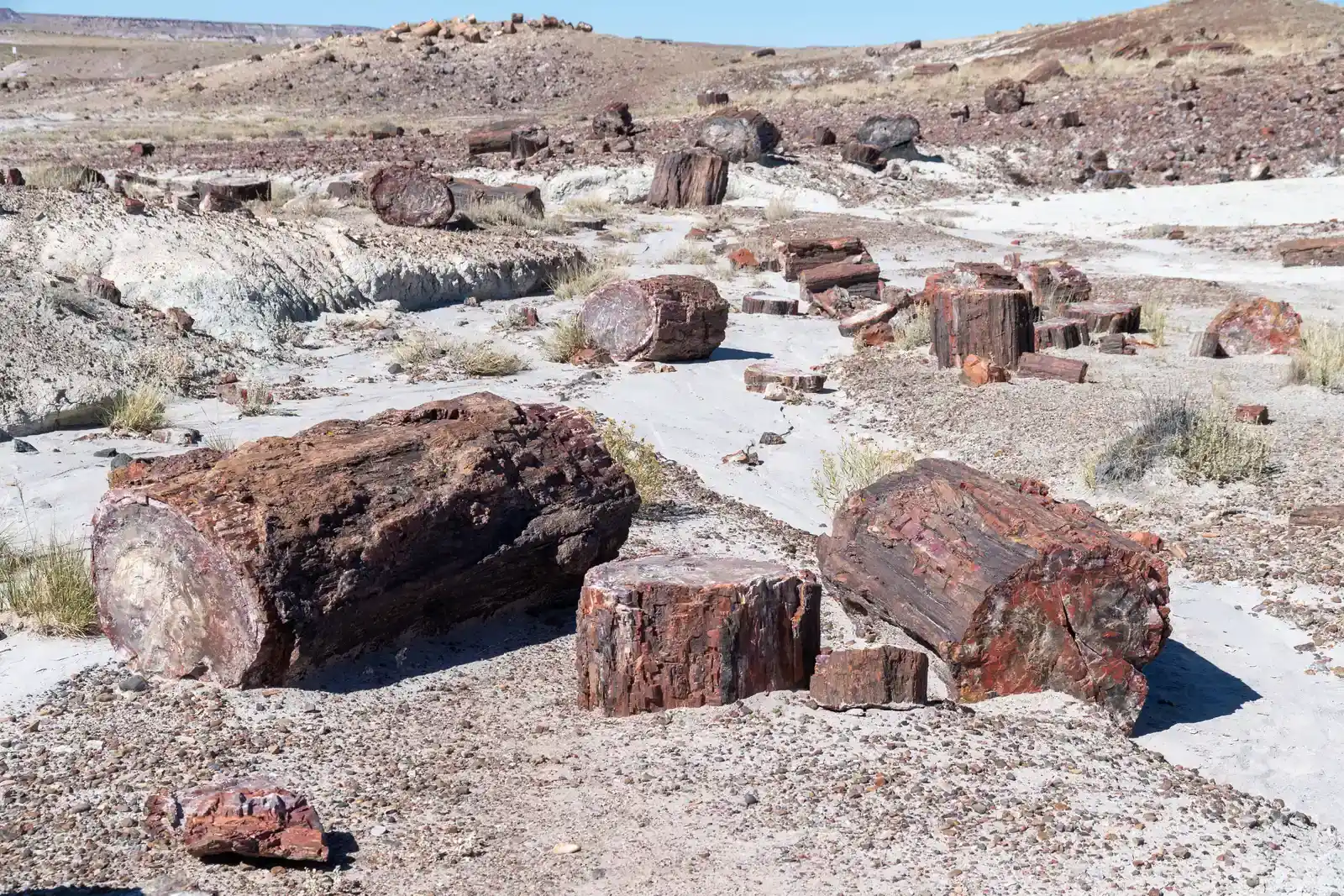
In the late 19th century, petrified wood became an object of intense fascination, with people arriving by train at the nearby town of Adamana, loading wagon beds with petrified wood, and hauling it home, until President Theodore Roosevelt designated the area as the country’s second national monument in 1906. It is a good thing someone stepped in when they did, because the looting was relentless. The monument eventually became a national park in 1962, and in 2004, President George W. Bush expanded it from 93,353 acres to 218,533 acres.
If you had looked across the Painted Desert in the mid-1800s, you might have spotted a camel caravan crossing the landscape, because between 1857 and 1860, E.F. Beale made several camel caravan trips through what is now the park to promote camels as a viable means of transporting goods for the U.S. Government. It sounds completely surreal, but the American Southwest has always attracted the extraordinary. Over time, visitors have continued to remove precious samples, and park officials estimate that roughly 12 to 15 tons are lost every year due to theft, with stiff fines and penalties applied to violators.
Visiting the Park Today: Trails, Tips, and What to Expect
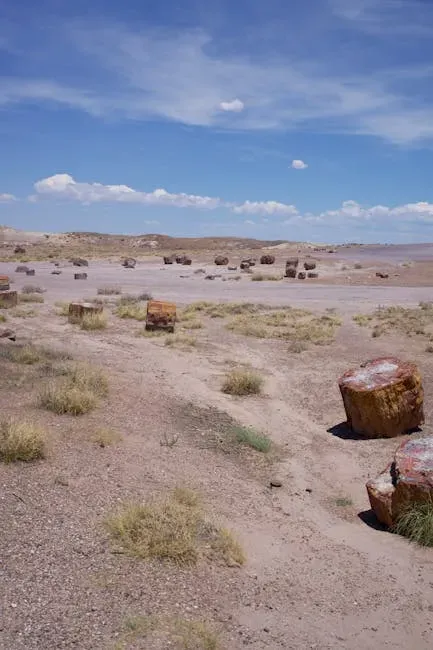
The 28-mile Main Park Road winds past viewpoints and trailheads that take you into the middle of this otherworldly landscape, with short and easy hikes, many on paved trails, getting you up close to ancient trees that have transformed from wood into quartz. You do not need to be an experienced hiker to enjoy this place. Unlike more rugged national parks, Petrified Forest can be easily explored via scenic drives, short hikes, and overlooks, making it perfect for all activity levels and families with children.
Petrified Forest is an International Dark Sky Park, and if you want to view and photograph the night sky from within the park boundaries, you can obtain a free Dark Sky Viewing Permit. The majority of the park’s wildlife is crepuscular, meaning most active at dawn and dusk, so the park recommends visiting in the early morning or evening hours for a much better chance of observing animals. Early mornings especially carry a kind of silence here that feels sacred, with the painted hills glowing in soft light and the stone logs catching the first rays like scattered embers.
Ongoing Discoveries: Science Is Still Catching Up
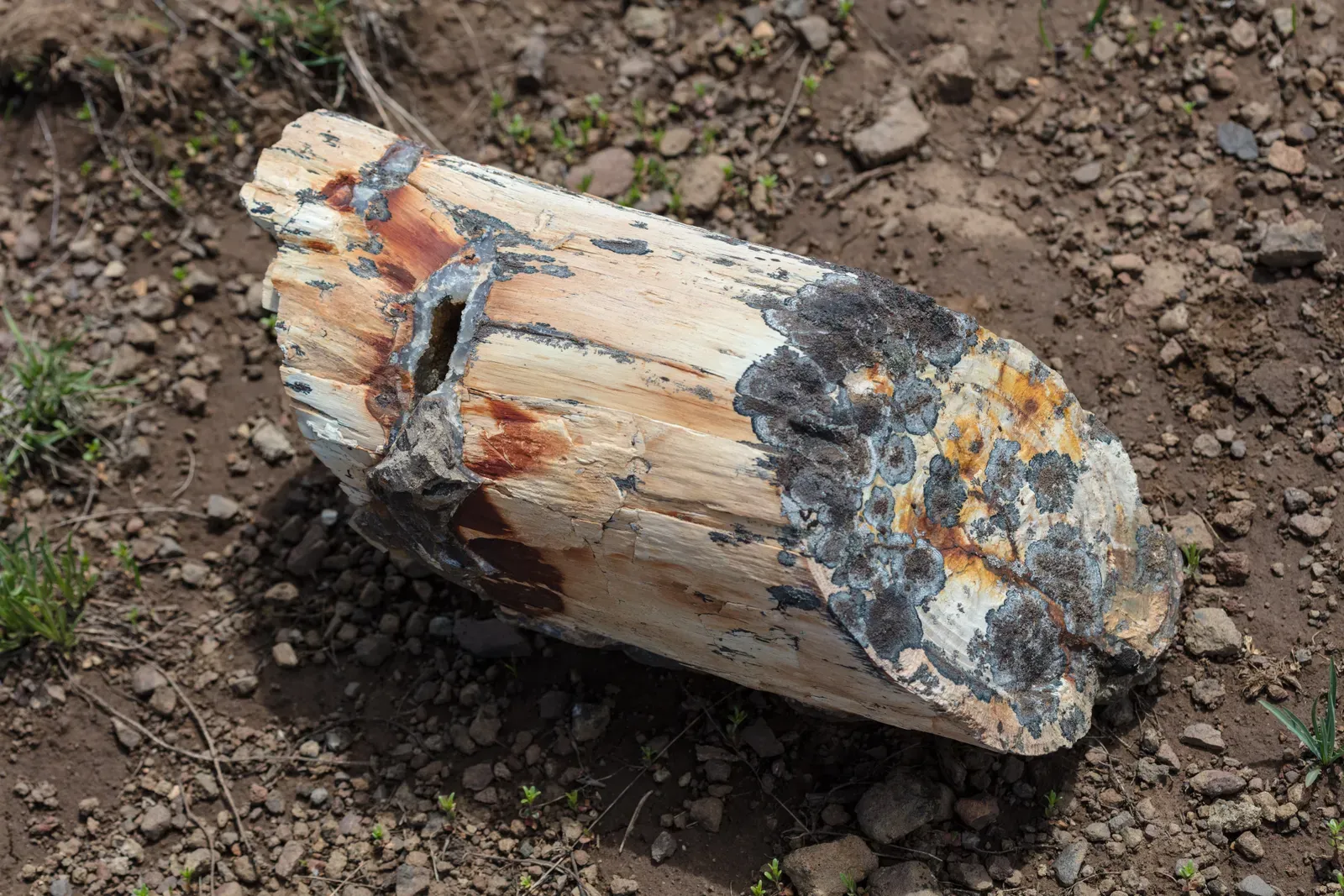
The park’s forests of petrified wood and other Upper Triassic fossil flora and fauna are globally significant because they provide a distinct record of diverse terrestrial ecosystems during “the dawn of dinosaurs” about 220 million years ago, tracking the evolutionary transition of nonmarine animals, and scientists now recognize Petrified Forest as one of the best places in the world to study these changes in the geologic record. New discoveries keep reshaping what we thought we knew.
Discoveries at the park continue to help fill in the fossil record, and paleontologists actively work in the field at the park. There is no doubt that millions of pounds of petrified logs still remain buried deep in the ground, and gradual, continuing erosion will eventually expose even more stone logs that are still entombed beneath the surface. In other words, the park is not a finished exhibit. It is a living laboratory, and every rainstorm, every gust of desert wind, has the potential to reveal something that no human eye has ever seen.
Conclusion
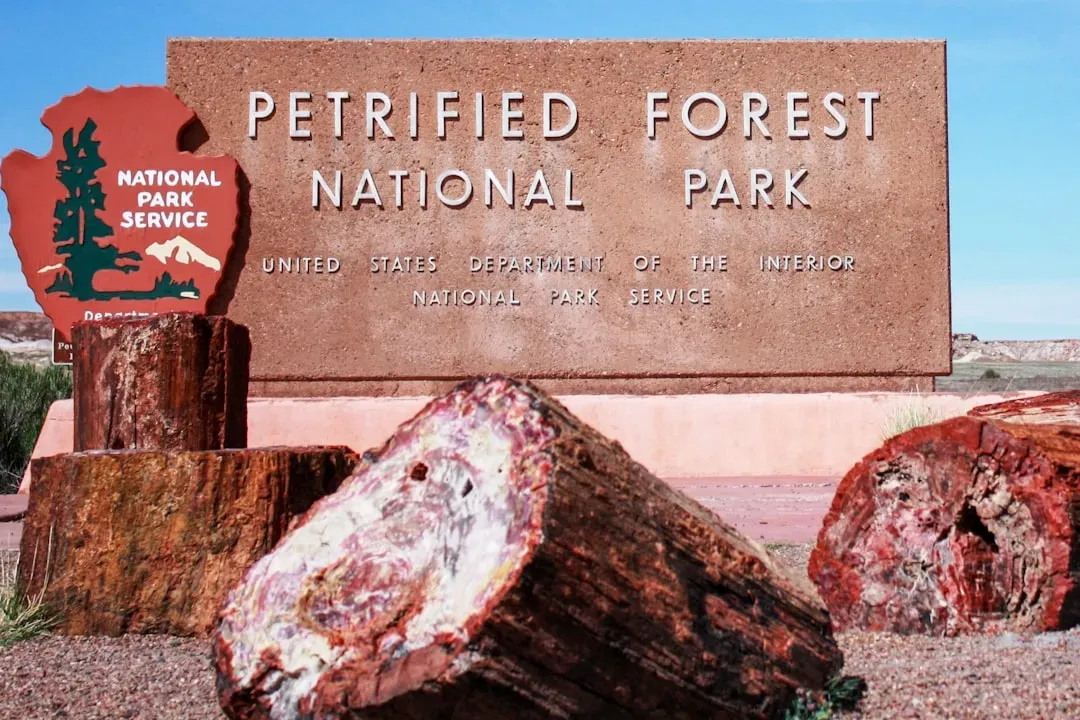
Petrified Forest National Park is the kind of place that quietly defies expectations. You might arrive thinking you are visiting a roadside curiosity on the way to somewhere else, and you leave having stood inside one of the deepest natural time capsules on the planet. It is part geological museum, part ancient human archive, part stargazing paradise, and entirely unlike anywhere else you will ever go.
The stone logs scattered across those wind-scoured hills were once living giants, towering over a tropical landscape that no longer exists anywhere on Earth. They outlasted the entire Jurassic and Cretaceous periods while buried underground. They outlasted civilizations. They are still here. And if you let that settle in for just a moment, it stops being geology and starts feeling like something closer to wonder.
So the next time you are planning a road trip through Arizona, do not just pass by. Stop. Walk among the logs. Stand in the Painted Desert at sunrise. Look down at the ground beneath your feet and remember that you are walking on the floor of a world that vanished 220 million years ago. What other place on Earth can honestly say that? Would you ever have guessed a piece of Arizona desert could hold this much of our planet’s story?