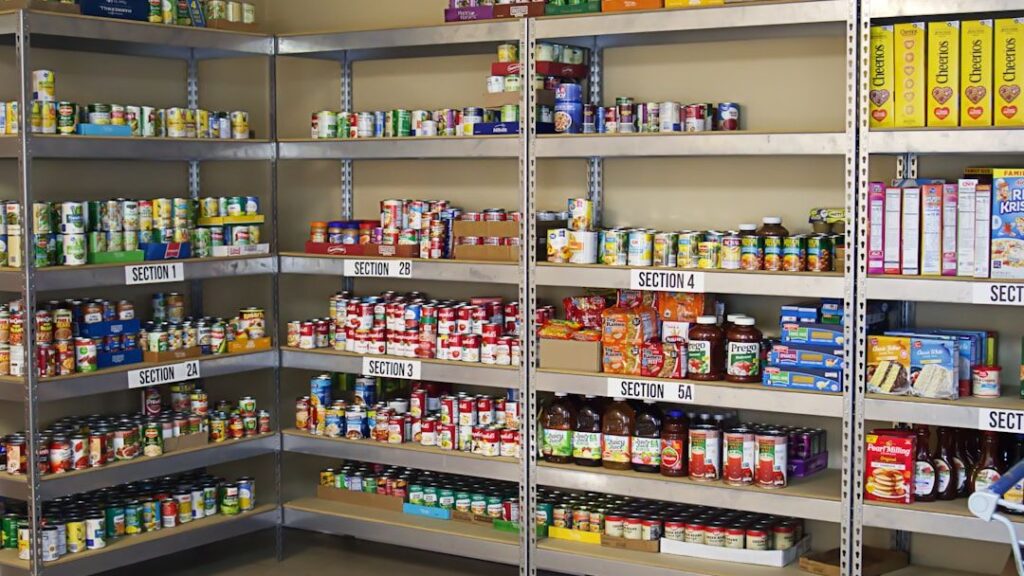
Americans increasingly relying on food pantries as prices outpace wages – Image for illustrative purposes only (Image credits: Unsplash)
Across the United States, more households are turning to food pantries for help as everyday expenses climb faster than wages. The shift marks the first period in three years when price increases have outstripped earnings growth, leaving families to stretch limited budgets further than before. Reports from multiple regions show pantries handling higher volumes of visitors, many of whom had not sought assistance in recent years. This trend reflects broader pressures on household finances that show no immediate sign of easing.
Everyday Budgets Under Pressure
Many families describe the same pattern: paychecks that once covered groceries now fall short after rent, utilities, and transportation take their share. Small price increases at the store add up quickly, turning routine shopping trips into careful calculations. In places like Waterbury, Connecticut, one pantry has seen demand triple in recent months as inflation and changes in federal assistance programs compound the strain.
National data confirm the pattern. Food prices have risen about 3.2 percent over the past year, according to Bureau of Labor Statistics figures, with certain categories such as vegetables showing even steeper jumps. At the same time, overall inflation has begun to exceed wage growth for the first time since 2023. The result is a widening gap that leaves less room for other necessities.
Regional Pantries Report Record Visits
Food banks in Western Pennsylvania describe demand that now exceeds levels seen during the height of the pandemic. Officials there cite rising fuel costs and lingering effects from earlier economic disruptions as additional factors pushing more people through their doors. Similar reports come from North Carolina, where pantries in Wake County note steady increases tied to higher wholesale prices.
These local surges align with broader national signals. The U.S. Department of Agriculture projects food prices will climb another 3.6 percent this year, continuing the pressure on lower- and middle-income households. Pantries that once served a steady but manageable number of clients now operate at or near capacity on a regular basis.
Who Is Seeking Help Now
The current wave includes both longtime users and new visitors who previously managed without outside support. Working families with steady jobs appear more frequently, often citing the cumulative effect of modest but persistent price increases across multiple categories. Seniors on fixed incomes and households with children also feature prominently in recent tallies.
Many pantries have adjusted operations to meet the need, extending hours or expanding distribution days. Volunteers report longer lines and more frequent requests for staples such as milk, bread, and produce. The shift underscores how even modest inflation can quickly affect daily life when wages do not keep pace.
What Comes Next for Families and Providers
Food assistance networks continue to monitor the situation closely. Some organizations have launched additional fundraising efforts or sought new partnerships with local farms and retailers to maintain supply. Others focus on connecting visitors with longer-term resources such as job training or budget counseling.
Observers note that the trend could persist if inflation remains above wage growth. For now, pantries remain a critical stopgap for households navigating tighter budgets. The increase in visits serves as a clear indicator of how economic conditions translate into real-world decisions at the kitchen table.