Guanacaste, Costa Rica – Composting diverts organic waste from landfills and helps curb potent methane emissions. A recent study in this Pacific coastal province, however, exposed how improper disposal of kitchen scraps unleashes a chain reaction that endangers nesting sea turtles. Researchers linked booming ecotourism and everyday habits to a surge in raccoon predation, highlighting tensions at the edge of protected beaches.
Raccoons Emerge as Top Nest Raiders
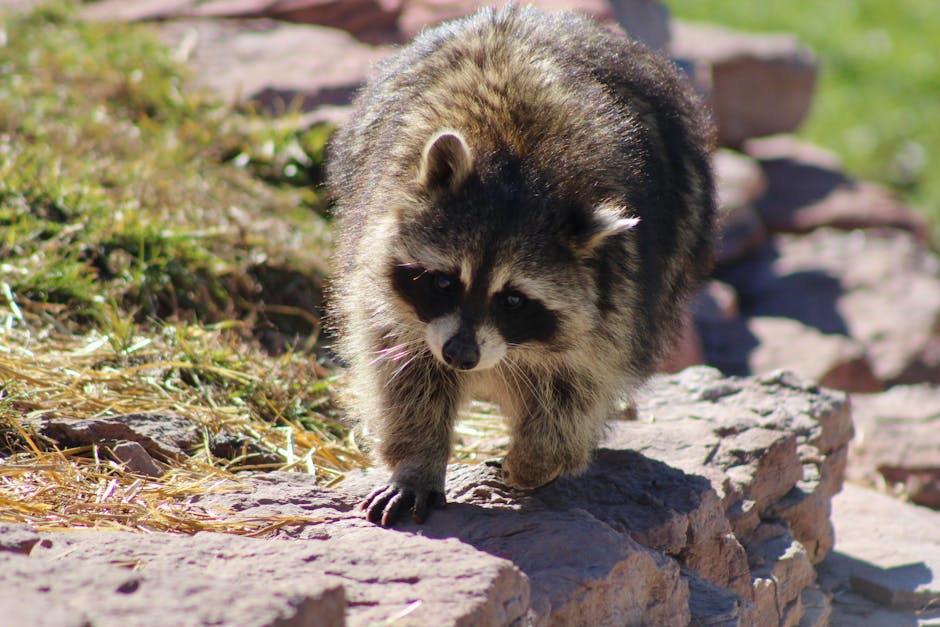
Raccoons Emerge as Top Nest Raiders (Image Credits: Pexels)
Las Baulas Marine National Park emerged as ground zero for this ecological surprise. Established in 1991, the park safeguards one of the Eastern Pacific’s premier nesting sites for the vulnerable leatherback sea turtle (Dermochelys coriacea). Predation on eggs spiked sharply around 2012, coinciding with heightened visitor numbers.
Lead researcher Keilor Cordero deployed camera traps and analyzed nest raid data from local projects. Raccoons dominated the footage, feeding on trash in 84% of instances and preying on nests in 91% of recorded attacks. This dominance turned idyllic beaches into risky zones for turtle hatchlings.
Urban Sprawl Encroaches on Protected Shores
Satellite imagery told a stark story of transformation. Urban development around the park exploded from 1990 to 2024, even within boundaries meant to shield wildlife. Infrastructure for ecotourists—hotels, roads, and viewing platforms—sprang up to capitalize on Costa Rica’s reputation as an eco-destination.
Ecotourism bolsters the national economy, drawing crowds to witness turtles hauling ashore under moonlight. Yet this influx generated more organic waste, from restaurant scraps to household peels. Inadequate bins failed to contain the bounty, inviting opportunistic feeders.
Tracing the Waste-to-Predation Chain
Cordero, a Ph.D. student at Spain’s Menéndez Pelayo International University, uncovered the direct pathway. Residents commonly tossed vegetable and fruit peels into backyards, a habit he once shared. Possums and raccoons arrived nightly, populations swelling on the easy meals.
Thriving raccoons then ventured beachward, drawn by proximity. The study, detailed in the Journal of Wildlife Management, quantified this cascade through rigorous fieldwork.
“Normally in Costa Rica we are very used to throwing the peels of the vegetables or fruits in the backyard,” Cordero told Mongabay. “I used to do it… and we didn’t think about the impacts.”
Conservation’s Double-Edged Sword
Costa Rica markets itself as a sustainability leader, channeling tourism revenue into protection efforts. Still, the park’s plight mirrors nationwide patterns, where informal waste practices prevail. Cordero described it as a paradox: green branding attracts visitors, but their presence strains ecosystems.
“We sell the country as a green country with sustainability. It’s like our brand, right? It brings a lot of money that we can use in conservation,” he noted. “But on the other hand, it’s bringing a lot of people and infrastructure to host those people.”
Marine biologist Christine Figgener, unaffiliated with the work, emphasized broader lessons. The findings “reinforce the idea that conservation success depends on how we manage the interface between people and ecosystems.”
Solutions Rooted in Community Action
Targeted fixes offer hope. Formal composting programs could process waste safely, while raccoon-proof containers with secure lids would deter raids. Education campaigns would shift habits, building on locals’ conservation spirit.
Costa Ricans rally effectively when united, Cordero observed. Collective efforts have yielded triumphs before, from reforestation drives to wildlife rescues. Implementing these measures in Las Baulas could restore balance swiftly.
Key Takeaways
- Raccoons fed on trash in 84% of camera trap recordings and raided 91% of turtle nests.
- Urban expansion accelerated post-1991 park creation, peaking with 2012 ecotourism growth.
- Simple steps like secure bins and proper composting can break the predation cycle.
This study serves as a clarion call for mindful growth in paradise. Balancing tourism’s benefits with wildlife needs demands vigilance. What steps can communities take to protect nesting sites? Share your thoughts in the comments.