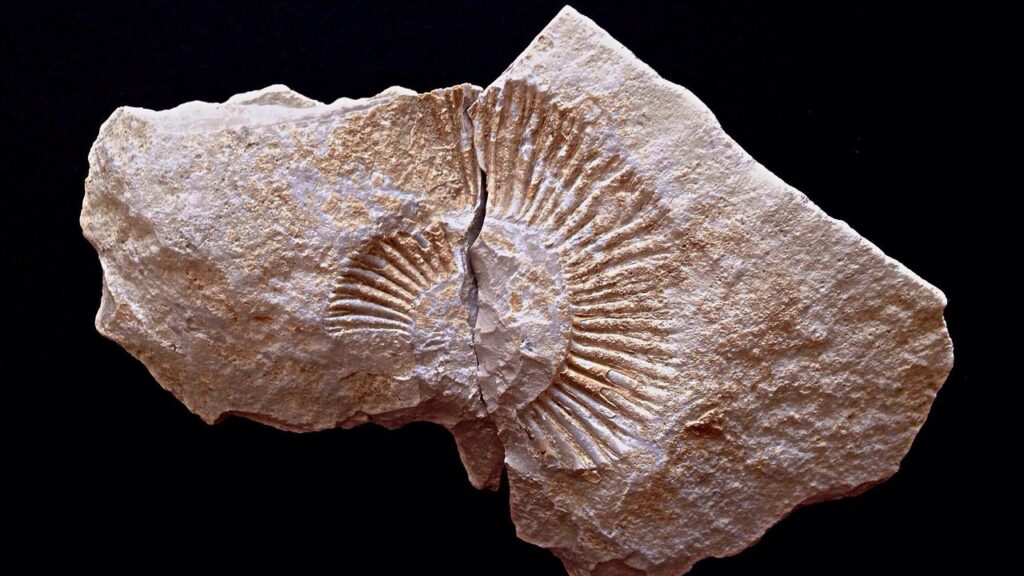
Imagine walking through a forest where the trees look nothing like anything you have ever seen. The air is thick with oxygen. The ground is soft and spongy underfoot, and the creatures crawling beside you are insect-sized monsters. You would not recognize a single plant species. That world existed, and remarkably, you can still read its story today – written in stone.
Fossilized plants are far more than just nature’s pressed flowers from a very long time ago. They are time capsules of entire worlds, full of ecological complexity, biological partnerships, and survival strategies that challenge everything we assume about how life on land works. What scientists are uncovering in labs and quarries right now is nothing short of mind-blowing. Let’s dive in.
What Paleobotany Actually Tells You About Our Planet’s Past
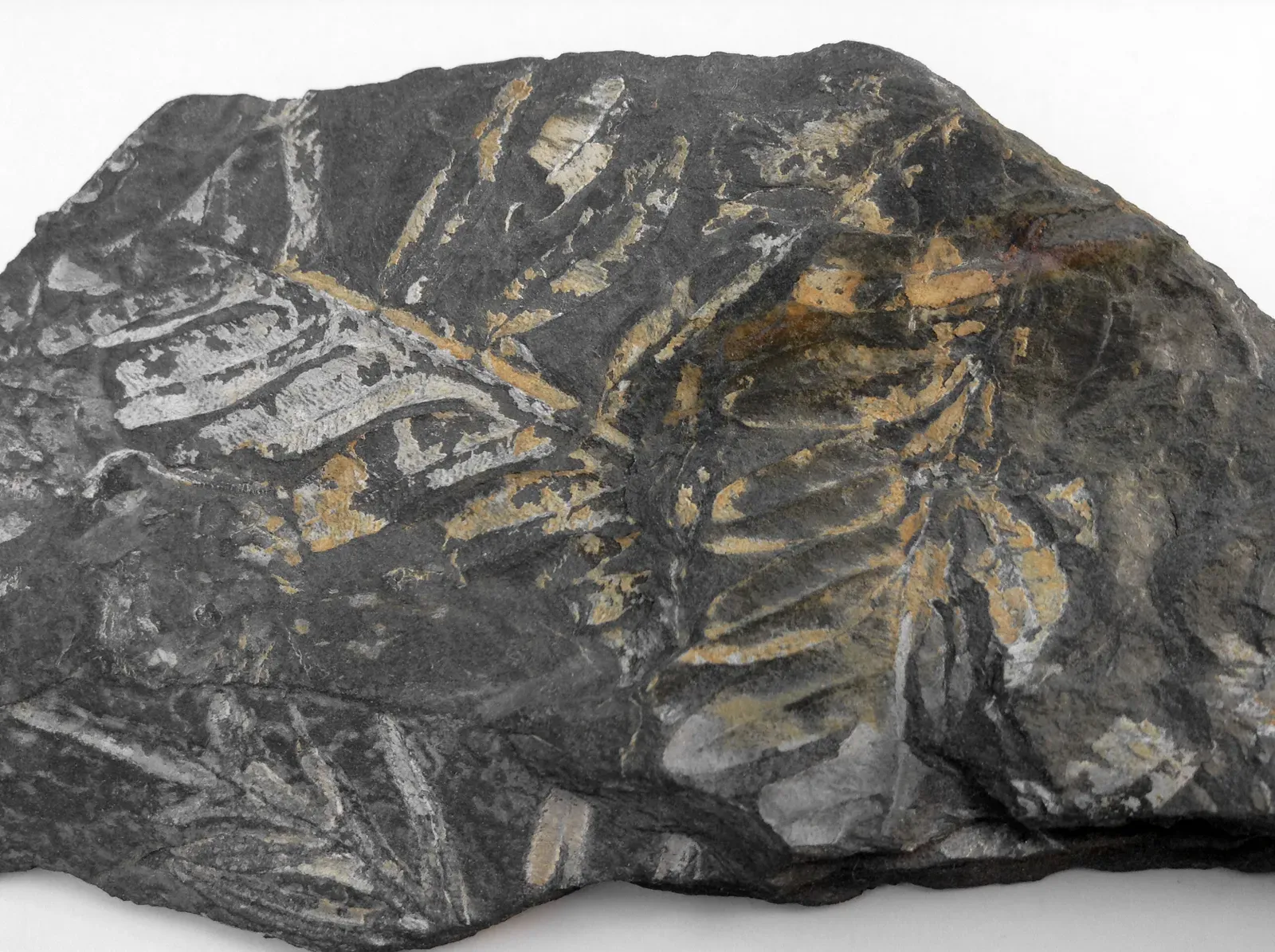
Paleobotany is the branch of science that explores fossilized plant remains to reconstruct the history of our planet. By studying the remains of ancient plants, paleobotanists can unravel clues about the Earth’s climate, ecosystems, and even the origins of modern flora and fauna. Honestly, when you think about it, that is a staggering amount of information locked inside what amounts to a very old leaf impression in rock.
The study of fossil plants is known as paleobotany. It is an important aspect of paleontology especially useful for understanding and interpreting ancient ecosystems. Fossil plants range from the most delicate of flowers to the largest of petrified trees and stumps, and include nearly every other part of a plant: leaves, roots, nuts, cones, berries, needles, stems, twigs, seeds, and pollen. Each fragment is like a pixel in a much larger picture – and when you zoom out, the picture is extraordinary.
The Rhynie Chert: Earth’s Most Remarkable Fossil Time Capsule
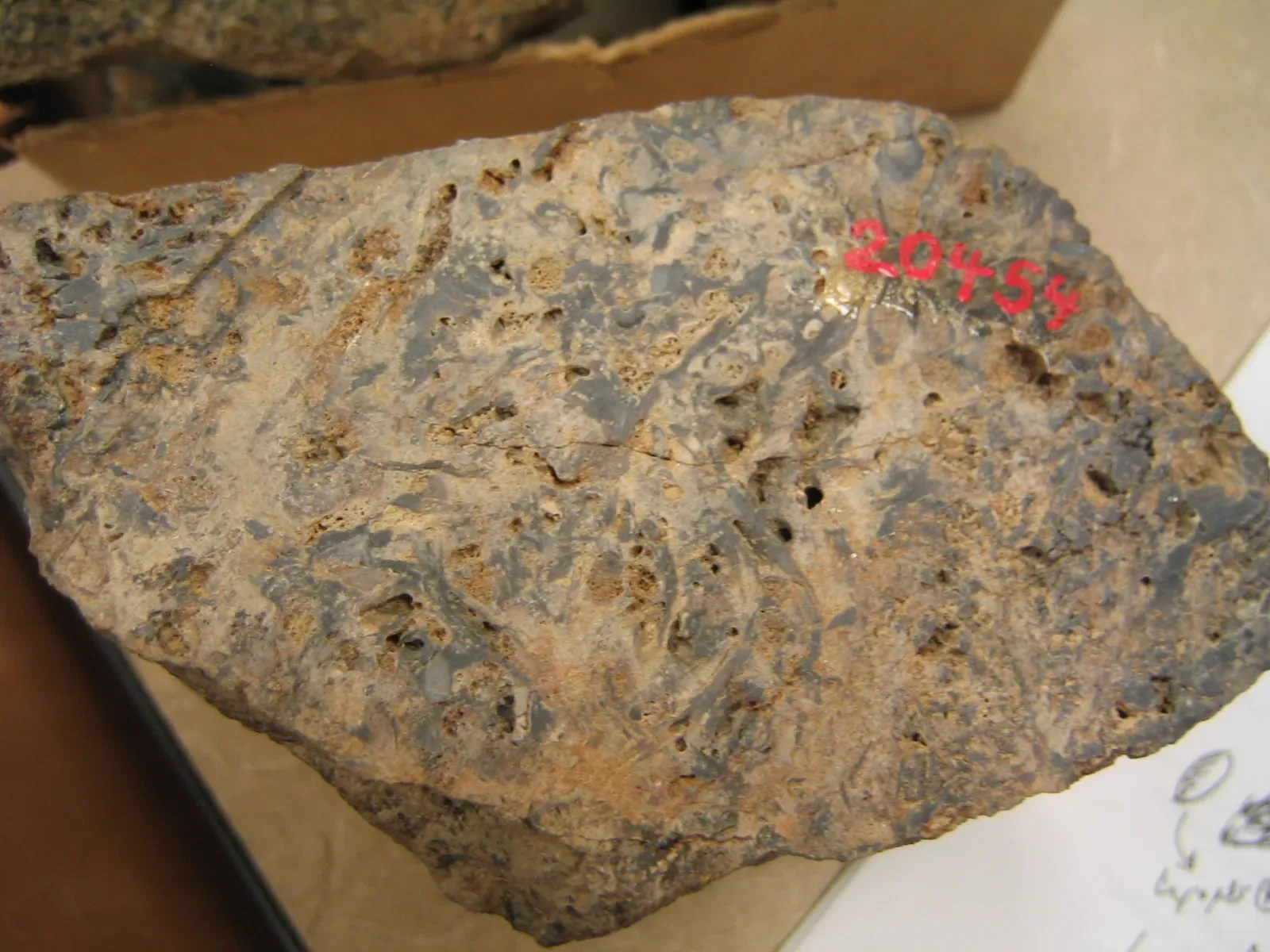
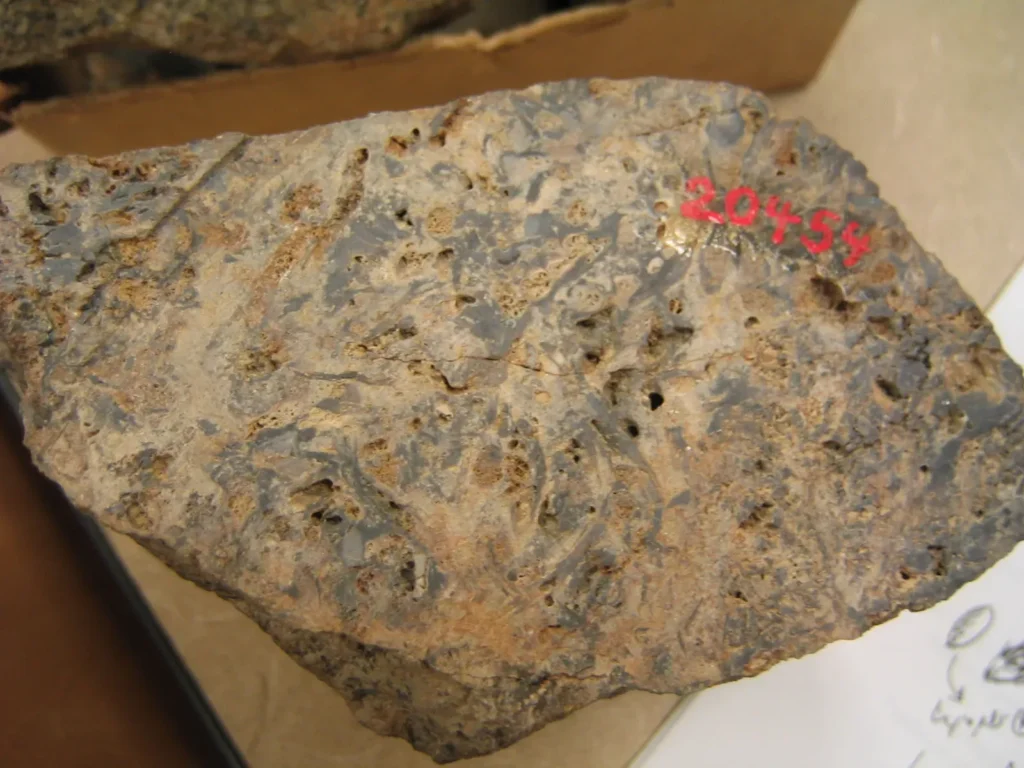
Here’s the thing – if there is one fossil site that has shattered our assumptions about ancient plant ecosystems, it is a small geological formation in rural Scotland. The Rhynie Cherts Unit is a 407 million-year-old geological site in Scotland that preserves the most ancient known land plant ecosystem, including associated animals, fungi, algae and bacteria. You would walk right past the village of Rhynie without knowing what lies beneath your feet.
Both the Windyfield and Rhynie Chert are world-renowned for preserving an ancient wetland ecosystem in extraordinary detail. During the Devonian, these areas would probably have been similar to parts of Yellowstone National Park in the USA today, with sandy soils, hot springs and pools of water. This ecosystem came to an abrupt end around 407 million years ago, when silica-rich water from the hot springs overflowed into the wetland and entombed the species living there. This has provided scientists with an astonishing wealth of well-preserved fossils to study from a key moment in the evolution of life. Think of it like Pompeii – but for plants and fungi, and roughly 400 million years older.
Partnerships in the Deep Past: Plants and Fungi Rewriting the Rules
![Partnerships in the Deep Past: Plants and Fungi Rewriting the Rules ([1]doi:10.3390/ijms21051792, CC BY-SA 4.0)](https://nvmwebsites-budwg5g9avh3epea.z03.azurefd.net/dinoworld/d6fb075b0ae0961ecb27c0bdf5d9f421.webp)
doi:10.3390/ijms21051792, CC BY-SA 4.0)
One of the most shocking revelations to come from ancient plant fossils is just how cooperative – and how complicated – life was even hundreds of millions of years ago. Evidence of the collaboration between plants and fungi, known as a mycorrhiza, was found in a 407-million-year-old fossil from Scotland’s Windyfield Chert. Inside the preserved tissues of an ancient plant was a tiny structure that allows plants and fungi to share nutrients, called an arbuscule. That tiny structure speaks volumes.
Dry land would have been a very challenging environment for plants to live in. Most species didn’t even have roots around 400 million years ago, making it difficult for them to obtain the nutrients they need. It appears that symbioses were a necessary part of allowing plants to adapt to life on land. So the next time you walk under a tree, consider this: the reason trees exist at all may be because plants and fungi struck an ancient deal – one that was already operating flawlessly when the first creatures were just learning to walk on land.
The Carboniferous Forests: A Green World That Would Terrify You Today
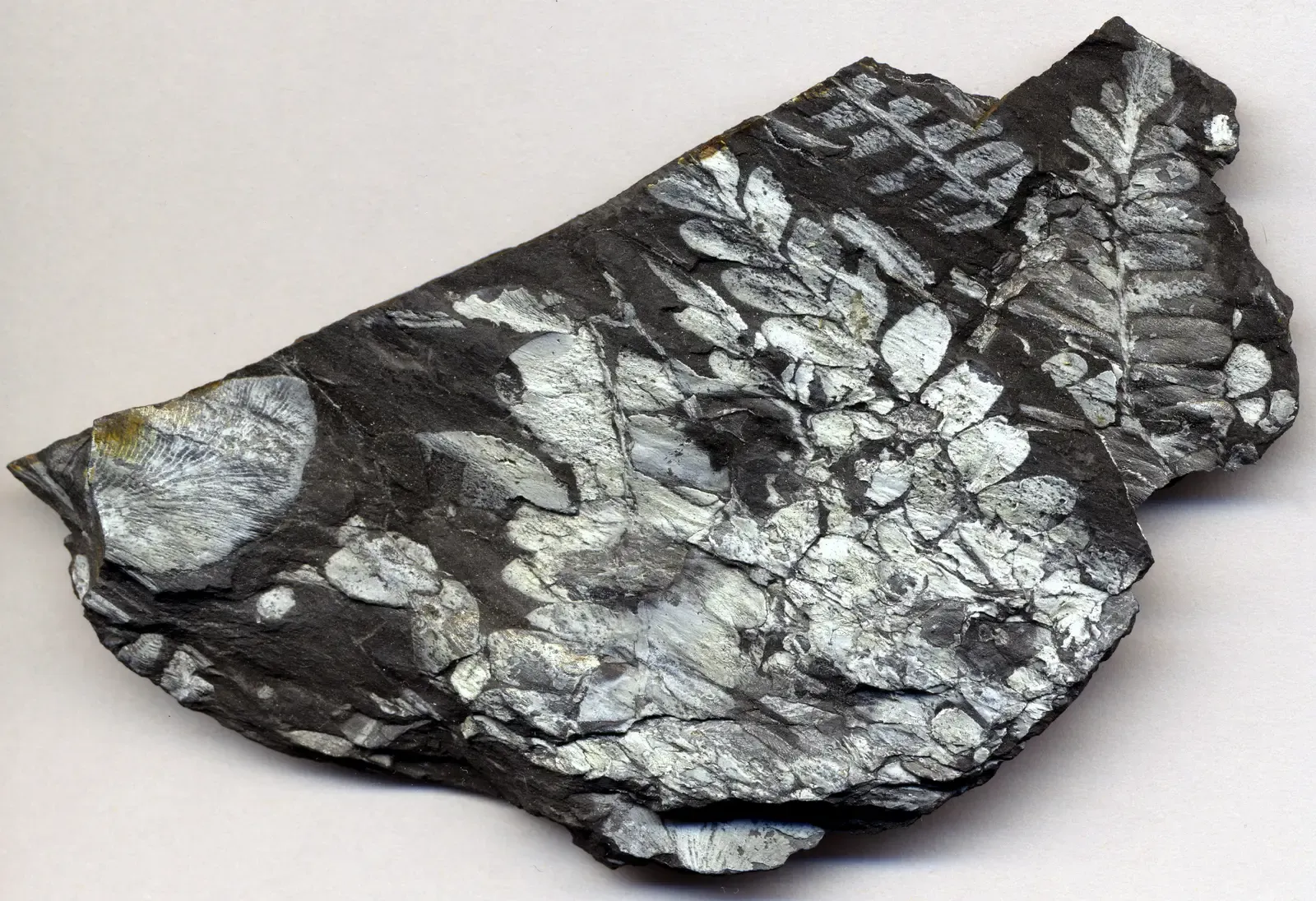
If the Rhynie Chert gives you the early chapter, the Carboniferous Period delivers the full epic novel. Carboniferous coal was produced by bark-bearing trees that grew in vast lowland swamp forests. Vegetation included giant club mosses, tree ferns, great horsetails, and towering trees with strap-shaped leaves. Let’s be real – this was not your local park. This was something closer to a fever dream.
The lycophytes, such as Lepidodendron and Sigillaria, were some of the most iconic plants of this period. These ancient relatives of modern club mosses reached towering heights of up to 30 meters. To put that in perspective, that is about the height of a ten-story building – and these were technically giant mosses. The growth of these forests removed huge amounts of carbon dioxide from the atmosphere, leading to a surplus of oxygen. Atmospheric oxygen levels peaked around 35 percent, compared with 21 percent today. That oxygen surplus had some wild consequences for life on land, including creatures that would stop you dead in your tracks.
Monstrous Creatures and the Plants That Made Them Possible
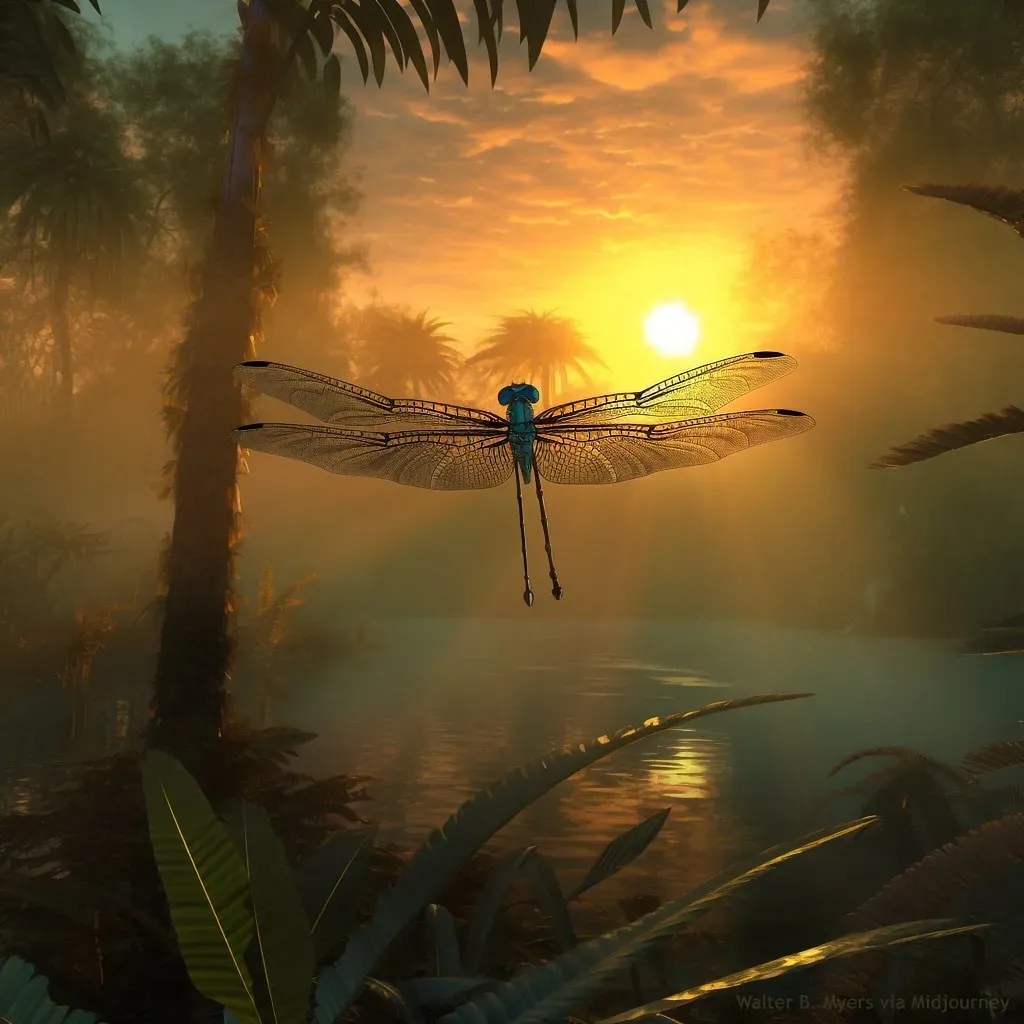
I know it sounds crazy, but some of the most surreal facts about ancient ecosystems involve not just the plants, but the creatures that thrived because of them. The size reached by insects and similar creatures is thought to be limited by the amount of air they are able to breathe. Deadly poisonous centipedes some six feet in length crawled in the company of mammoth cockroaches and scorpions as much as three feet long. The oxygen pouring out of those ancient forests essentially gave arthropods a size upgrade that has never been repeated since.
The first land snails appeared and insects with wings that can’t fold back, such as dragonflies and mayflies, flourished and radiated. These insects, as well as millipedes, scorpions, and spiders became important in the ecosystem. This is worth pausing on. Those ancient forests, preserved today in coal seams and fossil beds, were not quiet, peaceful places. They were buzzing, crawling, and deeply interconnected systems where plants and animals shaped each other in ways still being untangled today.
How Fossilized Plants Are Decoded: The Science Behind the Stones
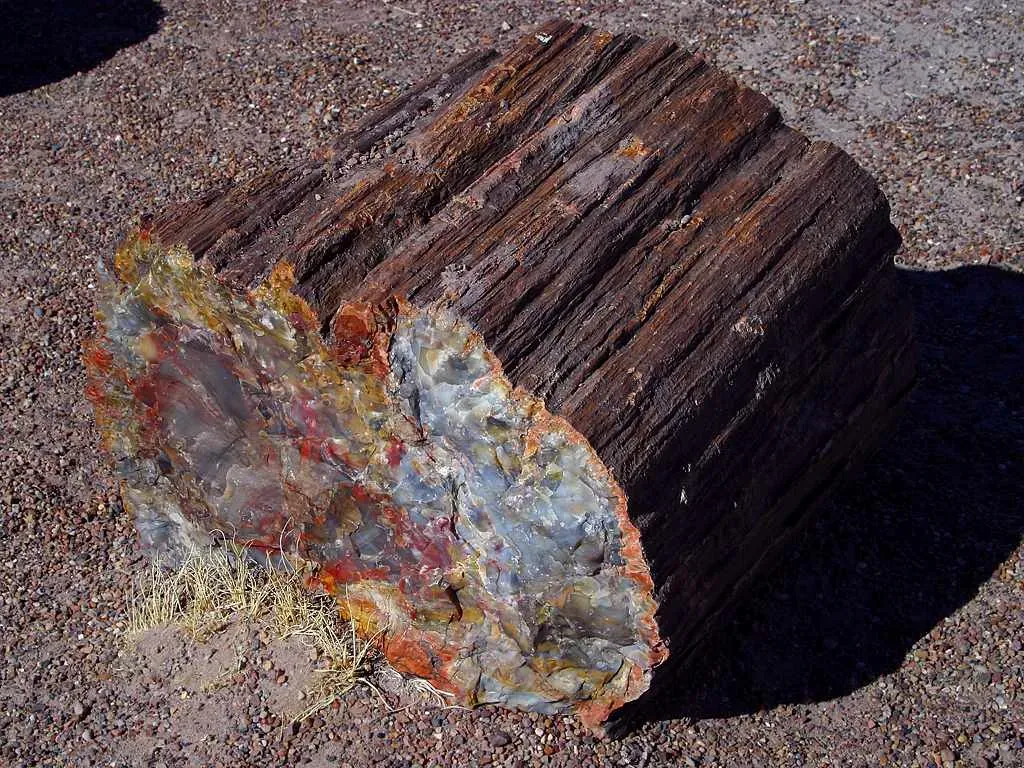
Petrified or permineralized fossils form when plant tissues are gradually replaced by minerals such as silica, calcite, or iron. This process preserves the plant’s cellular structure in exceptional detail, offering a three-dimensional representation. Petrified wood is a well-known example, revealing intricate details about the plant’s anatomy. It’s a bit like nature performing its own version of 3D scanning – one mineral molecule at a time, over millions of years.
By studying these fossils, paleobotanists can answer important questions about how the planet’s climate, landscapes, and ecosystems have changed over geological time. Fossilized pollen, known as palynology, can reveal detailed information about past climates. Pollen grains are highly durable and can survive in the fossil record for millions of years. These microscopic grains are species-specific, meaning they provide evidence of the types of plants that existed during different periods. By analyzing patterns of pollen deposition over time, scientists can reconstruct ancient climates and understand how plants responded to changes in temperature, precipitation, and atmospheric conditions. It’s hard to say for sure just how much data is packed into a single fossilized pollen grain, but scientists are getting closer to answering that question every year.
Conclusion: The Ancient World Was Stranger Than Your Wildest Imagination
The fossil record reveals a pattern of accelerating rates of evolution coupled with increasing diversity and complexity of biological communities that began with the invasion of land and continued with the progressive colonization of the continents. Every fossilized stem, every locked-in spore, every mineralized root system is a breadcrumb from an entirely different version of Earth – one that operated by different rules, under different skies, and with ecological relationships we are only beginning to comprehend.
The plants of the Carboniferous were ecological pioneers. They created the first true forests, shaped the planet’s atmosphere by sequestering carbon, and laid the groundwork for modern terrestrial ecosystems. Many of their evolutionary innovations, from vascular tissues to seeds, continue to influence plant life today. What humbles me most about all of this is that these plants had no blueprint to follow. They figured it out as they went, often with tiny fungal partners in tow. The ancient world was not a simplified version of ours. In many ways, it was more inventive, more extreme, and far more complex. What would you have expected to find growing in those ancient forests?