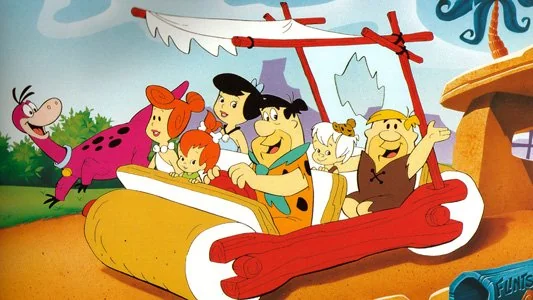
Close your eyes for a second and picture “the Stone Age.” Be honest: did your brain just serve up a stubby guy in a spotted tunic, clunky stone cars, and ribs so huge they tip vehicles over? For a surprising number of people across generations, the mental image of prehistoric life is basically one thing: Bedrock. Even if you have never sat through a full episode, Fred Flintstone and his world have quietly seeped into your cultural wallpaper.
What makes this so wild is that The Flintstones was never meant to be a science lesson. It was a 1960s animated sitcom riffing on suburban America, more about bowling nights and neighbor drama than Neanderthals or fossils. Yet somewhere along the way, a grumpy, shouty quarry worker from a fictional town ended up as the unofficial mascot of prehistory. That gap between cartoon fantasy and scientific reality is where Fred Flintstone’s legacy gets genuinely fascinating.
The accidental “face” of the Stone Age
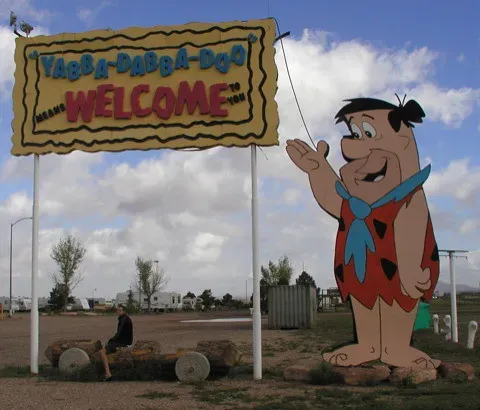
Here is the startling part: when you ask children, and even many adults, to think of cave people, they do not reach for textbook illustrations or museum dioramas first. They jump straight to Fred, Wilma, Barney, and Pebbles. The Flintstones debuted in 1960 as prime-time television’s answer to a live-action family sitcom, but with a prehistoric twist, and that simple gag ended up outlasting most of the live-action shows it was parodying. Over time, Fred stopped being just a character and started functioning as a kind of visual shorthand for “Stone Age” itself.
This happened in part because The Flintstones kept getting recycled into new formats: breakfast cereals, vitamins, video games, toys, commercials, and endless reruns. Even after the original series ended, Bedrock remained on TV screens and grocery shelves year after year, constantly reintroducing itself to the next wave of kids. So, by sheer repetition, the show’s aesthetics and jokes hardened into a default mental template: a Stone Age that looks like mid‑century suburbia, just with more rocks.
Bedrock suburbia: the 1960s in animal skins
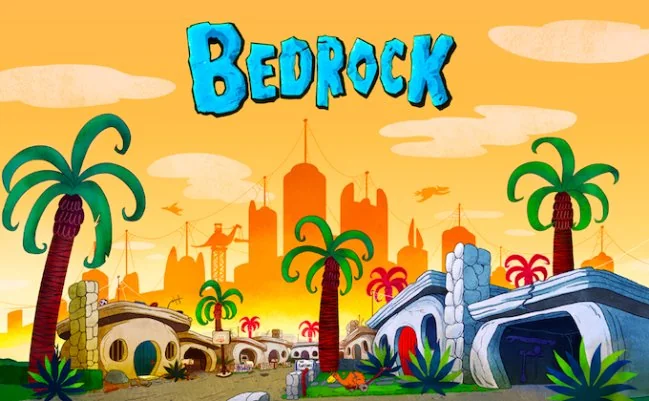
If you strip away the stone houses and pet dinosaur, The Flintstones is really not about prehistory at all. It is about the hopes, annoyances, and habits of a mid‑twentieth‑century, car‑obsessed, bowling‑league America. Bedrock has drive‑ins, traffic jams, golf courses, supermarkets, even a newspaper. Appliances are just animals doing forced labor, but the social world is pure 1960s suburbia. That makes Fred less a caveman and more an everyman in a tunic, a caricature of the blue‑collar dad who loves his job just enough to pay the bills and justify his hobbies.
Because that lifestyle felt familiar and relatable, it also felt strangely authoritative. People absorbed the Stone Age as a gently absurd version of their own world rather than an alien past shaped by different climates, species, and survival pressures. When you grow up seeing characters driving “foot‑powered” stone cars to a bronto‑burger joint, it quietly nudges you toward imagining prehistoric life through a modern consumer lens, just with heavier dishes and more gravel. Bedrock becomes a mirror of 1960s dreams and frustrations, not a window into human evolution.
What science actually says about prehistoric life
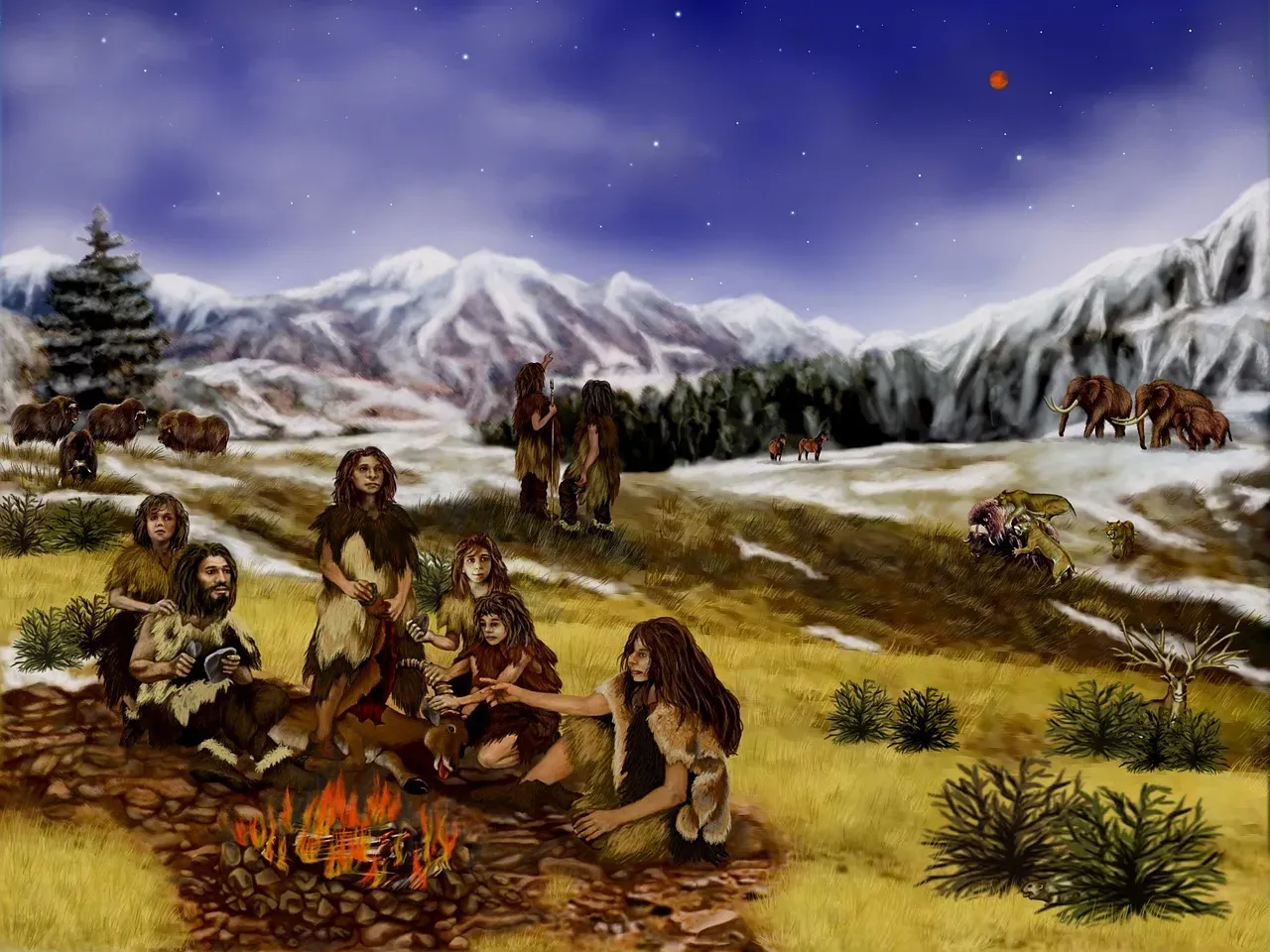
Compared with the cheerful chaos of Bedrock, the real prehistoric world was stranger, harsher, and a lot less tidy. Early humans did not live in neat rows of single‑family stone homes with manicured rock lawns; their living situations ranged from caves to temporary shelters and open‑air camps, shifting as climates and resources changed. Instead of clocking out at five and heading to a bowling alley, people were locked into a constant rhythm of foraging, hunting, sharing, and adapting, where survival, not convenience, drove every decision.
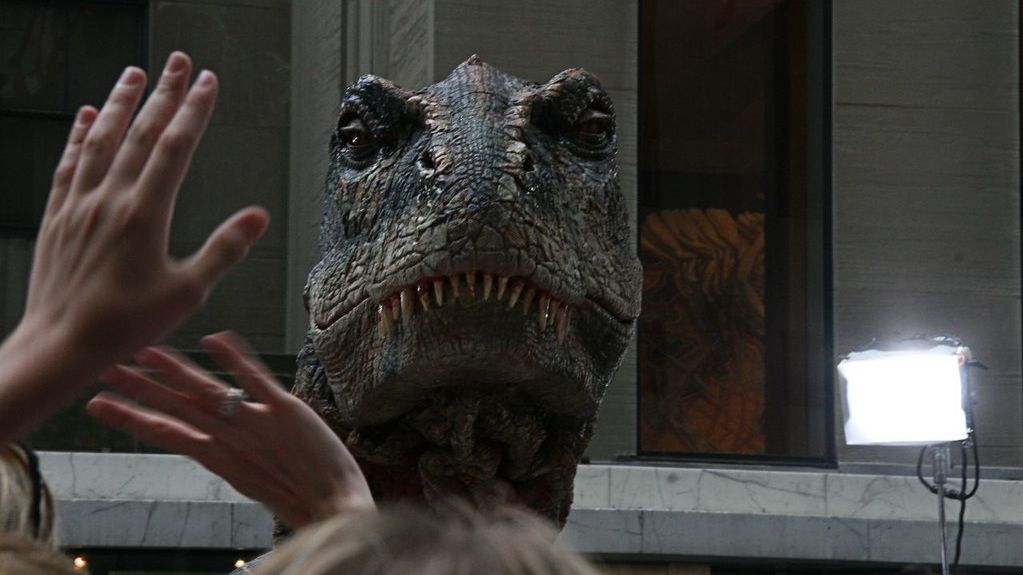
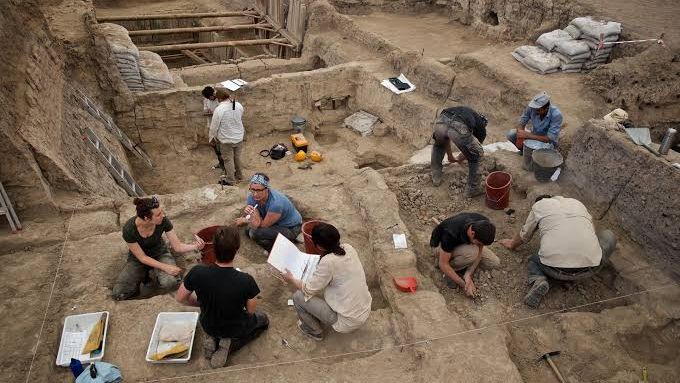
Scientifically, the deep past is also far more diverse in both species and cultures than The Flintstones ever hinted at. Different hominin groups overlapped in time, and their tools, diets, and bodies varied with region and epoch. There were no dinosaurs roaming alongside humans, no stone‑paved freeways, and certainly no household gadgets made from sarcastic prehistoric animals. Evolutionary biologists and archaeologists spend entire careers trying to reconstruct these subtleties from bones, tools, and sediments, and that reality looks more like painstaking detective work than a stone‑age sitcom gag reel.
How cartoons quietly lock in mental images
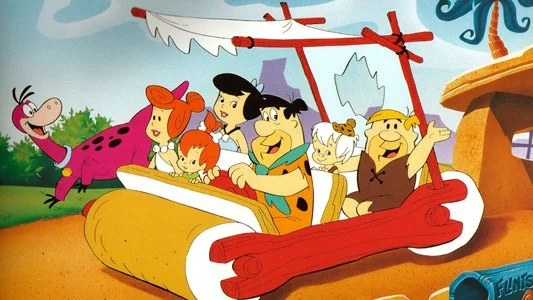
Here is where psychology kicks in: once a vivid image anchors itself in your mind, it is very hard to dislodge, even when you learn new facts. Iconic cartoons like The Flintstones do not just entertain; they provide a ready‑made picture your brain can reuse whenever a topic feels vague or abstract. So when someone mentions “prehistoric times,” it is much easier to summon Fred’s world than to assemble a more accurate, but fuzzier, picture built from scattered facts and museum visits.
This effect shows up in classrooms too. Teachers often have to spend time undoing the dinosaur‑caveman mashups that kids absorb from television, toys, and advertising. And yet, the same cartoons that distort the science can make the subject feel approachable in the first place. It is a strange trade‑off: a show like The Flintstones oversimplifies and scrambles the timeline, but it also sparks a kind of playful curiosity that teachers and science communicators can later redirect toward real fossils, real tools, and real human stories.
Fred as fossil fuel for marketing and nostalgia
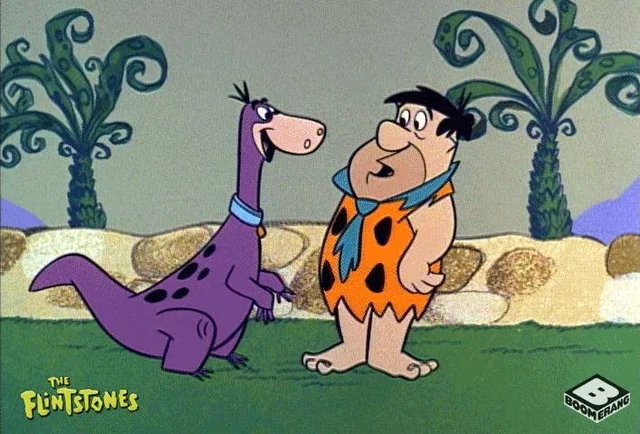
Even if you never became a archaeology nerd, you have probably met Fred Flintstone in the supermarket aisle or in an old commercial. For decades, companies have leaned on Bedrock’s imagery to sell everything from sugary cereal to vitamins, using the character as a symbol of hearty appetite, simple pleasures, and cartoonish strength. That constant exposure keeps Fred alive well beyond the original episodes, turning him into a shared cultural reference you do not really have to “know” in order to recognize.
There is also a powerful nostalgia factor at work. For many adults, The Flintstones is tangled up with memories of childhood TV time, early‑morning cartoons, or the first time they realized animation could be aimed at the whole family, not just kids. When that emotional weight gets attached to a visual style of prehistory, it reinforces the connection in ways that pure scientific explanation rarely can. In practice, that means the cheerful, wrong‑but‑cozy version of the Stone Age often wins the emotional battle against the messier, less cinematic scientific reality.
Reclaiming prehistory without losing the fun
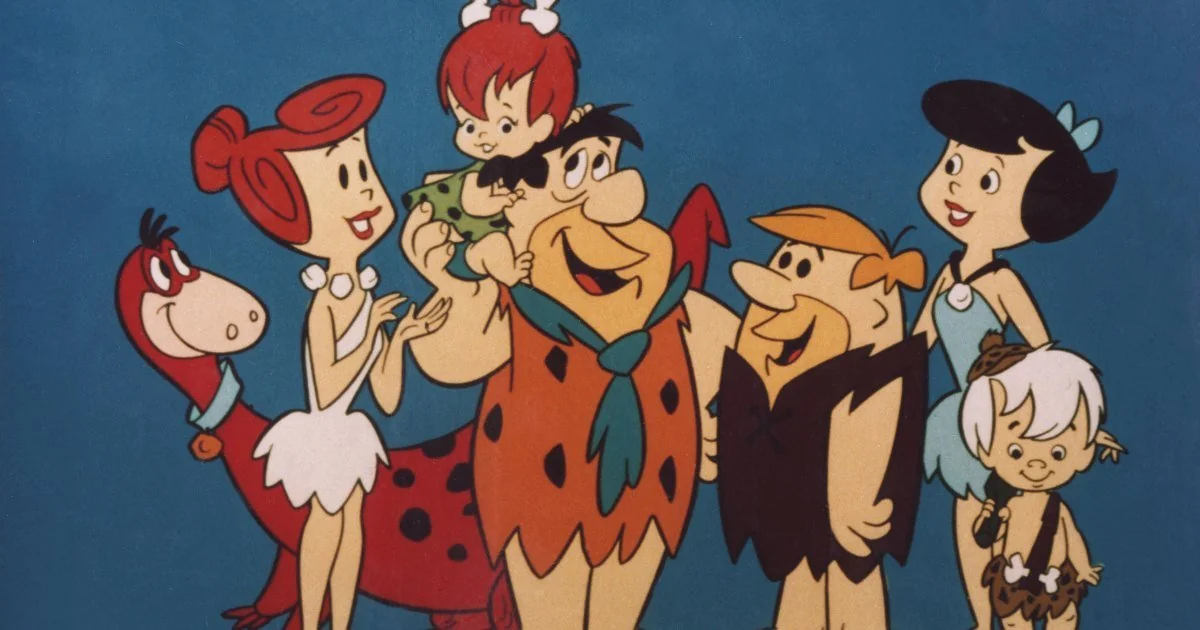
So where does that leave us with Fred Flintstone at this point in history? In my view, his legacy is a mixed but useful one. On the one hand, he has helped lock in some wildly inaccurate ideas about human evolution and the timeline of life on Earth, from dinosaurs coexisting with humans to cavemen living like sitcom dads. On the other hand, his world has made prehistory feel familiar, funny, and emotionally accessible, even for people who will never open a book on archaeology in their lives.
The sweet spot, I think, is to treat The Flintstones the way we treat old maps: charming, revealing of their own time, and absolutely not to scale. We can enjoy the absurdity of stone record players and dinosaur cranes while being clear, especially with kids, that real prehistoric people were more complex, more inventive, and frankly more impressive than any sitcom character. If anything, that contrast raises a bigger question worth sitting with: now that we know better, are we willing to update the pictures in our heads, or will a cartoon caveman keep defining the deep past for generations to come?