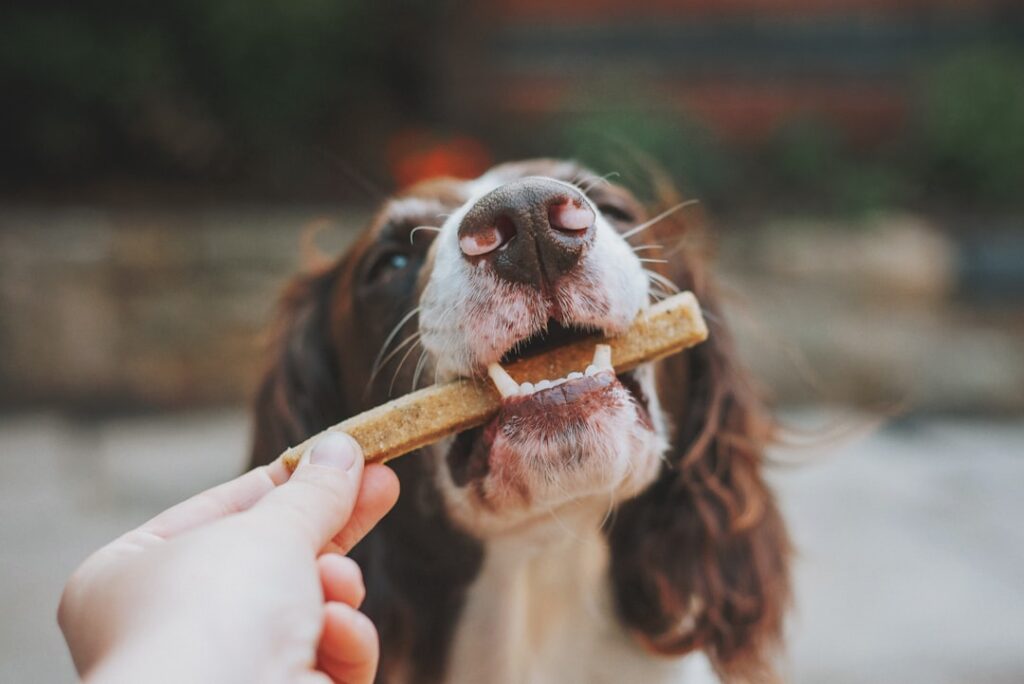
Senior dogs face unique challenges as dental wear and reduced jaw strength alter their enjoyment of everyday rewards.
Over 80% of Dogs Over Three Show Signs of Dental Disease
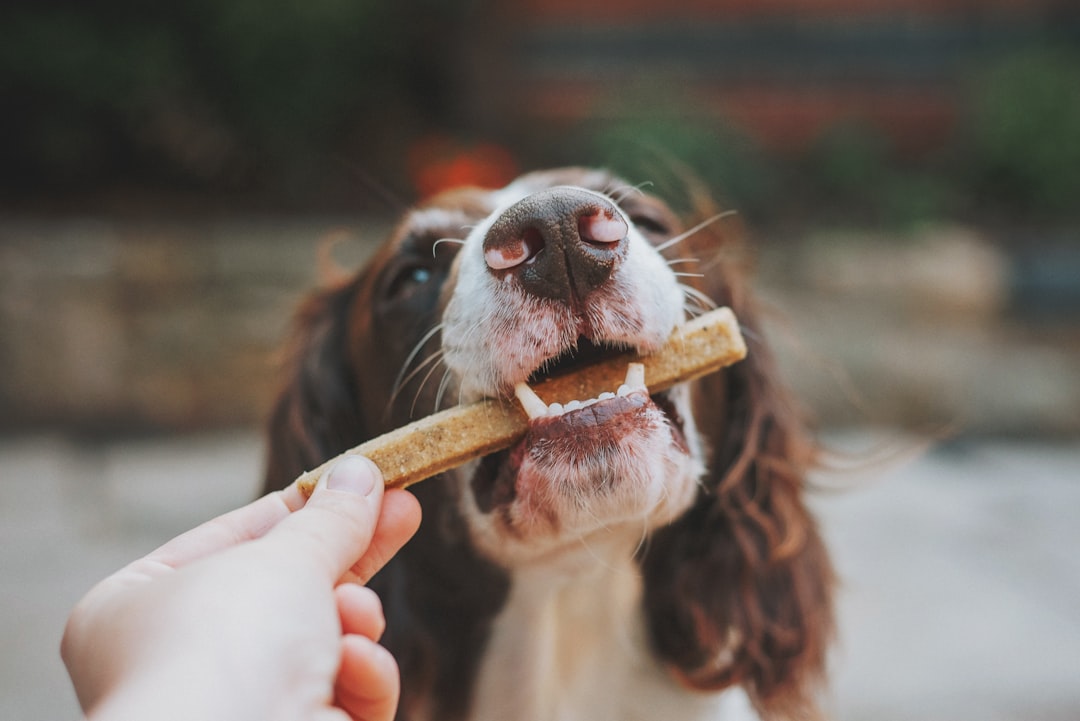
Over 80% of Dogs Over Three Show Signs of Dental Disease (Image Credits: Unsplash)
That statistic underscores a pressing reality for pet owners: periodontal issues affect the vast majority of canines by middle age, intensifying in later years.
Hard chews, once ideal for plaque control in younger dogs, now risk causing pain or injury to fragile teeth and gums. Aging brings physiological shifts, including arthritic jaw limitations and lower energy levels that demand quicker, less strenuous interactions. Soft senior treats emerge as a tailored solution, featuring higher moisture content and lower density for effortless mastication. These products prioritize both comfort and nutrition, often incorporating joint-supporting elements like glucosamine.
Pet owners increasingly seek these gentle options to maintain positive reinforcement without compromise.
Key Features That Define Premium Soft Chews
Premium formulations stand out through careful ingredient selection and texture engineering.
Whole-food bases minimize fillers, while natural binders deliver satisfying feedback minus excessive force. Nutrient profiles extend beyond calories to include omega fatty acids for overall wellness. Evaluation hinges on factors like mastication ease, palatability, and functional benefits.
- Mastication score rates breakdown under light pressure.
- Ingredient transparency avoids digestive slowdowns.
- Appeal ensures enthusiastic consumption.
- Added health boosters target senior-specific needs.
Such treats align seamlessly with broader care routines, enhancing daily bonding.
Soft Treats Versus Traditional Hard Biscuits
Standard biscuits prioritize crunch for shelf stability and young-dog dental abrasion, but they falter for seniors prone to micro-fractures.
A side-by-side look reveals clear distinctions in suitability.
| Feature | Hard Biscuit | Soft Senior Treat |
|---|---|---|
| Moisture Content | Low (<5%) | Higher (15-25%+) |
| Jaw Force Needed | High | Low |
| Best For | Young dogs | Seniors with dental issues |
Life-stage specificity proves essential in pet supplies, much like specialized needs for other animals.
Smooth Transition Strategies for Senior Dogs
Introducing softer options requires gradual steps to avoid digestive upset.
- Consult a veterinarian to match treats with health conditions.
- Start with small daily portions over the first three days.
- Observe for stool changes or behavior shifts in week one.
- Replace hard chews incrementally thereafter.
- Build into routines for stress-free enjoyment.
One case involved a 14-year-old Labrador who regained appetite after switching to warmed, high-moisture treats, highlighting real-world impact.
- Soft treats ease chewing for dogs with periodontal disease.
- Look for moisture-rich, nutrient-dense options.
- Gradual integration maximizes benefits.
Opting for gentle chews transforms treat time from potential ordeal to cherished ritual, bolstering senior dogs’ quality of life. Explore collections like those at Talis Us Dog supplies for vetted choices. What changes have you made for your senior pet? Share in the comments.