Imagine walking outside and realizing the rain is not going to stop next week, or next year, or even in your lifetime. Now scale that unease up to a world where the sky essentially stayed open for around two million years, reshaping oceans, continents, and climate in ways that are honestly hard to picture. Yet, according to modern geology, something surprisingly close to that happened on the early Earth, and life not only endured this planetary flood, it may have used it as a springboard to evolve.
This is one of those stories where deep time makes our everyday dramas feel very small, but in a weirdly comforting way. The idea that our planet went through a near-endless storm and still managed to nurture life says something powerful about resilience, randomness, and what it really takes to wipe the slate clean. Let’s unpack what “two million years of rain” actually means, how scientists infer it from rocks, and why the fact that life survived should make you look at both Earth and yourself a little differently.
What scientists actually mean by “two million years of rain”
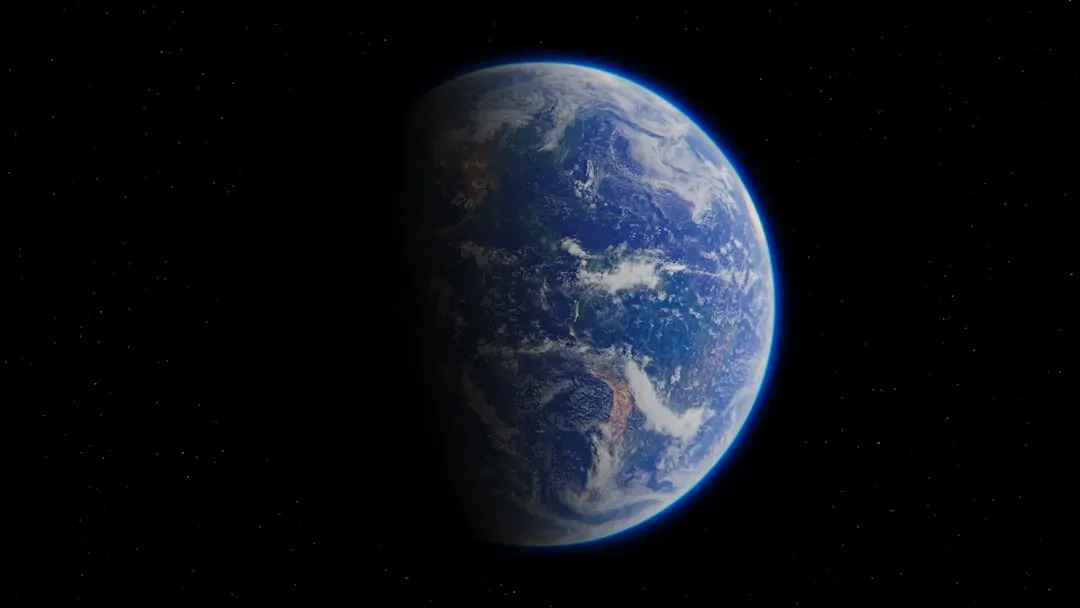
The phrase sounds like a dramatic movie tagline, but in geological terms it points to a long interval when Earth’s atmosphere and surface were dominated by intense, persistent rainfall on a global or near‑global scale. We’re talking about a world fresh from violent impacts, with oceans of magma cooling, steam‑choked skies condensing, and water vapor cycling out of the atmosphere in huge, sustained downpours. It was less like a modern stormy season and more like a drawn‑out planetary phase transition from a hot, steamy world into one with stable oceans.
Geologists often connect this kind of scenario to the late heavy bombardment and early Archean eons, when incoming asteroids and internal volcanism kept pumping heat and gases into the air. During that time, water vapor levels would have been enormous, and once the upper atmosphere cooled enough, rain would fall again and again in a kind of geologic‑scale feedback loop. So when you hear “it rained for two million years,” think of it as shorthand for an era when rain was overwhelmingly frequent and dominant, not a hyper‑literal forecast where every square meter of Earth got nonstop drizzle every second.
How rocks, isotopes, and ancient surfaces tell a rainy story
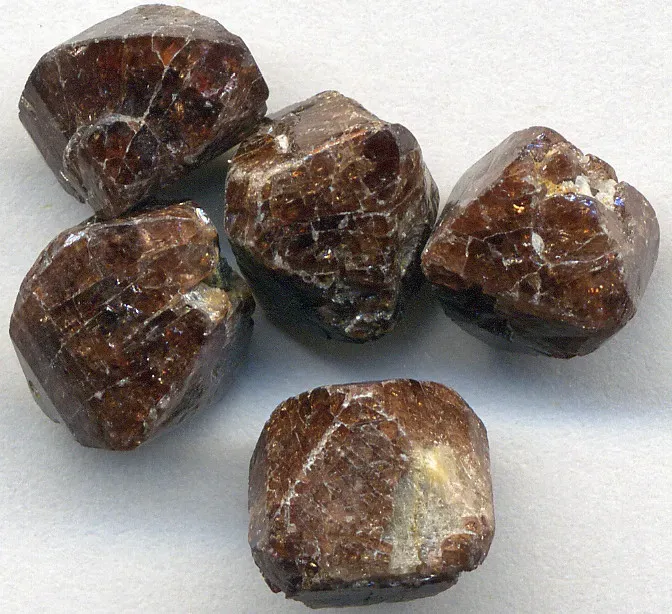
No one was around to film those primeval skies, so the case for this mega‑rainy period comes from some pretty clever detective work in the rocks. Geologists look at ancient zircons, sedimentary layers, and the chemistry of oxygen and hydrogen isotopes to infer when stable liquid water was present at the surface. Certain patterns in these isotopes are easier to explain if the planet had a thick, moist atmosphere that repeatedly condensed and rained out over incredibly long timescales. It’s like reading the ghost of an ancient climate in the way atoms are arranged.
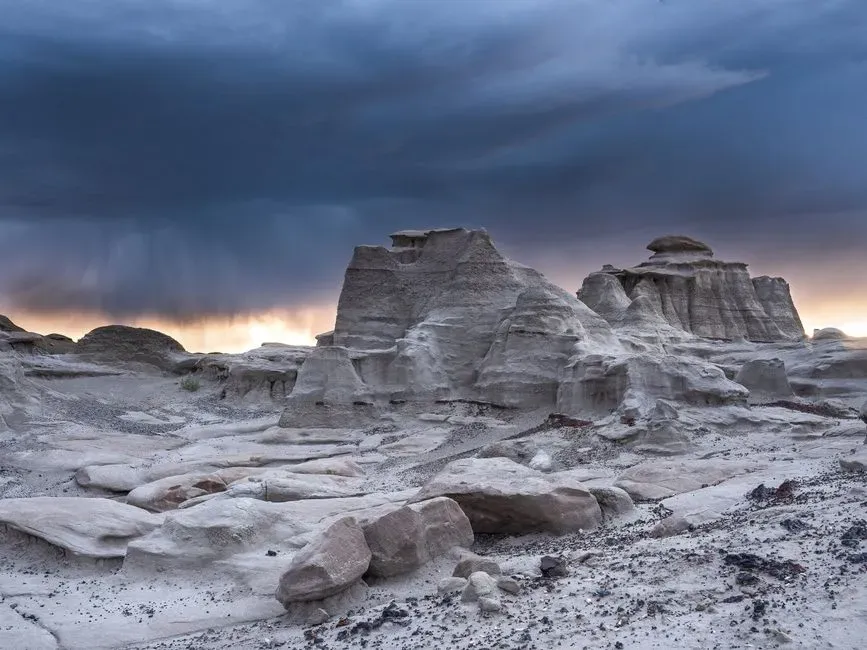
On top of that, the structure of the oldest preserved crust hints at powerful water‑driven erosion and reworking, even in an era when plate tectonics might have behaved differently than today. Instead of neat beach sands, you often see heavily altered rocks that have been cooked, drenched, and reshaped multiple times. This suggests an active hydrological cycle: evaporation from hot surfaces, massive clouds, relentless rain, runoff, and cycling back again. Those patterns fit a planet enduring something far more prolonged and intense than a bad monsoon season.
Why the early Earth was primed for a planet‑wide deluge
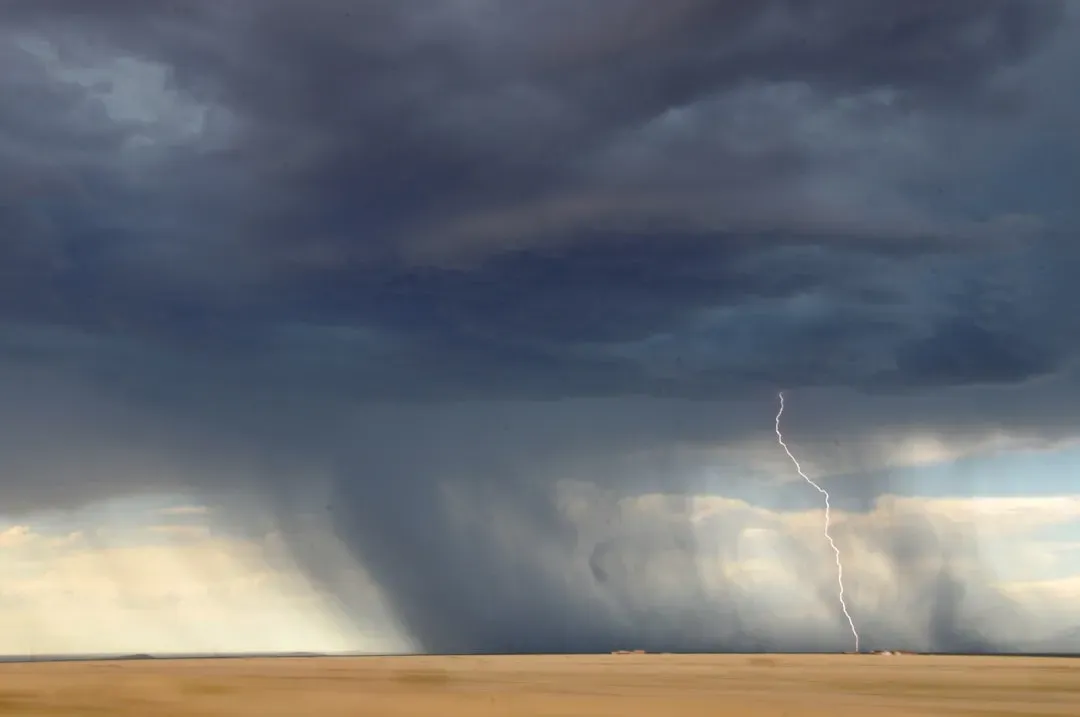
If you strip away the romance, that endless rain was really just physics doing its thing under extreme conditions. Early Earth held far more internal heat, had a still‑forming crust, and was bombarded by comets and asteroids rich in water and volatiles. Massive impacts could vaporize oceans and throw water back into the atmosphere as steam, which would then cool and fall out as rain, only to be reheated and recirculated. This repeating cycle would have turned the entire surface into a dynamic, wet laboratory.
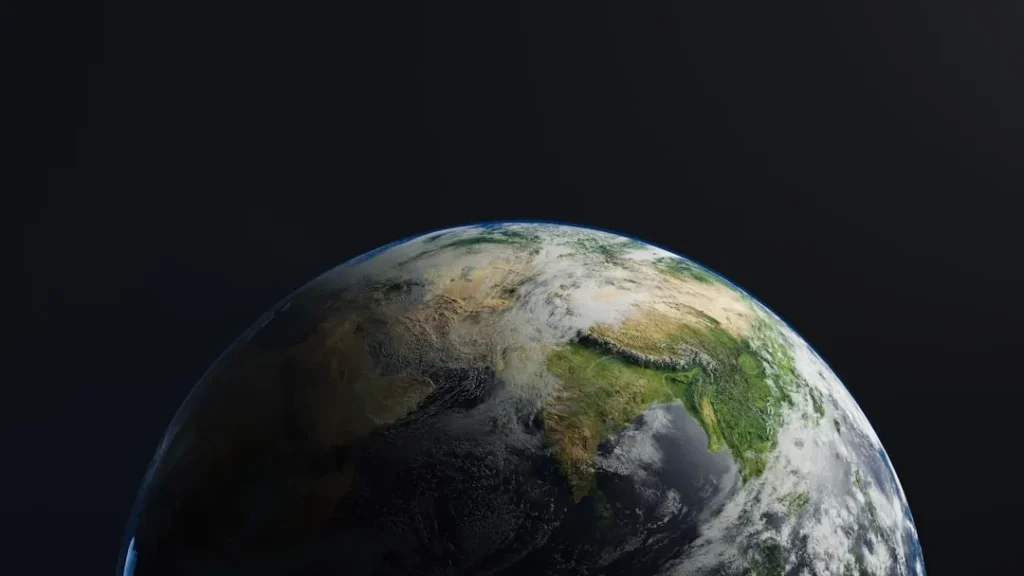
The atmosphere itself was likely thick with carbon dioxide, water vapor, and other greenhouse gases, creating a pressure cooker where clouds formed easily and often. In that environment, once condensation started, you were not going to get the kind of quick, neat storm fronts we track on weather apps today. Instead, you had vast storm systems and frequent downpours across enormous regions, maybe punctuated by short, hellishly hot breaks. From a distance, early Earth would have looked less like the blue marble we know and more like a steaming, cloud‑wrapped orb going through an extended, chaotic detox.
Life’s surprising toughness in a soaking, unstable world
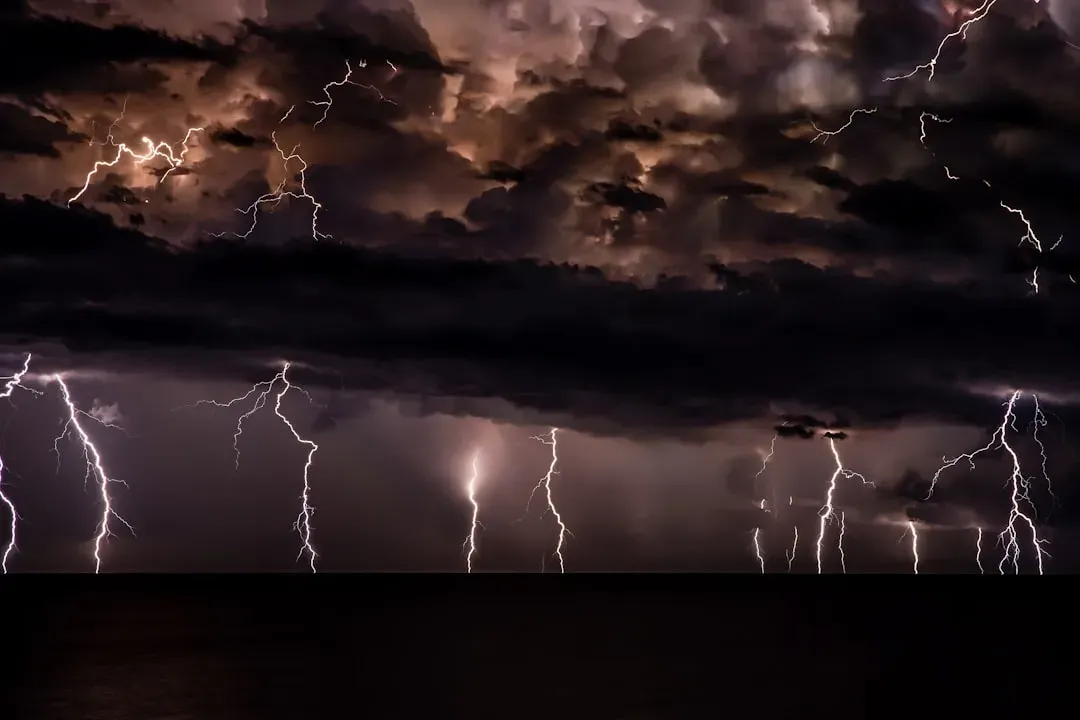
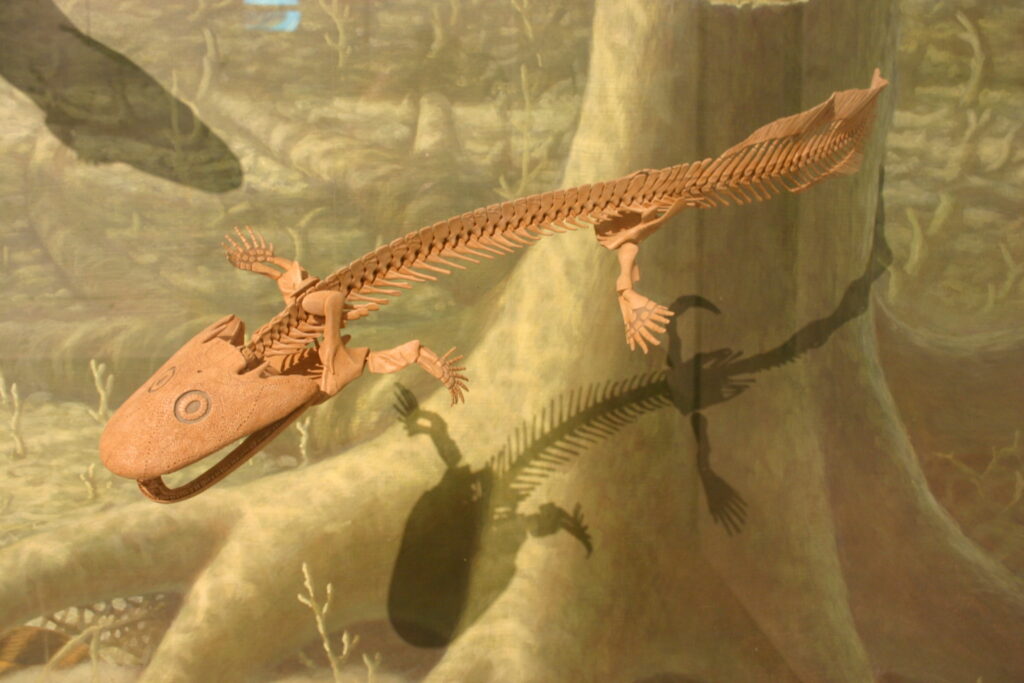
The really wild part is not that Earth rained itself into having oceans, but that life somehow emerged and persisted in that chaos. Early life did not have the luxury of stable continents, gentle climates, and predictable seasons. Instead, whatever tiny cells or precursors existed had to cope with rapid flooding, intense UV radiation during breaks in cloud cover, fluctuating temperatures, and chemistry that was constantly being stirred and reset. What sounds like a nightmare for us was simply the background setting for them.
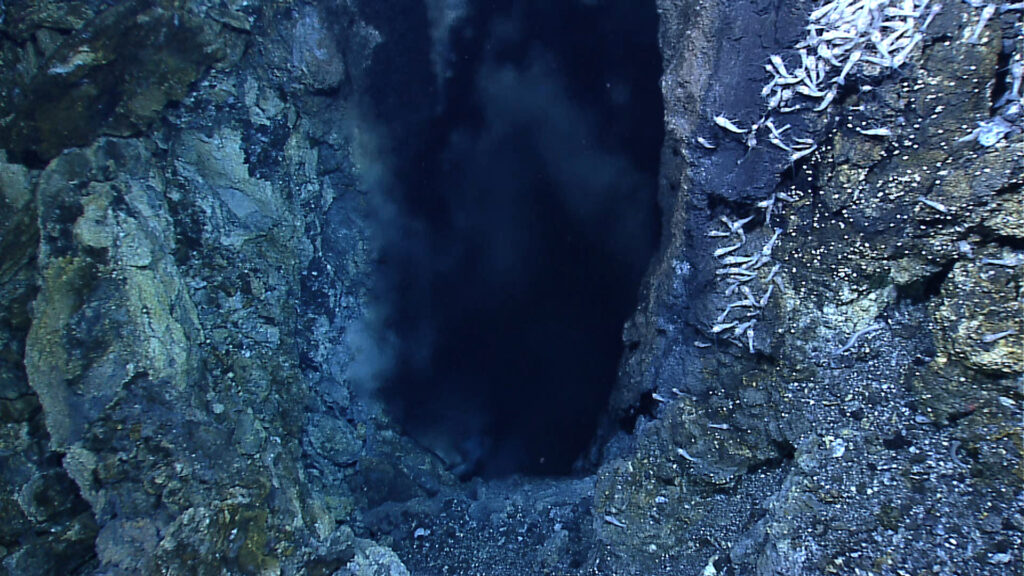
Yet that constant disturbance may have actually helped instead of hurt. Life thrives on gradients: differences in temperature, chemistry, and energy that can be tapped to power reactions. Endless rain created physical and chemical gradients everywhere, from fresh runoff mixing with salty proto‑oceans to hot springs being cooled and diluted. In that sense, the stormy world did not merely try to drown life; it also kept feeding it new combinations of ingredients and new niches to experiment with. That tough‑love environment likely filtered out fragile chemistries and rewarded only what could bend without breaking.
How nonstop rain reshaped continents, oceans, and climate
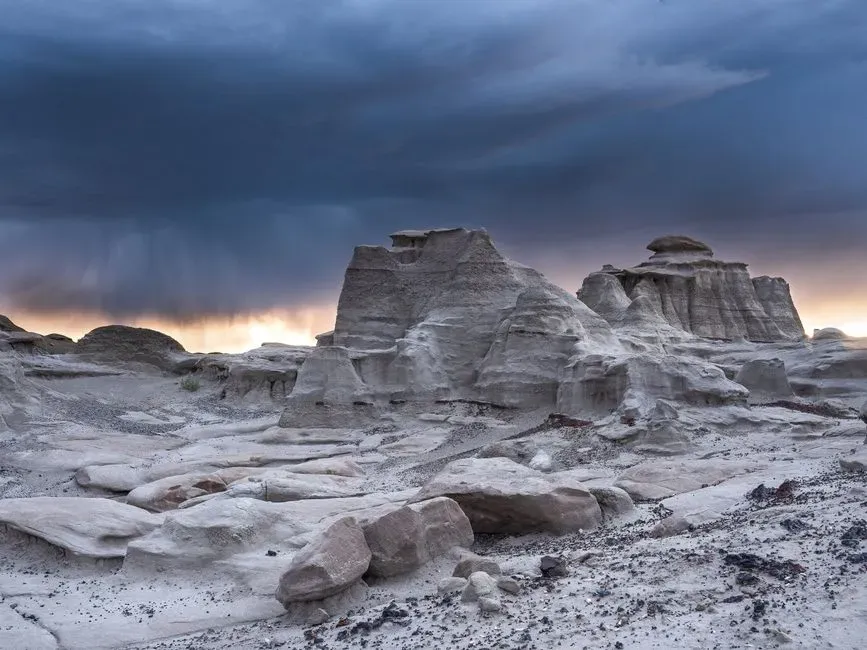
When you let rain carve away at rock for a few years, you get gullies and streams. Give it a few million years on a soft, still‑forming crust, and you get entire landscapes transformed. Continuous or near‑continuous rainfall would have eroded high ground, filled low areas, and helped create the first long‑lived oceans and basins. It would also have leached chemicals out of rocks, pouring minerals, metals, and nutrients into the water in huge pulses. The result was a planet constantly smoothing itself out and enriching its seas.
That erosion and transport also shaped the climate over time. As rainfalls reacted with volcanic rocks, they would have drawn certain gases out of the atmosphere and locked them into minerals, gradually changing greenhouse levels. Meanwhile, newly formed oceans acted like giant thermal and chemical buffers, storing heat and dissolving gases. This feedback loop between rock, water, and air meant that heavy rainfall was not just a passive consequence of early conditions; it was an active player in steering Earth toward a more stable, life‑friendly state, even if it did so in a messy, uncertain way.
What “two million years of rain” teaches us about mass extinctions
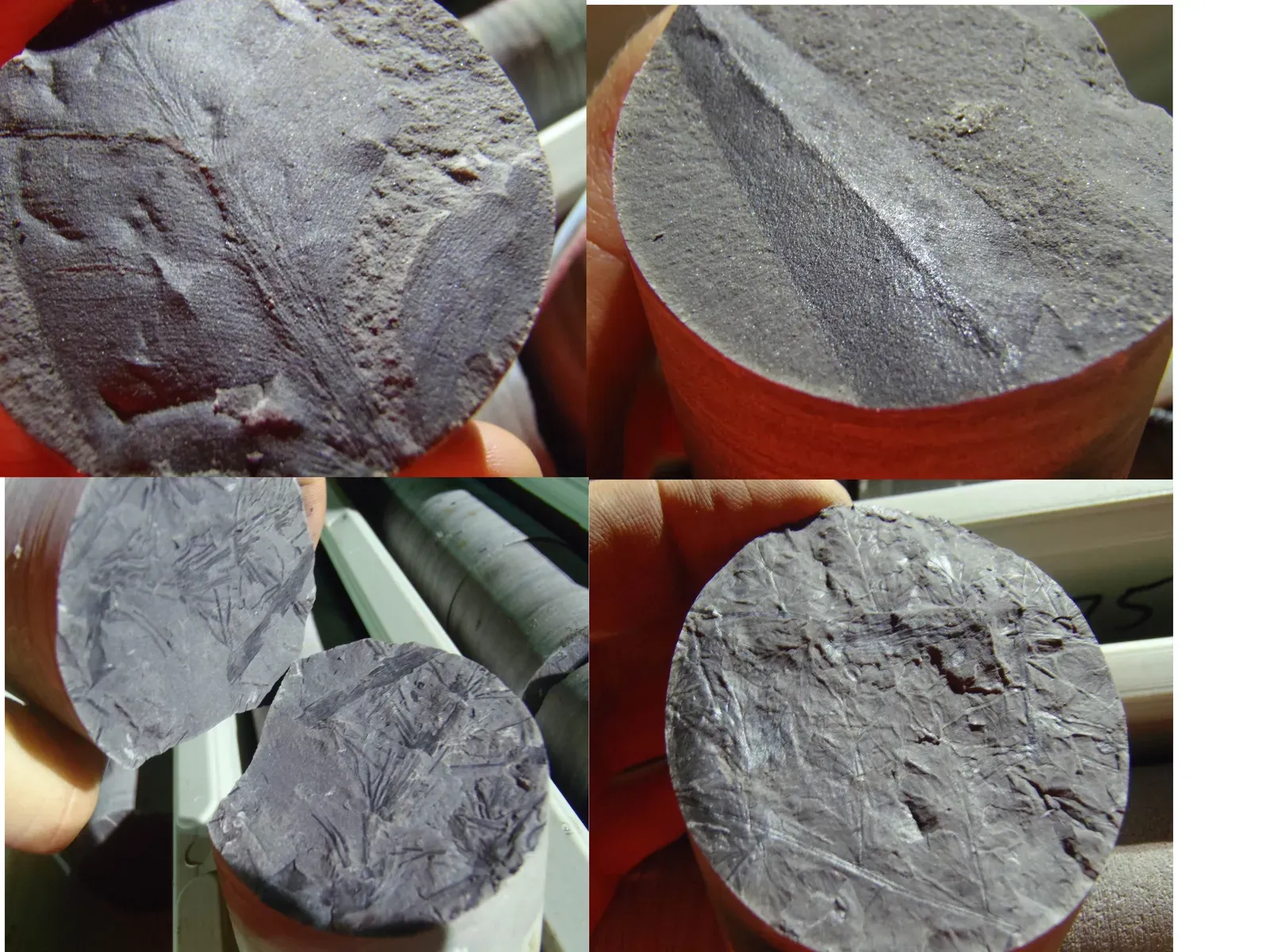
There is a common assumption that anything extreme and long‑lived must be fatal to life, but the early Earth’s rain saga undercuts that instinct. Here was a truly epic environmental upheaval, yet instead of wiping the slate totally clean, it likely helped set the stage for biology to stabilize and diversify. That does not mean every organism survived; countless fragile forms probably vanished without a trace. But as a system, life proved hard to kill. The lesson is that global catastrophe and global sterilization are not the same thing.
When we look later in Earth history at true mass extinctions, like the great dying at the end of the Permian, we see similar patterns: massive environmental shocks that almost but not quite erase complex ecosystems. The early mega‑rain period is like the original version of that story, only happening when life was still simple and microscopic. It underlines a sobering reality: the planet can experience changes that feel apocalyptic on any human scale, but from geology’s perspective they are just brutal filters, not absolute ends. That perspective can be both unsettling and oddly grounding.
Why this ancient storm matters for climate anxiety today
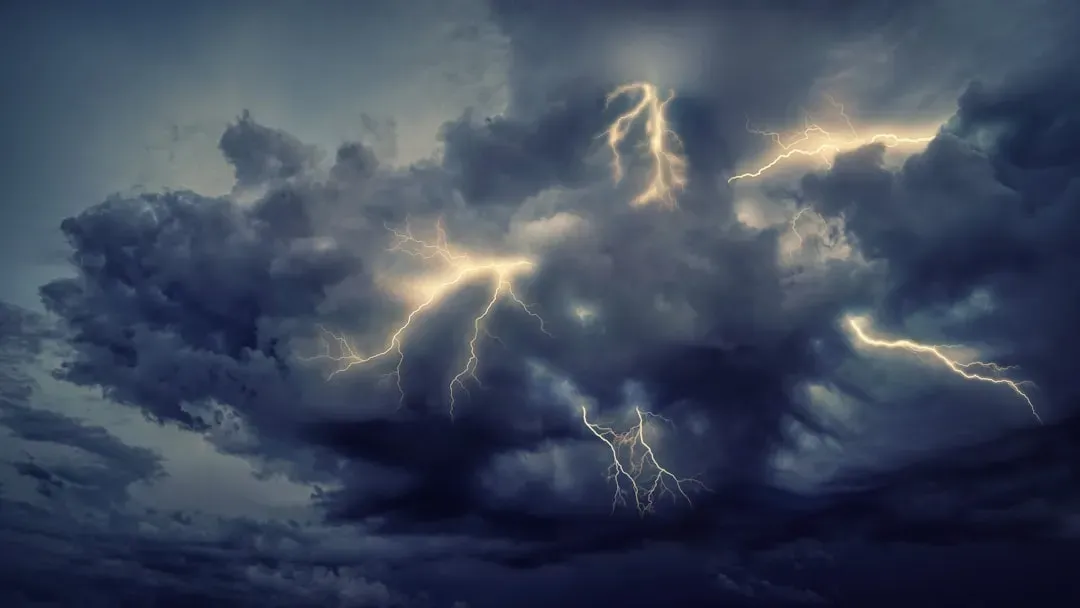
Hearing that Earth once endured a rain‑soaked epoch for around two million years can tempt people into a fatalistic shrug: if the planet survived that, why worry about modern climate change? That, in my view, is exactly the wrong takeaway. Yes, the planet as a rock‑and‑water system is extremely resilient, but our societies, crops, coastlines, and infrastructure are not microorganisms clinging to a hot shoreline. The fact that life, in some form, survived almost anything does not mean human civilization can casually ride out any storm we create.
What the mega‑rain story really shows is that Earth is willing to reinvent itself in ways that are dramatic, slow, and completely indifferent to who happens to be living there. If we destabilize today’s climate, the planet will eventually settle into a new equilibrium, just as it did back then, but there is no guarantee that equilibrium will be convenient for us. To me, that is the sharp edge of the lesson: resilience at the planetary and microbial level does not erase vulnerability at the human level. The rocks have time; we do not.
Opinionated conclusion: a planet that refuses to quit, and what that asks of us
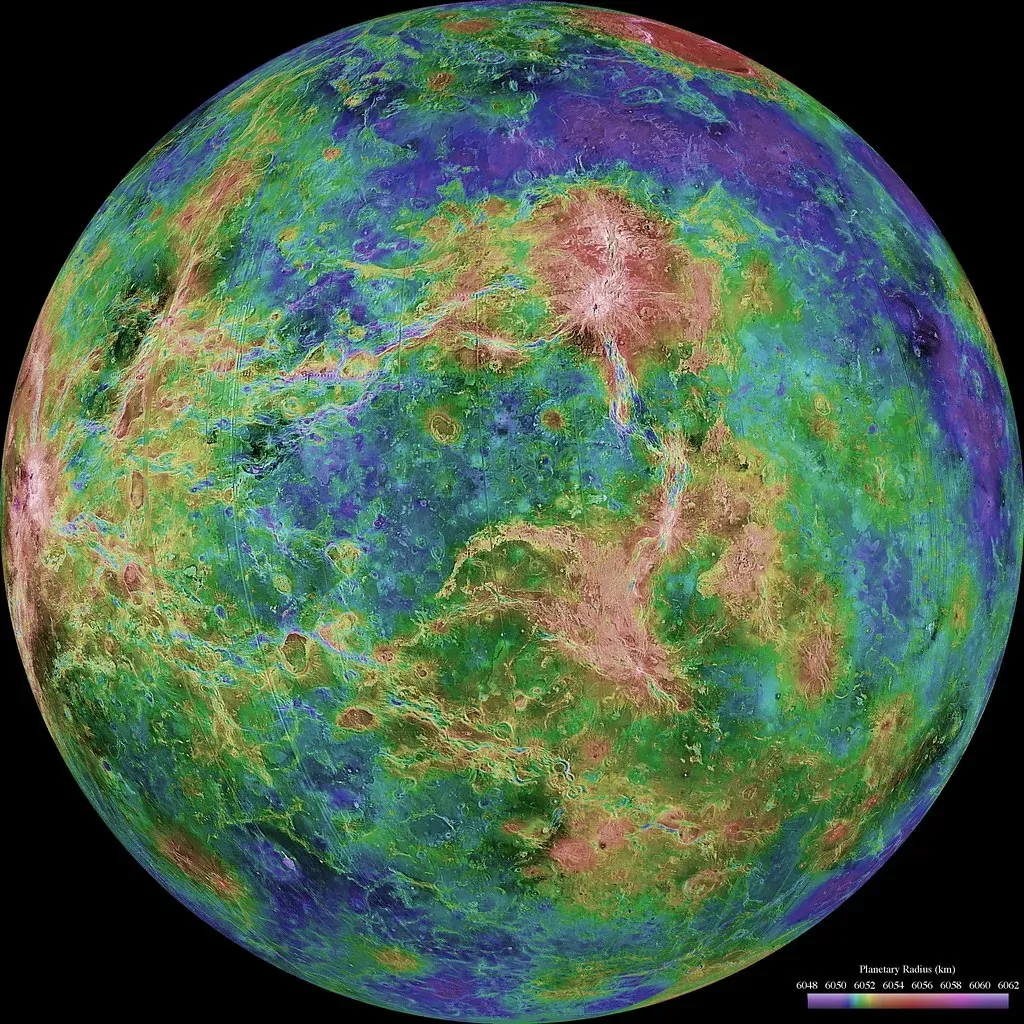
When I think about the idea that it may have rained, in one form or another, for roughly two million years and life still found a way, I do not come away feeling comforted so much as challenged. This is a world that shrugs at conditions we would call impossible and quietly grows chemistry into biology anyway. It is hard not to see a kind of ruthless optimism in that: the sense that as long as there is energy, water, and time, something living will try again. That attitude from the planet is inspiring, but it is also a mirror we do not always like to look into.
My take is that this story should push us in two directions at once. On one hand, it invites humility: we are temporary guests on a world that has survived cataclysms far beyond our nightmares. On the other hand, it demands responsibility: because we now understand that extreme shifts can and do happen, and we have the power to trigger smaller echoes of them through our own choices. The early endless rain shows that life as a whole is tenacious, but it says nothing about whether our particular chapter gets a long run. Knowing that, what kind of ancestors do we want to be before the next great storm, literal or metaphorical, rewrites the script again?