The Houston Museum of Natural Science stands as one of the city’s crown jewels, attracting millions of visitors each year with its impressive collections and exhibits. Among its most captivating attractions are the magnificent dinosaur fossils that transport visitors back to the Mesozoic Era when these magnificent creatures dominated Earth’s landscapes. From towering predators to armored herbivores, the museum’s paleontology hall offers an unparalleled journey through prehistoric time. This comprehensive guide explores the must-see dinosaur exhibits, the scientific significance of these specimens, and the educational experiences that make the Houston Museum of Natural Science a world-class destination for dinosaur enthusiasts of all ages.
The Morian Hall of Paleontology: A Prehistoric Wonderland
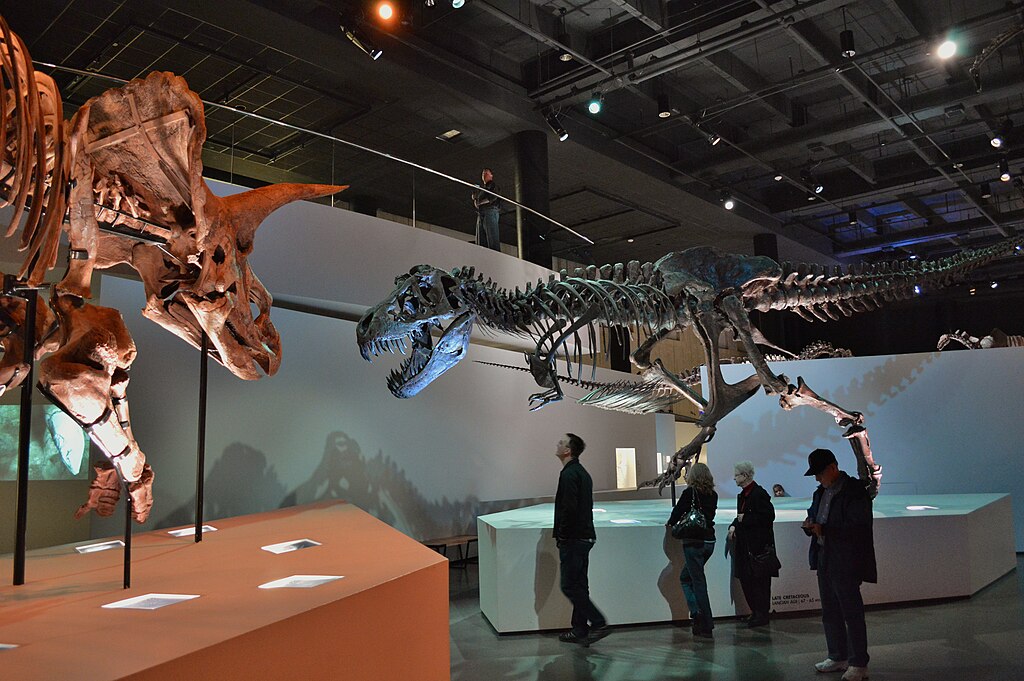
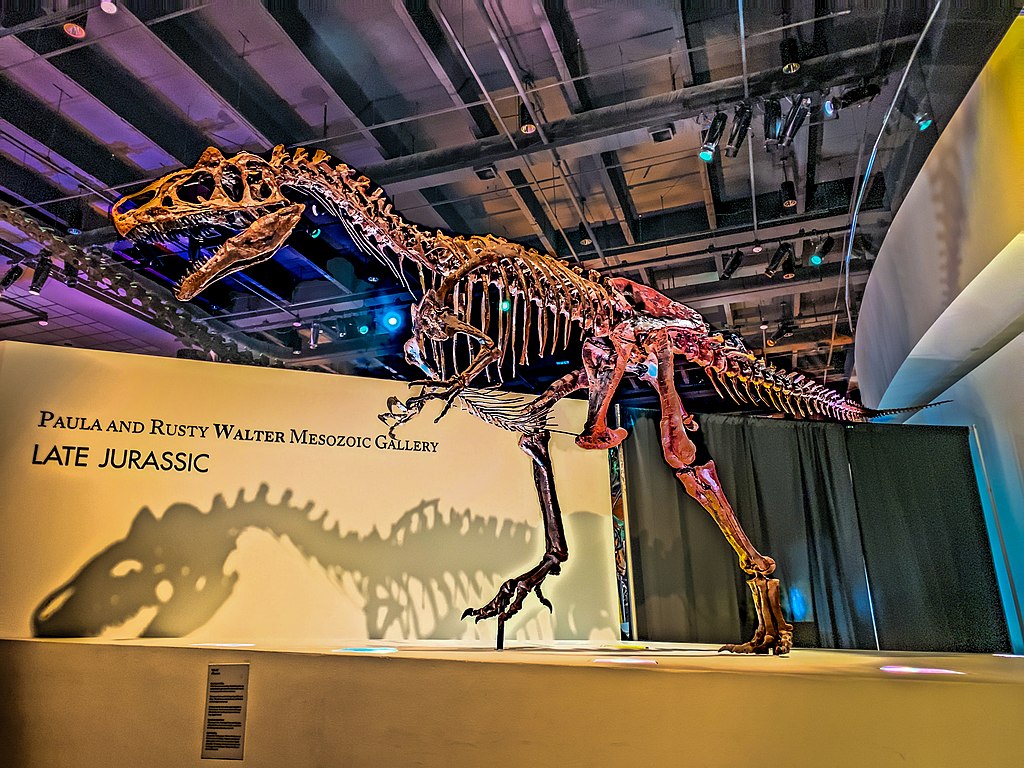
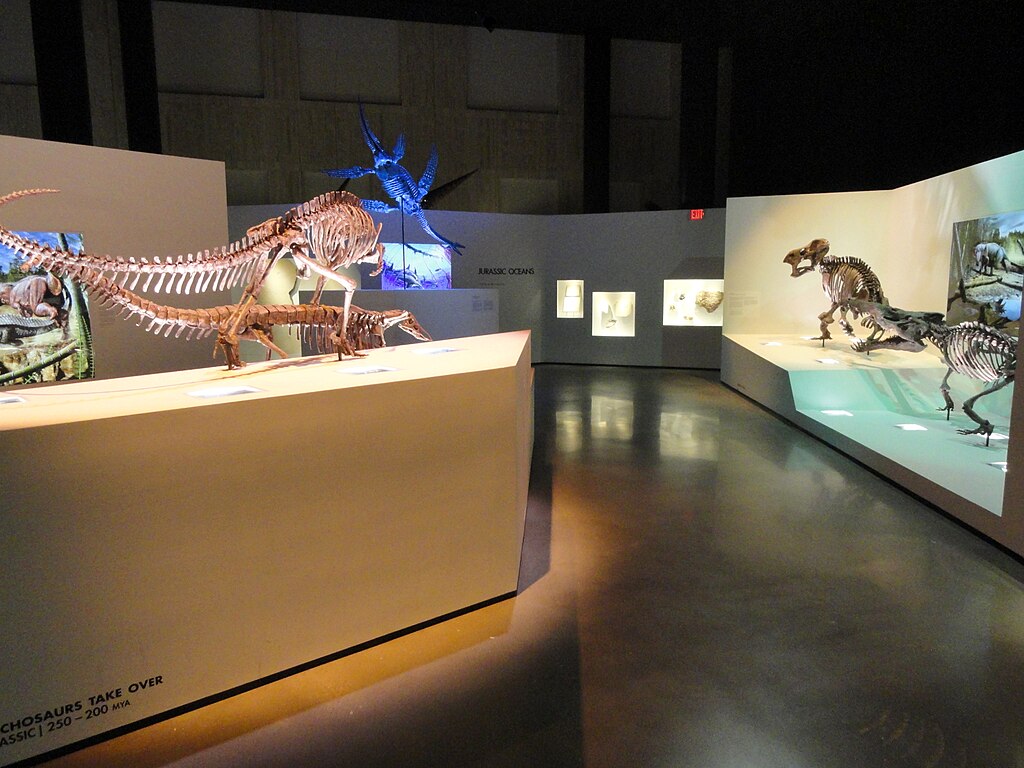
Spanning over 30,000 square feet, the Morian Hall of Paleontology represents one of North America’s largest and most innovative dinosaur exhibitions. Unlike traditional paleontology displays where specimens stand in static poses, this revolutionary hall presents dinosaurs in dynamic, action-packed scenarios that reflect current scientific understanding of their behavior. Visitors witness predator-prey relationships, hunting techniques, and defensive postures as they would have occurred millions of years ago. The hall’s chronological arrangement guides visitors through the entire evolutionary history of life on Earth, from primitive marine organisms to the rise and fall of the dinosaurs, culminating with the emergence of mammals. This comprehensive approach provides context for understanding not just what dinosaurs looked like, but how they lived, interacted, and ultimately disappeared from our planet.
The Fearsome Tyrannosaurus Rex
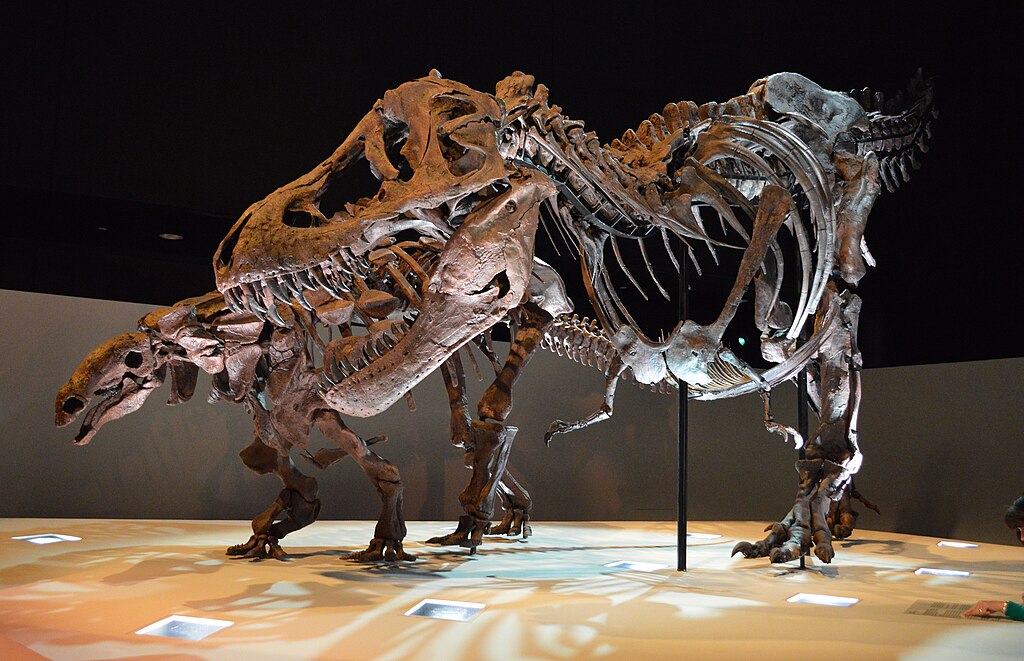
Commanding attention at the center of the museum’s Cretaceous display stands a complete Tyrannosaurus rex skeleton, captured in a dramatic hunting pose that showcases this apex predator’s lethal capabilities. Standing approximately 12 feet tall at the hip and measuring nearly 40 feet from nose to tail, this specimen exemplifies why T. rex remains the most iconic dinosaur in popular culture. Visitors can observe the massive skull with its bone-crushing teeth, some reaching lengths of over 12 inches, designed to deliver devastating bites with a force estimated at several thousand pounds of pressure. The museum’s specimen reveals fascinating anatomical details, including the relatively small forelimbs that have puzzled scientists for generations and the powerful hind limbs that enabled this seven-ton predator to pursue prey with surprising agility. Educational panels surrounding the display explain how paleontologists have used this skeleton to understand T. rex’s hunting strategies, growth patterns, and ecological role in the Late Cretaceous ecosystem.
Quetzalcoatlus: The Largest Flying Creature
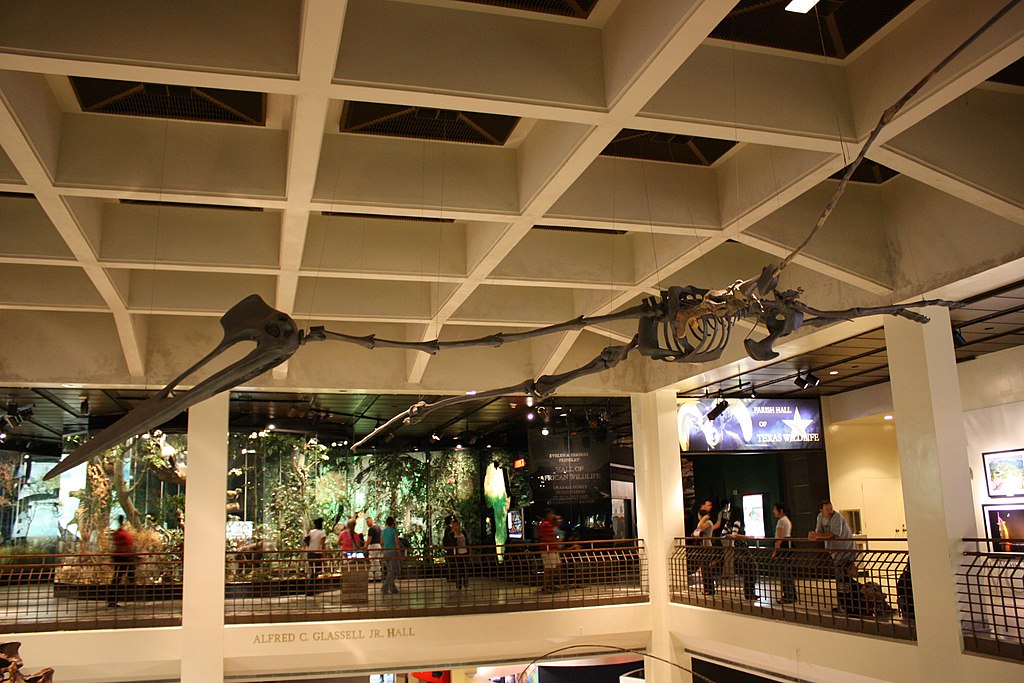
One of the museum’s most spectacular installations features Quetzalcoatlus northropi, the largest flying animal ever discovered. Named after the Aztec feathered serpent deity Quetzalcoatl, this pterosaur boasted an astonishing wingspan of up to 36 feet—roughly the size of a small airplane. The Houston museum’s specimen is particularly significant as Quetzalcoatlus fossils were discovered in Texas’s Big Bend National Park, making this a truly local prehistoric celebrity. Suspended dramatically from the ceiling, the specimen demonstrates how this massive creature could launch itself into flight despite its enormous size. The exhibit includes detailed information about Quetzalcoatlus’s unique hollow bones, specialized wing structure, and feeding habits that likely involved stalking prey on foot before taking to the air. Paleontologists believe these giant pterosaurs may have fed like modern storks, wading through shallow waters or walking across plains to capture small animals, fish, and even baby dinosaurs.
Triceratops: The Three-Horned Wonder
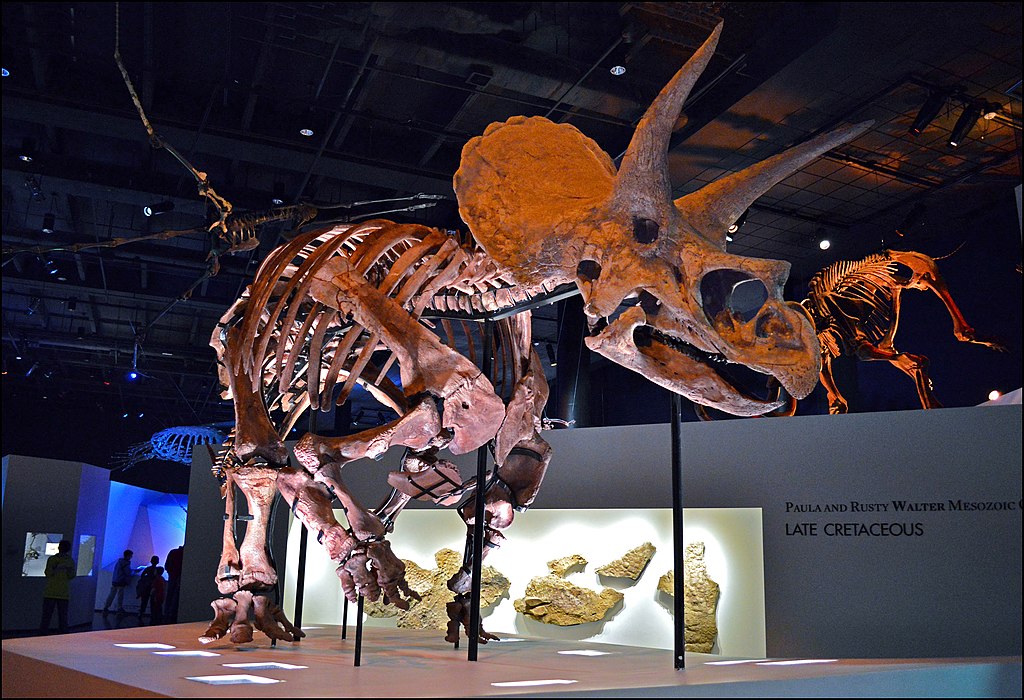
The museum’s magnificent Triceratops specimen offers visitors an up-close encounter with one of the most recognizable dinosaurs from the Late Cretaceous period. This herbivorous giant, weighing approximately 12,000 pounds in life, is displayed with its signature three-horn arrangement and massive bony frill prominently featured. The exhibit illustrates how these distinctive features likely served multiple purposes—the horns providing defense against predators like Tyrannosaurus rex, while the frill may have functioned as both protective armor and a display structure for attracting mates. Careful examination of the skeleton reveals evidence of healed injuries, suggesting this individual survived violent encounters during its lifetime. The museum’s presentation places Triceratops in its ecological context, explaining how these dinosaurs lived in herds and used their powerful beaked mouths to process tough plant material that dominated the prehistoric landscape. Interactive displays near the specimen allow visitors to explore how Triceratops evolved from earlier ceratopsian dinosaurs through the process of natural selection.
Diplodocus: The Long-Necked Giant
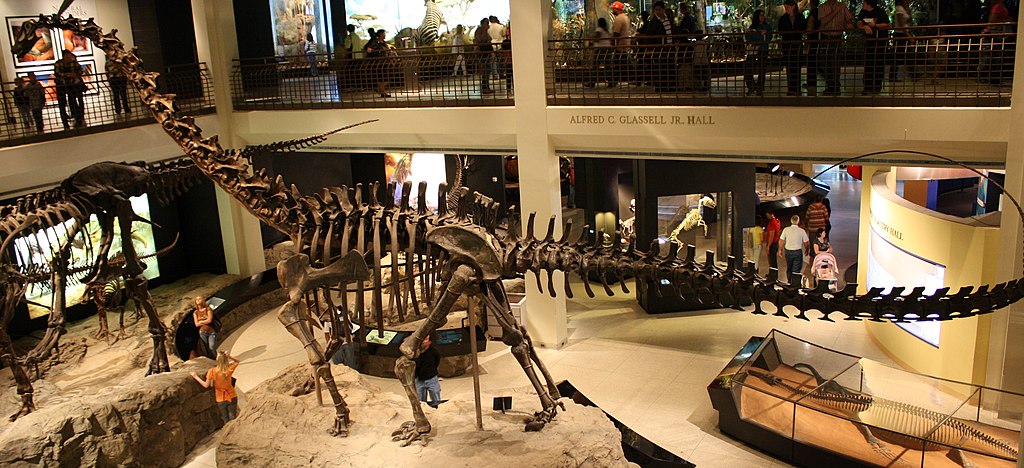
The museum’s Diplodocus longus skeleton stretches an impressive 90 feet from head to tail, offering visitors a tangible sense of the truly colossal proportions achieved by sauropod dinosaurs during the Late Jurassic period. This spectacular specimen draws attention to the unique anatomical adaptations that allowed these giants to support their enormous weight, including specialized limb structures, lightweight vertebrae with air-filled cavities, and a relatively small head at the end of that impossibly long neck. The exhibit explains how Diplodocus and other sauropods functioned as living processing plants, consuming massive quantities of vegetation to fuel their enormous bodies. Digital reconstructions accompanying the skeleton demonstrate how these dinosaurs likely moved, how their necks functioned, and how they may have used their whip-like tails as defensive weapons or possibly for communication with other members of their herd. The Diplodocus display serves as a centerpiece for understanding the “bigger is better” evolutionary strategy that dominated much of the Mesozoic Era.
Deinonychus: The Real “Velociraptor”

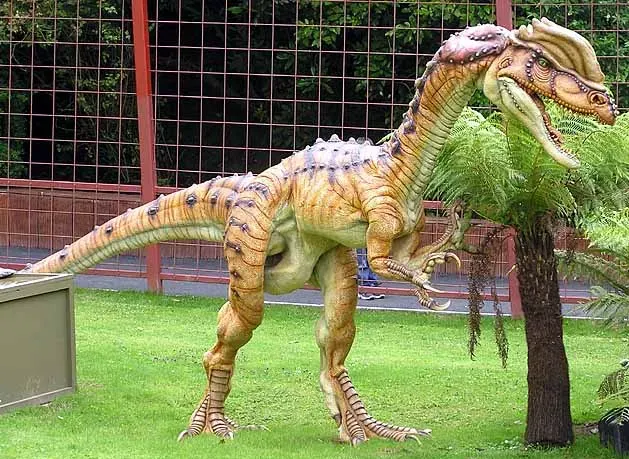
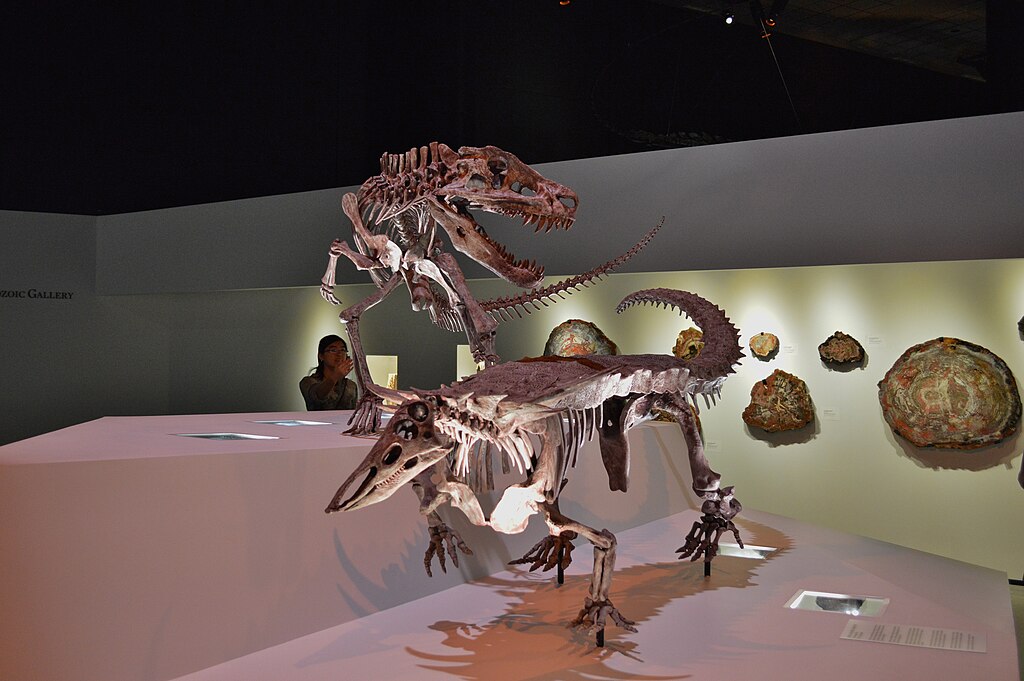
The museum’s Deinonychus antirrhopus skeleton provides visitors with an opportunity to see the dinosaur that inspired the inaccurately portrayed “velociraptors” in the Jurassic Park franchise. Standing approximately three feet tall at the hip and measuring around ten feet long, this mid-sized predator represents one of the most scientifically significant dinosaur discoveries of the 20th century. The specimen dramatically showcases Deinonychus’s most distinctive feature—the enlarged, sickle-shaped claw on each hind foot that could deliver devastating slashing attacks to prey animals. The exhibit highlights how the discovery of Deinonychus in the 1960s revolutionized scientific understanding of dinosaurs, providing compelling evidence that some dinosaurs were warm-blooded, agile, and possibly pack hunters rather than the slow, cold-blooded reptiles previously imagined. Interactive elements accompanying the display explore the evolutionary relationship between dinosaurs and modern birds, using Deinonychus as a prime example of the dinosaurian features that eventually evolved into avian characteristics.
Edmontosaurus: The Duck-Billed Dinosaur
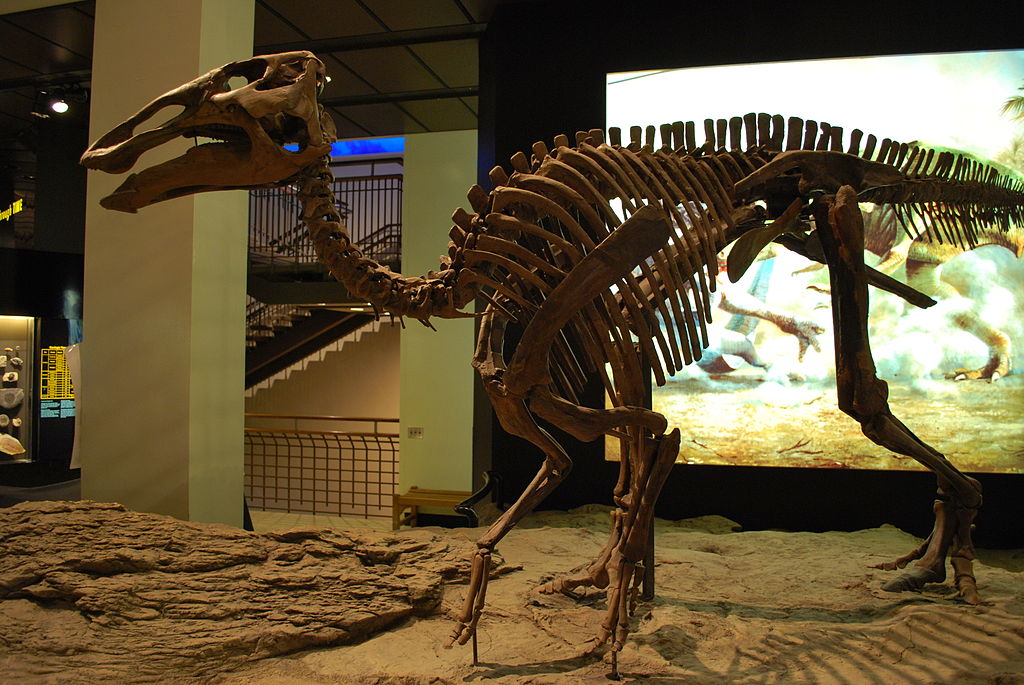
The museum’s Edmontosaurus regalis specimen represents one of the most complete hadrosaurid (“duck-billed”) dinosaur skeletons on public display anywhere in the world. This remarkable fossil preserves not just bones but also rare impressions of skin, providing invaluable insights into what these plant-eaters actually looked like in life. Standing approximately 10 feet tall and measuring 37 feet long, this massive herbivore would have traveled in herds across the Late Cretaceous landscapes of what is now North America. The exhibit details how Edmontosaurus’s specialized dental batteries—containing hundreds of tightly-packed teeth that were continuously replaced throughout life—enabled efficient processing of tough plant materials. Visitors learn how these dinosaurs likely used their distinctive broad, flattened snouts to crop vegetation and their powerful hind legs to escape predators or migrate between feeding grounds. The display includes information about a remarkable “mummified” Edmontosaurus discovered in 1908 that revealed these animals had much more complex skin structures than previously believed.
Prehistoric Marine Reptiles: Monsters of the Deep
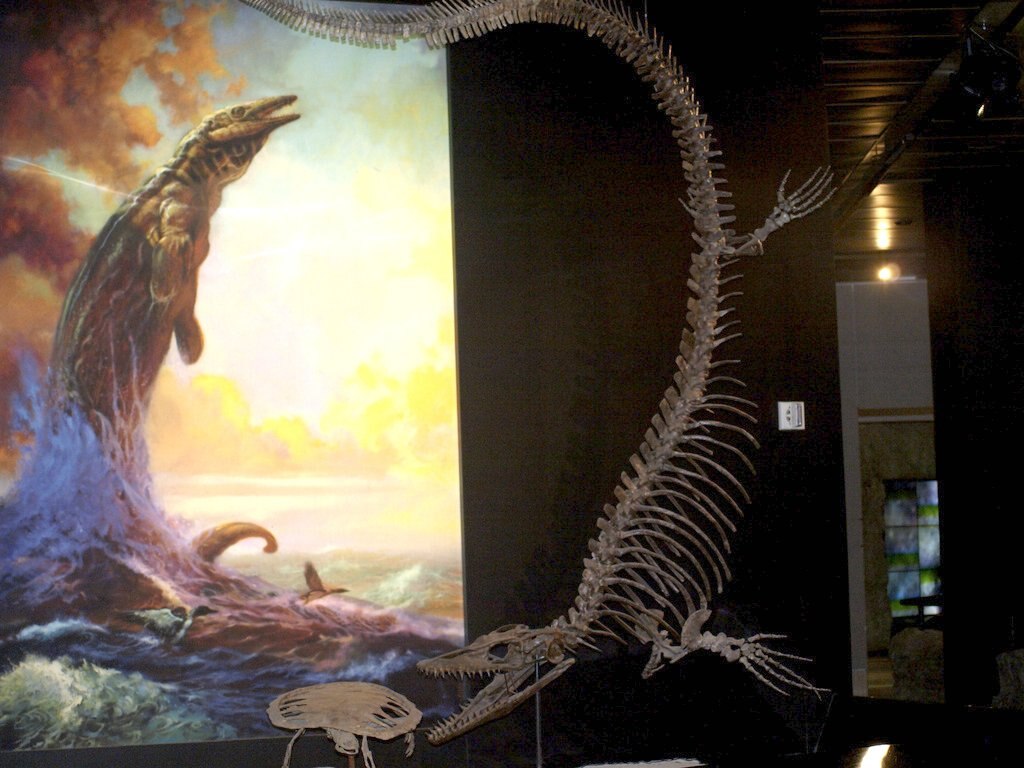
Though not dinosaurs, the museum’s collection of marine reptiles offers a fascinating glimpse into the predators that ruled Earth’s oceans while dinosaurs dominated the land. The centerpiece of this section is a massive Elasmosaurus skeleton, measuring nearly 40 feet in length, with an astonishingly long neck containing more than 70 vertebrae. This plesiosaur is displayed in hunting posture, demonstrating how these animals used their paddle-like limbs to pursue fish and cephalopods through prehistoric seas. Nearby, the streamlined form of a Tylosaurus, a mosasaur that could reach lengths of over 40 feet, illustrates a different evolutionary approach to marine predation. The exhibit explains how these reptiles were not dinosaurs but rather distant relatives of modern snakes and lizards that returned to the sea and evolved into apex predators. Interactive displays allow visitors to compare the swimming techniques, hunting strategies, and sensory capabilities of these different marine reptile groups and understand how they filled ecological niches similar to those occupied by modern whales, sharks, and dolphins.
Interactive Paleontology Lab: Science in Action
Adjacent to the main fossil hall, the museum’s paleontology laboratory offers visitors a rare opportunity to witness the meticulous work of preparing and studying dinosaur fossils in real-time. Behind large glass windows, museum technicians carefully remove rock matrix from newly discovered specimens, revealing bones that have remained hidden for millions of years. This working lab demonstrates the patience and precision required in paleontological work, with technicians sometimes spending hundreds of hours preparing a single specimen using specialized tools ranging from pneumatic engravers to dental picks. Interactive screens outside the lab explain the ongoing projects, while scheduled demonstrations allow visitors to ask questions directly to the scientists and preparators. For many visitors, especially children, this behind-the-scenes glimpse into real scientific work provides inspiration and context for the finished displays in the main hall, transforming their understanding of how we learn about extinct animals from fragmentary remains preserved in stone.
Dinosaur Tracks: Footprints from the Past
The museum’s impressive collection of dinosaur trackways provides a unique perspective on prehistoric life by preserving evidence of dinosaur behavior rather than just their physical remains. These remarkable trace fossils include a sequence of sauropod footprints measuring nearly two feet in diameter, offering tangible evidence of the tremendous weight these animals carried. Nearby, a series of three-toed theropod tracks demonstrates the distinctive walking pattern of bipedal predatory dinosaurs, with some tracks showing evidence of acceleration that suggests the animal may have been pursuing prey. The exhibit explains how paleontologists use trackways to calculate dinosaur walking speeds, determine whether they traveled in groups, and even identify specific behaviors like nesting or hunting. Through careful analysis of these prehistoric impressions, scientists can reconstruct moments frozen in time millions of years ago, such as a family group of hadrosaurs moving along an ancient shoreline or a theropod stalking its prey across a mudflat.
Dinosaur Eggs and Babies: The Beginning of Life

One of the museum’s most fascinating displays focuses on dinosaur reproduction, featuring rare fossilized eggs, nests, and juvenile specimens that reveal the beginning stages of dinosaur life. The centerpiece of this exhibit is a remarkably preserved nest of Protoceratops eggs arranged in a circular pattern, demonstrating that some dinosaurs provided parental care similar to modern birds. Nearby, a cast of a juvenile Maiasaura skeleton illustrates how some dinosaurs underwent dramatic physical changes as they matured, with proportions and features shifting significantly between hatchling and adult stages. The display explains the scientific breakthrough of discovering the first definitive dinosaur embryos in the 1990s, which revolutionized understanding of dinosaur development and growth rates. Interactive elements allow visitors to compare the relative sizes of various dinosaur eggs, from the grapefruit-sized eggs of carnivorous theropods to the volleyball-sized eggs of giant sauropods, while educational panels explain how the microscopic structure of fossilized eggshells provides clues about dinosaur physiology and incubation methods.
The Extinction Event: The End of the Dinosaur Era
The culmination of the dinosaur exhibits addresses one of paleontology’s most dramatic stories: the extinction event that ended the 165-million-year reign of non-avian dinosaurs approximately 66 million years ago. This powerful display features a detailed recreation of the Chicxulub impact site in Mexico’s Yucatán Peninsula, where a massive asteroid estimated at 6-9 miles in diameter struck Earth with the force of billions of atomic bombs. Through cutting-edge visualizations and specimens, visitors learn how this cataclysmic event triggered global wildfires, tsunamis, acid rain, and a devastating “impact winter” as dust and debris blocked sunlight for months or years. The exhibit presents compelling evidence for this extinction theory, including a thin layer of iridium-rich clay found worldwide at the Cretaceous-Paleogene boundary—a telltale signature of asteroid impact. Most poignantly, the display concludes by explaining that while this extinction wiped out approximately 75% of all species on Earth, including all non-avian dinosaurs, it also created ecological opportunities that eventually allowed mammals to diversify and ultimately led to the evolution of humans.
Educational Programs and Special Experiences
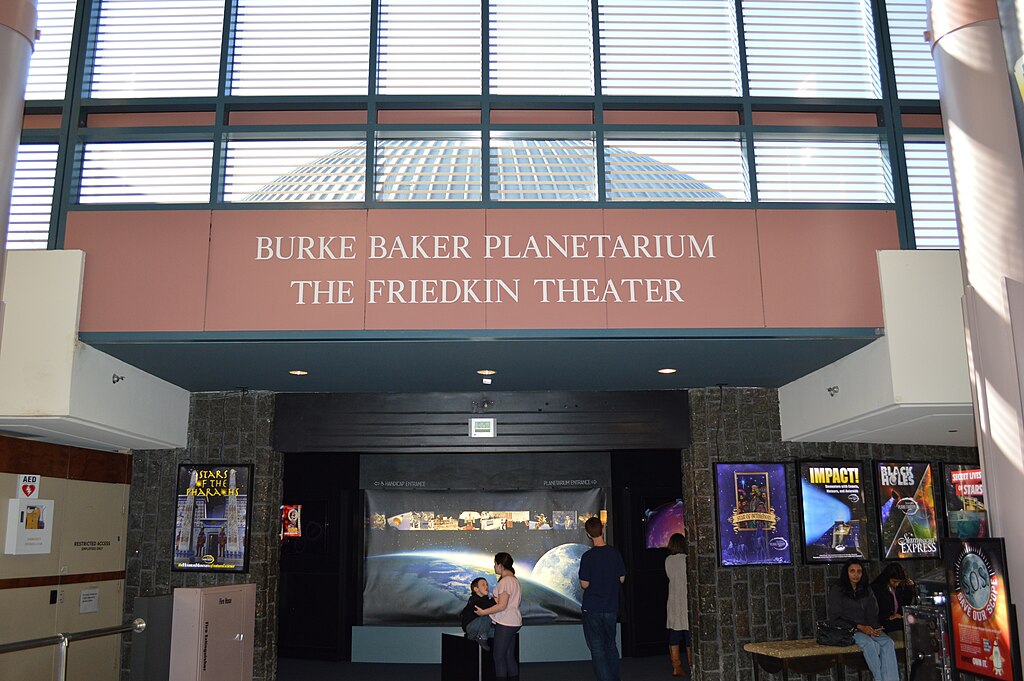
Beyond the permanent exhibits, the Houston Museum of Natural Science offers an array of educational programs and special experiences that deepen visitors’ engagement with paleontology. For younger dinosaur enthusiasts, the museum hosts “Dino Days” events featuring hands-on activities like miniature excavations where children can uncover replica fossils using authentic paleontological tools and techniques. More serious students can participate in intensive week-long “Paleontologist in Training” summer camps that include field trips to actual fossil sites in Texas. The museum’s Distinguished Lectures series regularly features world-renowned paleontologists presenting their latest discoveries and research, while behind-the-scenes tours provide unique access to collections not on public display. For those seeking an immersive experience, the museum’s Burke Baker Planetarium offers spectacular shows about prehistoric life, including “Dinosaurs at Dusk,” which uses state-of-the-art projection technology to transport viewers back in time to witness dinosaurs in their natural habitats. These diverse programming options ensure that visitors of all ages and interest levels can find meaningful ways to connect with the ancient world of dinosaurs.
Planning Your Visit: Practical Information
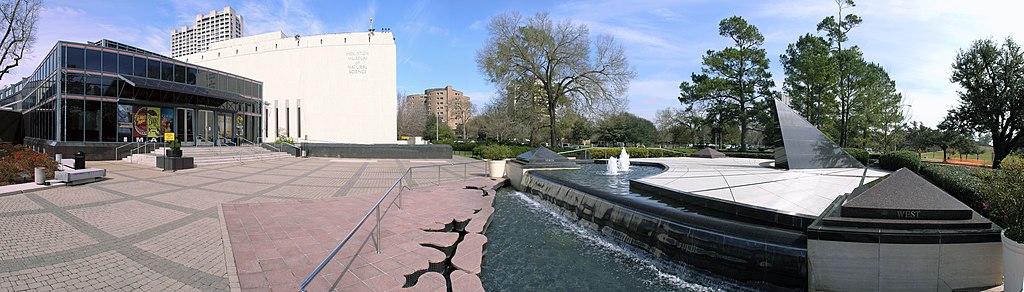
Visitors planning to explore the dinosaur exhibits at the Houston Museum of Natural Science should allocate at least two hours for a thorough experience, though dinosaur enthusiasts may want to devote an entire day to fully appreciate the collection’s depth. The museum is open daily from 9:00 AM to 5:00 PM, with extended hours during summer months and holidays. While general admission tickets provide access to the permanent exhibits including the Morian Hall of Paleontology, special exhibits and planetarium shows require additional tickets that can be purchased in advance through the museum’s website. Photography is permitted throughout the dinosaur exhibits for personal use, though tripods and flash photography are prohibited to protect the specimens and avoid disturbing other visitors. The museum offers guided tours of the paleontology hall several times daily, providing expert commentary that brings the exhibits to life and addresses visitors’ questions about these fascinating prehistoric creatures. For families with young children, the museum provides self-guided scavenger hunts that transform the visit into an engaging educational adventure.
Conclusion
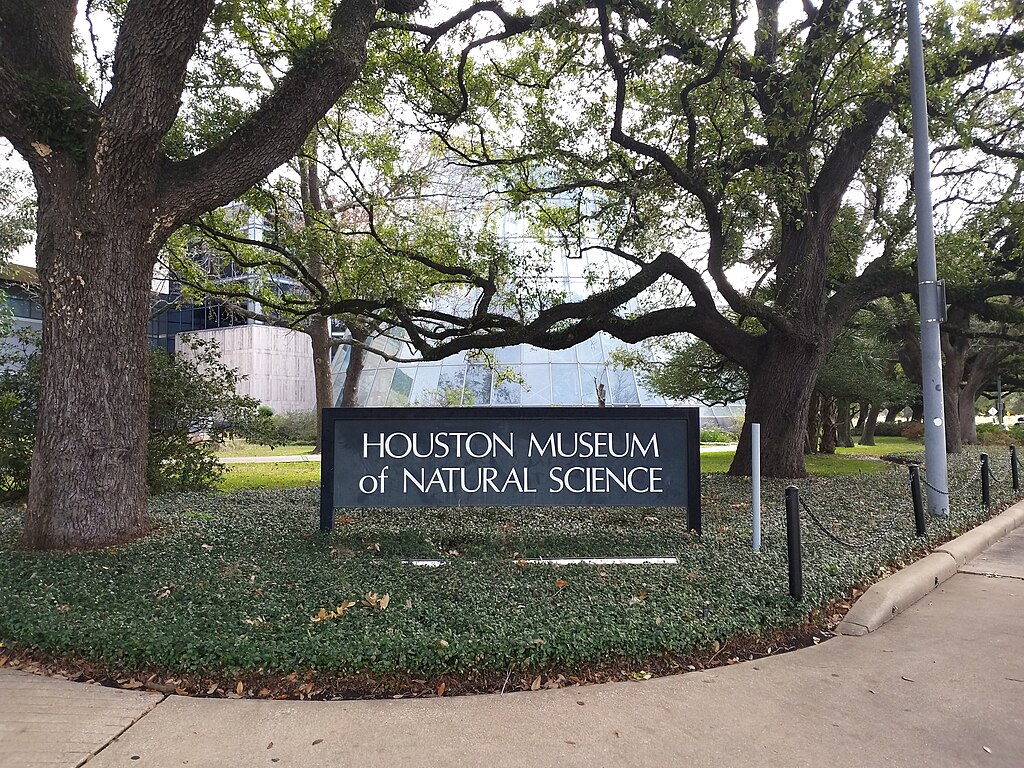
The Houston Museum of Natural Science’s dinosaur collection represents one of the world’s premier paleontological experiences, combining scientific accuracy with innovative presentation to create an unforgettable journey through Earth’s prehistoric past. From the terrifying T. rex to the massive Diplodocus, from rare fossilized eggs to the dramatic extinction event that ended the dinosaur era, the museum offers a comprehensive exploration of these fascinating animals that dominated our planet for over 160 million years. Whether you’re a dedicated dinosaur enthusiast or simply curious about natural history, the museum’s spectacular specimens, interactive displays, and educational programming provide multiple pathways to engage with the scientific story of dinosaurs. Through these remarkable exhibits, visitors gain not just knowledge about prehistoric life but also deeper appreciation for the evolutionary processes that have shaped our planet’s biodiversity across the vast expanse of geological time.