You’ve probably seen countless dinosaur illustrations over the years. Some showed them as dull grey beasts while others painted them in bright tropical colors. Here’s the thing though: we spent most of the history of paleontology simply guessing at what these creatures actually looked like.
For decades, scientists could only imagine dinosaur colors based on modern animals. That all changed less than two decades ago when researchers discovered something remarkable hiding in fossils all along. Now we’re getting our first real glimpses into the actual colors that painted the Mesozoic world, and honestly, the reality is far more fascinating than anything Hollywood dreamed up.
The Breakthrough That Changed Everything
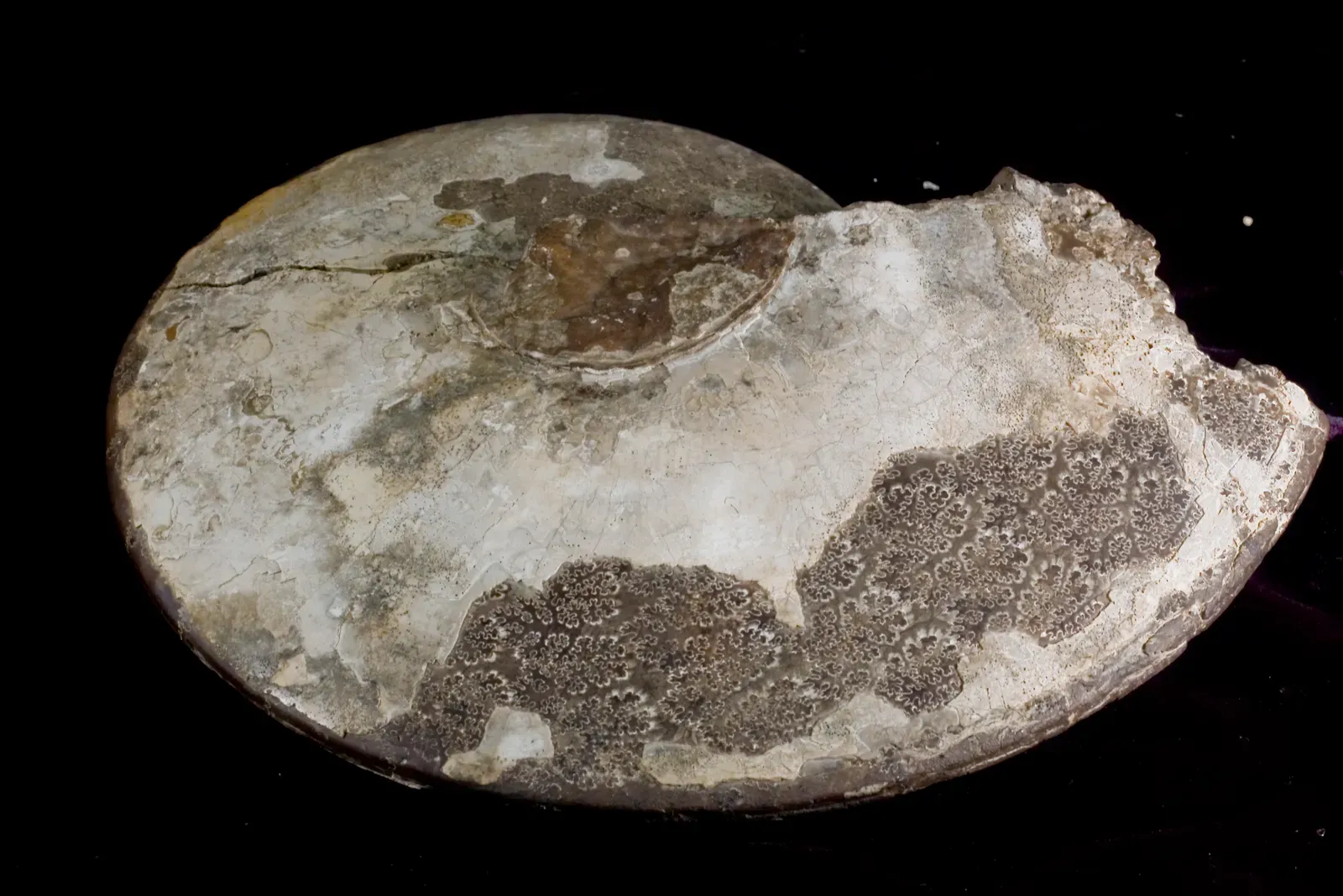
The discovery started in 2006 when paleontologist Jakob Vinther examined a fossilized cephalopod ink sac under a microscope and noticed tiny blobs that had been dismissed as bacteria. These turned out to be melanosomes – microscopic structures that carry pigment in living animals. Melanin can survive for millions of years, almost chemically intact.
This might not sound earth-shattering at first. Yet it opened up an entirely new window into the past. By analyzing melanosome length, width, and aspect ratio, scientists could predict feather color with 90 percent accuracy using statistical methods. If melanosomes could survive in ancient squid ink, why not in dinosaur feathers or skin?
How Scientists Actually Determine Dinosaur Colors
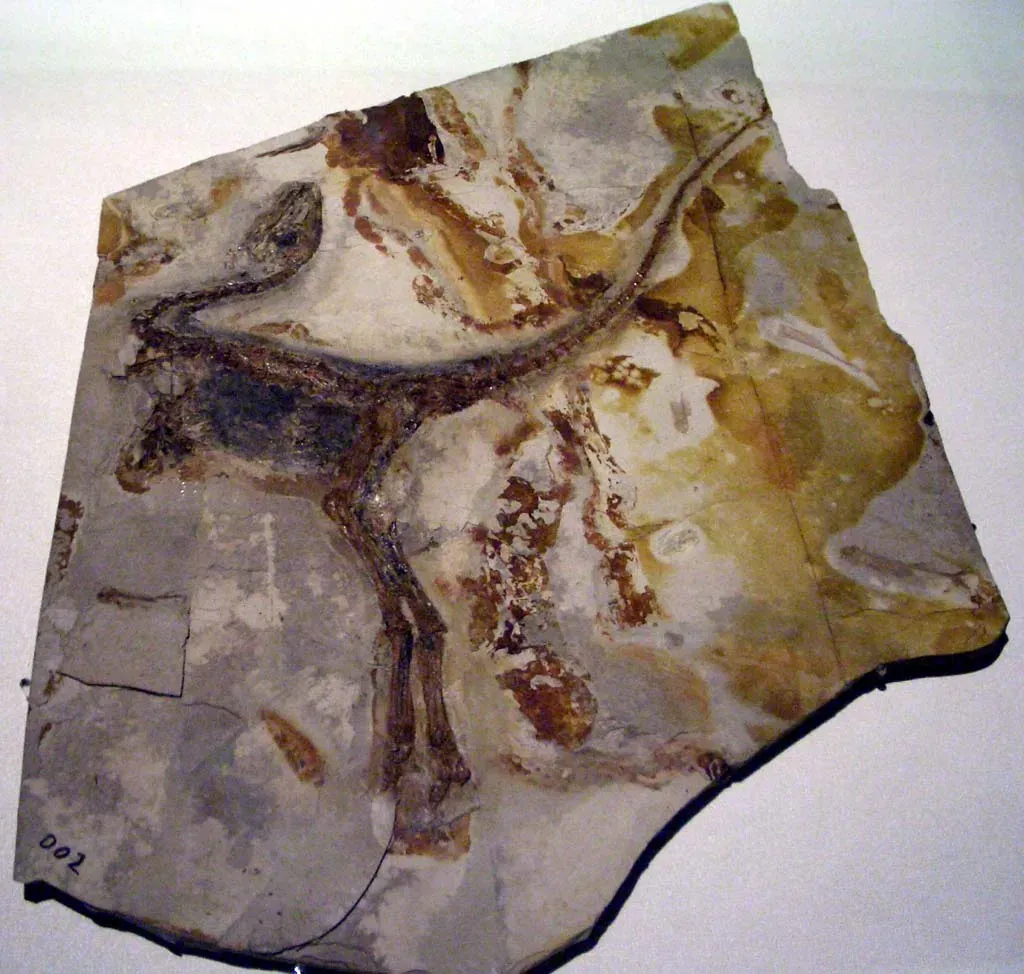
First, paleontologists need a fossil likely to have preserved melanin – not just bones, but feathers, skin or hair, which often contain both melanosomes and chemically-degraded melanin pigment. Once you find such a specimen, advanced technology takes over. Scientists use scanning electron microscopes to search for these tiny structures at the microscopic level.
The real magic happens when researchers compare the shapes of fossil melanosomes to those in modern birds. Eumelanosome gives rise to black-gray color, while pheomelanosome results in reddish-brown color. Let’s be real – it’s basically reverse-engineering prehistoric hues from cellular fingerprints left behind millions of years ago. Chemical analysis confirms the presence of melanin pigment, which was particularly critical early on when skeptics suggested these structures might be bacteria instead.
The First Dinosaurs Revealed in Living Color
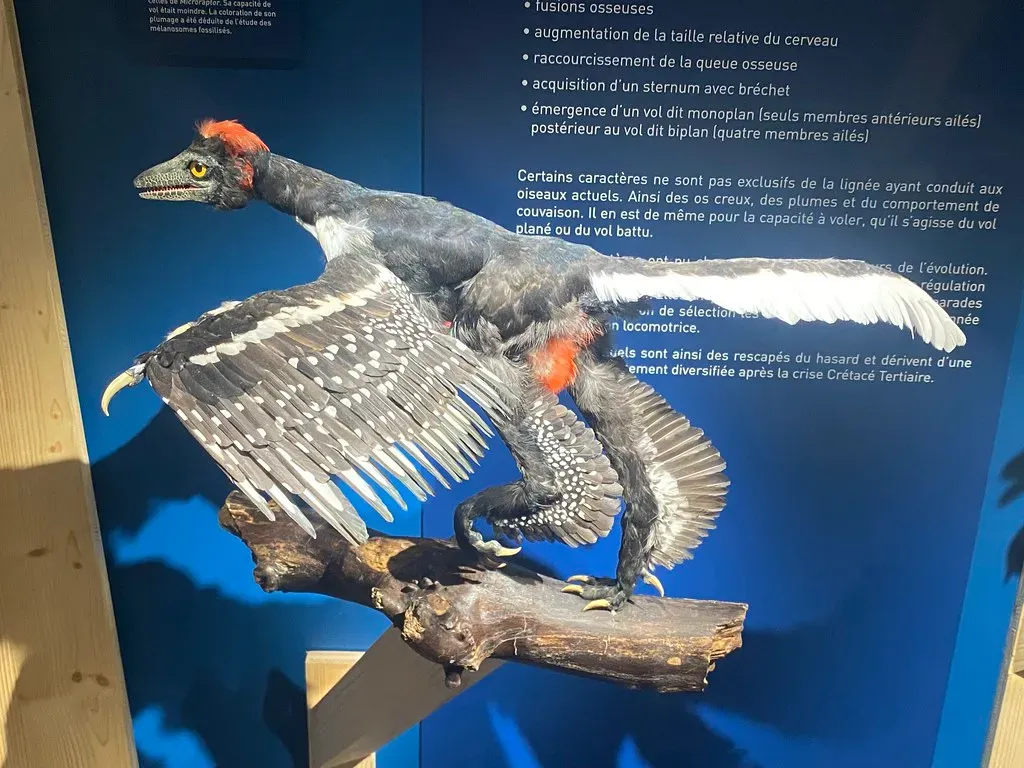
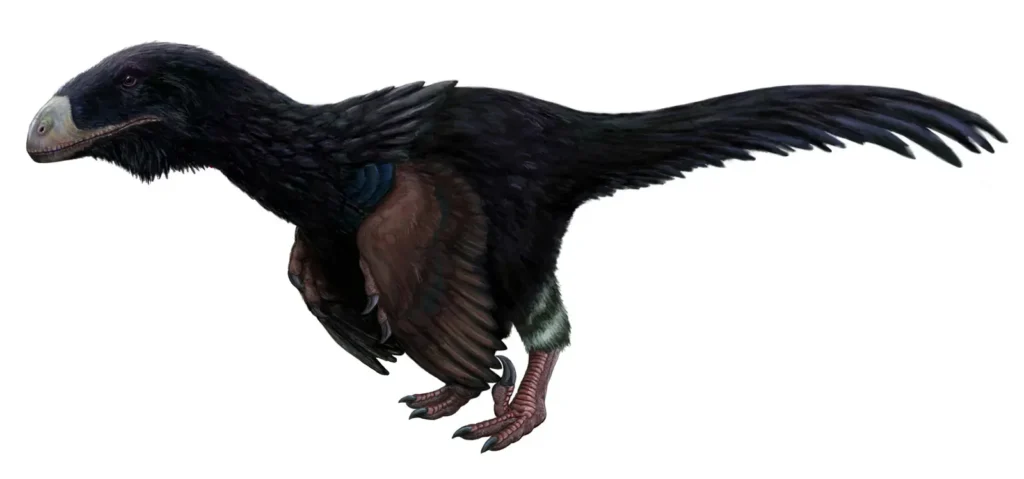
The 155-million-year-old Anchiornis huxleyi turned out to have looked something like a woodpecker the size of a chicken, with black-and-white spangled wings and a rusty red crown. Think about that for a moment. Scientists took a fossil and reconstructed the actual color pattern of an animal that lived before birds even evolved proper flight. The distribution and details of preserved melanosomes indicated that Anchiornis was covered in feathers of black and white, not dissimilar from a magpie, with a splash of red feathers on the top of its head.
The dinosaur Sinosauropteryx had featherlike bristles running across its head, back, and tail, which contained pheomelanosomes revealing that the dinosaur had reddish-brown stripes covering the tail. That week when both studies came out must have felt like Christmas morning for paleontologists – finally seeing these creatures in color after nearly two centuries of educated guesses.
Beyond Feathers: Scaly Dinosaurs Had Patterns Too
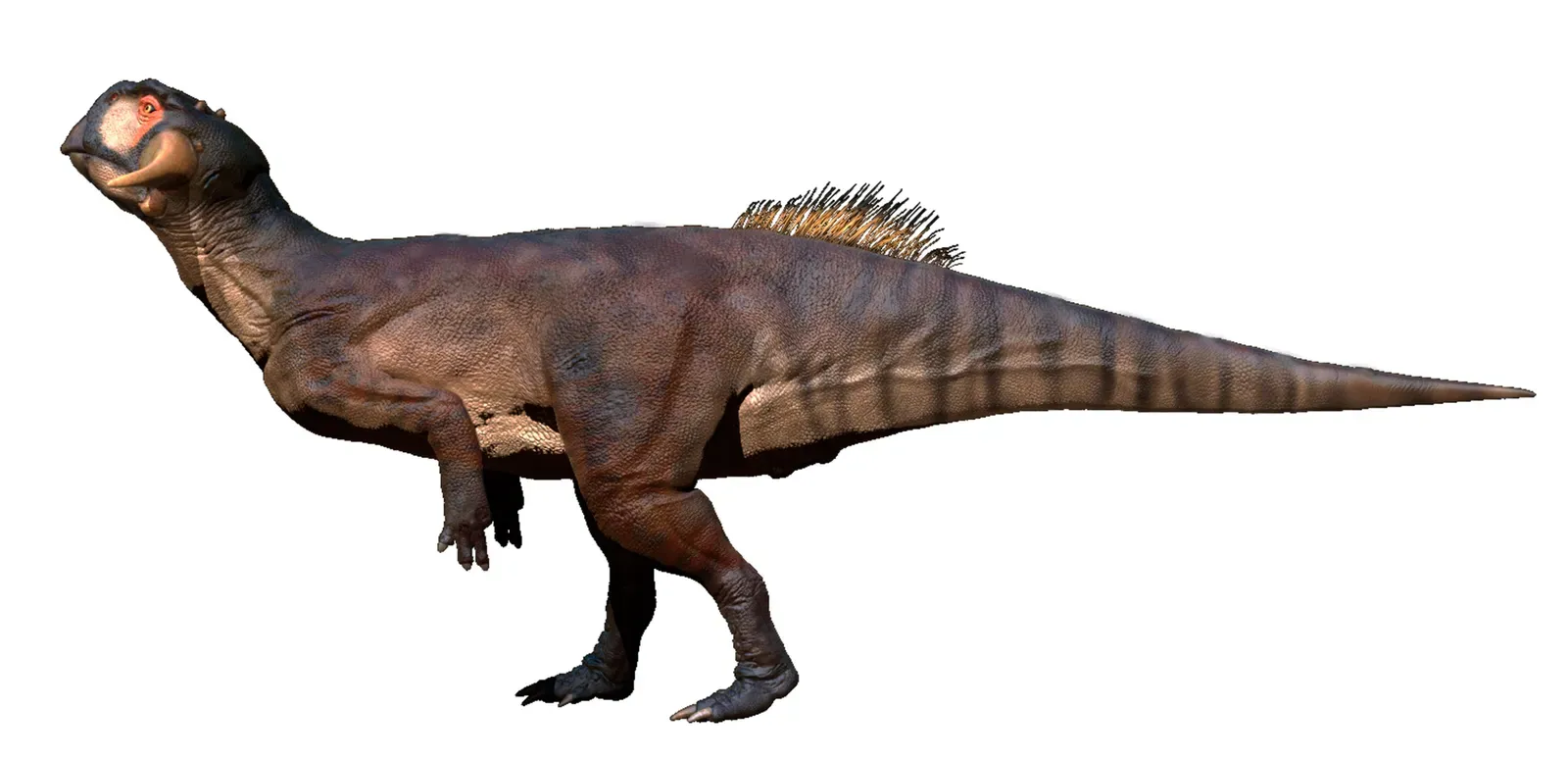
Feathered dinosaurs grabbed early headlines, but researchers soon discovered something equally remarkable. Examination of melanosomes preserved in the integument of a Psittacosaurus specimen indicated the animal was countershaded, with stripes and spots on the limbs for disruptive coloration, similar to forest-dwelling deer and antelope, suggesting a preference for densely forested habitat with low light.
A 2017 examination of melanosomes preserved in Borealopelta indicated the nodosaurid had reddish-brown coloration with a counter-shaded pattern that may have been used for camouflage, suggesting it was under threat of predation despite its large size. That’s absolutely wild when you think about it. This was a massive armored dinosaur, yet it still needed camouflage to avoid predators. It paints a picture of the Cretaceous as genuinely terrifying.
The Limitations We Still Face
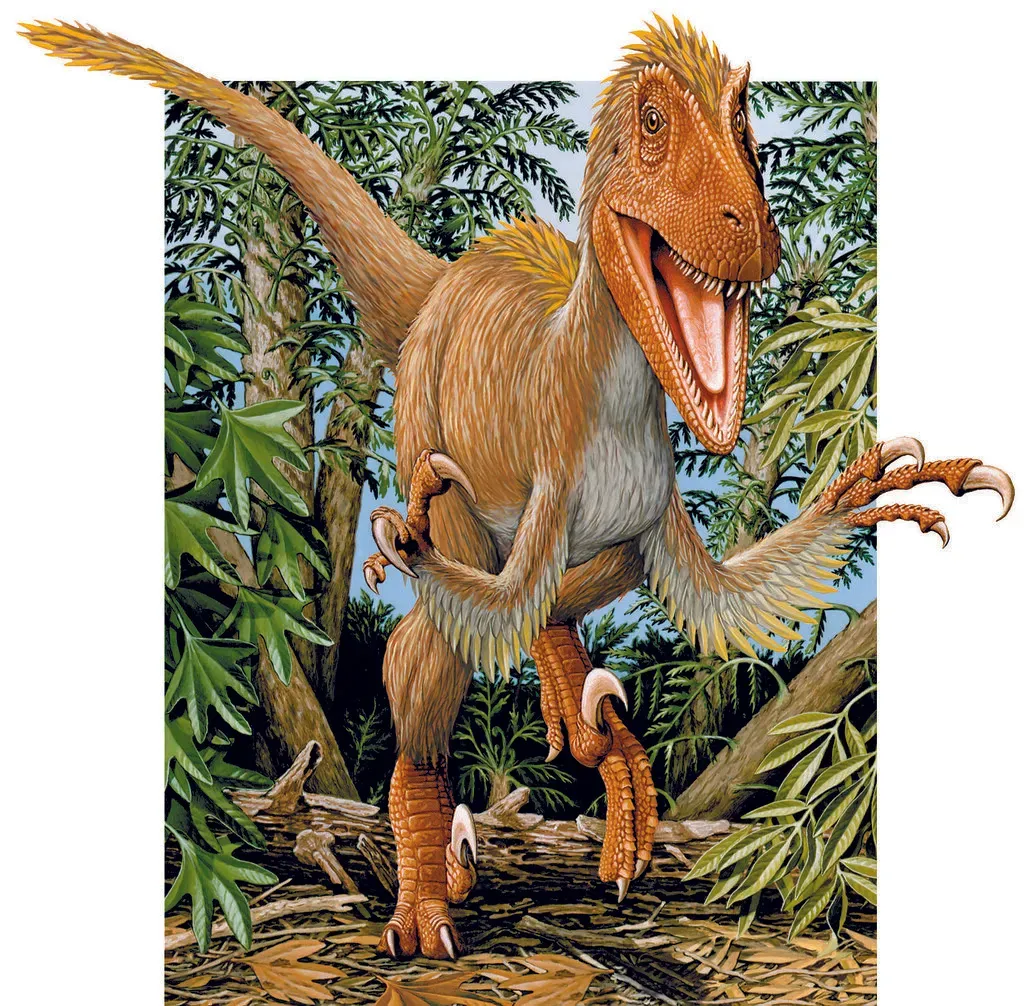
Bones alone are of no help – there must be some sort of preserved soft tissue, such as feathers or skin, and impressions won’t do because you need organic residues. This means the vast majority of dinosaur species will forever remain mysteries when it comes to their true colors. Fossils that preserve melanosomes in skin or feathers are relatively rare and take a long time to study in detail, and while melanosomes can help detect some colors such as black, gray, reddish brown, and iridescent, there are some parts of the dinosaur color range we can’t quite detect.
Melanosomes produce many feather colors, but they can’t make them all, as many bright feather colors, such as flamingo pink and canary yellow, are related to the foods birds eat. I know it sounds crazy, but we might never know if certain dinosaurs had bright carotenoid-based yellows or pinks. The chemistry simply doesn’t preserve well enough in most cases.
What Colors Tell Us About Dinosaur Behavior
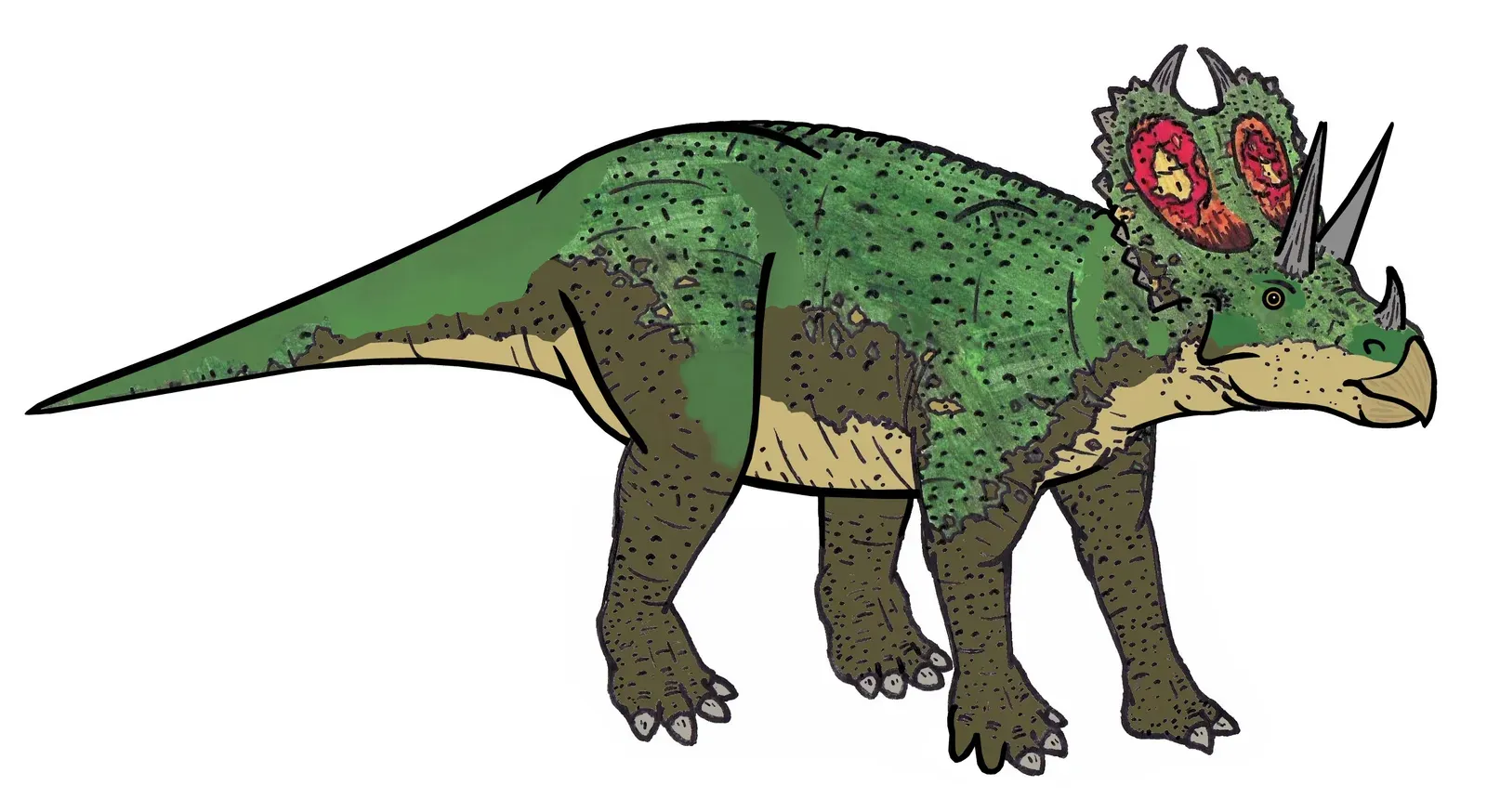
Here’s where things get really interesting. Colors aren’t just about making pretty pictures. By comparing reconstructions of countershading patterns with idealized patterns, researchers determined that Psittacosaurus coloring would have best camouflaged it in a habitat with diffuse light, such as that seen in a canopy forest. Scientists can now deduce where an animal lived based purely on its color pattern – no need to rely on surrounding fossils that might have washed in from elsewhere.
Banding that’s common in animals today is typically used for camouflage when it occurs on other areas of the body, but high color contrast localized to the tail in modern animals is often used in sexual signaling for mating displays. This opens doors to understanding dinosaur courtship, territorial displays, and whether there were color differences between males and females.
Recent Discoveries Keep Surprising Us
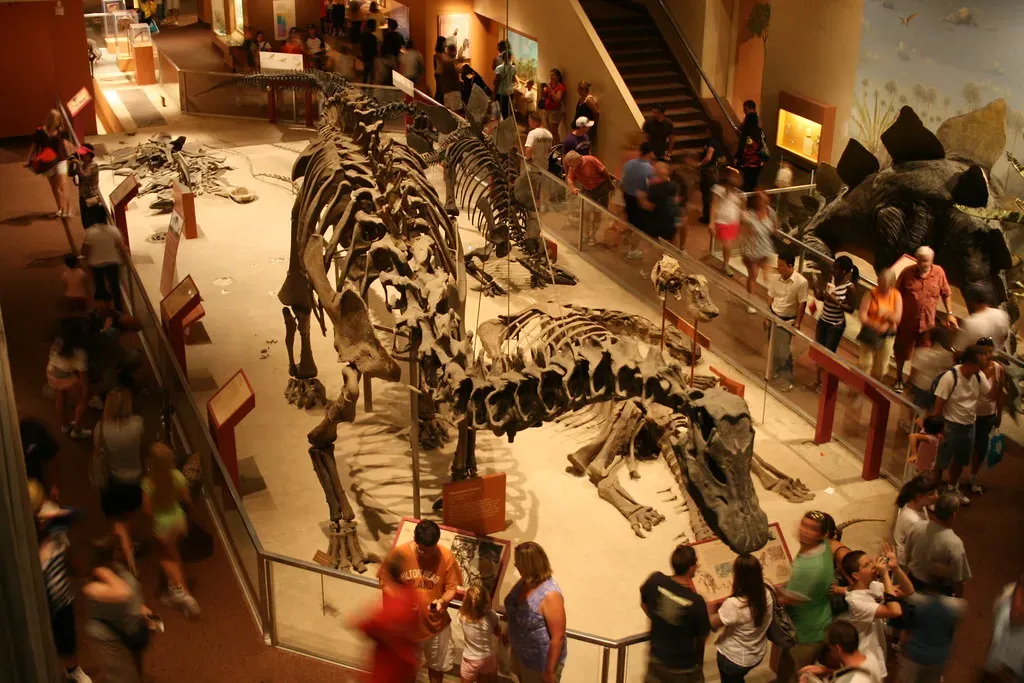
In December 2025, researchers reported the first documented evidence of melanosomes preserved in the fossilized integument of juvenile sauropods, probably attributable to Diplodocus, from Montana, with morphology suggesting non-uniform skin coloration, possibly with a mottled appearance and darker pigmentation ranging from gray to brown or black. This shattered the assumption that giant sauropods were uniform gray like elephants. Even the largest dinosaurs apparently had complex color patterns.
It’s hard to say for sure what future discoveries will bring. We’re still in the early stages of this field. Melanosomes can change shape and shrink over the course of millions of years, potentially affecting color reconstructions, meaning scientists must constantly refine their techniques. Every new fossil teaches us something unexpected about how to interpret these ancient pigments.
Conclusion
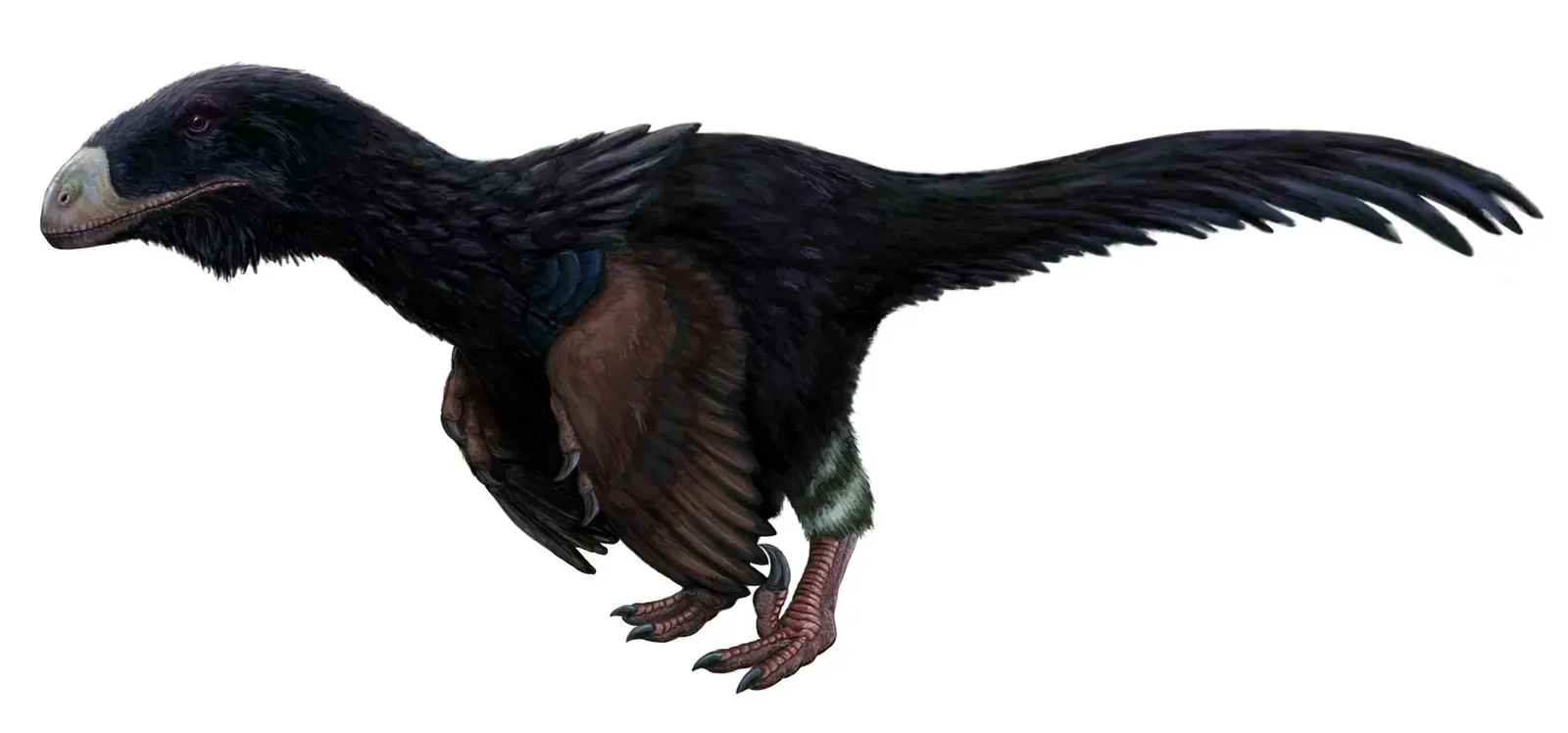
So how accurate are our dinosaur color depictions? The answer is wonderfully complex. For species where we’ve found preserved melanosomes in excellent fossils, we can be remarkably confident about certain aspects of their coloring – particularly blacks, grays, rufous browns, and iridescent sheens. The statistical models used achieve roughly 90 percent accuracy when compared to modern bird melanosomes.
Yet for most dinosaurs, we’re still educated guessing based on their closest living relatives and ecological context. The drab gray Tyrannosaurus rex in your childhood book? Maybe accurate, maybe not. We simply don’t have the soft tissue preservation needed to know for certain. What we can say is that the Mesozoic world was almost certainly more colorful, more patterned, and more visually stunning than anyone imagined just twenty years ago.
What fascinates you most about these discoveries? Does it change how you picture these ancient creatures?