You’ve probably heard the statistics before. Roughly one third of all wildlife species in the United States face some level of threat. More than sixteen hundred plants and animals already receive federal protection under the Endangered Species Act. It sounds overwhelming, doesn’t it?
Here’s the thing though. We’re not powerless in this situation. From massive federal legislation to small choices you make in your backyard, there are genuine ways to reverse the decline of species teetering on the brink. Some approaches have already proven wildly successful, pulling animals back from near extinction. Others require innovation, persistence, and a willingness to rethink how we coexist with the natural world around us.
So let’s dive in.
Strengthening and Defending the Endangered Species Act
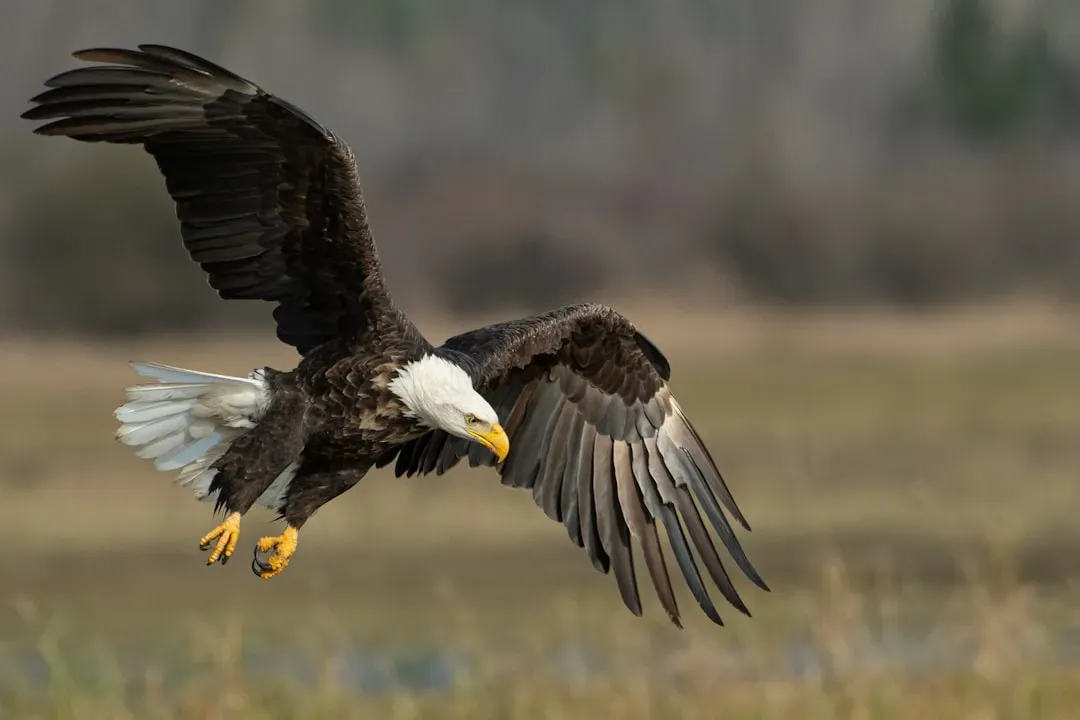
The Endangered Species Act has saved roughly ninety-nine percent of listed species from extinction since its passage, making it arguably the most effective wildlife protection law in the world. Throughout its history, the ESA has proven to be incredibly effective in stabilizing populations of species at risk, preventing the extinction of many others, and conserving the habitats upon which they depend. Think about it: the bald eagle, our national symbol, was nearly wiped out in the 1960s. Today, thousands of breeding pairs thrive across the country.
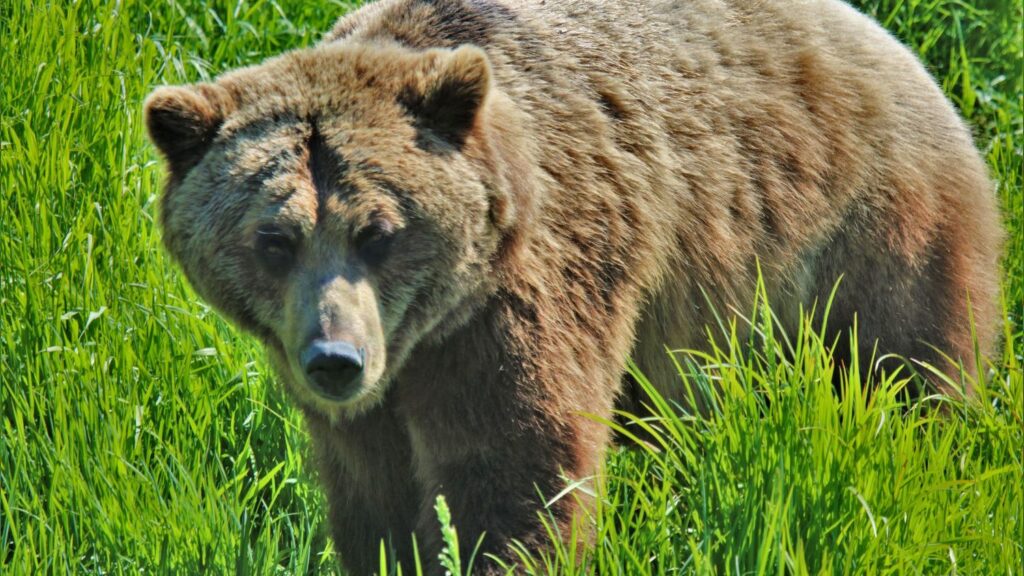
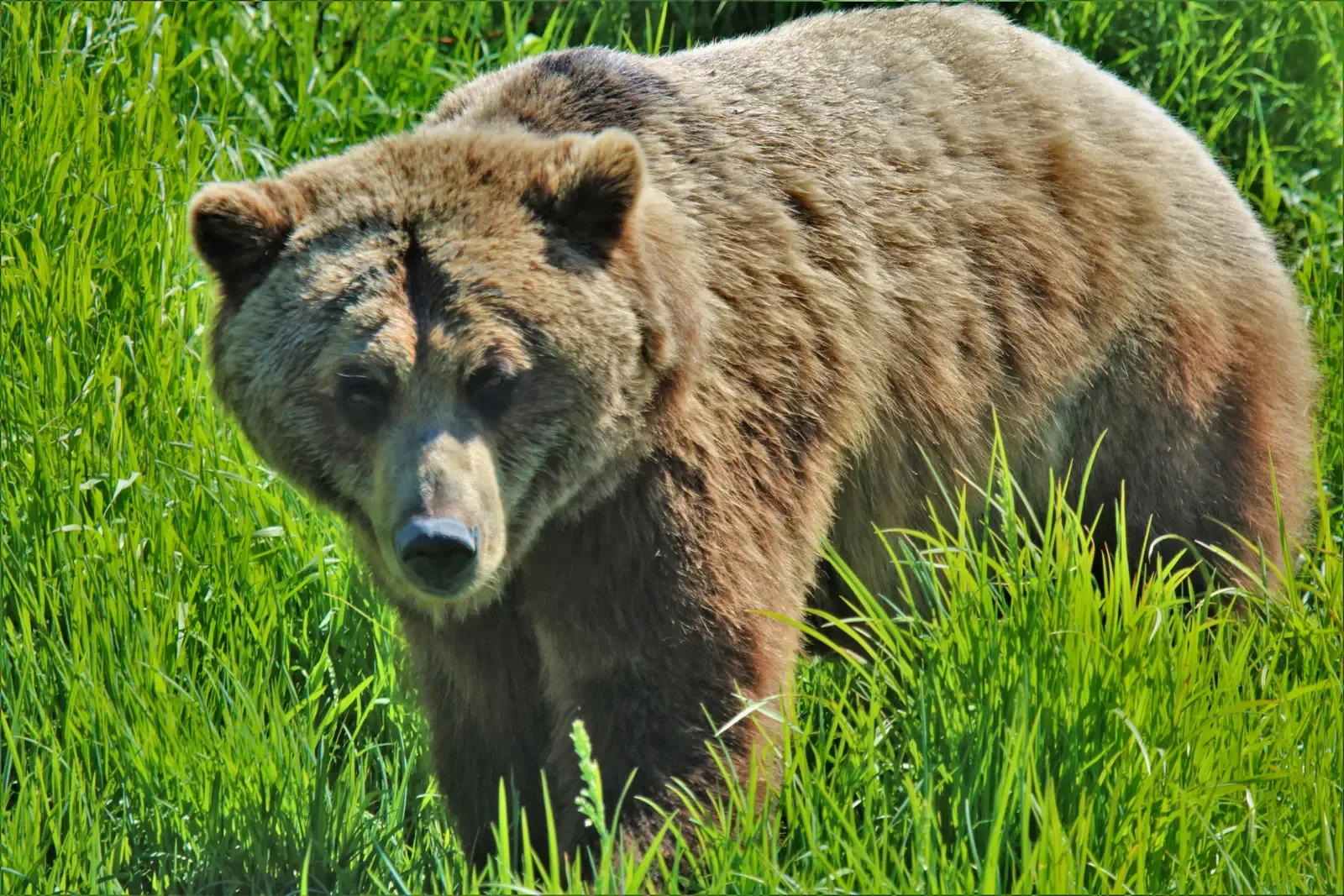
Yet the ESA has faced repeated political attacks in Congress, with a suite of bills threatening to weaken this vital law through politically-driven delisting proposals and broad statutory changes. Protecting this legislation means more than preserving words on paper. It means defending the framework that designates critical habitat, develops recovery plans, and holds federal agencies accountable when their actions threaten listed species. Let’s be real: without the ESA, we’d have lost grizzly bears, Florida manatees, American alligators, and peregrine falcons.
Creating and Protecting Wildlife Corridors
To maintain healthy species populations and ecosystems, fish and wildlife must have the freedom to move and migrate, but as habitats and migration routes continue to be impacted by climate change and become fragmented by roads, fences, energy development and other man-made barriers, wildlife are struggling to reach the necessary areas to feed, breed, and find shelter. Imagine being an elk trying to migrate hundreds of miles to summer feeding grounds, only to find highways, subdivisions, and fences blocking your path. That’s the reality for countless animals.
Wildlife corridors solve this problem by connecting fragmented habitats. Throughout the West, programs restore and enhance essential movement corridors for species like pronghorn, mule deer, elk, and grizzly bears by developing highway crossings and implementing wildlife-friendlier fencing, with a system of wildlife crossings in Banff reducing ungulate-vehicle collisions by approximately eighty percent. Recent investments of nearly twelve million dollars support ten projects in seven western states that will help restore habitat connectivity and secure key migration corridors, protecting migratory species like elk, mule deer, and pronghorn. These aren’t just conservation wins; they’re also safety wins that protect both animals and motorists.
Restoring and Protecting Critical Habitats
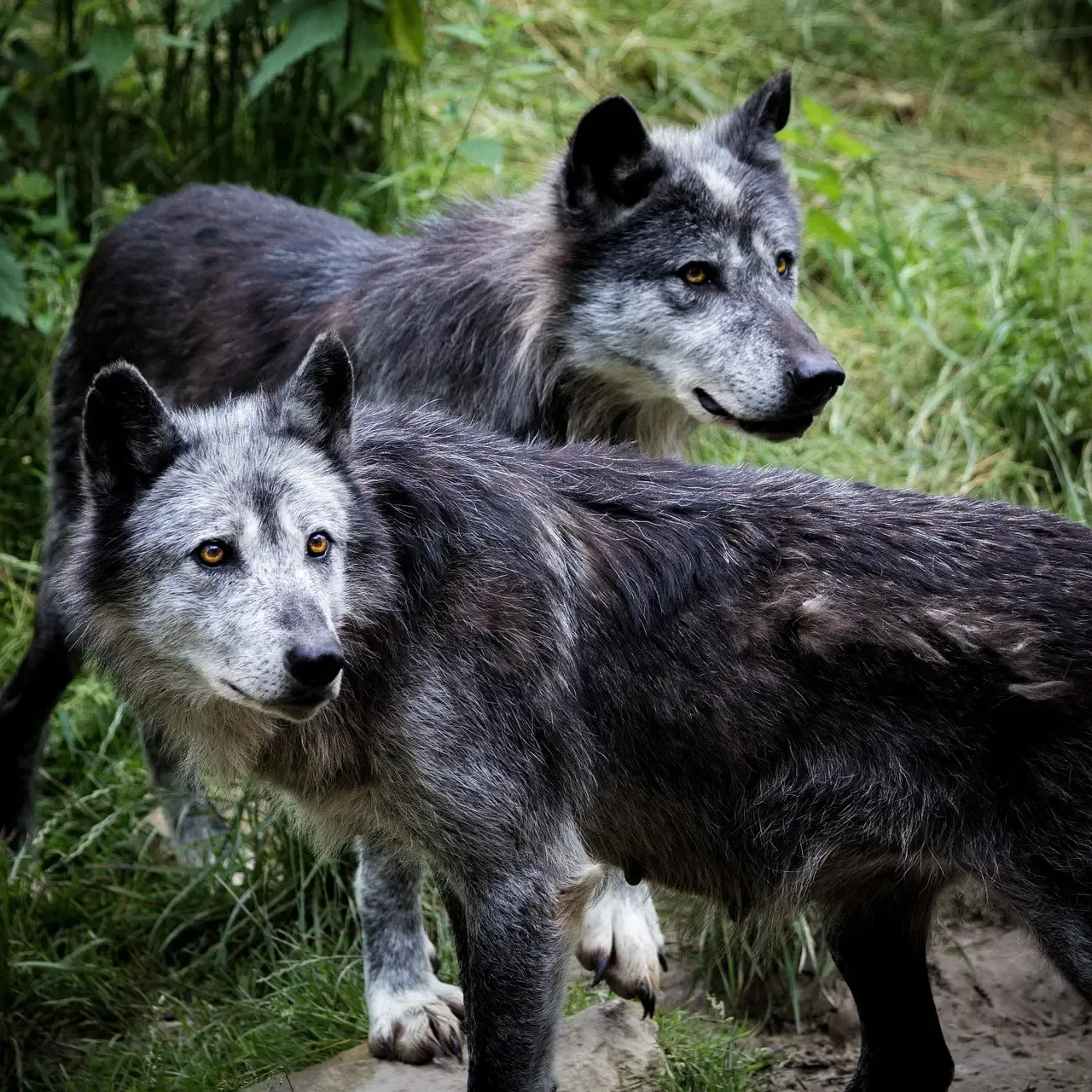
Here’s something most people don’t fully grasp: you can’t save a species without saving the places it lives. Scientists tell us the best way to protect endangered species is to protect the places where they live. Habitat loss remains one of the primary drivers pushing species toward extinction, alongside invasive species and severe weather events.
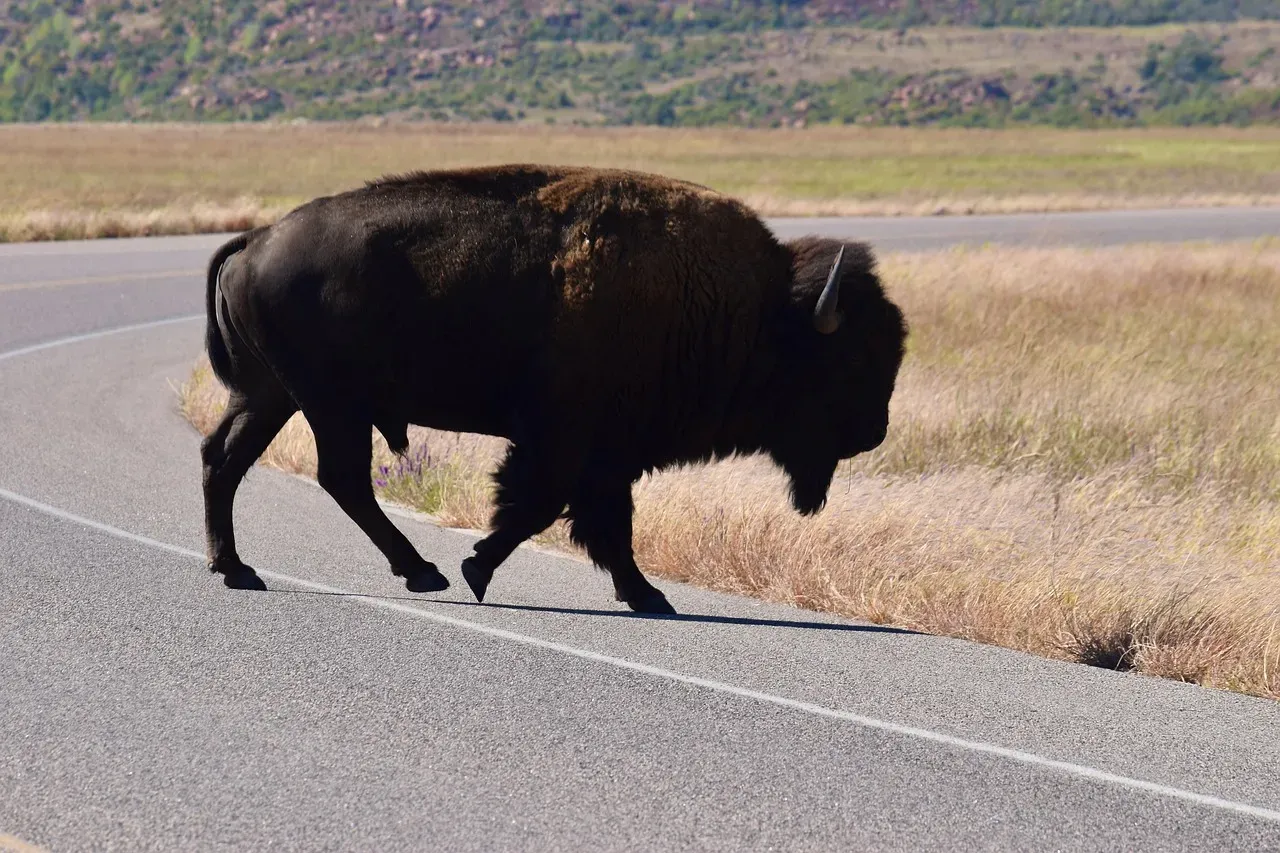
Restoring habitats helps protect biodiversity by providing essential resources and suitable conditions for diverse organisms to thrive, ensuring the stability and resilience of ecosystems and their species, with efforts in the Great Plains working to protect and restore the regions’ most imperiled wildlife like the endangered black-footed ferret, keystone species like bison and prairie dogs, and the large landscapes on which all the species depend. National wildlife refuges play an irreplaceable role here, providing over five hundred sixty-eight million acres of protected land and water dedicated specifically to conservation. Without these refuges, many species literally wouldn’t have anywhere left to live. Urban sprawl, agriculture, and development have claimed so much land that these protected areas often serve as the last strongholds for countless species.
Addressing Climate Change Impacts on Wildlife
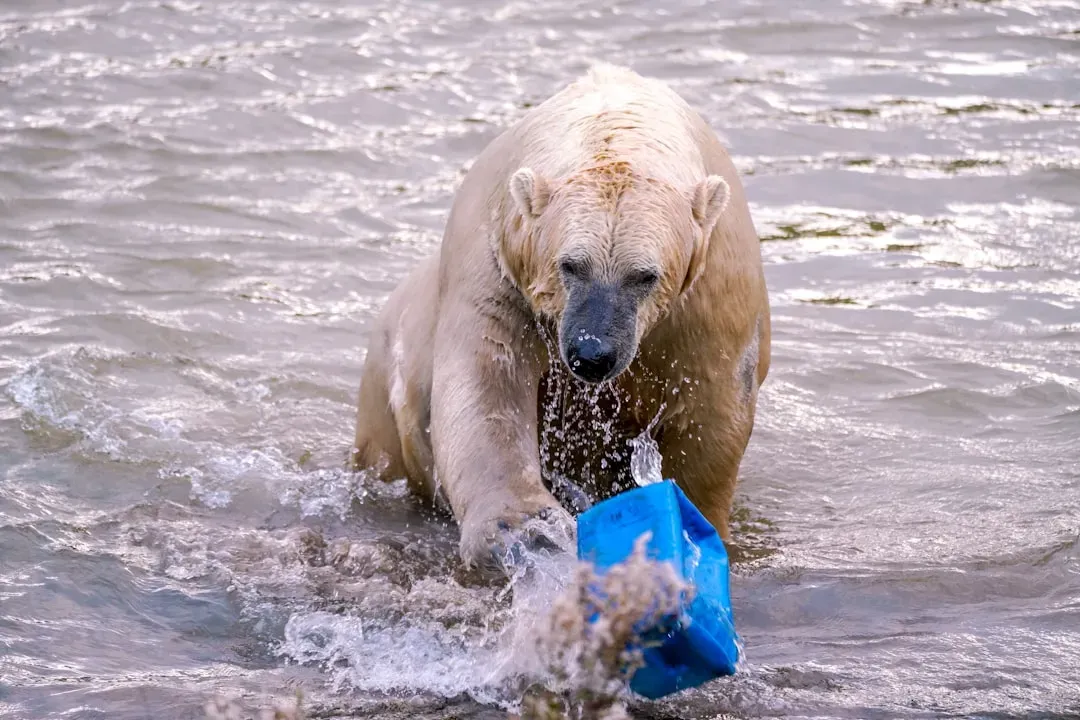
Climate change is making the protection of endangered species increasingly challenging, not only affecting plants and animals directly through changes in temperature and precipitation but also worsening the impact of traditional threats such as invasive species, wildfires and diseases. It’s hard to say for sure, but scientists estimate that if global temperatures increase by two degrees Celsius by the year twenty-one hundred, about eighteen percent of all species on land will face a high risk of going extinct.
The effects are already visible. Chinook salmon have been hit hard by climate change effects, with winter-run Chinook salmon traveling the Sacramento River unable to successfully reproduce due to high water temperatures, with about ninety-five percent of eggs and newly hatched salmon killed by warmed waters in one year. Meanwhile, critically endangered North Atlantic right whales face increased water temperatures and changing ocean currents, with their food sources likely to move and become scarcer, and because females are travelling farther for food and navigating other threats, birth rates are dropping, with only about three hundred seventy remaining as of the start of this year. Climate-smart conservation strategies that help species adapt to changing conditions aren’t optional anymore; they’re essential for survival.
Supporting Collaborative Conservation Partnerships
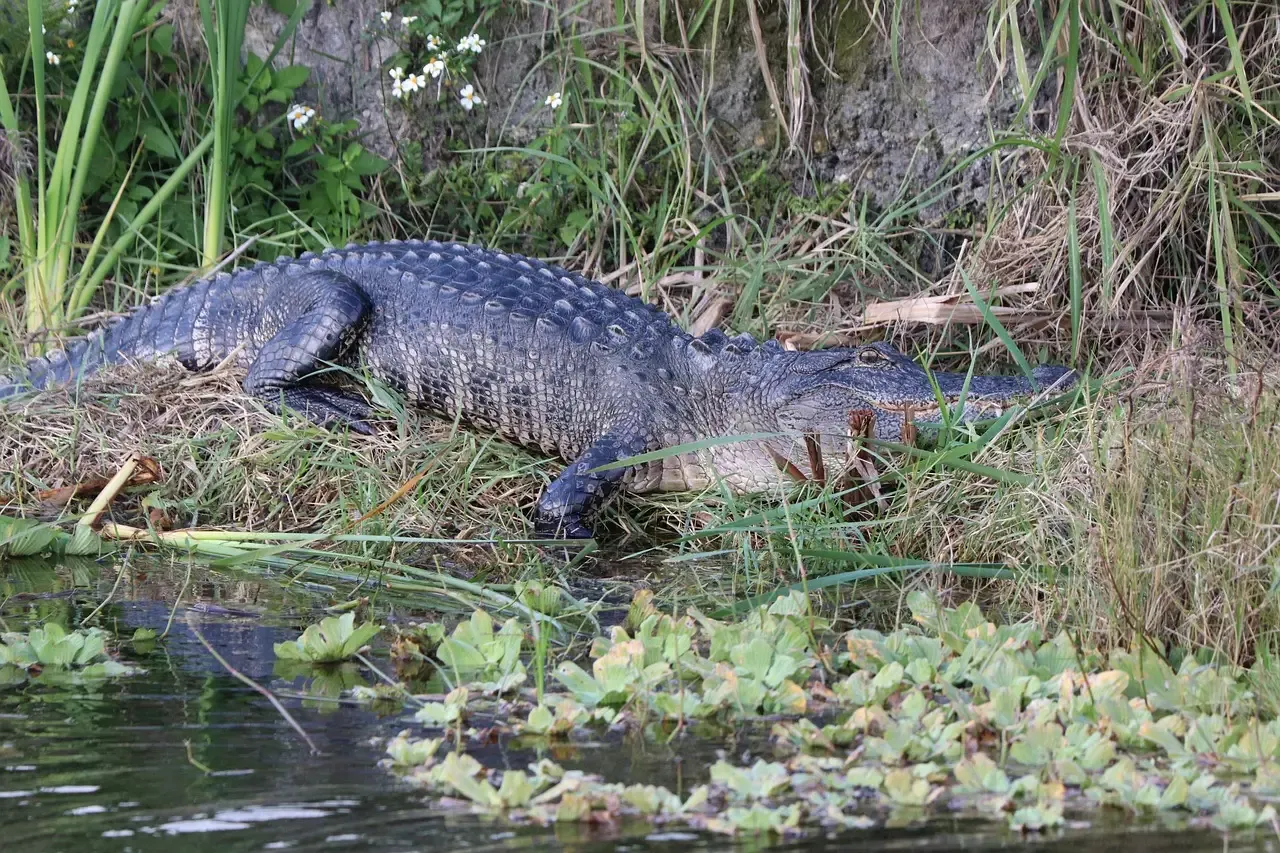
Wildlife conservation isn’t a solo effort. Tools that play a major part in achieving conservation and recovery goals include interagency consultations, incentives for landowners and managers to engage in voluntary conservation partnerships, grants to states and territories, private landowners, and conservation groups to fund conservation projects, and permits that authorize scientific research to learn more about listed species. The most successful conservation stories involve federal agencies, state governments, tribal nations, private landowners, and nonprofit organizations working together.
Endangered and threatened species have different needs that require different conservation strategies to achieve recovery, with goals for each species’ recovery laid out in recovery plans that outline the tasks required to reduce or eliminate threats and restore or establish self-sustaining wild populations so that they no longer require ESA protections. These partnerships leverage local knowledge, scientific expertise, and on-the-ground resources to create tailored solutions. Honestly, no single entity can tackle the biodiversity crisis alone. Collaboration amplifies impact and pools resources that would otherwise remain scattered and less effective.
Preventing Harmful Development and Infrastructure
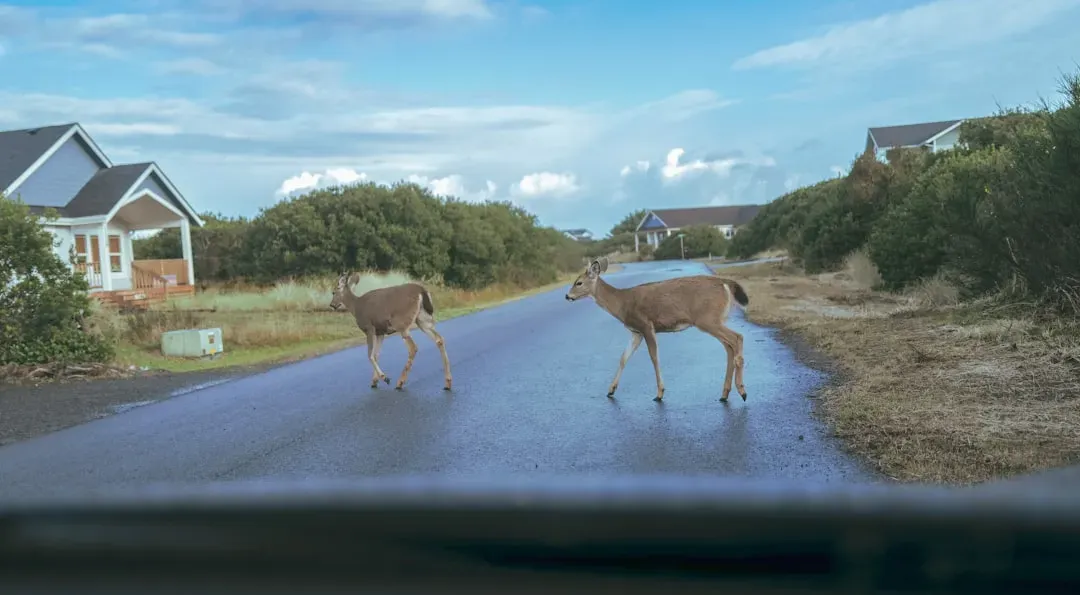
The United States Fish and Wildlife Service is helping by removing or replacing some of the country’s estimated six million man-made fish barriers, such as old culverts and dams. Every road, dam, subdivision, and pipeline we build fragments wildlife habitat further. The question isn’t whether to develop at all but how to develop responsibly.
Roads are made through animal habitats, forcing them to cross dangerous highways and busy roads, with an estimated one million animals dying on roads each year in the United States, and with over two thousand endangered species in the country, we have to look out for them to save them. Smart infrastructure planning considers wildlife movement patterns before breaking ground. It means conducting thorough environmental reviews, designating protected zones, and incorporating wildlife crossings into highway designs from the start. Sometimes it means saying no to projects that would irreversibly damage critical habitat. Let’s be real: short-term economic gains aren’t worth driving species to extinction.
Taking Individual Action and Community Involvement
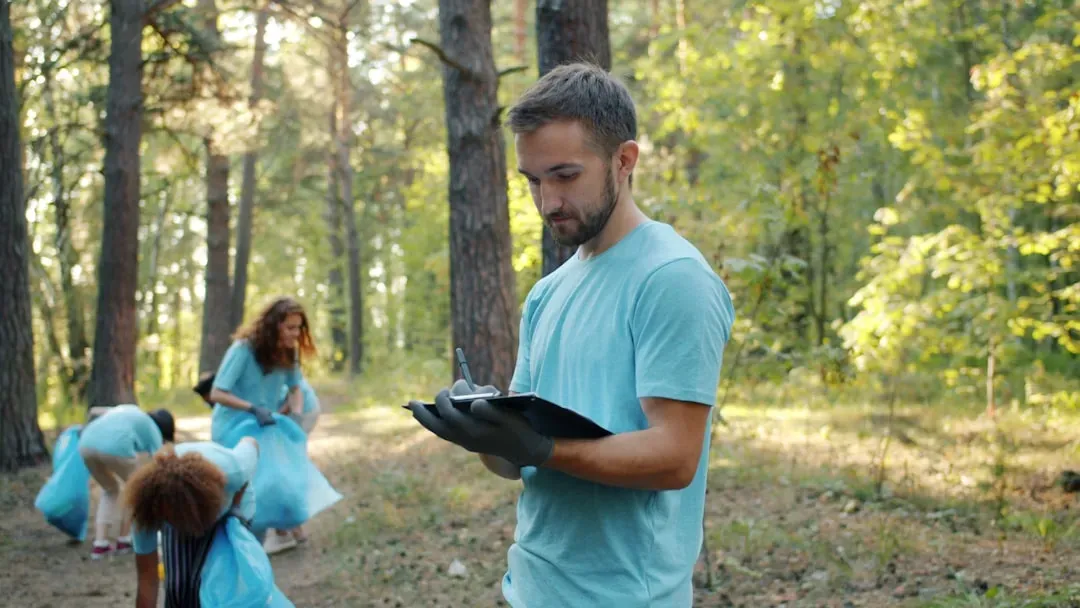
You might think your personal choices don’t matter much in the grand scheme of species conservation. You’d be wrong. Learning about endangered species in your area and teaching friends and family about the wonderful wildlife, birds, fish and plants that live near you is the first step to protecting them, because understanding how interesting and important they are leads to better protection.
Simple actions add up. Ways you can help recover endangered and threatened species include learning about species in your area and the threats they face, watching wildlife responsibly, volunteering for restoration projects, reducing water consumption, and reducing the amount of pollution you generate. Plant native species in your yard to support local pollinators. Reduce your use of pesticides and herbicides. Keep cats indoors to protect birds and small mammals. Millions of birds die every year because of collisions with windows, and you can help reduce the number of collisions simply by placing decals on the windows in your home and office. These aren’t massive lifestyle overhauls; they’re small, manageable changes that collectively make a real difference.
Investing in Science, Research, and Monitoring
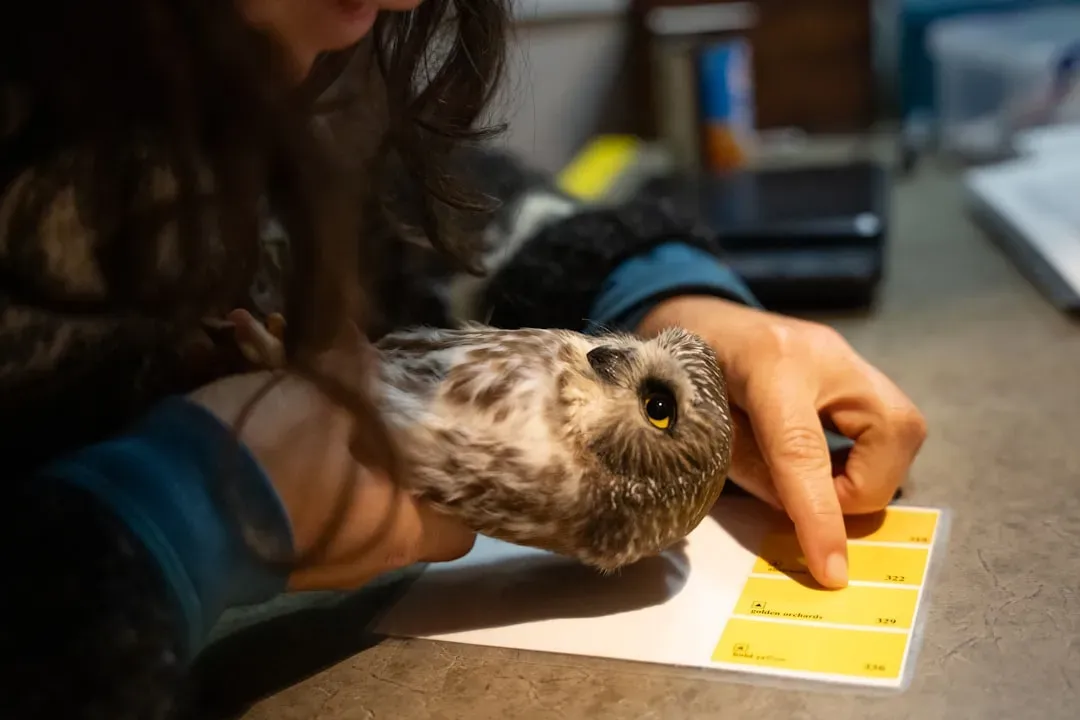
To implement the ESA, agencies rely on the best available science and work with international federal, tribal, state, and local agencies, as well as nongovernmental organizations and private citizens. We can’t protect what we don’t understand. Scientific research helps us identify which species are at risk, understand what threats they face, and develop targeted recovery strategies that actually work.
Priorities include research, data collection, analysis and mapping to identify key habitats, including seasonal ranges, stopover areas, migration routes, and bottlenecks. Monitoring programs track population trends over time, allowing conservationists to measure progress and adjust strategies when needed. Technology plays an increasingly important role here, from satellite tracking collars on wolves to underwater acoustic monitoring for marine mammals. Historic funding from the Inflation Reduction Act supports efforts to increase near real-time understanding of species’ ocean presence using new technologies and improved distribution models, and invests in technologies to reduce the risk of vessel strikes, such as whale detection and avoidance technology. Investment in wildlife science isn’t just academic; it’s practical problem-solving that saves lives.
Conclusion: A Shared Responsibility and Genuine Hope
Protecting America’s endangered wildlife requires a multifaceted approach that combines strong legal protections, habitat conservation, climate action, collaborative partnerships, responsible development, individual engagement, and scientific research. It’s a tall order, no question about it. Yet the success stories prove it’s possible. Species that were nearly extinct now thrive because people decided to act.
In its first fifty years, the ESA has been credited with saving ninety-nine percent of listed species from extinction thanks to the collaborative actions of federal agencies, state, local and Tribal governments, conservation organizations and private citizens. That’s not just a statistic; it’s evidence that collective effort works. The path forward demands persistence, innovation, and a willingness to prioritize the natural world that sustains us all. Every action counts, from defending legislation in Congress to planting native flowers in your garden.
What role will you play in this conservation story? The species sharing our landscapes, waters, and skies are counting on all of us.