You’ve probably noticed how hard it feels to connect these days. Social media arguments spiral out of control within minutes. Family dinners turn tense when certain topics come up. Coworkers seem to inhabit completely different realities. The divisions feel wider than ever before.
Yet here’s the surprising thing: empathy isn’t some fixed trait you either have or don’t have. Research shows it can actually be developed, strengthened, and spread throughout communities like a positive contagion. Think of it like a muscle that grows stronger with practice, or maybe more accurately, like a fire that spreads from person to person when the conditions are right. The question isn’t whether we can build more empathy in our fractured world. The real question is how we go about doing it, and whether we’re willing to put in the uncomfortable work it requires.
Understanding What Empathy Actually Means
Let’s be real: empathy gets tossed around so much that the word has almost lost its meaning. You need to understand that empathy is a concerned response to another person’s feelings that involves thinking, feeling, and even a physical reaction when you encounter what someone else is experiencing. It’s not the same as sympathy, where you just feel sorry for someone from a distance.
Active empathy involves seeing someone’s pain and completing an action that will help, preceded by recognizing someone’s emotions and understanding them. This distinction matters more than you might think. A con artist can read your emotions perfectly and use them against you, but that’s not empathy because there’s no genuine care involved. You’re aiming for something deeper here, something that transforms both you and the person you’re connecting with.
Recognizing Why Our Empathy Has Been Declining
Honestly, the data on this is pretty alarming. Empathy has been in decline in the U.S. over the past few decades, with psychologist Sara Konrath finding a significant drop in self-reported empathy levels from 1979 to 2009. You live in a world that seems designed to keep you isolated, even when you’re constantly connected online.
The rituals that once brought communities together have gradually disappeared. You’re ordering groceries online instead of chatting with neighbors at the store. You’re streaming entertainment alone rather than gathering at communal spaces. The physical and emotional distance between people has grown in ways that make empathy harder to practice. Yet there’s a glimmer of hope in younger generations, who show some improvement in empathy measures, suggesting the decline isn’t inevitable.
Expanding Your Circle of Concern Beyond the Familiar
Here’s something you probably already know from experience: people are inclined to feel more empathy for those who are similar to them or in close proximity to them. It’s natural, but it’s also limiting. You need to actively work against this tendency if you want to build empathy that actually bridges divides.
In strong communities, people have empathy for everyone, including those who are different in background, beliefs, or other ways, and when you show that you care about everyone and expect others to do the same, it can help open eyes and ears to others. This means getting uncomfortable sometimes. You might need to seek out conversations with people whose perspectives challenge yours, volunteer in communities different from your own, or simply pay attention to the people society often treats as invisible.
Practicing Active Listening as a Foundation
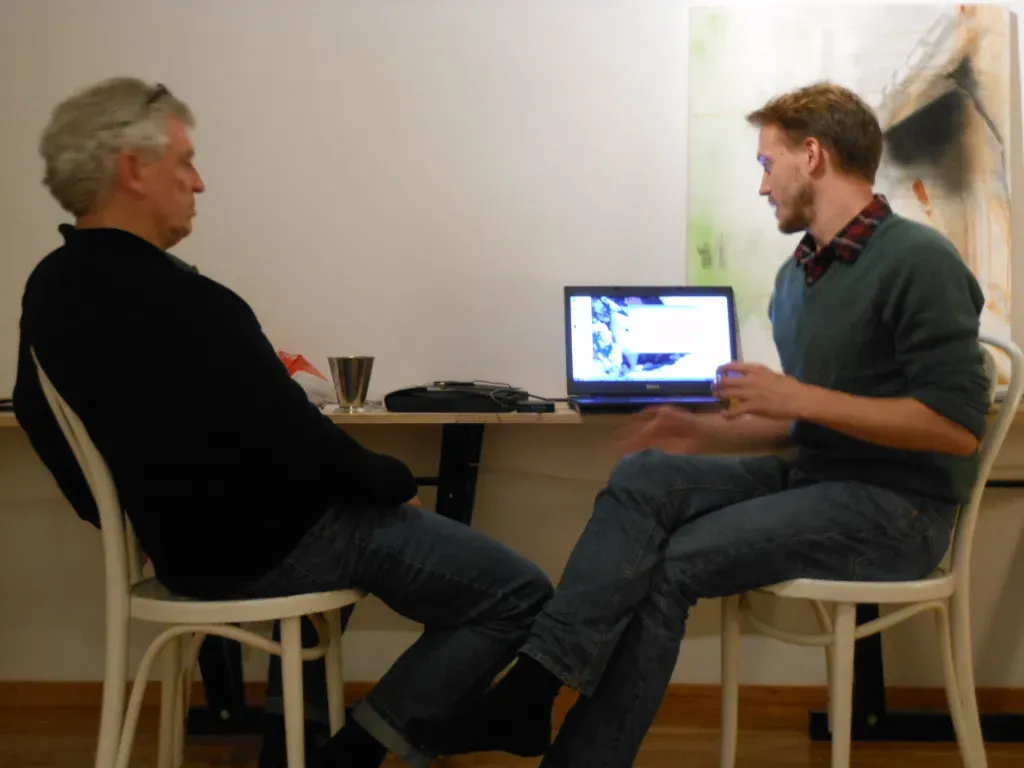
You can’t fake this part. Active listening requires you to shut off the voice in your head that’s already preparing your response while someone else is still talking. You need to genuinely hear what’s being said, not just wait for your turn to speak.
Building empathy happens through the practice of staying curious and asking questions, listening to the answers, and believing others even when their truth doesn’t reconcile with your own or even threatens it. That last part is crucial. Some of the most empathy-building conversations you’ll have will challenge your existing beliefs and make you squirm a bit. Focus on asking open-ended questions and reflecting back what you hear without judgment. This builds the trust that allows real connection to form.
Creating Environments Where Empathy Becomes Contagious
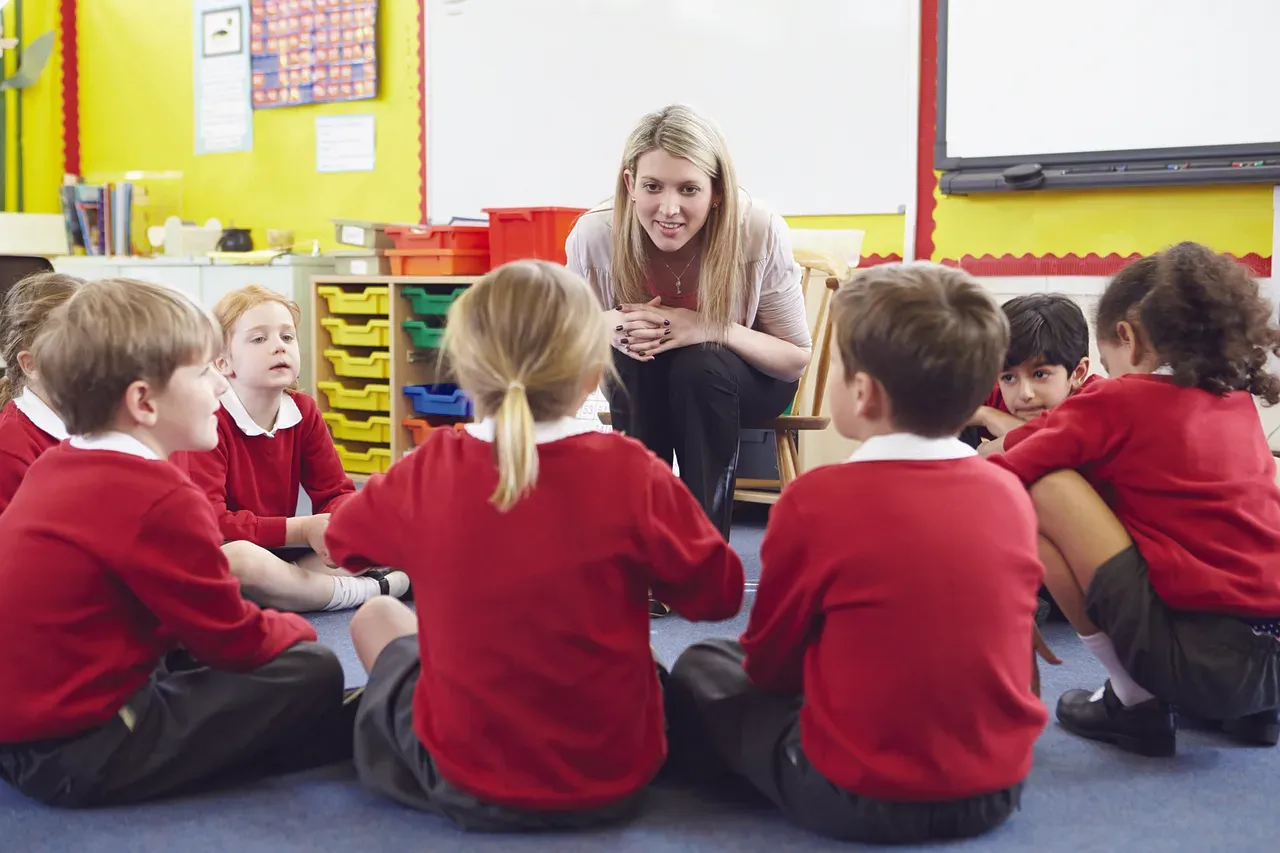
Here’s something fascinating from the research: empathy is not just a cognitive skill but is socially motivated, and when individuals are surrounded by communities where empathy is the norm, they are more likely to engage in empathetic behavior, much like a child who excels in sports when encouraged by athletic peers. Think about what this means for your workplace, your neighborhood, your family.
Neuroscientific research reveals that people are more likely to respond empathetically if they witness others doing so, which reinforces that modeling empathy within communities can inspire others to do the same. You have more power than you realize to shift the emotional climate around you. Every time you respond with genuine understanding instead of defensiveness, you’re creating permission for others to do the same.
Moving From Feeling to Action
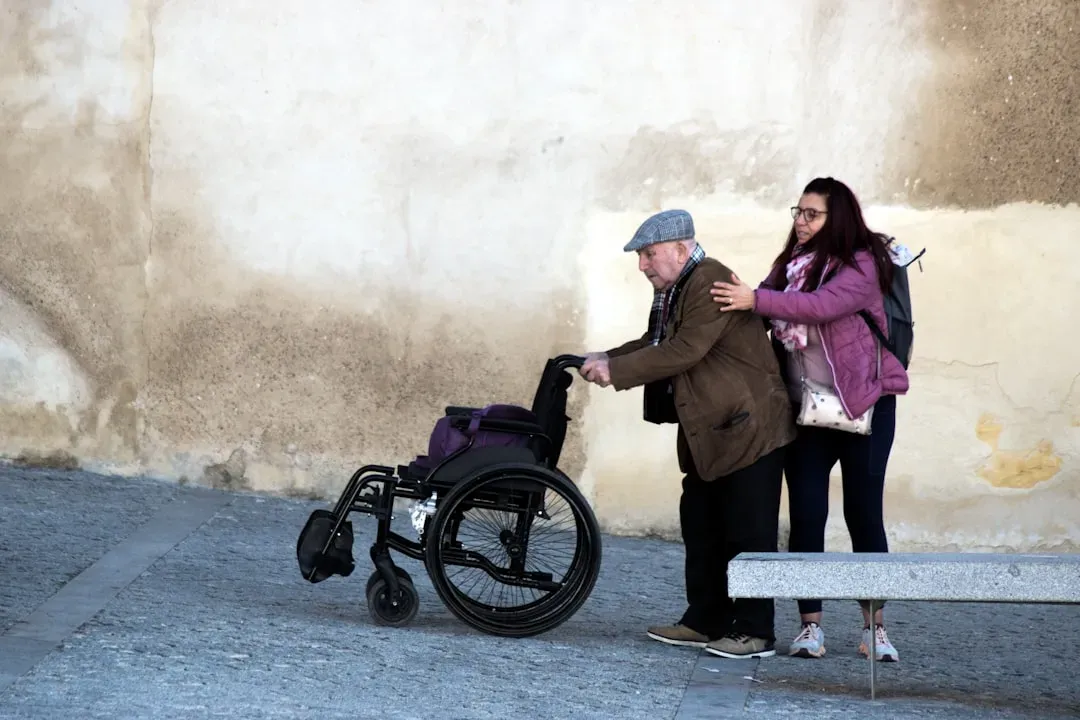
Feeling empathy is one thing. Actually doing something about it is where transformation happens. Encouraging people to take the leap from having empathy to acting on it matters because too often we assume people will automatically know what to do when they feel concern for someone.
Research indicates that active empathy can lead to fewer externalizing behaviors and greater social competence, and this is the type of empathy that builds strong communities, especially during times of crises. You might feel someone’s pain, but until you volunteer your time, offer concrete support, or advocate for change, that feeling remains abstract. The action doesn’t have to be grand. Sometimes it’s as simple as showing up, offering help with groceries, or making a phone call to check in.
Challenging Yourself Beyond Your Comfort Zone
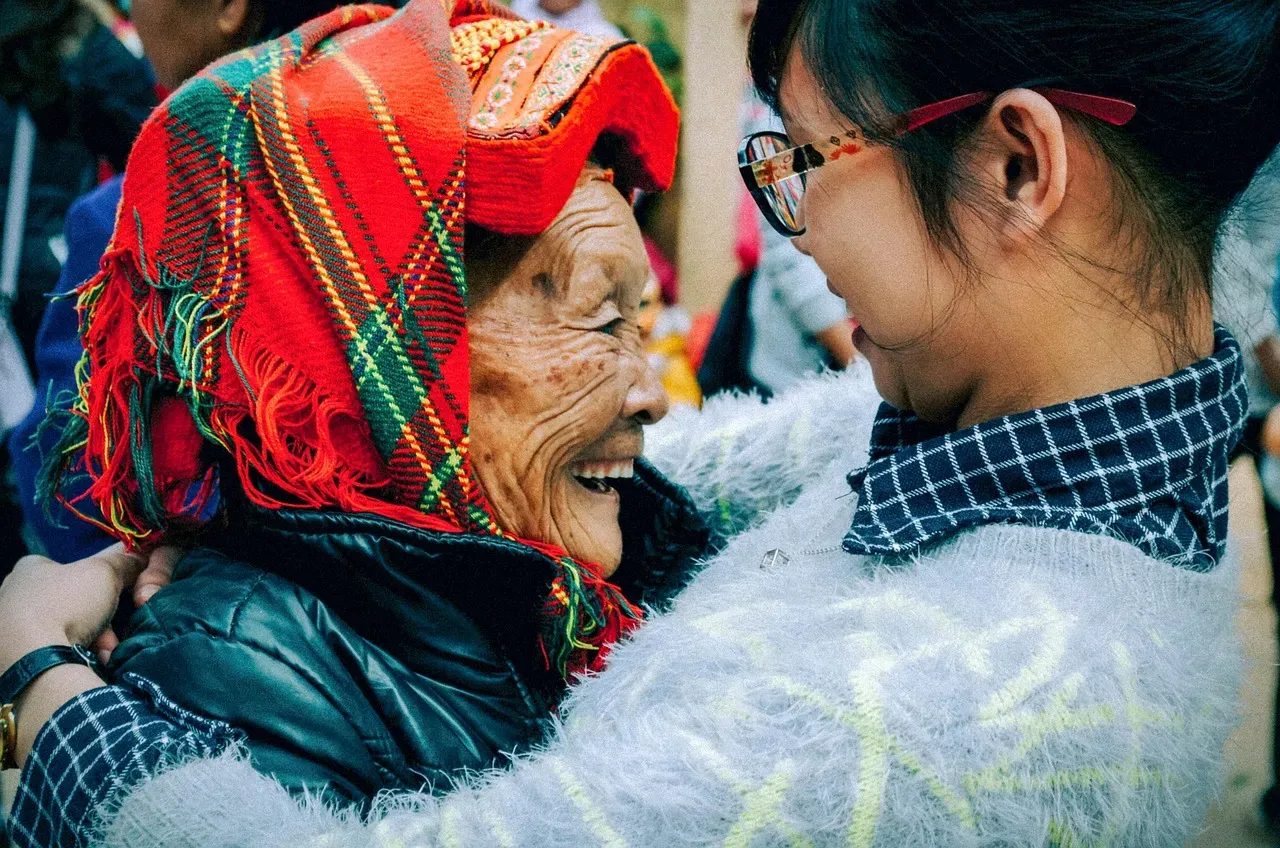
Growth never happens inside your comfort zone, and empathy is no exception. You can develop empathy by stepping out of your comfort zone through engaging in diverse experiences, such as travelling or volunteering in community projects. These experiences force you to encounter perspectives and realities different from your default setting.
Reading widely helps too, particularly fiction that delves deep into character relationships and unfamiliar experiences. You might also examine your own biases through honest self-reflection, recognizing the assumptions and prejudices that prevent you from truly understanding others. It’s uncomfortable work, I know. You might discover things about yourself you don’t particularly like. Yet this discomfort is precisely what signals you’re growing.
Building Empathy Into Collective Spaces
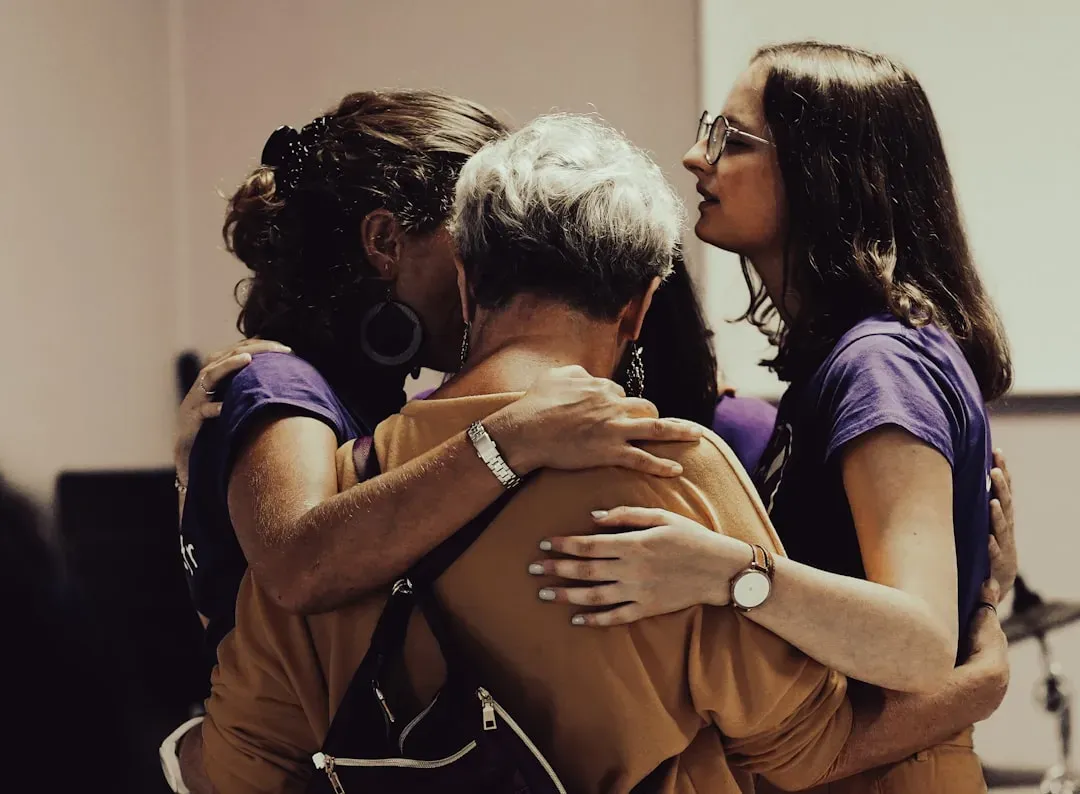
Individual empathy matters, but collective empathic action creates lasting change. Empathy connects to prosocial behaviors, and collective empathic action in communities and civil societies becomes particularly important during times of crises. You’ve probably seen this during disasters, when communities rally together with extraordinary compassion and mutual support.
Empathy fosters deeper connections between members, creating a sense of belonging and unity, and when members feel heard and understood, they are more likely to trust the community and its leadership. This means designing spaces, whether physical or digital, that prioritize understanding over winning arguments. Create forums for structured dialogue where people commit to truly listening before responding. Celebrate acts of empathy publicly to reinforce their value in your community.
Conclusion
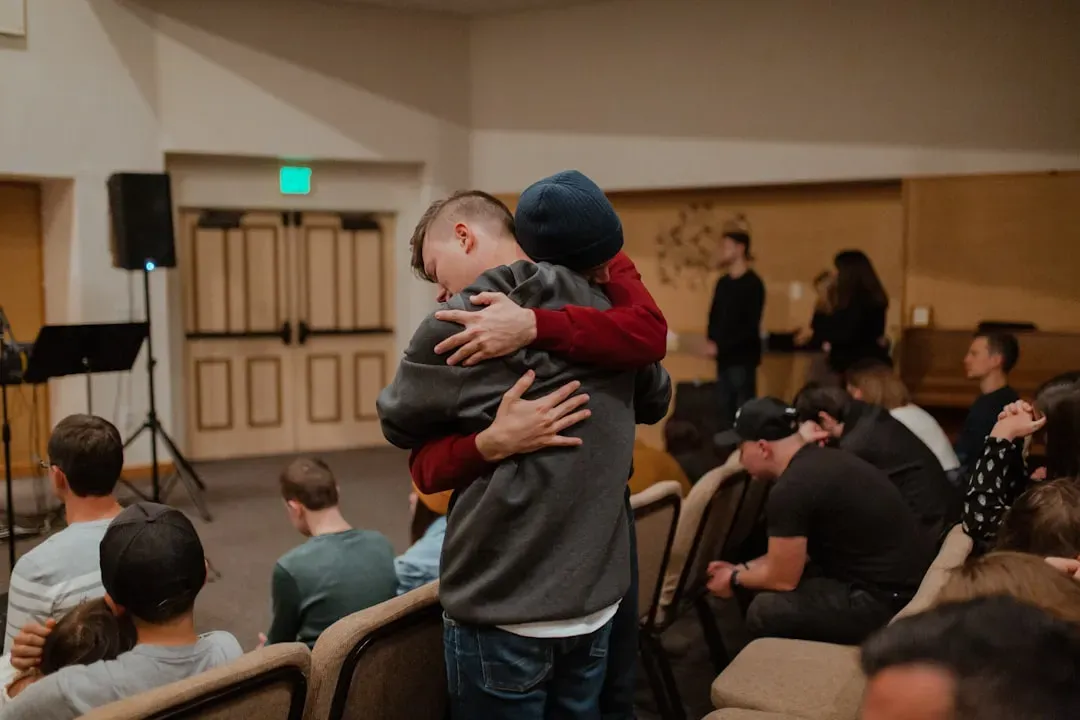
The path toward a more empathetic world isn’t paved with grand gestures or easy solutions. It’s built through thousands of small moments where you choose curiosity over judgment, understanding over righteousness, and connection over division. You won’t get it right every time. Some conversations will still end in frustration, and some people will resist your attempts at bridge-building.
As empathy is further cultivated it can act as the catalyst for increased understanding and interconnectedness, leading to not only limiting the devastating effects of conflict, but also to positive social development and stable, peaceful social conditions. The work starts with you, spreads to those around you, and gradually transforms the communities you inhabit. Every time you pause to really hear someone, every time you step outside your echo chamber, every time you act on your compassion, you’re casting a vote for the kind of world you want to live in.
What would happen if you started today with just one person you’ve been avoiding or dismissing? What might change if you approached that next difficult conversation with genuine curiosity instead of defensiveness?