Have you ever stopped to think about what made dinosaurs so successful for millions upon millions of years? These ancient giants weren’t just massive creatures stomping around. They were masters of adaptation, survival experts who thrived through volcanic winters, shifting climates, and fierce competition. Here’s the thing: the traits that kept them alive through catastrophic changes might be exactly what you need to navigate today’s chaotic world.
We’re living in uncertain times. The workplace is shifting faster than anyone can keep up with, technology keeps disrupting everything we know, and the old rulebook for success seems increasingly outdated. What if the secret to handling it all isn’t in the latest self-help trend, but in understanding how these prehistoric creatures conquered their world? Let’s dive in.
Embrace Adaptability as Your Superpower
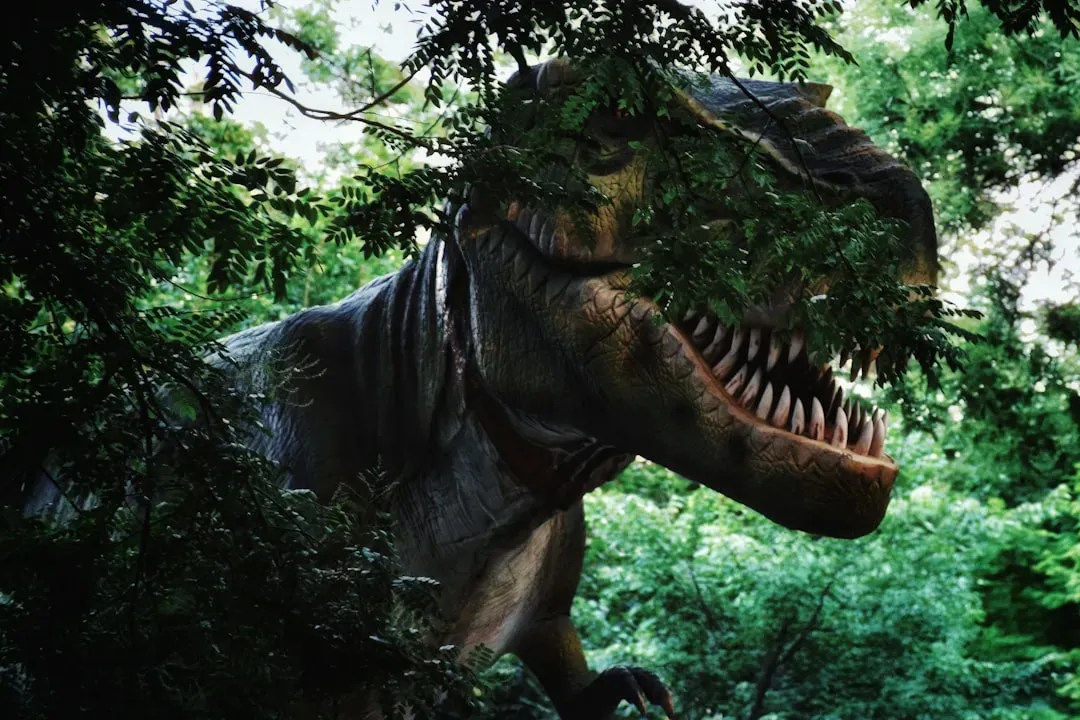
Dinosaurs understood something crucial: those who adapt thrive while others decline. You need to think of adaptability not as a nice skill to have, but as your primary survival tool in the modern jungle. Different dinosaur species evolved specialized features and behaviors to ensure their survival and dominance in their respective food chains.
Consider this in your own career. When the market shifts or your industry transforms, clinging to old methods is like a dinosaur refusing to evolve when the climate changed. The creatures that survived weren’t necessarily the strongest or the smartest initially. They were the ones willing to adjust their approach when circumstances demanded it. You need strategic reinvention through careful skill development, focusing on developing human capabilities that machines cannot copy: empathy, creative thinking, leadership, and strategic judgment.
Develop Defensive Strategies Without Becoming Rigid
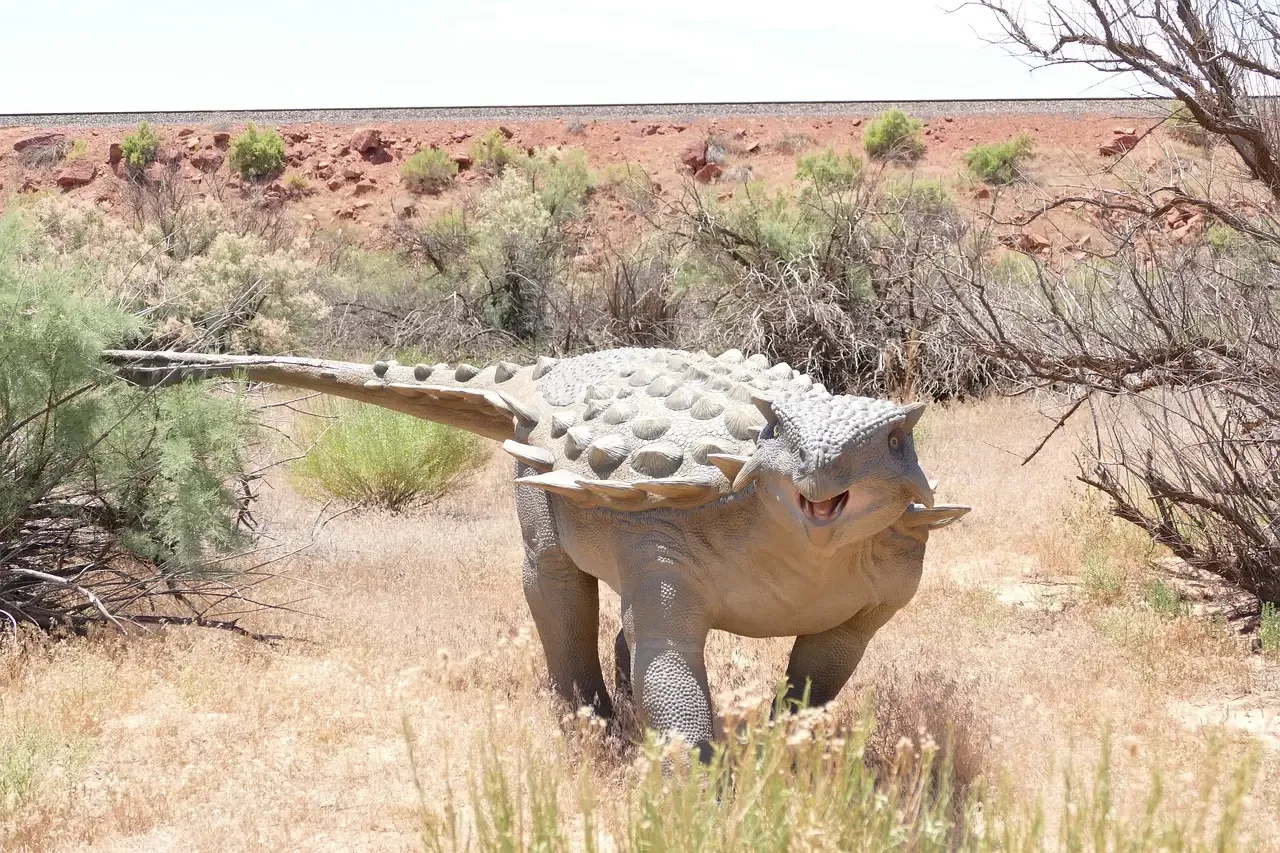
Ankylosaurus possessed formidable defensive adaptations, with a sophisticated strategy to deter and survive attacks from contemporary theropods. Yet this creature wasn’t just a walking tank. It knew when to stand firm and when to move.
You face predators too, though they look different today. Workplace politics, economic uncertainty, toxic environments. By balancing their need for food with protective behaviors, Ankylosaurus successfully navigated their environment, making them resilient in the face of potential threats. Your armor shouldn’t be defensiveness or resistance to change. Instead, build boundaries that protect your wellbeing while remaining flexible enough to seize opportunities. Think of it as strategic protection, not paranoid isolation.
Master the Art of Resource Management
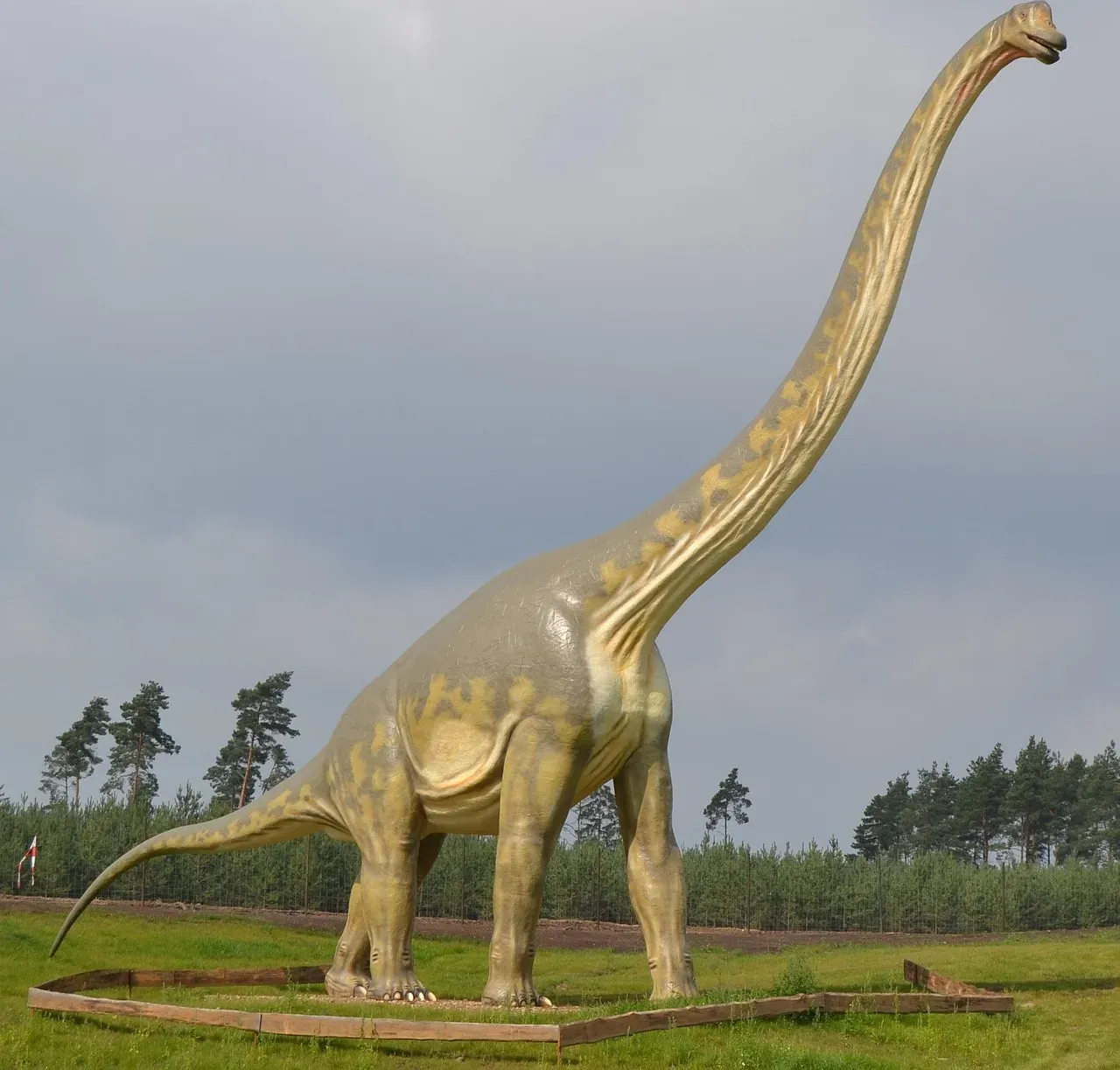
Prehistoric creatures couldn’t just order takeout or hit the grocery store. Sauropods developed unique strategies for consuming large quantities of vegetation, with elongated necks that allowed them to reach high into the canopy and efficient digestive systems that enabled them to process vast amounts of fibrous plant material. They maximized every resource available to them.
You might not be reaching for tree leaves, but resource management remains critical. Time, energy, relationships, money – these are your modern resources. Are you using them efficiently, or are you wasting energy on things that don’t fuel your goals? Learn to identify what truly nourishes your growth versus what just fills space. Sometimes it means reaching higher than others are willing to stretch.
Speed and Agility Beat Raw Power
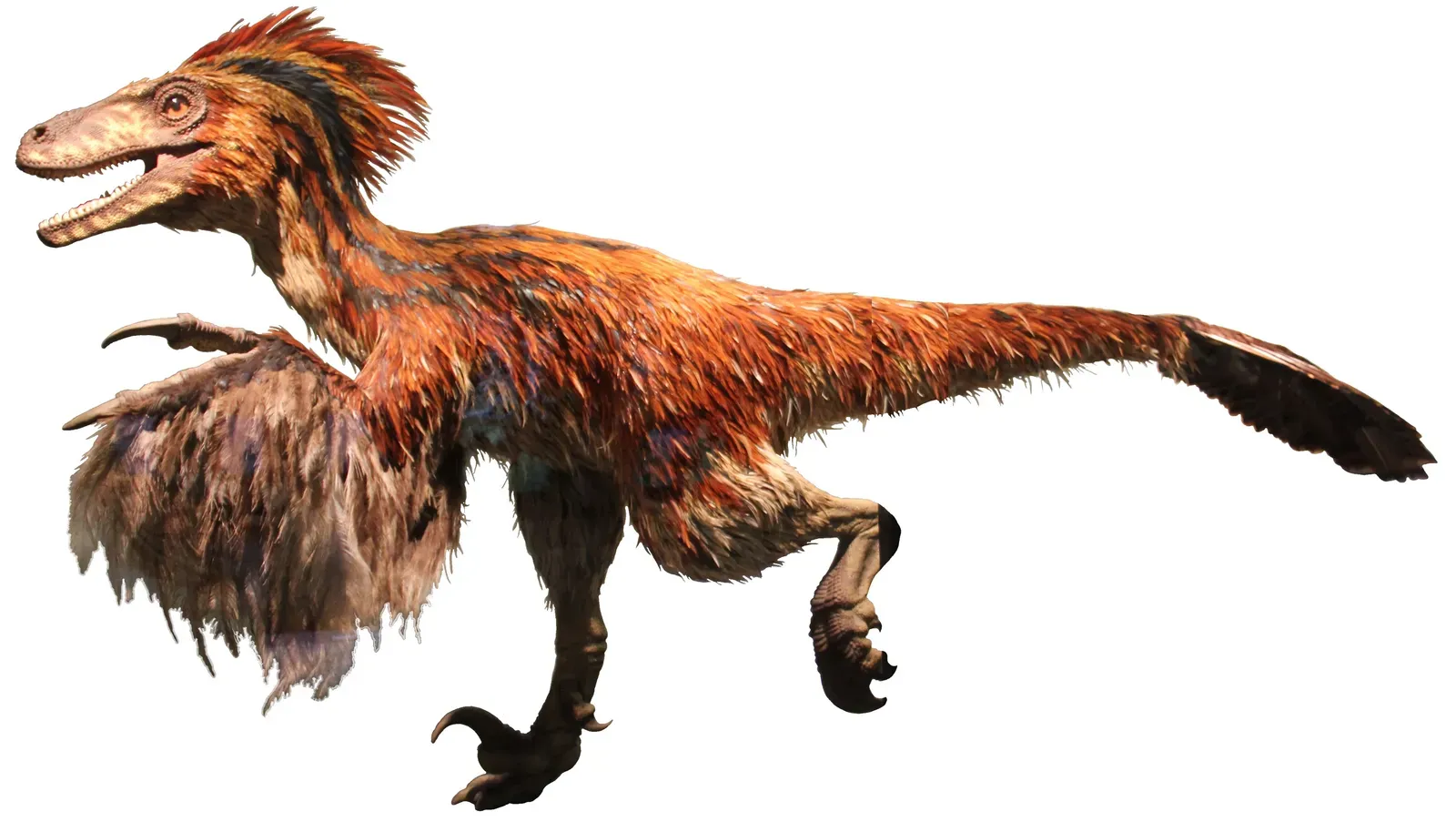
Survival often belongs to those who adapt best, not necessarily those who appear the most powerful, as shown by fast dinosaurs that could reach speeds of up to 60-70 kilometers per hour. In a world of giants, the quick ones often survived longer.
The current job market shows a cautious pattern with a low quit rate stuck at 2.0%, indicating that people hold onto their jobs out of fear instead of looking for better options. This is where speed matters. When opportunities appear, you need to move quickly. Decision paralysis kills more careers than bad decisions. Practice making faster choices with the information you have, rather than waiting for perfect certainty that never comes.
Build Cooperative Relationships for Survival
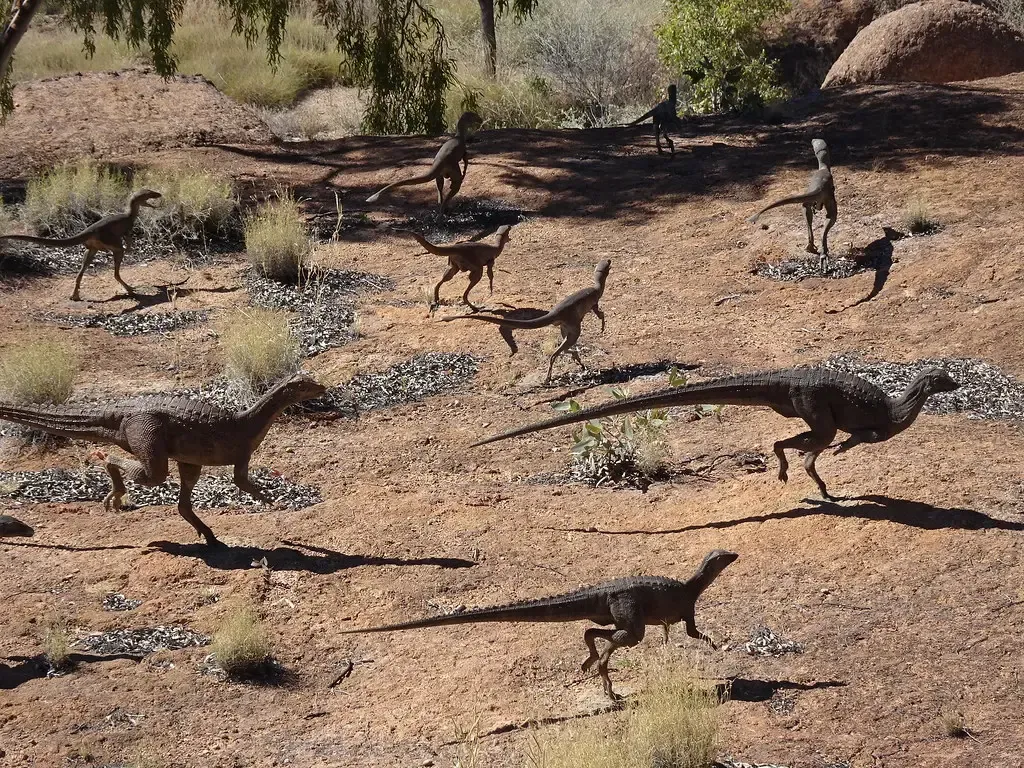
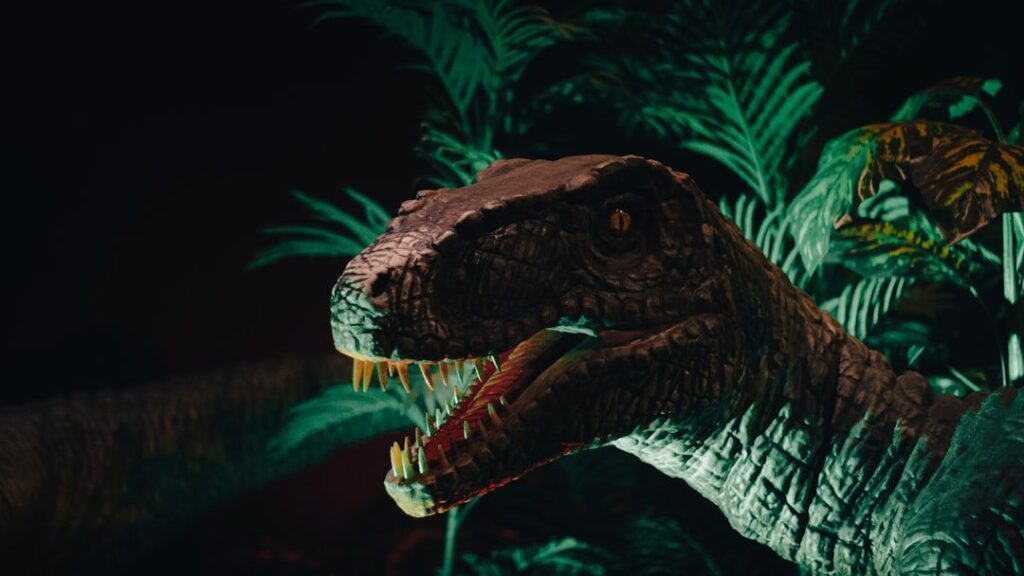
Pack hunting, as observed in Deinonychus, significantly increased their hunting success through cooperative behavior employing tactics and strength in numbers. The lone wolf narrative sounds romantic, but it’s often a recipe for failure.
Honestly, some of the most successful people I know aren’t the most talented – they’re the best connected. Many dinosaur species lived in complex social structures, with evidence of herd-like behavior showing individuals cooperating for hunting, defense, and even childcare. Your network isn’t just about collecting business cards. It’s about building genuine relationships where people support each other’s survival and success. Who has your back when things get tough?
Specialize While Staying Versatile
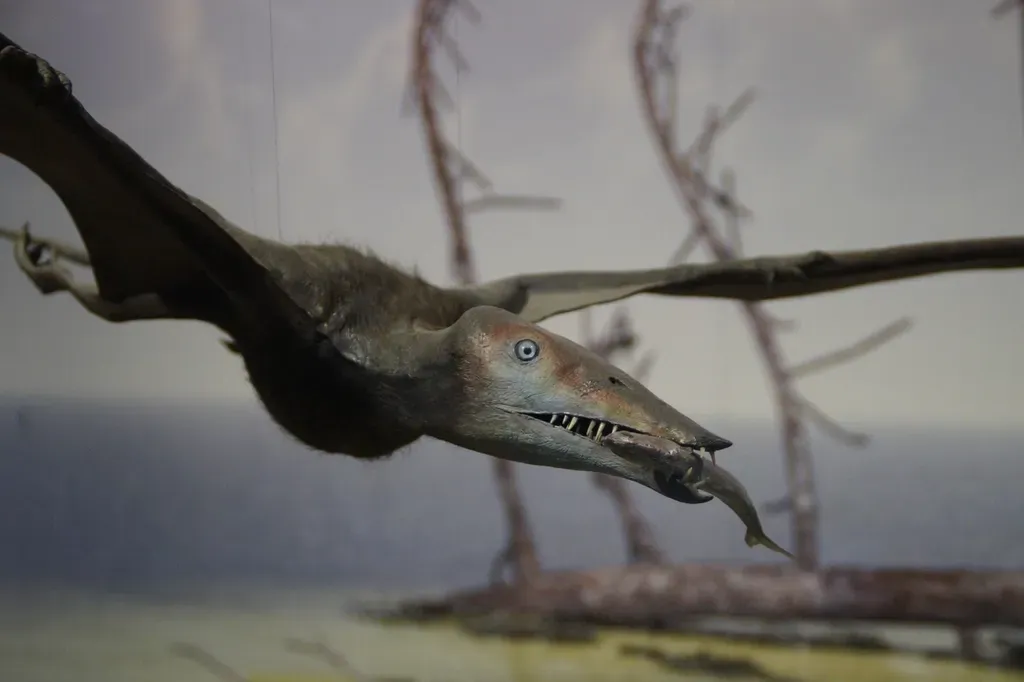
Different species of dinosaurs evolved long necks, sharp teeth, bony plates, and even feathers to find food, defend against predators, regulate body temperature, or attract mates. They had specialties, but they could also pivot when needed.
The real challenge is that the skills companies need today are no longer aligned with the labor supply, and traditional job reporting hasn’t kept pace with the realities of contingent work and hybrid jobs that blend technical and soft skills. You need a core expertise that makes you valuable, but also adjacent skills that keep you relevant when your primary field shifts. Think of yourself as having a primary weapon, like a raptor’s claw, but also secondary capabilities that kick in when circumstances change.
Learn from Failure and Near-Misses
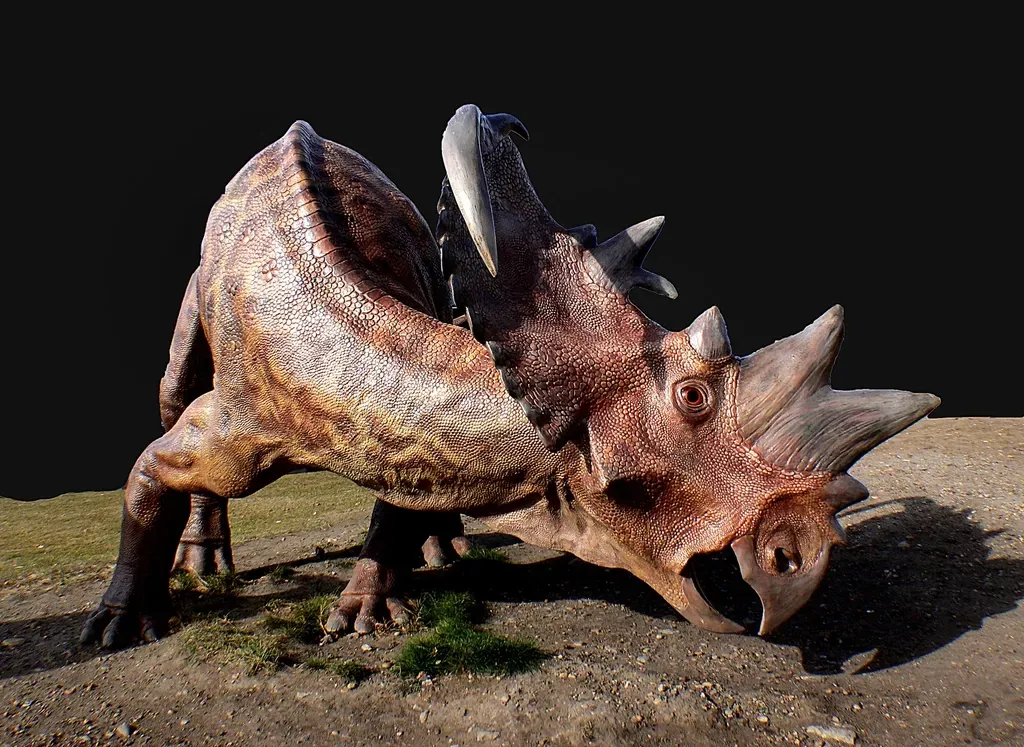
The early survival lessons were hard learned – you either learned, or you died. Dinosaurs didn’t have the luxury of gentle learning curves. Every mistake carried consequences.
You’re lucky enough to work in an environment where most mistakes won’t actually kill you. Yet we’re often more afraid of failure than those prehistoric creatures ever needed to be. Scientists have pieced together a narrative of survival, adaptation, and eventual extinction, but gaps in our understanding remain. Your setbacks are data, not destiny. Each misstep teaches you something about what works and what doesn’t. The question is whether you’re paying attention to those lessons.
Maintain Awareness of Your Environment
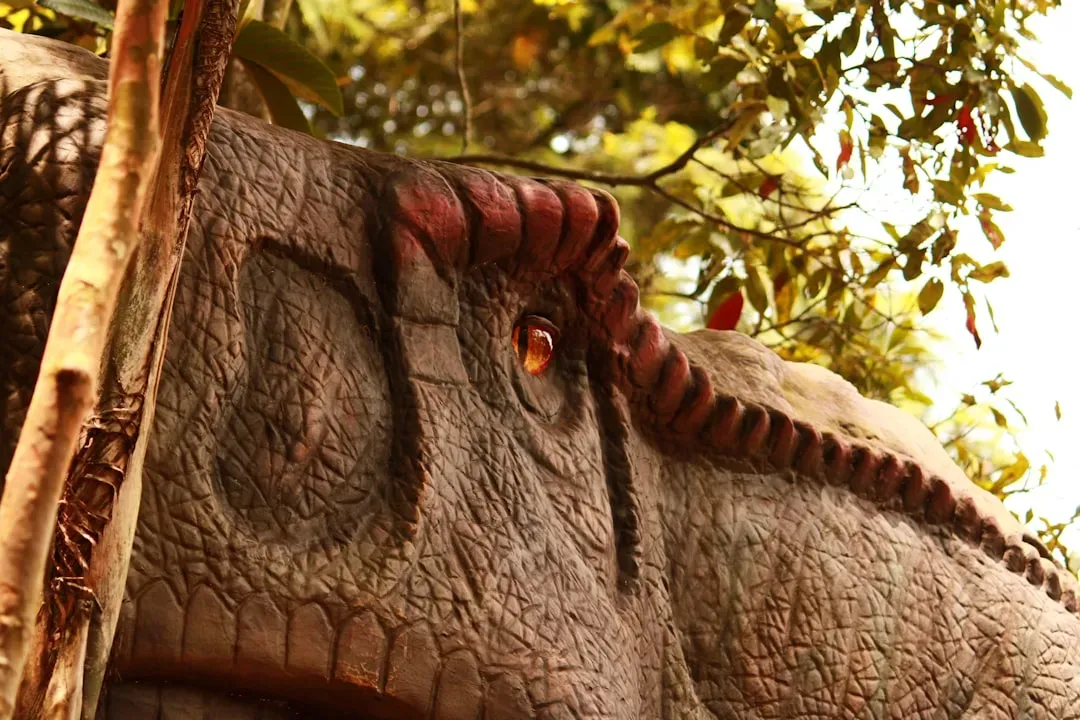
With eyes positioned for a broader field of vision and sharp sense of smell to locate food, Ankylosaurus could effectively monitor potential threats. These creatures survived because they paid attention to what was happening around them.
The workplace is shifting faster than most companies can adapt, and the forces shaping work are structural, interconnected and already in play. Are you watching the trends in your industry, or are you oblivious until change smacks you in the face? Read widely, talk to people outside your bubble, and develop a sense for when the wind is shifting. Environmental awareness isn’t paranoia. It’s smart survival strategy.
Invest in Long-Term Resilience Over Short-Term Gains
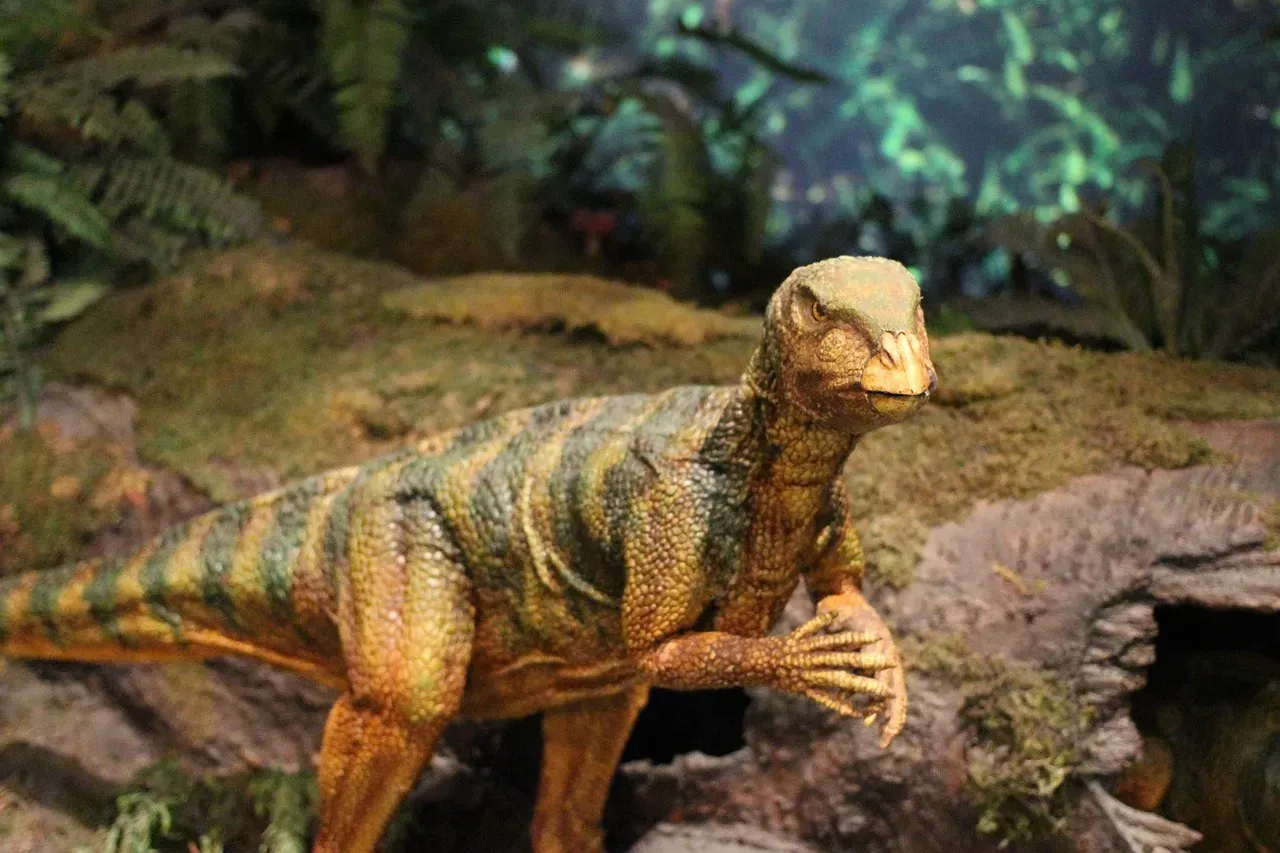
Dinosaurs exhibited a remarkable array of adaptations that allowed them to thrive in various environments for over 160 million years, with adaptations ranging from physical structures to behavioral traits crucial for their survival and success. They played the long game.
We live in a culture obsessed with quick wins and instant results. However, the dinosaurs that lasted weren’t chasing short-term advantages at the expense of long-term survival. Experts recommend creating ‘Career Insurance’ – smart investments in your professional future that protect you whatever happens to your current job. This means building skills that compound over time, maintaining your health, nurturing relationships, and creating multiple streams of security rather than betting everything on one outcome.
Conclusion
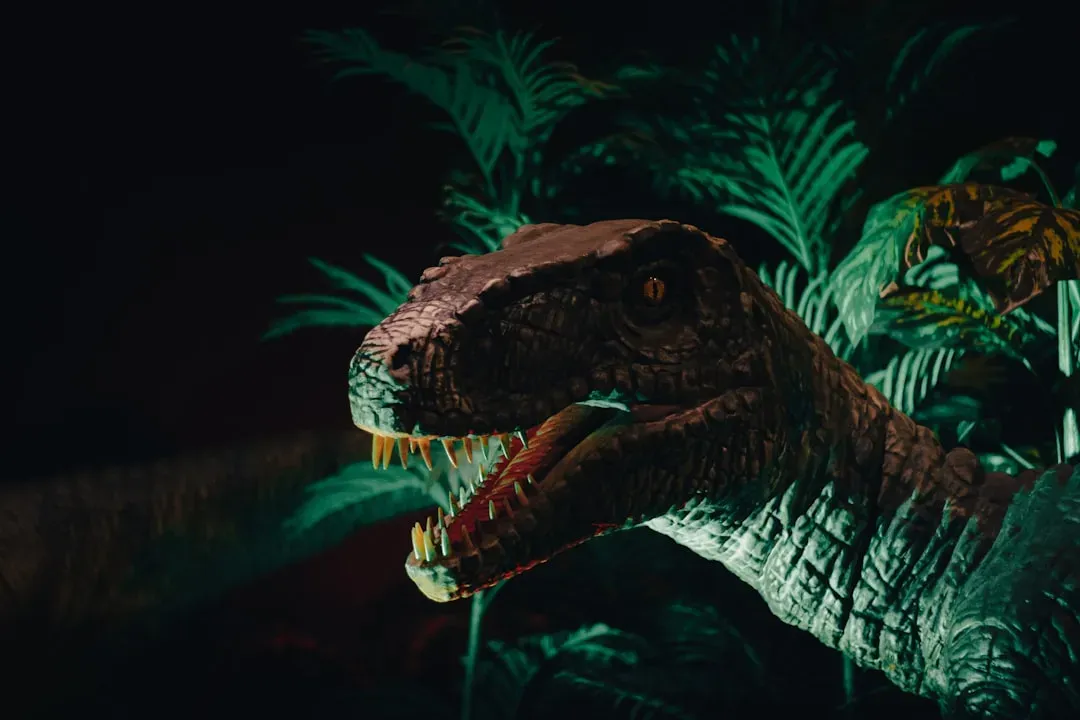
Dinosaurs ruled the Earth for over 160 million years, adapting to various environmental changes, with climate playing a significant role in their evolution and helping us understand their survival strategies. That’s an incredible track record. While they eventually faced an extinction event they couldn’t overcome, their fundamental strategies for thriving through change remain remarkably relevant.
You’re navigating your own version of the Cretaceous period right now. Economic volatility, technological disruption, social upheaval – these are your asteroid impacts and volcanic winters. The dinosaur mindset isn’t about being aggressive or domineering. It’s about being adaptable, aware, cooperative when needed, and relentlessly focused on survival through whatever comes.
Let’s be real: nobody has this all figured out. But by channeling the strategies that worked for millions of years, you stand a much better chance of not just surviving but actually thriving through the chaos. What aspect of your inner dinosaur will you activate first?