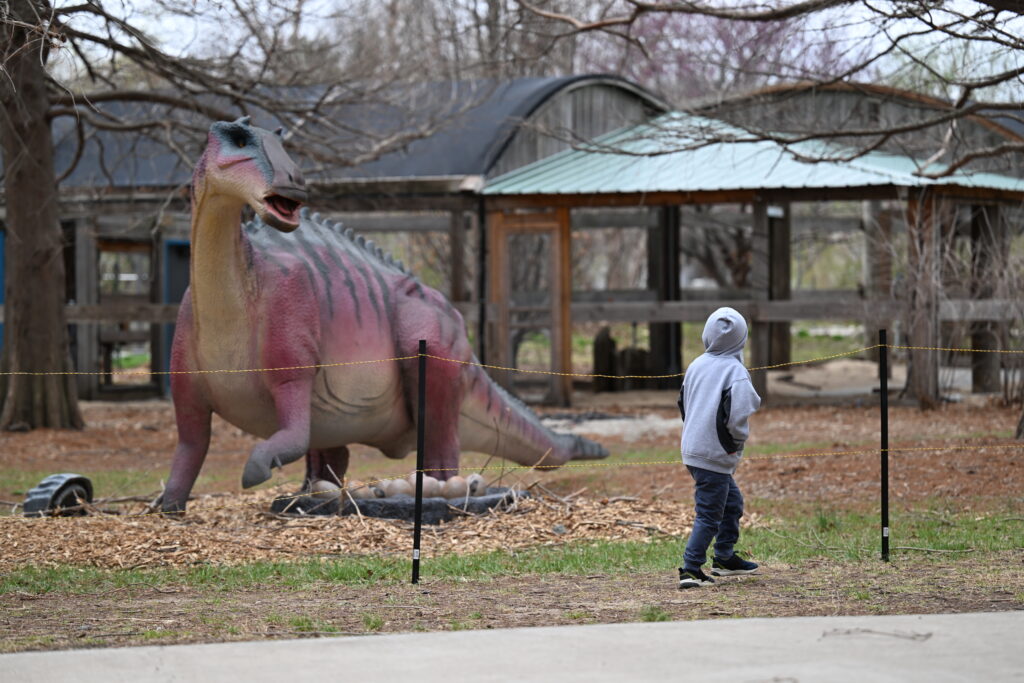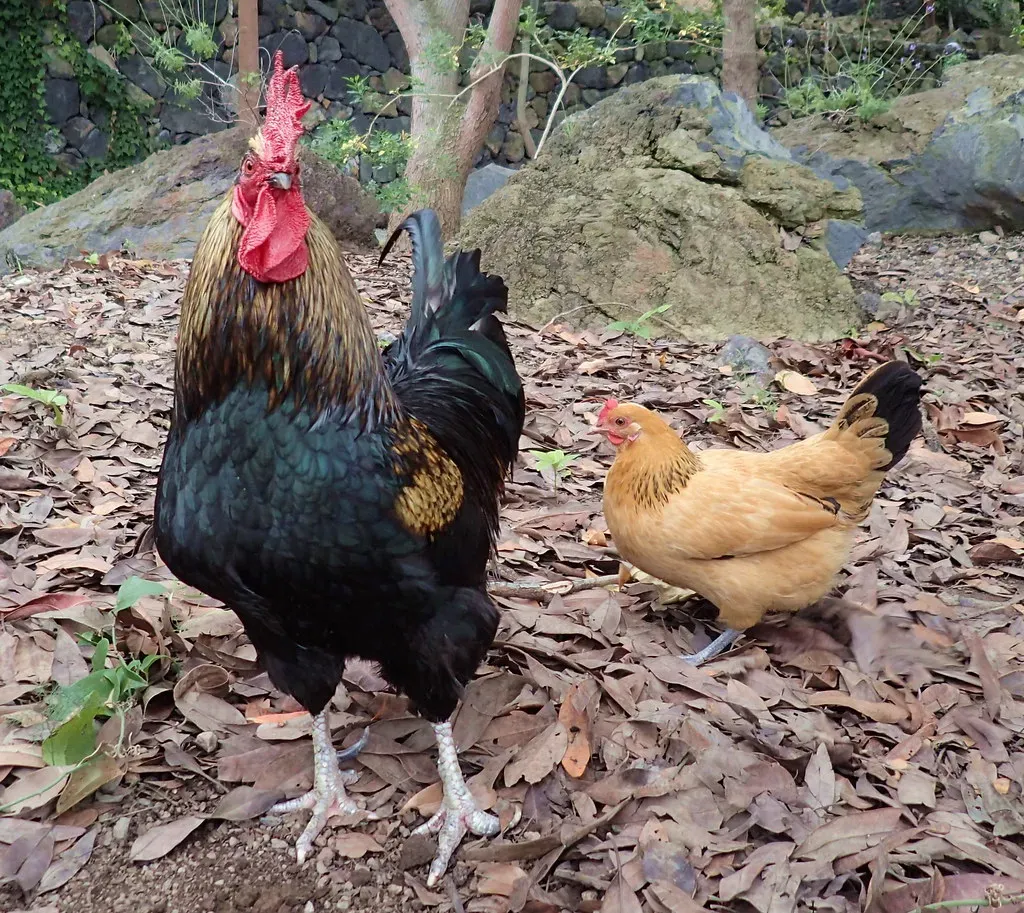
Picture this: you’re standing in a farmyard, watching a chicken scratch at the ground, peck at seeds, and strut about with that unmistakable, slightly arrogant tilt of the head. Ordinary, right? Now imagine that same posture, that same two-legged walk, scaled up to something the size of a school bus with teeth. Suddenly, the chicken doesn’t look so ordinary anymore.
The idea that the humble chicken sitting in your backyard is a living, breathing descendant of dinosaurs sounds like something out of science fiction. Yet this is one of the most well-supported, scientifically documented facts in the world of paleontology and evolutionary biology. Millions of years of evolution separate the age of giant reptiles from your kitchen table, but the thread connecting them has never actually broken. Be prepared to look at your chicken dinner very differently from this point forward. Let’s dive in.
The Age of the Theropods: Where It All Started
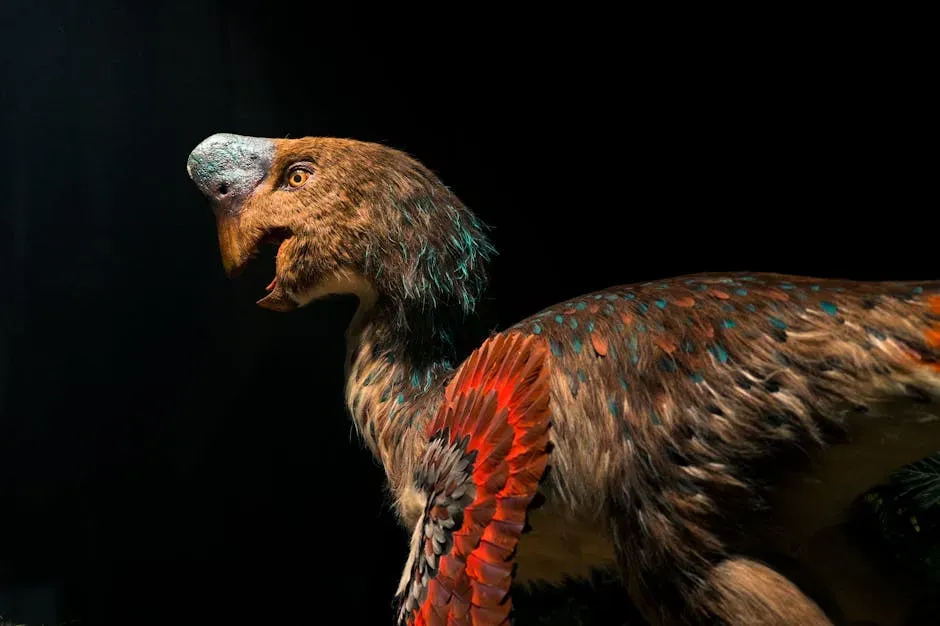
To understand how chickens are linked to dinosaurs, you need to travel back in time approximately 65 million years to the Mesozoic Era, also known as the Age of Dinosaurs. During this period, the Earth was inhabited by a diverse array of dinosaur species, ranging from colossal predators to smaller, bird-like creatures. Think of it as Earth’s original wildlife kingdom, just a lot more terrifying.
Among these smaller dinosaurs were the theropods, a group known for their bipedal stance and carnivorous diet. It is within the theropod lineage that you find the ancestors of modern birds, including the chicken. Theropods were bipedal dinosaurs that walked upright and included some of the most famous dinosaurs, like Tyrannosaurus Rex. So yes, the T. Rex and your backyard bird are, in a very real sense, distant relatives.
The Scientific Consensus: Birds Are Avian Dinosaurs
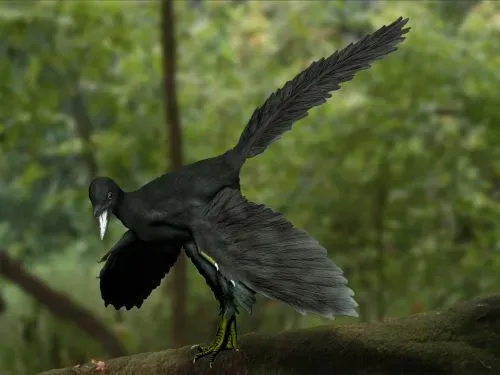
The present scientific consensus is that birds are a group of maniraptoran theropod dinosaurs that originated during the Mesozoic Era. That’s not a fringe theory or a wild guess. It’s backed by decades of fossil research, genetic analysis, and comparative anatomy. Let’s be real, science rarely agrees on everything, but on this point, the evidence is about as solid as it gets.
While all birds are considered part of the dinosaur lineage, further classification divides this lineage into distinct branches. Chickens belong to the theropod group, just like Tyrannosaurus Rex. Chickens represent a lineage of theropods that survived and continued to evolve, acquiring their own unique suite of characteristics. Honestly, it’s a little humbling to think that the T. Rex’s evolutionary cousins now lay eggs for your breakfast.
Archaeopteryx: The Fossil That Changed Everything
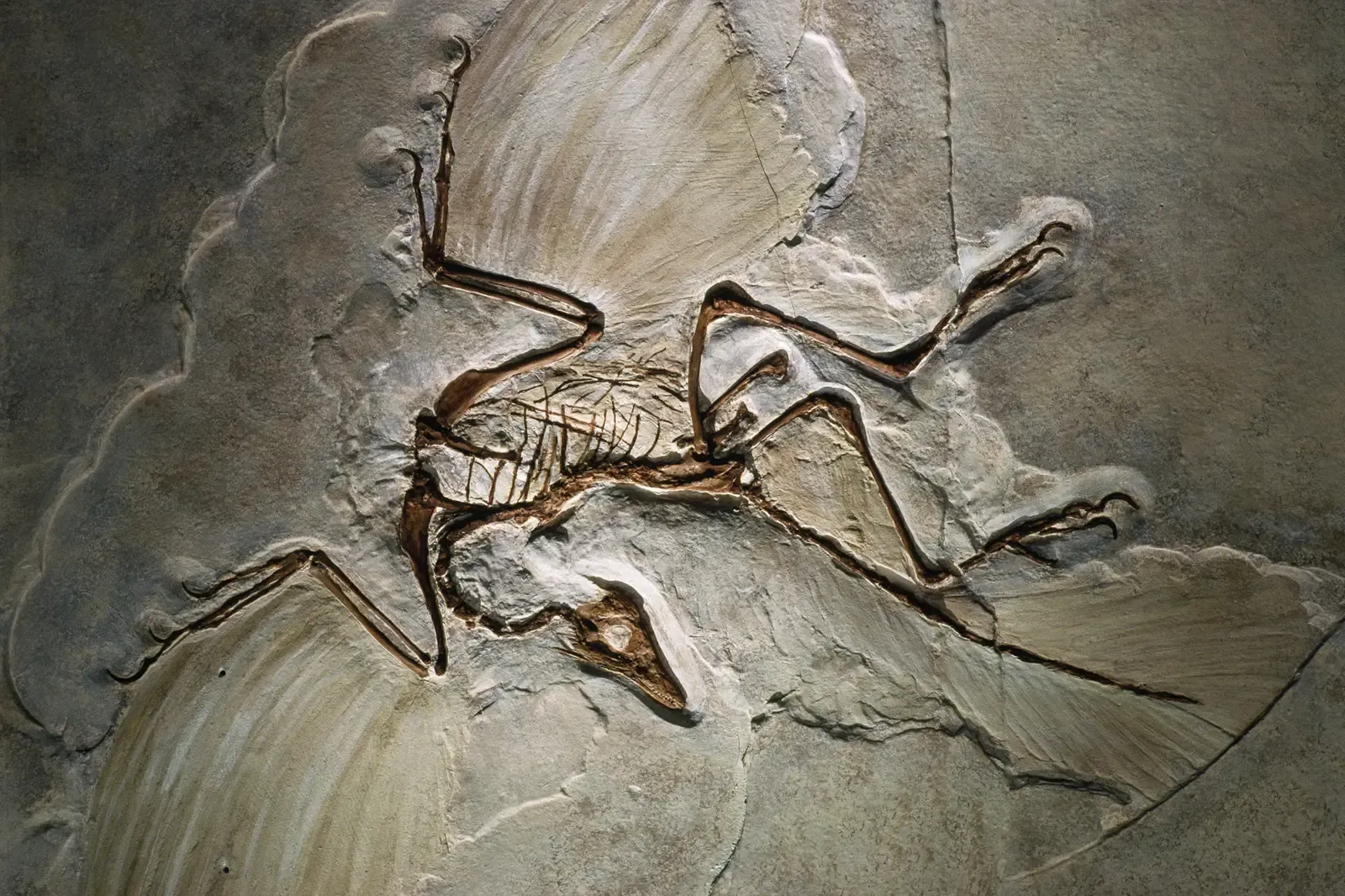
One of the most famous transitional fossils is Archaeopteryx, which lived about 150 million years ago. Archaeopteryx possesses a blend of avian and dinosaurian features, such as feathers and a wishbone, combined with teeth, a long bony tail, and clawed fingers. These traits make Archaeopteryx a key piece of evidence in understanding the evolution of flight and the emergence of birds from theropod ancestors.
The basal bird Archaeopteryx, from the Jurassic, is well known as one of the first “missing links” to be found in support of evolution in the late 19th century. Though it is not considered a direct ancestor of modern birds, it gives a fair representation of how flight evolved and how the very first bird might have looked. It’s nature’s own rough draft, imperfect but breathtakingly revealing.
How Dinosaurs Physically Shrank Into Birds
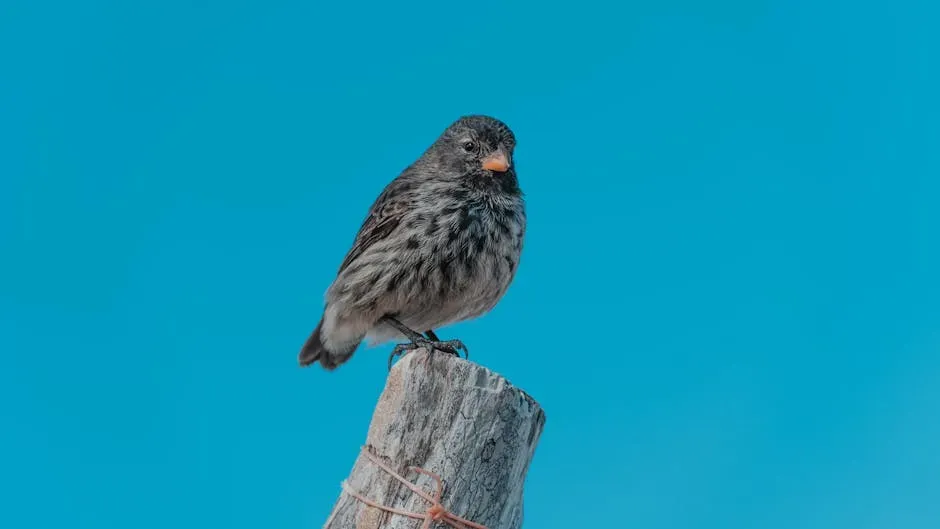
The gradual evolutionary change from fast-running, ground-dwelling, bipedal theropods to small, winged, flying birds probably started about 160 million years ago. It was possibly due to a move by some small theropods into trees in search of either food or protection. During the course of their evolutionary history, the body size of some theropod groups gradually decreased. Think of it like nature slowly shrinking the model, testing new features with each generation.
Though most people might name feathers or wings as a key characteristic distinguishing birds from dinosaurs, the group’s small stature is also extremely important. New research suggests that bird ancestors shrank fast, indicating that the diminutive size was an important and advantageous trait, quite possibly an essential component in bird evolution. True flight powered by beating wings requires a certain ratio of wing size to weight. Birds needed to become smaller before they could ever take to the air for more than a short glide.
The T. Rex Protein Bombshell: Molecular Evidence Links to Chickens
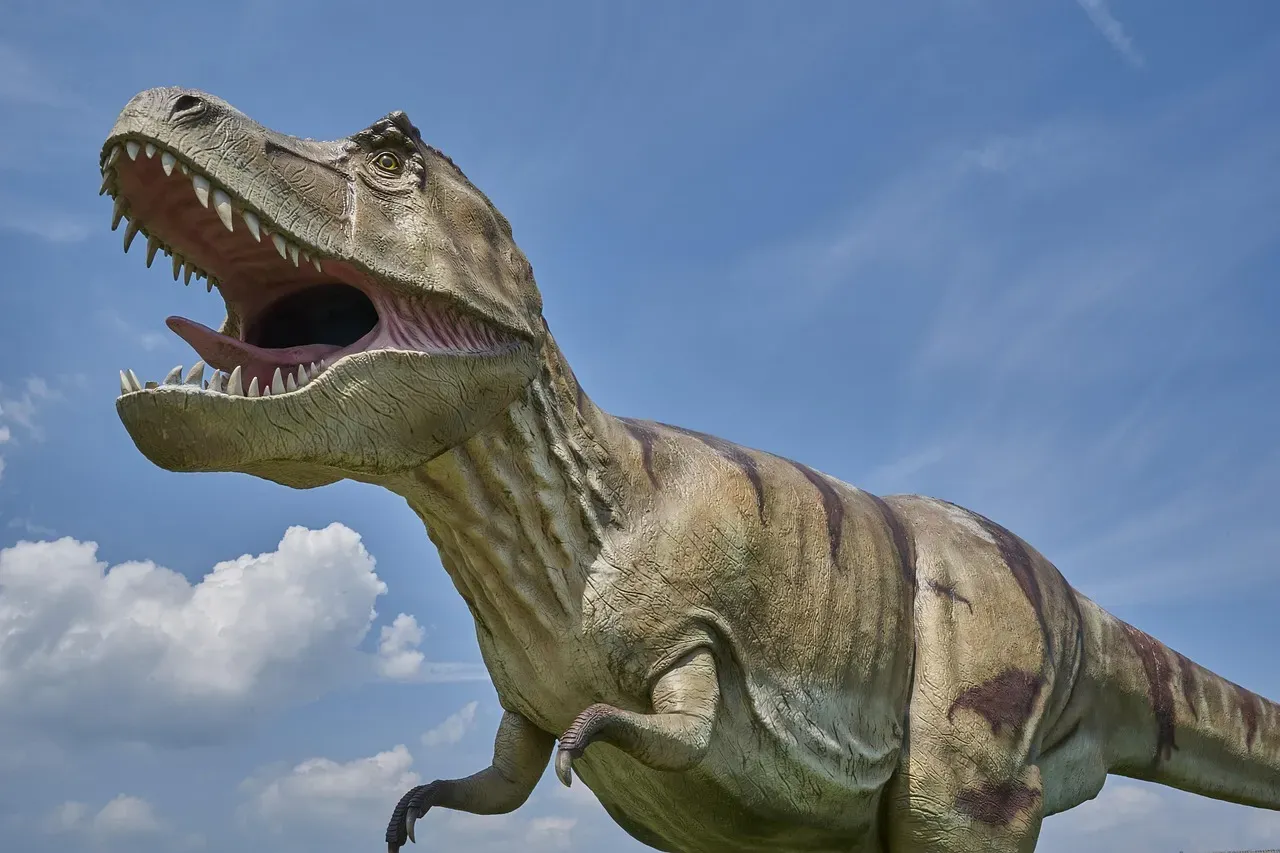
Back in 2003, a unique fossil of the T. Rex was discovered with soft tissue intact, allowing scientists to extract enough protein material for research. This 68-million-year-old fossil was compared to the DNA of 21 modern animal species, and the result? The proteins found in the DNA of the T. Rex were most like those of the chicken. I know it sounds crazy, but that’s exactly what the data showed.
Molecular analysis of a shred of 68-million-year-old Tyrannosaurus rex protein, along with that of 21 modern species, confirms that dinosaurs share common ancestry with chickens, ostriches, and to a lesser extent, alligators. The work, published in the journal Science, represents the first use of molecular data to place a non-avian dinosaur in a phylogenetic tree that traces the evolution of species. That’s not just interesting, that’s groundbreaking.
The Chicken Genome: A Genetic Time Capsule From the Mesozoic
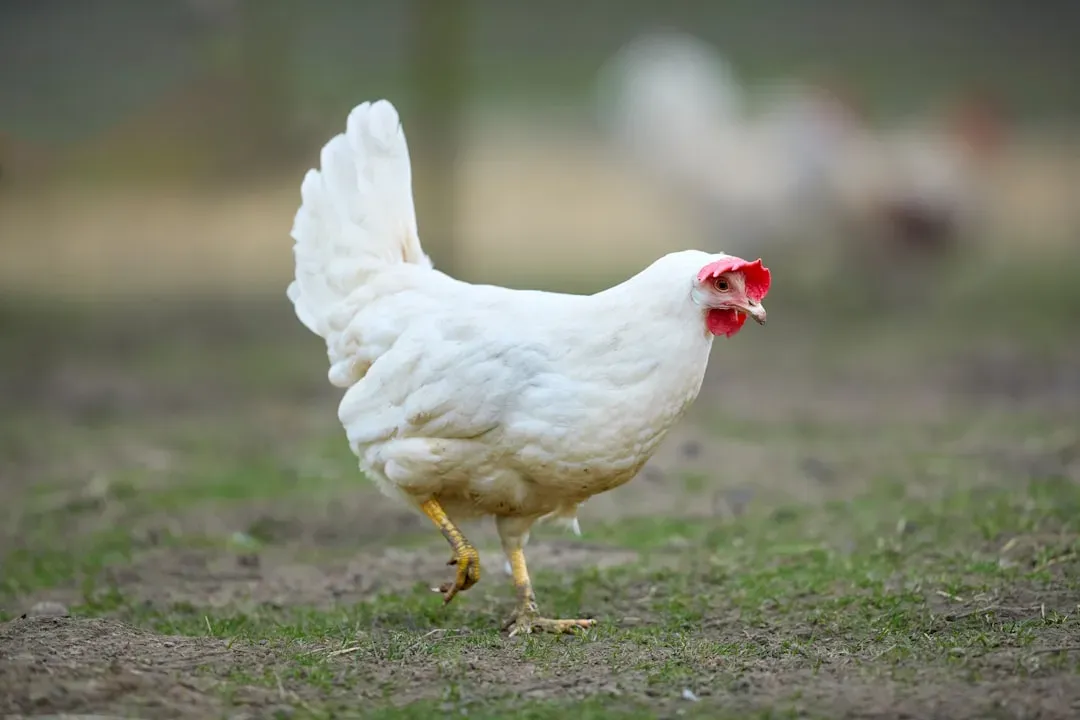
Because the chicken is a modern descendant of the dinosaurs and the first non-mammalian amniote to have its genome sequenced, the draft sequence of its genome, composed of approximately one billion base pairs of sequence and an estimated 20,000 to 23,000 genes, provides a new perspective on vertebrate genome evolution. Roughly about one billion base pairs. Let that sink in for a moment.
This genetic mapping allowed scientists to identify specific genetic sequences that have remained remarkably consistent throughout evolutionary history. Comparative genomic studies have subsequently revealed that chickens retain numerous genetic elements that were likely present in their dinosaur ancestors. These include genes related to immune function, scale formation, and skeletal development. The chicken genome has become an invaluable reference point for paleogenetic research, allowing scientists to better understand not just modern avian biology but also to make educated inferences about the genetic makeup of extinct dinosaurs like T. rex. This genetic time capsule within the chicken provides a unique window into the biological foundations of creatures that vanished from Earth millions of years ago.
Shared Anatomy: Bones, Beaks, and the Famous Wishbone
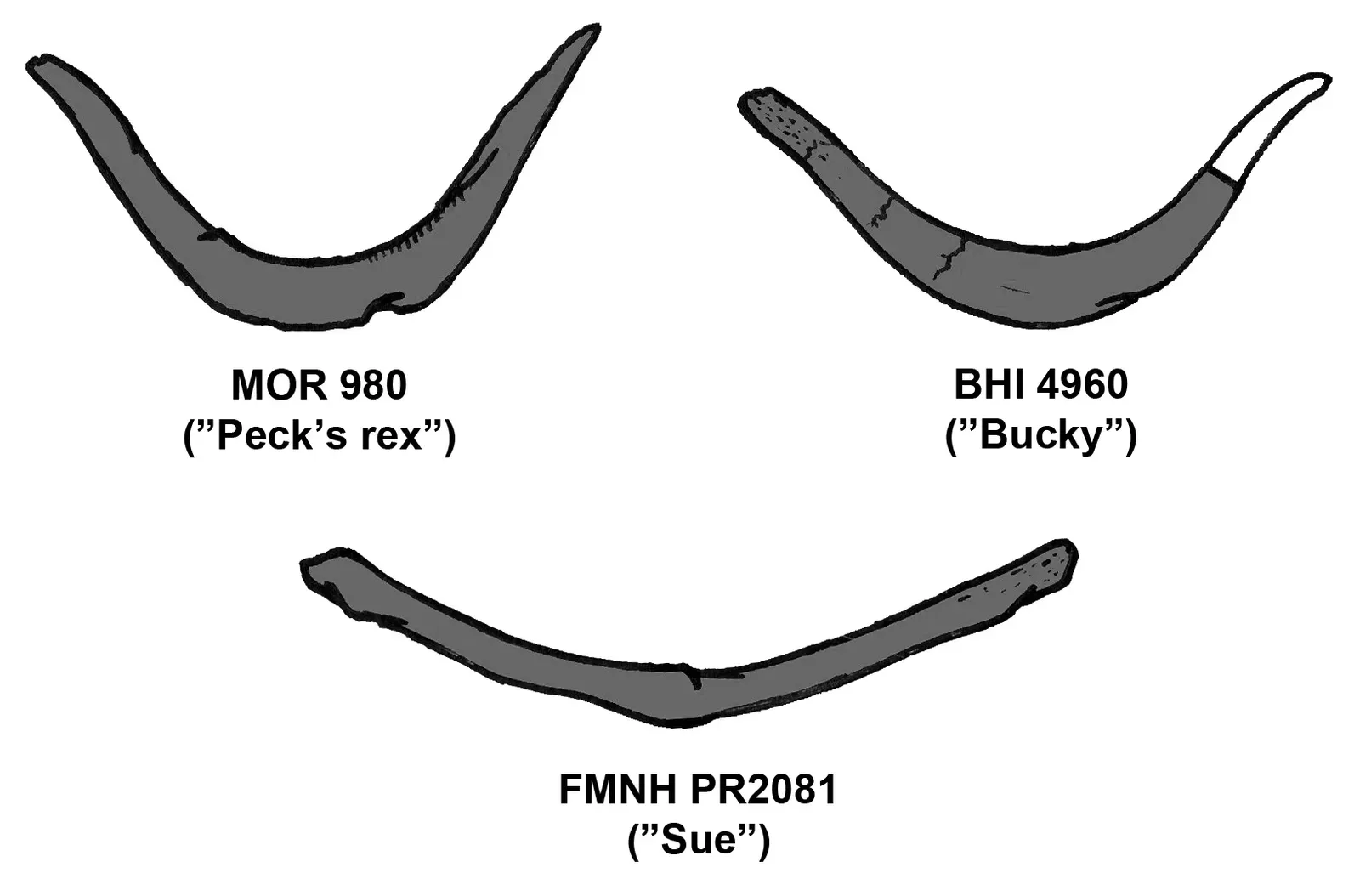
The hollow bones of chickens are a direct evolutionary link to theropod dinosaurs, such as the Velociraptor, which also exhibited this adaptation. Another anatomical parallel is the presence of the wishbone, or furcula, in both chickens and dinosaurs. This V-shaped bone, located between the shoulders, plays a crucial role in flight mechanics for birds by providing a sturdy anchor for wing muscles. Dinosaurs like the Oviraptor and Deinonychus also had wishbones, suggesting they may have been precursors to flight or served a similar function in stabilizing their forelimbs during movement.
The forelimbs of chickens, which have evolved into wings, share the same bone structure as the arms of theropod dinosaurs: one bone in the upper arm, two in the forearm, and a set of smaller bones in the hand. Even the scales on a chicken’s legs resemble the scales found on dinosaur fossils, further reinforcing the evolutionary link. Next time you’re handling a chicken, you’re essentially holding a scaled-down skeletal blueprint of something that once ruled the Earth.
Behavior That Echoes Across 150 Million Years
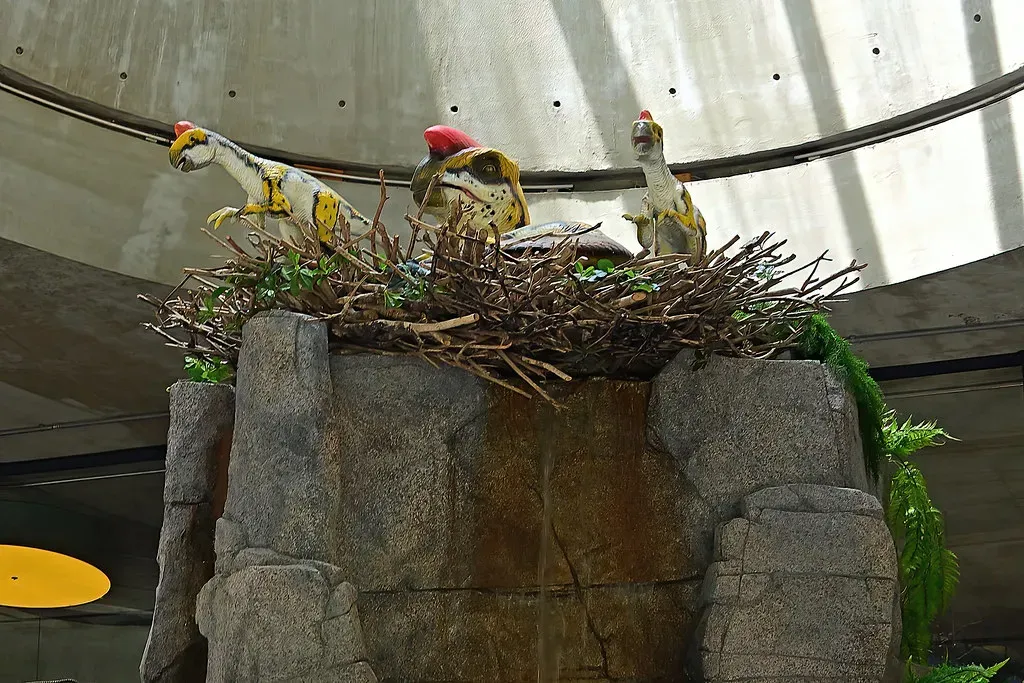
The discovery of fossilized dinosaur nests, complete with eggs arranged in circular patterns, suggests nesting behaviors remarkably similar to those observed in modern ground-nesting birds, including some chicken breeds. Even more compelling, the brooding posture of nesting chickens, sitting atop eggs with their wings spread to provide warmth and protection, mirrors the fossilized positions of nesting oviraptor dinosaurs discovered in Mongolia.
Many bird species display complex social interactions, which paleontologists suggest were present in some dinosaur species. Vocalizations and visual displays used by birds may have analogs in dinosaur behavior, inferred from the structure of their vocal apparatus and crests. Chickens exhibit pecking and scratching behaviors similar to predatory and scavenging behaviors proposed for small theropods. If their dinosaur ancestors were capable of complex behaviors, as fossilized nesting sites, herd movement, and courtship displays suggest, then perhaps chickens are more cognitively and socially advanced than we often assume.
Reverse Engineering: Could Science Give a Chicken Its Dinosaur Traits Back?
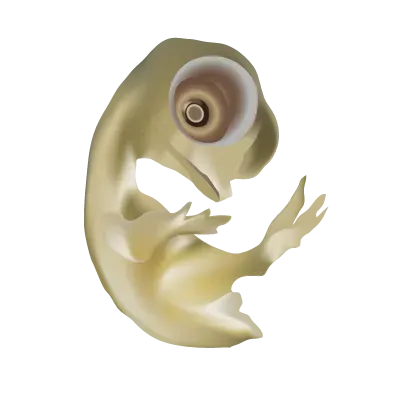
Scientists can even reactivate dormant genes in chicken embryos, leading to the development of features like teeth or a more ancestral jaw structure, further underscoring their deep evolutionary connection to dinosaurs. It’s hard to say for sure how far this research could eventually go, but the fact that these ancient genetic instructions are still sitting inside a chicken’s genome, essentially switched off, is mind-blowing.
The embryonic development of chickens shows stages that resemble theropod dinosaurs, such as the presence of a long, bony tail in early developmental phases, which is later reduced in mature chickens. These developmental and behavioral links further solidify the evolutionary bridge between chickens and theropods like the T. rex. Scientists are even attempting to reverse engineer chickens, activating dormant genes to express ancestral traits like teeth and longer tails. These experiments provide further evidence of the deep connection between chickens and their dinosaurian ancestors.
Conclusion: The Dinosaur That Never Really Left
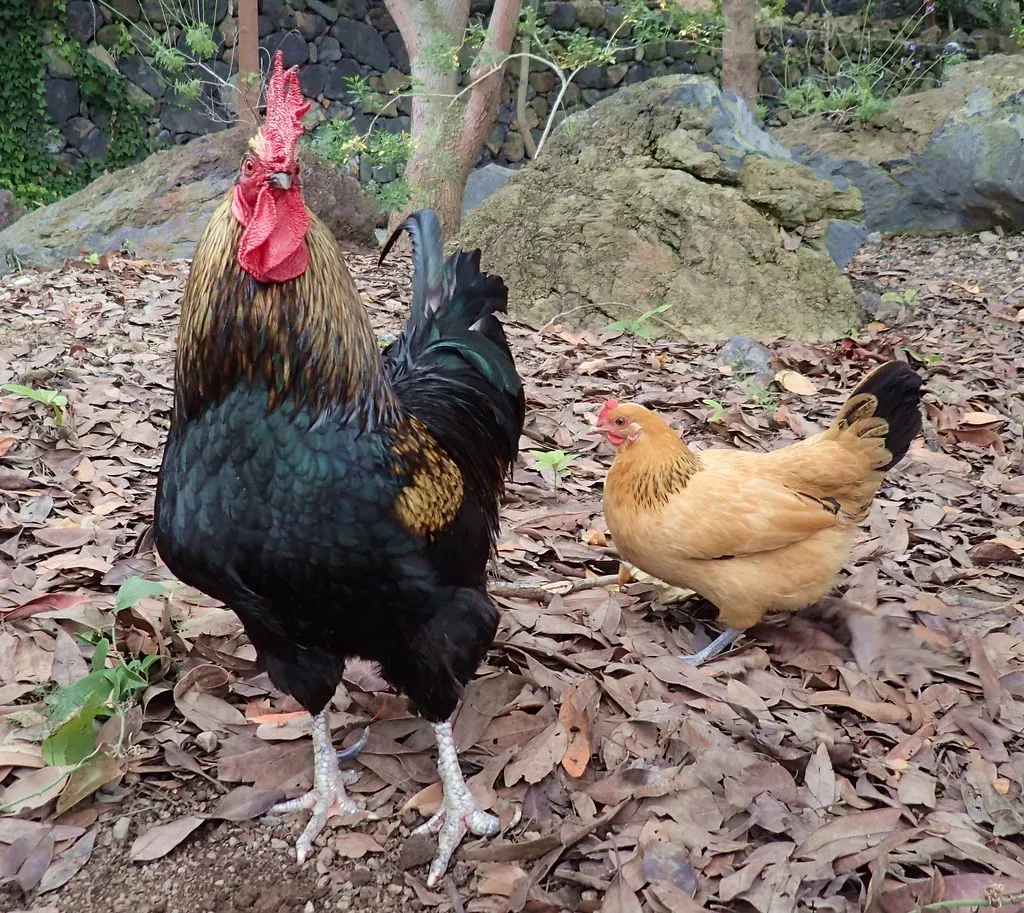
Here’s the thing most people miss when they think about the extinction of the dinosaurs. Dinosaurs did not all disappear 66 million years ago. A branch of them quietly survived, shrank, grew feathers, learned to fly, and eventually ended up in billions of backyards, farms, and dinner plates around the world. Birds, including chickens, are the only theropod dinosaurs that survived the mass extinction event 66 million years ago. This survival is attributed to their unique chromosomal features, such as having a high number of chromosomes, which may have facilitated greater genetic diversity and adaptability. The ability of birds to thrive and diversify after multiple extinction events highlights their evolutionary resilience and the successful adaptation of their dinosaurian traits.
Chickens, far from being simple barnyard birds, are living relics of the age of dinosaurs. Genetically linked to Tyrannosaurus rex and anatomically similar to their theropod ancestors, chickens offer a direct evolutionary window into Earth’s deep past. Every cluck, every scratch, every brooding hen on her nest is a quiet, feathered echo of creatures that once shook the ground beneath their feet. The next time you watch a chicken tilt its head and stare at you with one sharp, curious eye, ask yourself: does it know something you don’t? What would you have guessed?