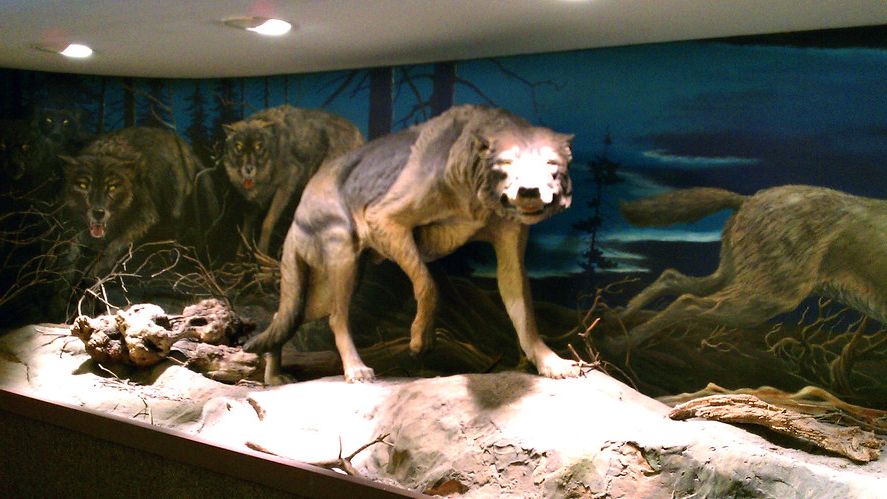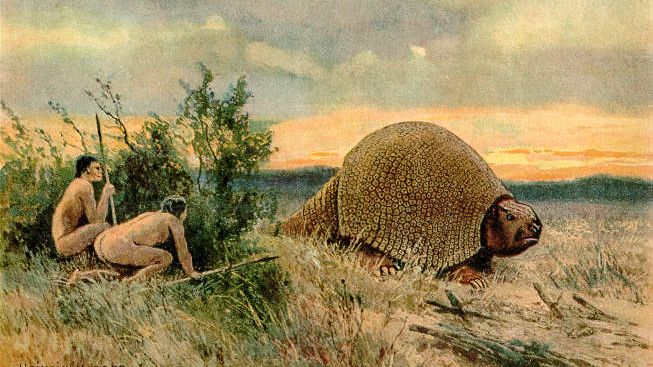
Picture a world where the American West was not the sun-baked desert landscape you might imagine today, but a thundering, wild expanse filled with mammoths, giant ground sloths, short-faced bears, and saber-toothed cats. It sounds like something out of a fantasy novel. Yet for thousands of years, the first peoples of North America shared this extraordinary stage with creatures that would dwarf anything alive today.
The story of how ancient tribes navigated their world alongside megafauna is one of the most captivating, and honestly underappreciated, chapters in human prehistory. It was not simply a story of relentless hunting. It was a complex dance of survival, ingenuity, spiritual connection, and ecological balance that continues to fascinate archaeologists, anthropologists, and curious minds in 2026. So let’s dive in.
The World You Would Have Walked Into: Pleistocene North America
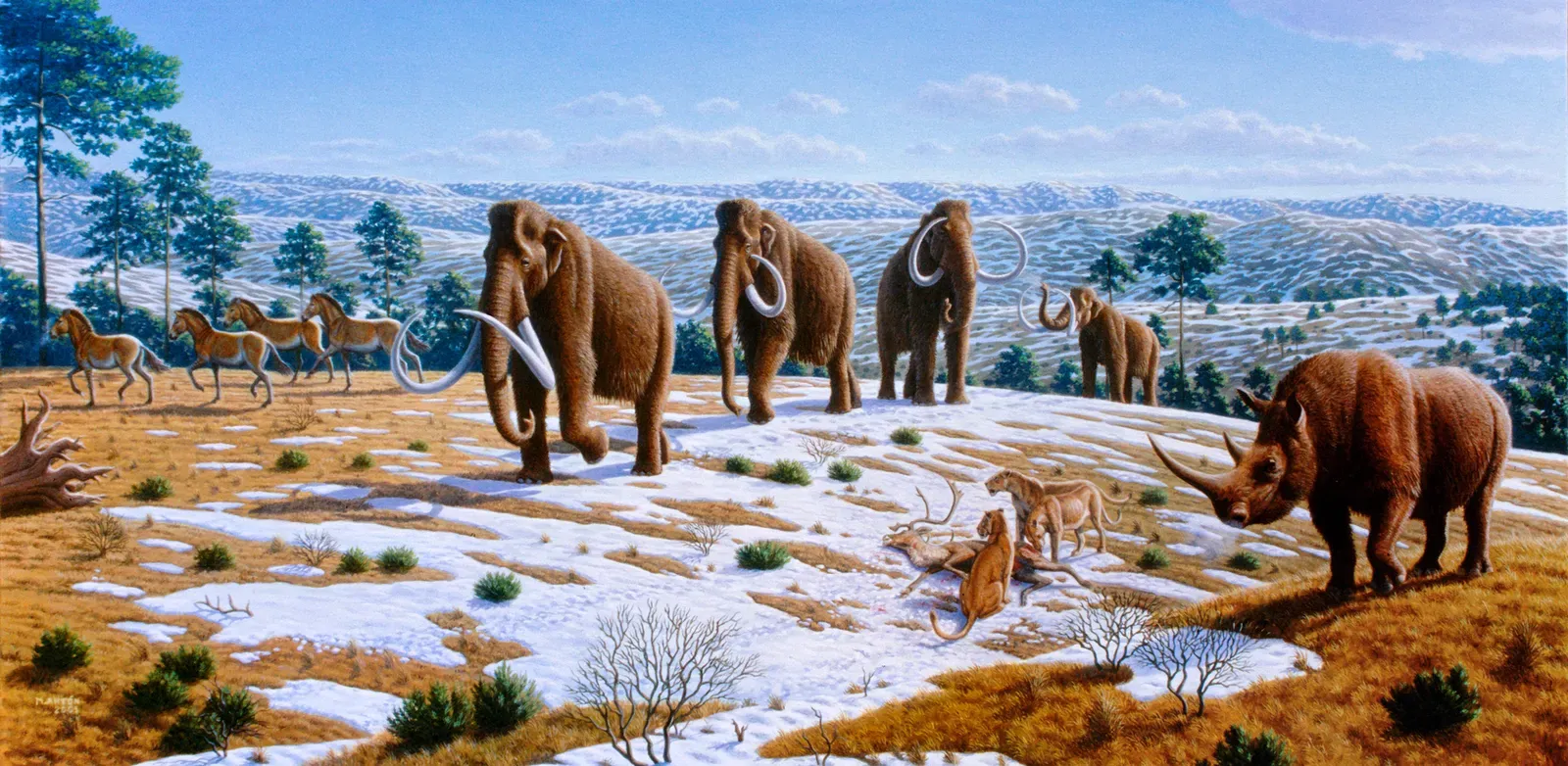
The American Southwest alone had been home to a diversity of cultures for as much as 13,000 years, and the earliest people lived during the final years of the Pleistocene, a time when megafauna such as mammoths still populated the region. Think about what that means for a moment. Your ancient ancestors did not walk into an empty continent. They walked into one of the most ecologically rich environments the world had ever produced.
All the Paleo-Indian groups lived in a relatively dynamic landscape that they shared with Pleistocene flora and fauna, most notably with megafauna such as mammoths, mastodons, giant bison, giant ground sloths, saber-toothed cats, and short-faced bears. It was a world you would barely recognize, loud and alive in ways that are difficult to fully comprehend from the vantage point of the modern era.
Who Were These Ancient People and How Did They Arrive?
It is believed that the peopling of the Americas began when Paleolithic hunter-gatherers entered North America from the North Asian Mammoth steppe via the Beringia land bridge, which had formed between northeastern Siberia and western Alaska due to the lowering of sea level during the Last Glacial Maximum. They did not plan some grand continental conquest. They were following food, warmth, and opportunity, just like any resourceful group of humans would.
Small bands utilized hunting and gathering during the spring and summer months, then broke into smaller direct family groups for the fall and winter. Family groups moved every few days, possibly traveling up to 360 km per year. Let’s be real, that is an extraordinary amount of ground to cover on foot, through terrain filled with enormous predators. These were not passive people. They were adaptable, tough, and remarkably skilled.
The Clovis People and Their Groundbreaking Technology
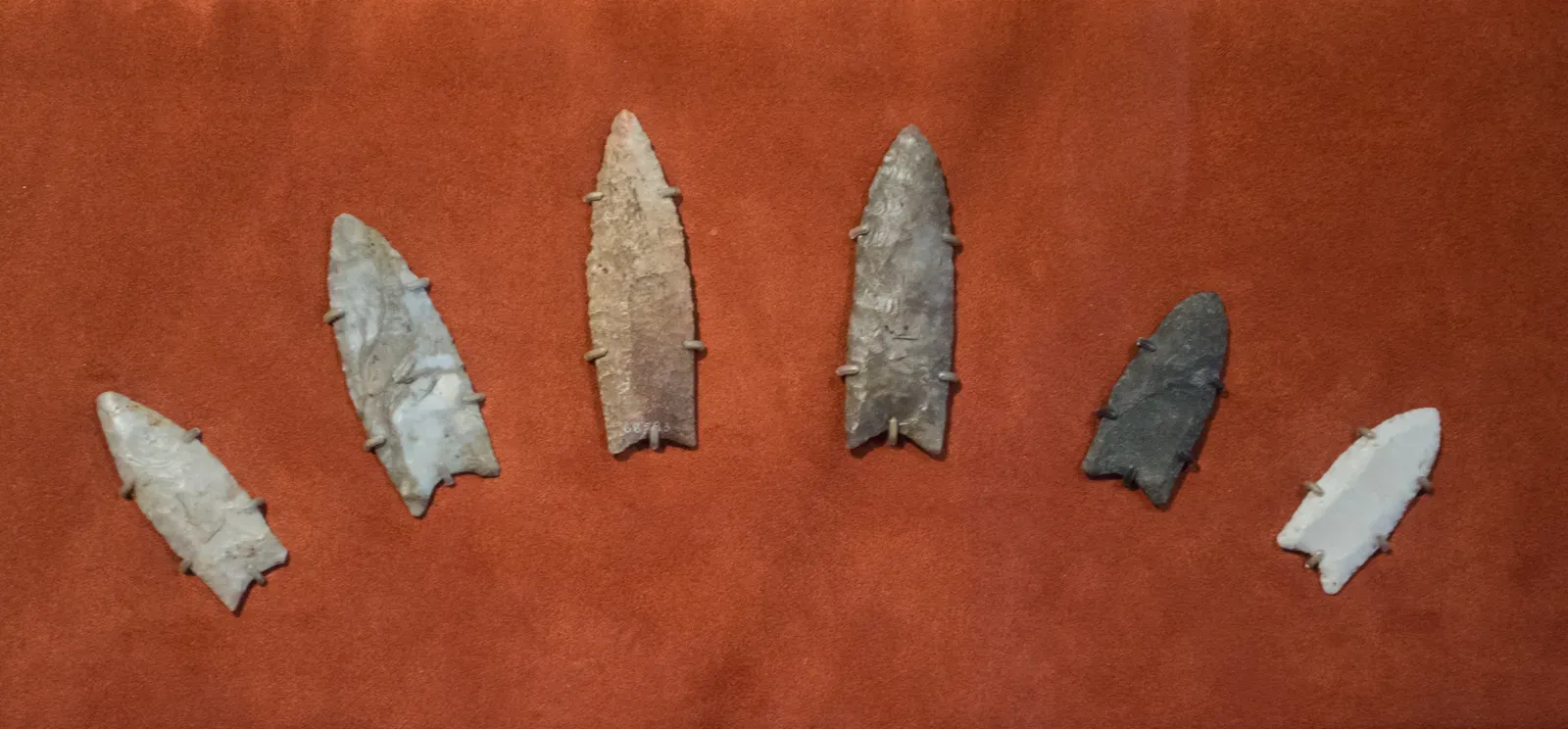
The Clovis culture, a megafauna hunting culture, is primarily identified by use of fluted spear points. Artifacts from this culture were first excavated in 1932 near Clovis, New Mexico, and the Clovis culture ranged over much of North America and also appeared in South America. What is striking is how far and how fast this single technological innovation spread across the continent.
Clovis points were chipped from jasper, chert, obsidian, and other fine, brittle stone, with a lance-shaped tip and wickedly sharp edges. Extending from the base toward the tips are shallow, concave grooves called flutes that may have helped the points be inserted into spear shafts. Typically about four inches long and a third of an inch thick, they were sleek and often beautifully made. Honestly, you could argue these were the first precision-engineered weapons in the Americas. There is something almost poetic about that.
While the dominant narrative and popular culture view Clovis points and tipped spears as a throwing weapon, UC Berkeley researchers have suggested these tools may have actually been designed to be braced against the ground as a pike during a confrontation with megafauna. The more you look at the evidence, the more you realize how sophisticated and strategically thoughtful these early hunters truly were.
Hunters or Cohabitants? The Evidence Is More Complicated Than You Think
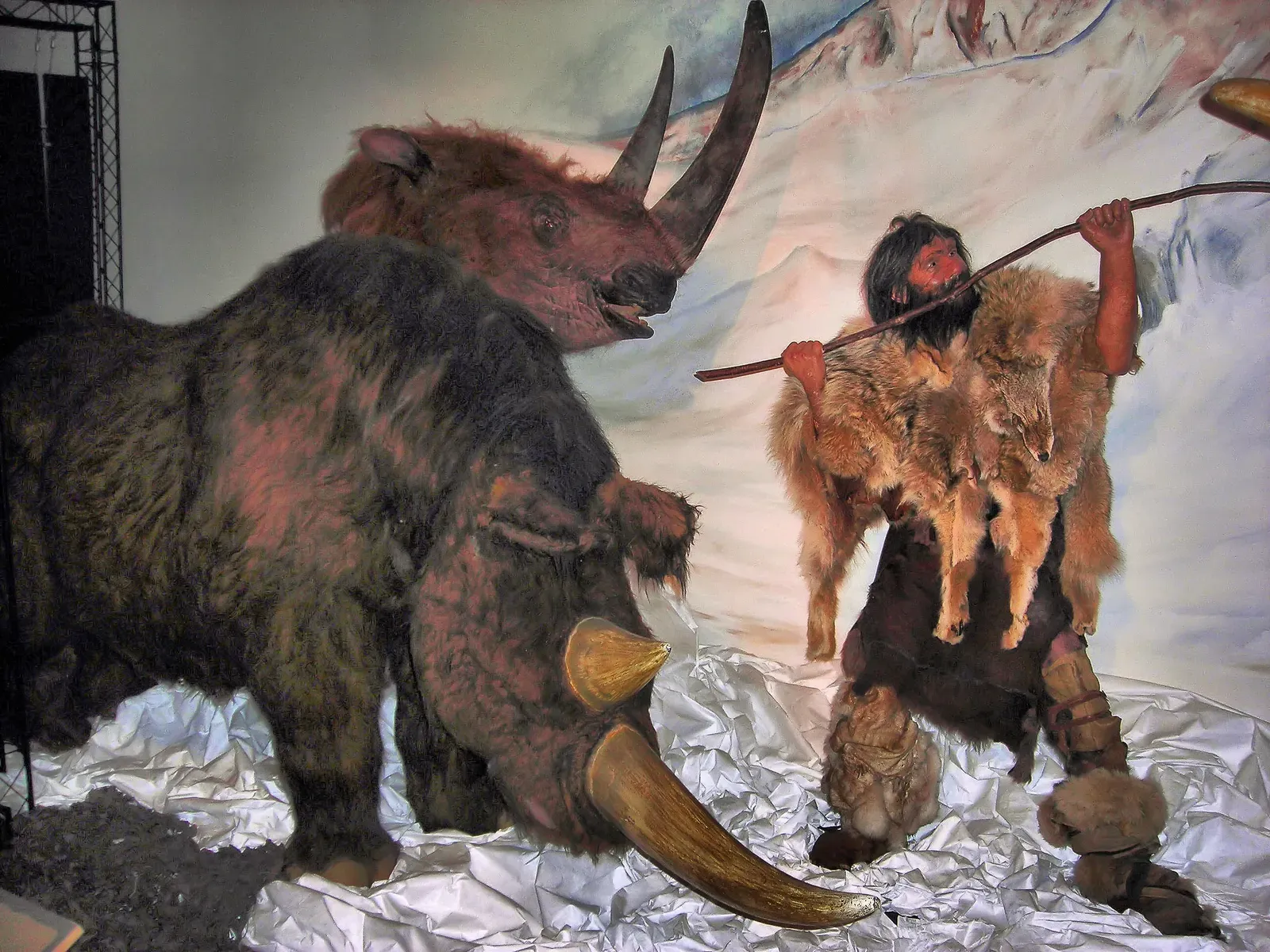
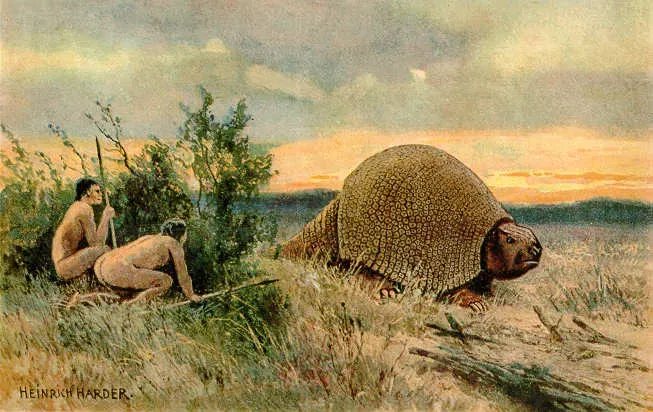
Uploaded by FunkMonk, CC BY 2.0)
Here is where things get genuinely fascinating. The popular image of ancient tribes as nonstop mammoth-slayers is not exactly accurate. Paleo-Indian sites often include the remains of megafauna, sometimes leading to the mistaken impression that these peoples were solely dedicated to the capture of big game, an impression that was sustained for some time by preservation issues and recovery techniques that neglected smaller mammal, fish, and vegetal remains.
By the turn of the 21st century, excavations at sites such as Gault in Texas and Jake Bluff in Oklahoma had clearly demonstrated that at least some Paleo-Indians used a variety of wild animal and plant foods and are better characterized as generalized hunter-gatherers. So you were not just a mammoth hunter. You were more like an omnivorous opportunist, which is a much more accurate picture of human survival strategy across all of history.
Some experts argue that humans are responsible for the megafaunal extinctions, but across Beringia, we know that humans coexisted with the extinct species for long periods. Documented radiocarbon dates show that humans in Alaska overlapped with horse, bison, and lions for more than a thousand years, and evidence of overhunting of these animals is lacking. That is a detail that gets lost far too often in the bigger extinction debate.
The Spiritual Dimension: Animals as Sacred Relatives
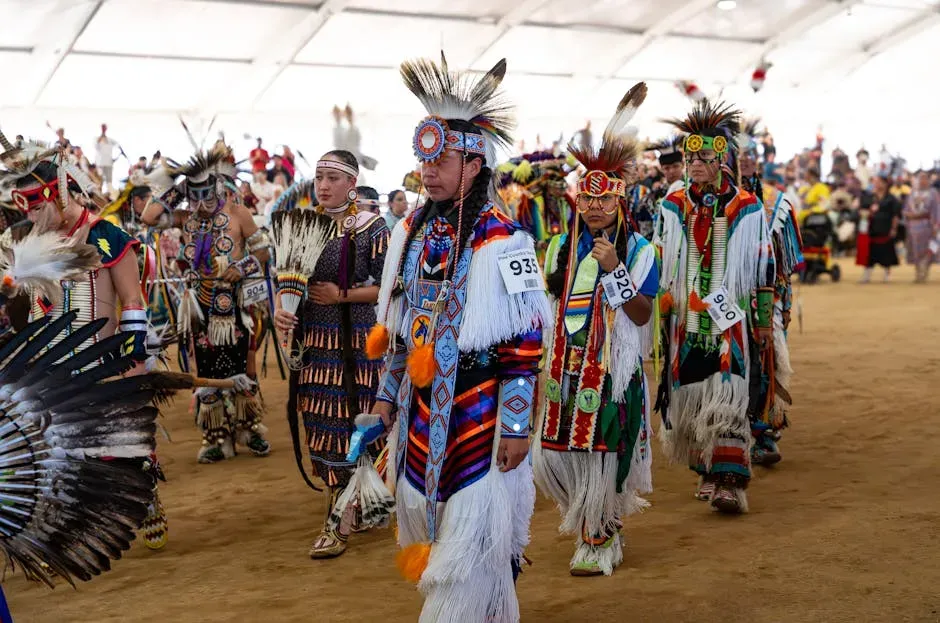
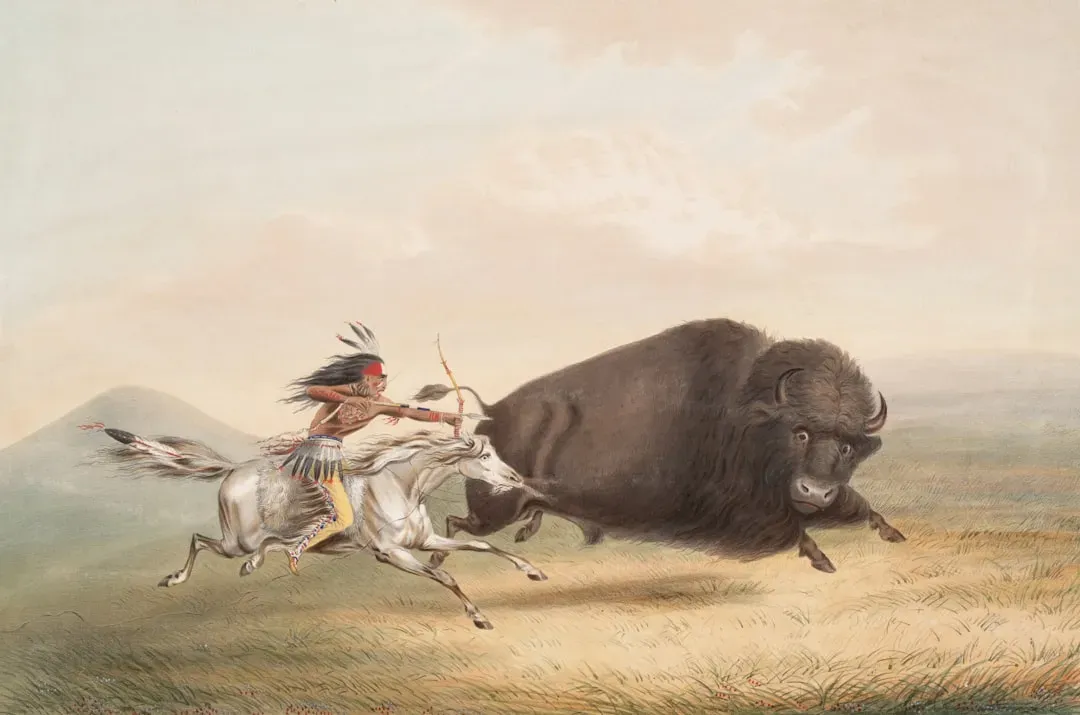
It would be a mistake to reduce the relationship between ancient tribes and megafauna to a purely practical matter of food and survival. The spiritual dimension ran just as deep. In Native American traditions, animals are sometimes used to communicate the values and spiritual beliefs of Native communities. Animals’ importance is also evident in the creation stories of many tribes, and animal imagery is often used to share family, clan, and personal stories.
Indigenous peoples hunted, fished, and collected what was needed to sustain their families, tribes, or clans, and every part of the animal was used. In many cultures, there were accompanying celebrations and rituals of appreciation. You did not just take from the land and walk away. You said thank you. You performed ceremonies. You recognized the animal as something more than just a meal, which is a profoundly different relationship with the natural world than the one most people have today.
Native American teachings describe the relations all around, including animals, fish, trees, and rocks, as brothers, sisters, uncles, and grandparents. In this worldview, the mammoth was not merely a prey animal. It was a relative, a being with its own spiritual standing in the cosmos.
Why Did the Megafauna Eventually Disappear?
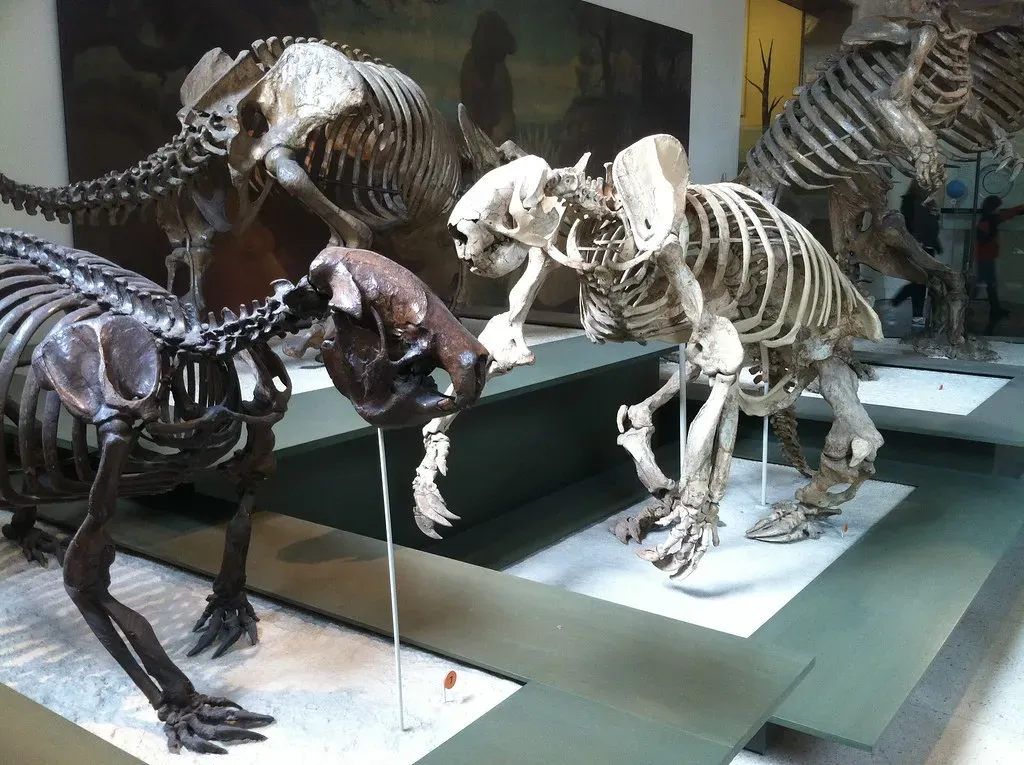
This is probably the question that keeps archaeologists up at night. The truth is, it is hard to say for sure, and the debate is still very much alive. Dozens of large mammals such as mammoth and mastodon disappeared in North America at the end of the Pleistocene, with climate change and overkill by human hunters the most widely argued causes.
Some form of a combination of both factors could be plausible, and overkill would be a lot easier to achieve large-scale extinction with an already stressed population due to climate change. Think of it like a slow-moving domino effect. The climate shifted, the grasslands shrank, the animals weakened, and human hunting pressure may have been enough to tip some species over the edge. No single villain in the story.
New research reveals that Clovis tool manufacturing only existed for about 300 years and fell by the wayside at the same time as the last of the North American megafauna went extinct. That timing is provocative. Whether it tells you the Clovis people caused the extinctions, or simply that they adapted quickly when the megafauna were gone, is still being debated. In three cases, extinctions appear linked to human hunting, while in five others they are consistent with the effects of climate change, and in a final case, both human hunting and climate change appear responsible. It really was not a one-size-fits-all answer.
Conclusion
The story of ancient tribes and megafauna in the American West is not a simple tale of hunters versus giants. It is something far richer. You had small, highly mobile groups of people navigating a world of colossal animals with brilliant ingenuity, deep spiritual reverence, and practical ecological awareness that we are only beginning to fully appreciate. Indigenous peoples strove to be respectful of their environments, and many believed in thoughtfully honoring the lives of animals by only taking what is needed.
What is perhaps most humbling is realizing how long that coexistence actually lasted, thousands of years of genuine balance between human populations and some of the most formidable creatures to ever walk North America. The megafauna are gone now, and the exact reasons remain a subject of fascinating and ongoing scientific debate. Yet the legacy of those ancient people and the world they inhabited still echoes in the landscapes, the oral traditions, and the archaeological sites of the American West. Does that kind of deep, respectful coexistence between humans and the natural world feel more urgent to you now than it ever has before?